
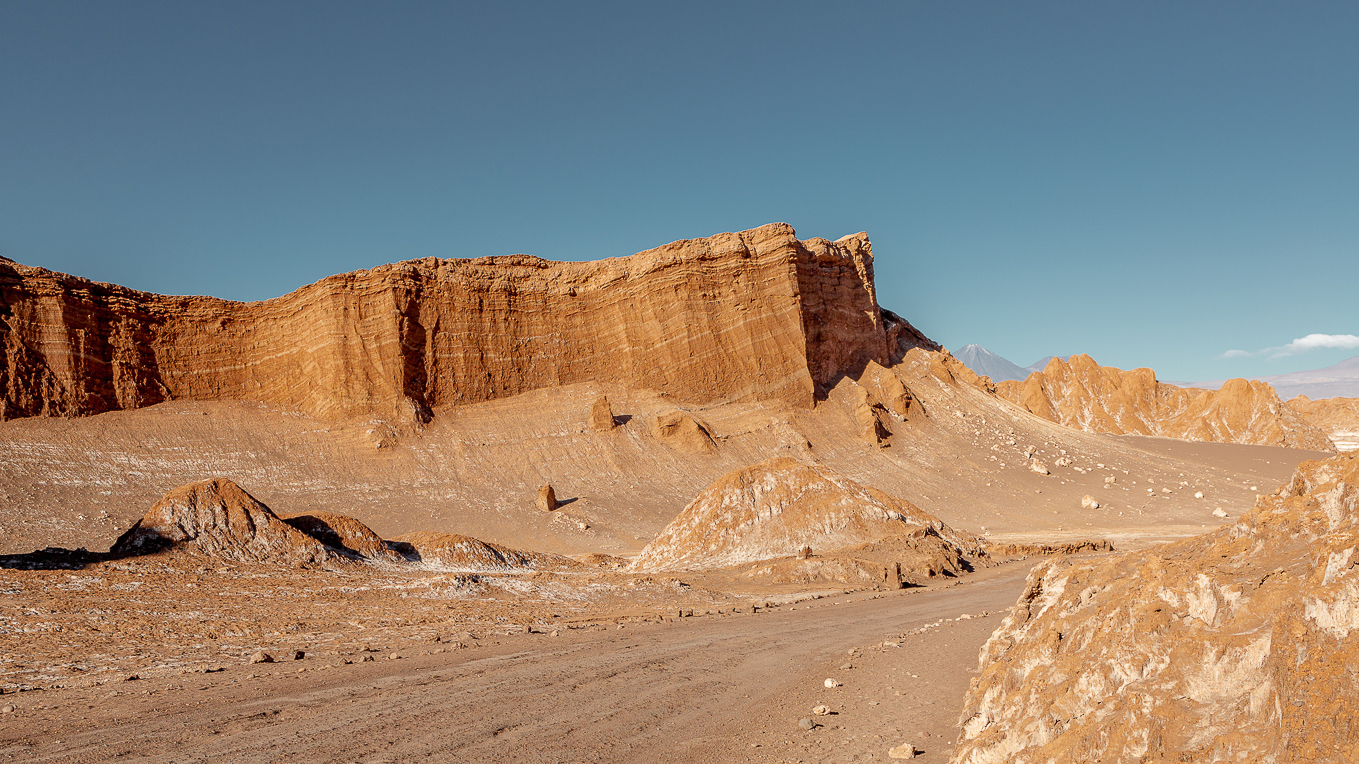

South America was one of those trips that completely surprised me. I knew I would see incredible places, but the sheer variety of landscapes, colours, history and culture made it feel like a photographer’s dream. From dramatic high altitude scenery and ancient ruins to colourful colonial streets and everyday moments, there was always something worth capturing. September turned out to be a fantastic time to visit, with clear skies and that crisp high altitude light that makes mountains and ancient stonework look even more impressive. Looking back, booking this trip was easily one of the best decisions I have made. It was an adventure full of incredible places, unforgettable moments and photographs I will treasure for years to come.
TRAVEL & PHOTO CONDITIONS
| Time | September/October 2019 |
|---|---|
| Weather | Mixed | Sunny + Partly Cloudy ☀☁ |
| Temperature | 10 to 32 °C |
| Photo Potential | |
| Physical Difficulty | |
| Accessibility | |
| Crowd Level | |
| Value for Money |
TRIP ESSENTIAL BOOKINGS
FLIGHTS
[Flight 1] Lima ➙ Cusco
[Flight 2] Cusco ➙ La Paz
[Flight 3] La Paz ➙ Uyuni
[Flight 4] Calama ➙ Santiago
Outbound: Santiago de Chile
ACCOMMODATION (NIGHTS)
Ad / Affiliate links | Find your accommodation with Booking.com
PERU: TRAIN & MACHU PICCHU
BOLIVIA: 3 DAY / 2 NIGHT TOUR
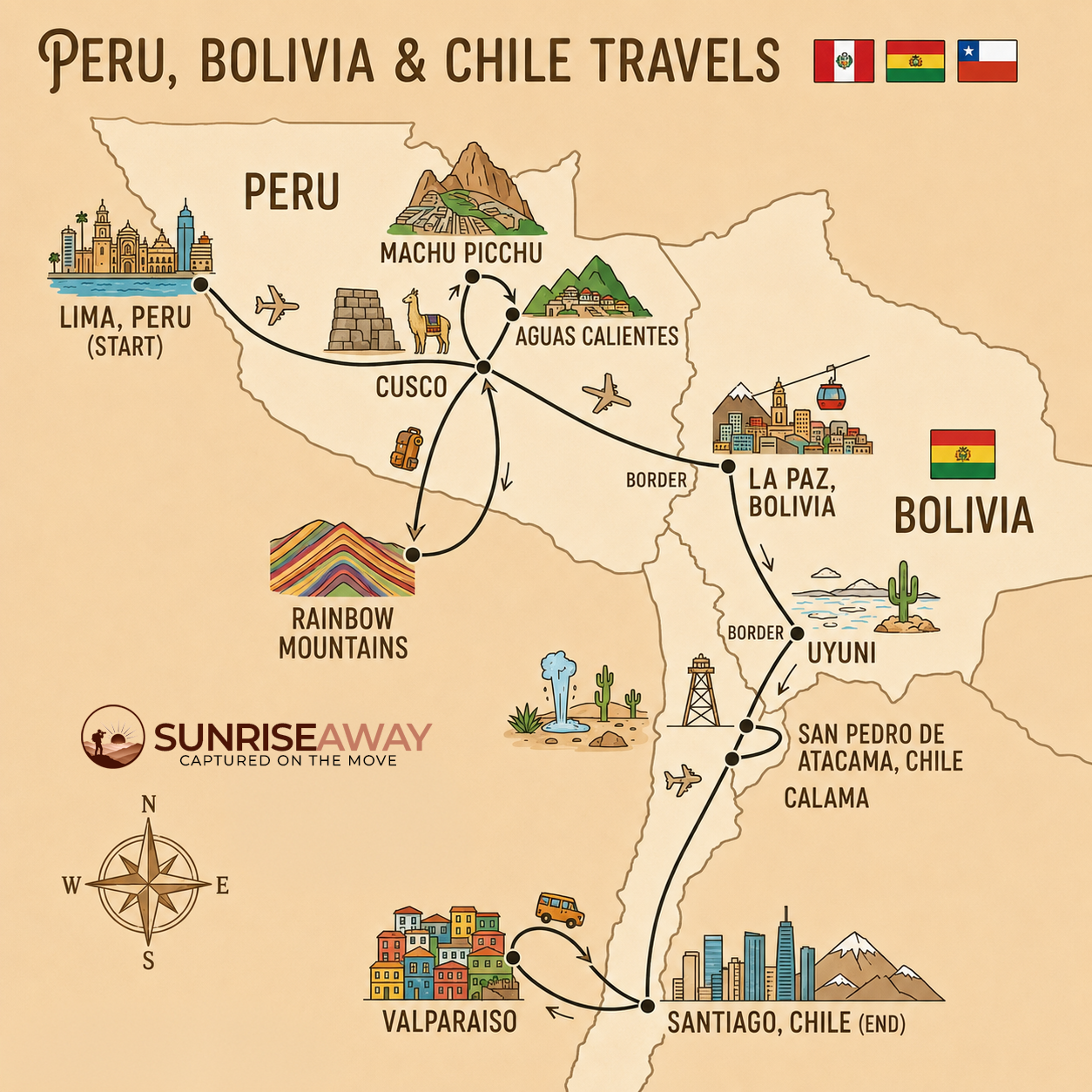
14-Day South American Expedition
(3 countries: Peru – Bolivia – Chile)
This 14 day journey through Peru, Bolivia and Chile was an incredible experience and one I will never forget. It was a trip full of dramatic landscapes, fascinating places and moments that felt completely different from anything I had experienced before. Much of the journey took place at high altitude, so I had to take things slowly at first and give my body time to adjust. There were also flights and long road journeys through remote and rugged landscapes, but these became an important part of the adventure. As a photographer, I found endless inspiration along the way. From ancient stone buildings and colourful old towns to vast salt flats stretching as far as the eye could see, there was always something worth photographing. Sunrise and sunset were particularly special, with the changing light completely transforming the landscapes and making every location feel different. The weather also kept me on my toes. Temperatures could change dramatically throughout the day, so having plenty of layers was essential. Comfortable, sturdy shoes were just as important, especially when walking across rocky paths, cobbled streets and the salt flats. Planning ahead made a big difference, particularly for places such as Machu Picchu, which can get extremely busy. Having tickets and transport arranged in advance meant I could enjoy the experience without worrying about missing out. Looking back, the altitude, long journeys and changing conditions were all part of what made the trip so memorable. Travelling through three completely different countries, experiencing such incredible landscapes and coming home with thousands of photographs and unforgettable memories made this one of my favourite adventures.
Part 1: Peru 🇵🇪
Day 0: Departure
Inbound flight to Lima
We flew from London to Lima via Madrid.
Day 1: Lima, Peru
Arrival
We transferred by taxi to our accommodation for one night.
City Exploration
We explored Centro Histórico (📍MAP), the heart of colonial Lima, where we admired grand Spanish architecture, the stunning Plaza Mayor, and historic cathedrals.
We visited Huaca Pucllana (📍MAP), an impressive ancient pyramid built from millions of adobe bricks that stood in stark contrast to the modern city surrounding it.
We wandered through Miraflores (📍MAP), a vibrant coastal district known for its clifftop boardwalk, green parks overlooking the Pacific Ocean, and excellent dining.
Day 2: Lima to Cusco
Flew to Cusco (📍MAP)
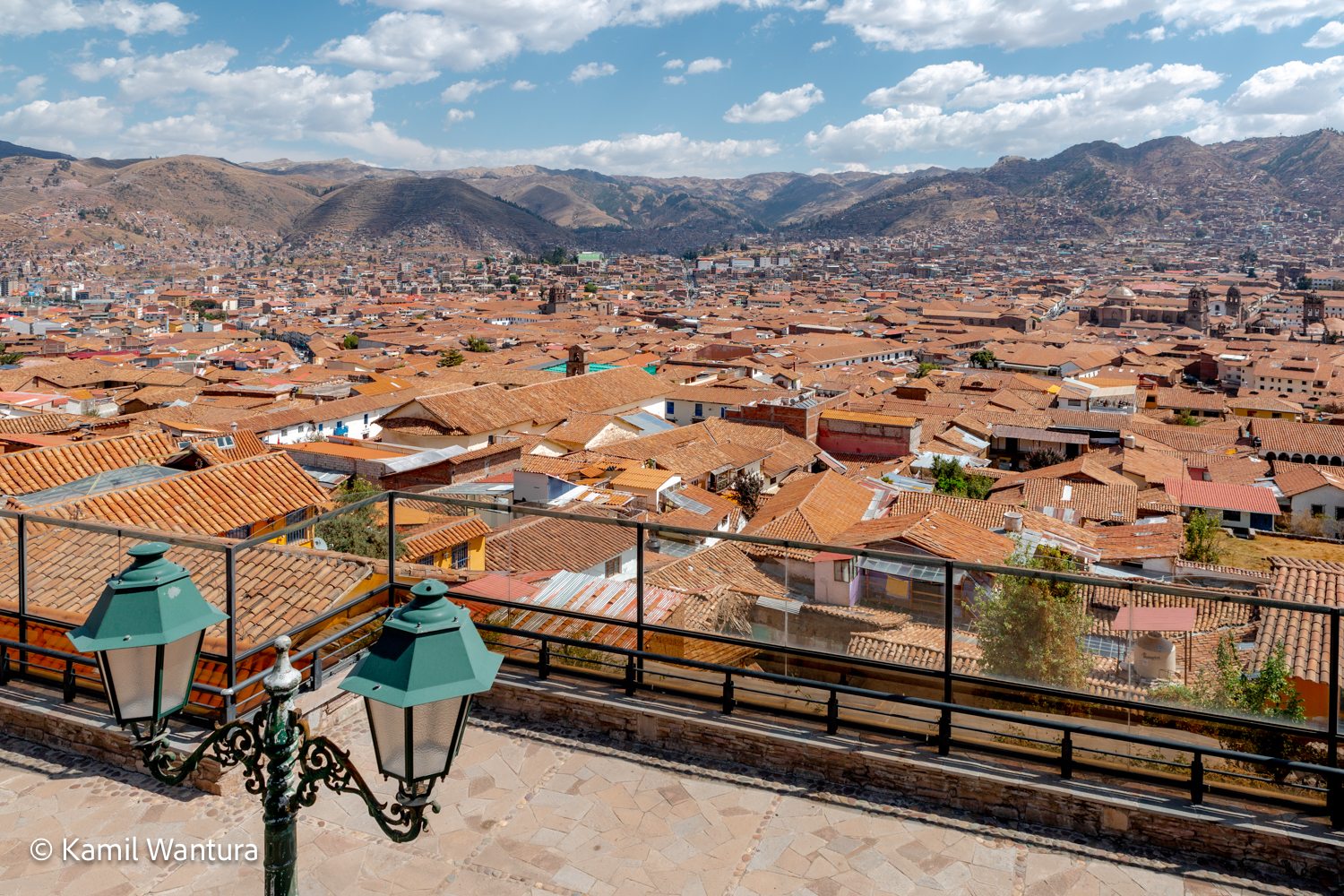
Imperial Cusco Exploration
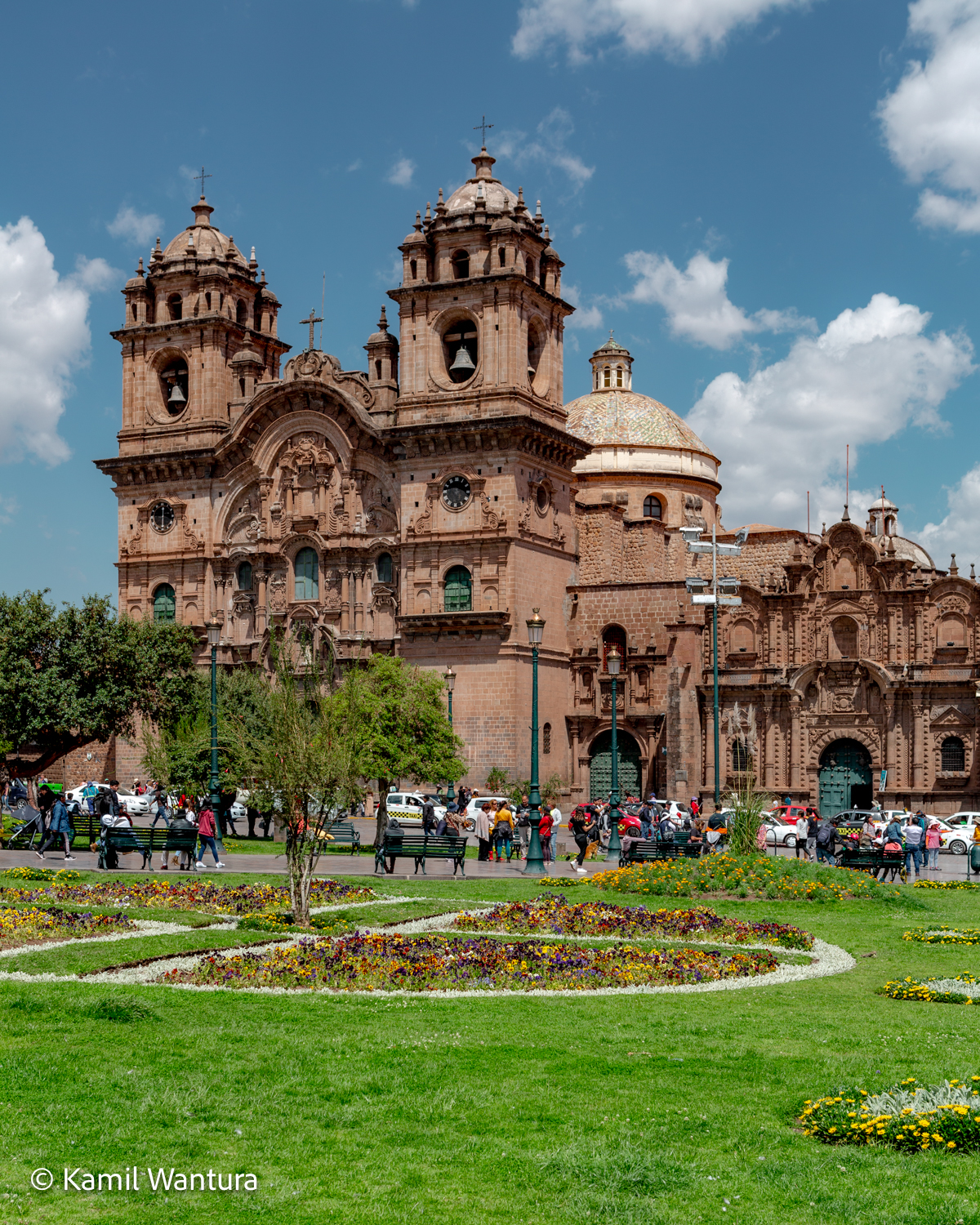
We strolled through the historic Plaza de Armas (📍MAP), the vibrant colonial heart of the city, built over ancient Inca palaces and bordered by grand cathedrals and red-tiled arcades.
We discovered Qorikancha (📍MAP), the most sacred Sun Temple of the Inca Empire, where Inca stonemasonry met Spanish colonial history, with a convent built directly on top of its colossal foundations.
We marvelled at the massive stone fortress of Sacsayhuamán (📍MAP), perched on a hill overlooking the valley, with giant limestone blocks weighing over 100 tonnes that had been fitted together with remarkable precision.
We ventured slightly outside the city limits to Tambomachay (📍MAP), an intimate archaeological site featuring a series of aqueducts, canals, and terraced waterfalls dedicated to the ancient Inca cult of water.
Day 3: Cusco to Aguas Calientes
Private Taxi Transfer
We travelled from Cusco to Ollantaytambo (📍MAP) using Taxidatum, exploring the Sacred Valley along the way.
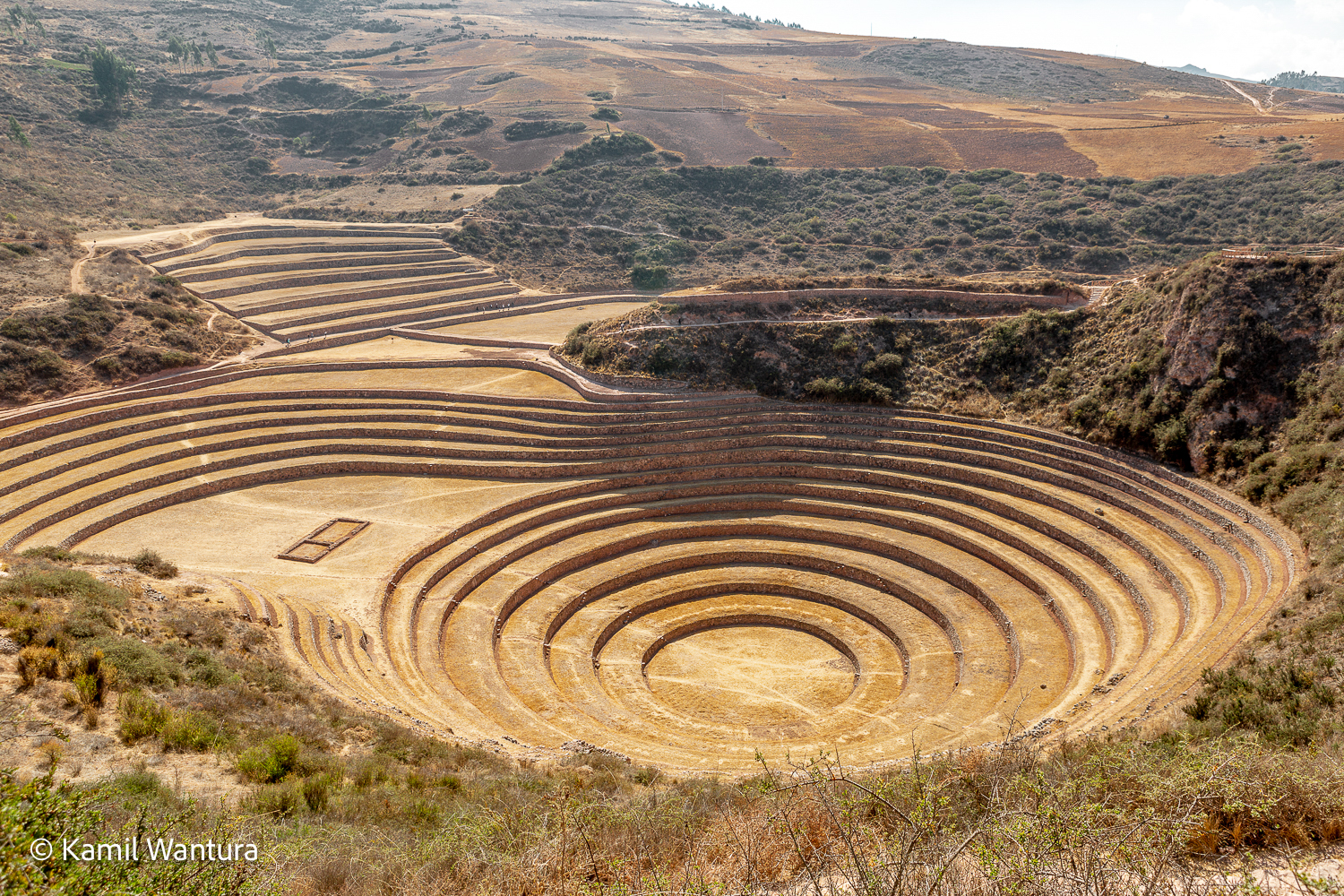
We stopped at Zona Arqueológica Moray (📍MAP), a unique Inca site featuring enormous, terraced agricultural depressions that created different microclimates to experiment with crops.
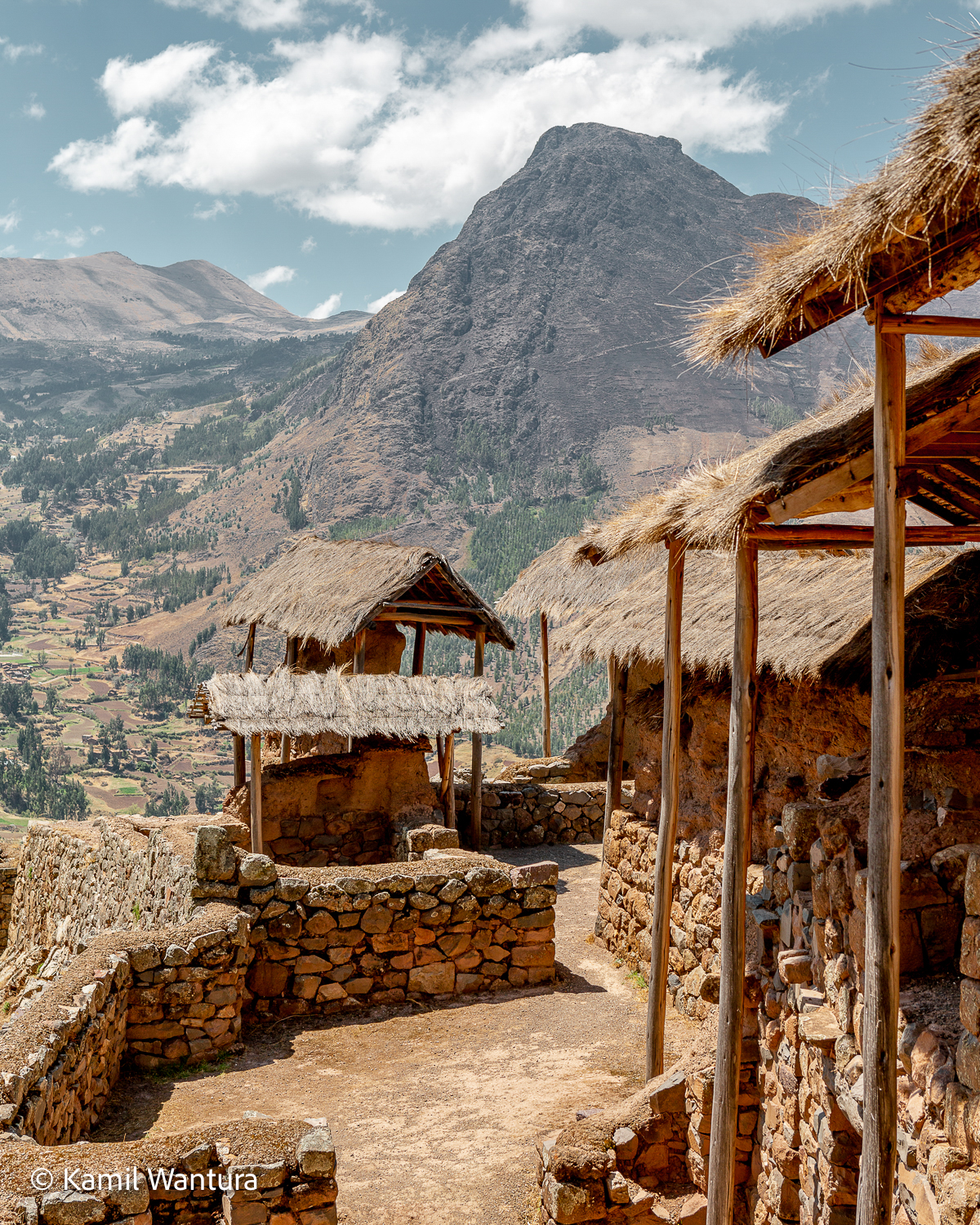
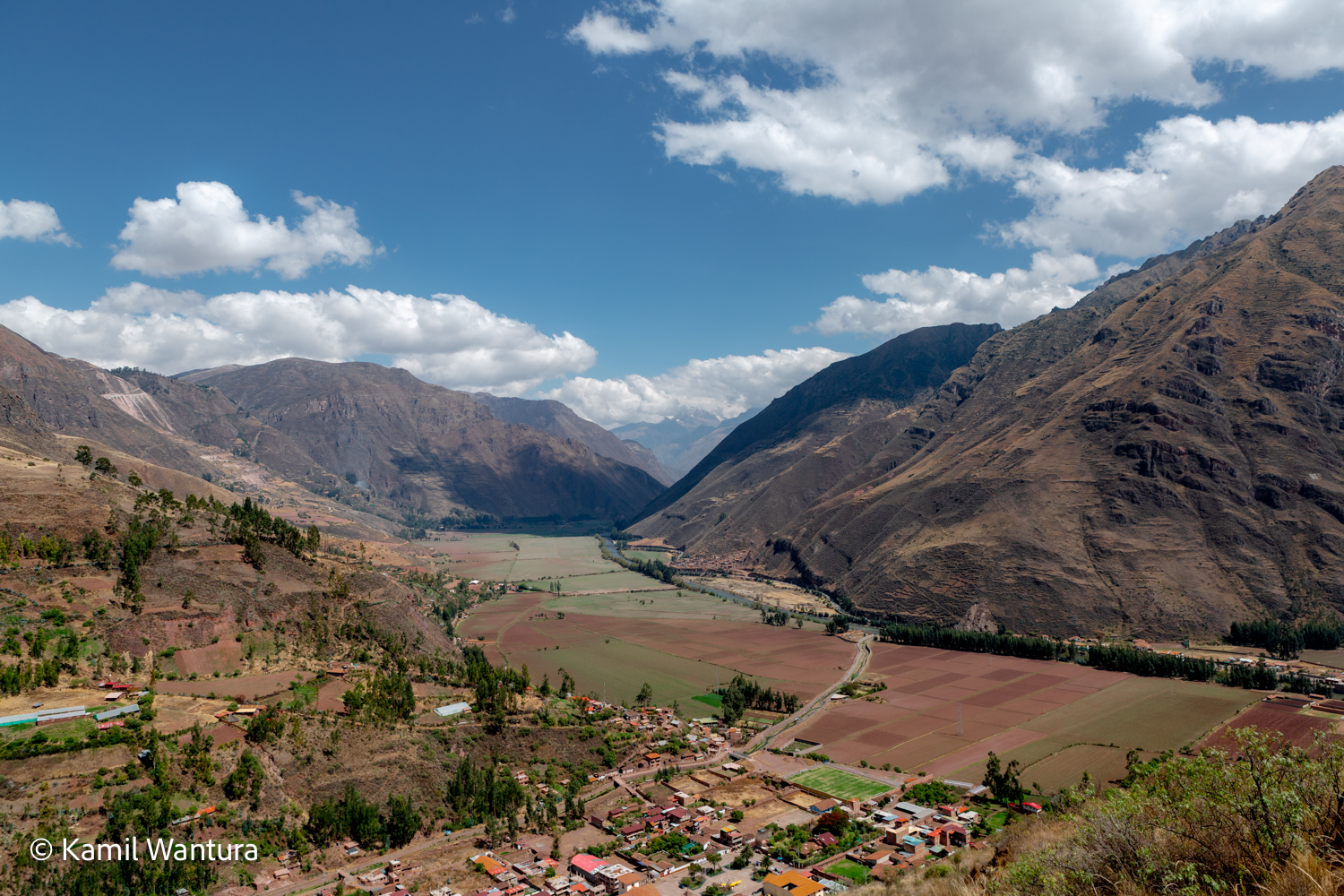
We visited Parque Arqueológico Pisac (📍MAP), a spectacular hilltop citadel boasting sweeping valley views, ancient burial sites, and vast agricultural terraces that rival Machu Picchu.
Train Journey
We travelled to Aguas Calientes (📍MAP). Accommodation for 1 night is located next to the train station and close to the bus stop.
Day 4: Machu Picchu
Bus to Machu Picchu (📍MAP)
Ruins Exploration
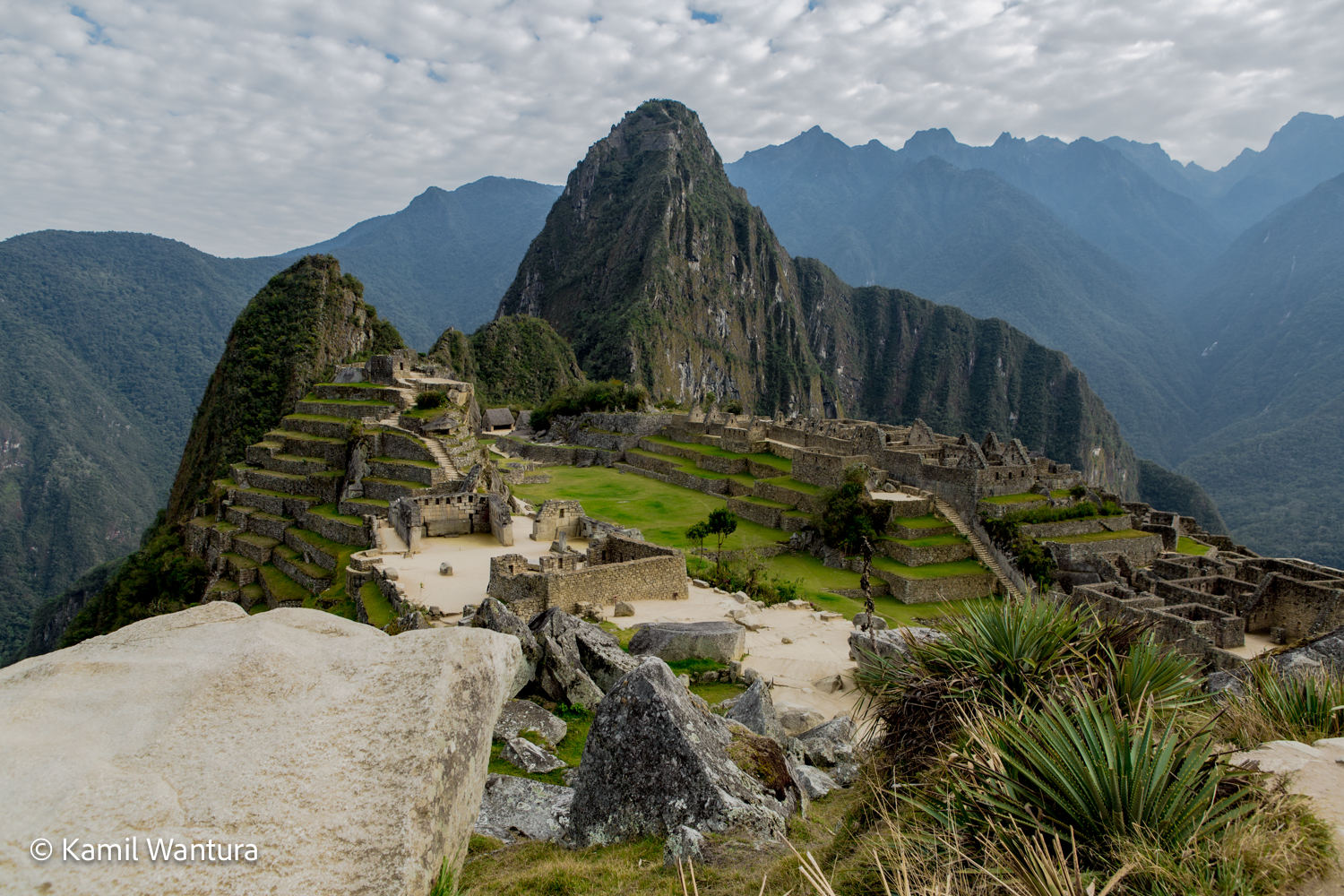
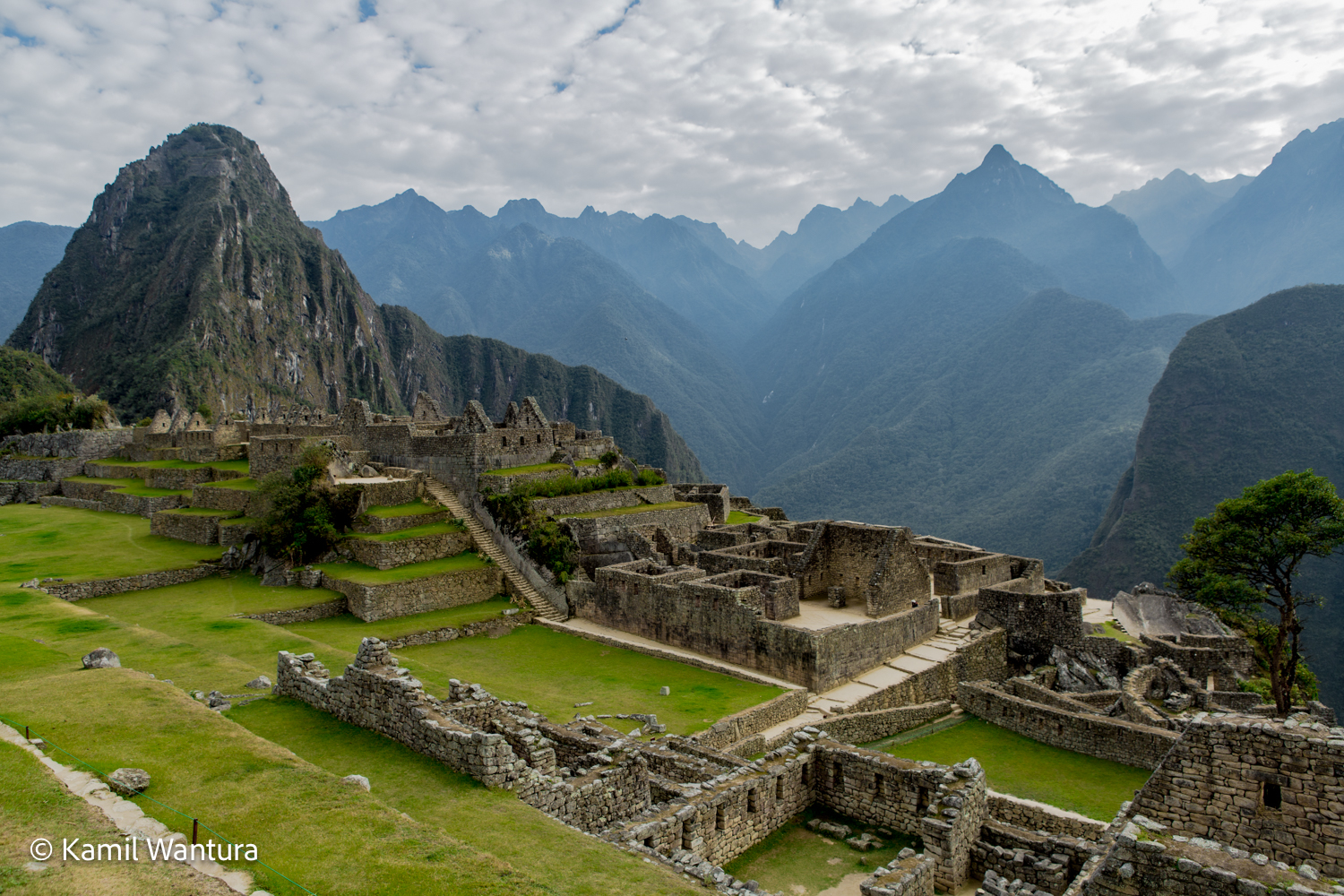
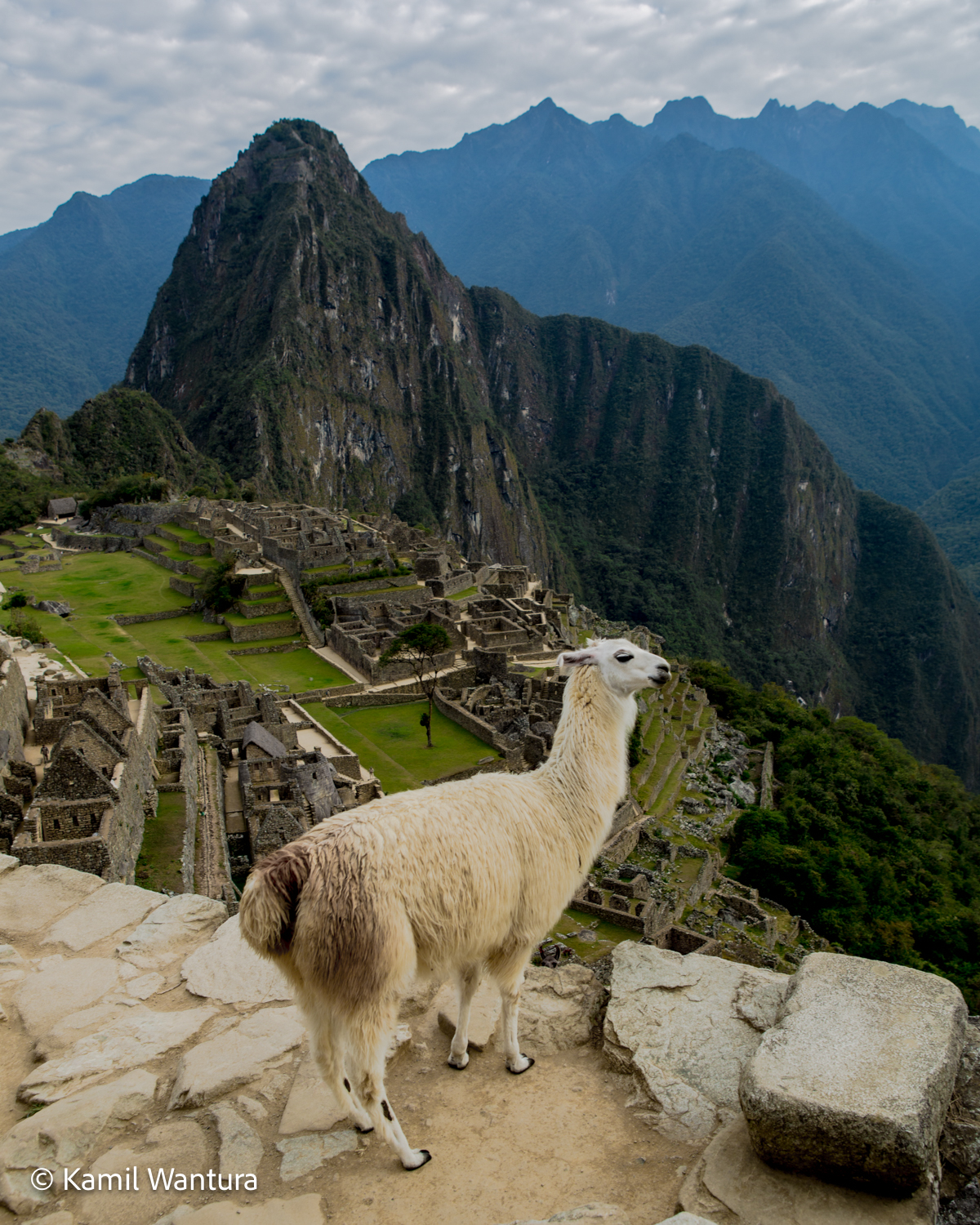
We spent almost four hours at Machu Picchu, absolutely captivated by the incredible views. The sheer beauty of the place left us completely speechless, and I honestly could not stop taking photos.
Return to Cusco
We took the bus to Aguas Calientes, the train to Ollantaytambo, and a transfer back to Cusco.
Day 5: Rainbow Mountain
Private Taxi Excursion
We took a trip to Vinicunca (Rainbow Mountain) (📍MAP) with Taxidatum.
Hiking Vinicunca
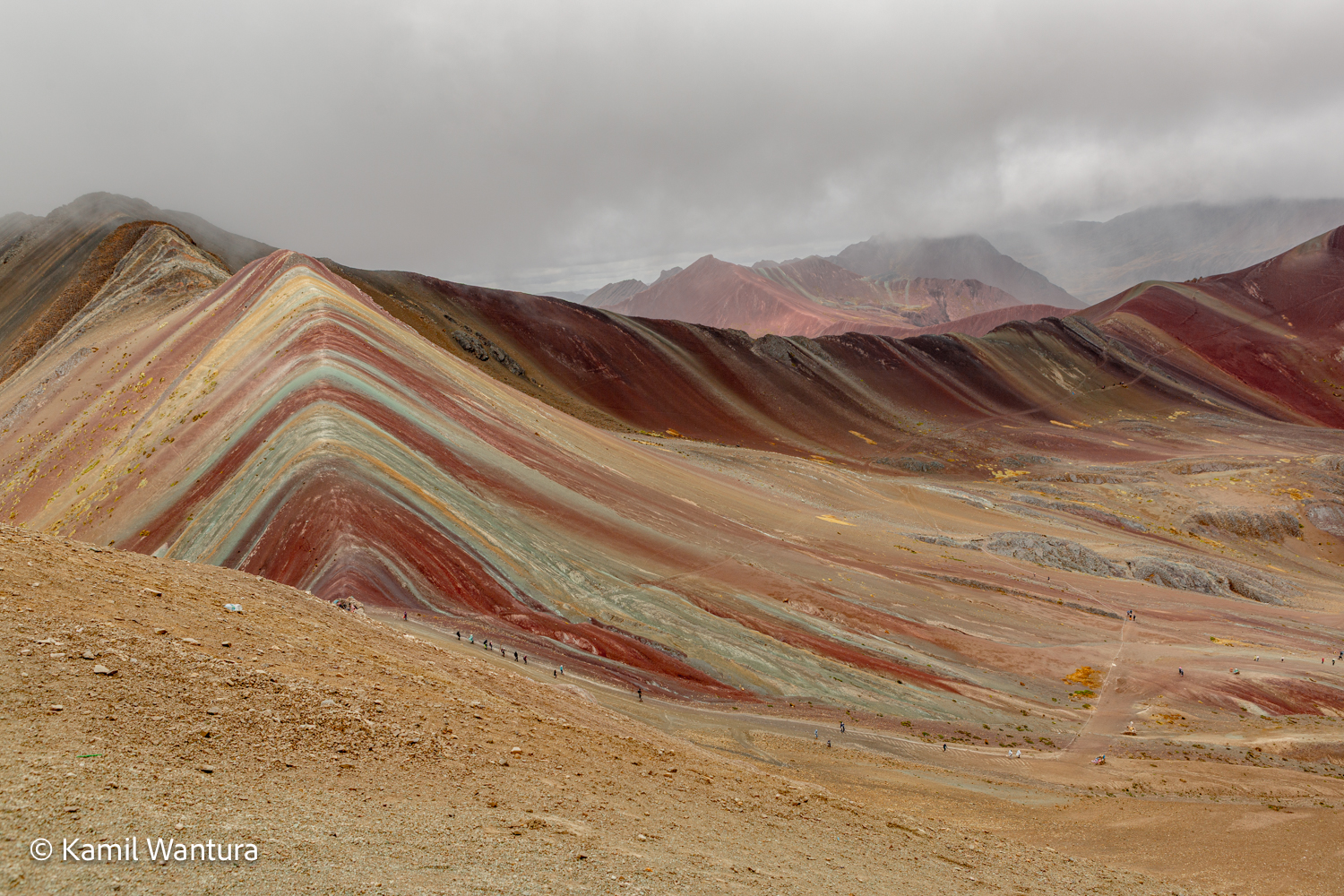
We hiked to Rainbow Mountain, known locally as Vinicunca, and found it to be one of the most visually spectacular adventures in the Peruvian Andes. The striking turquoise, gold, and lavender stripes had been formed by weathering and mineral sediment layers exposed as glaciers melted. The hike was approximately 7 kilometres round trip.
Return to Cusco
Part 2: Bolivia 🇧🇴
Day 6: La Paz, Bolivia
Flew to La Paz (📍MAP)
City Exploration
Witches’ Market (📍MAP): We explored a vibrant street market known for traditional Andean remedies, protective amulets, and llama fetus offerings to Mother Earth.
Calle Jaén (📍MAP): We explored the best-preserved colonial cobblestone street in La Paz, which was lined with brightly coloured 18th-century buildings, boutique museums, and local ghost folklore.
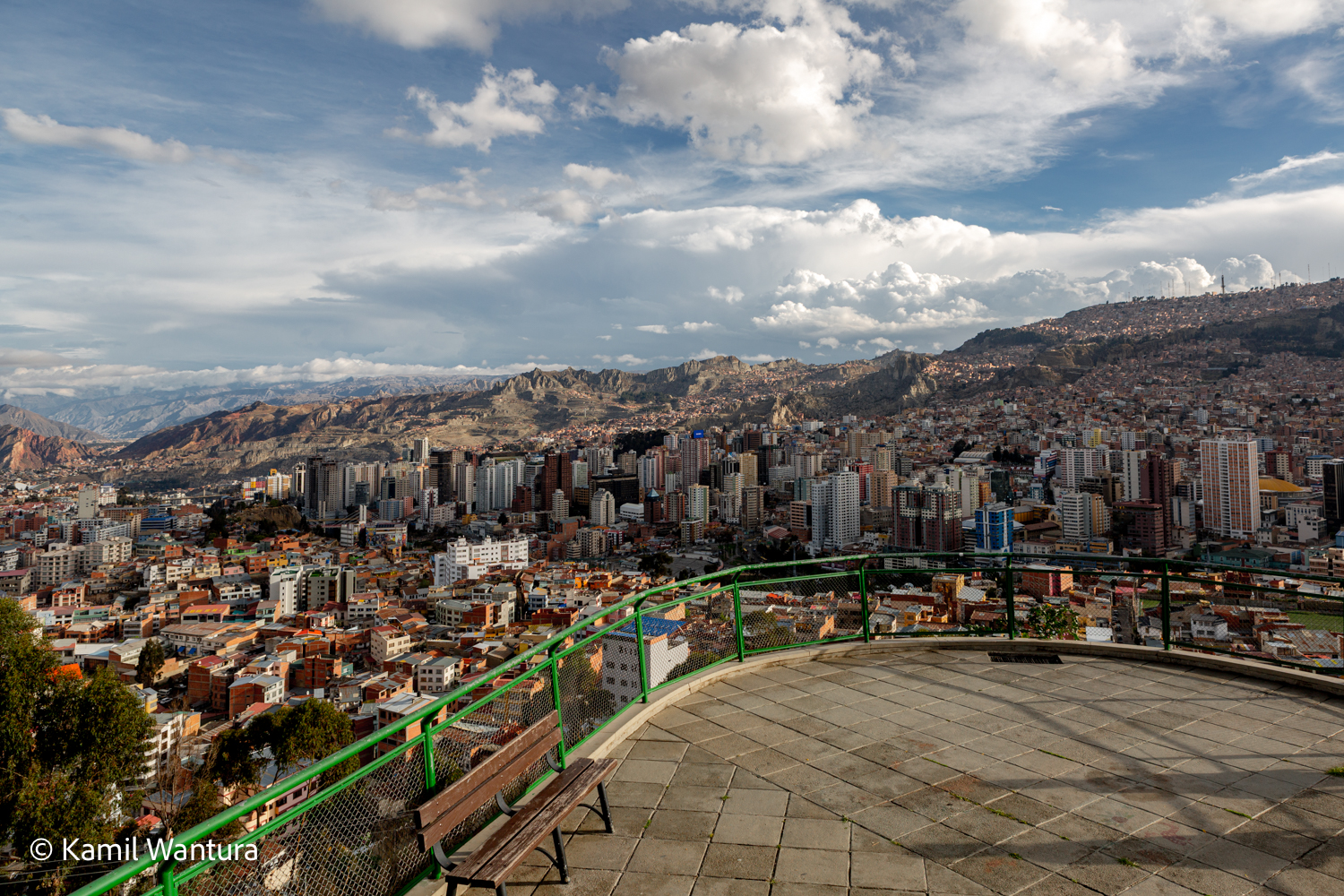
Mirador Killi Killi (📍MAP): We visited this historic hilltop lookout and enjoyed breathtaking 360-degree panoramic views of the city canyon and the snow-capped Mount Illimani.
Coca Museum (📍MAP): We visited this small museum, which explored the sacred history of the coca leaf, from its essential role in ancient indigenous rituals to its modern global impact.
Day 7: La Paz (El Alto)
Cable Car Exploration
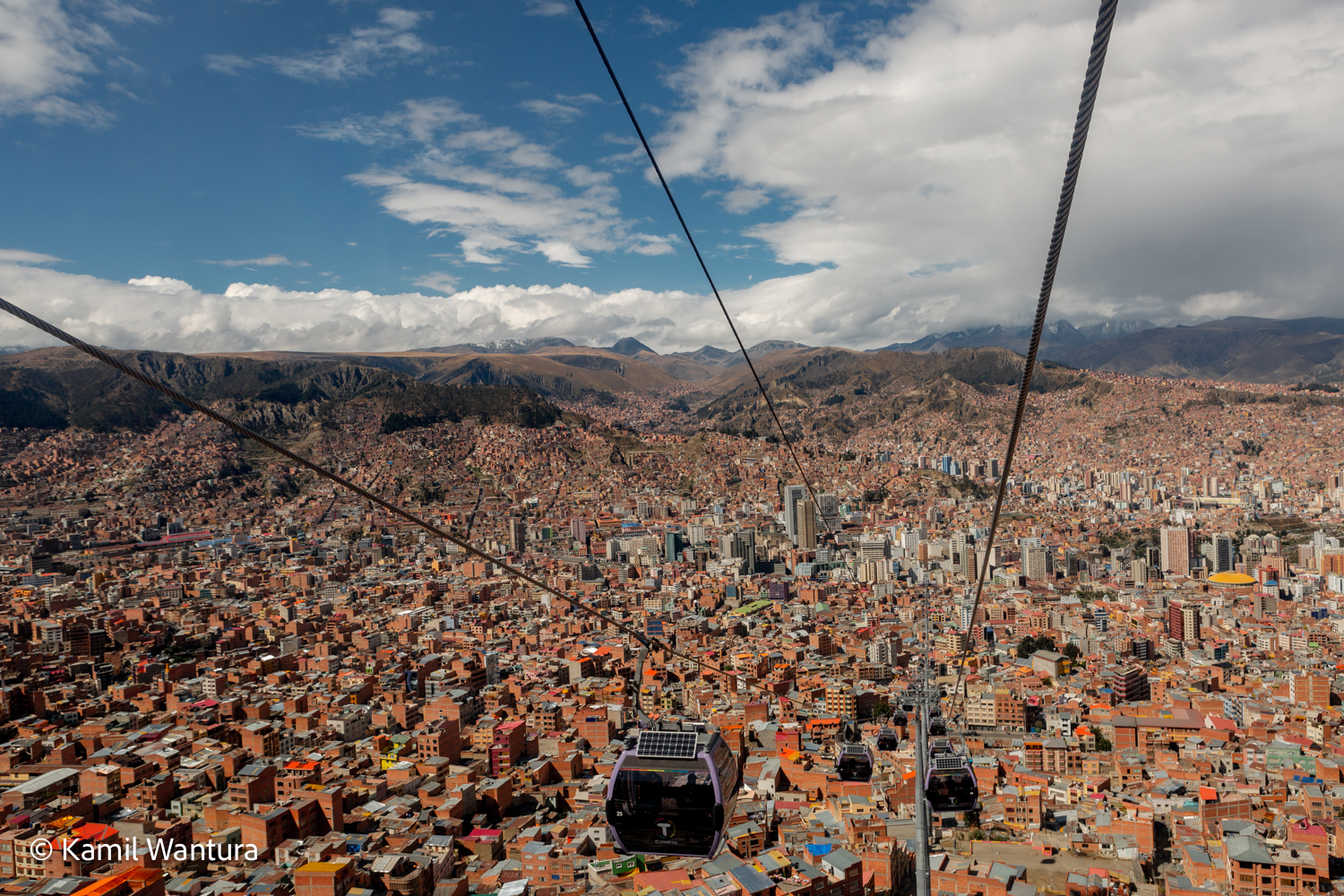
We travelled to El Alto (📍MAP) using the city’s Mi Teleférico cable car network.
About Mi Teleférico: Mi Teleférico, one of the world’s highest urban aerial cable car systems, functioned like a high-altitude metro. It provided an efficient and scenic alternative to navigating the city’s steep, traffic-congested canyon roads, and we enjoyed breathtaking bird’s-eye views of La Paz and the Andes mountains.
Day 8: Salar de Uyuni
Flight to Uyuni (📍MAP)
Excursion Start
We began a 3-day/2-night excursion with Salty Desert Adventure (booked in advance). They are located here: (📍MAP)The Salt Flats
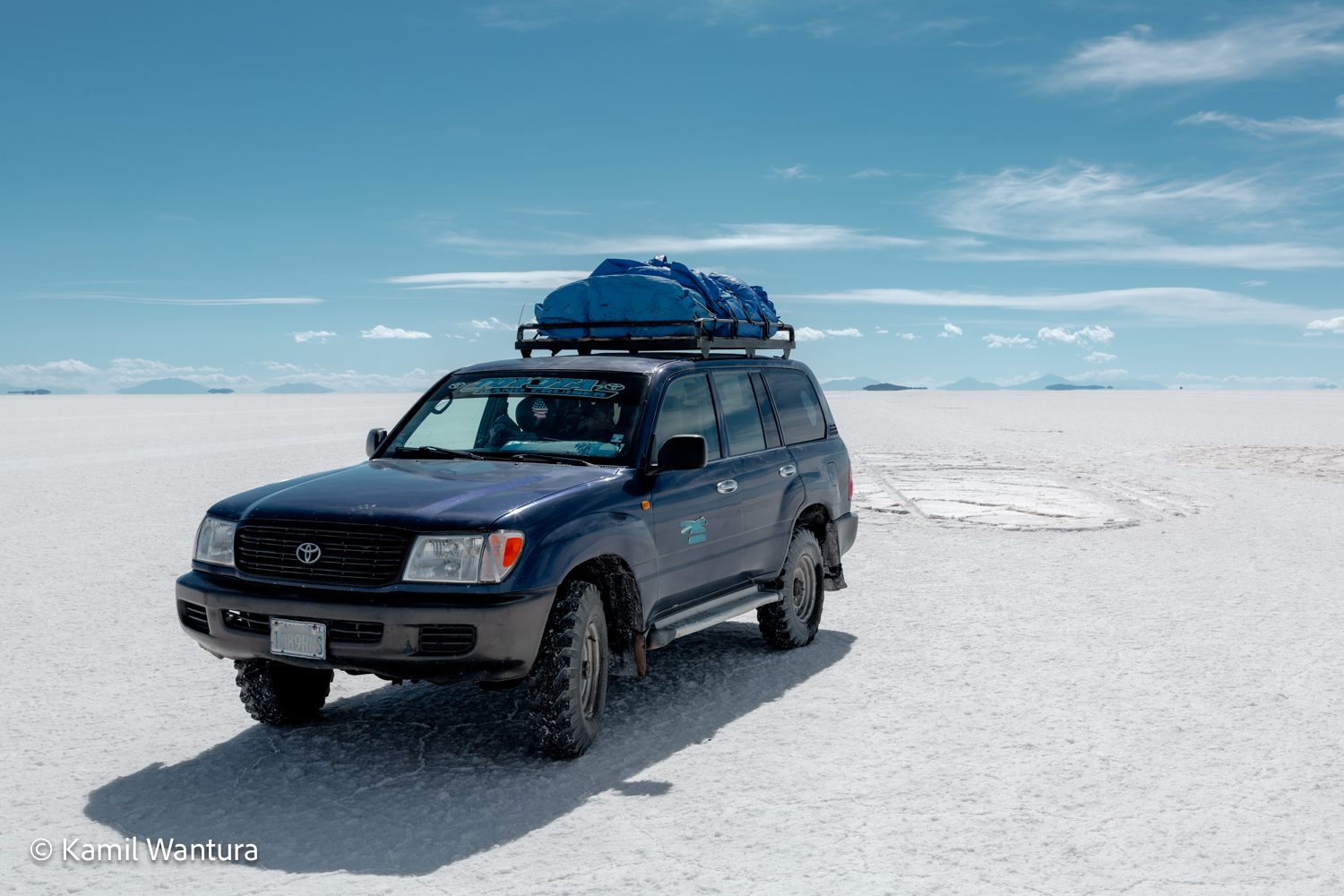
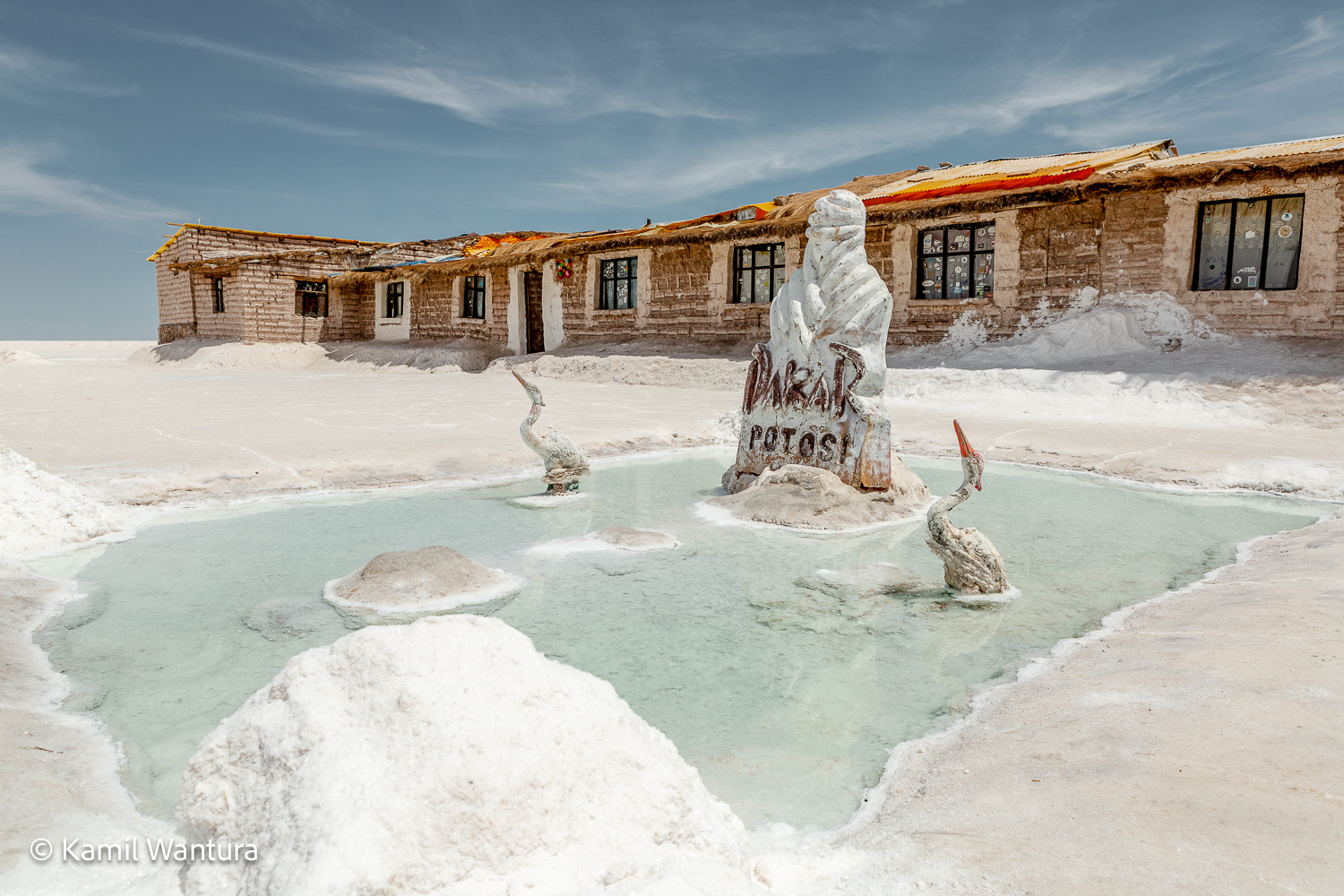
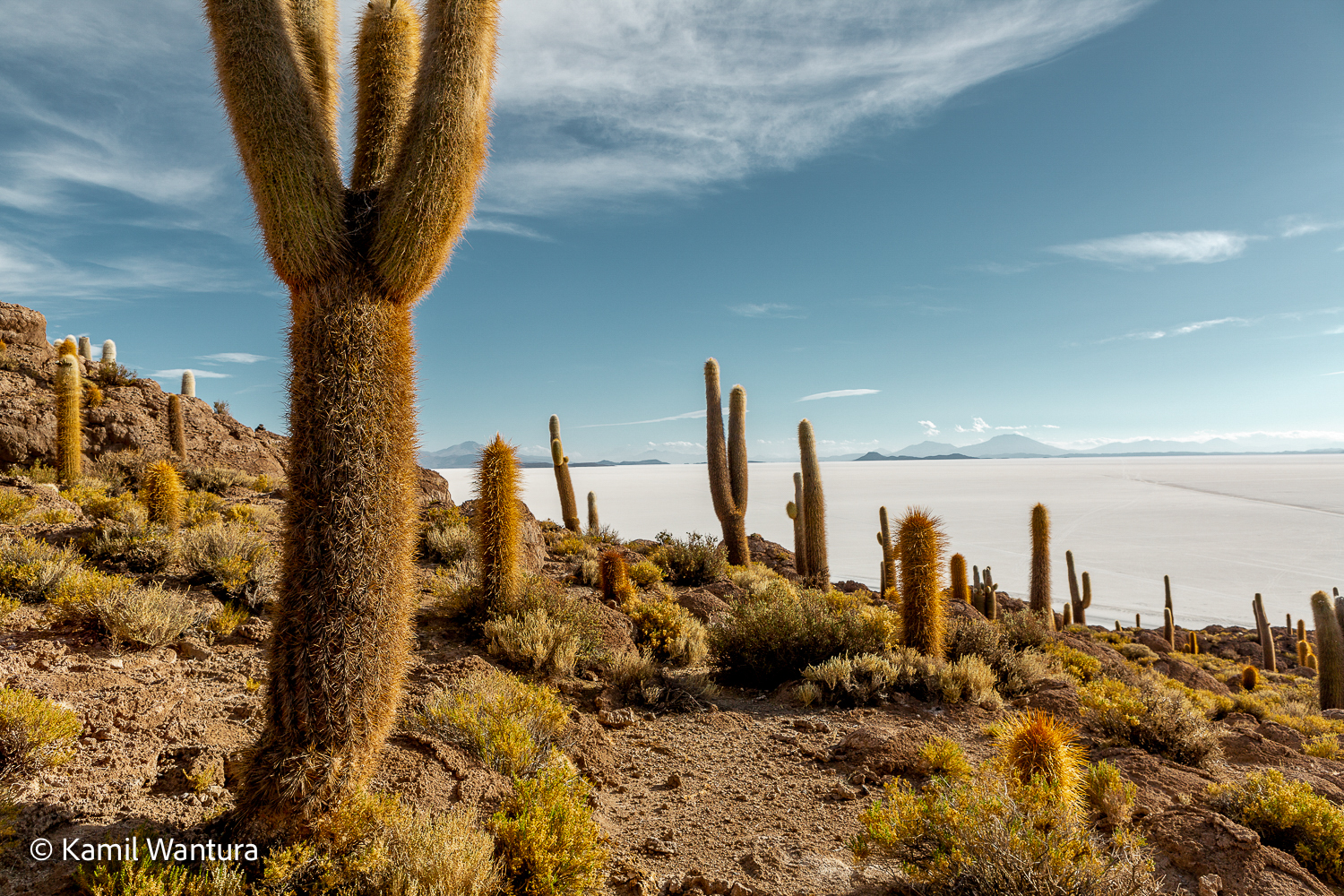
We explored the Train Cemetery and Colchani village before driving out across the spectacular Uyuni salt flats. After visiting Incahuasi Island to see the giant cacti, we watched a beautiful sunset and stayed overnight in a hotel made entirely of salt.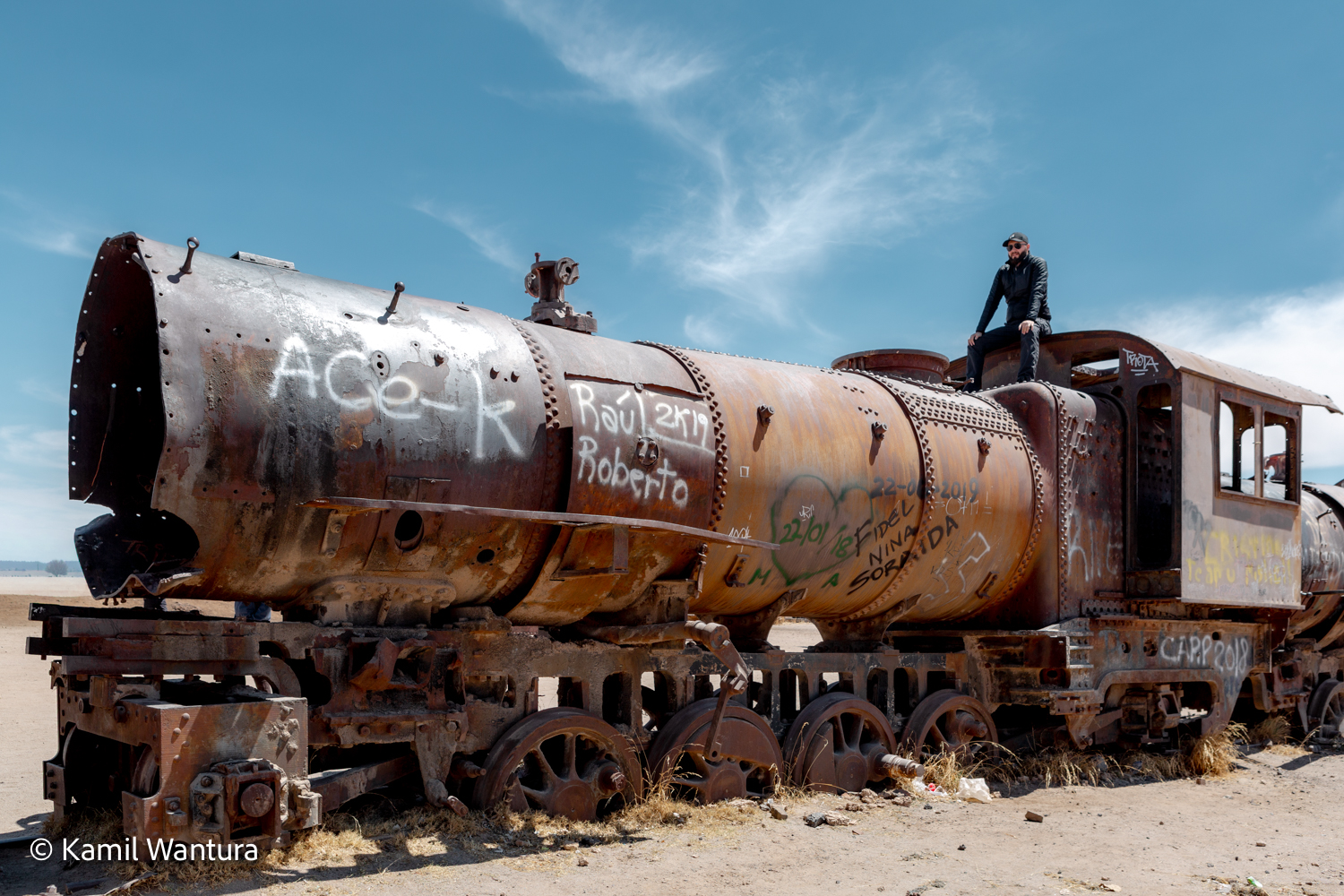
Day 9: Desert Landscapes
High Altitude Lagoons
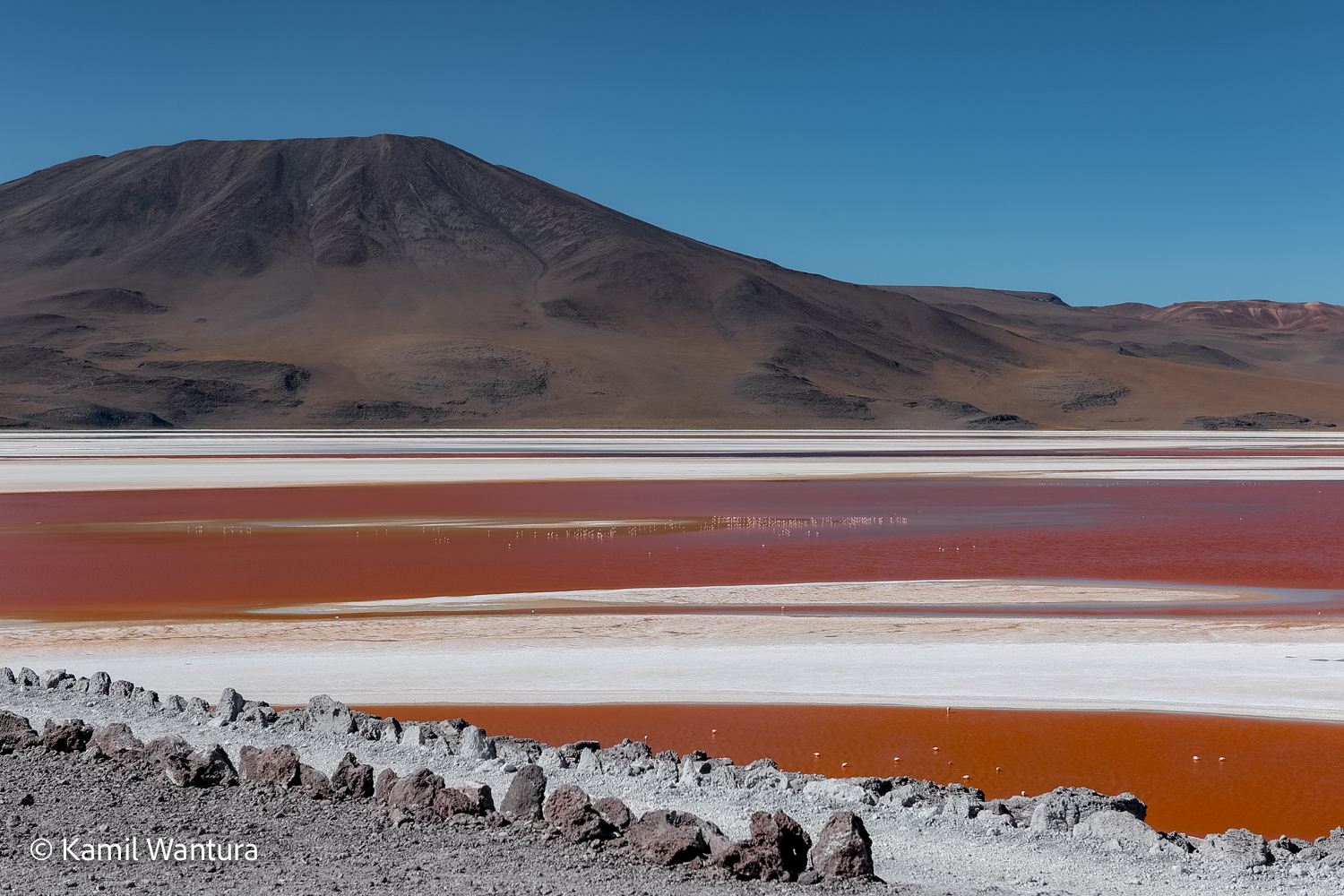
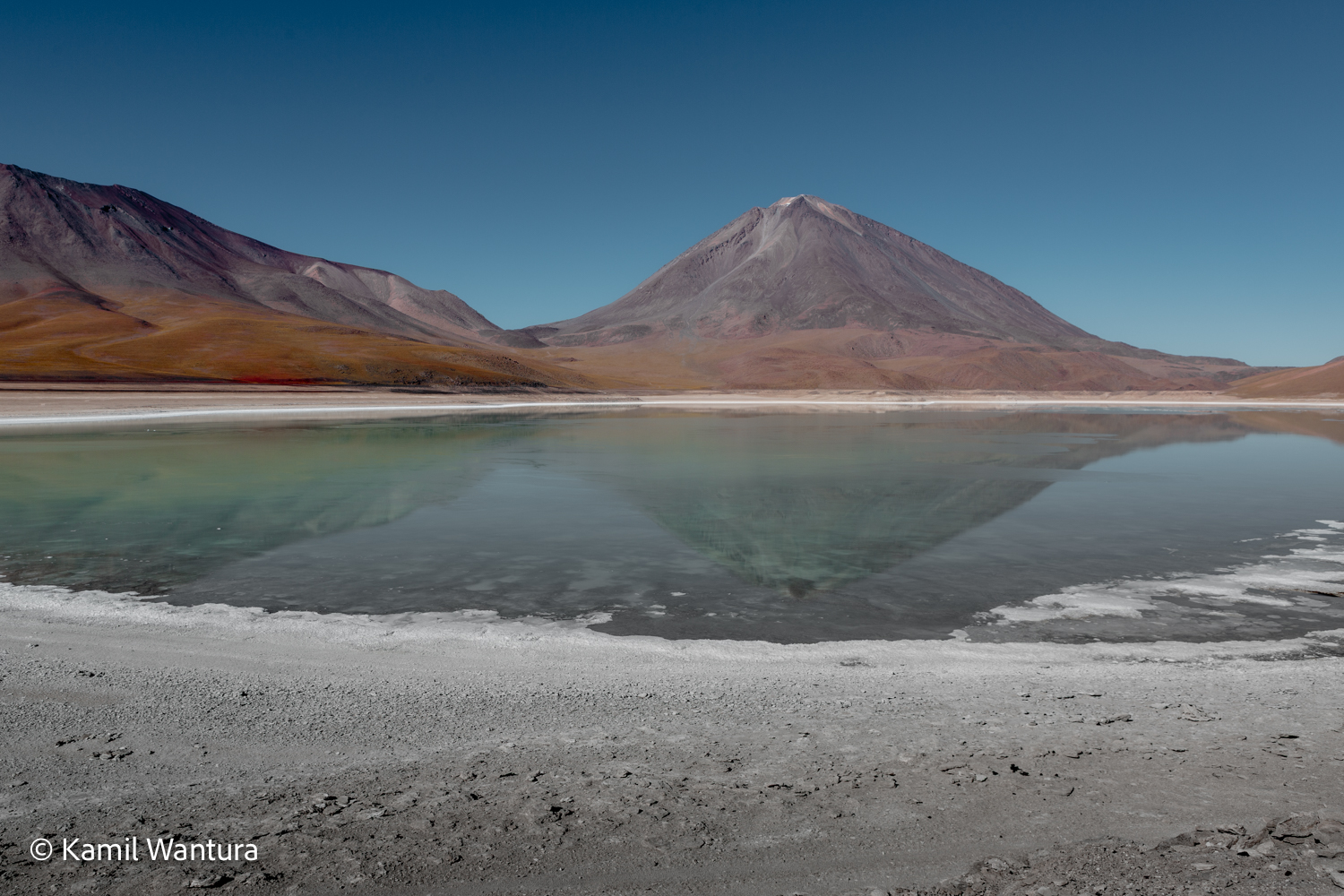
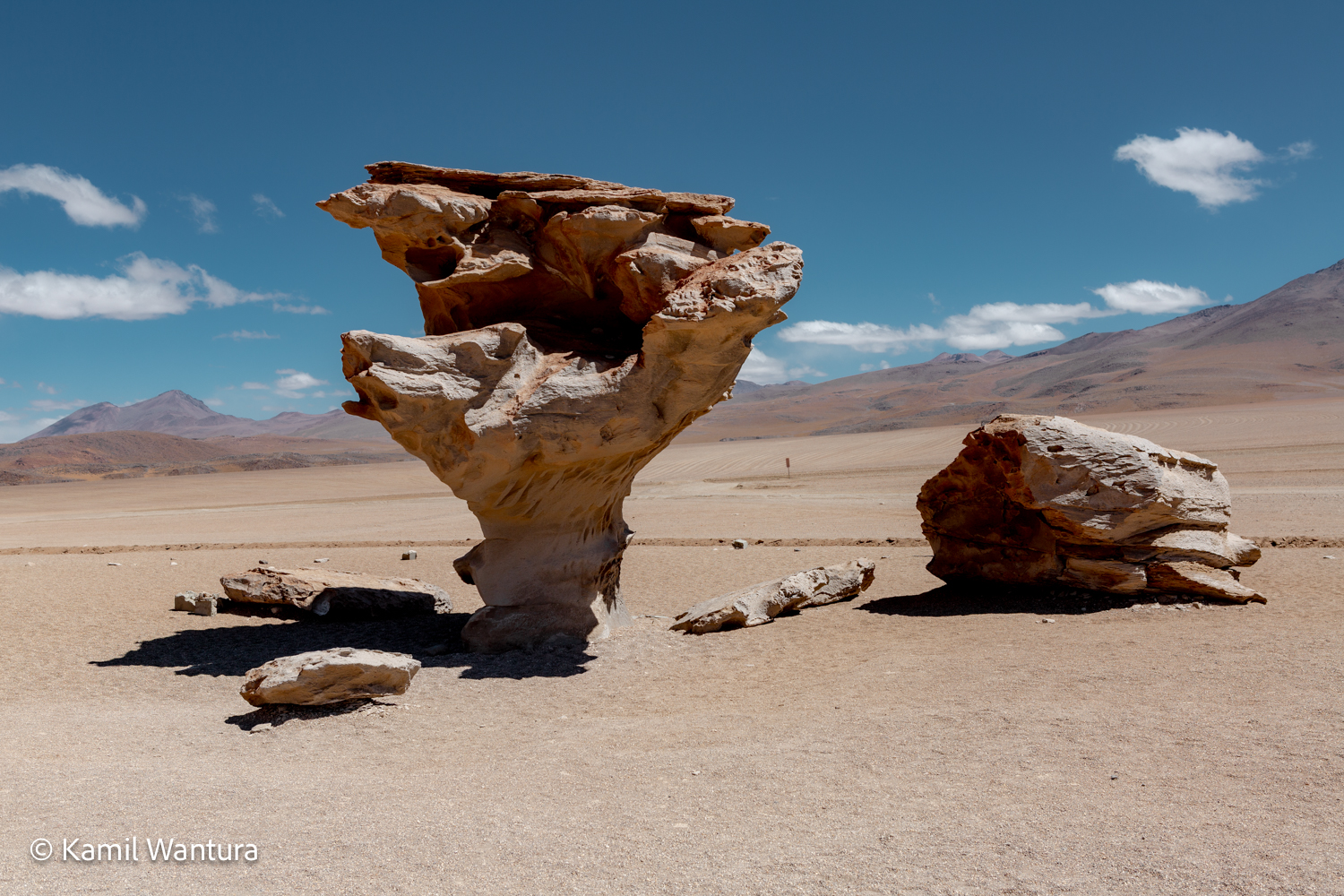
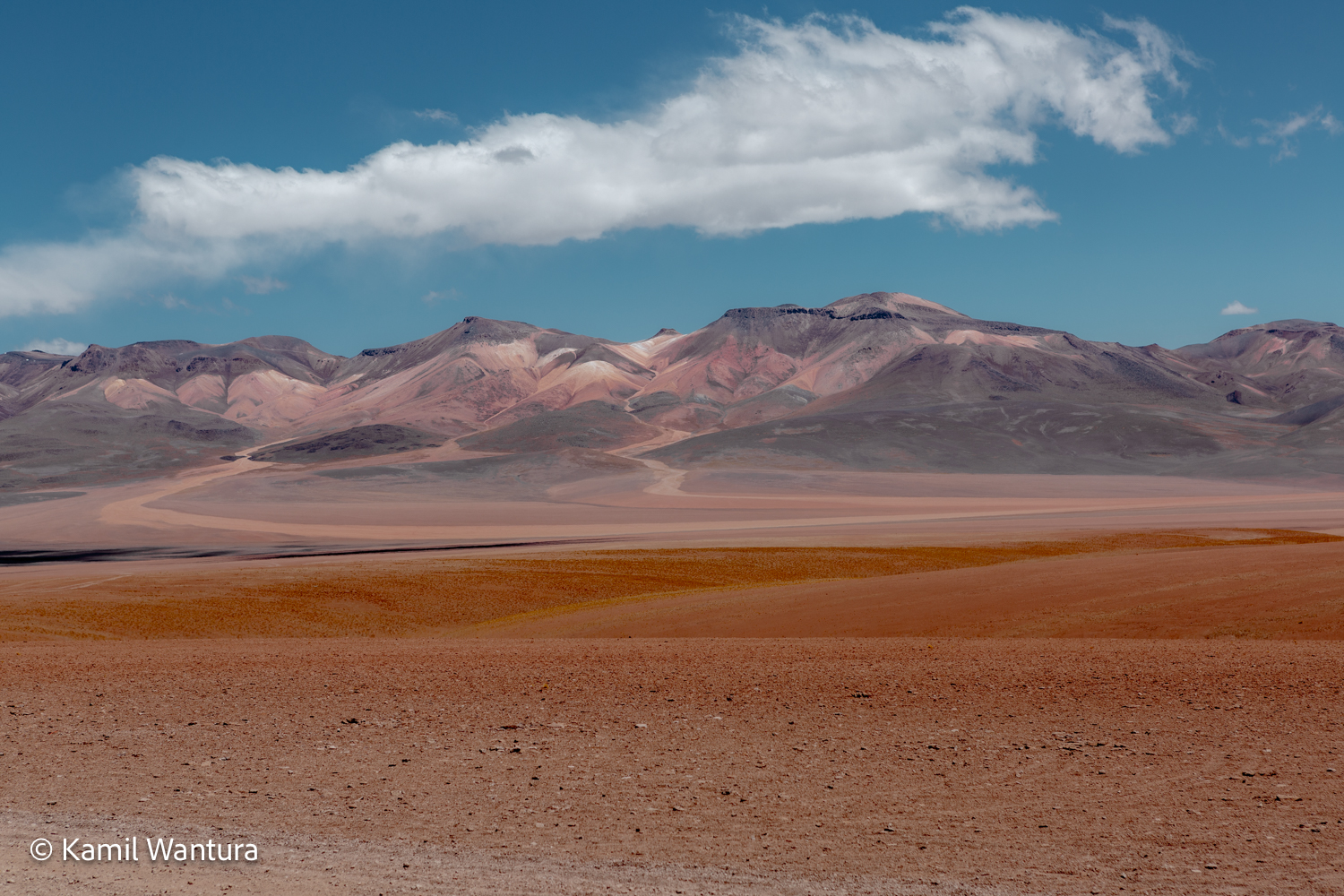
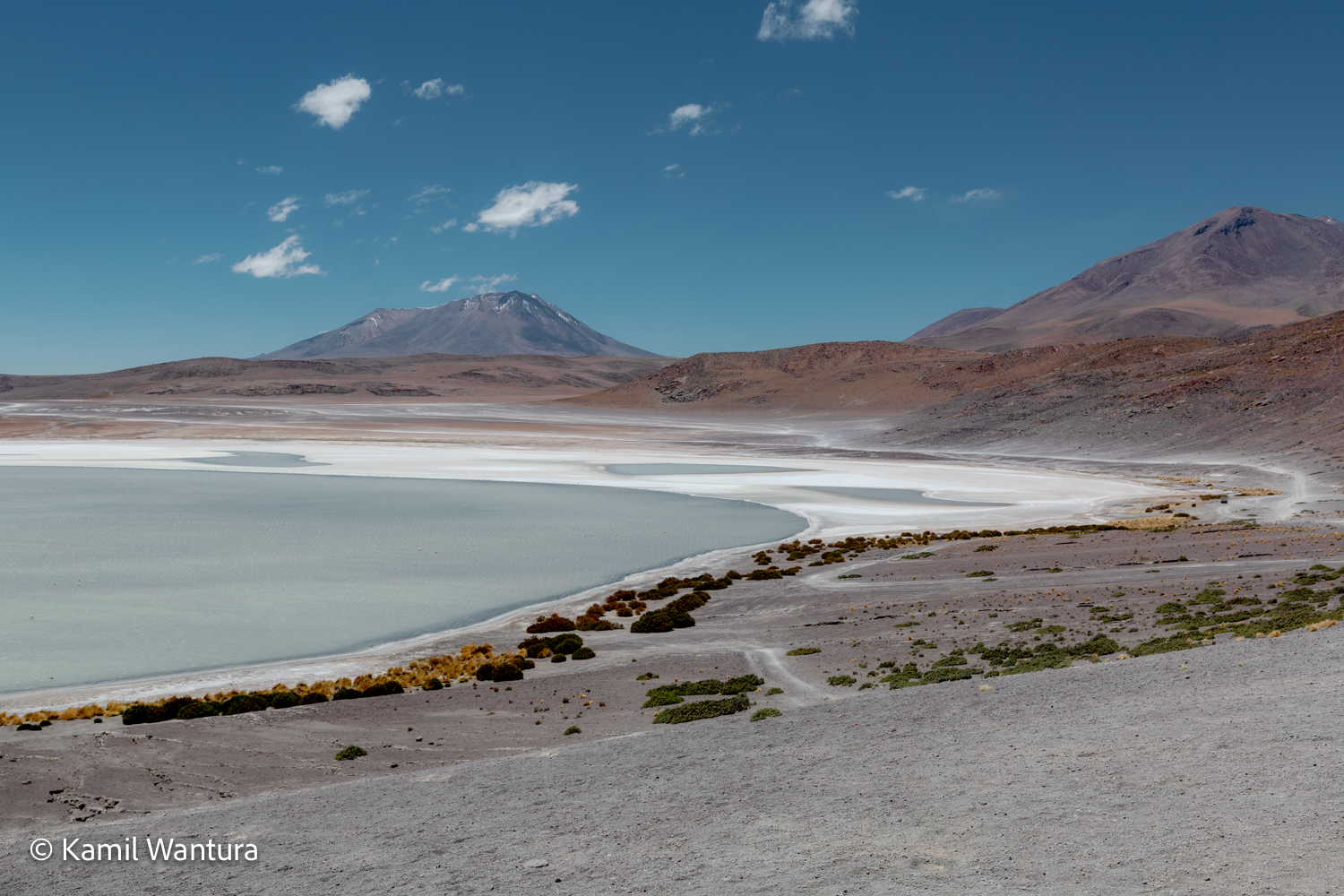
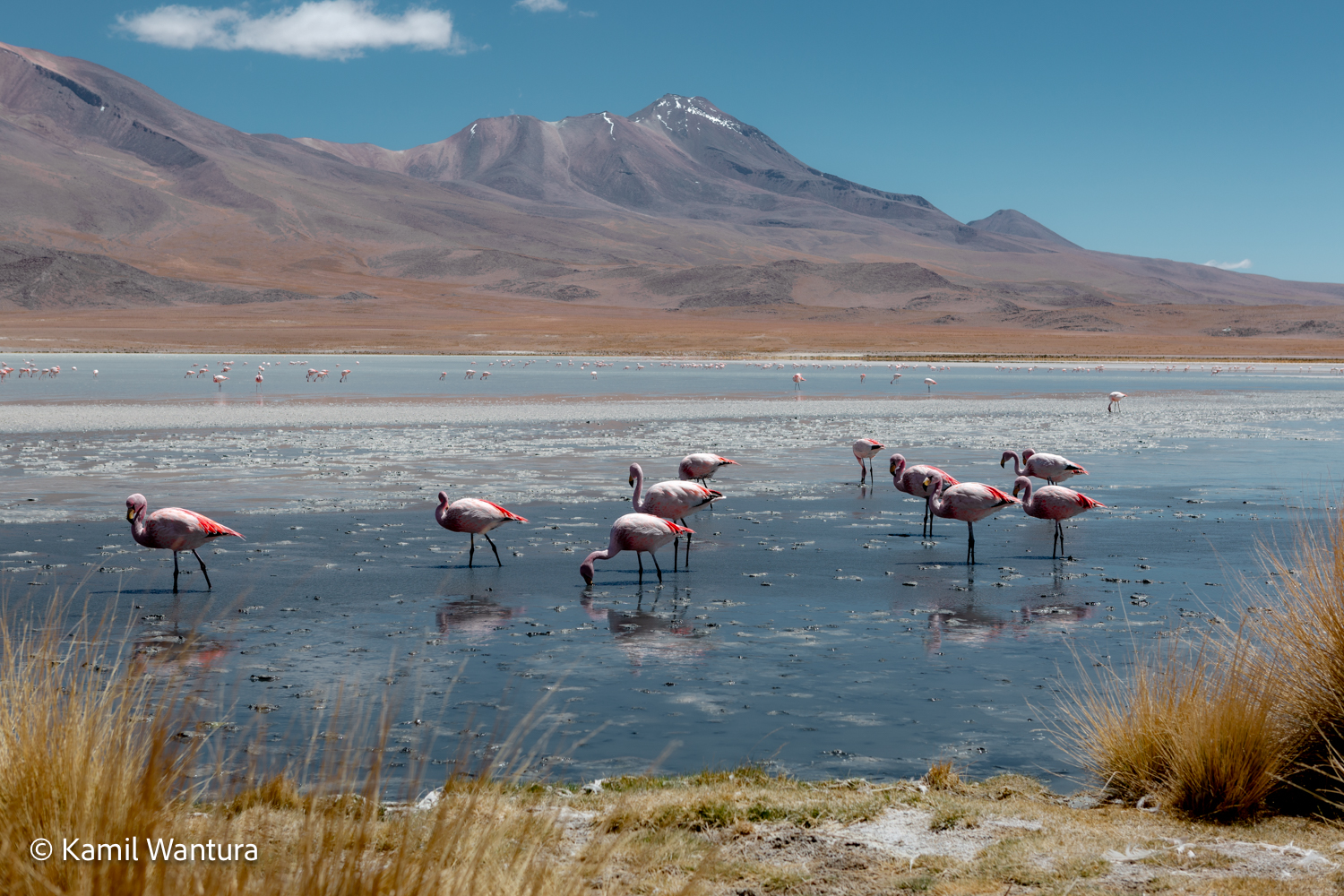
We travelled through the Chiguana Desert past active volcanoes and entered the Eduardo Avaroa Reserve. Here we observed flocks of flamingos in the vibrant coloured lagoons, visited the famous Stone Tree rock formation, and stayed at a remote mountain refuge. (📍MAP). Overnight stay in the desert.
Part 3: Chile 🇨🇱
Day 10: Leaving Bolivia / San Pedro de Atacama
Border Crossing
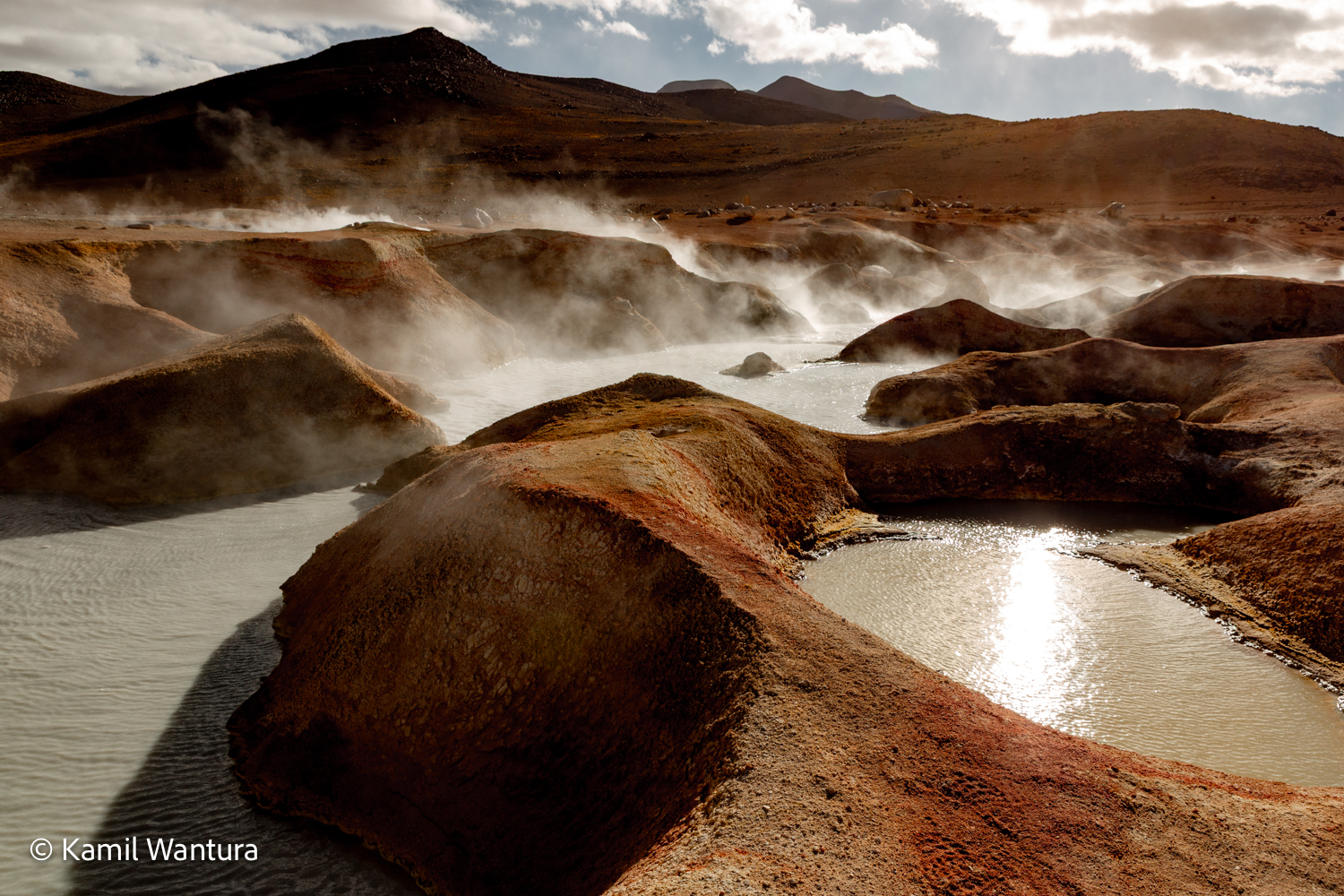
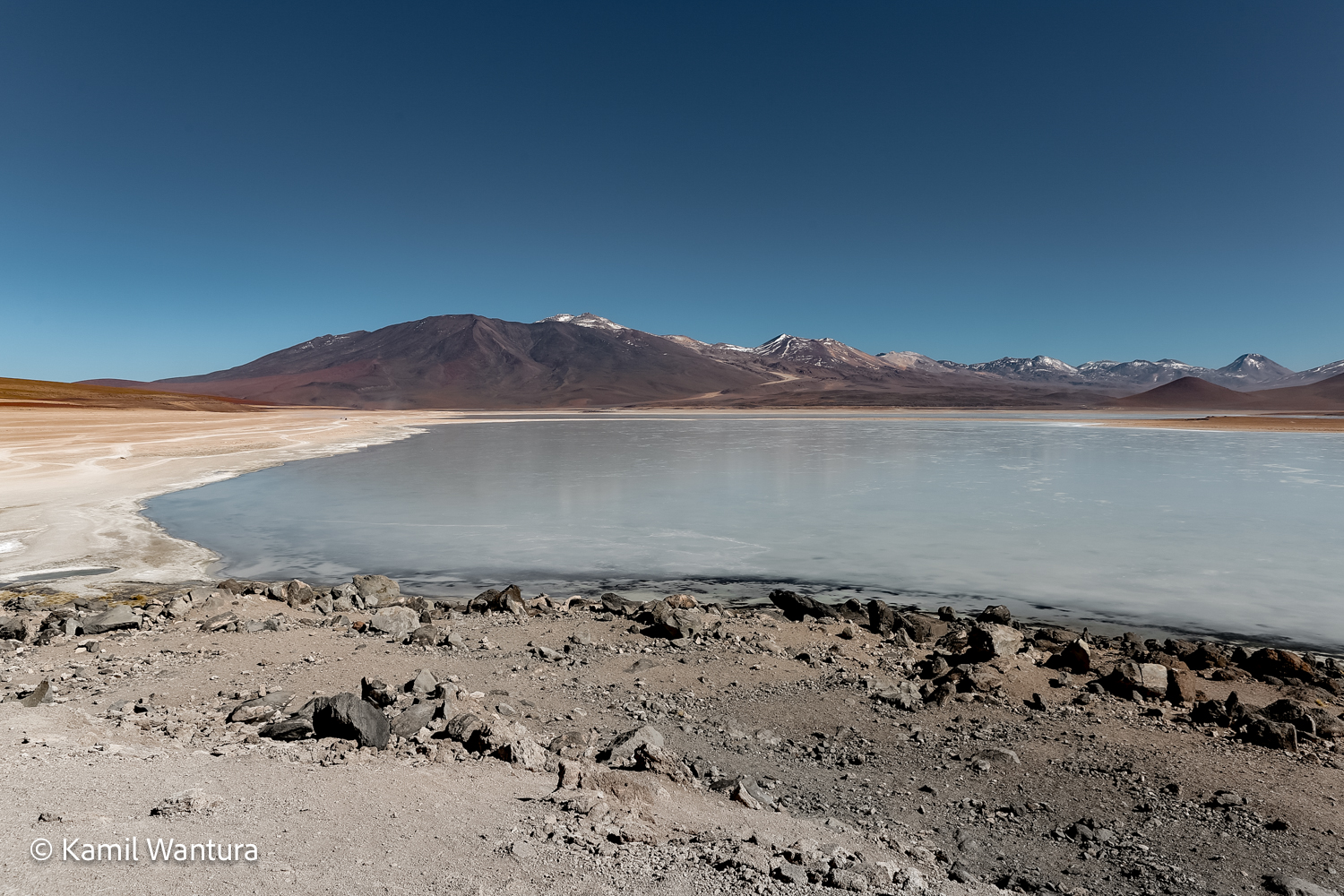
We woke early to witness the steaming Sol de Mañana geysers at 4,850 metres above sea level. After a warming dip in the Polques Hot Springs and a glance at the brilliant Laguna Verde, we crossed the Chile border at Hito Cajón and arrived in San Pedro de Atacama by lunchtime. Transfer to the Chilean border.
San Pedro Exploration (📍MAP)
Plaza de San Pedro de Atacama (📍MAP): We explored the peaceful, tree-lined main square of the town, with shady pepper trees, local artisan stalls, and a relaxed atmosphere that was perfect for people-watching.
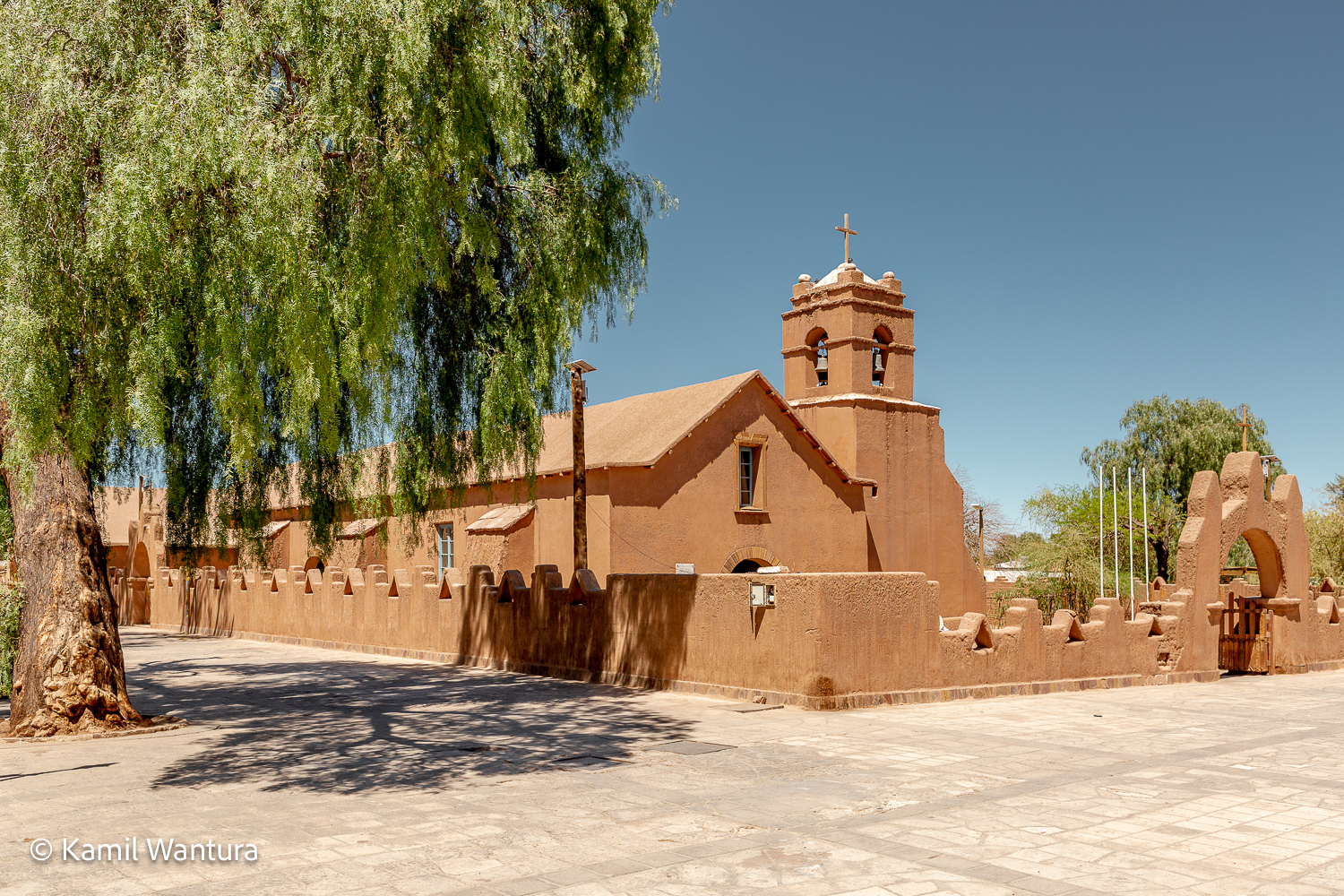
Iglesia San Pedro (📍MAP): We visited the stunning 17th-century historic church just off the main square, built from traditional white adobe with a unique ceiling held together by cactus wood and llama leather.
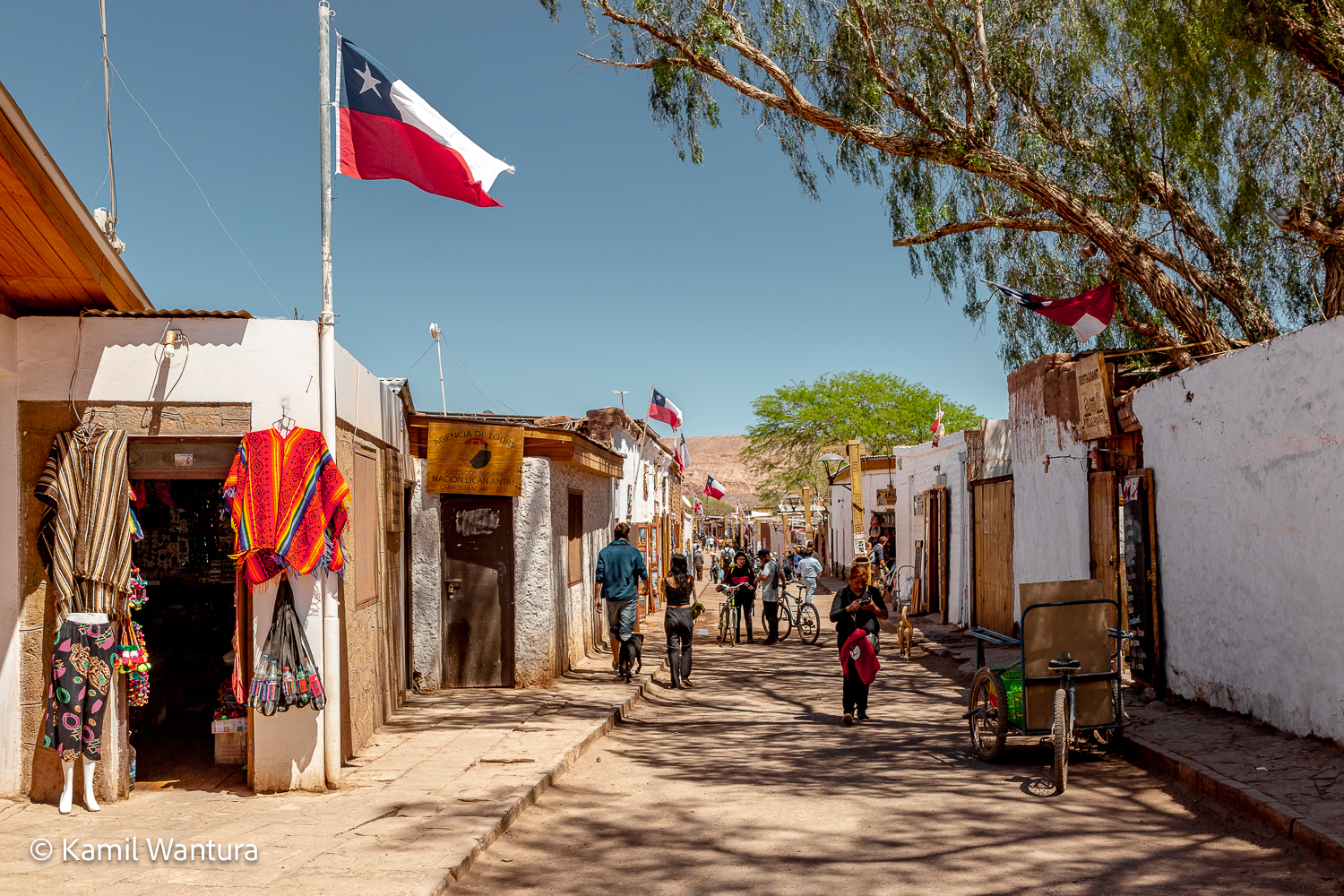
Calle Caracoles (📍MAP): We wandered along the bustling, unpaved pedestrian main street in the town centre, lined with rustic adobe buildings, tour agencies, local restaurants, and boutique shops.
Sala de Exhibición Arqueológica IIAM-UCN (📍MAP): We visited a compact archaeological exhibition space displaying fascinating pre-Columbian artefacts, pottery, and textiles that showcased the ancient history of the Atacama region.
Day 11: Atacama
Desert Exploration
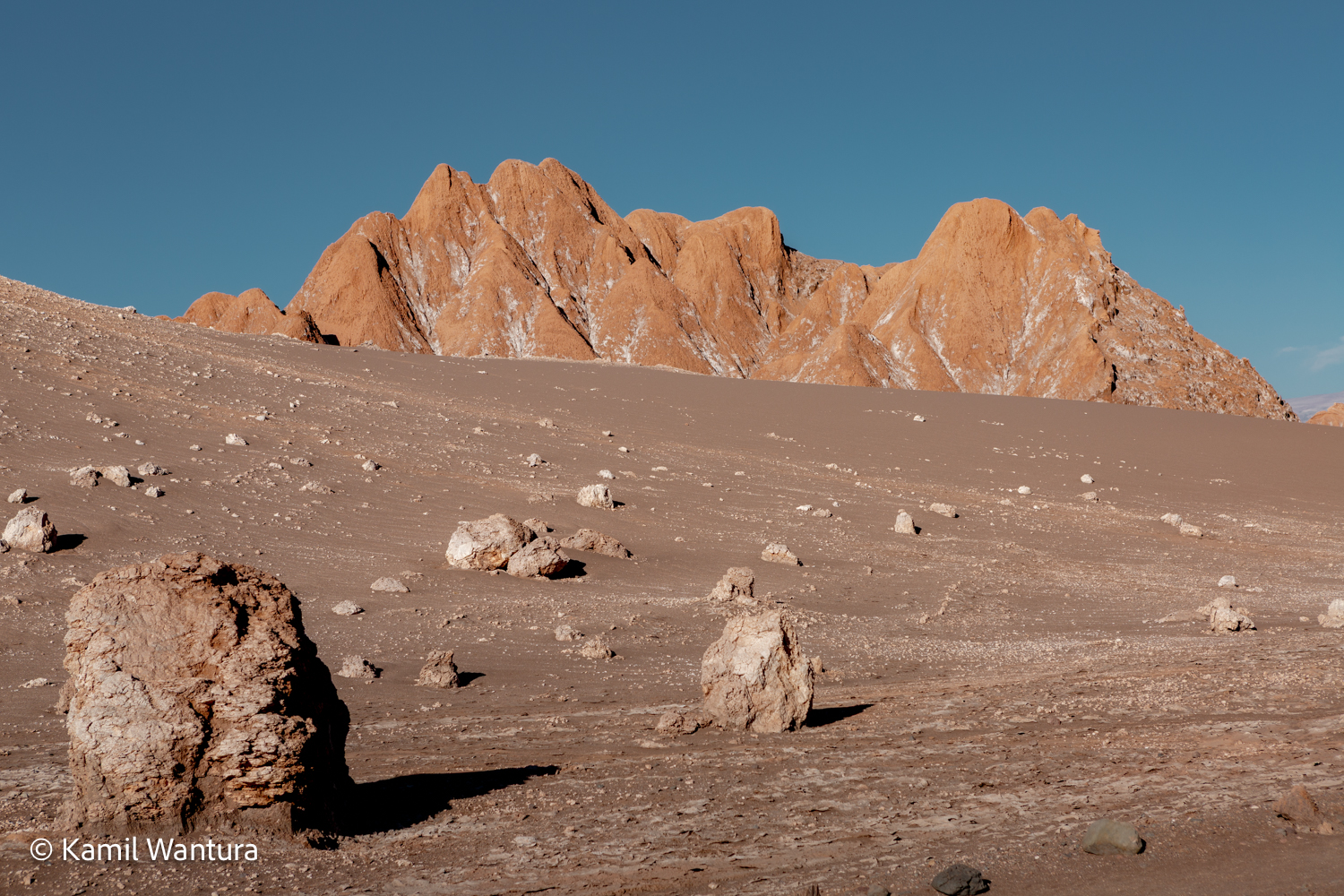
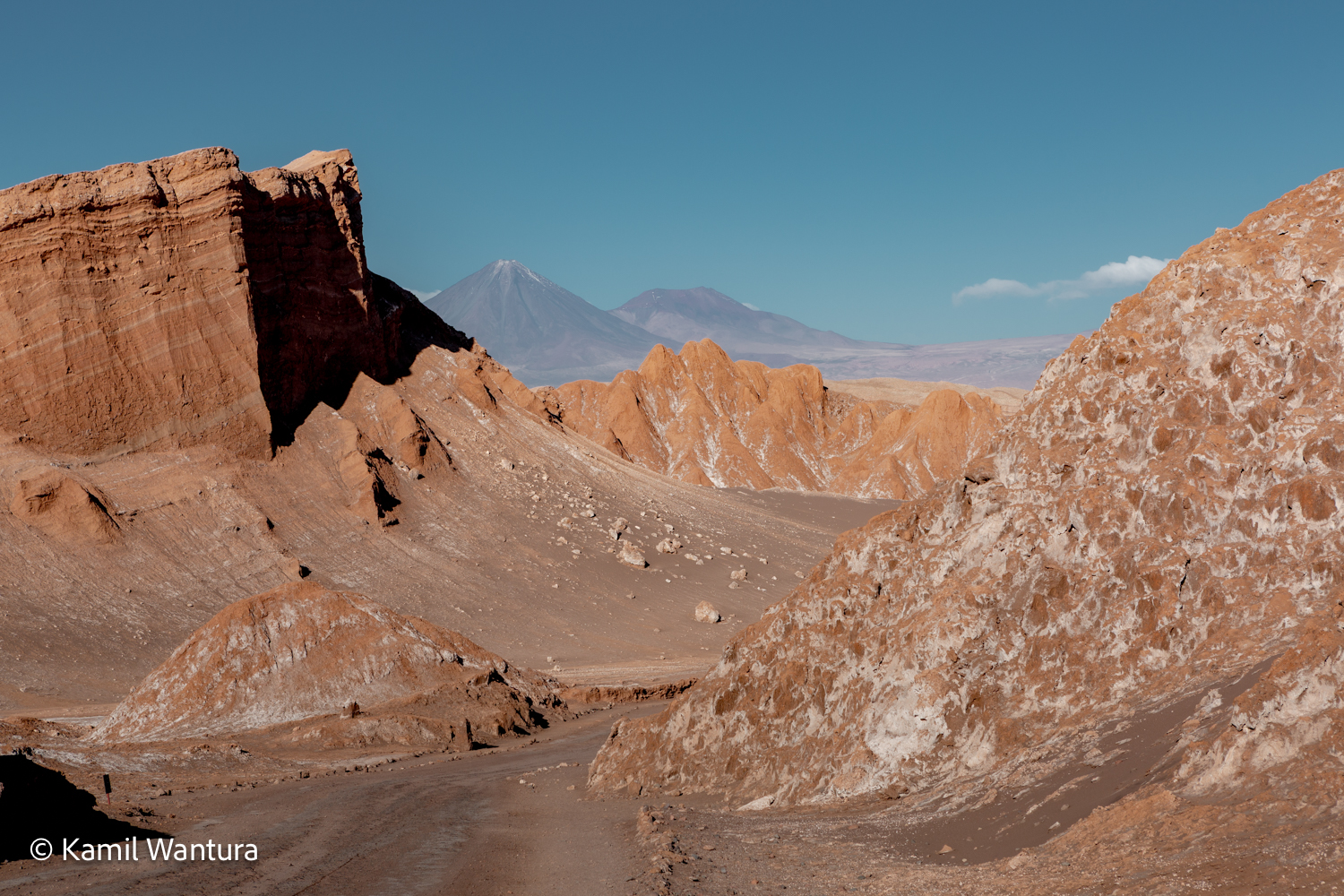
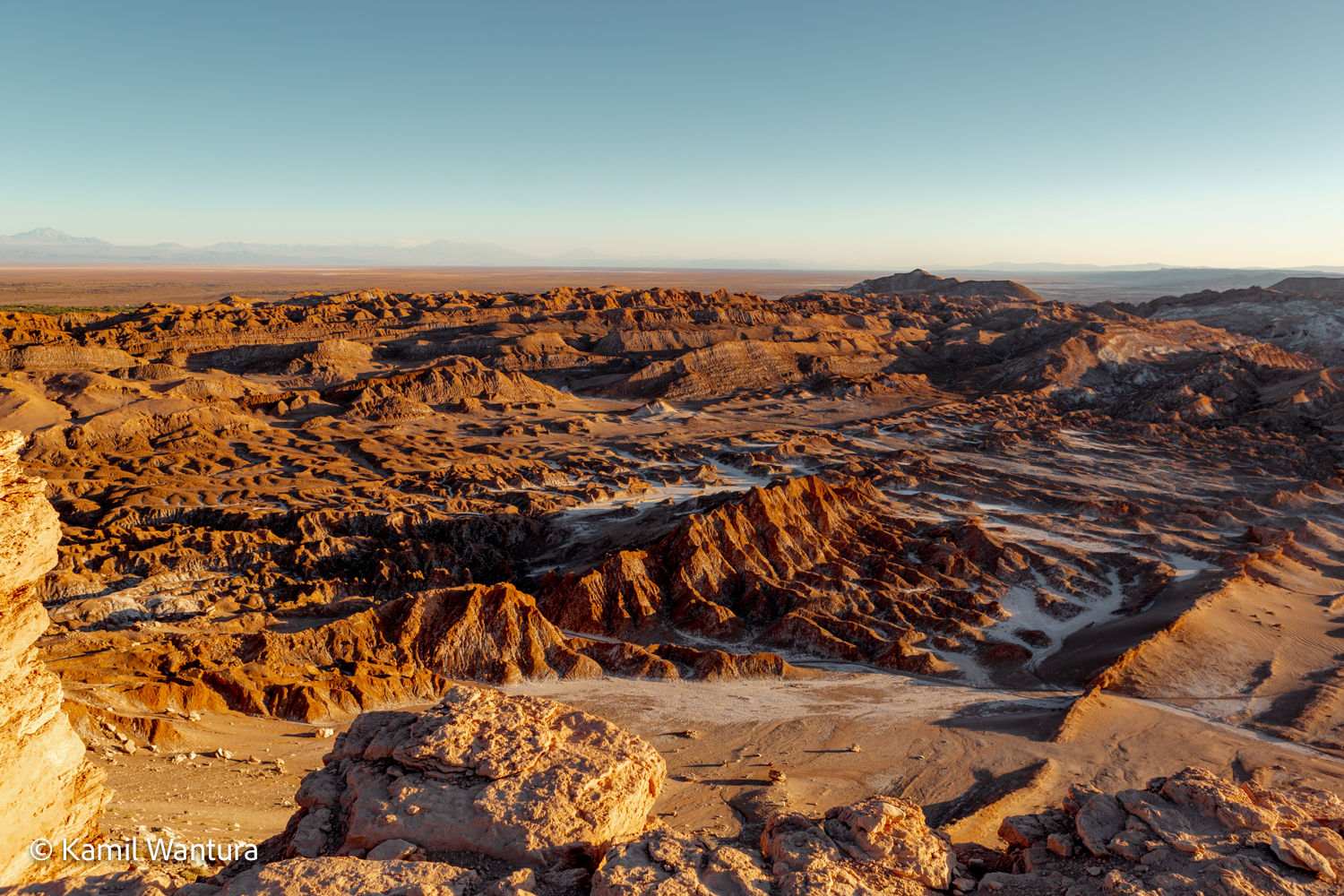
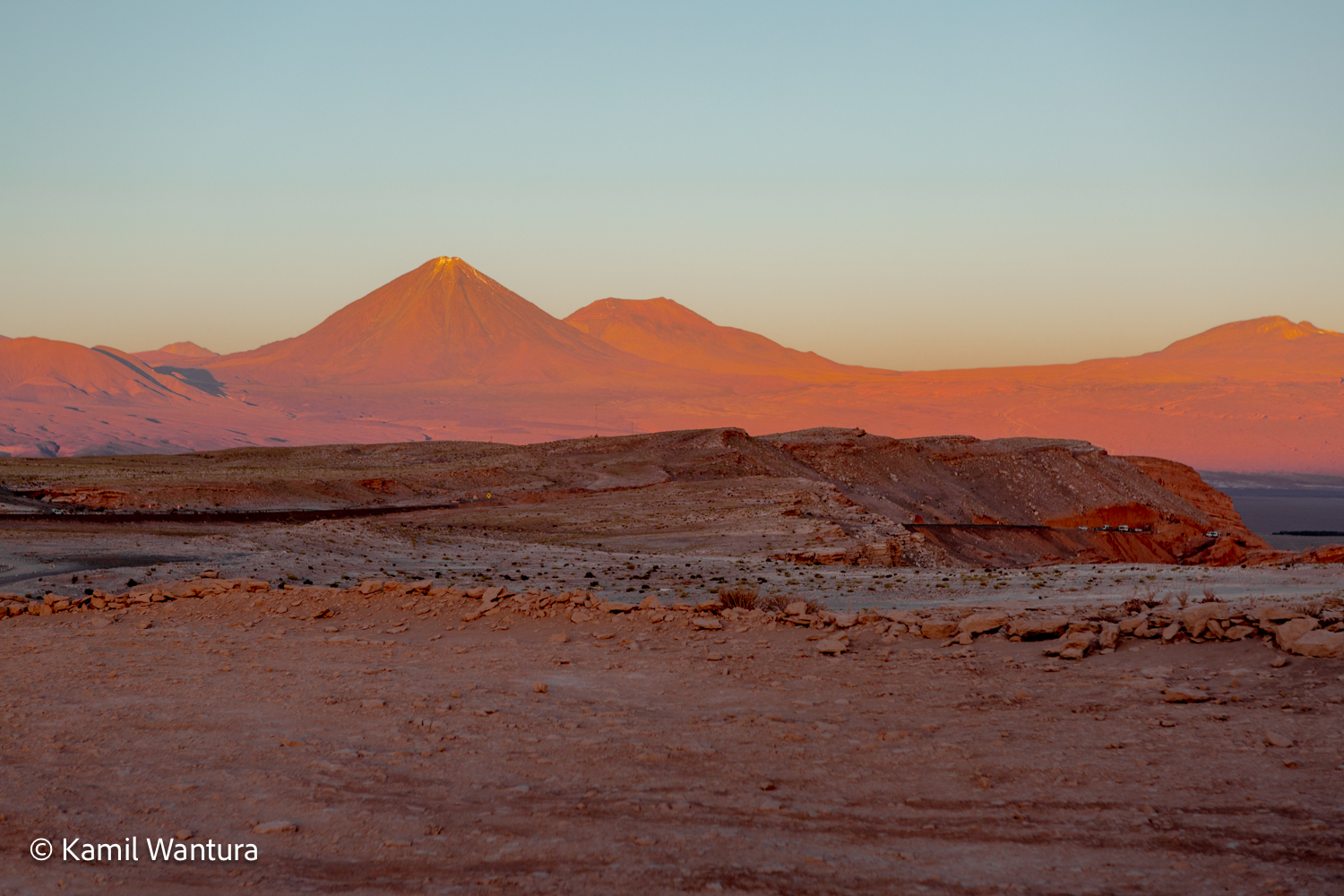
Valley of the Moon (📍MAP): We explored a stunning, surreal desert expanse named for its lunar-like landscapes, with parched sand dunes, glittering salt crusts, and unique rock formations that turned brilliant shades of pink and orange at sunset.
El Tatio (📍MAP): We visited one of the highest and largest geyser fields in the world, nestled deep in the Andes Mountains, and watched its spectacular sunrise display of erupting steam plumes and boiling thermal pools.
Laguna Cejar (📍MAP): We visited a beautiful turquoise sinkhole lagoon in the heart of the Atacama Salt Flat, renowned for its extraordinarily high salt concentration, which allowed swimmers to float effortlessly.
Piedras Rojas (📍MAP): We visited a breathtaking altiplanic wonder featuring a vast expanse of striking, rust-red volcanic rocks beside a serene, light-green saltwater lagoon, framed by sweeping mountain vistas.
Day 12: Calama to Santiago de Chile
Travel to Santiago
We took a two-hour bus journey to Calama Airport, followed by an evening flight to Santiago (📍MAP).
Day 13: Santiago de Chile
City Exploration
Plaza de Armas (📍MAP): We explored the historic heart of the city, surrounded by grand neoclassical architecture including the beautiful Metropolitan Cathedral and the Central Post Office.
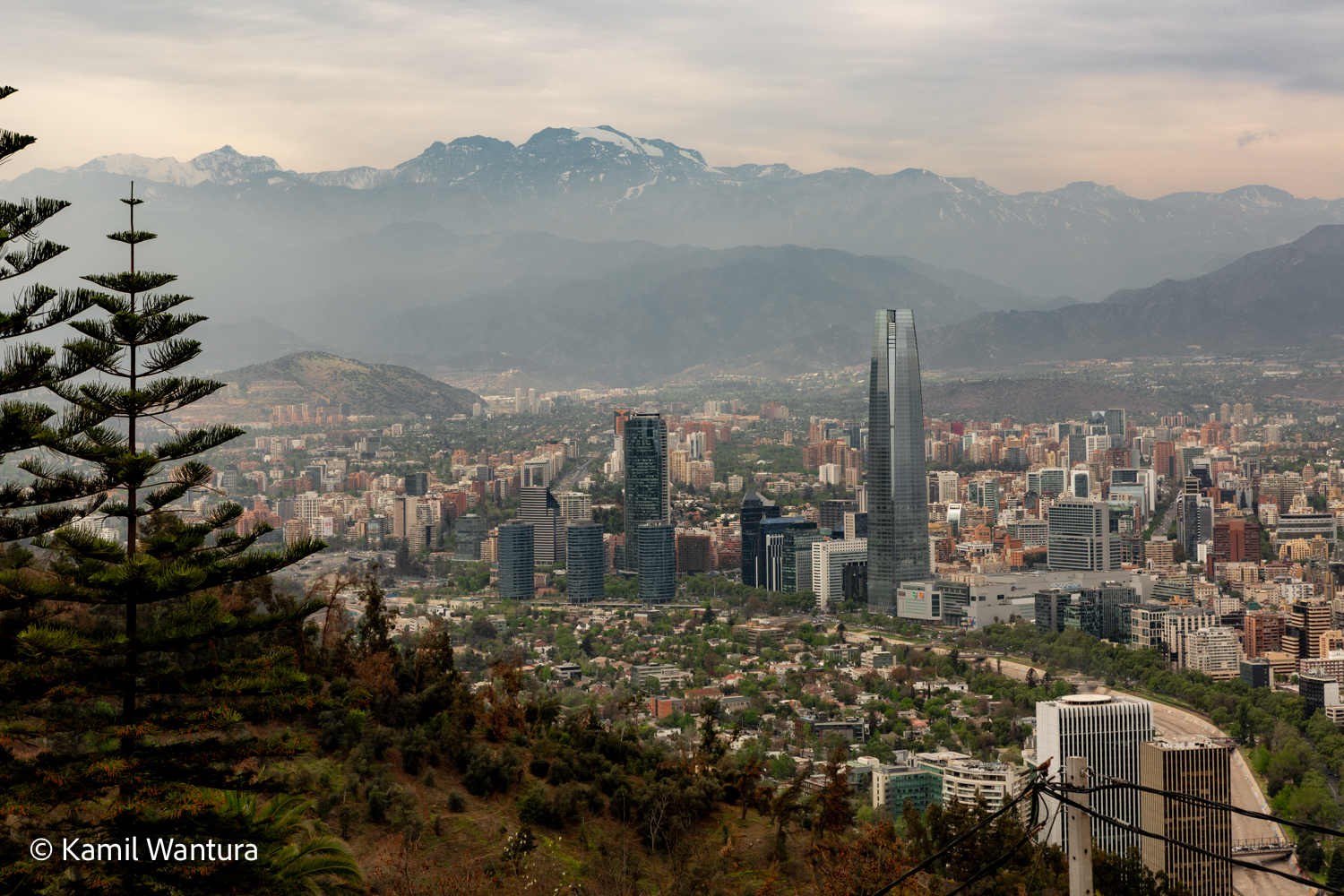
Cerro San Cristóbal (📍MAP): We climbed a massive hill rising above the city, reached by a vintage funicular railway, and enjoyed incredible panoramic views and the landmark statue of the Virgin Mary.
Barrio Bellavista (📍MAP): We explored the bohemian epicentre of Santiago, known for its brightly coloured street art, lively restaurants, and La Chascona, the former home of poet Pablo Neruda.
Mercado Central (📍MAP): We explored a bustling historical seafood market housed in a magnificent 19th-century wrought iron structure and sampled traditional Chilean dishes.
Day 14: Day Trip to Valparaíso from Santiago
Valparaíso Trip by local bus (📍MAP)
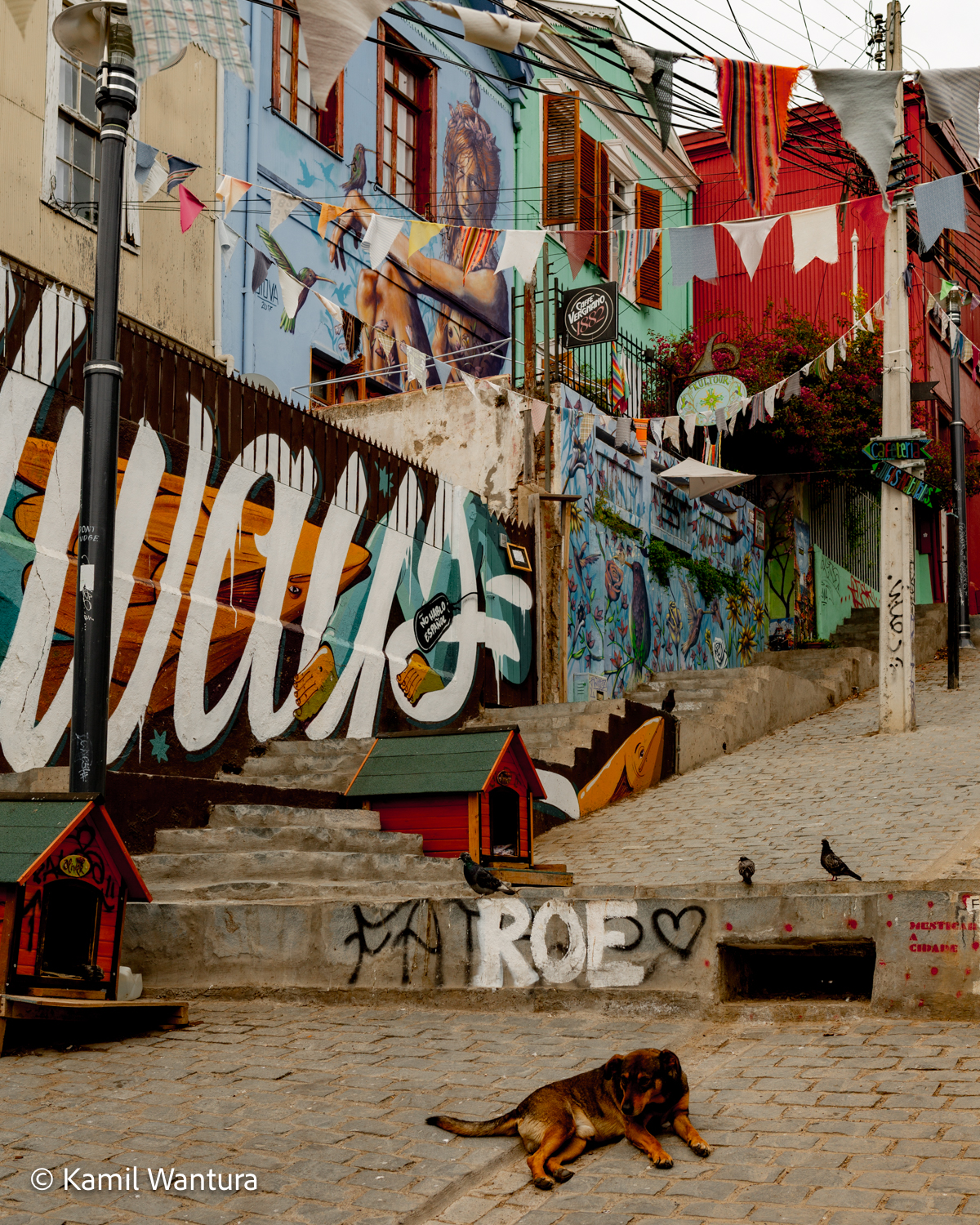
We went for a day trip to the seaside city and explored its colourful streets and graffiti.
Day 15: End of the Trip
Return to London
We took our flight back home.
THE GOLDEN TRIANGLE SURVIVAL & LOGISTICS GUIDE
Essential Ground Data for Travel & Photography Planning
Before packing camera bags and heading out, navigating this remote section of South America smoothly requires tactical preparation. The infrastructure crosses three distinct nations, meaning border protocols and money rules change rapidly. Below is the essential, practical information needed to turn an ambitious photography trip into a seamless journey.
1. Money, Payments, & Tipping
Each country across this high altitude loop operates on its own currency, requiring independent cash management strategies.
- The Reality for Foreigners: Modern establishments in Cusco and San Pedro de Atacama accept credit cards readily, but cash is completely mandatory for park entry fees, Bolivian rural checkpoints, and small artisanal markets.
- The Solution: Carry crisp, unmarked US Dollar bills, as they are widely exchanged across all three nations. Keep independent reserves of Peruvian Soles, Bolivian Bolivianos, and Chilean Pesos. For general expenses in major towns, use pre-paid travel cards to withdraw local cash from secure bank ATMs, ensuring you decline the local machine dynamic currency conversion to protect your exchange rates.
- Tipping Practices: Tipping is appreciated but remains modest. Aim for 10% in sit-down establishments, and allocate roughly 10 to 15 US Dollars per day for specialized 4×4 drivers who manage the demanding desert terrain.
2. Transit Between Cities & Borders
Navigating the immense distances across Peru, Bolivia, and Chile requires booking diverse transport modes well ahead of departure.
- The Photographer’s Choice (The 4×4 Expedition): Connecting the salt flats of Bolivia to the deserts of Chile is best achieved via an organized three day 4×4 tour. These rugged vehicles carry your heavy gear, provide necessary fuel and water reserves, and manage the complex border procedures smoothly.
- High Altitude Rail: For the journey to Machu Picchu, reserve your train seats weeks in advance. Space for oversized camera bags is limited, so pack a compact daypack for this specific segment.
- Intra-City Commuting: Use official radio taxis arranged by your hotel desk, or utilize verified ride applications where available in major cities to maintain GPS safety tracking and avoid spontaneous fare inflation.
3. Connectivity & Mobile Setup
Maintaining access to maps, weather tracking, and altitude data is vital when moving through isolated desert landscapes.
Purchasing a regional South American eSIM prior to arrival is the most seamless method for data. If your phone requires a physical card, prioritize buying a local SIM from major networks like Claro in Peru, Entel in Bolivia, or Entel in Chile at your primary transit hubs.
Having reliable mobile data is mandatory for downloading train tickets, booking rides via apps, translating signs, and navigating ancient alleyways.
The best option is purchasing an eSIM (such as Airalo) prior to arrival. Download Airalo app. Get GBP £2.50 off your first eSIM purchase with Airalo. Use code KAMIL9100 when you sign up or at checkout. https://airalo.go.link/6HJXX Pursche Local Unlimited package for Latin America.
4. Monument Rules & Cultural Etiquette
Photographing historic communities and delicate ecosystems requires deep respect and strict adherence to local laws.
Securing Entry Permits
Do not expect to buy tickets on arrival for high profile sites. Machu Picchu passes and circuit time slots must be secured online months in advance via the official government portal. Similarly, specific Chilean desert reserves require pre-purchased digital vouchers to control visitor numbers.
Gear Restrictions
National parks across Peru and Chile strictly ban the use of drones unless specialized, expensive commercial permits are acquired weeks beforehand. Tripods are frequently restricted on the narrow walkways of Machu Picchu to keep foot traffic flowing smoothly, so prepare to shoot handheld using fast shutter speeds.
Cultural Protocol & High Altitude Safety
Always ask permission before taking portraits of indigenous citizens wearing traditional attire. Acclimatise slowly to prevent serious altitude sickness. Drink extensive amounts of water, avoid heavy meals during your first few days, and keep medication like acetazolamide easily accessible in your camera bag.
5. Gear Protection & Packing Essentials
The high Andean plains present beautiful light but incredibly punishing conditions for sensitive electronic equipment.
- Dust Mitigation: Fine salt and desert dust will penetrate unsecured gear. Use sealed dry bags inside your backpack, carry a manual air blower, and avoid changing lenses while exposed to open desert winds.
- Temperature Strategy: Sub zero desert nights will drain lithium ion batteries rapidly. Store your camera batteries inside your inner clothing pockets close to your body heat when shooting night timelapses.
Quick-Reference Travel Checklist
| Category | Action Item & Protocol |
|---|---|
| Water Safety | Never drink local tap water. Stick exclusively to sealed bottled water or purification tablets throughout the high altitude circuit. |
| Permit Window | Secure your Machu Picchu admission tickets and train passes 3 to 6 months before your travel date. |
| Border Cash | Keep crisp, undamaged US Dollar notes readily available for local country entry taxes and rural community fees. |
| Gear Protection | Pack an explicit cleaning kit consisting of a blower and microfibre cloths to combat fine salt crust accumulation. |
A Photographer’s Guide to Peru, Bolivia, & Chile
This journey through the heart of the Andes is a visual odyssey of imperial history, geological wonders, and raw, remote beauty. Here is how I approached capturing the key highlights:
PERU: THE HEART OF THE INCAS
Cusco: The Imperial City
- Cusco City Centre: Focus on the juxtaposition of intricate Incan stone foundations topped with ornate Spanish colonial architecture.
- Ollantaytambo: A masterclass in living history; the narrow stone streets and ancient terraces are perfect for capturing the rhythm of local life against a backdrop of imposing mountains.
Machu Picchu: The Lost City
- The Citadel: The ultimate sunrise location. Capture the shift from cool pre-dawn blues to the ethereal, warm radiance of the morning light hitting the granite structures.
Rainbow Mountains (Vinicunca)
- The Mineral Strata: Utilise a polariser to enhance the deep, saturated colours of the geological stripes against the dramatic, high-altitude sky.
BOLIVIA: LANDSCAPES OF ANOTHER WORLD
La Paz: The City in the Clouds
- El Alto (via Cable Car): Use this for a unique, high-angle perspective of the city sprawling into the valley.
- The Witches’ Market & Calle Jaen: Excellent for street photography, capturing the mystical culture and preserved colonial character of the city.
Uyuni to Atacama (The Excursion)
- Laguna Colorada & The Salt Flats: This is raw nature at its finest. Focus on the interplay of texture, from cracked salt patterns to the vivid, mineral-rich waters, and the vast, empty horizons.
CHILE: THE ATACAMA & BEYOND
San Pedro de Atacama
- Valle de la Luna: The ultimate location for “alien” landscape photography. Capture the interplay of light and shadow on the jagged, salt-encrusted terrain during the golden hour.
- Stargazing: With some of the clearest skies on the planet, this is a prime opportunity for long-exposure night photography.
Santiago & Valparaiso
- Valparaiso: A playground for street photography and colour. Focus on the vibrant, hillside houses and the gritty, artistic street art that defines this coastal city.
This 15-day itinerary is designed to maximise your time in the best light. Pack light, keep your gear accessible for those transition moments between varied altitudes and climates, and always aim for the golden hours.
Quick Trip Overview
- Days 1 to 5: Lima, Cusco, Ollantaytambo, and the iconic Machu Picchu.
- Days 6 to 7: The Rainbow Mountains and the high-altitude bustle of La Paz.
- Days 8 to 10: An immersive 3-day excursion through the salt flats and lagoons from Uyuni into Chile.
- Days 11 to 15: Exploring the arid beauty of San Pedro de Atacama followed by the cultural urban centres of Santiago and Valparaiso.

Absolutely loved this! 💛
Aww Thank you!
This is incredibly helpful.
I am glad! Thank you!