
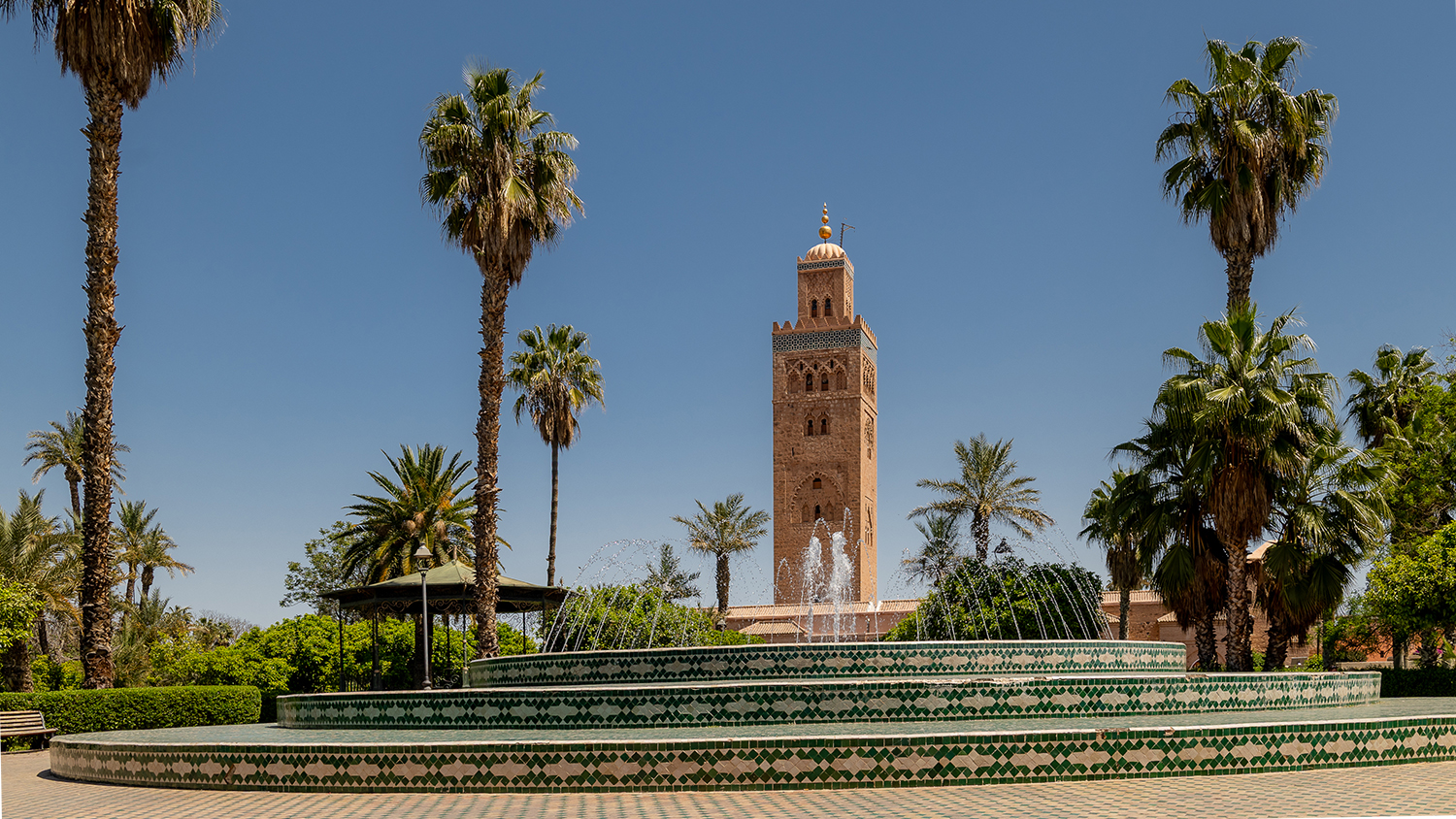

Travelling through Morocco is one of those experiences that stays with you long after you leave. There is something special about wandering through its vibrant cities, getting lost in ancient medinas and watching the landscape change from colourful streets to endless golden dunes. Everywhere you look, there is something that catches your eye, from bright blue streets and intricate tiles to handwoven rugs and beautifully textured walls. What I loved most was how every place felt completely different, yet still connected by the warmth and energy of Moroccan culture. I could spend hours exploring the souks, photographing the small details and stopping for a rich tagine and a glass of fresh mint tea. Morocco feels made for photographers and adventurous travellers, but more than anything, it is a place you experience with all your senses. It is incredibly hard not to fall in love with it.
TRAVEL & PHOTO CONDITIONS
| Time | April 2026 |
|---|---|
| Weather | Dry | Sunny ☀ |
| Temperature | 15 to 28 °C |
| Photo Potential | |
| Physical Difficulty | |
| Accessibility | |
| Crowd Level | |
| Value for Money |
TRIP ESSENTIAL BOOKINGS
ENTRANCE VISA
ACCOMMODATION
Ad / Affiliate links | Find your accommodation with Booking.com
ENTRY TICKETS | MARRAKECH
TOURS
Ad / Affiliate link
TRAINS
CTM BUSES | FES
THE 10 DAY MOROCCO ITINERARY
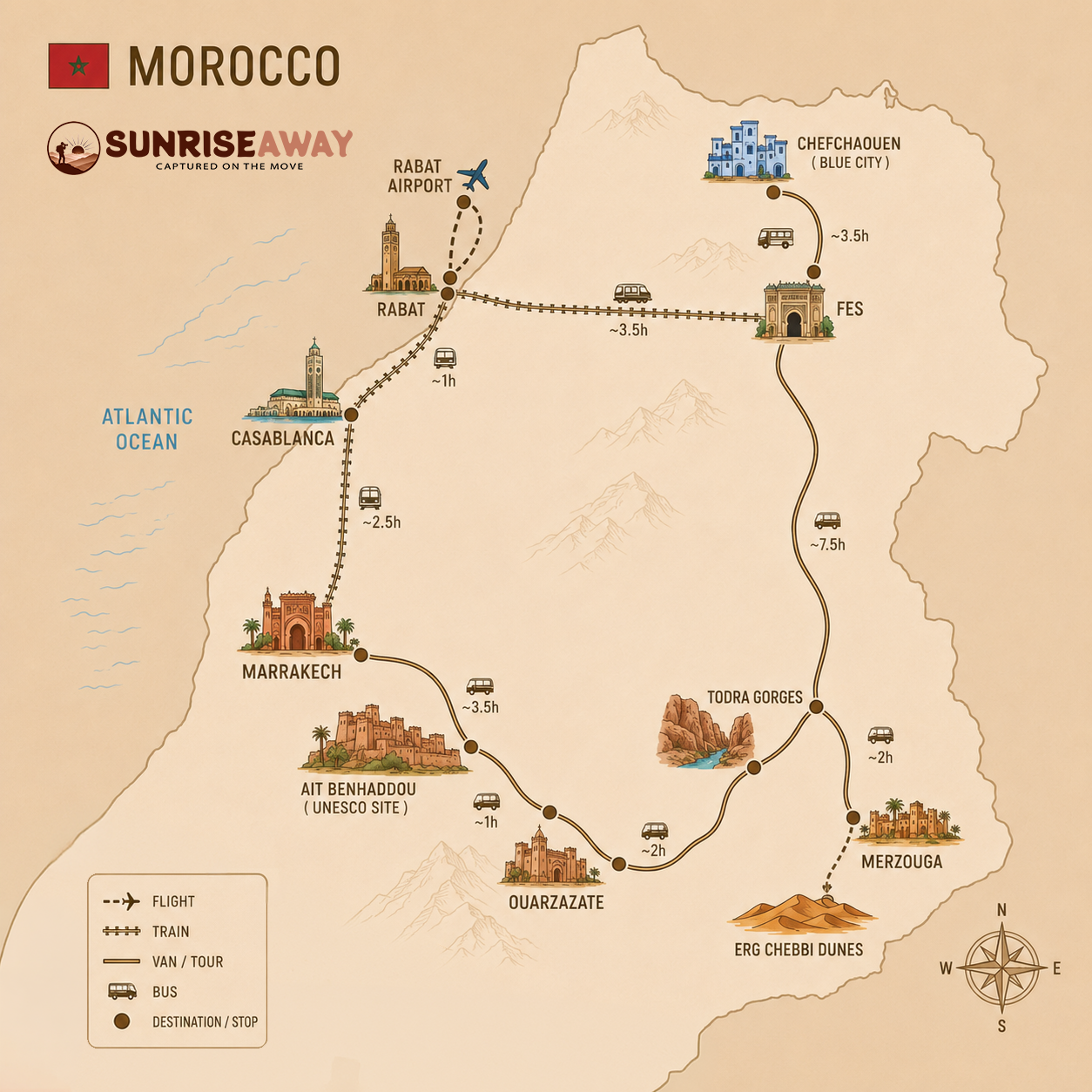
This 10 day journey covers many of the places I wanted to see on a first trip to Morocco, from Casablanca and the blue streets of Chefchaouen to the souks of Marrakesh and the Sahara Desert. What I liked most was the variety. Every few days, the scenery and atmosphere changed completely, from busy cities and historic medinas to wide open desert landscapes. There is plenty of culture and architecture along the way, but there is also time for the experiences that make Morocco so enjoyable. I travelled in spring and found the weather ideal for sightseeing, with warm, sunny days and clear skies. There is a moderate amount of walking, particularly through the medinas and archaeological sites, although the different types of transport make the journey quite manageable. We used trains and comfortable coaches between the main destinations, with a 4x4 for the desert section, which was one of the parts I was most looking forward to. The popular sights do get busy, particularly in places such as Marrakesh, but I found that starting early was well worth it. The streets were quieter, the temperatures were more comfortable and the morning light was much better for photography. For me, the highlights were Chefchaouen, the food, the architecture and finally reaching the Sahara. Seeing the dunes at sunrise was one of the moments I remember most, but I also enjoyed the everyday experiences, wandering through the souks, stopping for mint tea, seeing the zellij tilework up close and photographing the colours along the way. If you are visiting Morocco for the first time, this trip gives you a good balance of the major sights without making the whole experience feel like you are simply ticking places off a list.
Days 1 to 2: The Coastal Cities
Day 1: Arriving in Rabat and Continuing to Casablanca
Rabat (📍MAP) to Casablanca (📍MAP)
Rabat: Morocco's cultural and political capital, with a relaxed coastal atmosphere and a fascinating mix of historic monuments and modern life.
Casablanca: Morocco's bustling economic heart, where modern architecture blended with elegant Art Deco buildings and a distinctly urban atmosphere.
I arrived in Rabat in the afternoon and made my way straight to the train station for the journey to Casablanca. After checking into my hotel, I took some time to rest and get ready for the days ahead. It was a fairly gentle start to the trip, but I was already excited about what was coming next.
Day 2: Grand Architecture and the Journey South
Hassan II Mosque (📍MAP)
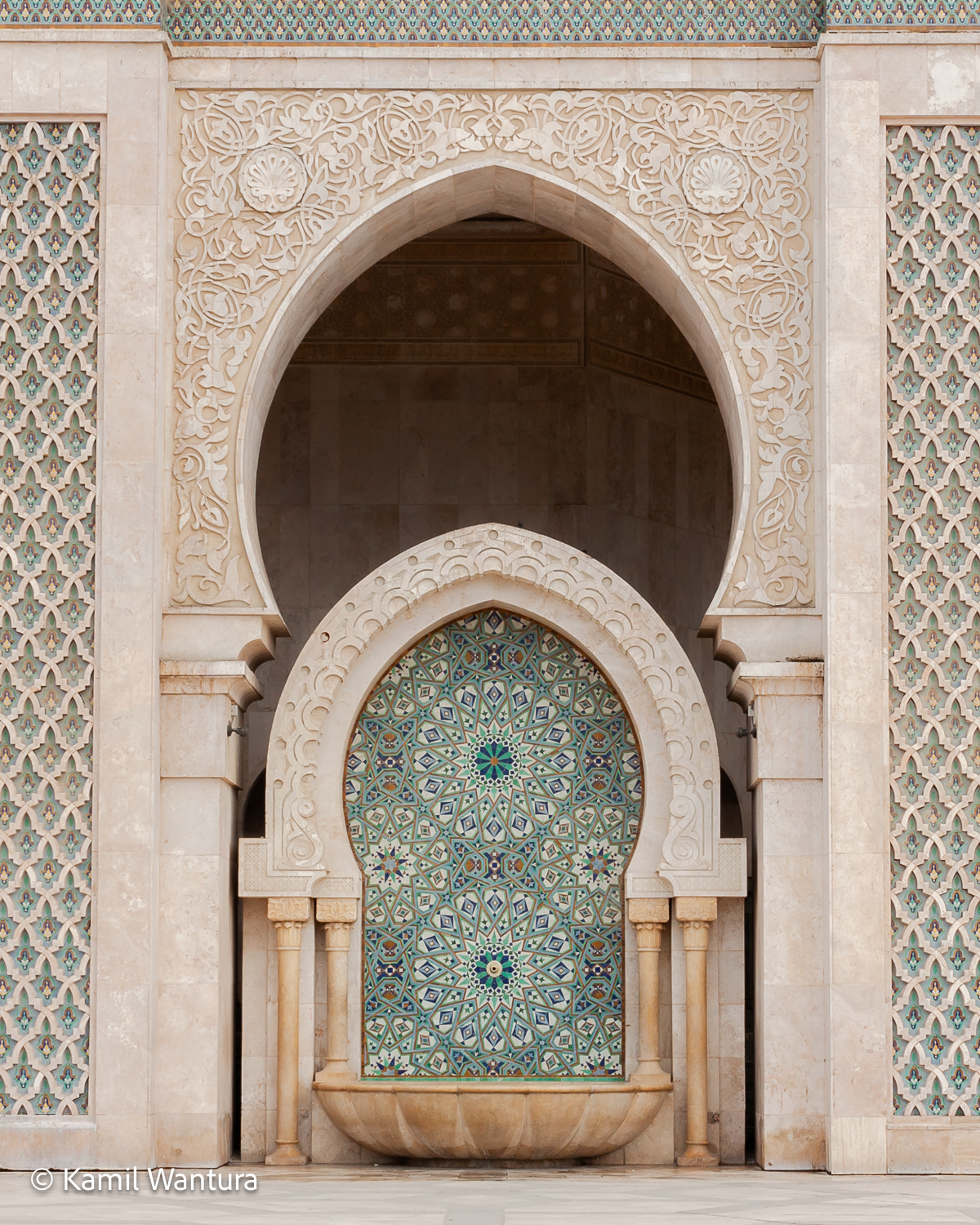
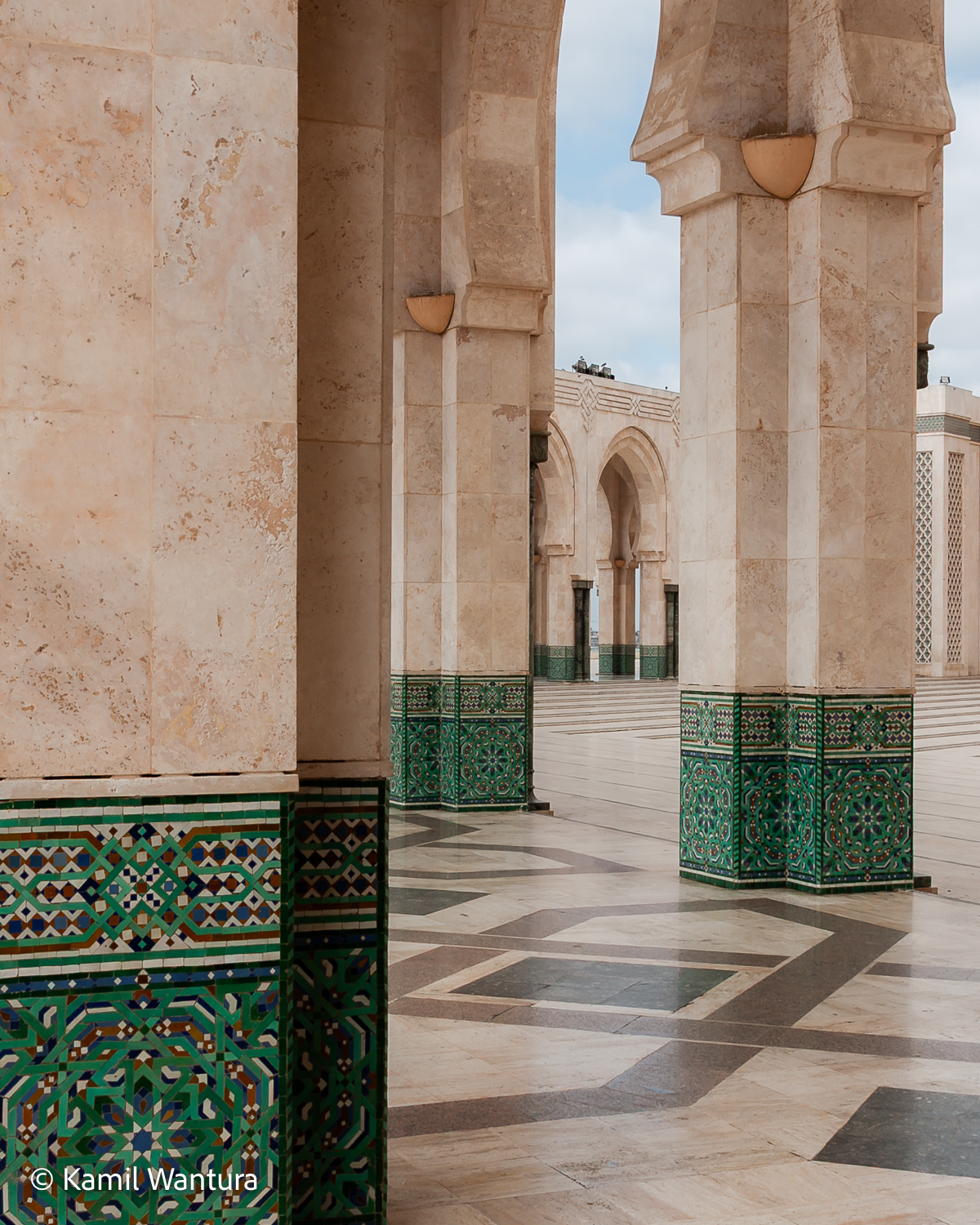
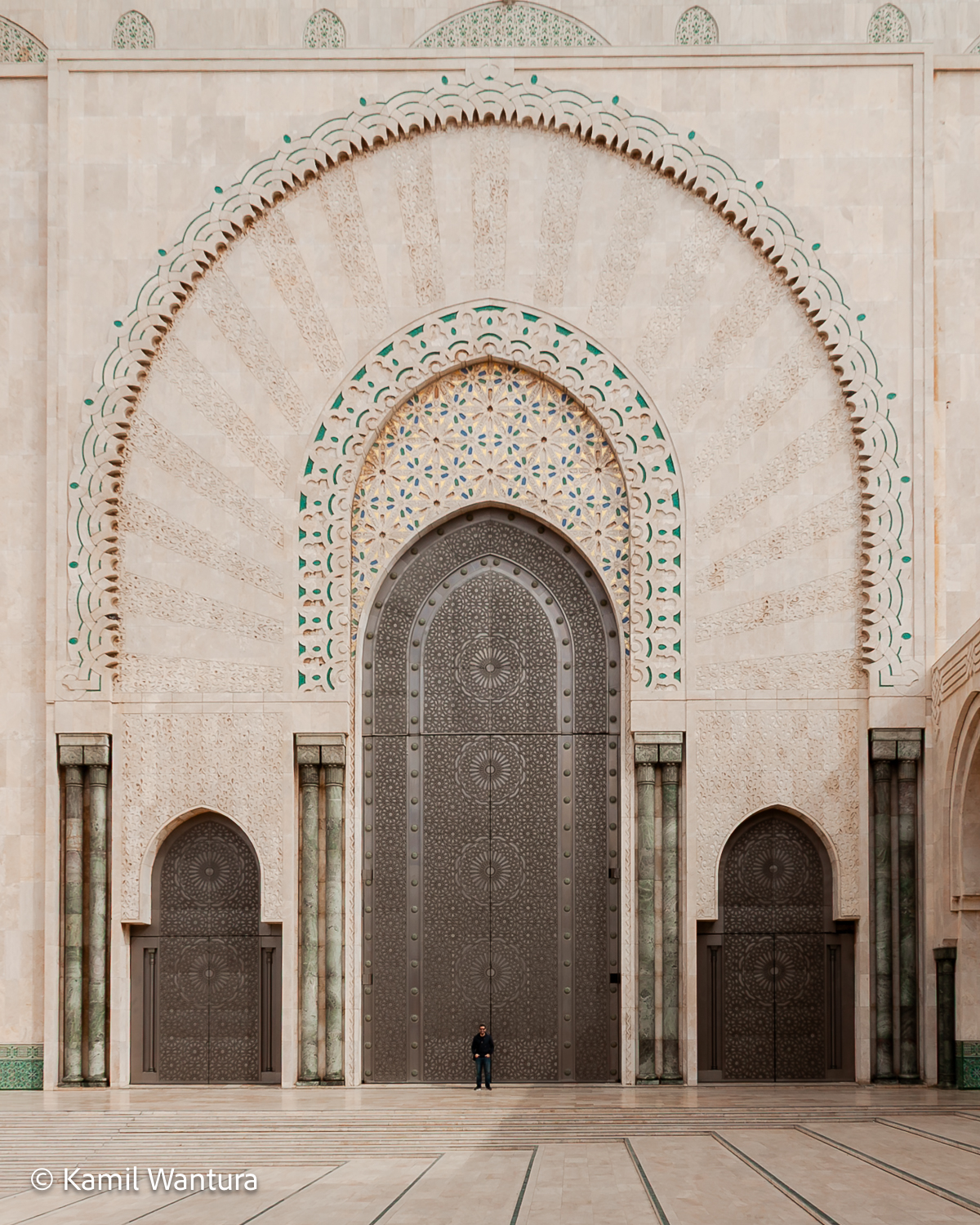
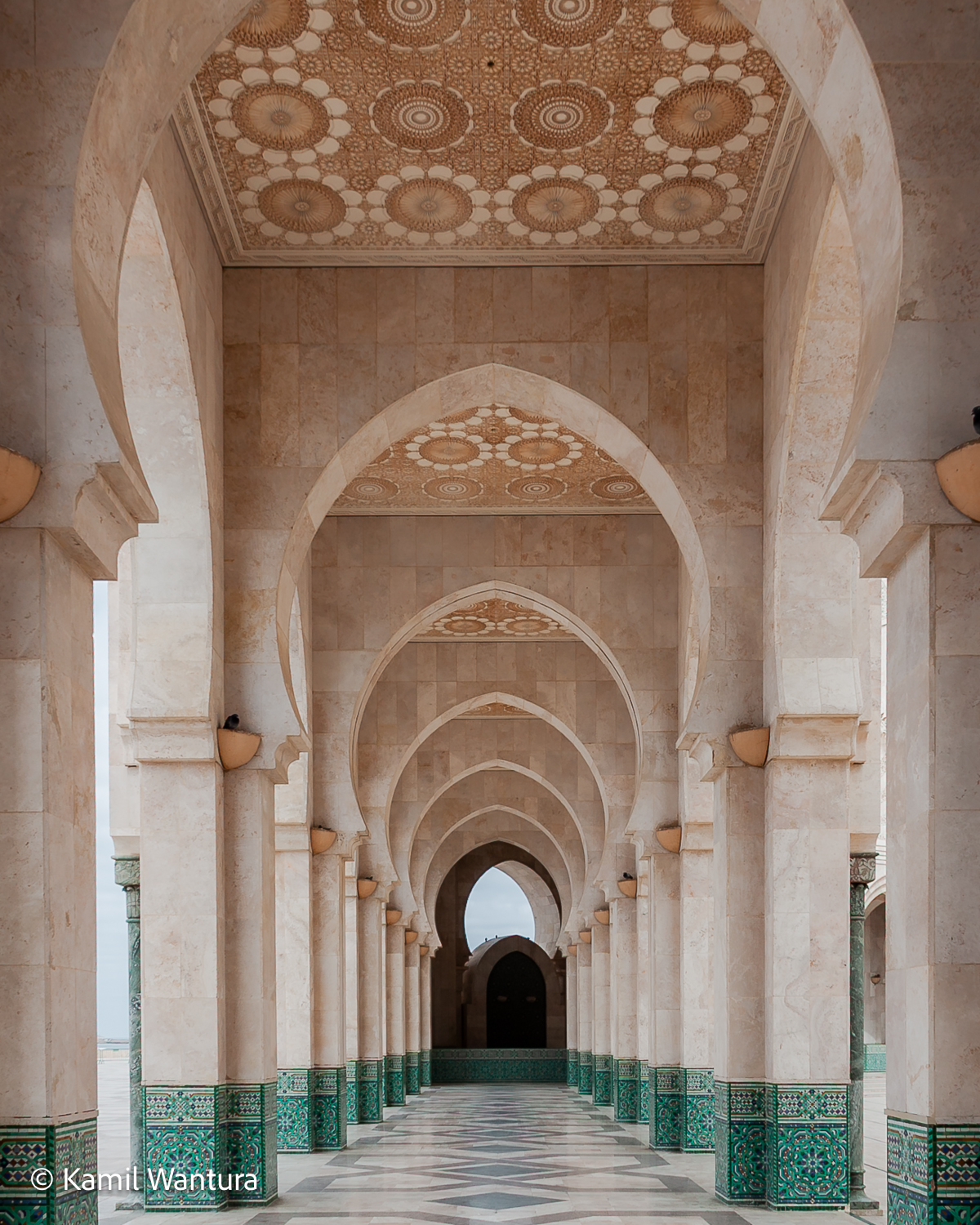
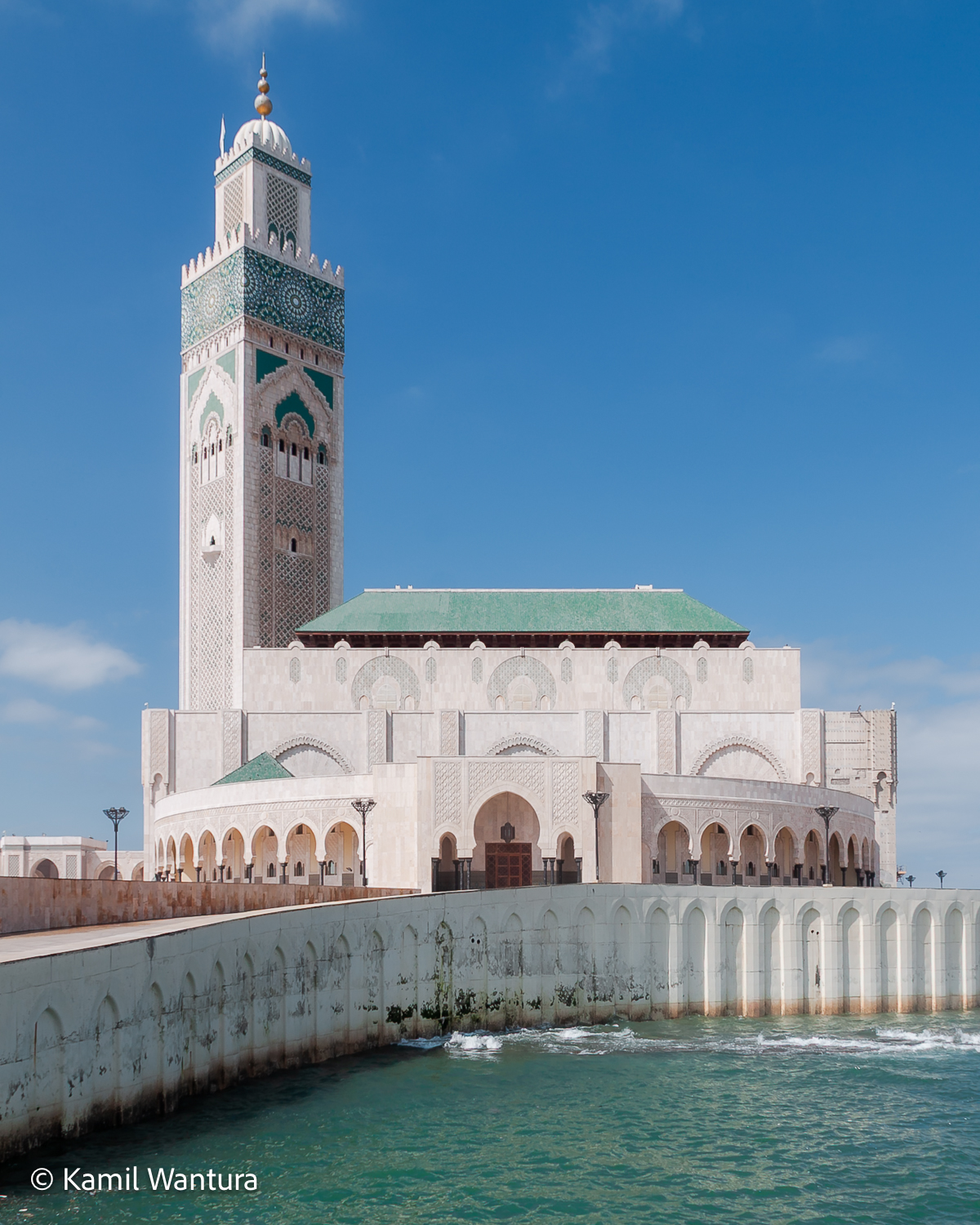
I started early that day to visit the mosque before the crowd. This mosque is one of Morocco's most impressive architectural landmarks, dramatically positioned beside the Atlantic Ocean and renowned for its enormous minaret and intricate Moroccan craftsmanship.
I spent the morning exploring the Hassan II Mosque and taking in its incredible scale. The combination of the Atlantic setting, polished marble, geometric tilework and intricate details made it one of those places that was even more impressive in person. I also spent some time photographing the exterior and the coastal views.
Train to Marrakesh (📍MAP)
Marrakesh: The famous Red City, known for its colourful streets, historic palaces, lively souks and distinctive architecture.
After exploring Casablanca, I boarded the train south towards Marrakesh. I enjoyed watching the scenery change gradually outside the window as the city gave way to more open landscapes. The journey itself became a nice transition between the coastal cities and the very different world that awaited me in Marrakesh.
Arrival in Marrakesh
I arrived in Marrakesh in the late afternoon and checked into my hotel before evening fell. After the journey, I was happy to have some time to settle in and get my first taste of the Red City.
Days 3 to 4: The Heart of Marrakesh
Day 3: Medinas, Palaces and Golden Sunsets
Medina of Marrakech (📍MAP) & Medersa Ben Youssef (📍MAP)
Medina of Marrakech: The historic heart of the city, filled with winding lanes, colourful shops, busy markets and the constant rhythm of everyday life.
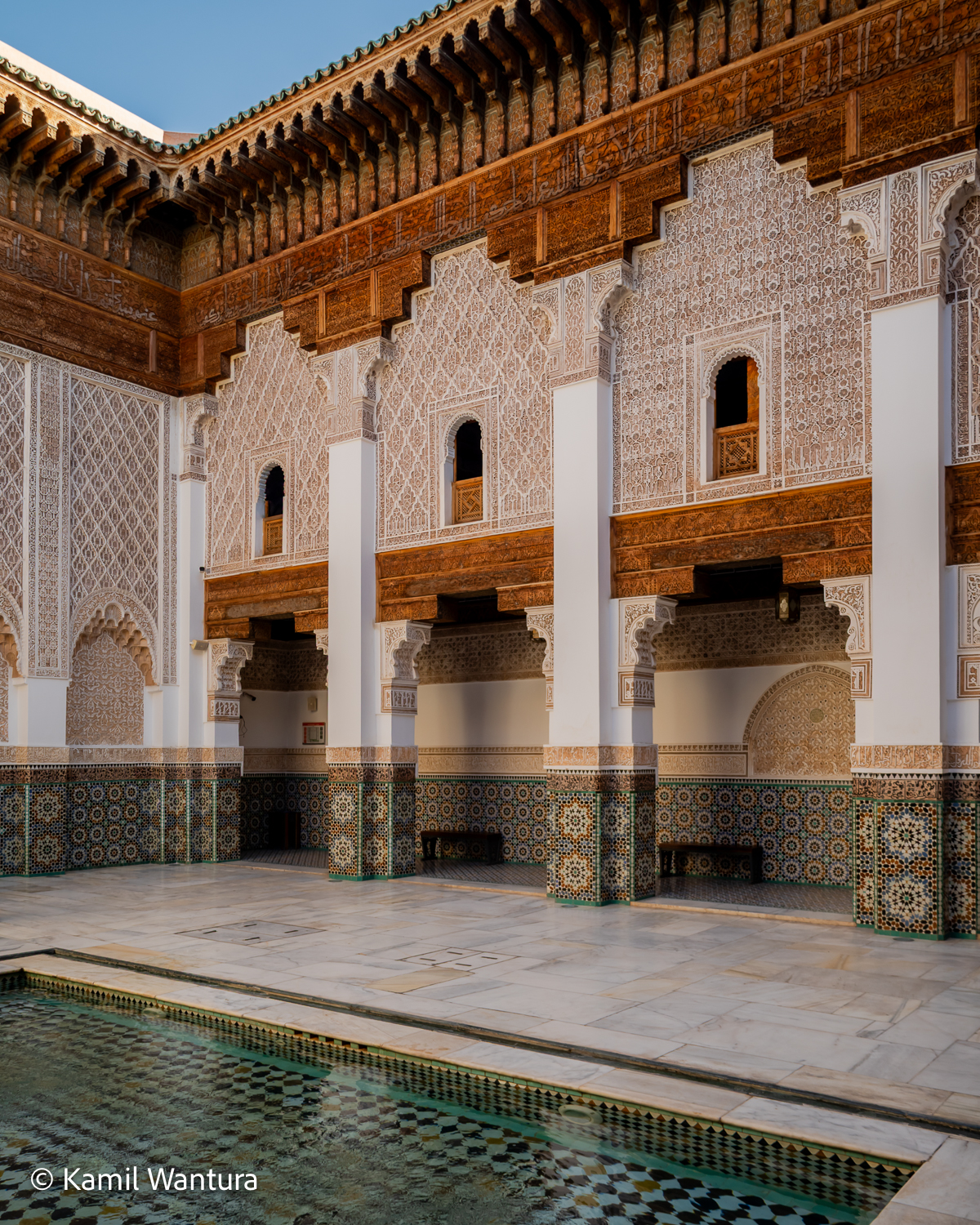
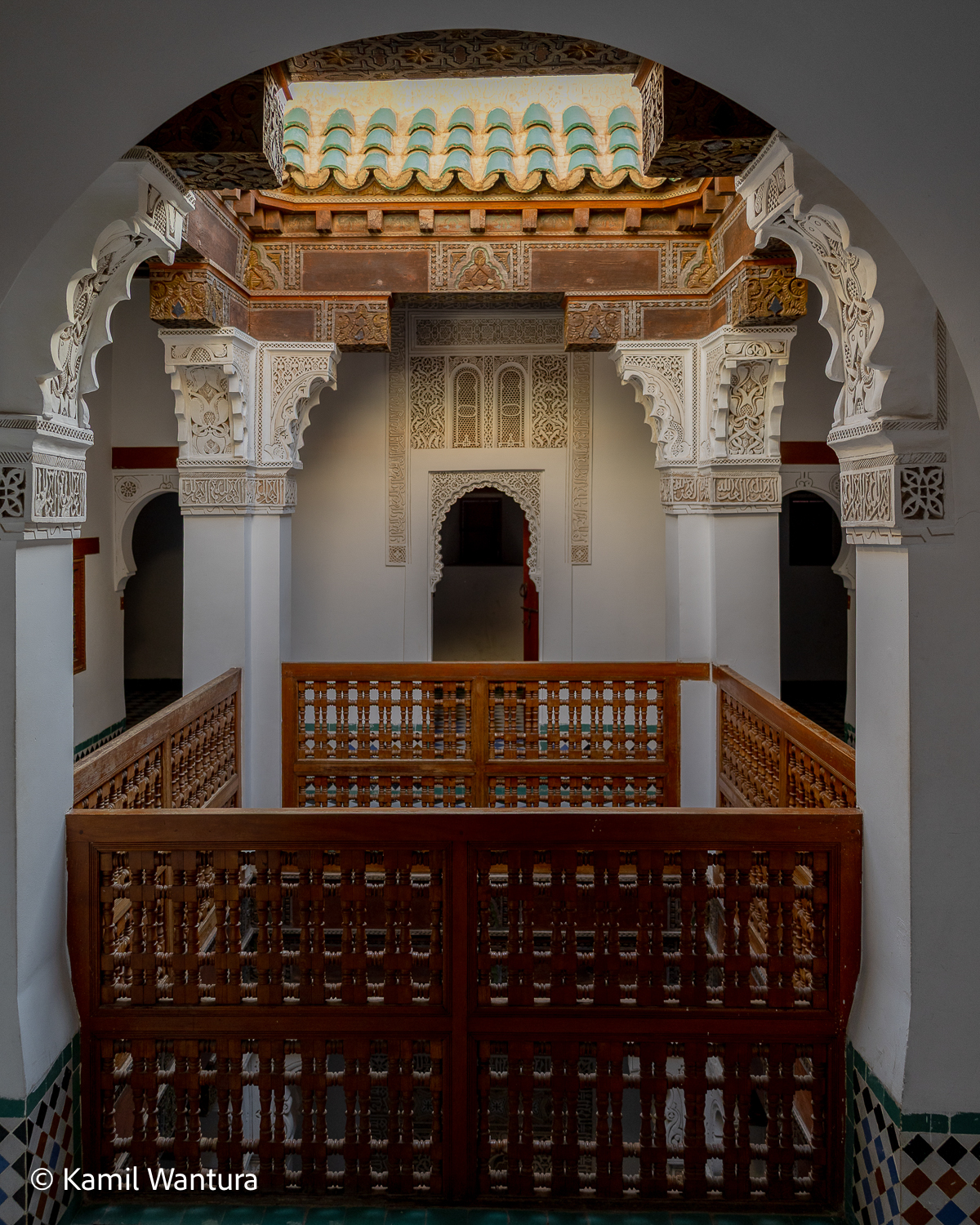
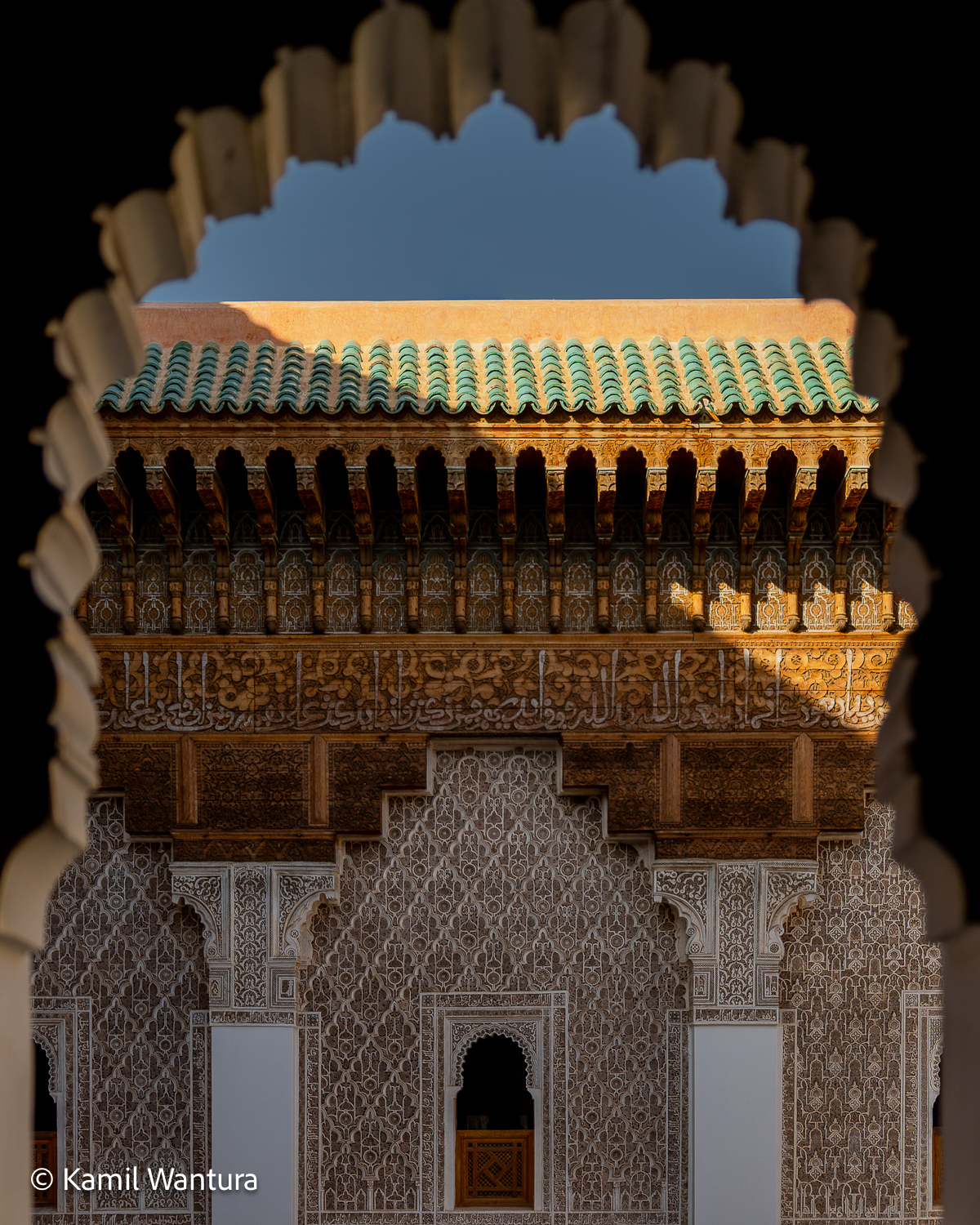
Medersa Ben Youssef: A beautifully preserved former Islamic college, famous for its detailed zellij tilework, carved cedar wood and ornate stucco.
I started the day early and headed into the medina before the streets became too busy. Wandering through the narrow lanes was an experience in itself, with something interesting around almost every corner. I then visited the Medersa Ben Youssef, where the intricate craftsmanship immediately stood out. The details in the tiles, carved wood and plasterwork were incredible.
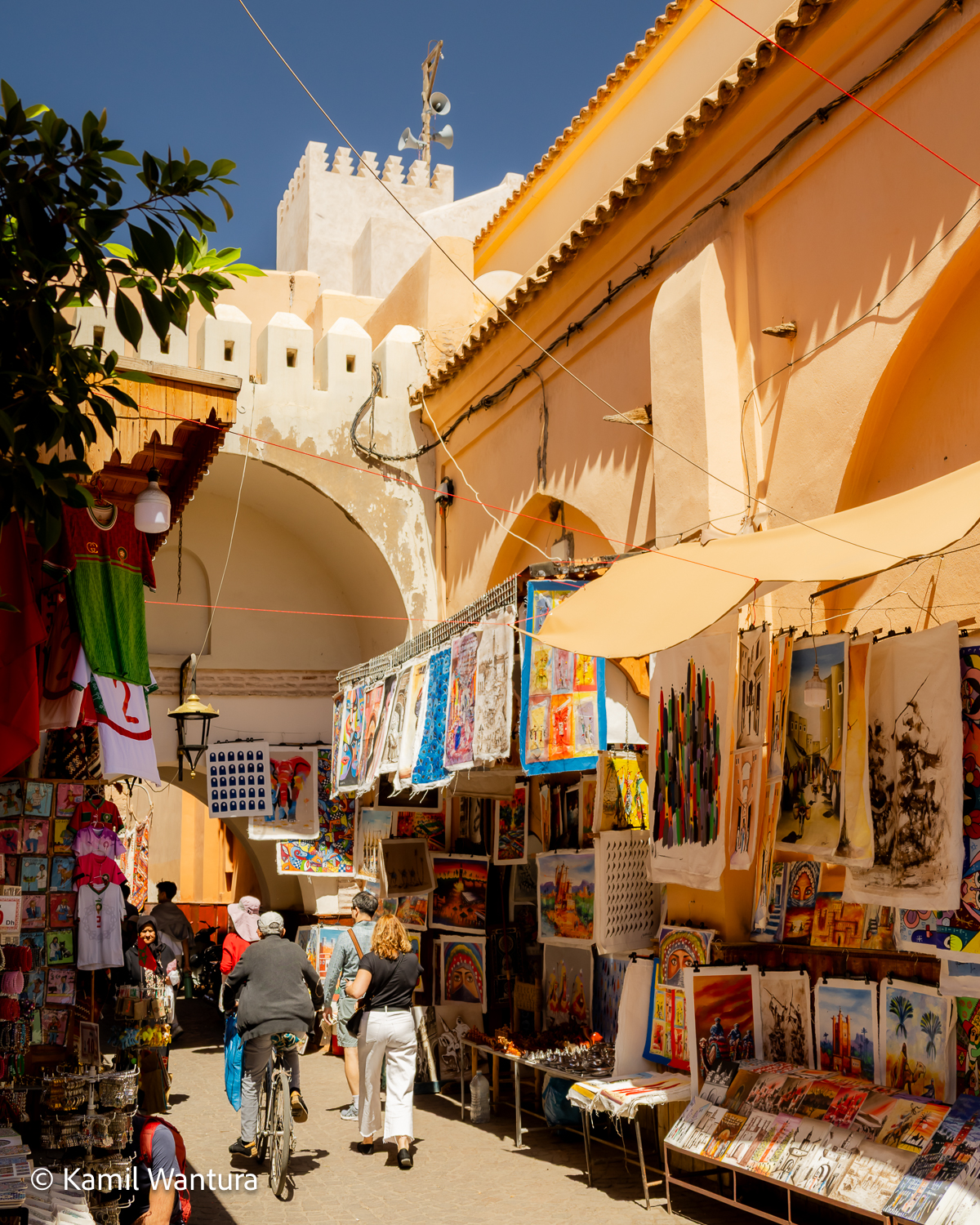
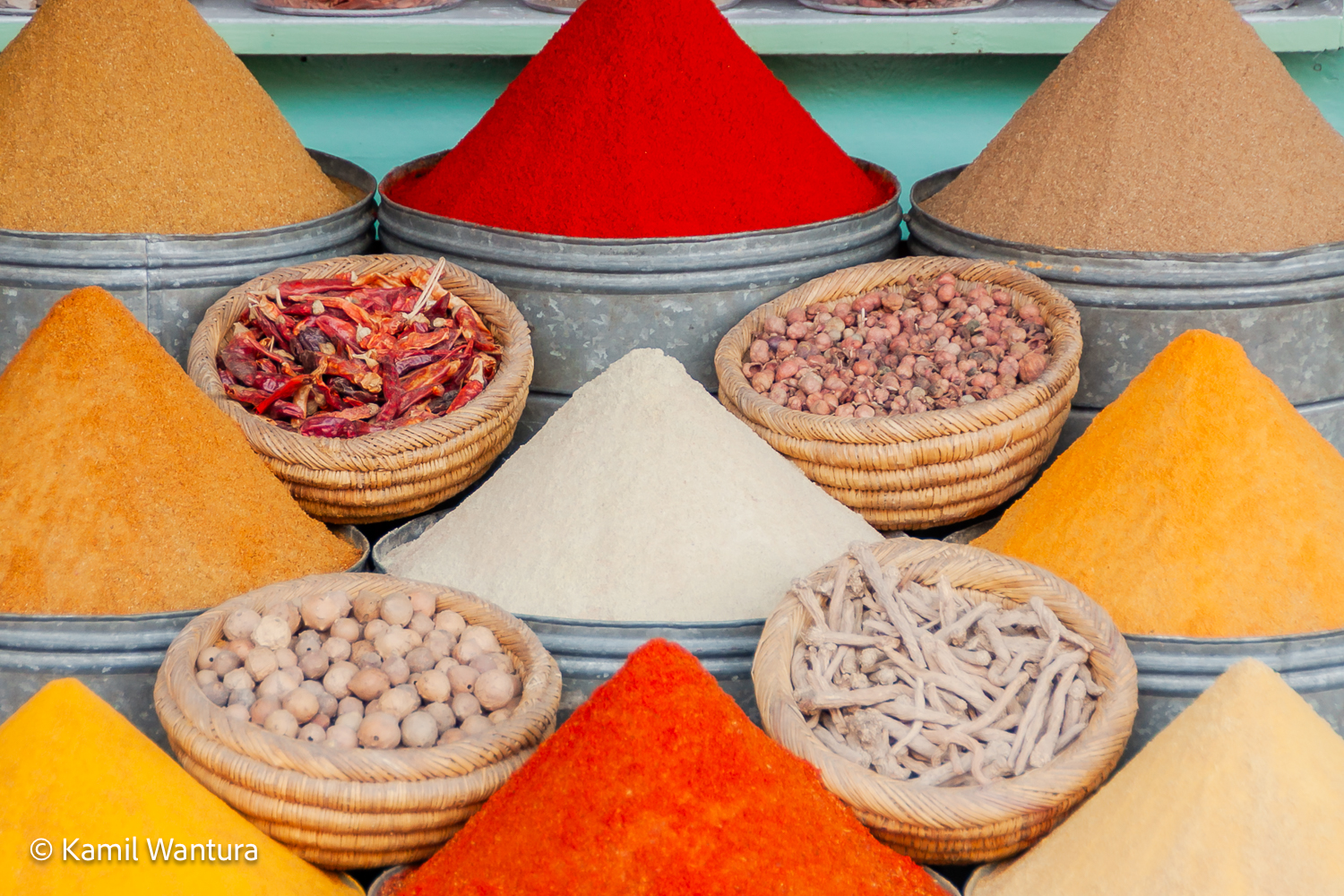
The Souks: I wandered through the sprawling traditional markets, passing stalls filled with spices, colourful textiles, handmade goods and intricate metalwork. (📍MAP)
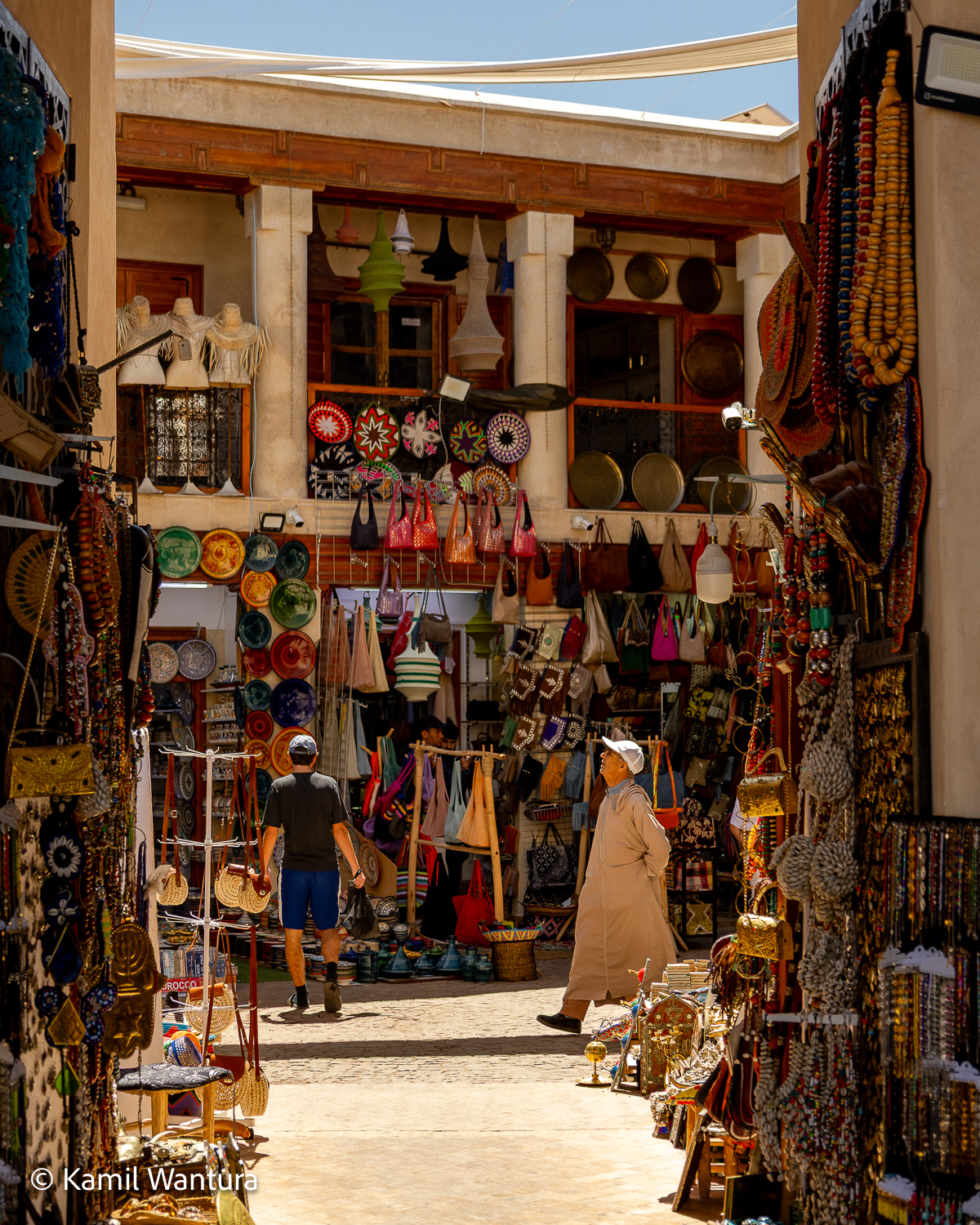
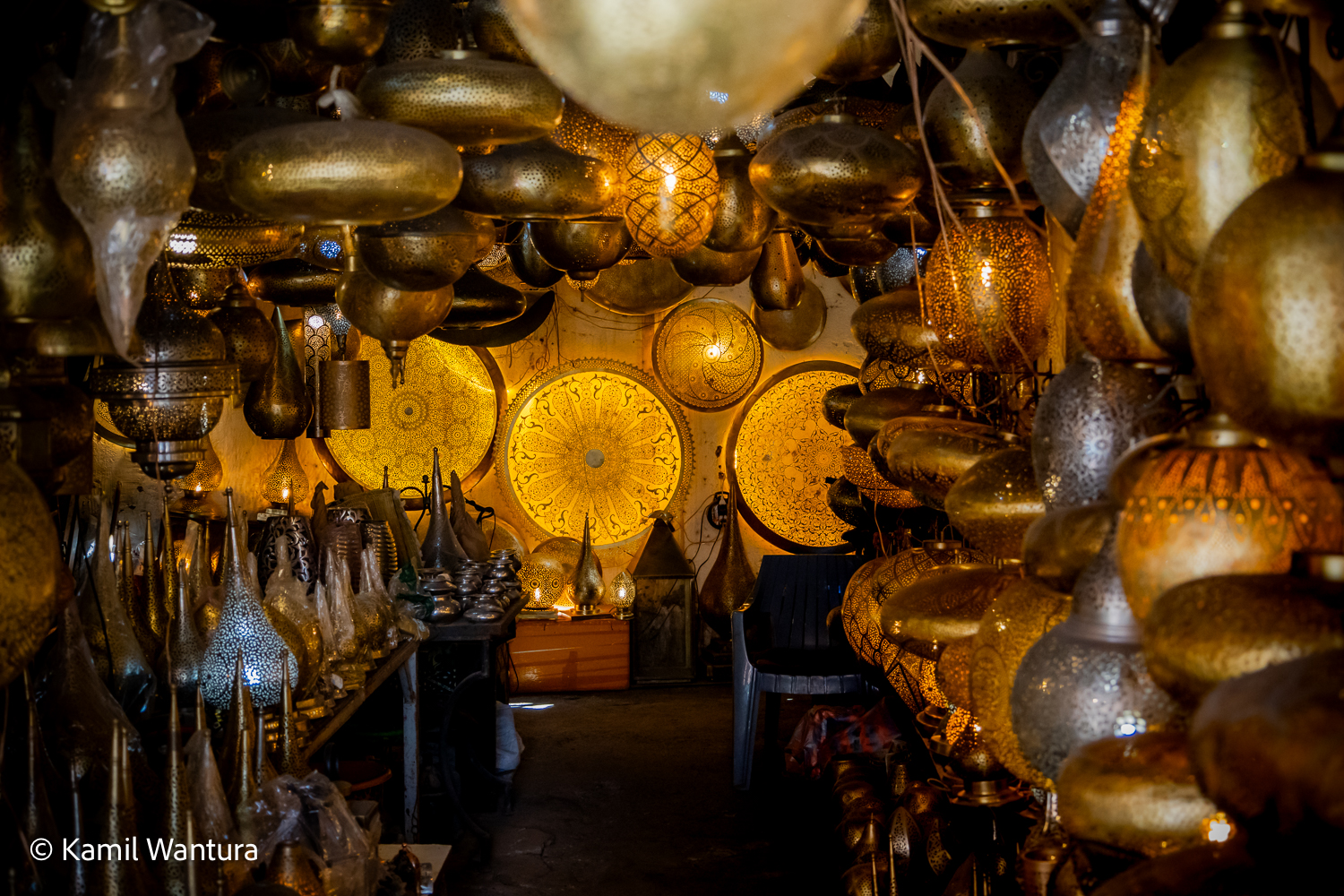
Bahia Palace: I continued to the beautiful 19th-century Bahia Palace, where ornate rooms, courtyards and traditional Moroccan details gave me another glimpse into the city's architectural heritage. (📍MAP)
Koutoubia Mosque (📍MAP) & Menara Gardens (📍MAP)
Koutoubia Mosque: Marrakesh's most recognisable landmark, with its distinctive minaret rising above the surrounding city.
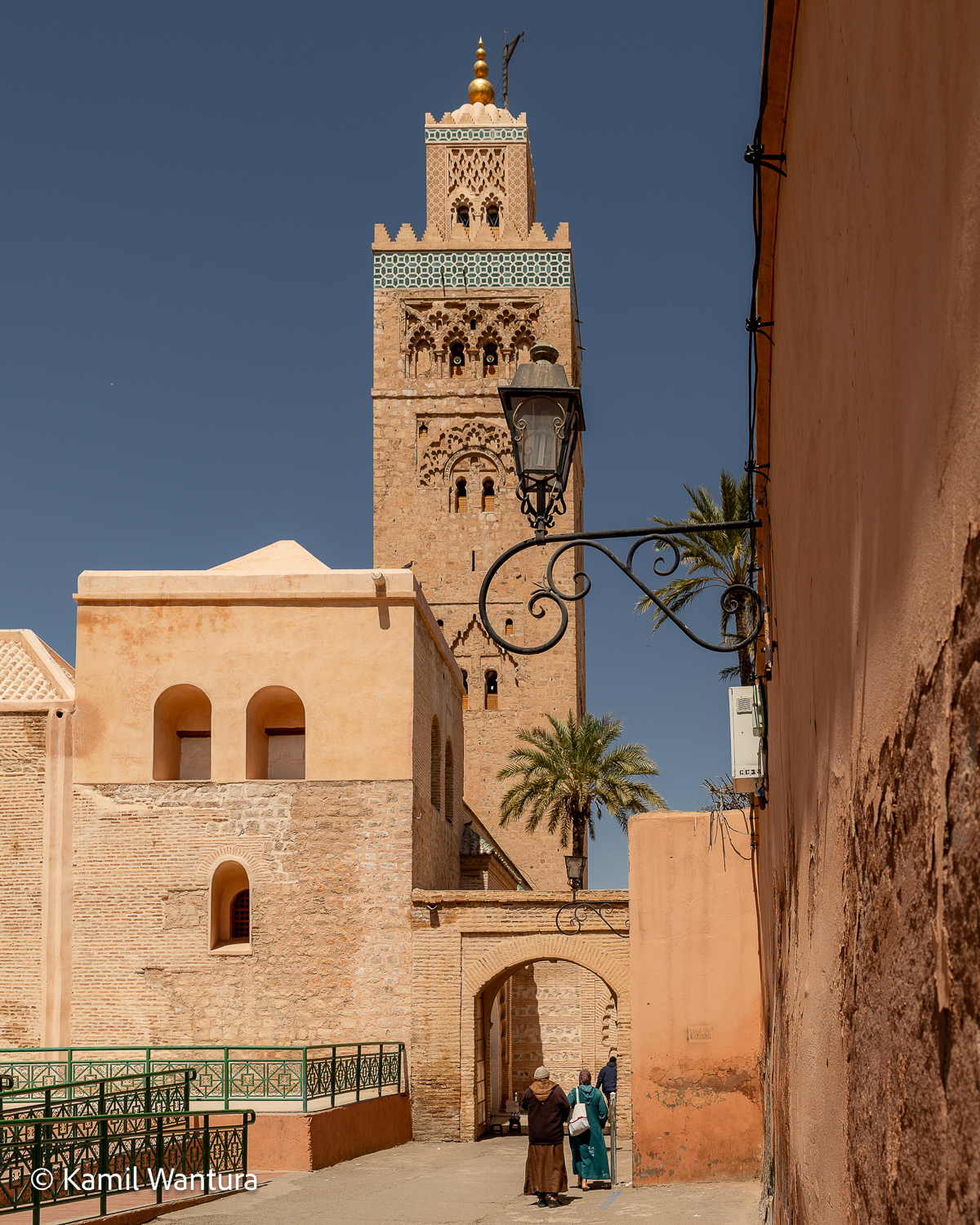
Menara Gardens: A peaceful historic garden centred around a large reflection pool, with the Atlas Mountains providing a dramatic backdrop on clear days.
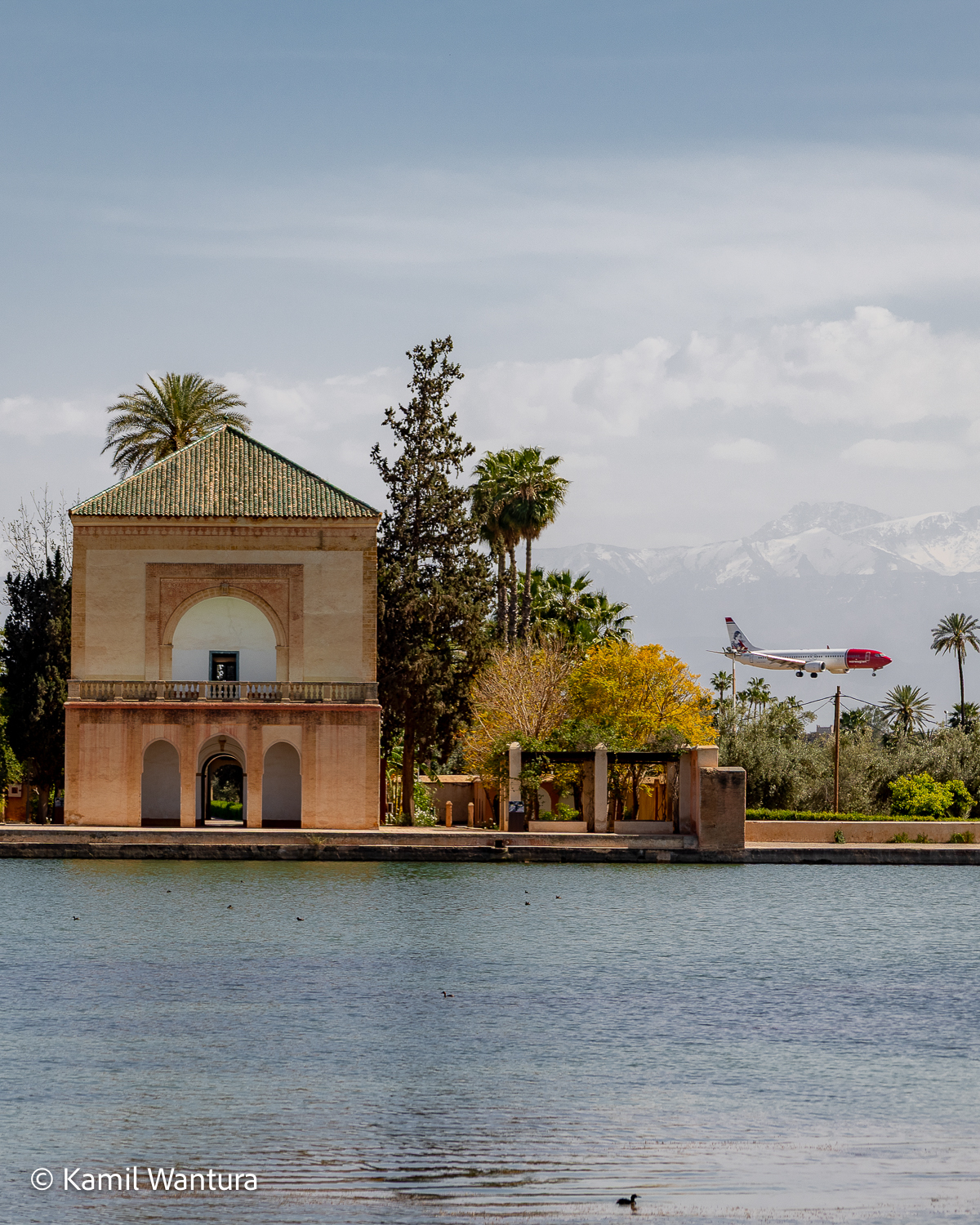
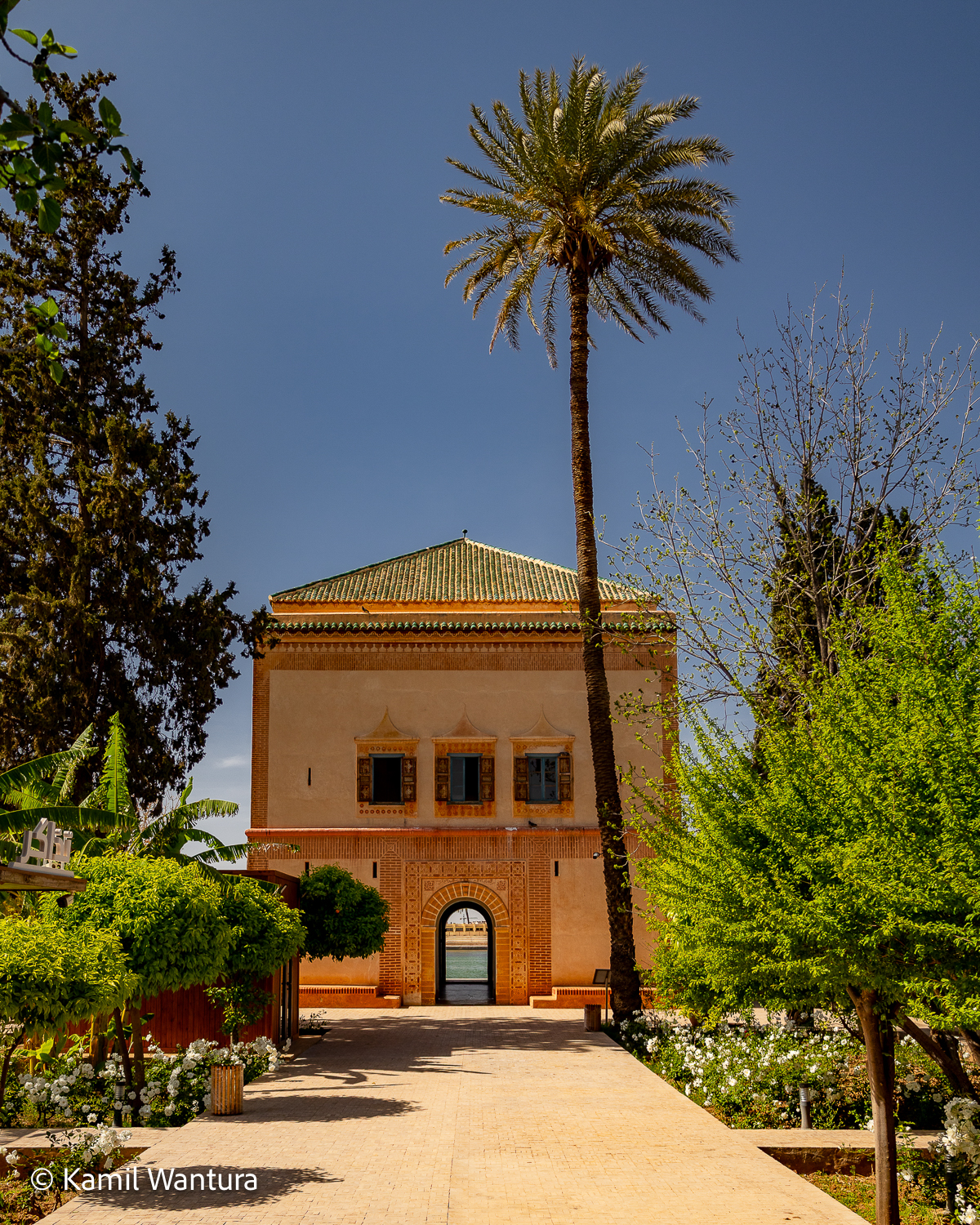
After lunch, I visited the Koutoubia Mosque before taking a taxi out to the quieter Menara Gardens. It was a welcome change of pace after the energy of the medina.
Jemaa el Fnaa (📍MAP)
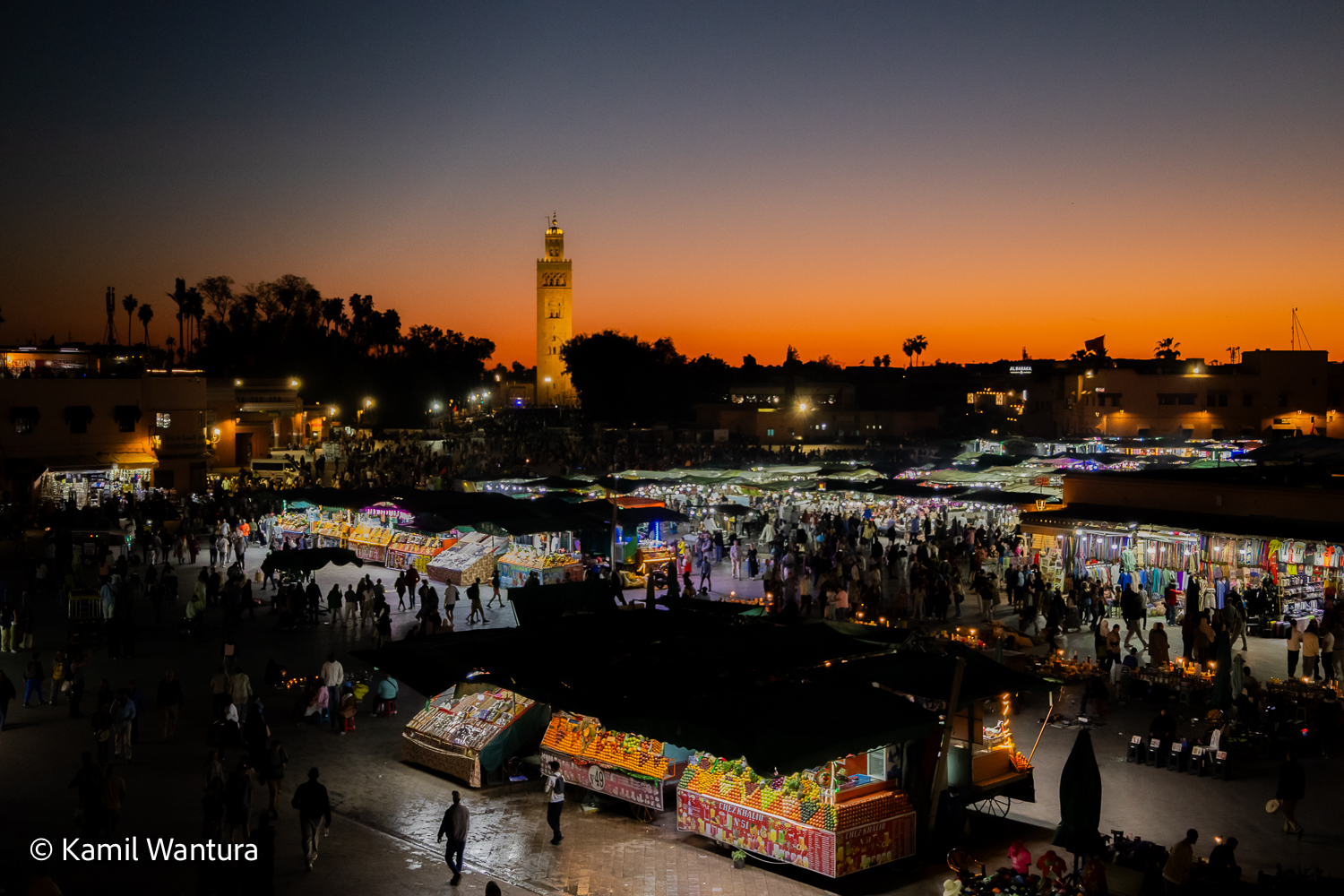
Jemaa el Fnaa: Marrakesh's famous main square, which transformed as the sun went down, filling with musicians, storytellers, food stalls and crowds.
I returned to Jemaa el Fnaa around sunset and watched the square change from a busy daytime market into an entirely different world. As evening arrived, the lights came on, food stalls began filling the square and the atmosphere became noticeably more energetic.
Day 4: Lush Gardens and Hidden Courtyards
Jardin Majorelle (📍MAP)
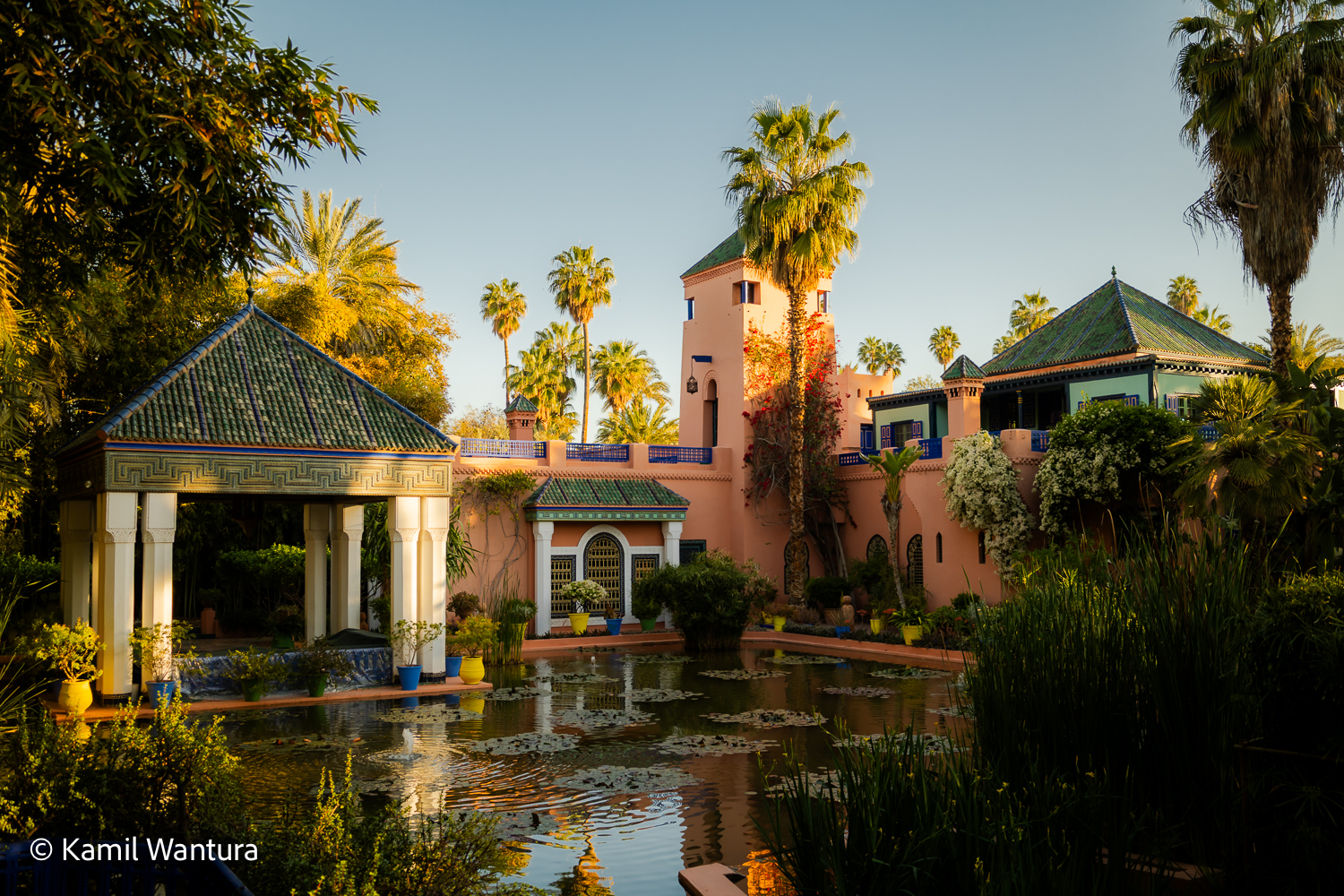
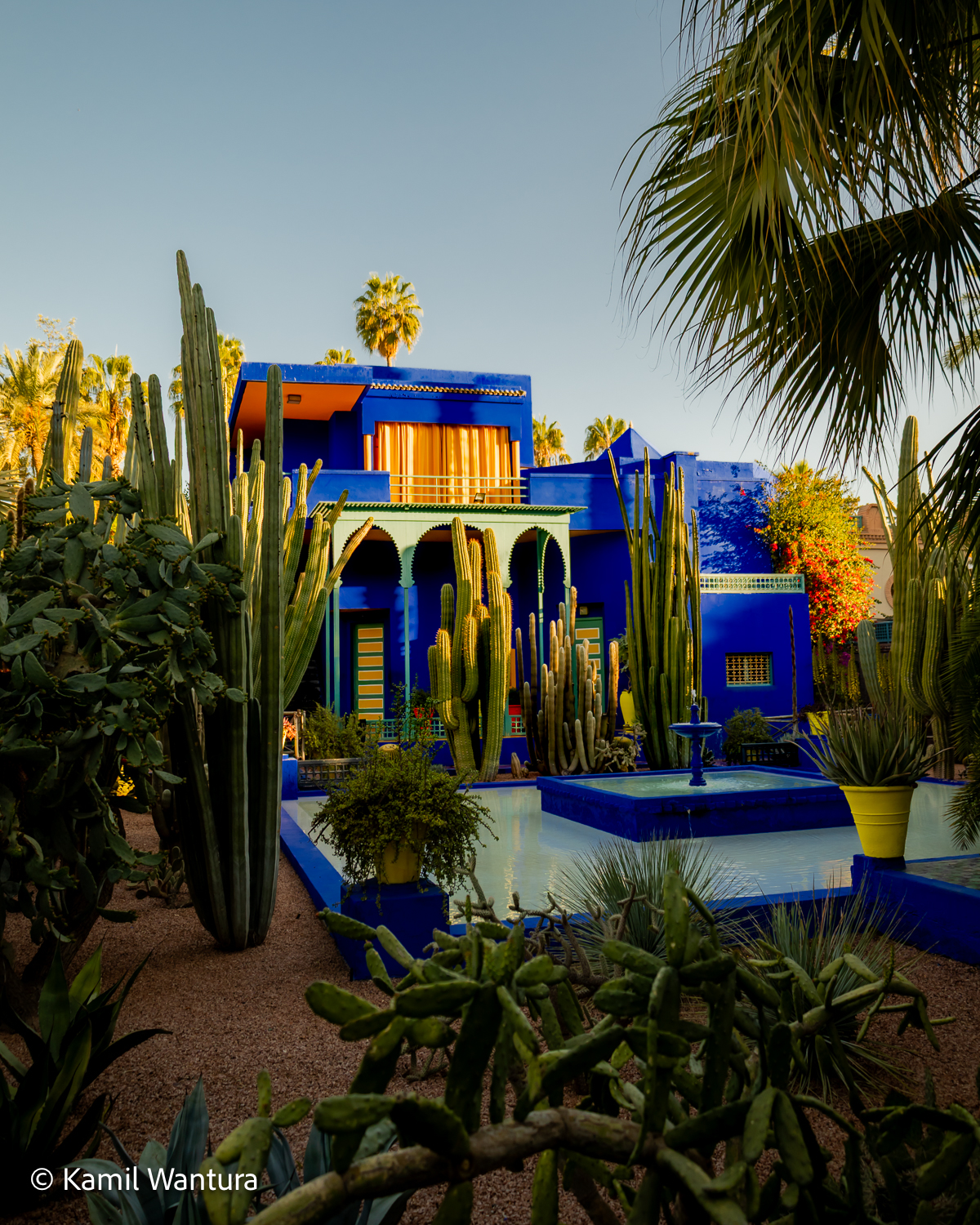
Jardin Majorelle: A striking botanical garden created by French painter Jacques Majorelle and later restored by Yves Saint Laurent, famous for its vivid cobalt-blue architecture and exotic plants.
I started the morning at Jardin Majorelle. The intense blue of the buildings stood out against the greenery and bright colours throughout the gardens, making it one of my favourite places in Marrakesh to photograph.
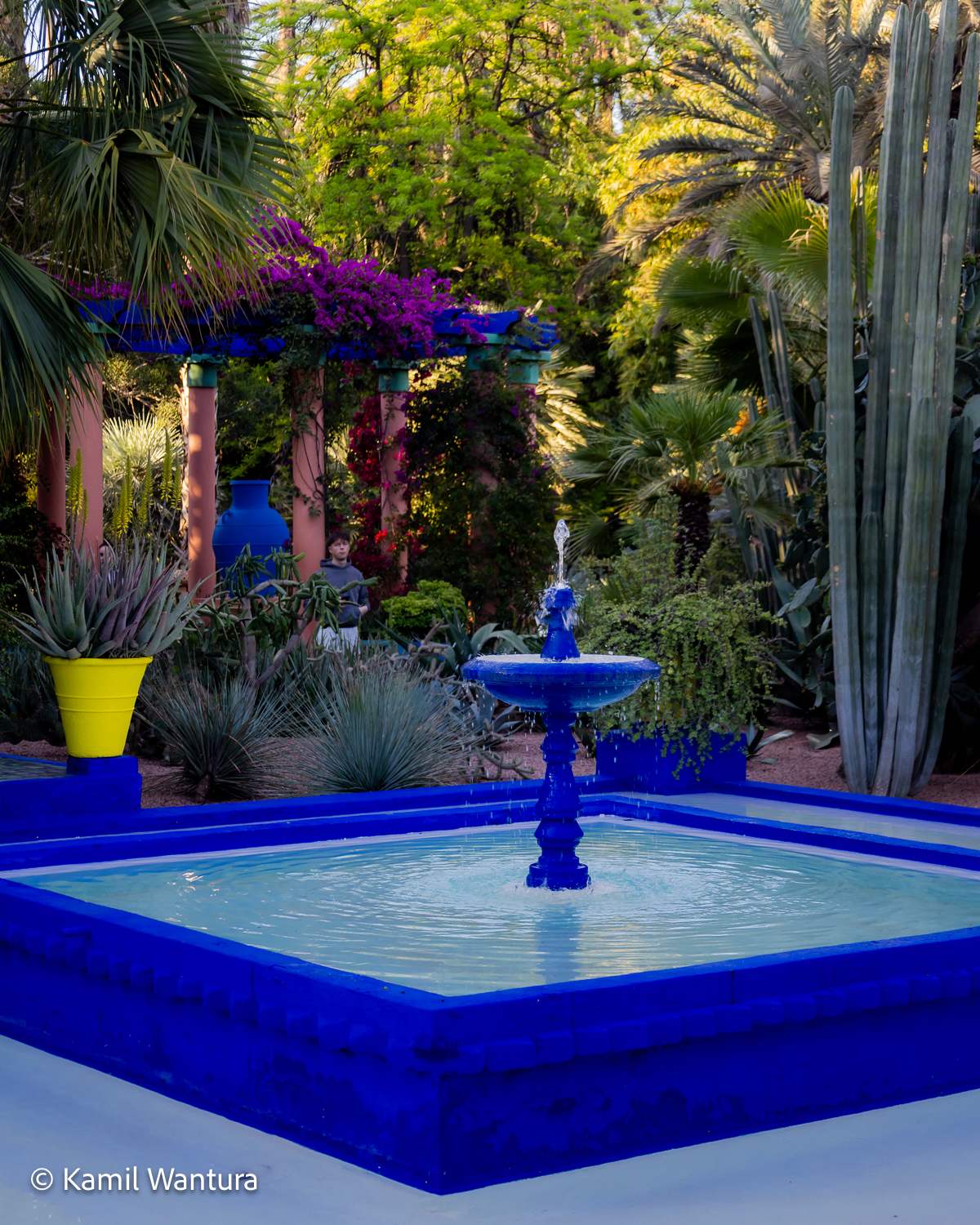
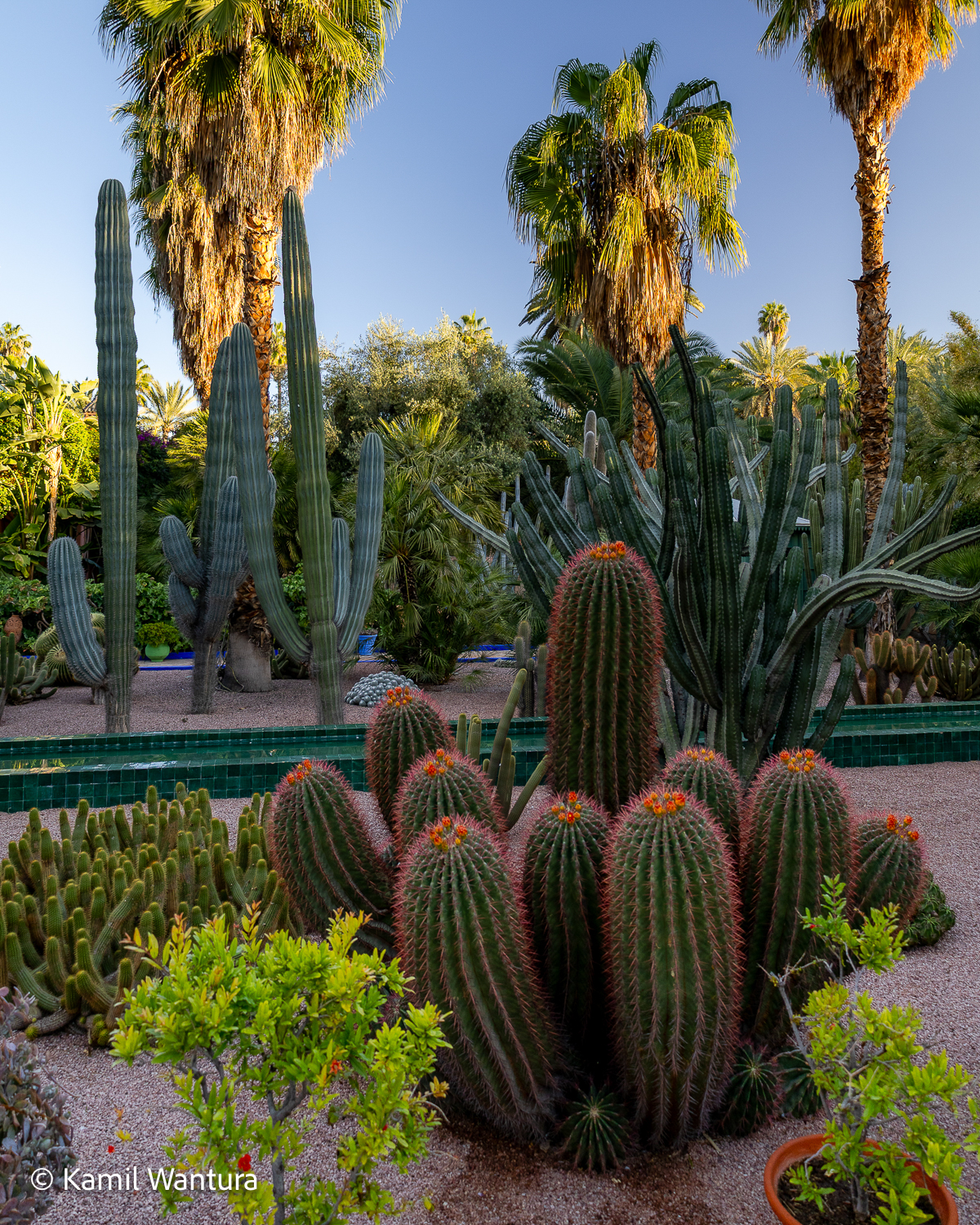
Dar El Bacha Museum (📍MAP) & Le Jardin Secret (📍MAP)
Dar El Bacha Museum: I explored this former palace, taking in its ornate Moroccan woodwork, zellij tiles and historic details.
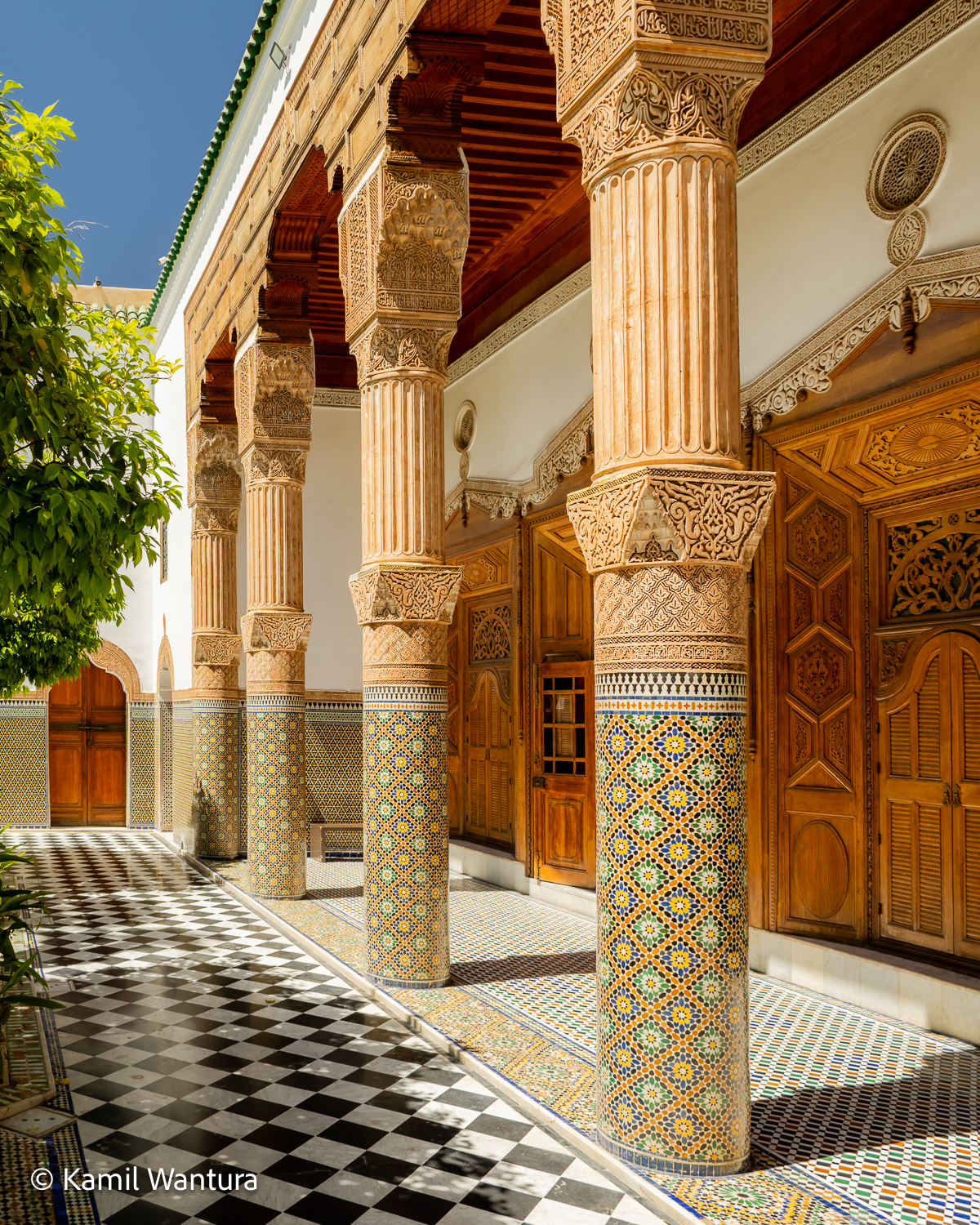
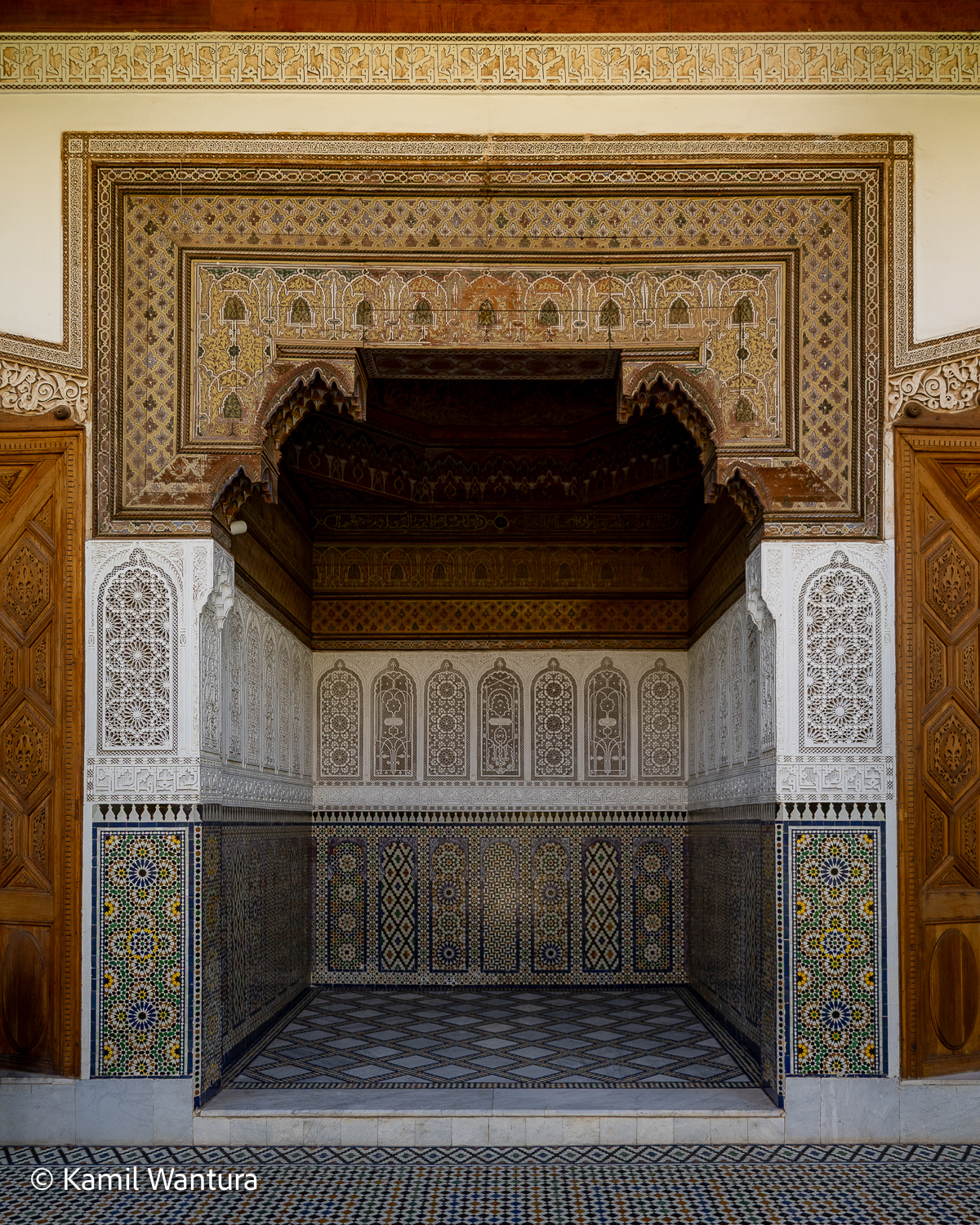
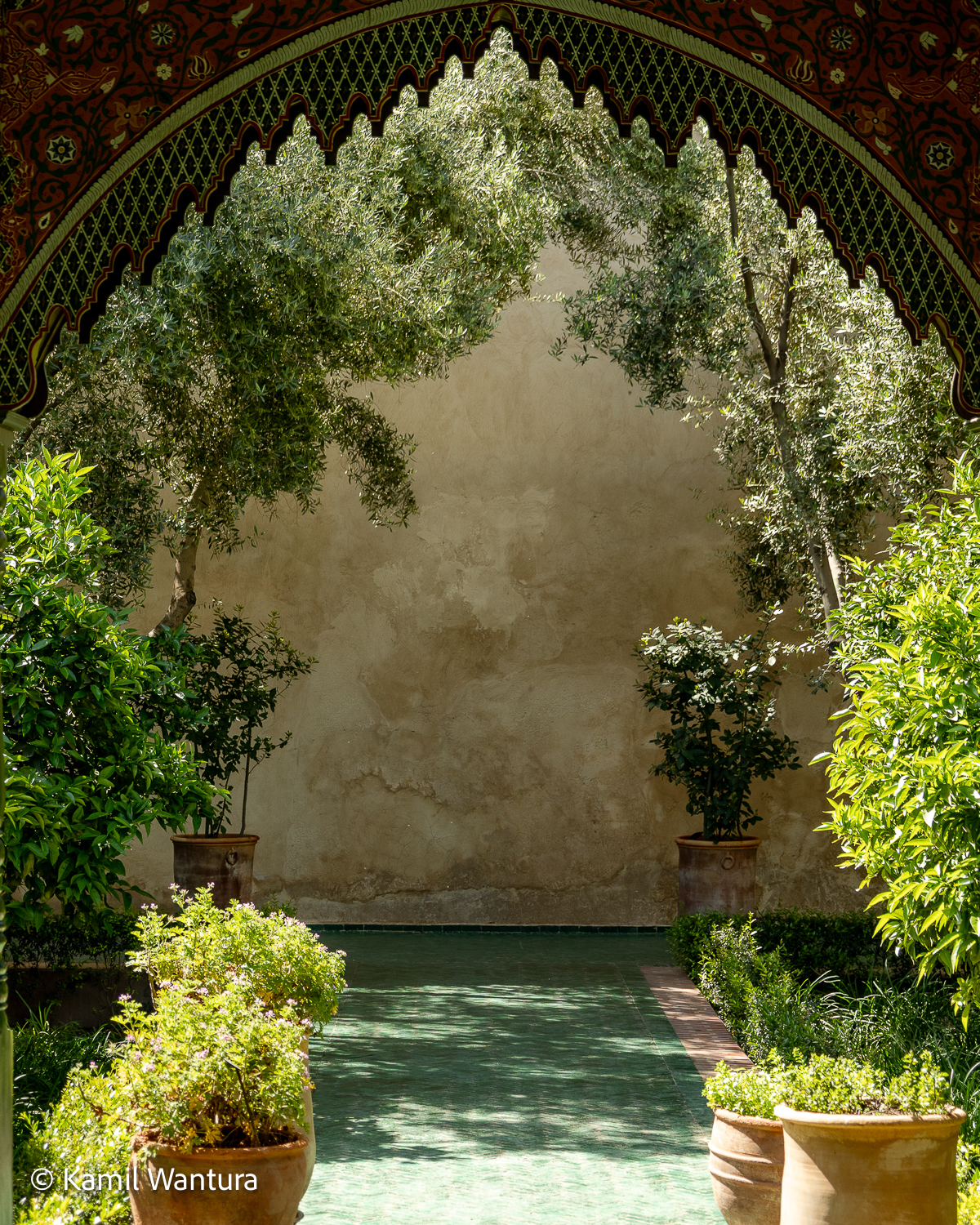
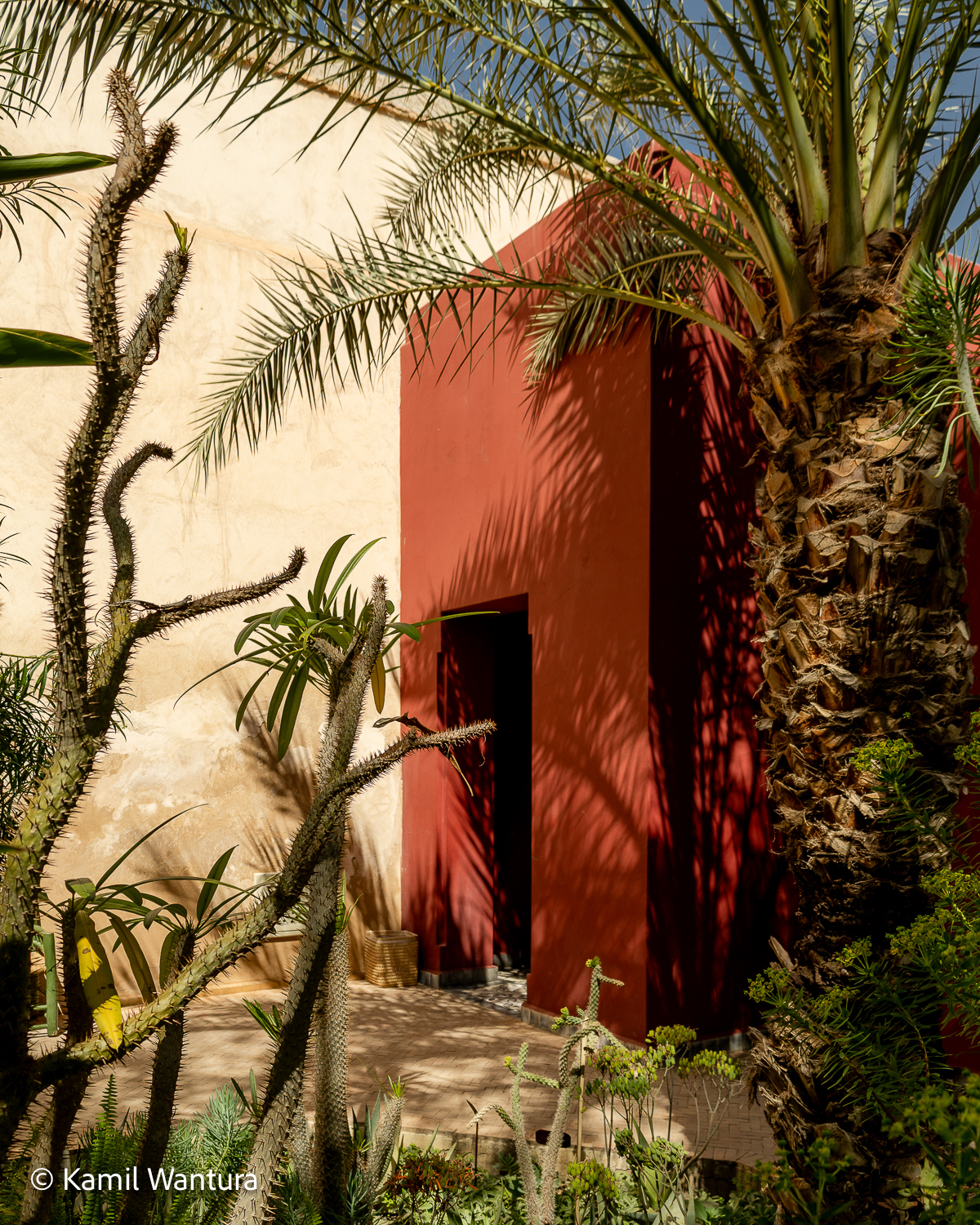
Le Jardin Secret: I then escaped the noise of the medina at this beautifully restored riad garden. The peaceful courtyards and greenery provided a welcome contrast to the busy streets outside.
A Slow Afternoon in Marrakesh
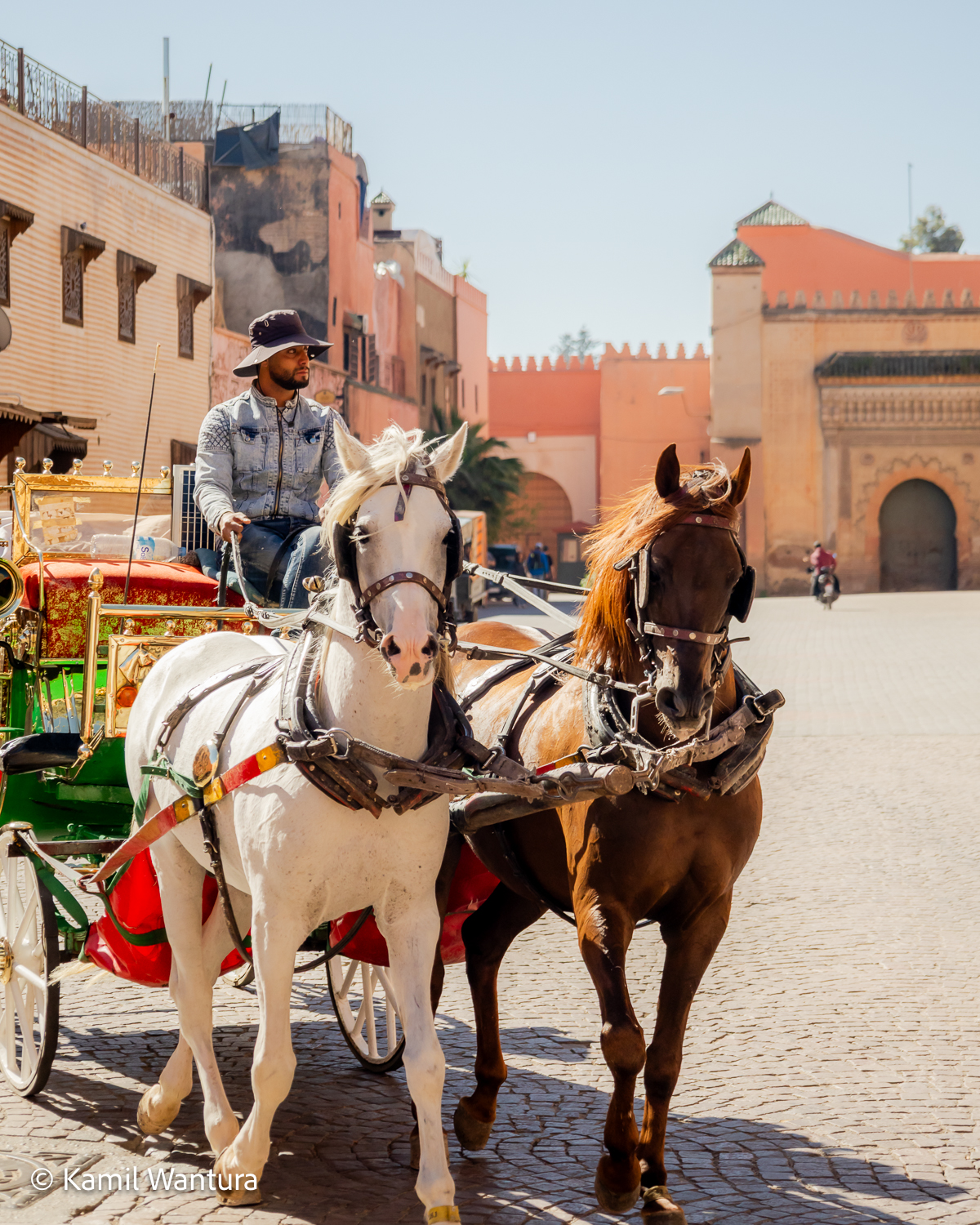
After spending most of the day exploring, I slowed things down and simply walked around the city for a while. I enjoyed having some unplanned time to take in the atmosphere, wander through the streets and stop whenever something caught my attention. Later, I returned to the riad to relax and recharge before the next major part of the journey.
Days 5 to 6: Journey to the Sahara
Day 5: Kasbahs and Valleys
Ait Benhaddou (📍MAP) & Ouarzazate (📍MAP)
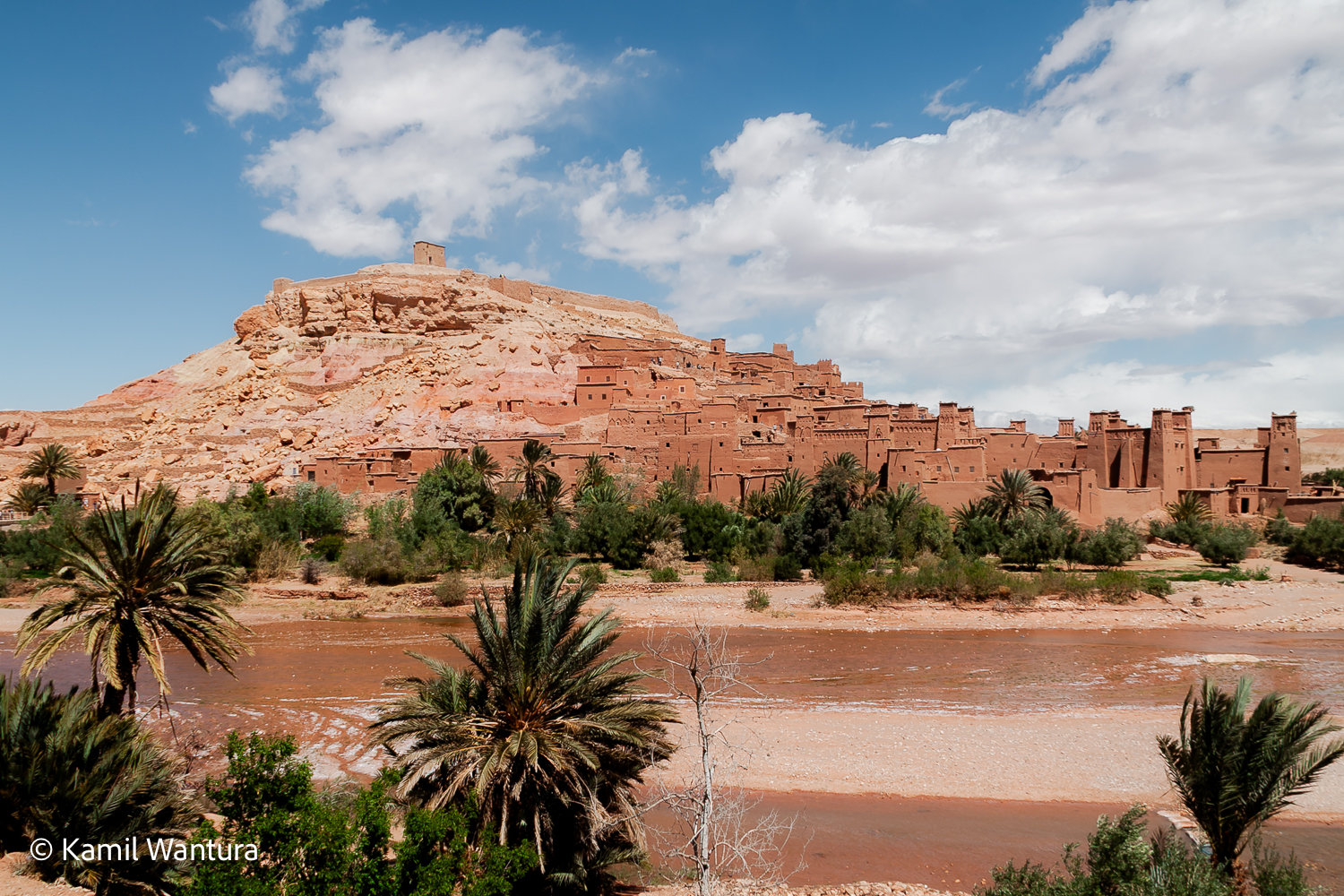
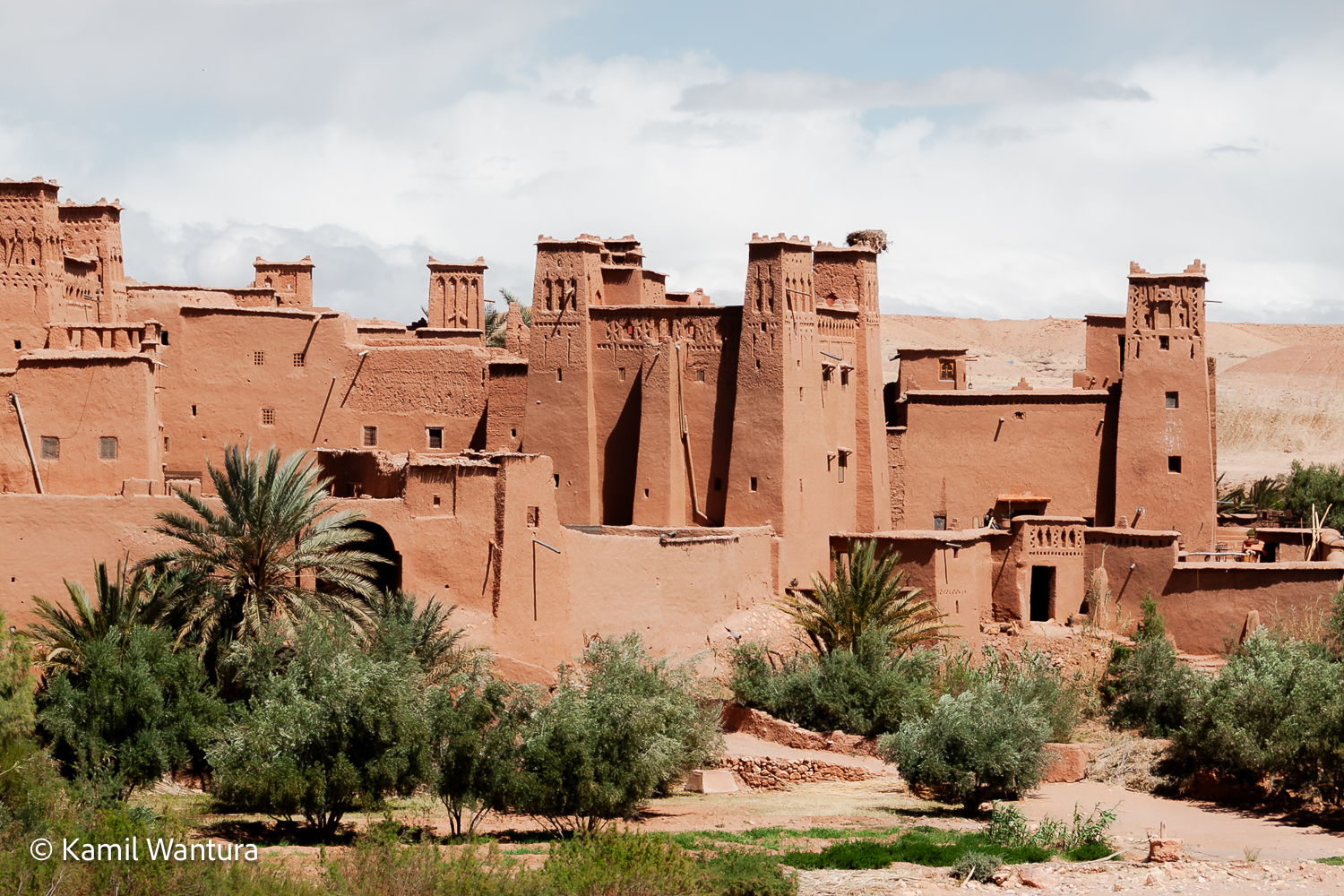
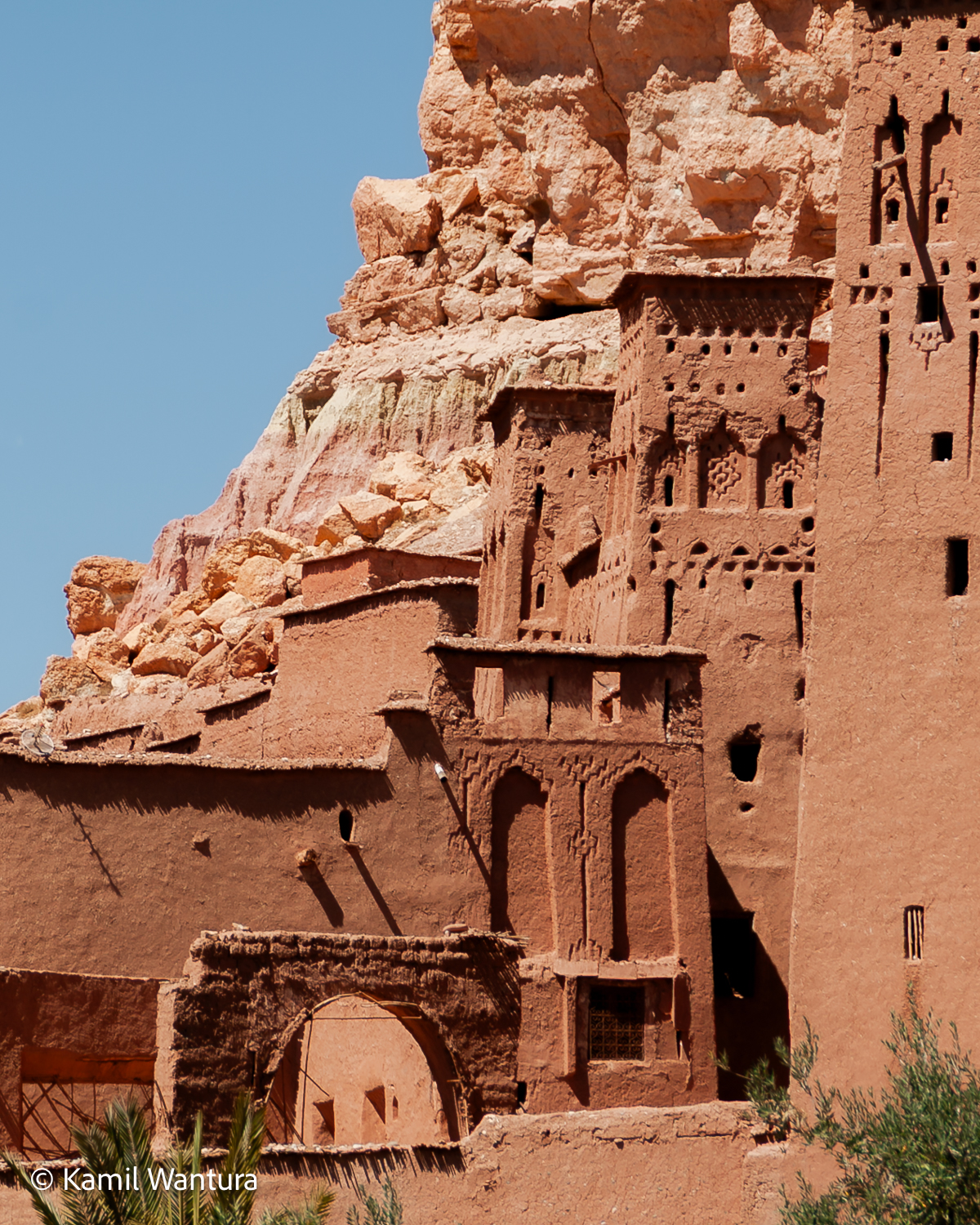
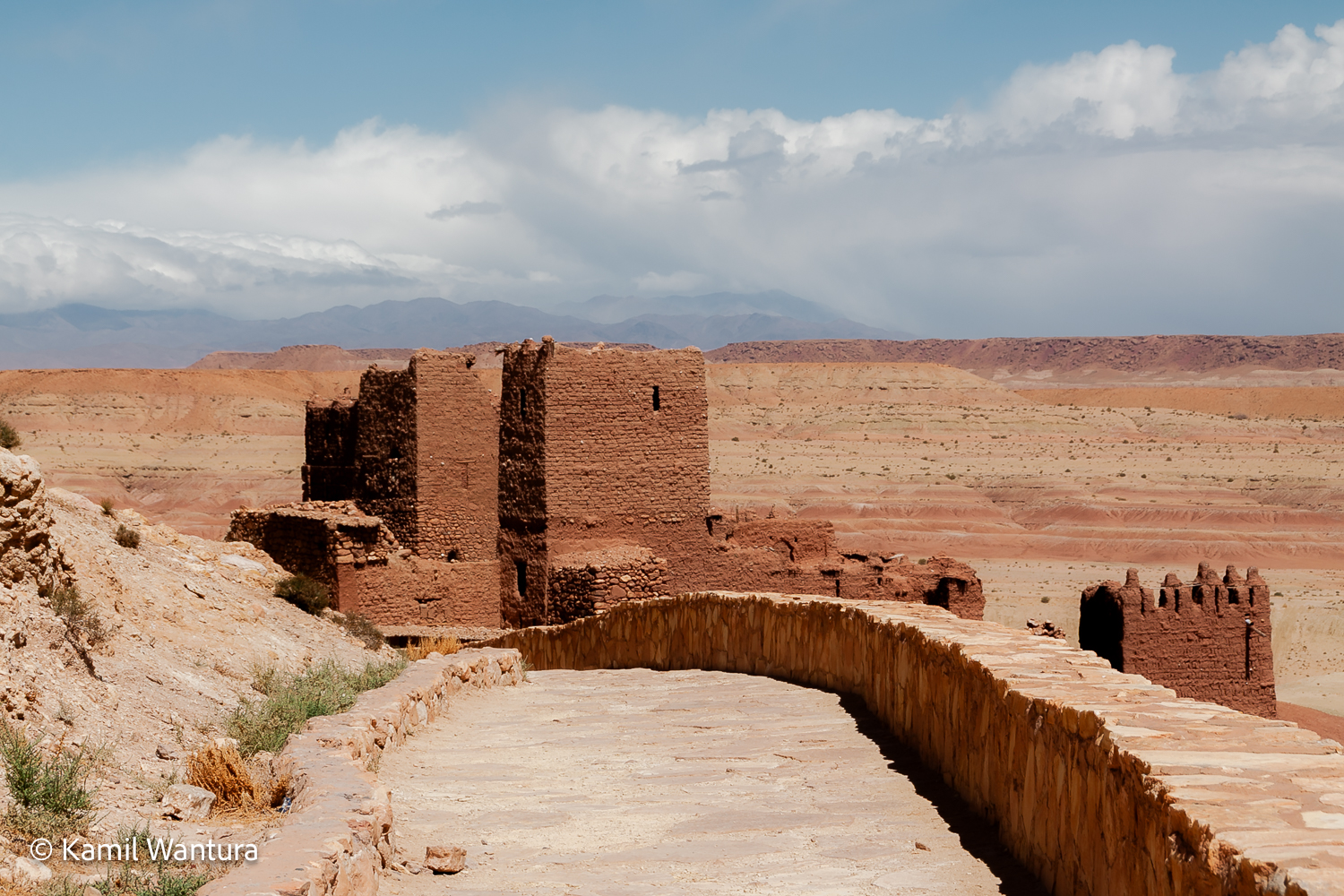
Ait Benhaddou: A spectacular fortified village built from earthen clay, recognised as a UNESCO World Heritage Site and famous for its appearances in numerous films and television productions.
Ouarzazate: A desert gateway surrounded by dramatic landscapes and historic kasbahs.
I set off from Marrakesh and travelled across the Atlas Mountains before reaching Ait Ben Haddou. Walking through the old fortified village felt like stepping into another era. I then continued towards Ouarzazate, taking in the increasingly arid landscape along the way.
Valley of the Roses (📍MAP) & Dades Gorges (📍MAP)
Valley of the Roses: A fertile valley famous for its rose cultivation and fragrant fields.
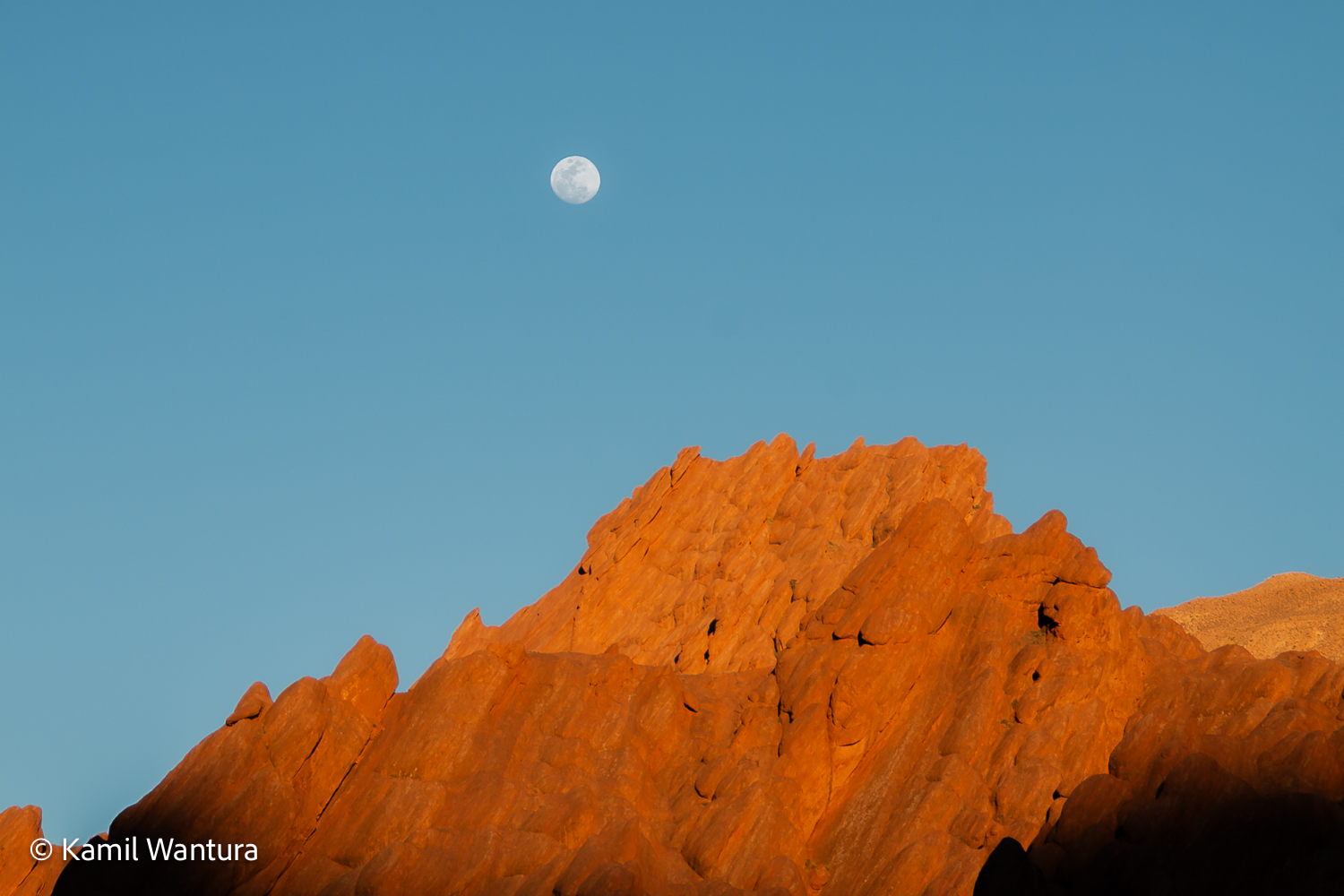
Dades Gorges: A dramatic landscape of towering rock formations carved by the Dades River.
As the afternoon progressed, I travelled through the Valley of the Roses before reaching the Dades Gorges. The scenery became increasingly dramatic, with huge rock formations rising around the road. I spent the night in the area, surrounded by the mountains and valleys.
Day 6: Canyons and Golden Dunes
Todra Gorges (📍MAP)
Todra Gorges: A spectacular canyon surrounded by towering limestone walls that rise dramatically above the valley floor.
I explored Todra Gorges in the morning, walking between the enormous canyon walls before continuing deeper into the desert region towards Merzouga.
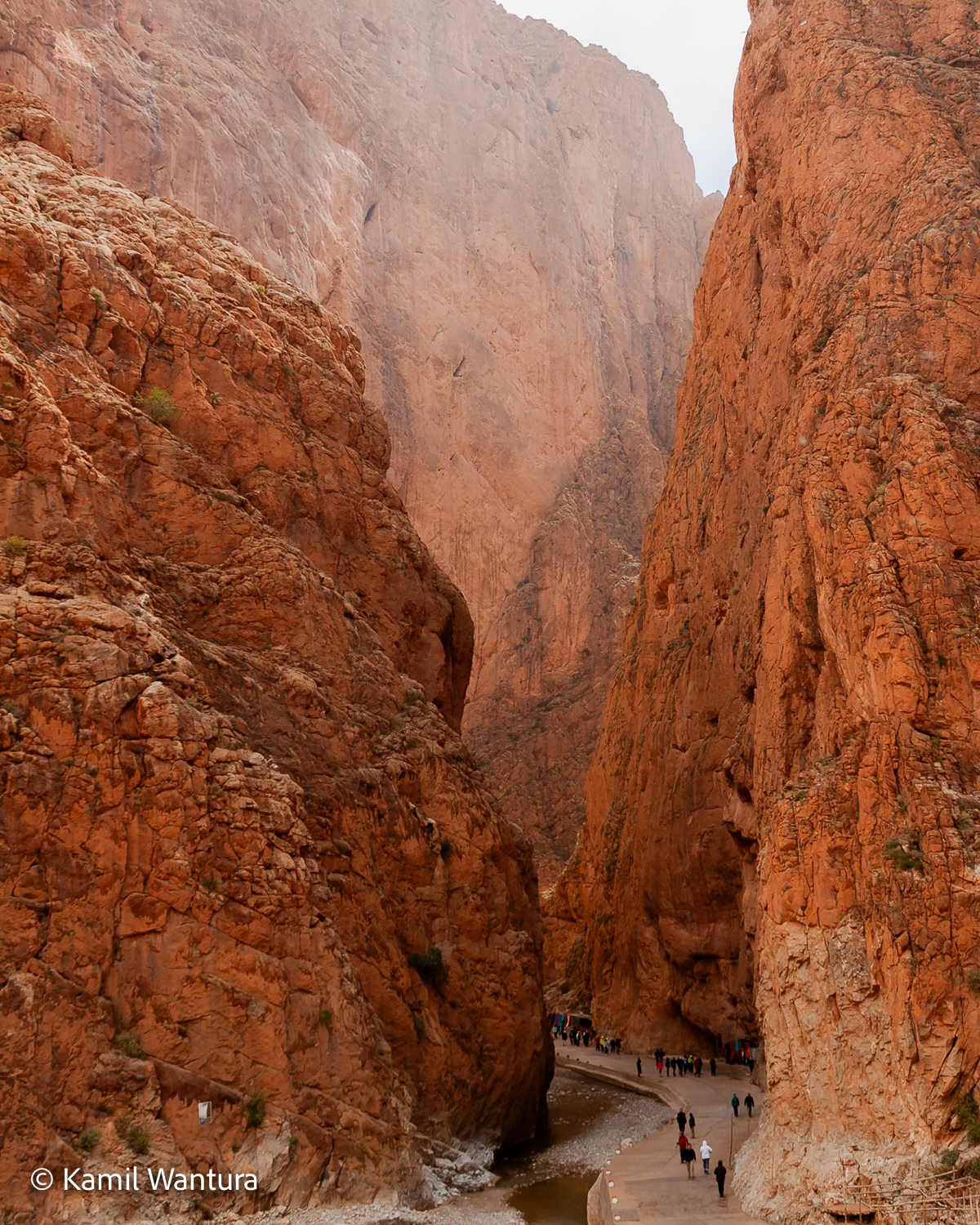
Merzouga (📍MAP) & Erg Chebbi Dunes (📍MAP)
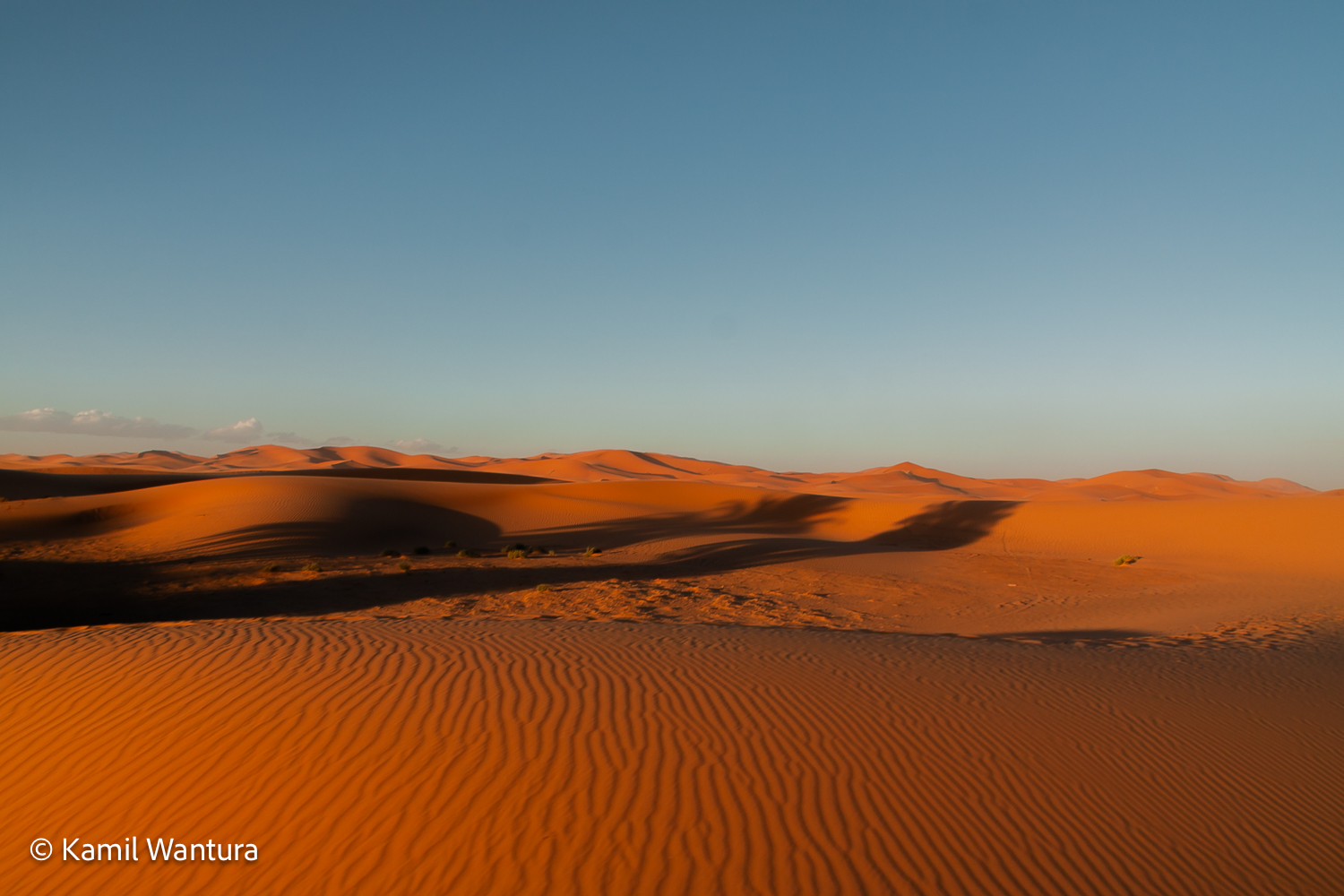
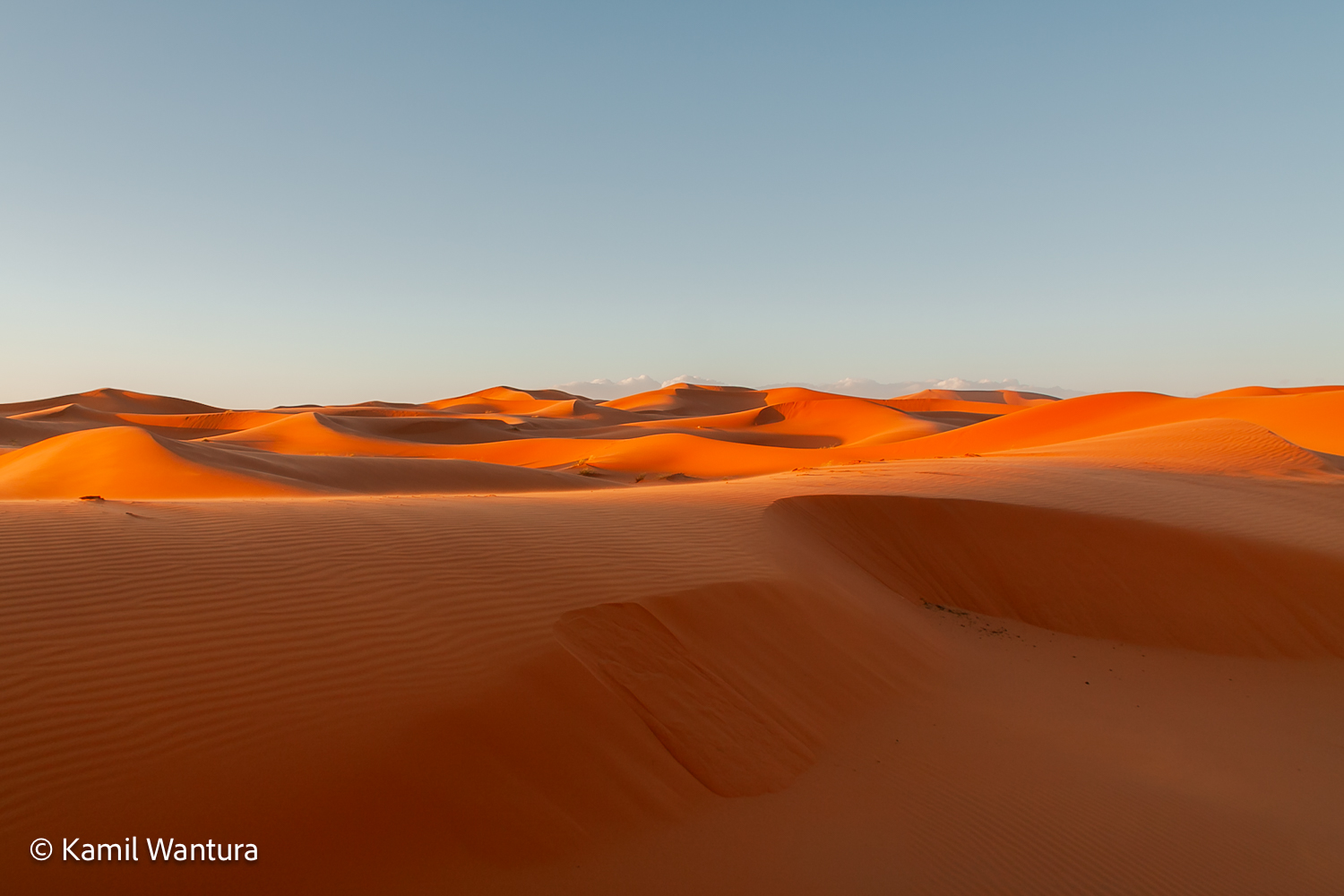
Merzouga: A small desert town that served as my gateway to the Sahara.
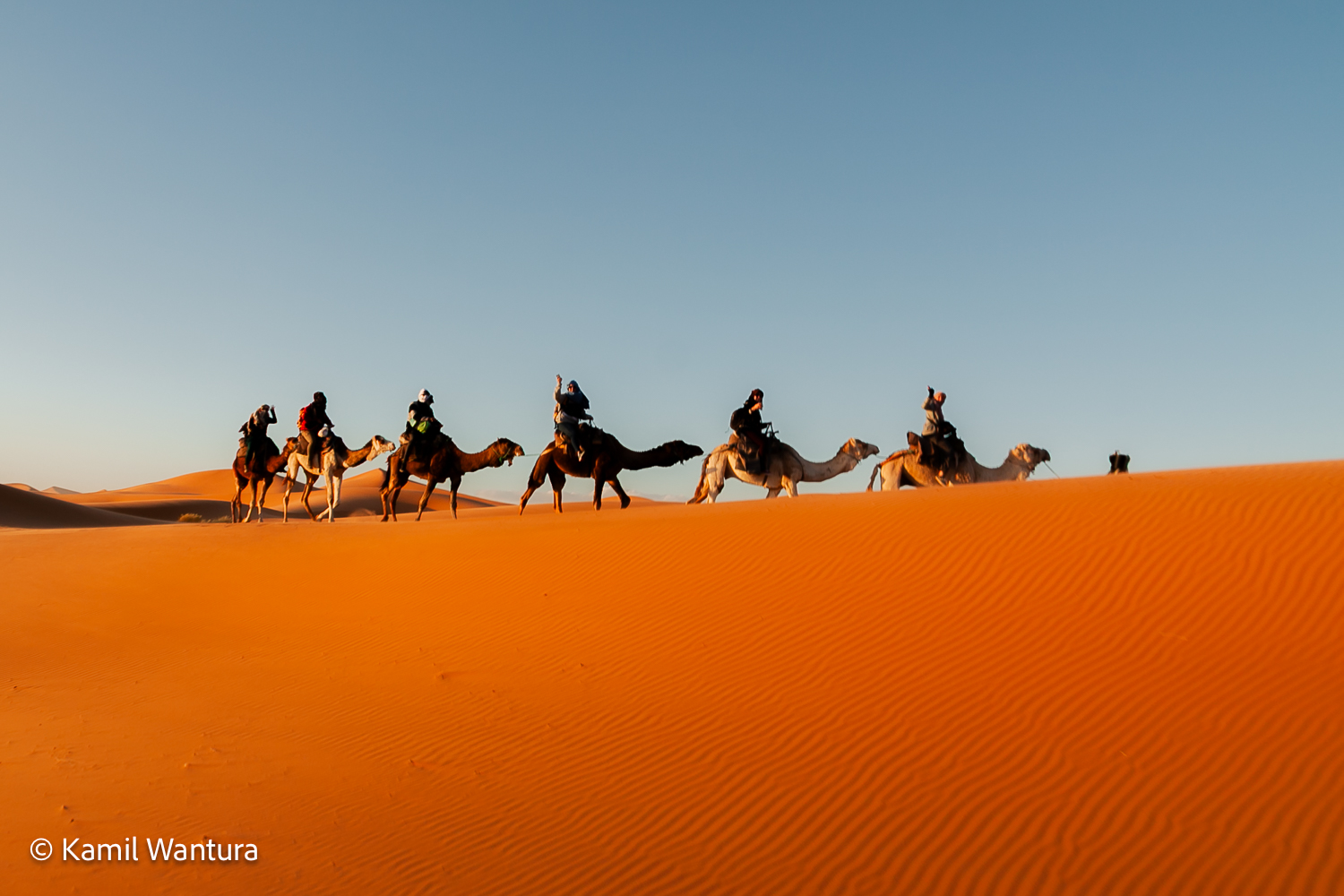
Erg Chebbi Dunes: A vast sea of golden sand dunes that stretched across the desert and created one of the most memorable landscapes of the trip.
I reached Merzouga before sunset and swapped the vehicle for a camel ride across the Erg Chebbi dunes. Riding through the sand as the light became warmer was one of the highlights of the entire journey. After reaching the desert camp, I had dinner and spent the evening beneath an incredibly clear sky.
Days 7 to 9: The Ancient North
Day 7: The Long Drive North
Journey to Fes (📍MAP)
Fes: Morocco's historic cultural and spiritual centre, with centuries of tradition preserved within its ancient streets and buildings.
I left the desert region early and spent much of the day travelling north towards Fes. After several days of dramatic landscapes, I enjoyed watching the scenery gradually change again. By the time I arrived in Fes that evening, I was ready for a quiet night and some rest before exploring the medina the following day.
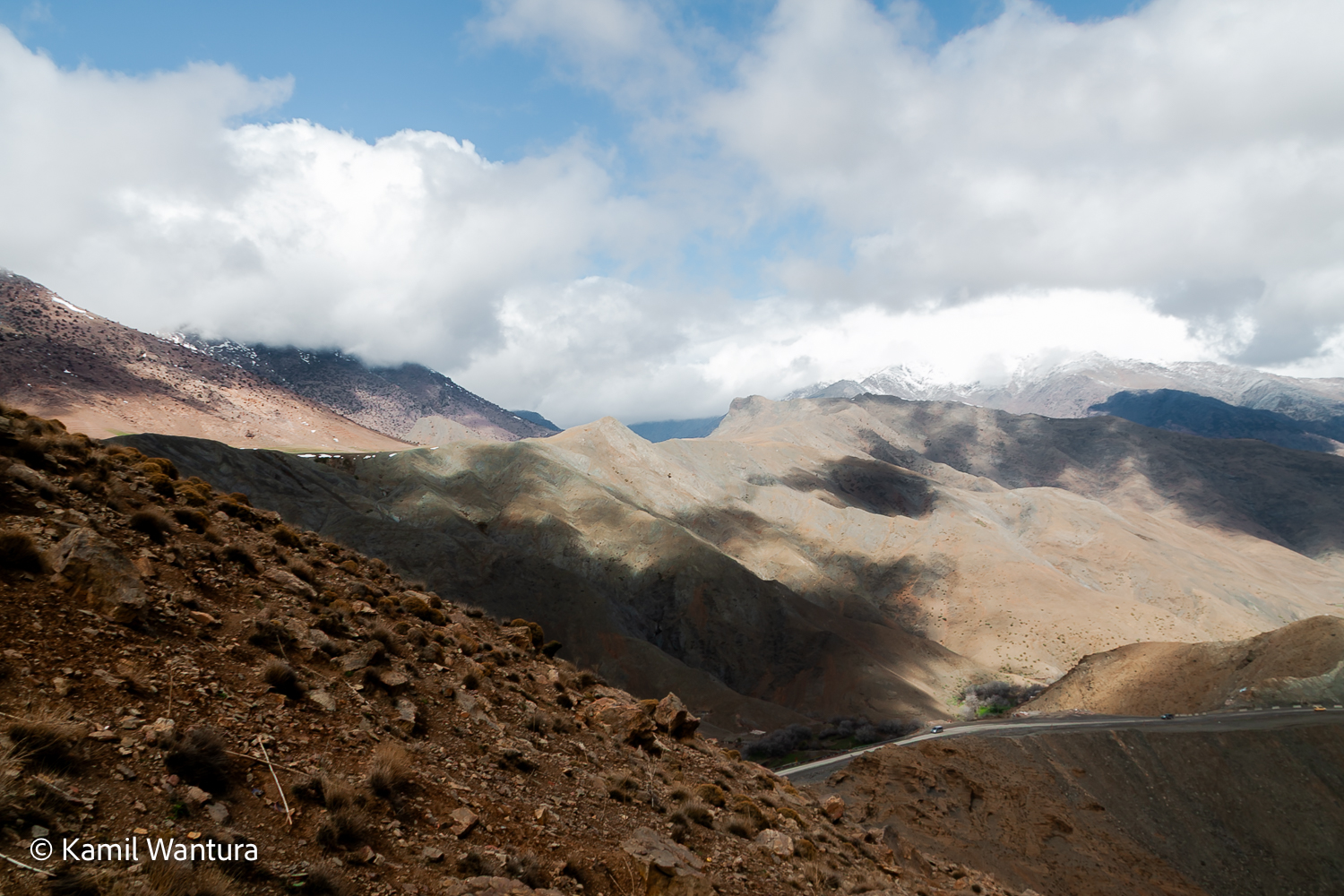
Day 8: Time Travel in the Medina
Fes el Bali (📍MAP)
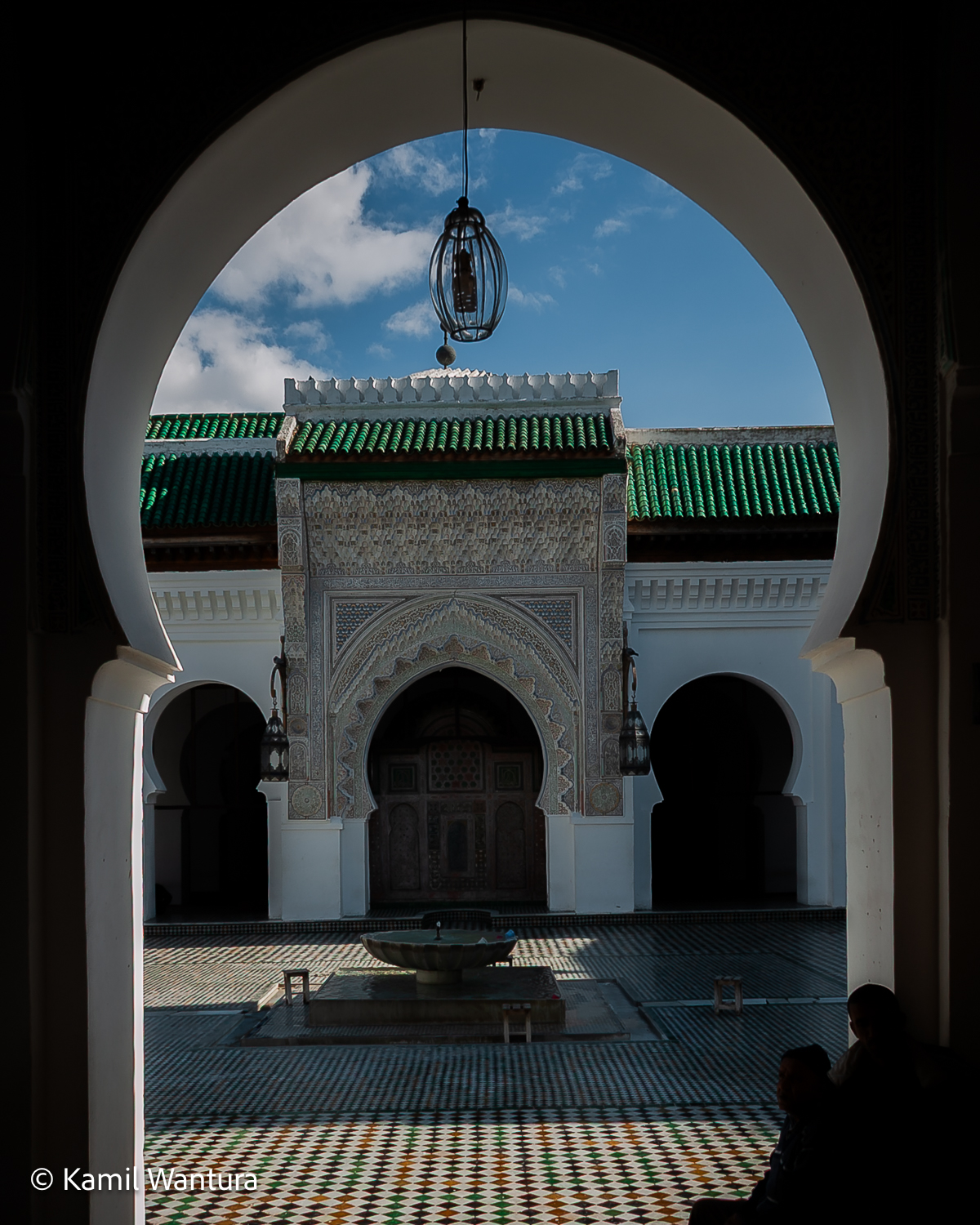
Fes el Bali: The ancient walled heart of Fes, made up of thousands of narrow, winding alleys where cars gave way to pedestrians, donkeys and the constant movement of daily life.
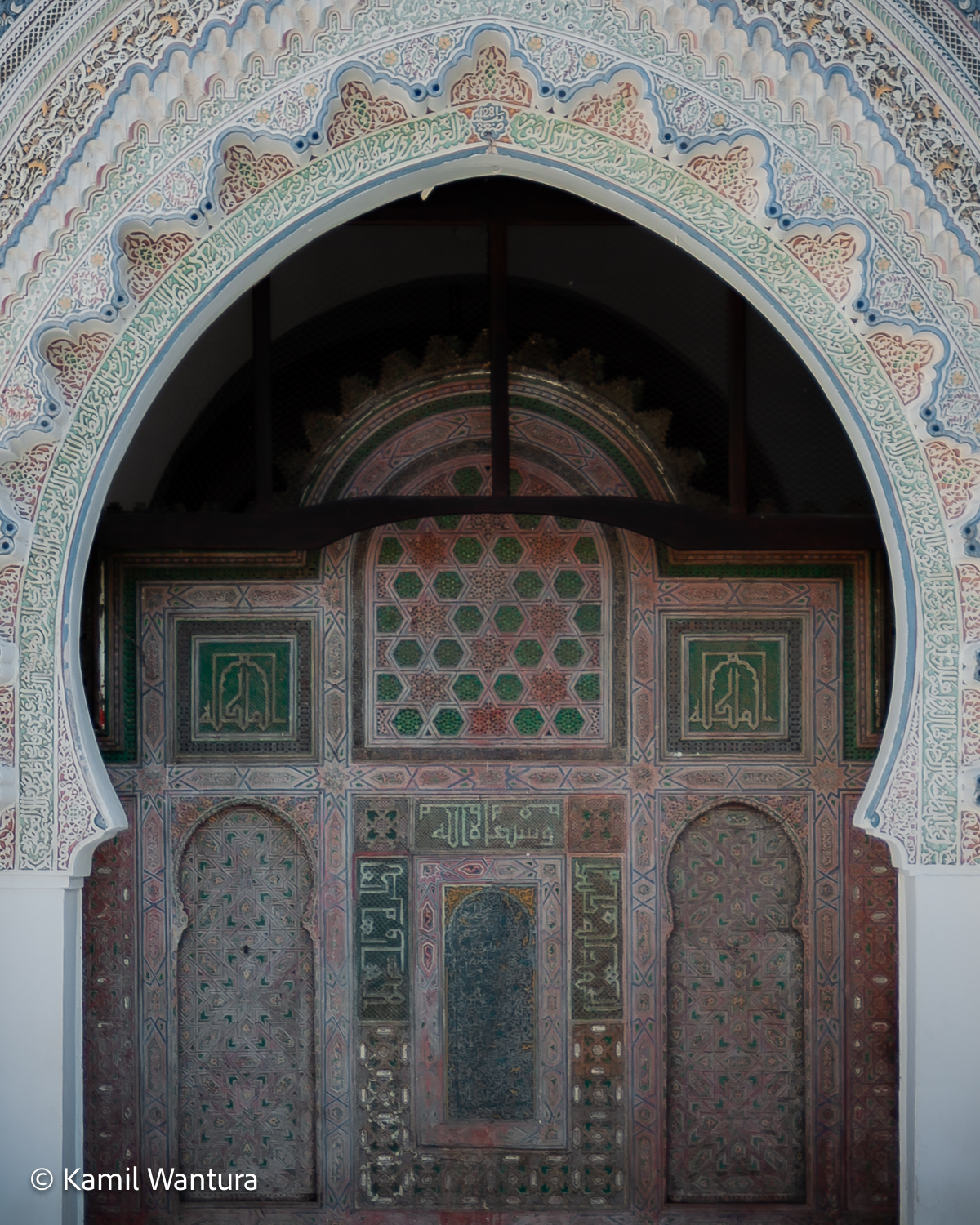
Al Qarawiyyin: I visited the historic Al Qarawiyyin complex, founded in the 9th century and renowned as one of the world's oldest continuously operating centres of higher learning. (📍MAP)
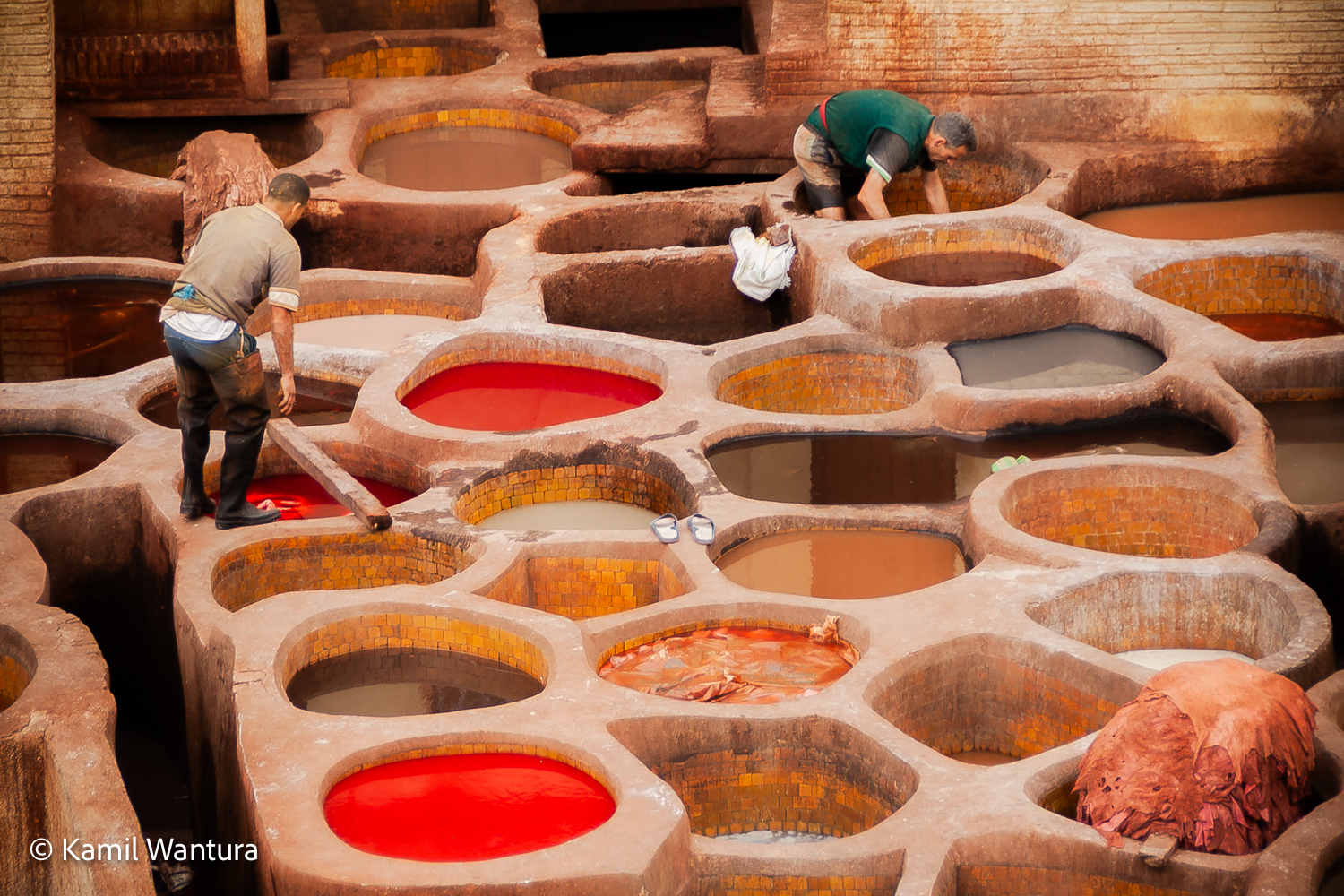
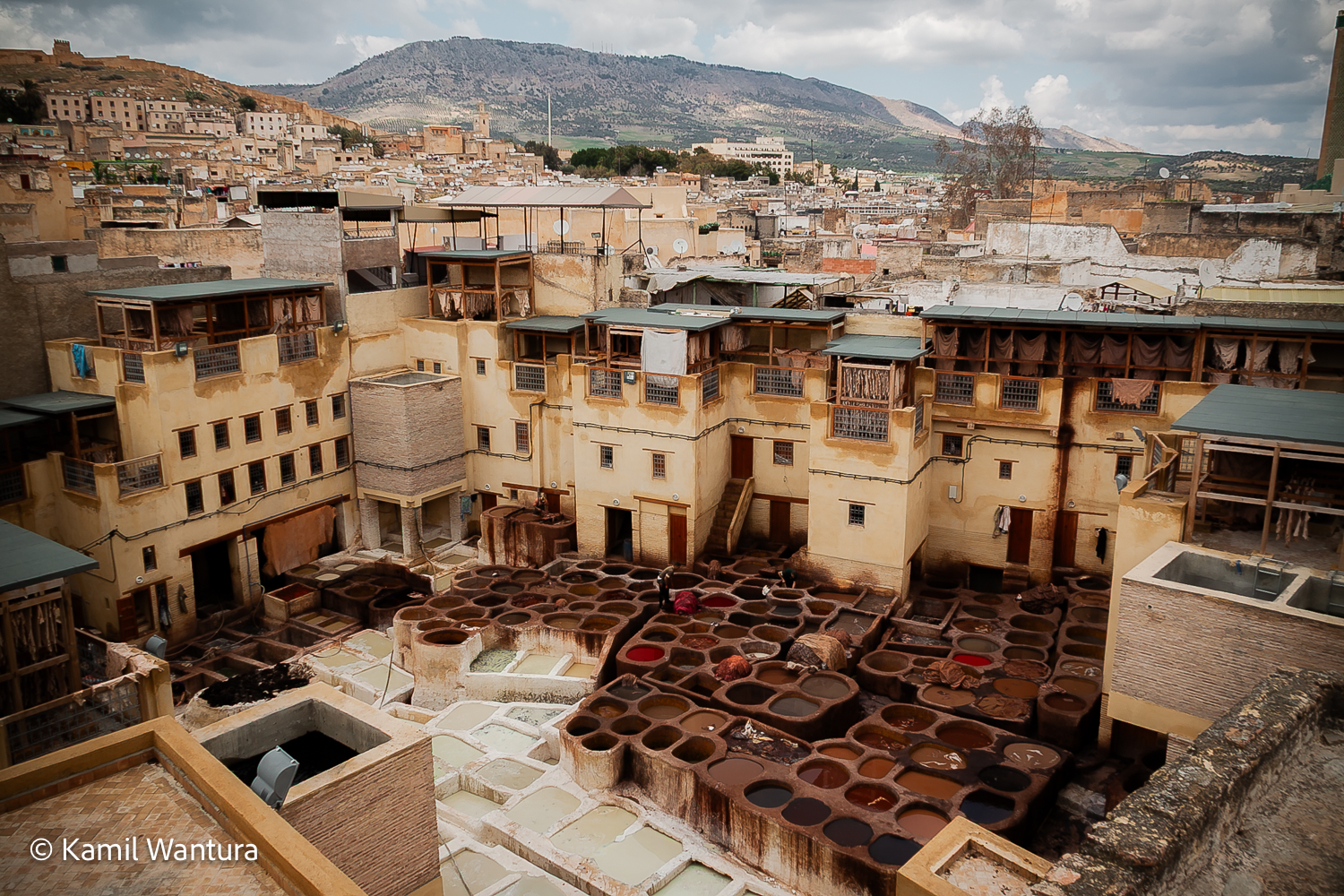
Chouara Tannery: I also visited the famous Chouara Tannery, where traditional leather-dyeing techniques were still being used. From the surrounding terraces, I could see the colourful dye vats arranged across the courtyard. (📍MAP)
Day 9: The Blue Pearl
Chefchaouen (📍MAP)
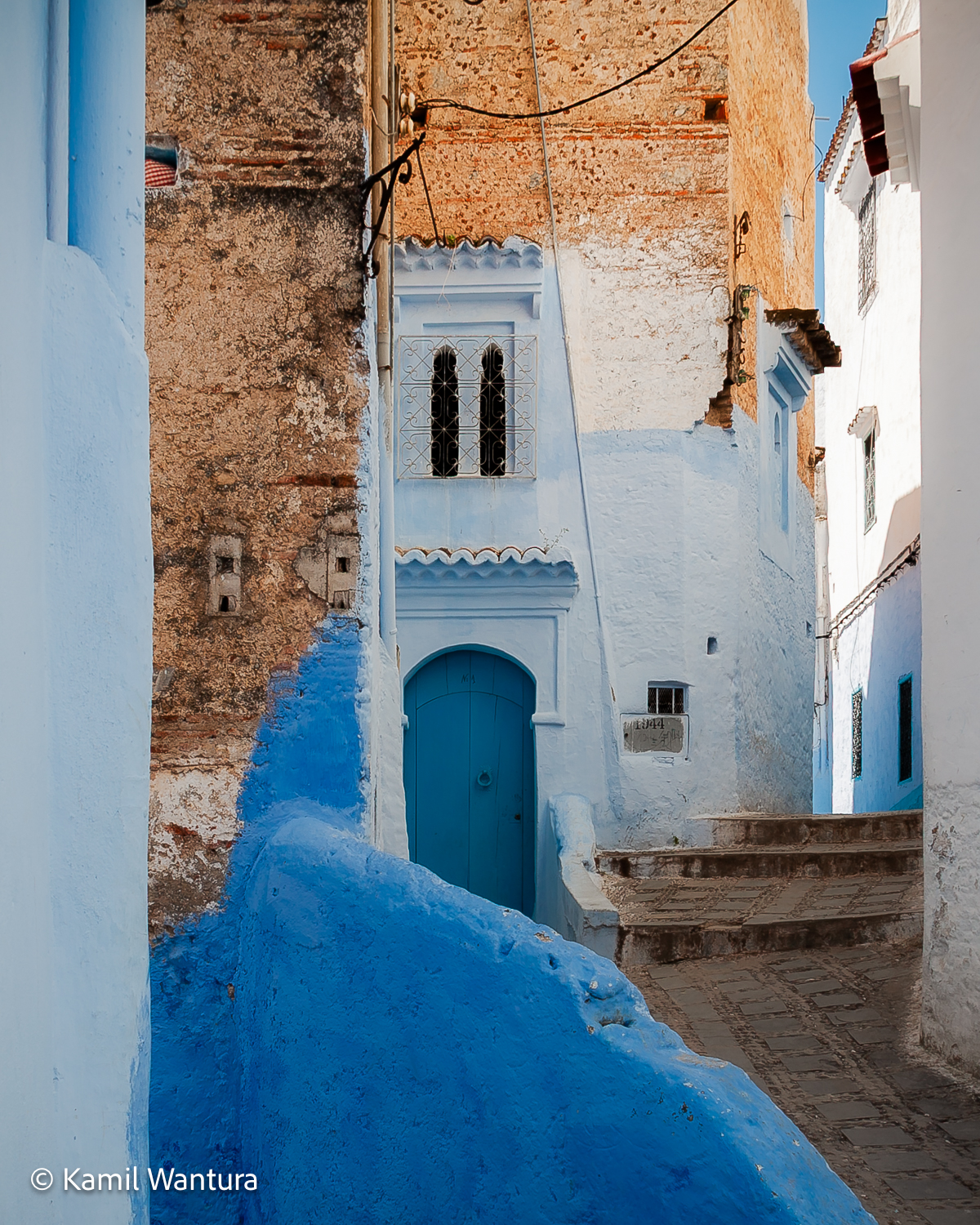
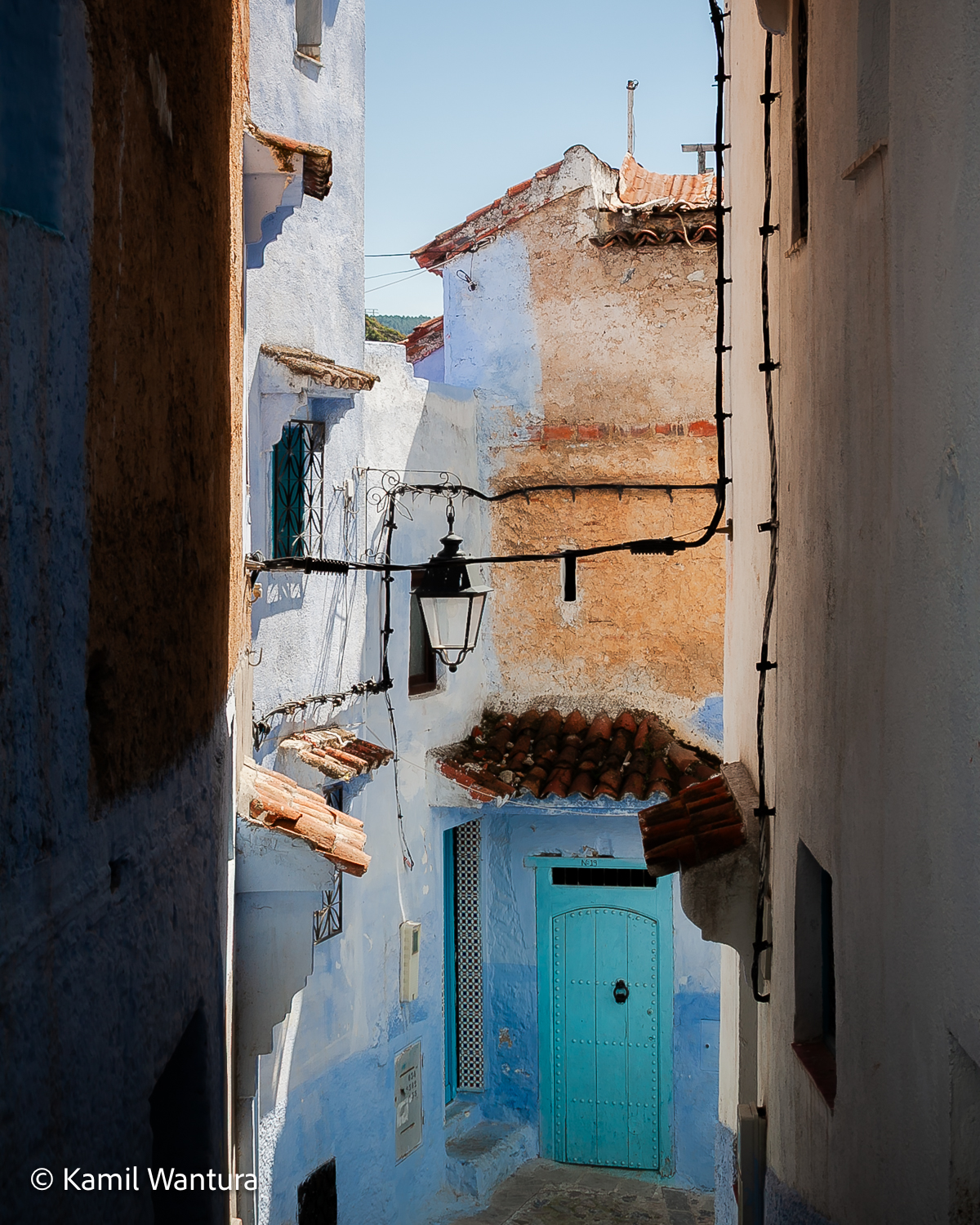
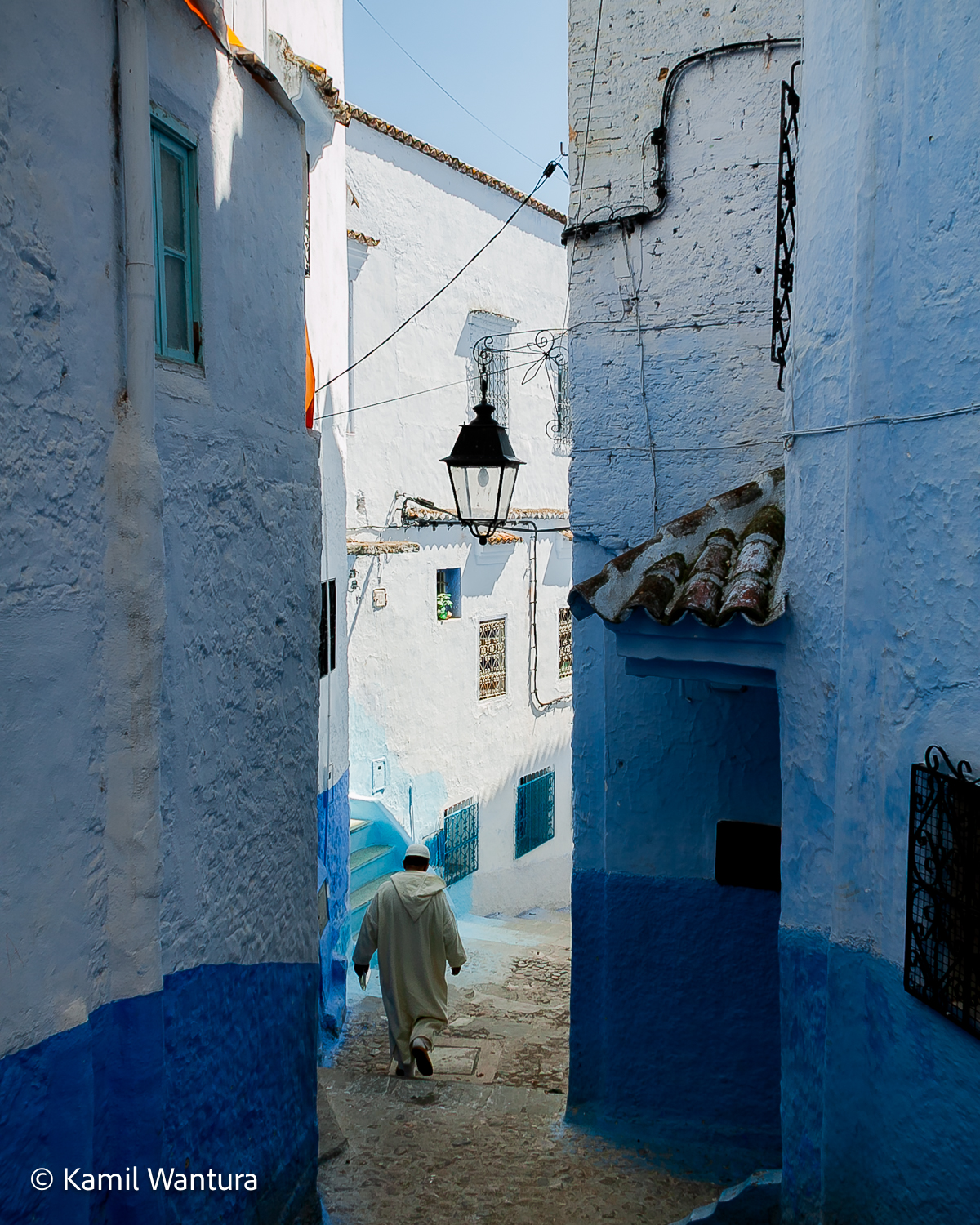
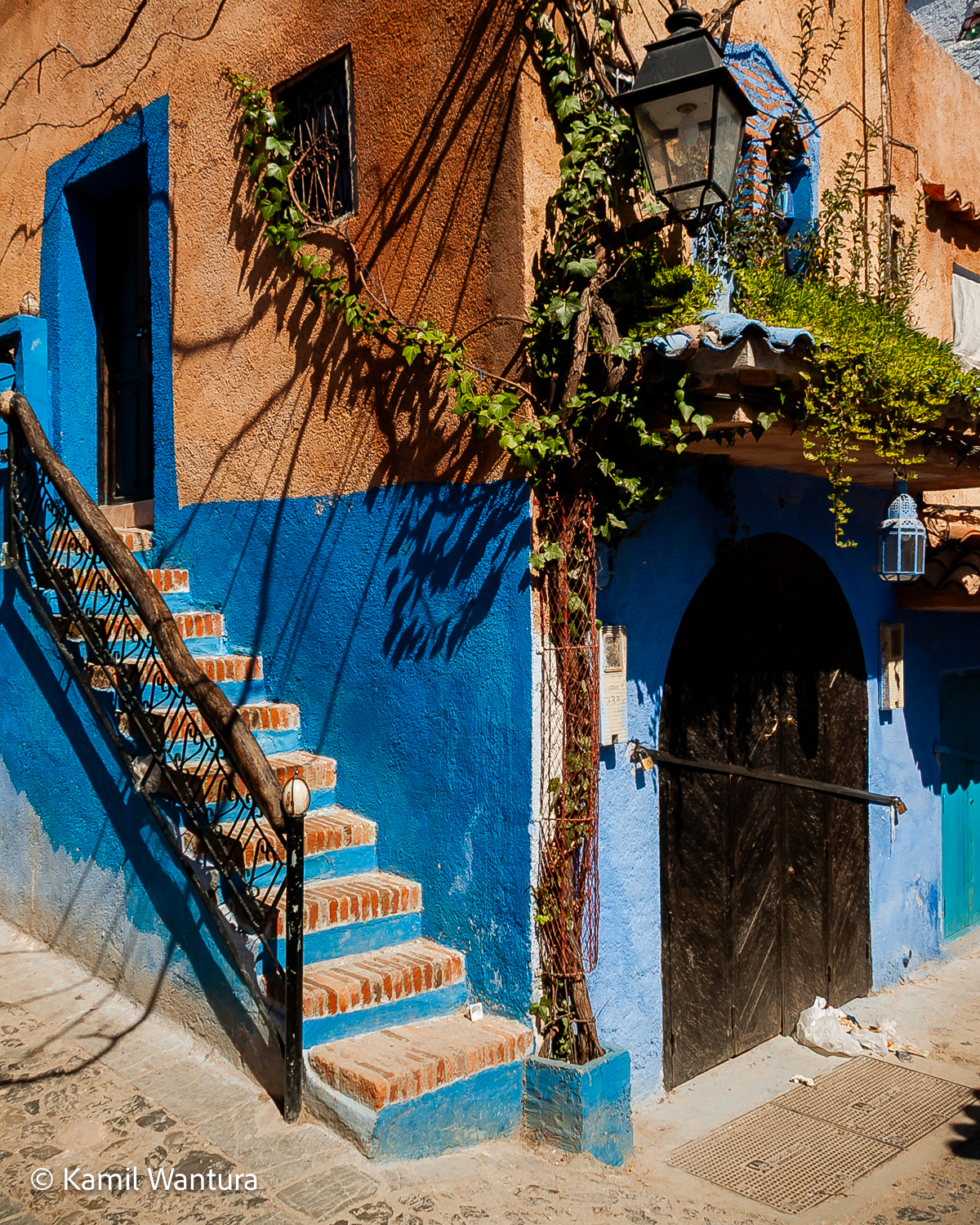
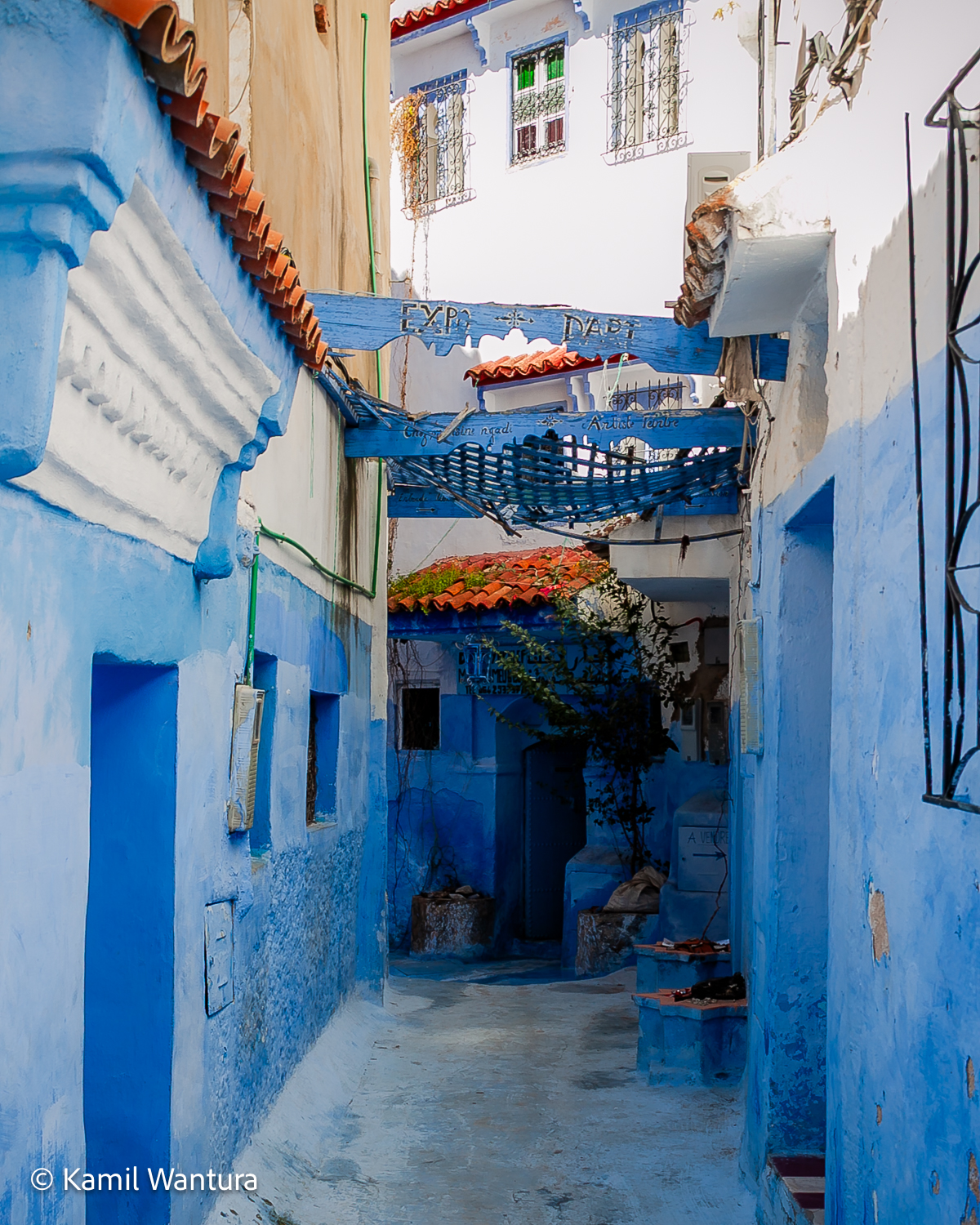
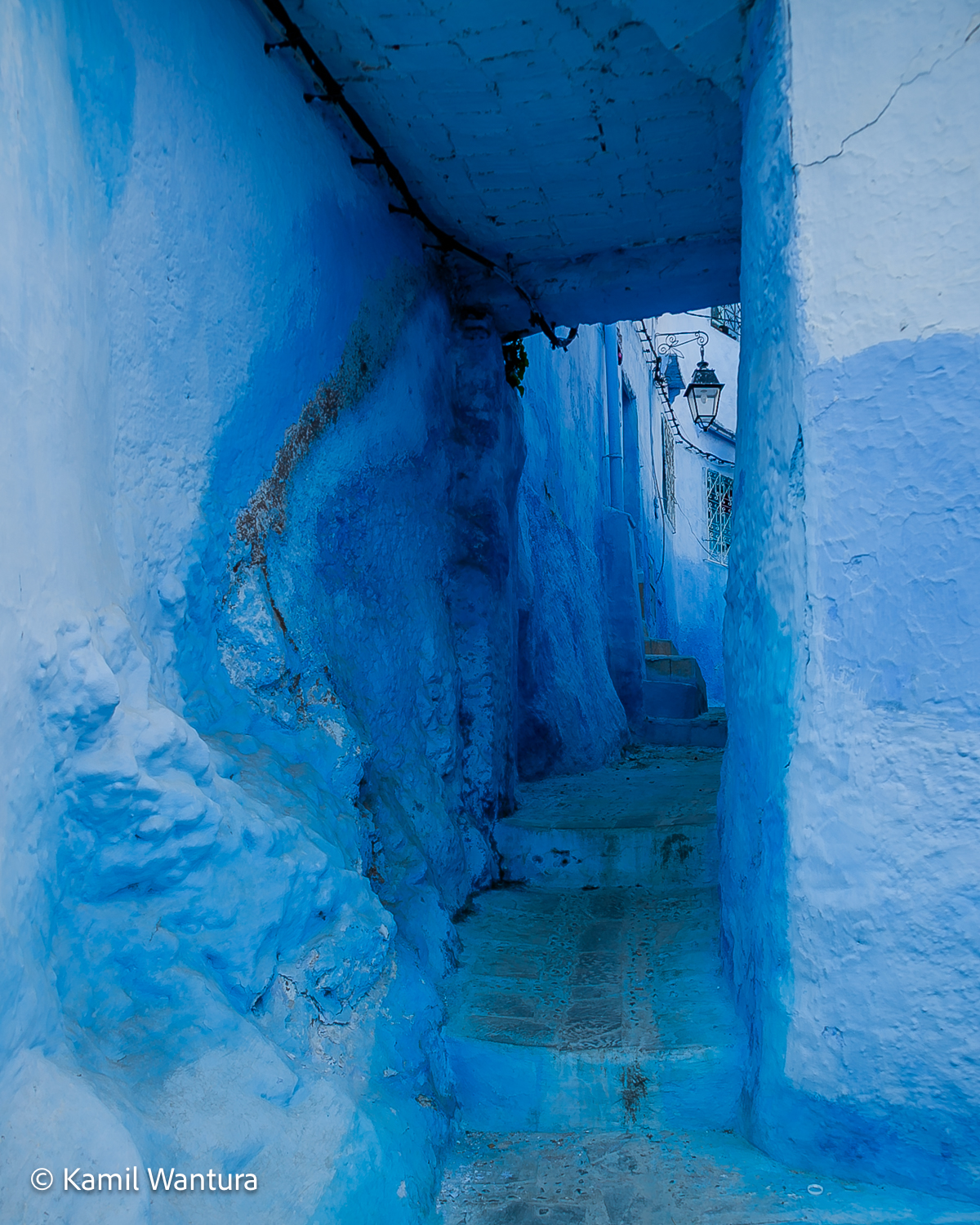
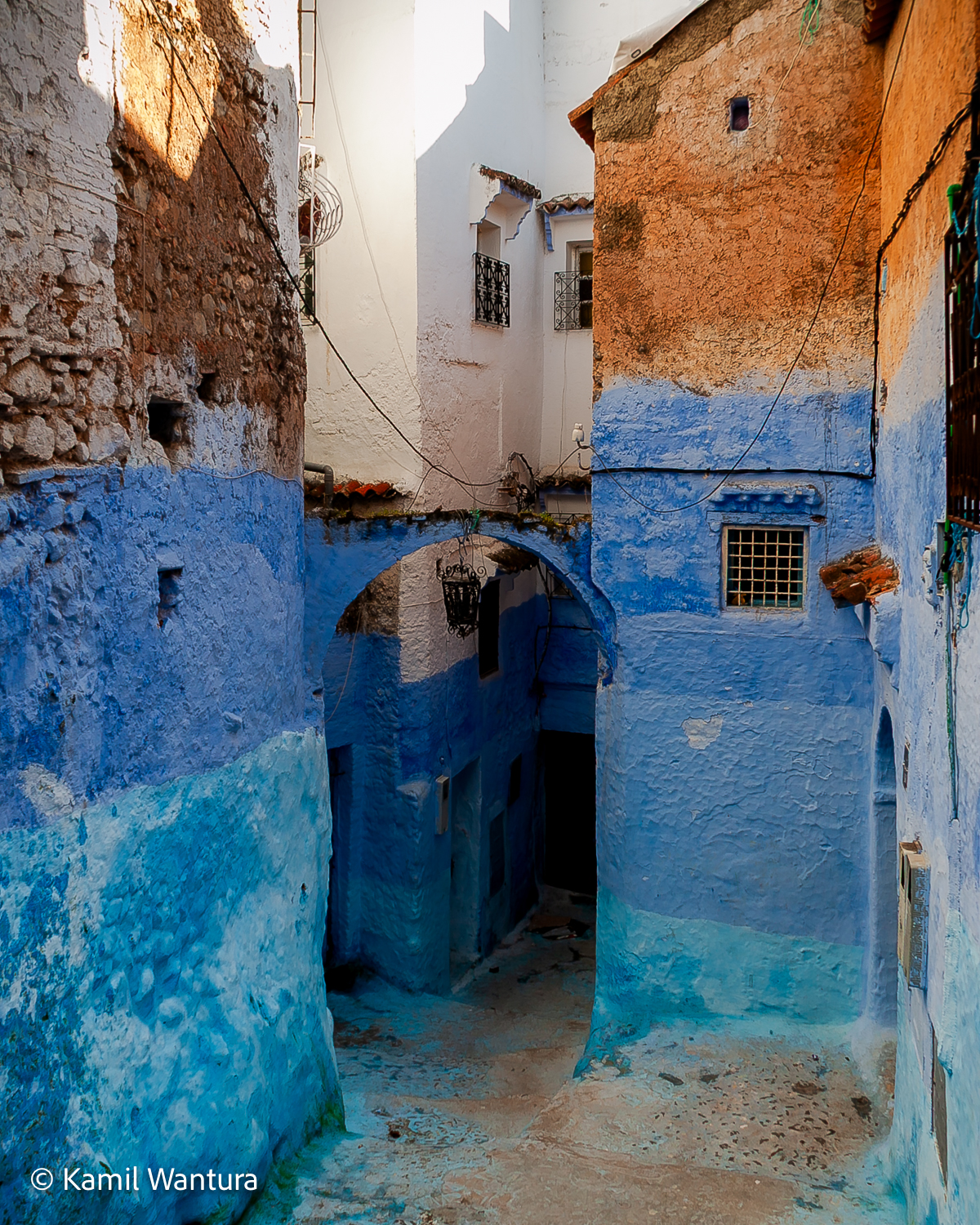
Chefchaouen: A beautiful mountain town in the Rif Mountains, famous for its blue-washed buildings, winding streets and peaceful atmosphere.
I took a day trip from Fes to Chefchaouen and spent the day wandering through its famously blue streets. Almost every alley seemed to offer another interesting composition, from brightly painted doors to small courtyards and colourful details. After exploring the town, I travelled back to Fes in the evening.
Day 10: Departure
Day 10: Closing the Loop
Fes to Rabat (📍MAP)
On my final morning, I took the early train from Fes back towards Rabat. I had a little time to explore the capital before continuing to the airport for my flight home. It was a long journey packed into ten days, but looking back, the contrast between Morocco's cities, mountains, valleys and desert had made the trip feel like several different adventures in one.
The absolute best times to visit Marrakesh are during the shoulder seasons of Spring (March to May) and Autumn (September to November). During these months, the weather strikes a perfect balance, allowing you to comfortably explore the bustling outdoor souks and vibrant palaces without melting or freezing.
THE MOROCCO SURVIVAL & LOGISTICS GUIDE
Essential Ground Data for Travel & Photography Planning
Before packing your camera bags and setting off, travelling around Morocco is straightforward with a little planning. From high speed trains and mountain roads to desert camps and bustling medinas, understanding the local logistics will help make your photography adventure smooth, efficient and stress free.
1. Money, Payments, & Tipping
Morocco uses the Moroccan Dirham (MAD). While card payments are becoming increasingly common, cash remains essential throughout the country.
- The Reality for Travellers: Credit and debit cards are widely accepted at hotels, modern restaurants and larger shops. However, many cafés, local restaurants, market stalls, taxis and small guesthouses only accept cash.
- The Solution: Withdraw Moroccan Dirhams from ATMs in major cities such as Rabat, Casablanca, Marrakech and Fes. Always carry small notes for taxis, market purchases and tips, especially when travelling through the Atlas Mountains and the Sahara Desert.
- Tipping Practices: Tipping is customary throughout Morocco. Around 10 percent is appreciated in restaurants, while small tips are welcomed by hotel staff, local guides, drivers and porters.
2. Transport Between Cities
Morocco has one of the best transport networks in North Africa, making it easy to combine cities with mountain scenery and desert landscapes.
- The Most Comfortable Option: Morocco's ONCF train network provides comfortable and reliable services between Rabat, Casablanca, Marrakech and Fes. Booking tickets in advance is recommended during busy travel periods.
- Desert & Atlas Mountains: The journey from Marrakech to Merzouga is best experienced as an organised multi day tour or by hiring a car. The route crosses the High Atlas Mountains and includes several scenic stops that are difficult to visit using public transport.
- Road Conditions: Most major roads are in excellent condition. Mountain roads are winding and can take longer than expected, so always allow extra travel time.
- Navigation: Download offline Google Maps before leaving the cities, as mobile coverage can become unreliable in remote mountain valleys and desert regions.
3. Connectivity & Mobile Setup
Reliable mobile data is invaluable for navigation, train tickets, restaurant bookings and checking attraction opening times.
The easiest option is purchasing an eSIM before travelling. Download the Airalo app and activate your eSIM before arriving in Morocco.
Get GBP £2.50 off your first eSIM purchase with Airalo by using code KAMIL9100 when signing up or at checkout.
If your phone is not eSIM compatible, physical SIM cards from Maroc Telecom, Orange Morocco and inwi are available at major airports and shopping centres. Passport identification is normally required for registration.
4. Attraction Rules & Cultural Etiquette
Morocco offers extraordinary photography opportunities, but respecting local customs and religious sites is essential.
Historic Sites
Many historic attractions, including Bahia Palace, Ben Youssef Madrasa, Ait Benhaddou and several museums, require separate entrance tickets. Carry some cash, although many larger attractions now also accept card payments.
Photography Restrictions
Photography is generally welcomed, but always ask permission before photographing local people, particularly in rural villages and traditional markets. Some museums and religious buildings prohibit tripods or commercial photography without prior permission.
Drones are prohibited in Morocco without official government authorisation. Bringing one into the country can result in confiscation upon arrival, so it is best to leave it at home.
Cultural Etiquette
Morocco is a predominantly Muslim country. Dress modestly, especially when visiting mosques, medinas and smaller towns. Clothing that covers shoulders and knees is recommended, and carrying a lightweight scarf can be useful for both sun protection and visiting religious sites.
5. Common Tourist Scams & How to Avoid Them
Morocco is generally a safe destination and millions of visitors travel around the country without any issues. However, like many popular tourist destinations, a few common scams target visitors, particularly in busy medinas and major attractions. Staying aware and politely declining unwanted assistance will help you avoid most situations.
- Unofficial Guides: In cities such as Marrakech and Fes, friendly locals may offer to guide you through the medina before requesting a large payment at the end. If you would like a guide, book one through your accommodation or an official licensed guide.
- "The Road is Closed" Scam: Someone may tell you that a street or attraction is closed or you choosed the wrong way to your hotel etc. and offer to lead you along another route for a fee. This is a common tactic in the older parts of Marrakech and Fes. Politely thank them and continue walking or verify the information using Google Maps.
- Taxi Overcharging: Some taxi drivers may refuse to use the meter or quote inflated prices for tourists. Always agree on the fare before starting the journey if a meter is unavailable. Small change is useful when paying.
- Market Prices: Prices in the souks are rarely fixed. Friendly negotiation is expected when purchasing souvenirs, rugs, leather goods or spices. Begin well below the asking price and negotiate politely until you reach a fair amount.
- Snake Charmers & Street Performers: In Jemaa el Fna square, you may be invited to take photographs with performers or animals before being asked for a substantial payment. Always agree on the price beforehand or simply admire from a distance.
- Henna Artists: In busy squares, particularly in Marrakech, someone may begin applying henna to your hand without permission before demanding payment. Politely refuse if you are not interested and keep walking.
- Fake "Free" Gifts: Occasionally, street vendors may offer a bracelet, small souvenir or sprig of herbs as a gift before requesting money. If you do not wish to purchase anything, politely decline from the beginning.
6. Gear Protection & Packing Essentials
Morocco offers a huge variety of environments, from Atlantic coastlines and busy cities to mountain passes and Saharan dunes. Protecting your camera equipment is essential.
- Dust Protection: Desert sand around Merzouga and Erg Chebbi can easily enter cameras and lenses. Carry a manual air blower, microfibre cloths and avoid changing lenses outdoors whenever possible.
- Comfortable Footwear: Exploring the medinas of Marrakech and Fes involves long walks across uneven cobbled streets. The Todra Gorges and desert camps also require sturdy walking shoes with good grip.
- Weather: Temperatures vary considerably between the Atlas Mountains, the desert and the coast. Evenings in the Sahara can become surprisingly cold, so pack an additional warm layer.
- Sun Protection: Sunglasses, sunscreen, a reusable water bottle and a hat are highly recommended, particularly during the warmer months.
Quick Reference Travel Checklist
| Category | Action Item & Recommendation |
|---|---|
| Cash | Carry Moroccan Dirhams for taxis, markets, cafés and smaller shops. |
| Train Tickets | Book ONCF train tickets in advance for journeys between Rabat, Casablanca, Marrakech and Fes during busy seasons. |
| Navigation | Download offline Google Maps before travelling through the Atlas Mountains or Sahara Desert. |
| Mobile Data | Install an eSIM before departure or purchase a local SIM card upon arrival. |
| Photography Gear | Carry lens cleaning equipment and avoid changing lenses in windy desert conditions. |
| Clothing | Wear lightweight breathable clothing, comfortable walking shoes and carry an extra warm layer for cooler evenings. |
| Hydration | Keep bottled water with you throughout the day, particularly during desert excursions and summer travel. |

Now I want to go to Morocco! Thanks…
Highly recommended!