

Travelling through Armenia and Georgia is one of those experiences that stays with you long after you leave. There is something special about wandering through vibrant capitals, getting lost in ancient monastic complexes and watching the landscape change from urban brutalist landmarks to towering mountain peaks. Everywhere you look, there is something that catches your eye, from historic stone carvings and intricate facades to beautiful valleys and lively city streets. What I loved most was how every place felt completely different, yet still connected by the warmth and rich culture of the Caucasus region. I could spend hours exploring local coffee shops, photographing the unique architecture and stopping for delicious regional food and fresh coffee. This journey feels made for explorers and curious travellers, but more than anything, it is an adventure you experience with all your senses. It is incredibly hard not to fall in love with it.
TRAVEL & PHOTO CONDITIONS
| Time | September 2026 |
|---|---|
| Weather | Mixed | Mostly Sunny ⛅ |
| Temperature | 26 to 30 °C |
| Photo Potential | |
| Physical Difficulty | |
| Accessibility | |
| Crowd Level | |
| Value for Money |
TRIP ESSENTIAL BOOKINGS
ENTRANCE VISA
ACCOMMODATION
Ad / Affiliate links | Find your accommodation with Booking.com
TRANSFERS & TAXI
Ad / Affiliate link
TOURS
Ad / Affiliate link
LOCAL TRANSPORT
THE 8 DAY ARMENIA & GEORGIA ITINERARY
This 8 day journey covers many of the places we wanted to see on a first trip to Armenia and Georgia. What worked particularly well was the combination of city exploration with organised day trips into the countryside. We could explore Yerevan and Tbilisi at our own pace, while using tours and private transfers for the places that were harder to reach independently.
The route has a good mix of architecture, ancient religious sites, mountain landscapes, waterfalls, local food and everyday city life. There are a few long travel days, but they make it possible to see considerably more without renting a car.
One of the highlights of travelling through the South Caucasus is how quickly the scenery changes. Within a relatively short drive, you can go from busy urban streets to ancient monasteries, dramatic gorges, high mountain passes and enormous alpine lakes. Armenia and Georgia also have distinctive architectural traditions, with stone churches, Soviet-era buildings, colourful wooden balconies and modern landmarks often appearing side by side.
Days 1 to 3: Exploring Armenia
Day 1: Arrival in Yerevan and First City Walk
Zvartnots Cathedral (📍MAP) & Holy Etchmiadzin (📍MAP)
We landed in Yerevan before midday and quickly went through passport control before looking for the official taxi stand. We booked a taxi ride to the Yerevan city centre, adding two sightseeing stops along the way: the ruins of Zvartnots Cathedral and Holy Etchmiadzin, the spiritual heart of the Armenian Apostolic Church and a UNESCO World Heritage Site.
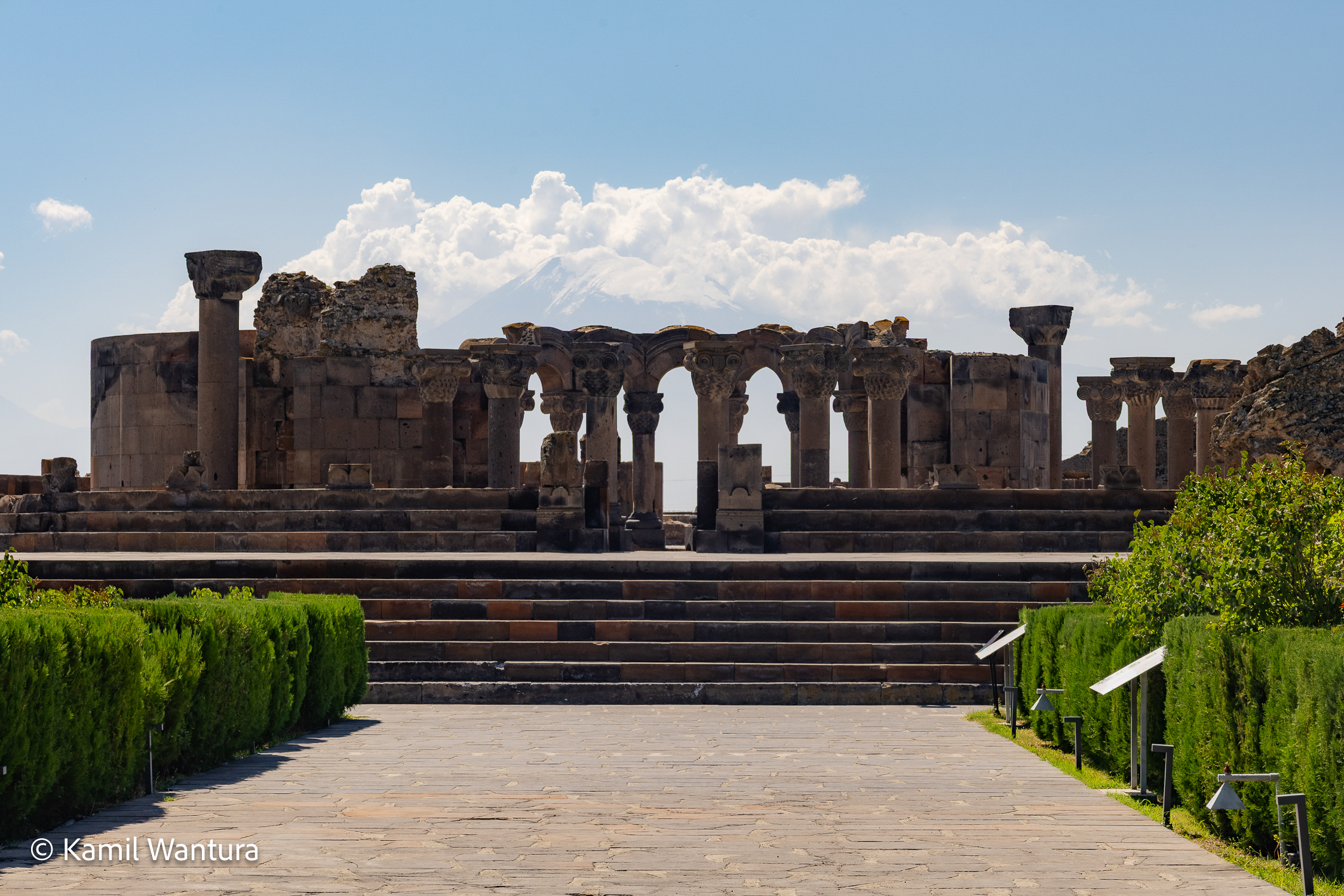
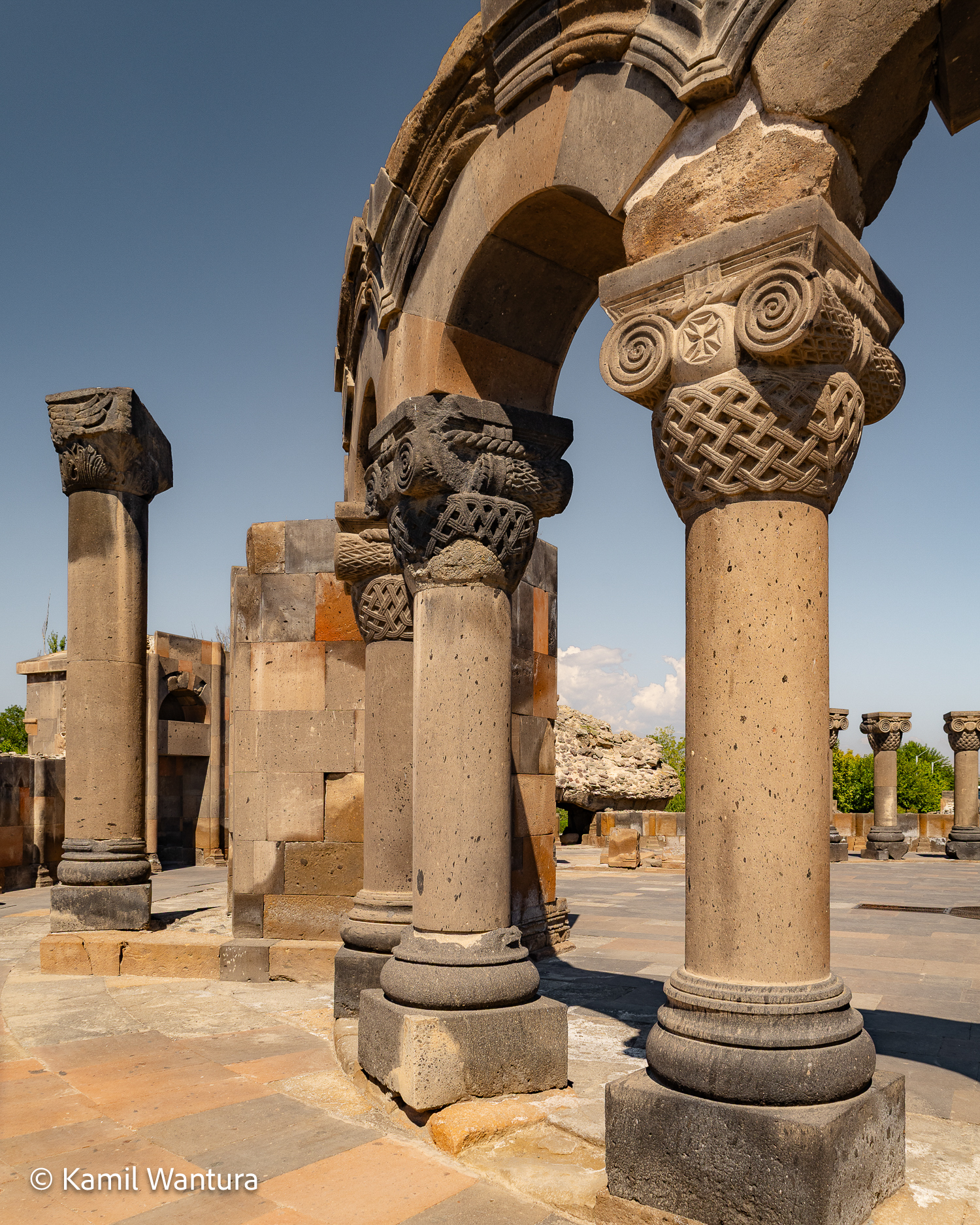
Zvartnots Cathedral is one of Armenia’s most atmospheric archaeological sites. The cathedral was built in the 7th century and was once an imposing circular church decorated with elaborate stone carvings. Although much of the original building collapsed after an earthquake centuries ago, the surviving columns, arches and foundations give a strong impression of its former scale. The open setting also provides beautiful views towards Mount Ararat on a clear day.
Holy Etchmiadzin, officially known as Vagharshapat, is one of the most important religious centres in Armenia. The Mother See of Holy Etchmiadzin is the headquarters of the Armenian Apostolic Church, and the cathedral complex has been a centre of Armenian Christianity for centuries. Even for visitors who are not religious, the complex is interesting for its architecture, stonework and importance to Armenian history and identity.
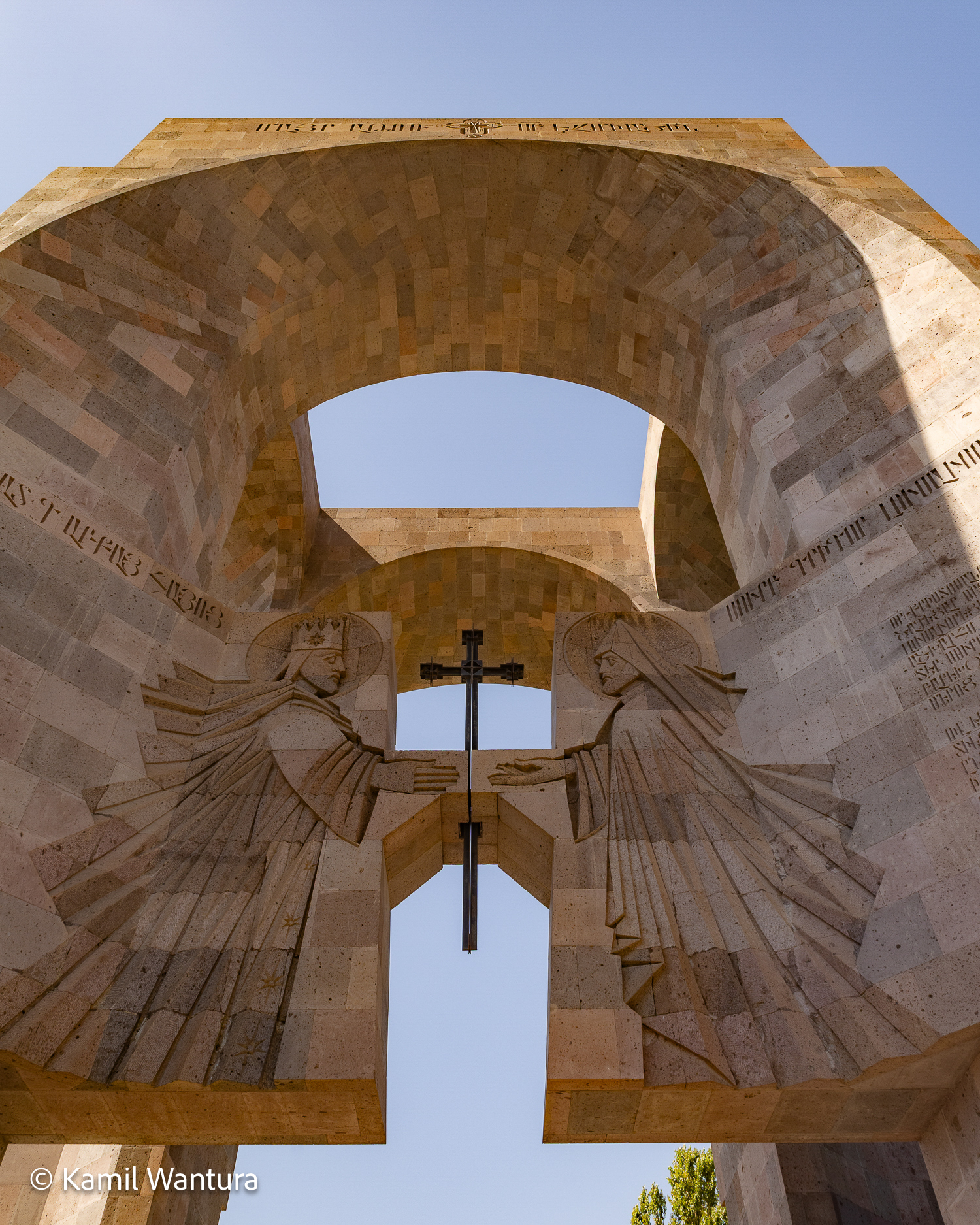
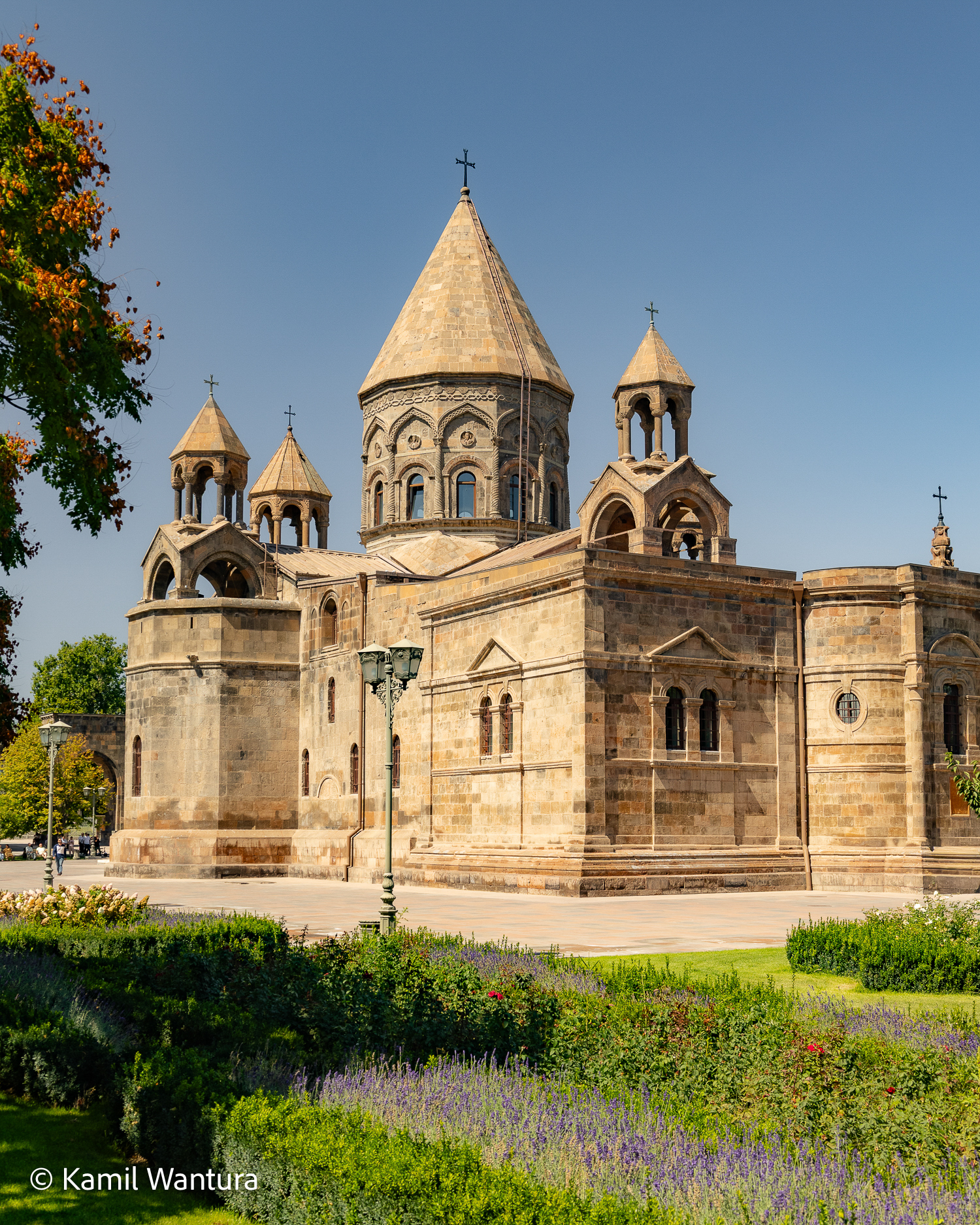
ECO TAXI – The taxi service offered hourly bookings, so we used three hours for this arrival tour. It worked particularly well because we could leave our luggage securely in the car while visiting the sights.
Yerevan City Centre (📍MAP) & Cascade Complex (📍MAP)
We arrived in Yerevan and checked into our apartment in the city centre at around 3pm. After leaving our belongings, we headed out to explore the capital.
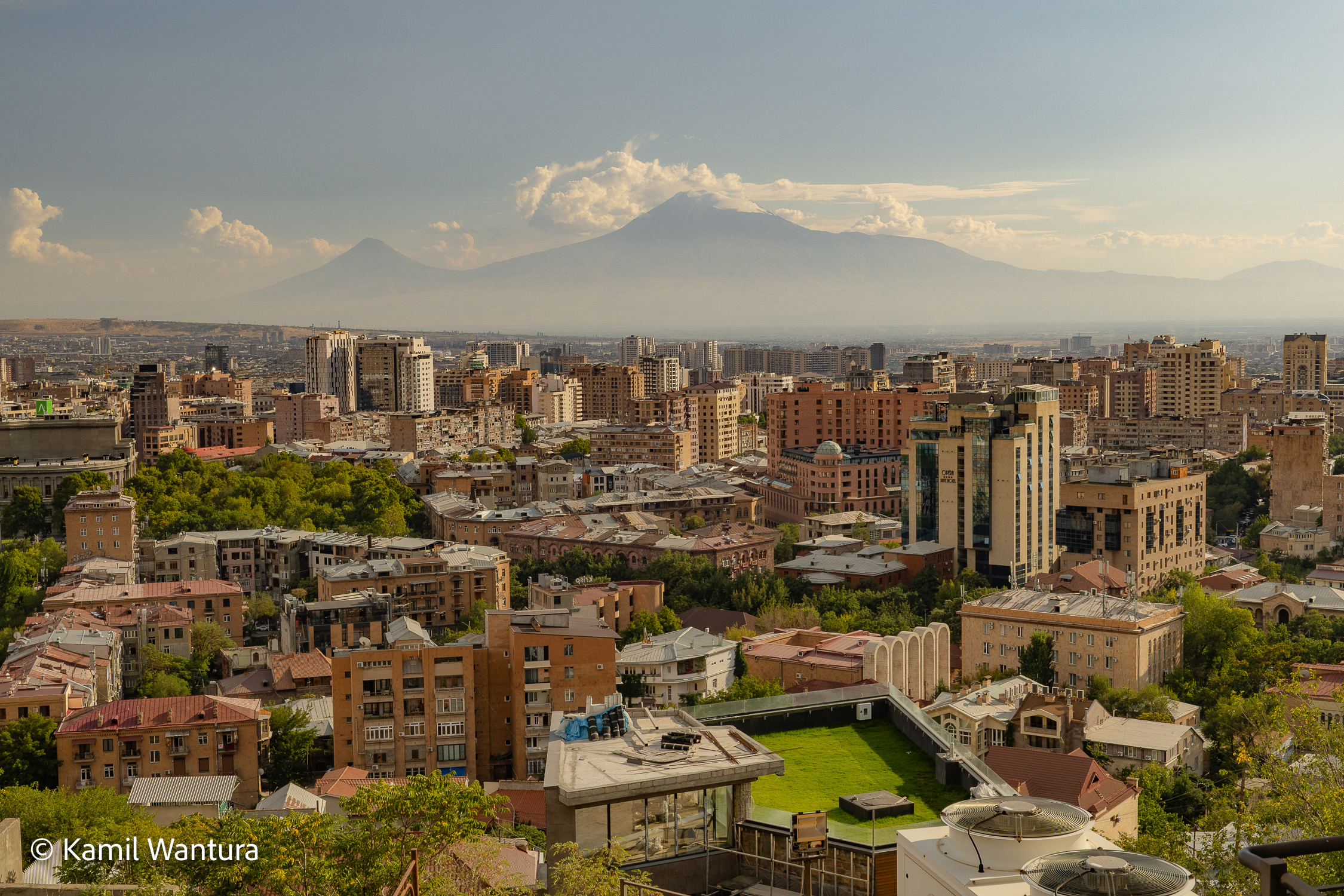
Yerevan is Armenia’s capital and largest city, and it has a surprisingly varied architectural character. The city centre combines grand Soviet-era avenues and buildings with pink and orange volcanic tuff stone, contemporary cafes, public squares and lively pedestrian areas. Much of the central area is easy to explore on foot, making it a good city for simply wandering without a strict sightseeing schedule.
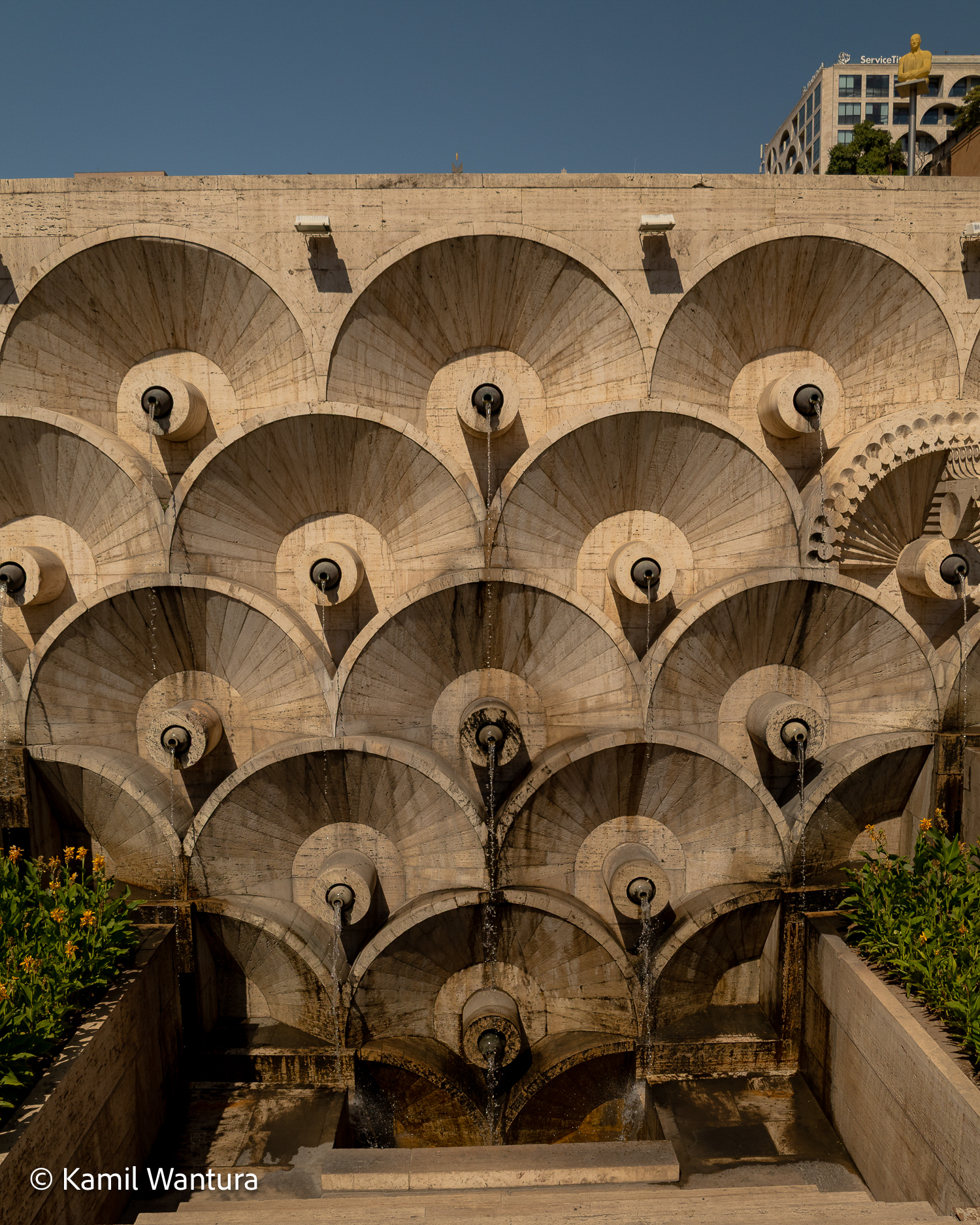
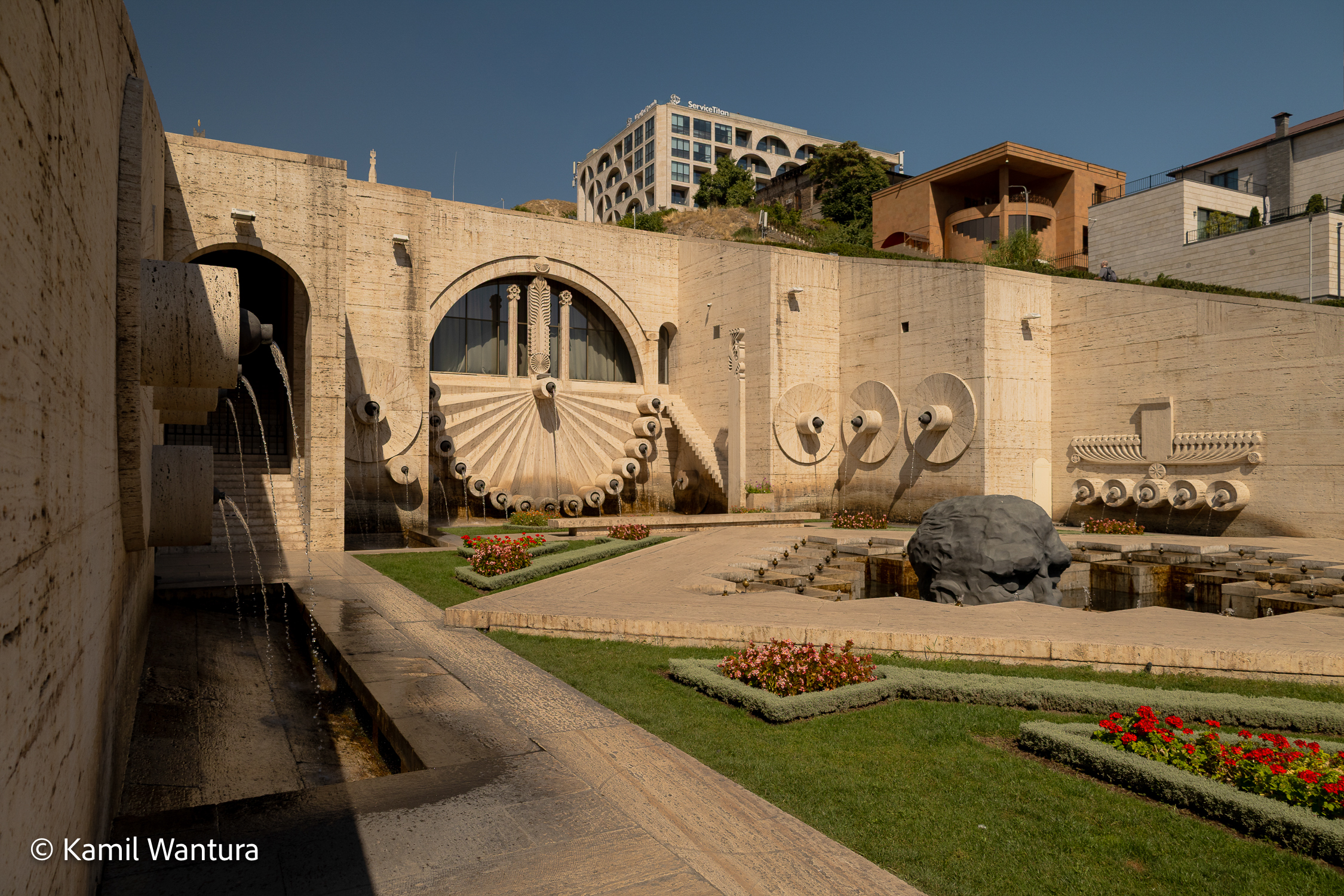
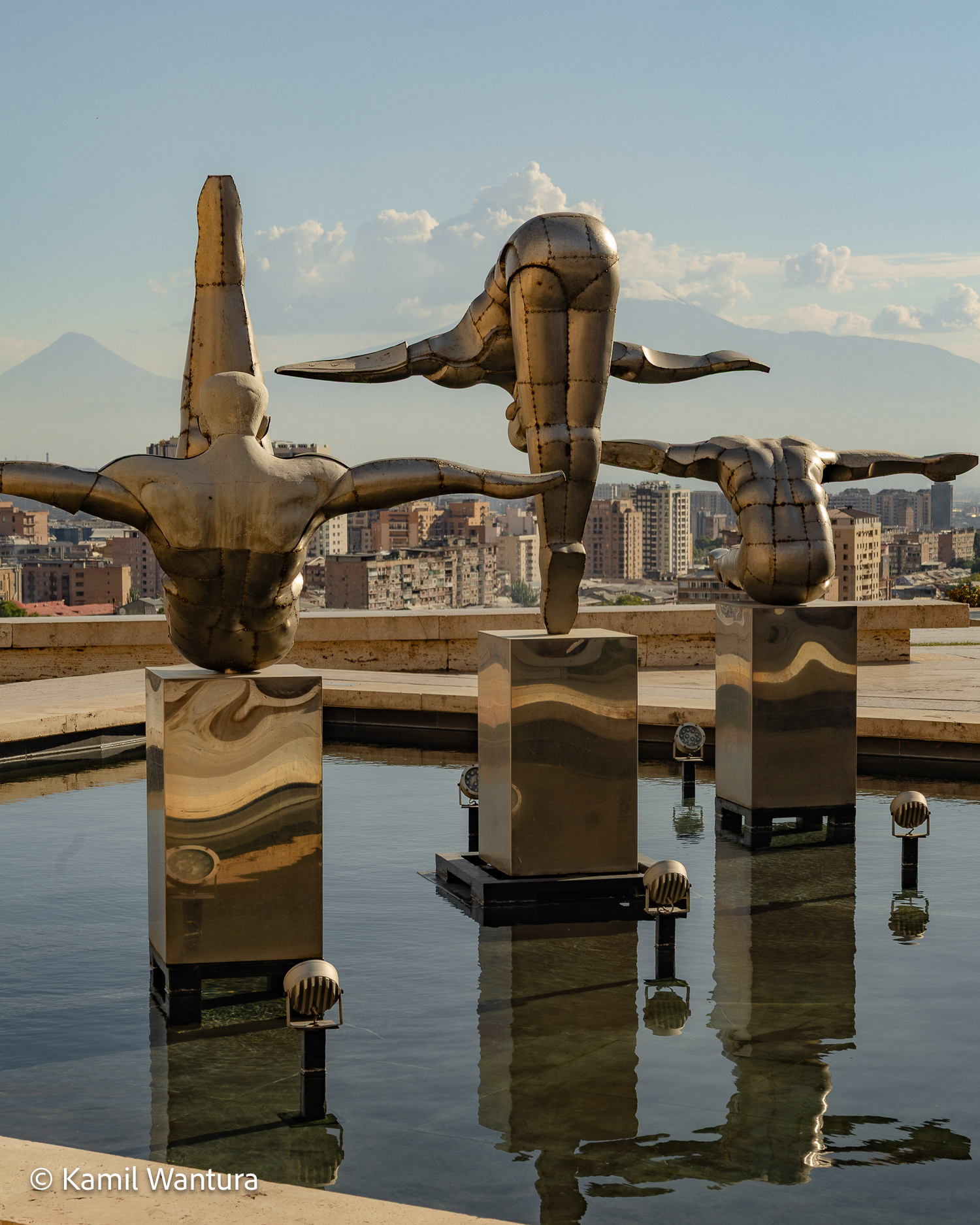
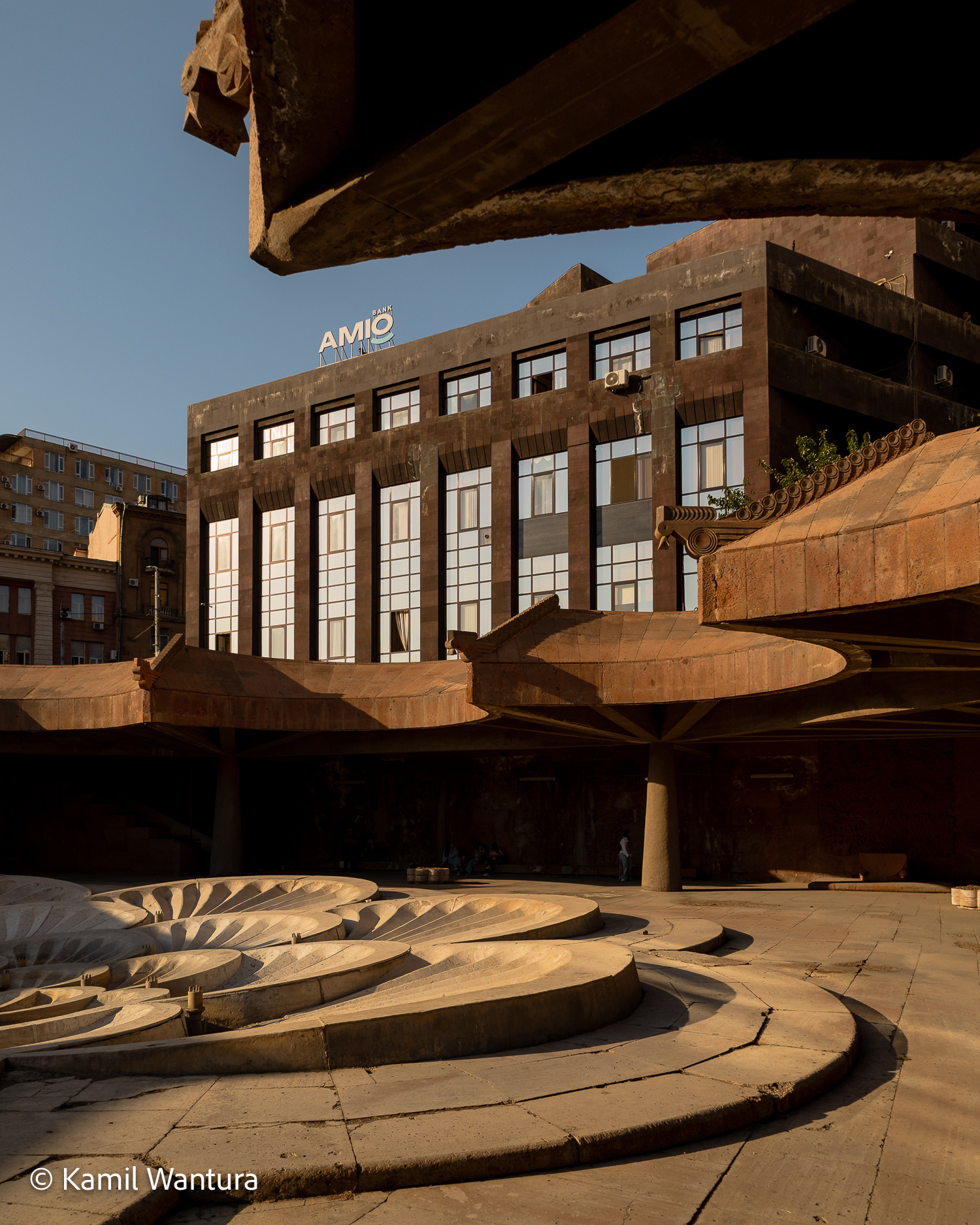
One of our first stops was the Cascade Complex, a Soviet era landmark and an interesting example of monumental architecture with strong brutalist influences. The huge limestone staircase rises up the hillside and connects central Yerevan with a series of terraces overlooking the city. Inside the complex is the Cafesjian Center for the Arts, while the outdoor terraces contain sculptures and offer increasingly wide views over Yerevan as you climb.
From the upper levels, the view across the city is particularly impressive on clear days, when Mount Ararat can sometimes be seen beyond the rooftops. The Cascade is also a good place to return after dark, when the surrounding city lights create a completely different atmosphere.
Day 2: Khor Virap, Noravank and Jermuk
Khor Virap (📍MAP), Noravank (📍MAP) & Jermuk Waterfall (📍MAP)
We booked an organised trip covering Khor Virap, Noravank and Jermuk Waterfall, with several stops for wine tasting along the way.
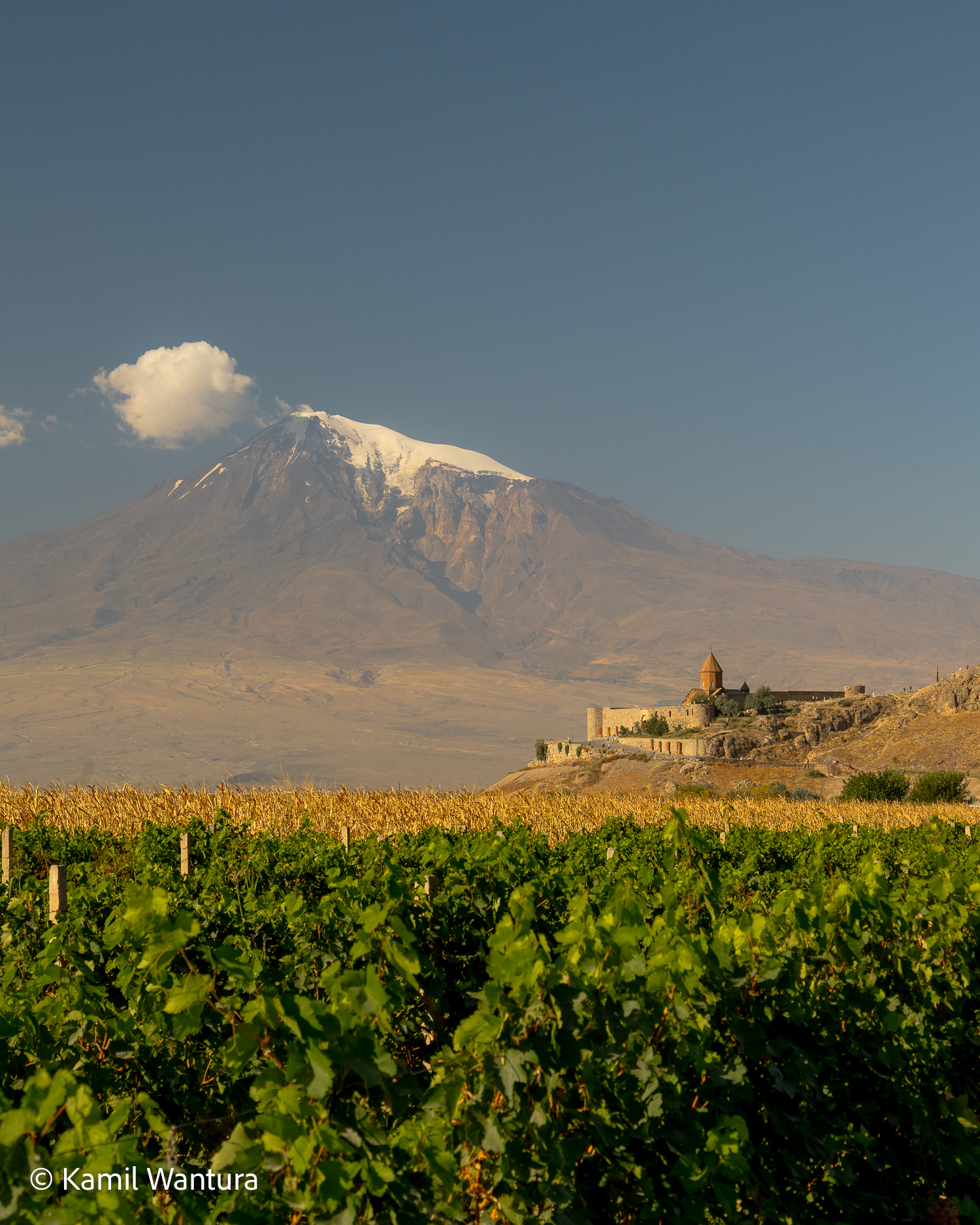
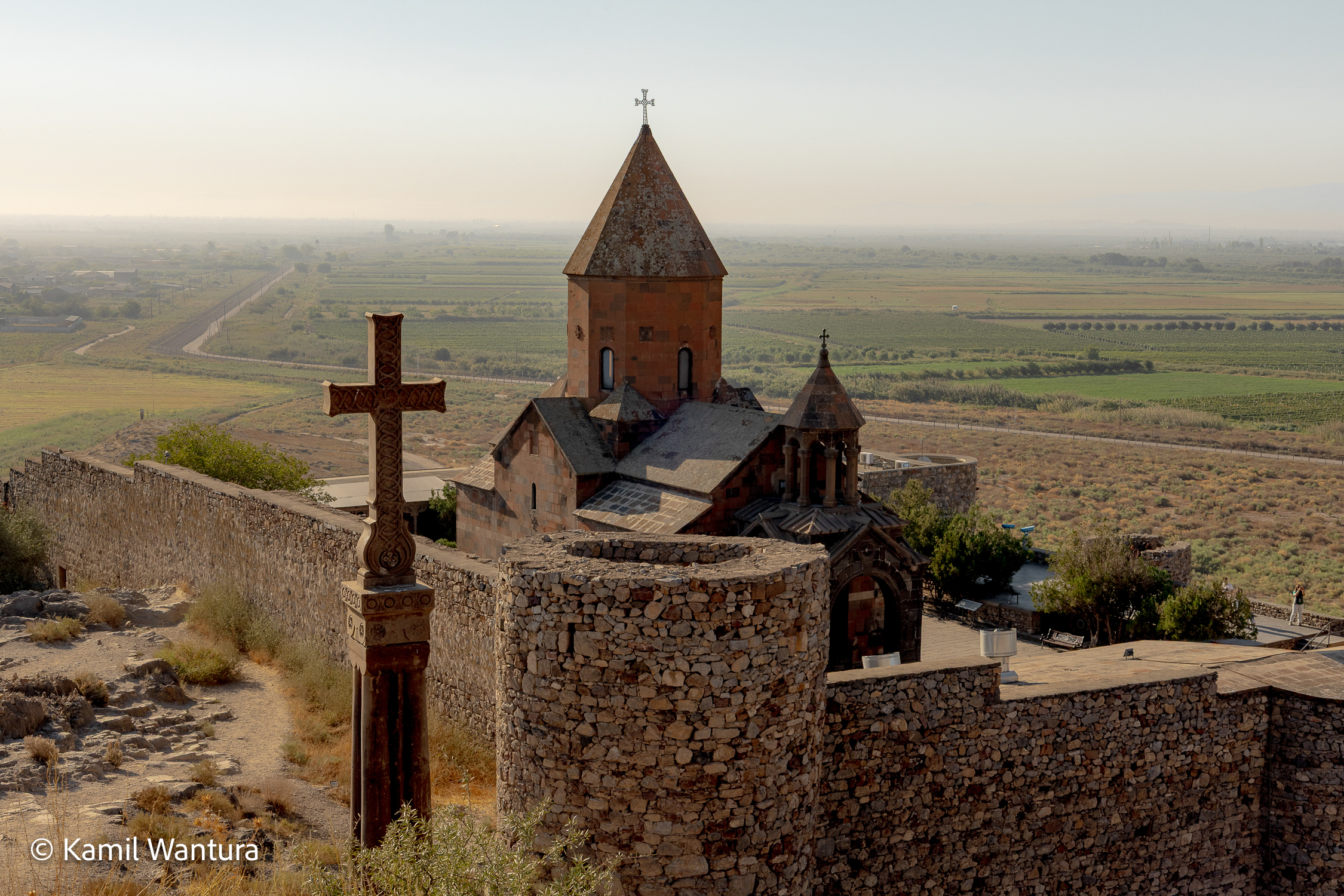
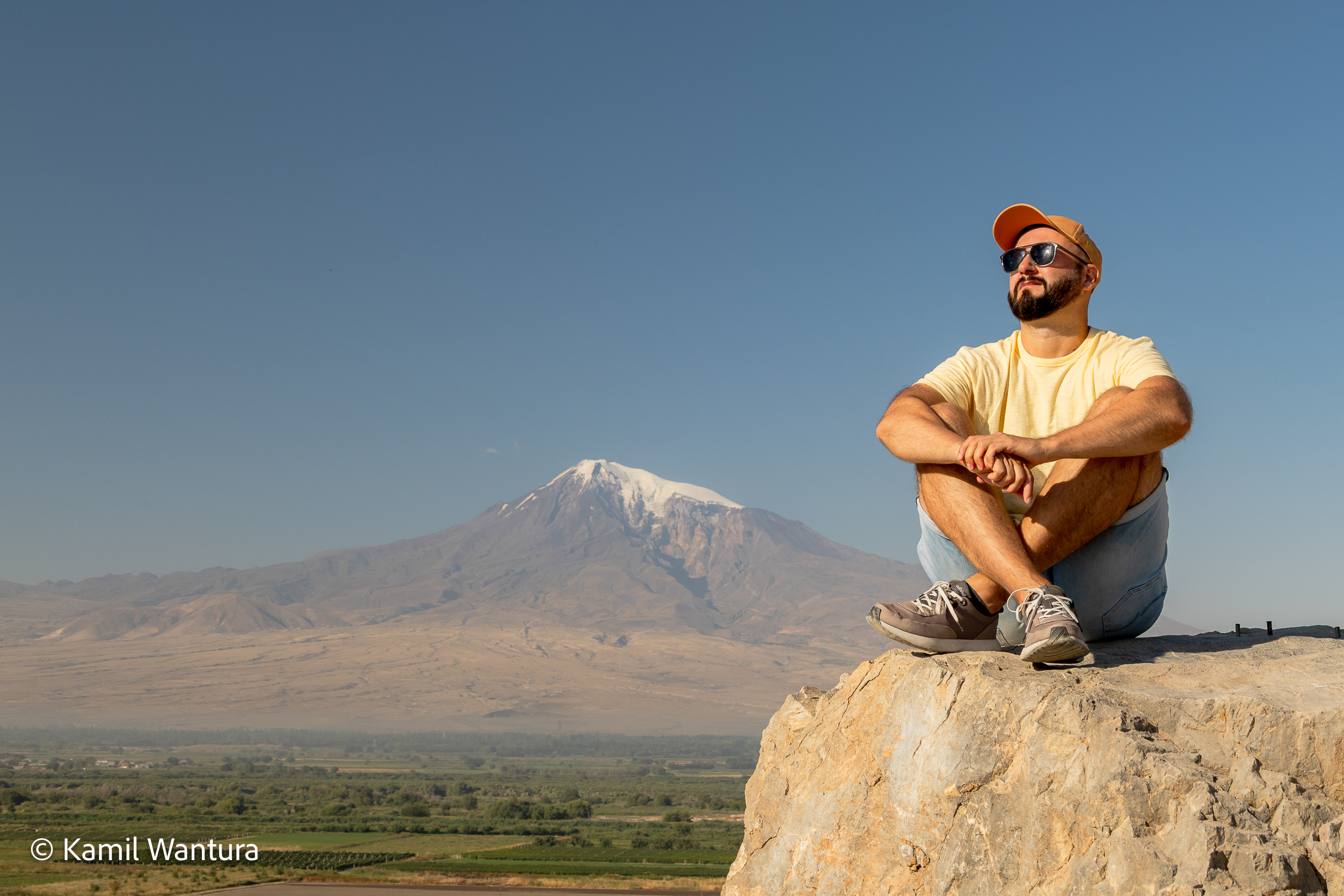
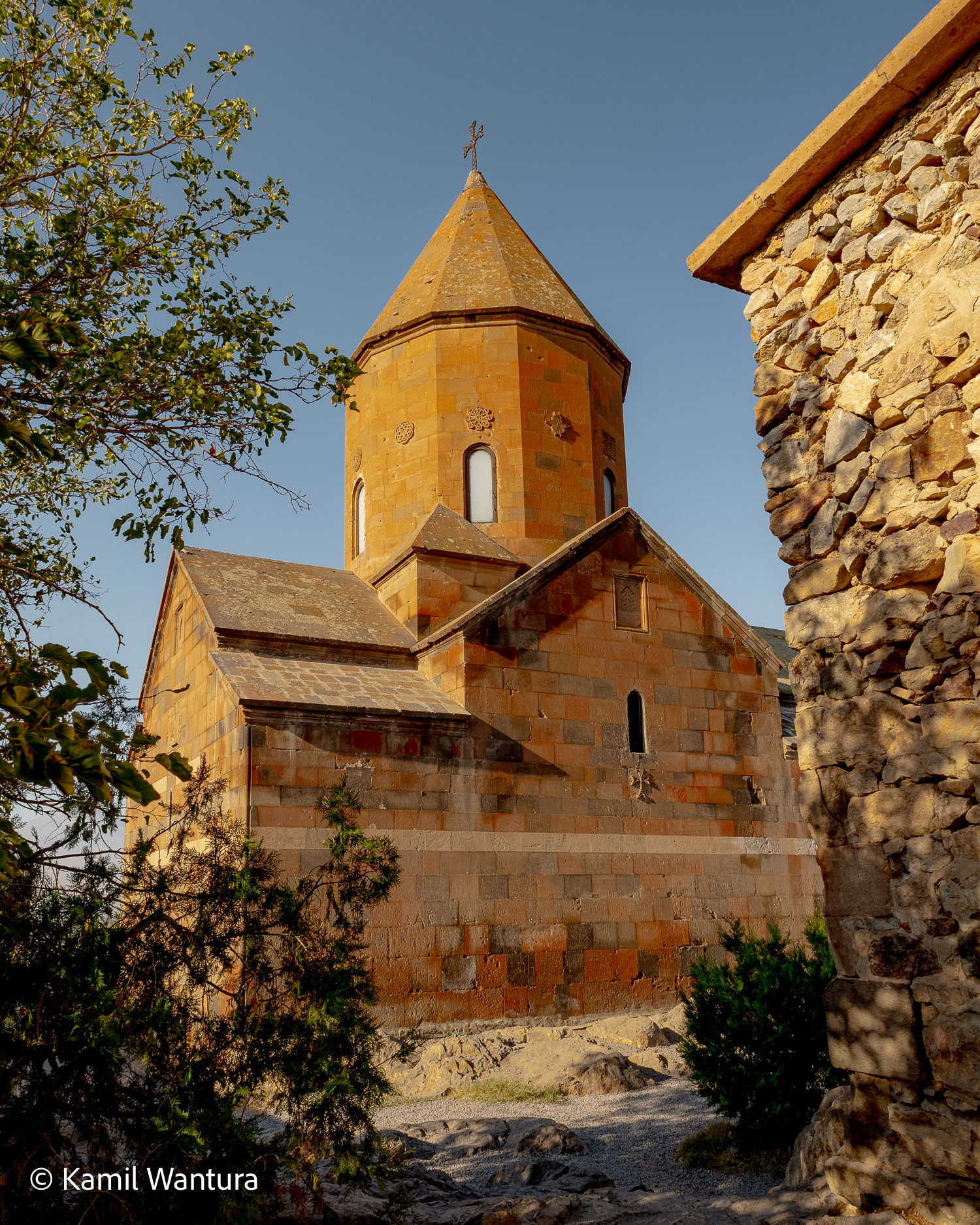
Khor Virap is one of Armenia’s most recognisable monasteries, particularly because of its spectacular position in front of Mount Ararat. The monastery stands close to the Turkish border and is closely connected with the story of Saint Gregory the Illuminator, who is traditionally said to have been imprisoned here before helping Armenia adopt Christianity as its state religion in the early 4th century. Visitors can descend into the underground chamber associated with this story, although the stairs are narrow and steep.
The setting is arguably as memorable as the monastery itself. On a clear day, Mount Ararat dominates the horizon behind the church, creating one of the classic landscapes of Armenia. The mountain is located across the modern border in Turkey, but remains deeply significant in Armenian culture and history.
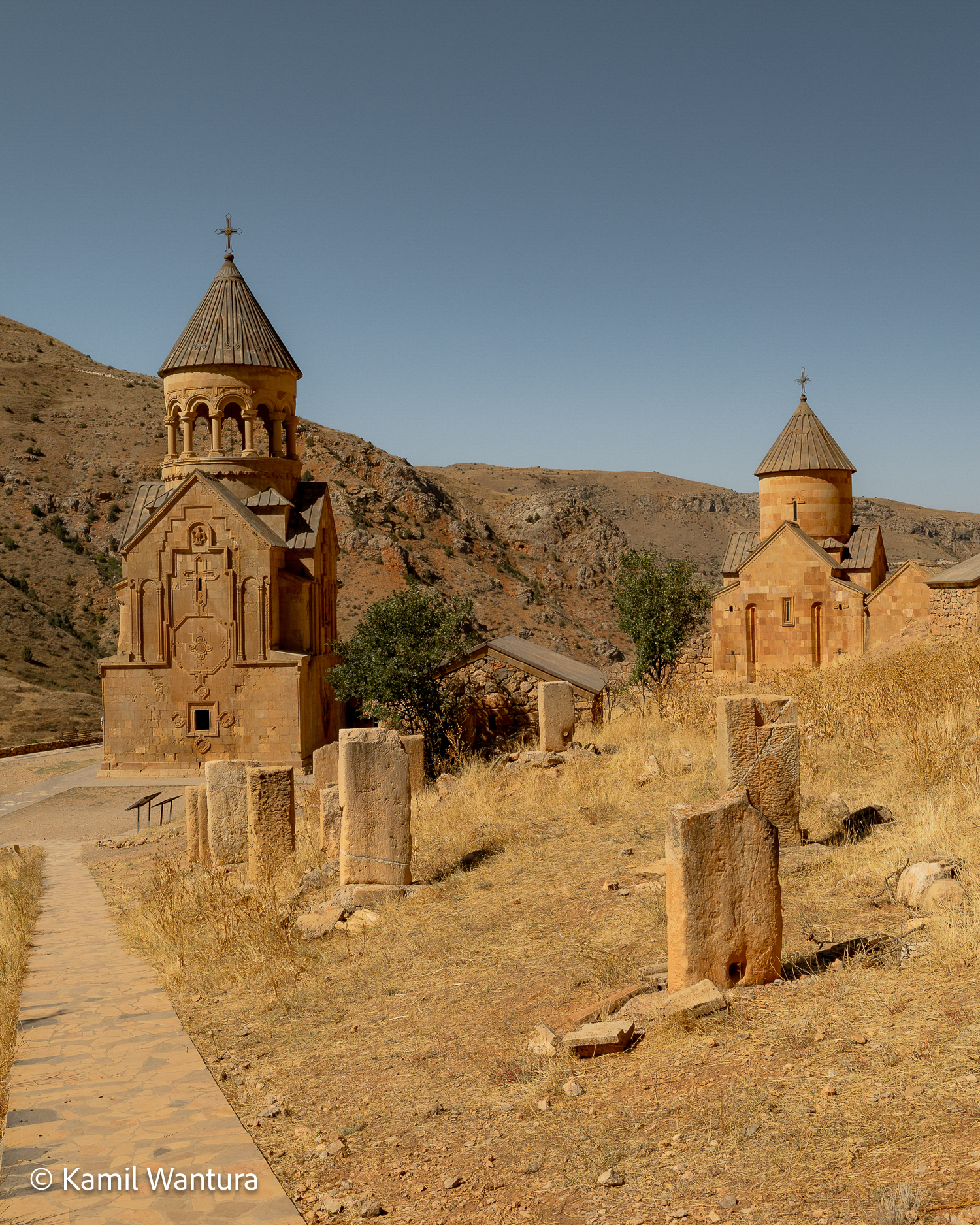
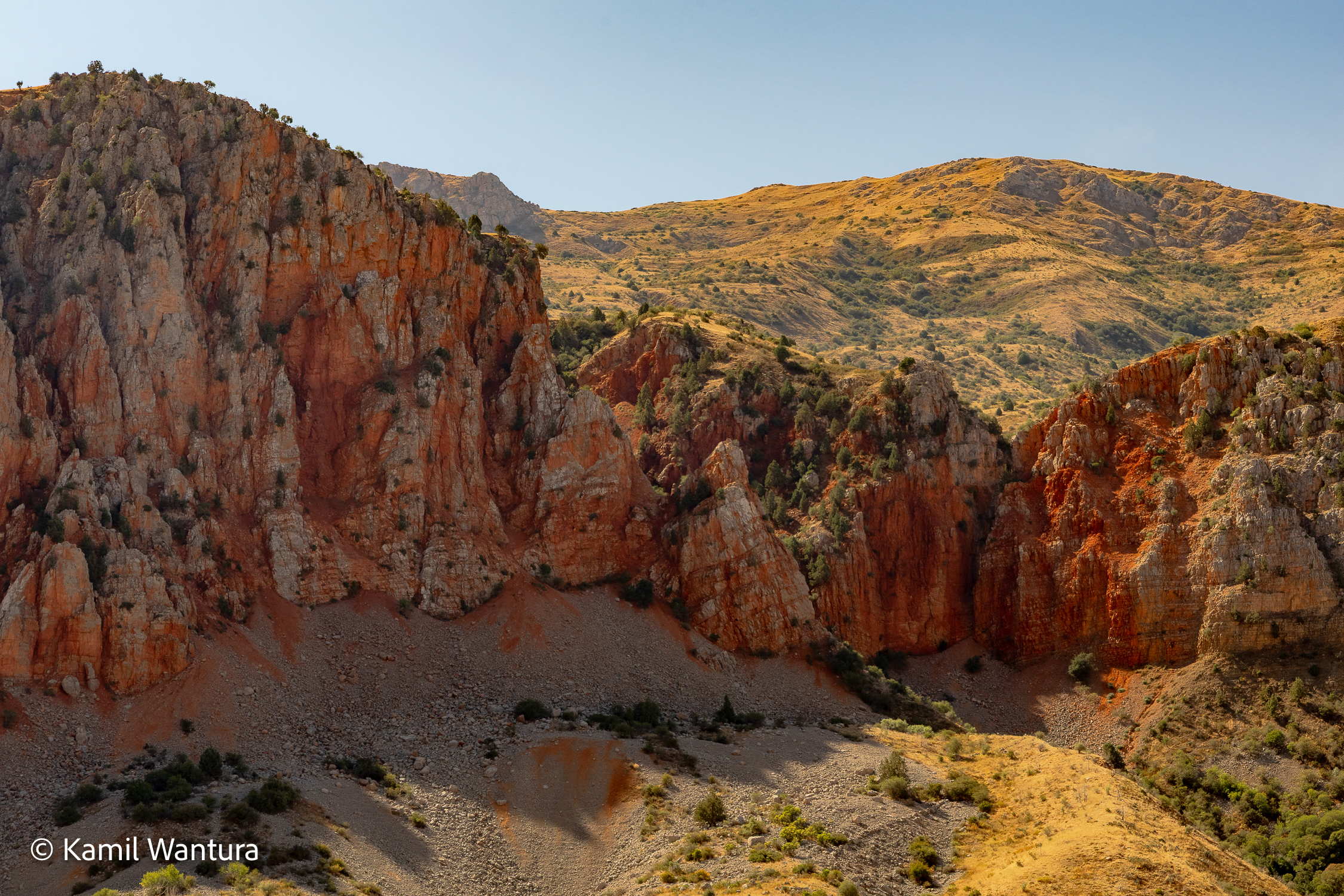
Noravank is another spectacular medieval monastery, but its setting is completely different. The complex sits at the end of a narrow red-rock gorge surrounded by steep cliffs. The monastery dates mainly from the 13th and 14th centuries and is known for its finely carved stonework, distinctive two-storey Surb Astvatsatsin Church and ornate religious sculptures.
The drive to Noravank is part of the experience. As the road enters the gorge, the landscape becomes increasingly dramatic, with layers of red and orange rock rising on either side. It is worth allowing some time to walk around the complex rather than simply stopping for a quick photograph.
Jermuk is a spa town surrounded by forests and mountains and has long been associated with mineral water and wellness. The town is considerably greener than the dry landscapes around some of Armenia’s southern monasteries. Jermuk Waterfall drops through a rocky gorge close to the town and can be reached via a relatively short walk. The combination of forest, cliffs and cascading water makes this a refreshing contrast after visiting the monasteries.
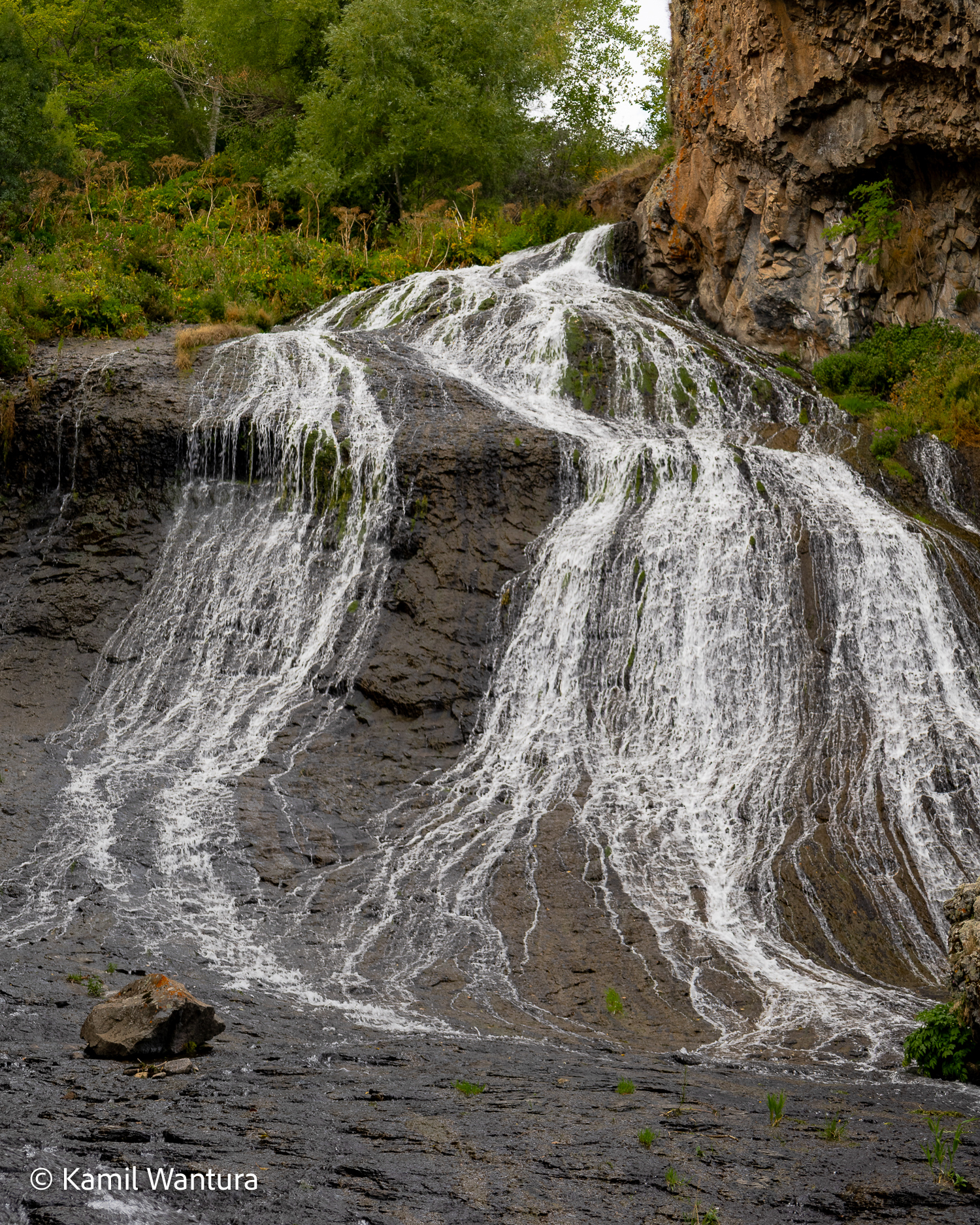
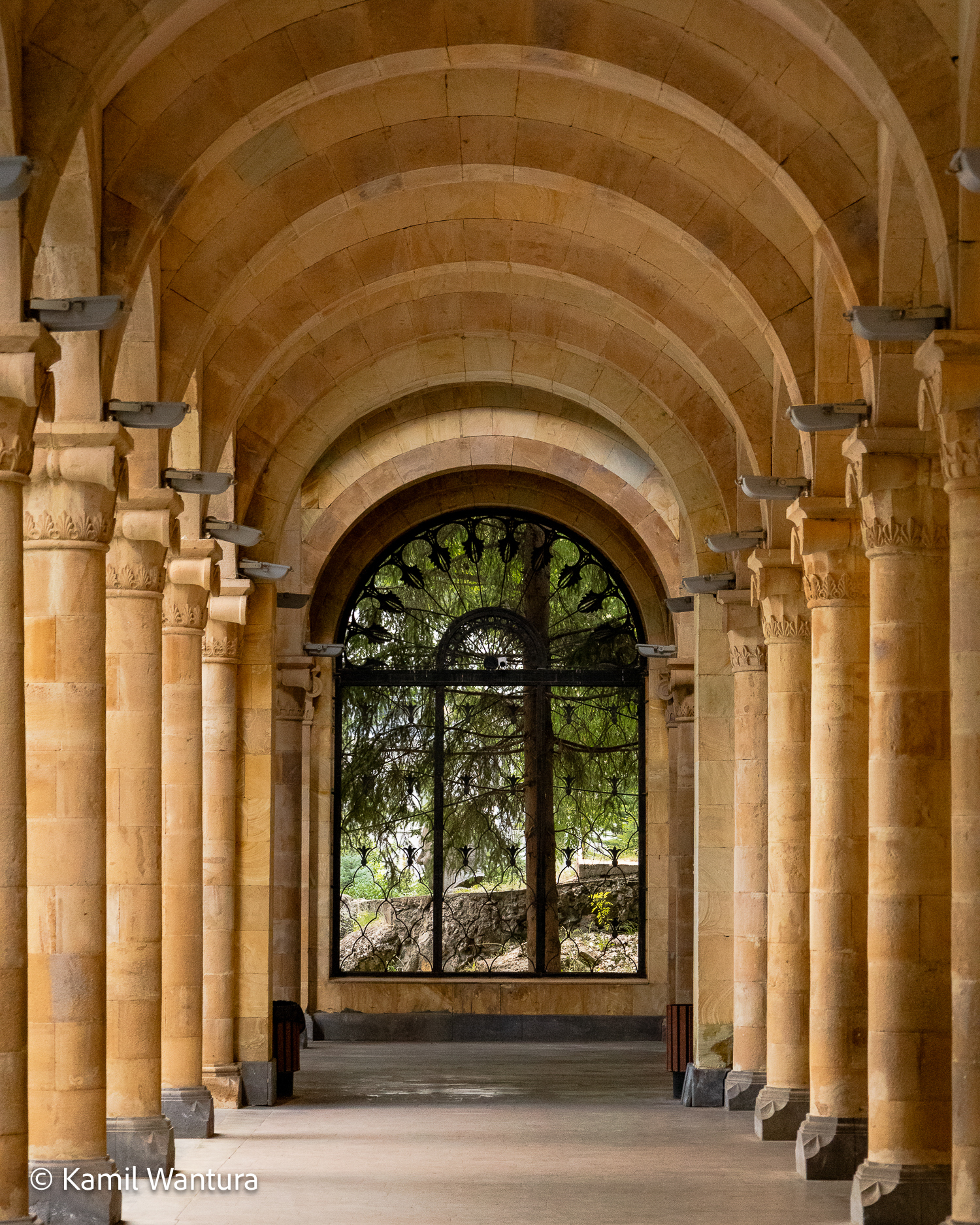
We started at 8am. The trip was quite long, around 12 hours in total, but it gave us the chance to see some amazing landscapes and architecture across Armenia. Jermuk was one of the later stops on the route before the long journey back to Yerevan, arriving in the capital at around 8pm.
Day 3: Garni, Symphony of Stones and Yerevan
Garni Temple (📍MAP) & Symphony of Stones (📍MAP)
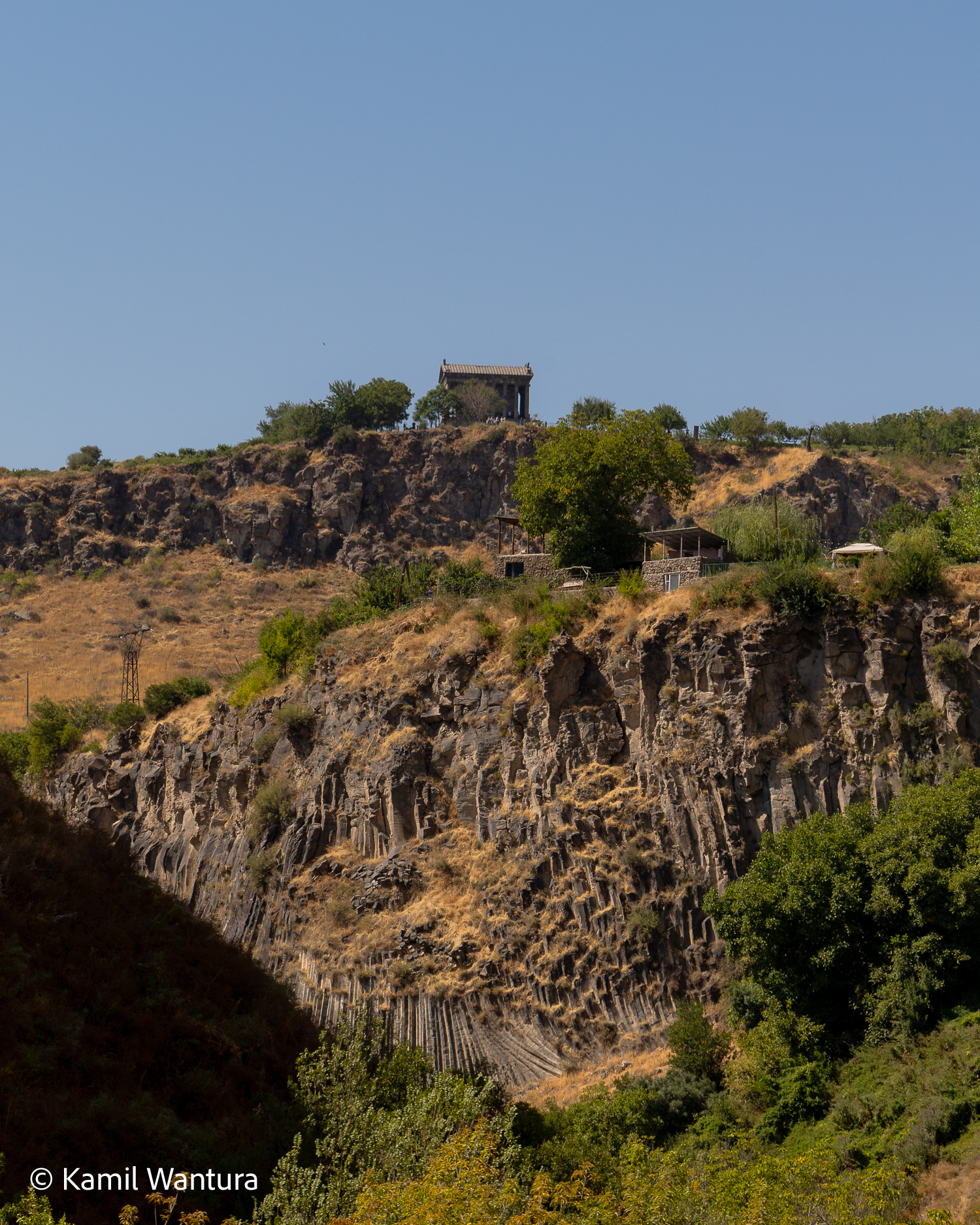
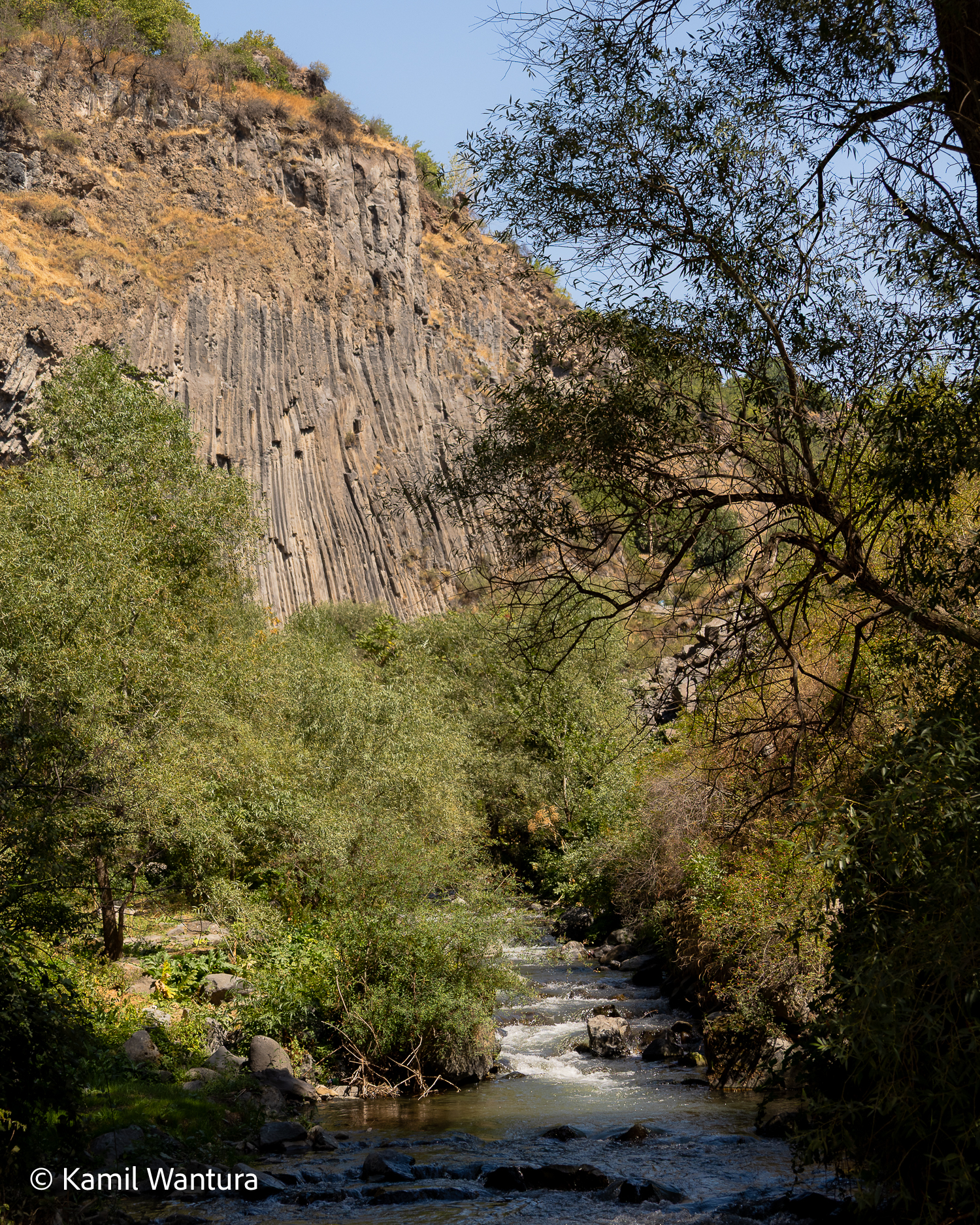
After exploring local coffee shops for breakfast and coffee, we booked a car to Garni Temple and also stopped at the Symphony of Stones. The landscapes there were simply stunning. Garni is only around 40 minutes outside Yerevan, so the whole excursion took approximately three to four hours.
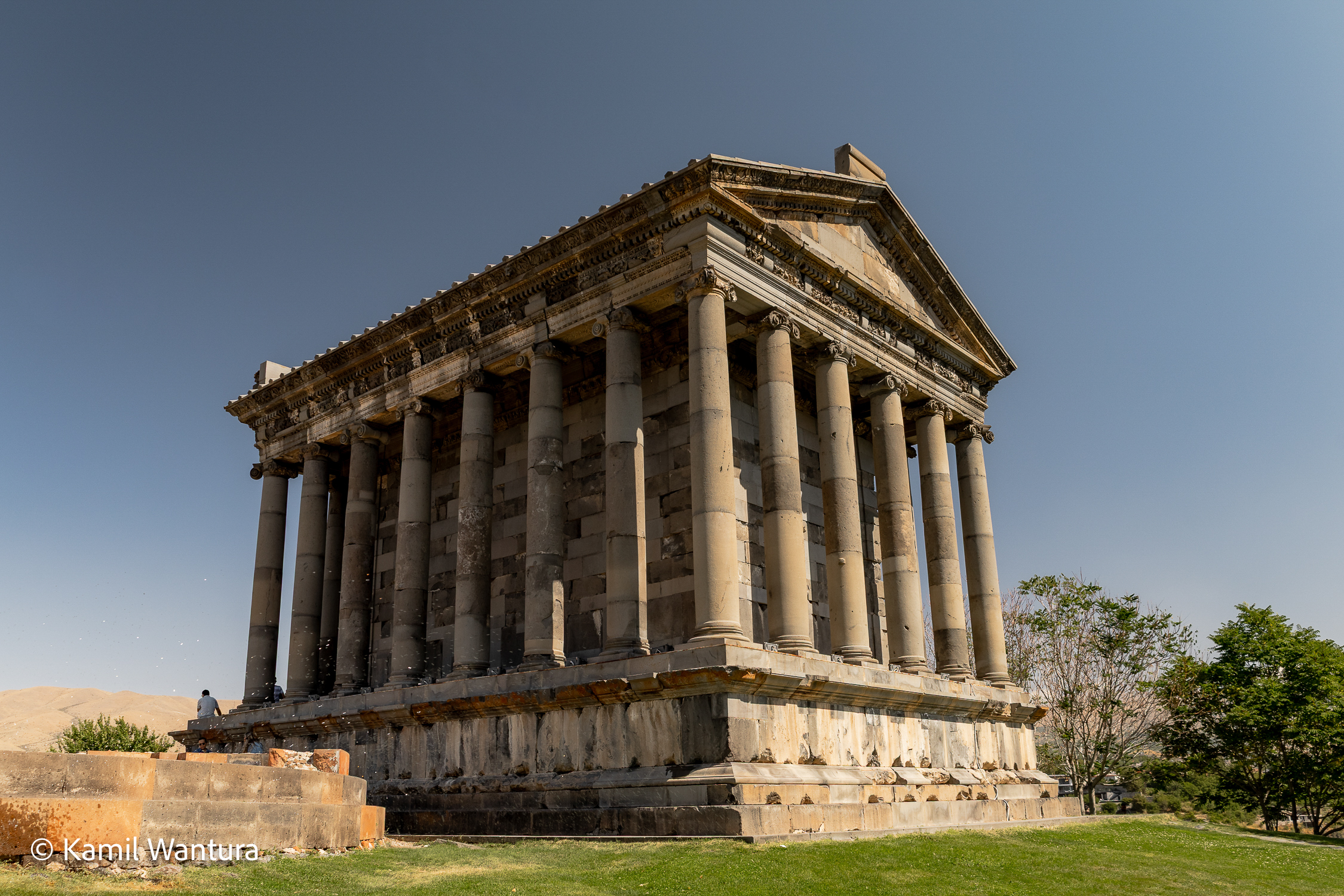
Garni Temple is one of Armenia’s most unusual historical monuments. Unlike the country’s many medieval Christian monasteries, Garni is a classical-style pagan temple dating to the 1st century AD. Its basalt columns and symmetrical design make it immediately recognisable, while its location above the Azat River gorge gives it an impressive natural setting.
The temple is associated with the pre-Christian history of Armenia and is one of the clearest reminders that the country’s cultural story extends far beyond its Christian heritage. The surrounding landscape is also worth exploring, with the gorge and rolling hills providing a dramatic backdrop to the monument.
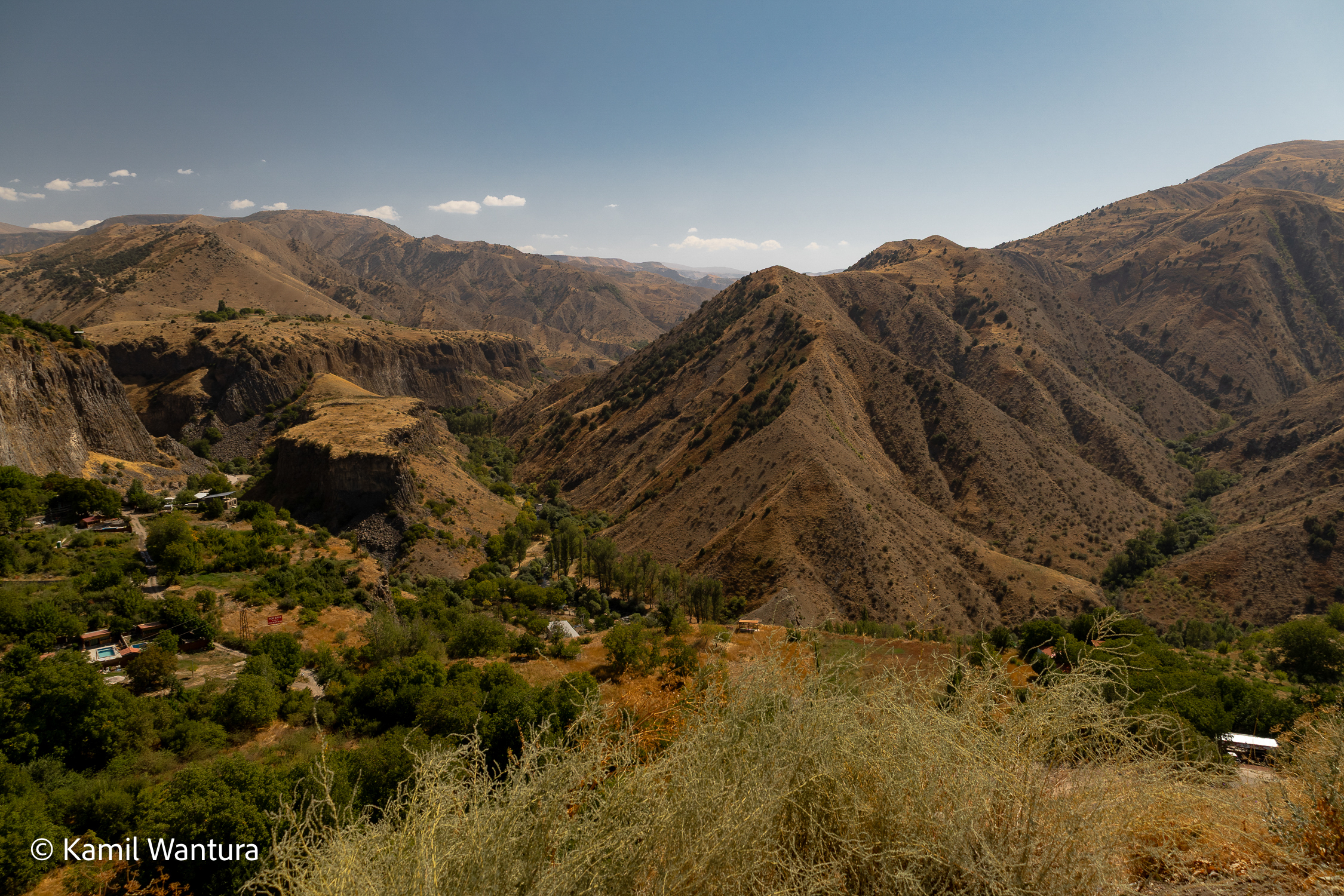
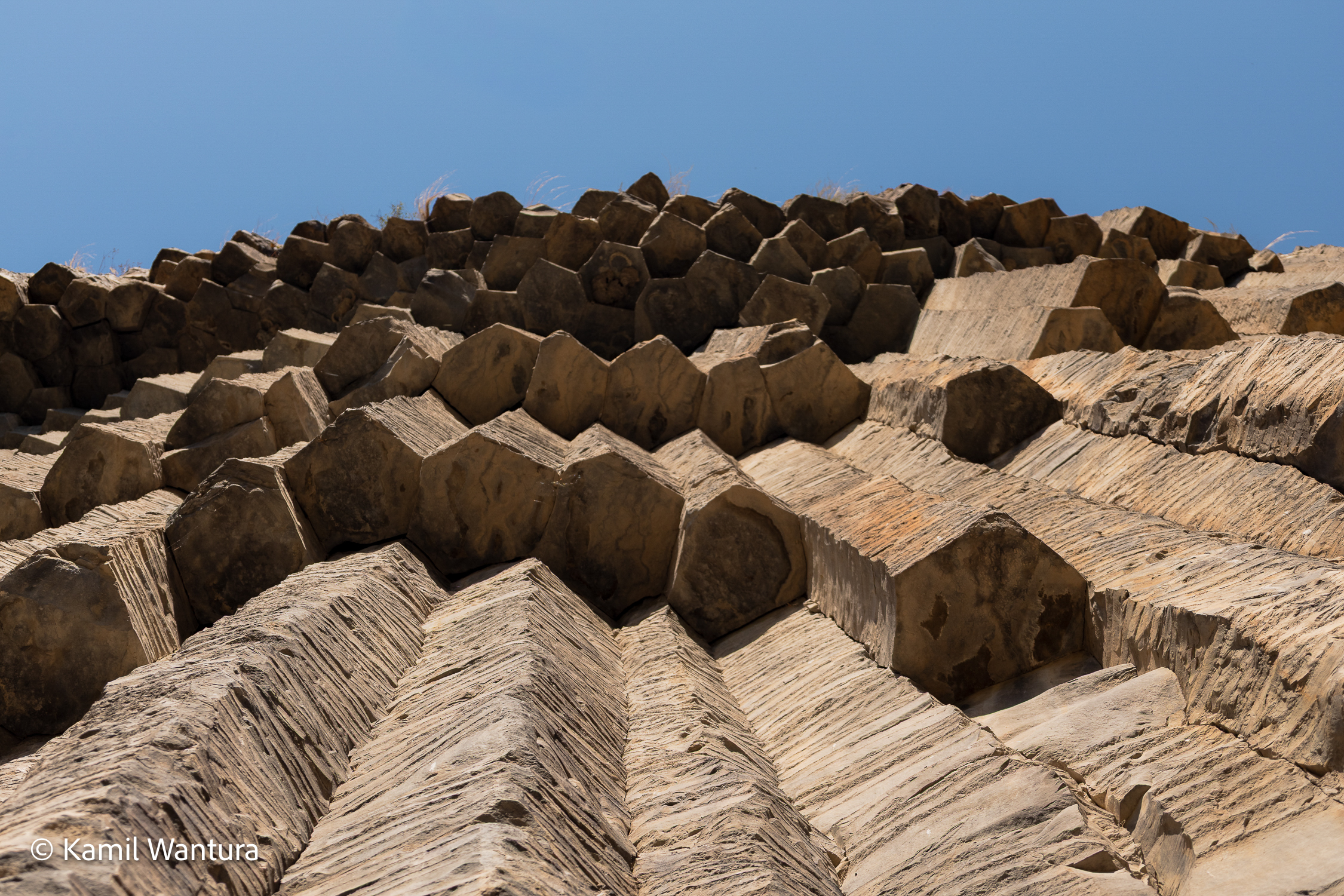
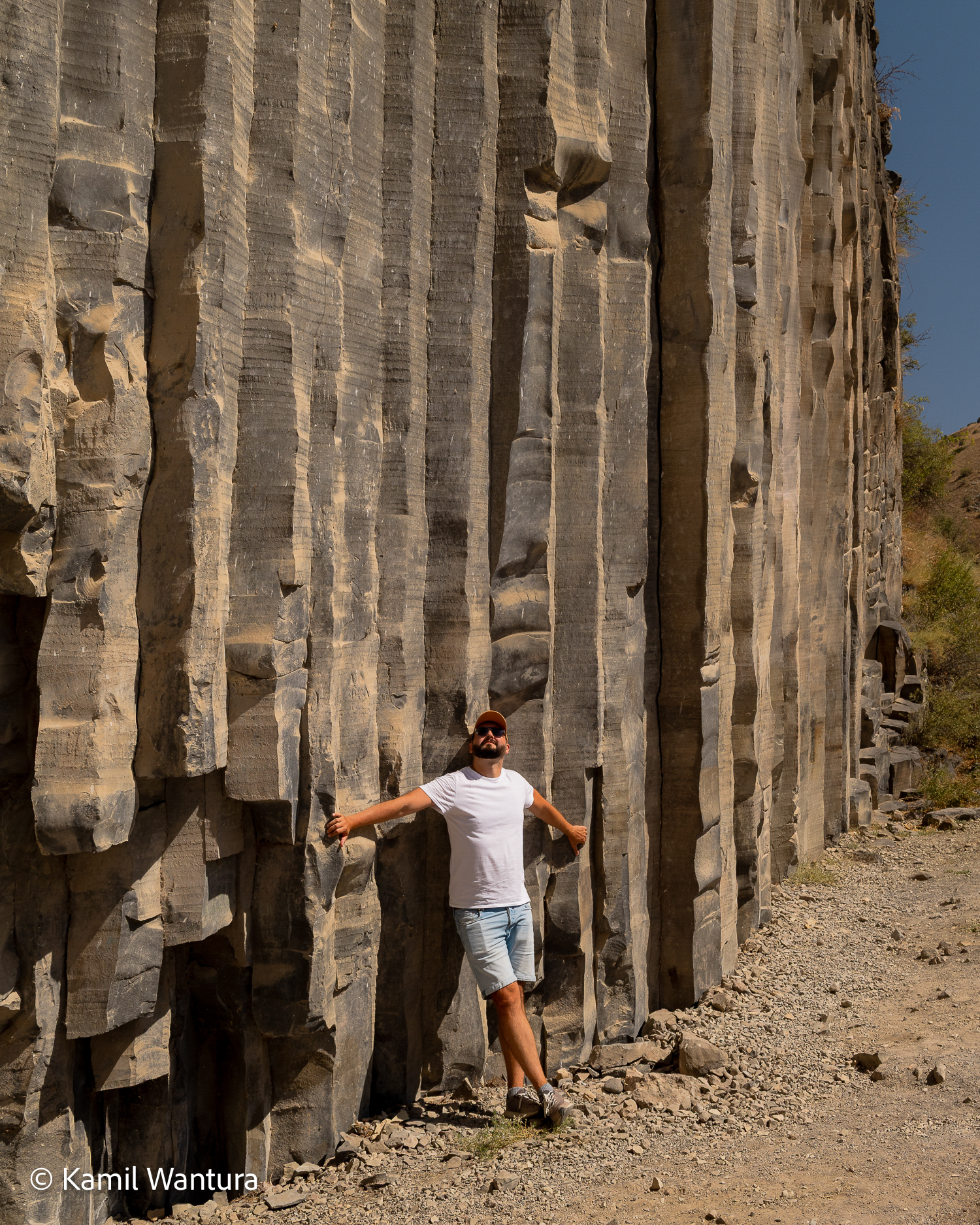
Nearby, the Symphony of Stones is a spectacular natural formation of tall basalt columns. The columns were created by volcanic activity and later shaped by natural processes into long, geometric formations resembling organ pipes. Walking through the gorge allows you to appreciate their size and unusual symmetry from different angles.
Yerevan Landmarks (📍MAP)
In the afternoon we explored more of Yerevan, including another visit to the Cascade, followed by a walk to the Blue Mosque, Republic Square and Vernissage Market.
The Blue Mosque is one of Yerevan’s most distinctive historic buildings. Its blue-tiled decoration, courtyard and peaceful garden create a noticeable contrast with the monumental architecture elsewhere in the city. It is an important reminder of the diverse cultural influences that have shaped Yerevan over the centuries.
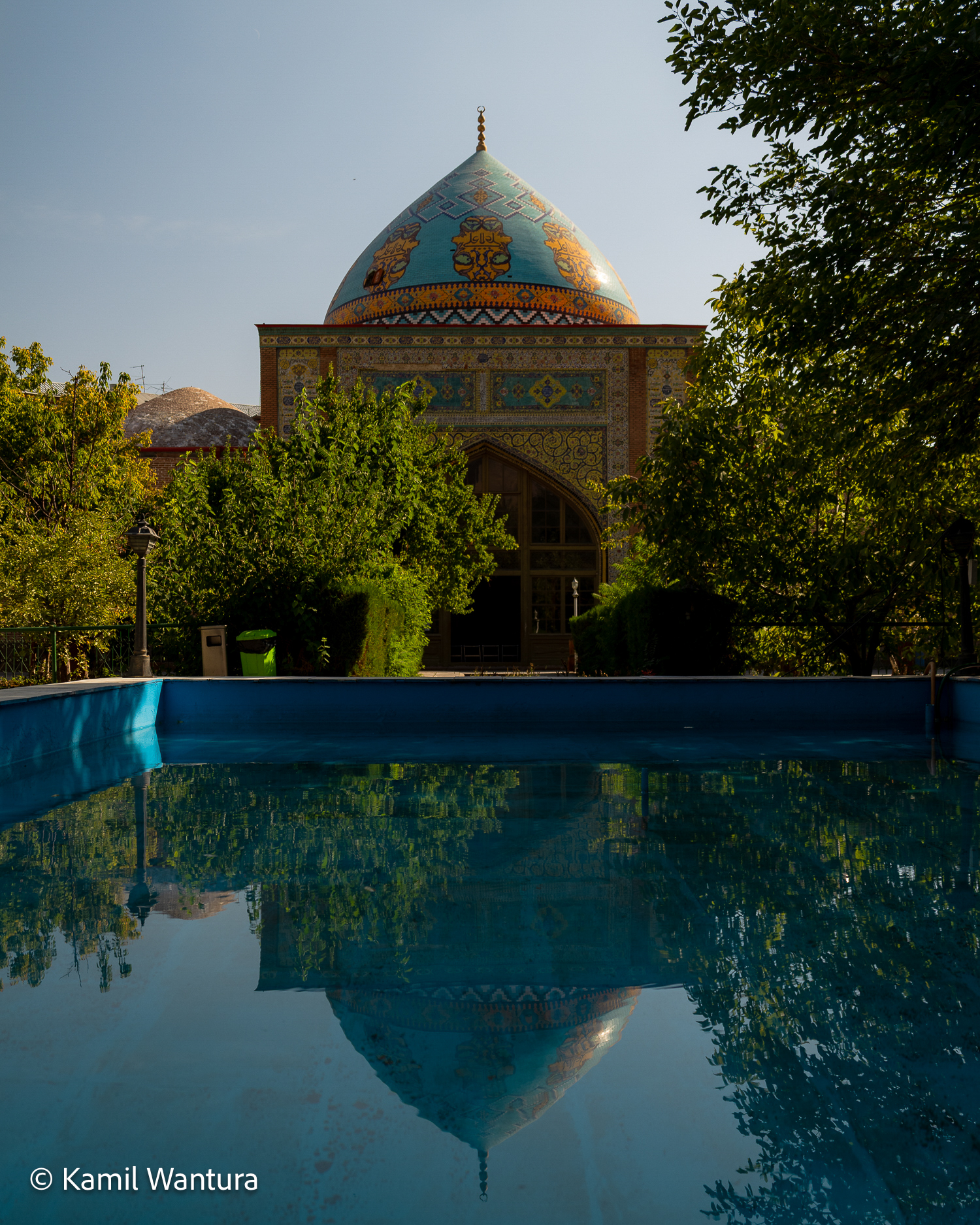
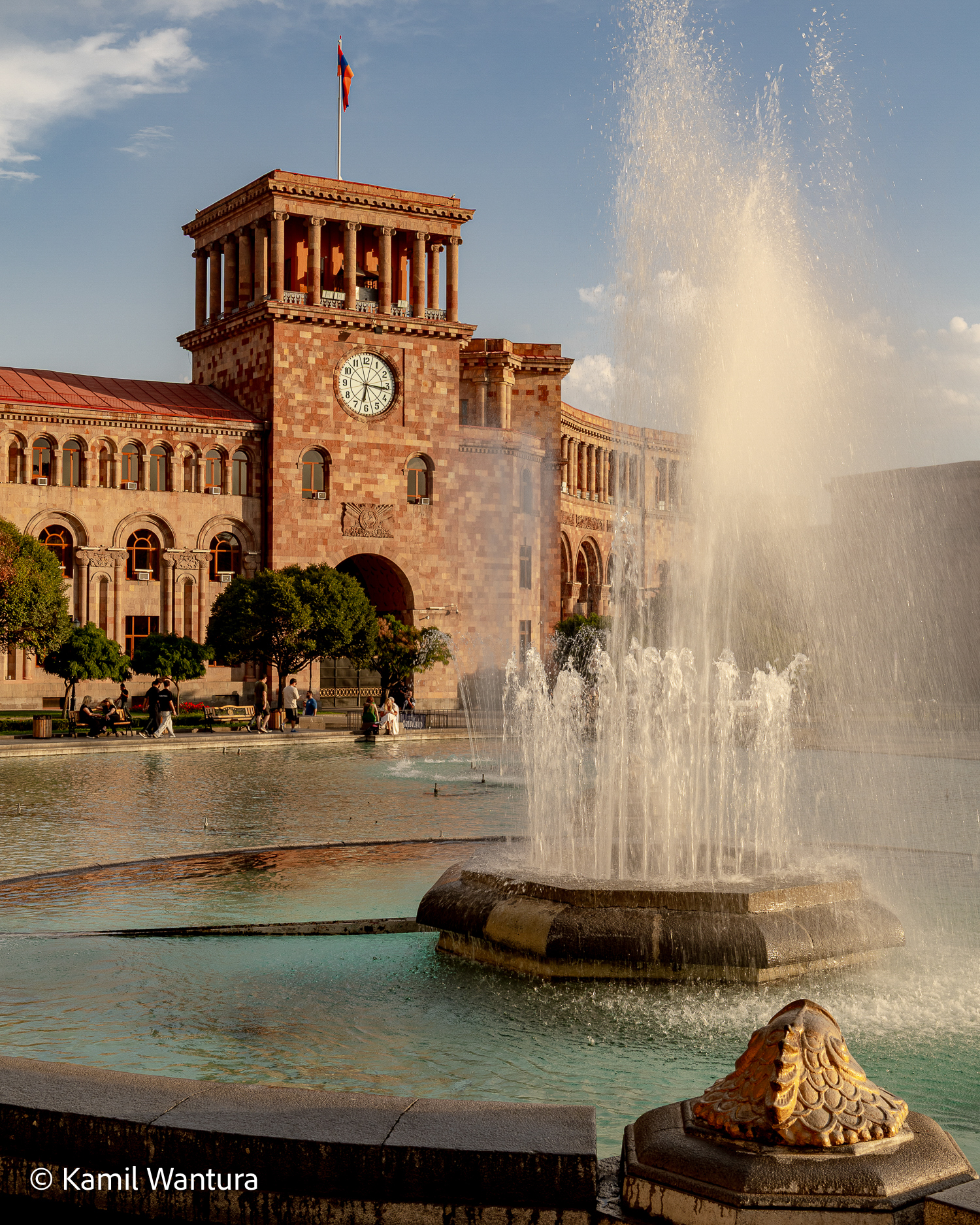
Republic Square is the architectural centrepiece of central Yerevan. The large oval-shaped square is surrounded by important government and cultural buildings constructed largely from the city’s characteristic pink volcanic stone. It is especially atmospheric in the evening, when the square becomes a popular gathering place and the famous musical fountains operate during the relevant season.
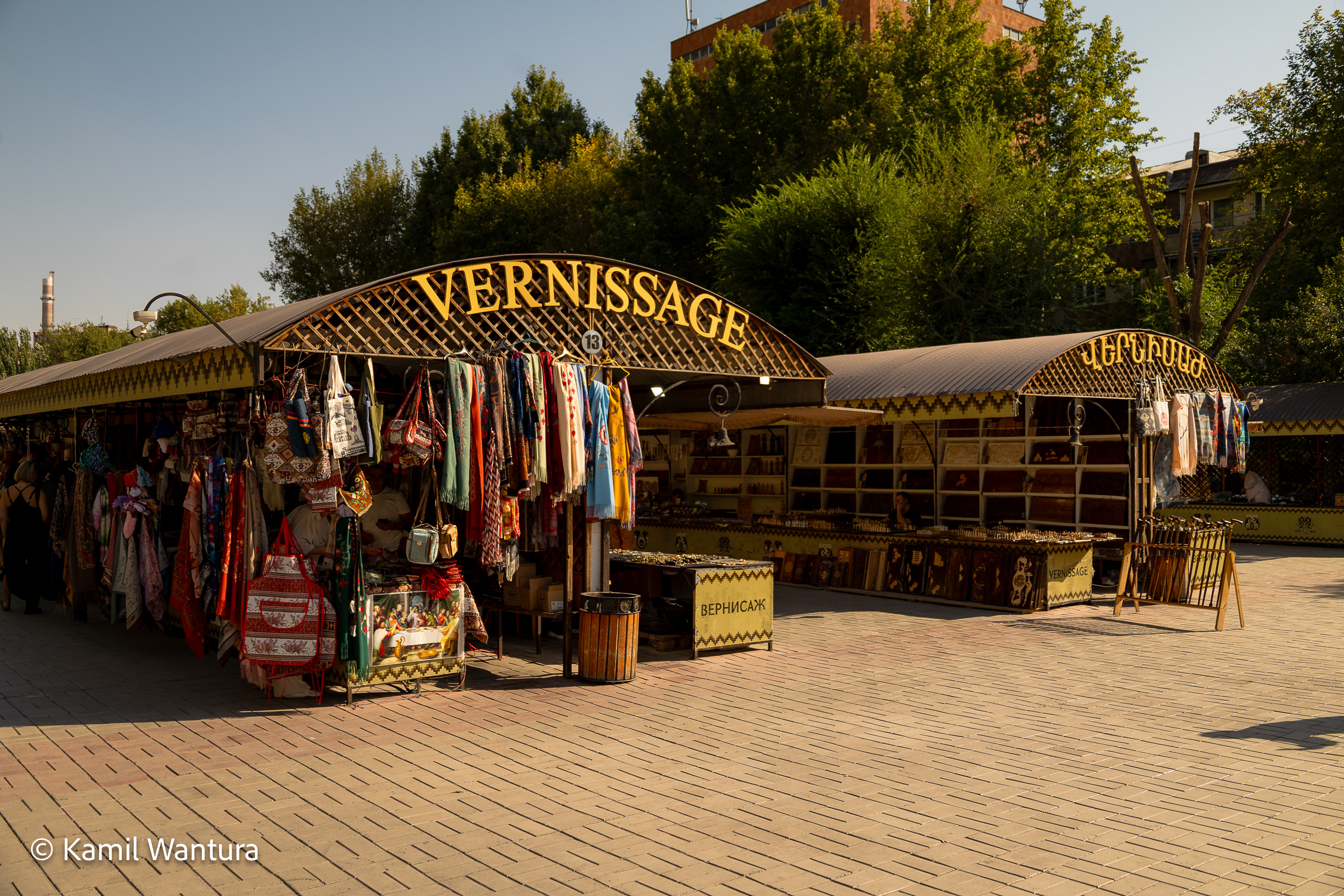
Vernissage Market is an open-air market where you can browse Armenian crafts, artwork, jewellery, carpets, souvenirs and traditional objects. It is a good place to look for something more distinctive than the usual tourist souvenirs, although prices can vary and bargaining is common for some items.
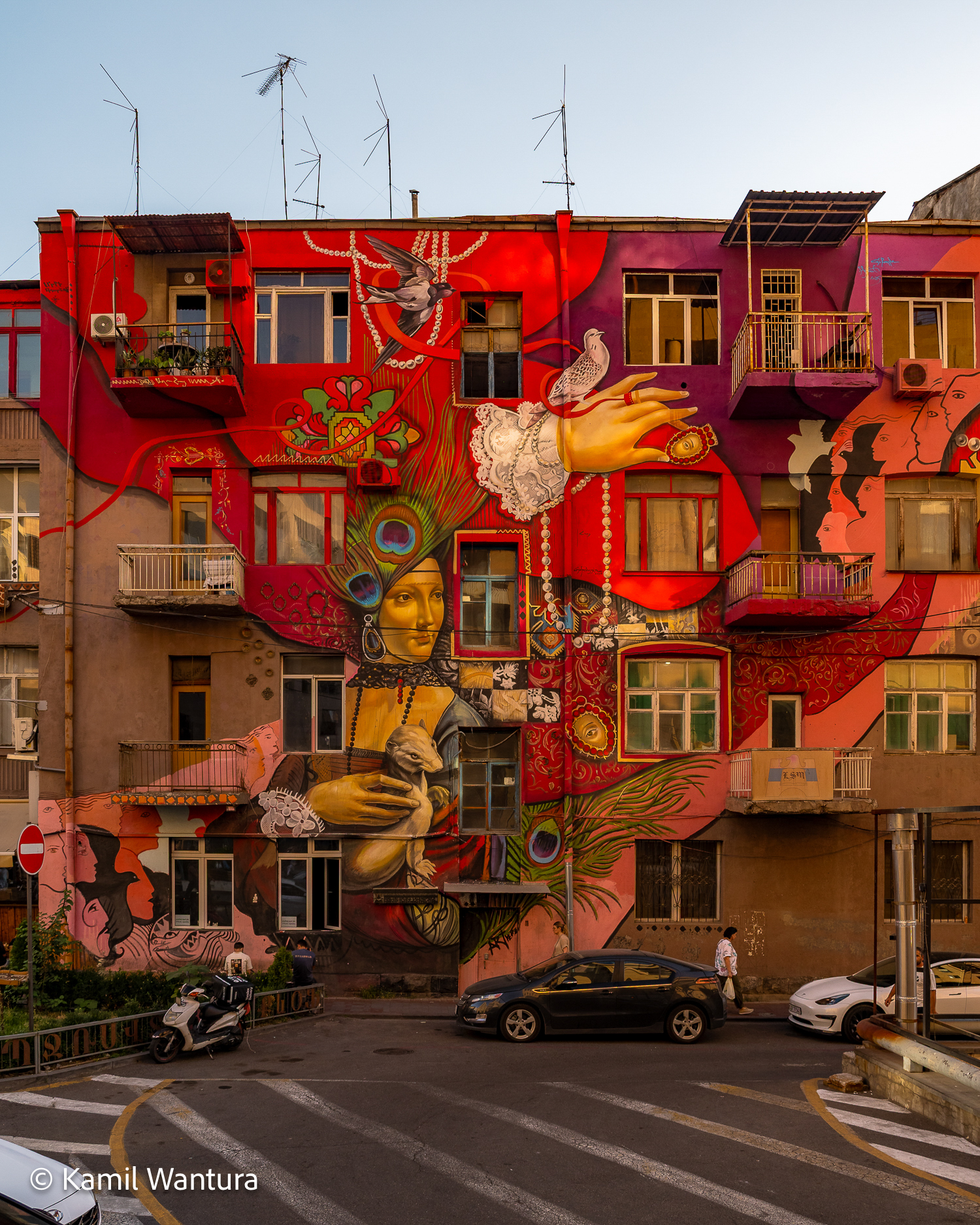
Walking around the city was very enjoyable, with lots of interesting socialist era architectural buildings and murals. The contrast between older stone buildings, Soviet planning and newer cafes gives central Yerevan a character that is quite different from Tbilisi.
Days 4 to 8: Crossing into Georgia and Tbilisi
Day 4: Lake Sevan, Haghartsin and Tbilisi
Sevanavank (📍MAP) & Haghartsin Monastery (📍MAP)
We booked a taxi transfer from Yerevan to Tbilisi and added two sightseeing stops: Sevanavank at Lake Sevan and Haghartsin Monastery.
Lake Sevan is one of the largest freshwater high-altitude lakes in the Caucasus and is one of Armenia’s defining natural landscapes. The lake sits at more than 1,900 metres above sea level, so the atmosphere can feel noticeably cooler than in Yerevan. Its deep blue water, surrounding mountains and open horizons make it an excellent place to break up the journey.
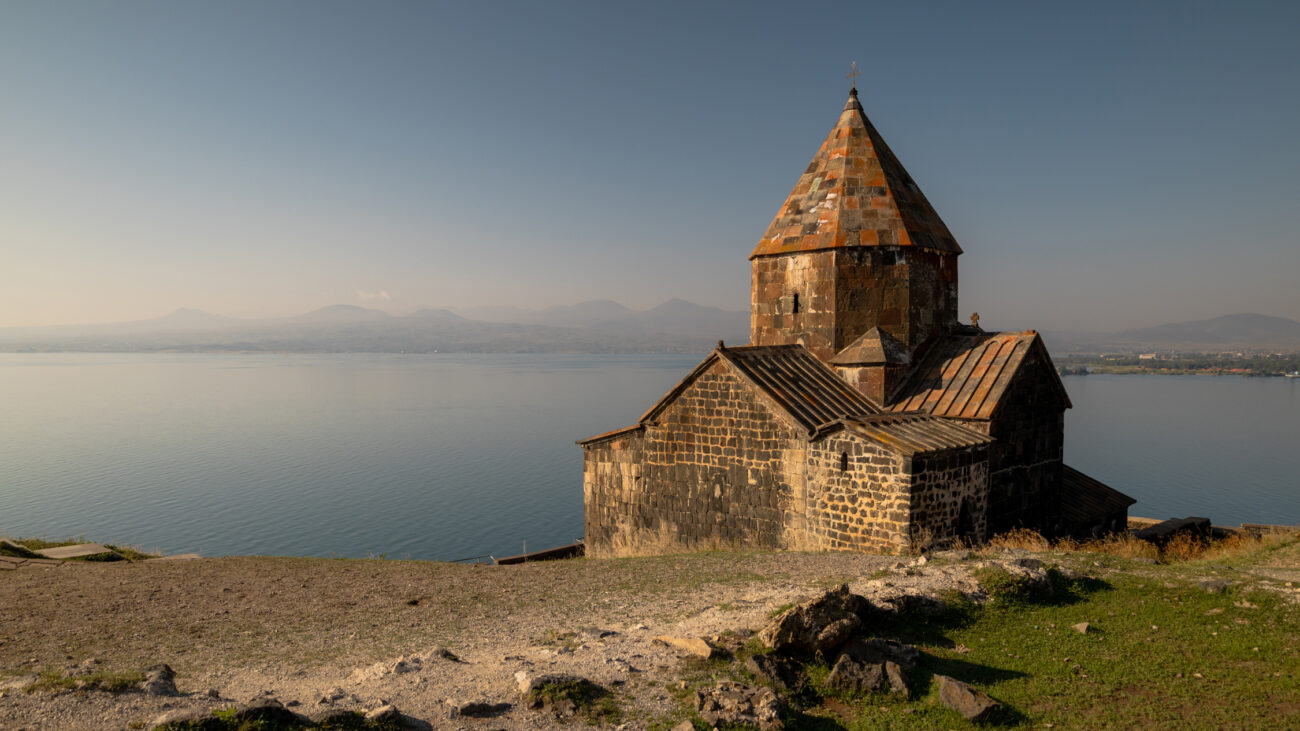
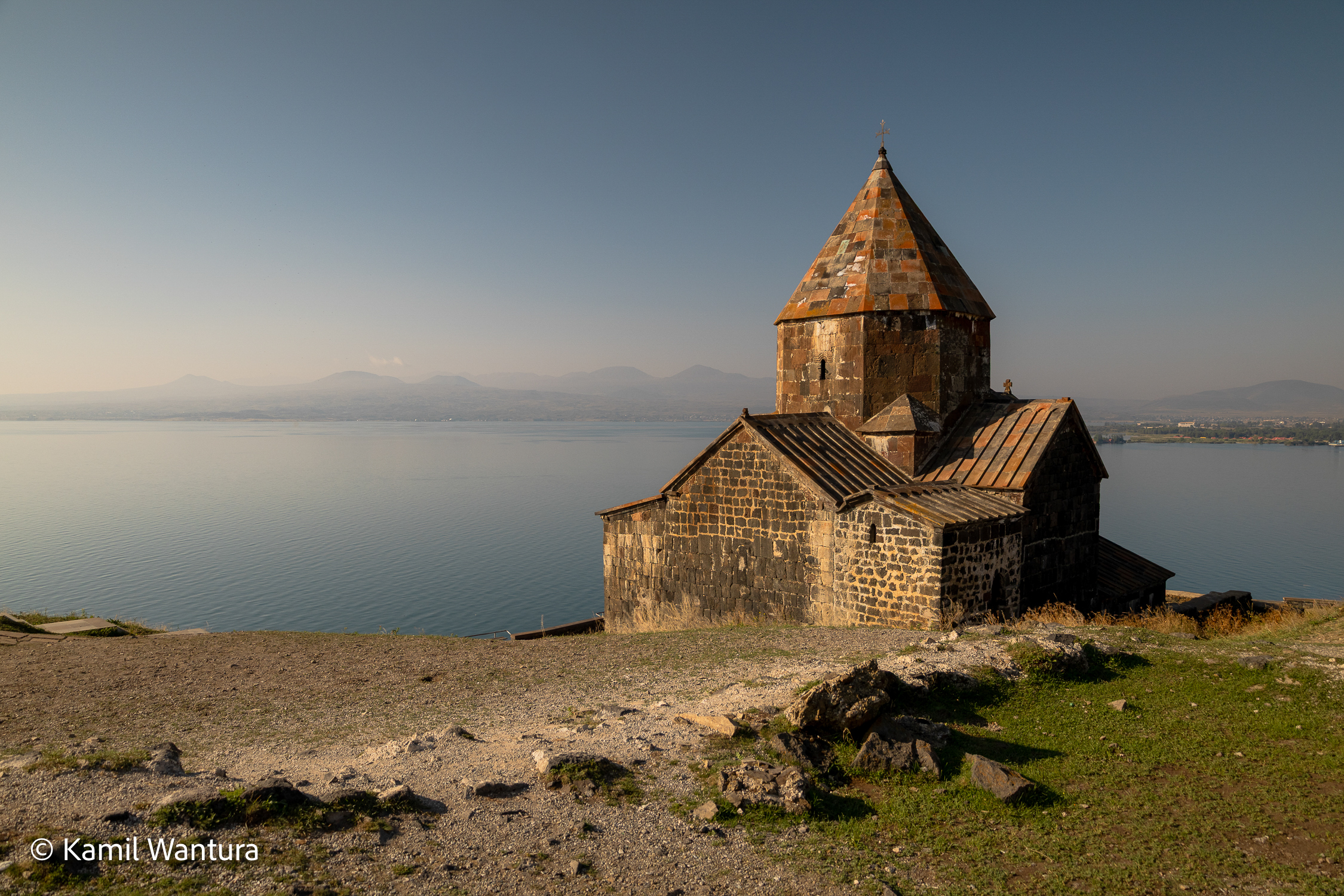
Sevanavank is a small monastic complex positioned on a peninsula overlooking the lake. The two surviving medieval churches are built from dark volcanic stone and sit above the water, creating a particularly photogenic setting. The climb to the monastery is short but involves a flight of steps, and the higher viewpoint gives a much better sense of the enormous scale of Lake Sevan.
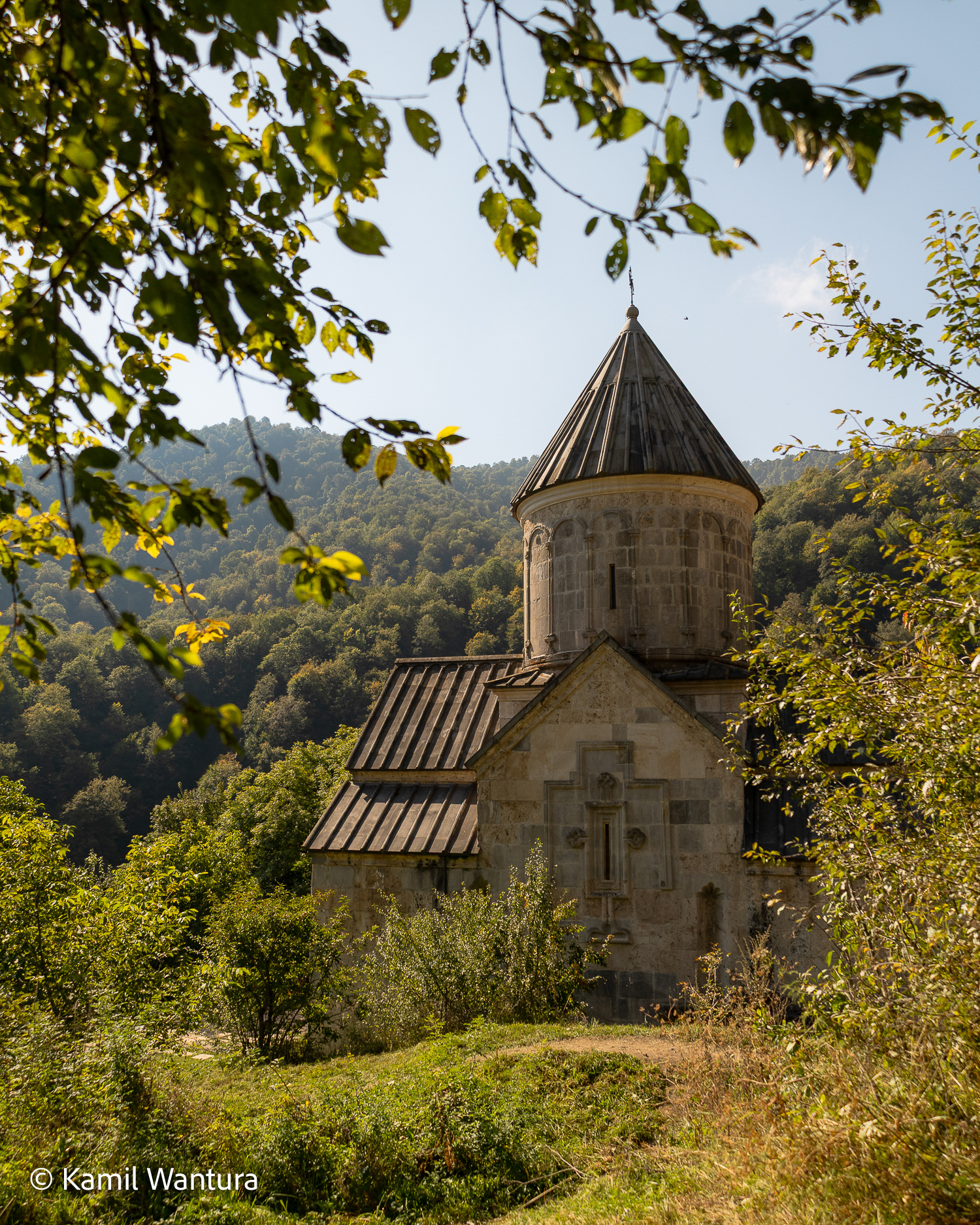
Haghartsin Monastery is hidden in a heavily forested mountain valley in northern Armenia. The setting feels completely different from the open landscapes around Lake Sevan. The medieval monastery complex contains several churches and other historic structures, surrounded by dense woodland and steep mountain slopes. The journey through the forested roads is part of what makes the stop memorable.
The trip was super nice. Our driver was very friendly and talked to us about the country along the way. We started around 8am and arrived in Tbilisi at approximately 4pm, making it roughly an eight hour journey.
Tbilisi Old Town (📍MAP)
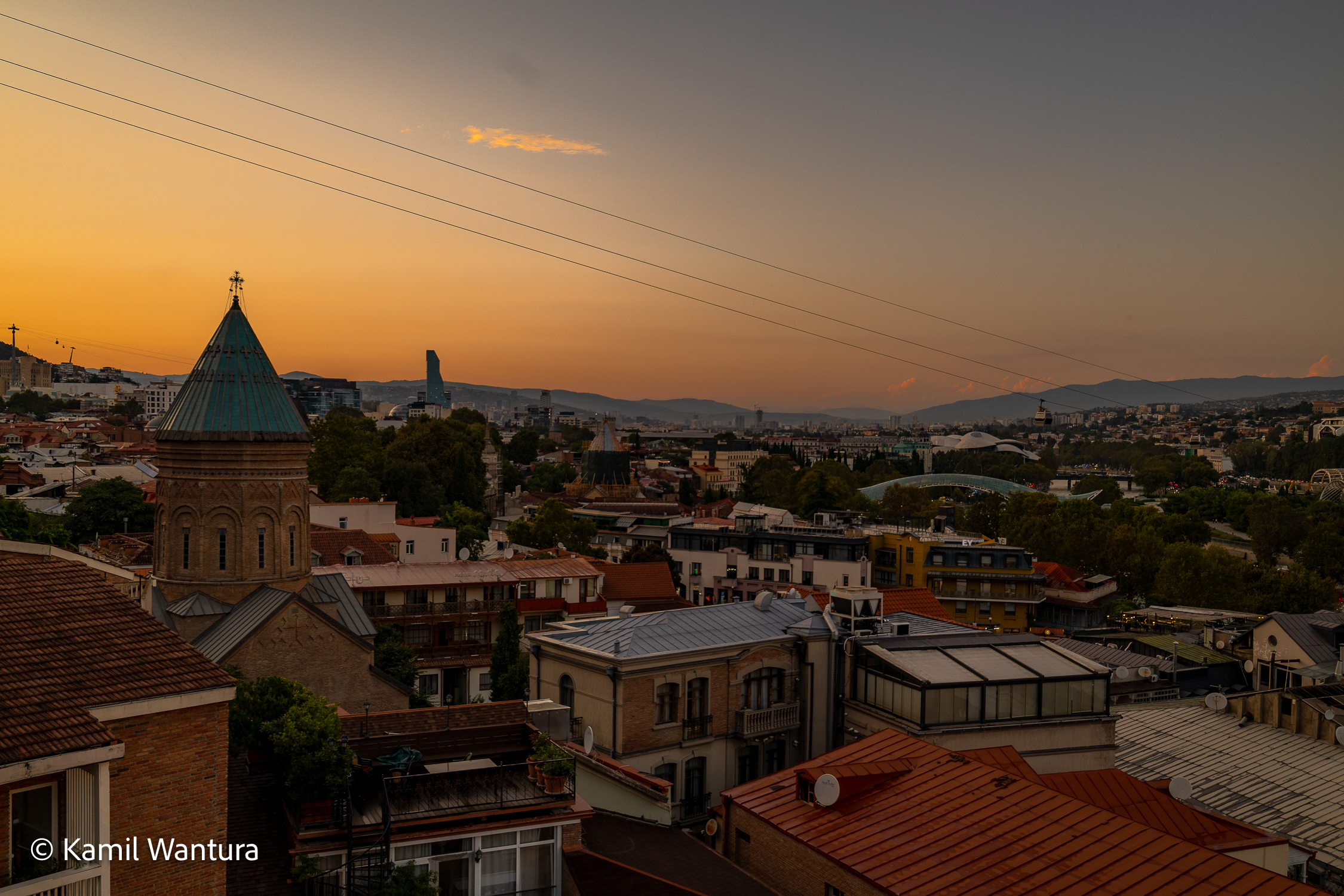
We checked into our aparthotel in the Old Town and went out to find a local restaurant for an early dinner, followed by a relaxing sunset view from the rooftop terrace.
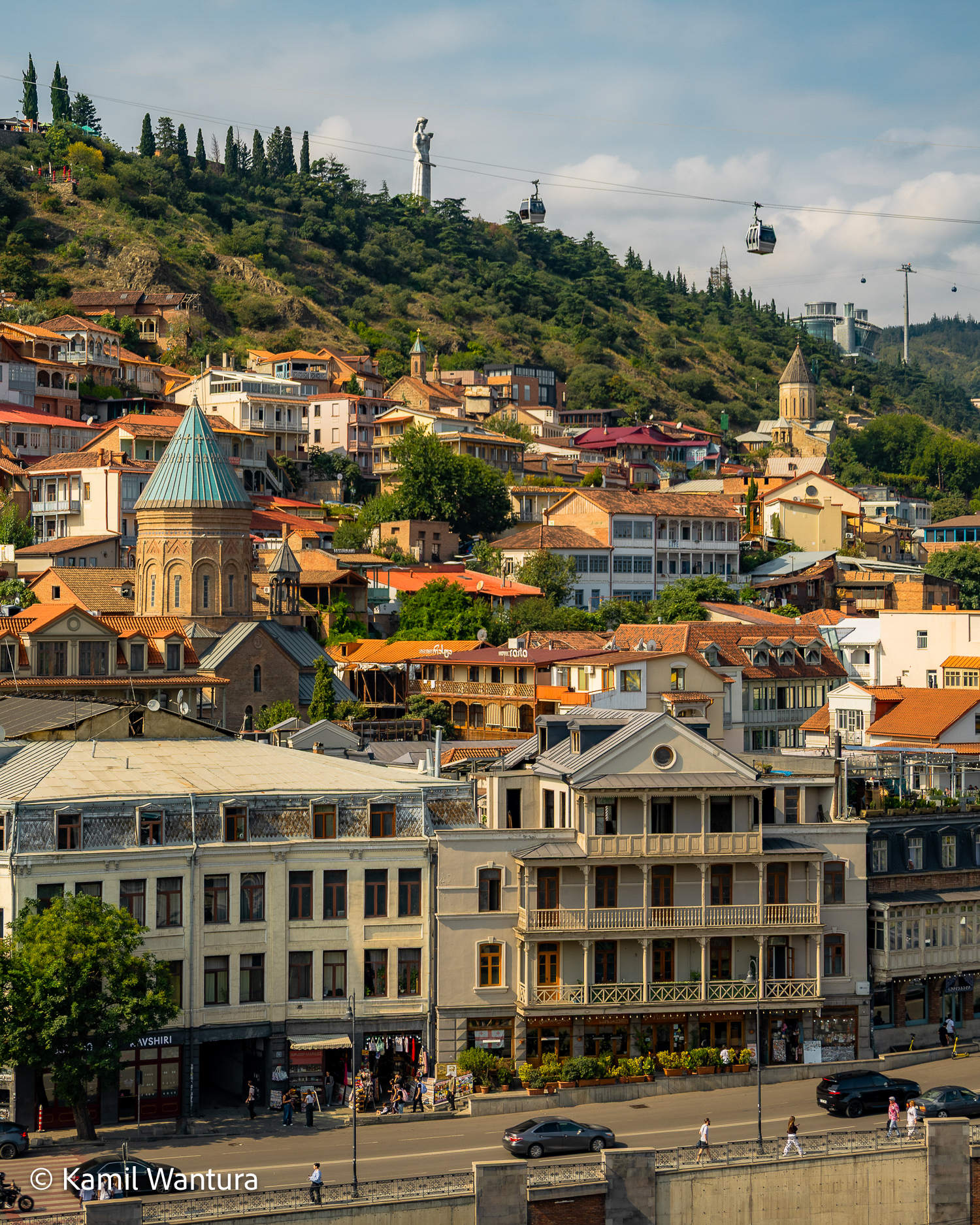
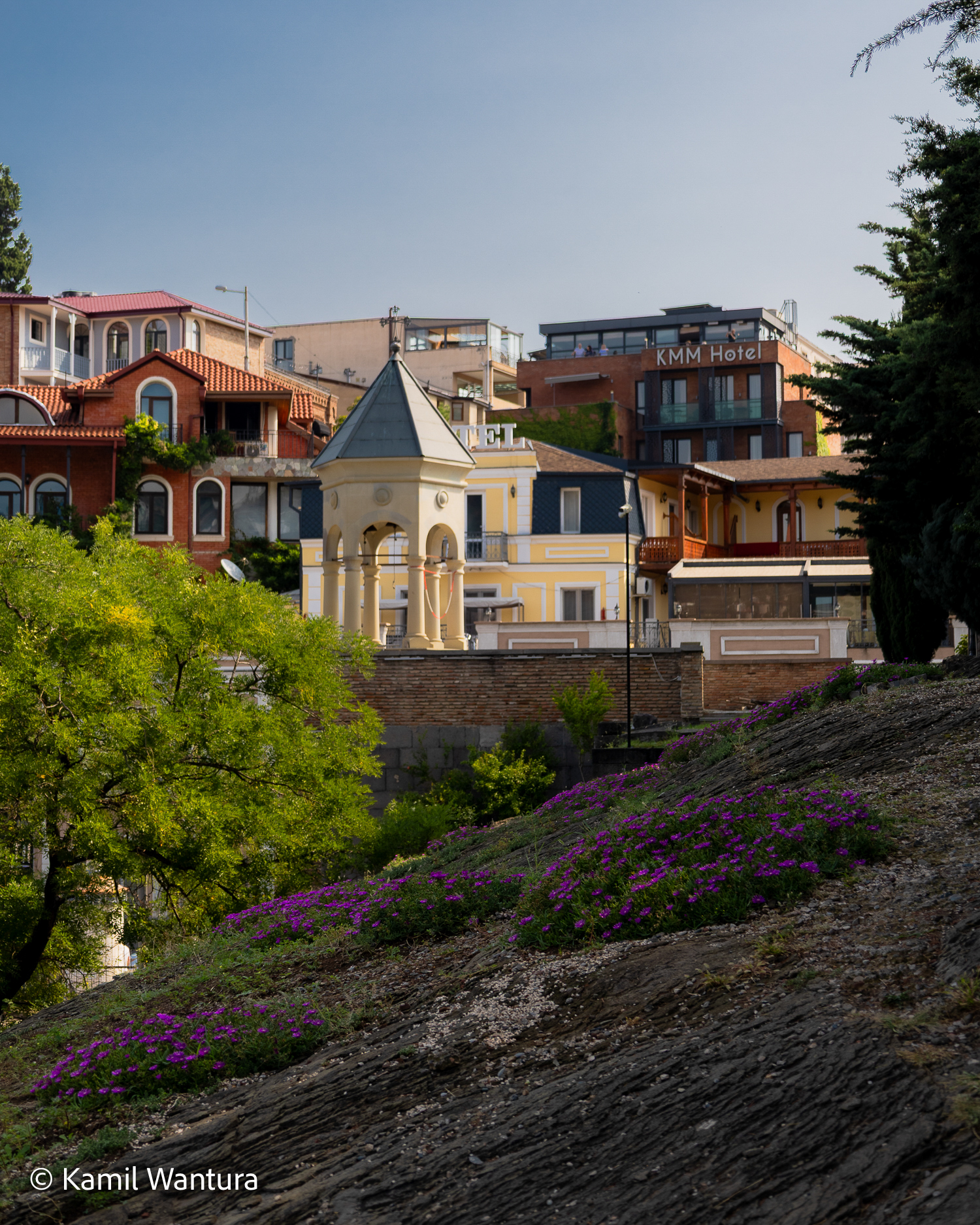
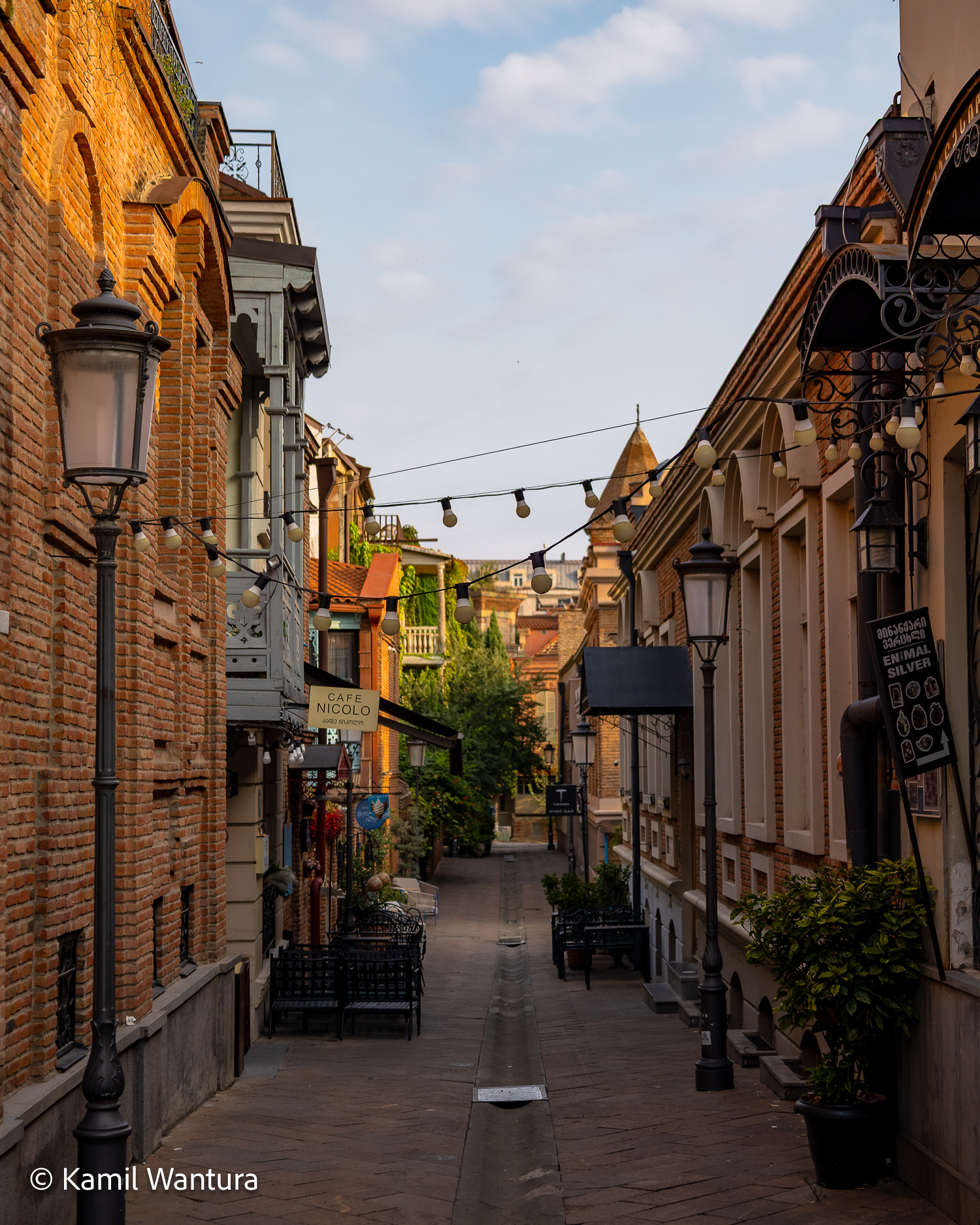
Tbilisi Old Town is the historic heart of Georgia’s capital and is known for its narrow streets, uneven cobblestones, colourful wooden balconies and buildings stacked across the hillsides. The area has a wonderfully mixed architectural character, with churches, mosques, old merchant houses, bathhouses and newer cafes all within a relatively compact area.
The neighbourhood is particularly enjoyable after sunset, when the streets become atmospheric and the illuminated buildings stand out against the surrounding hills. Staying in or close to the Old Town also makes it easy to explore many of the central sights on foot.
Day 5: Tbilisi Highlights
Tbilisi Old Town Landmarks (📍MAP)
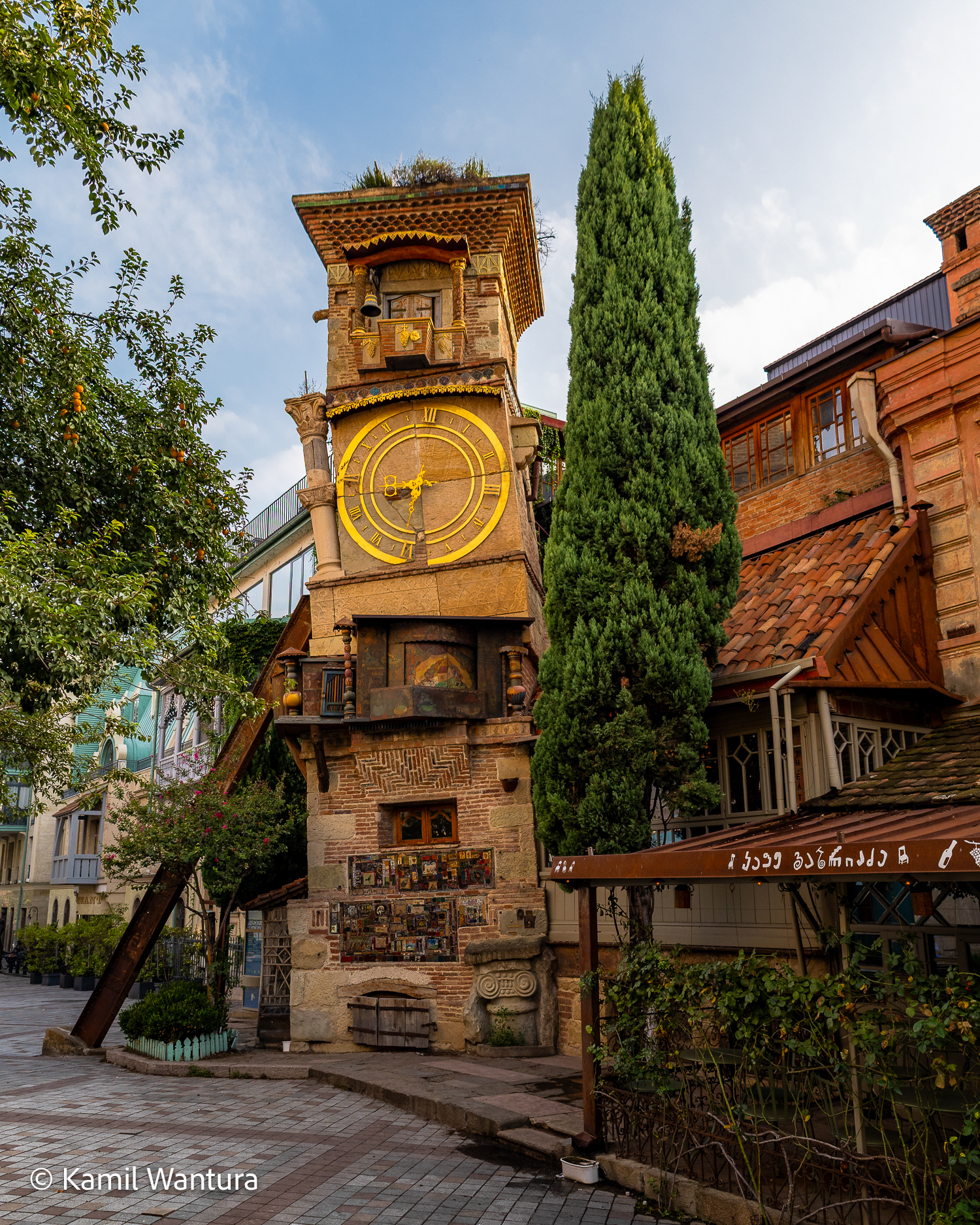
We woke up early to explore the city, starting with the Rezo Gabriadze Clock Tower and the Bridge of Peace before continuing towards the Tbilisi Juma Mosque and Leghvtakhevi Waterfall inside its urban canyon.
The Rezo Gabriadze Clock Tower is one of Tbilisi’s most distinctive modern landmarks. Its deliberately quirky appearance, uneven tower and colourful decorative details reflect the work of Georgian artist and puppeteer Rezo Gabriadze. The tower is attached to the Gabriadze Theatre and has become one of the city’s most photographed spots.
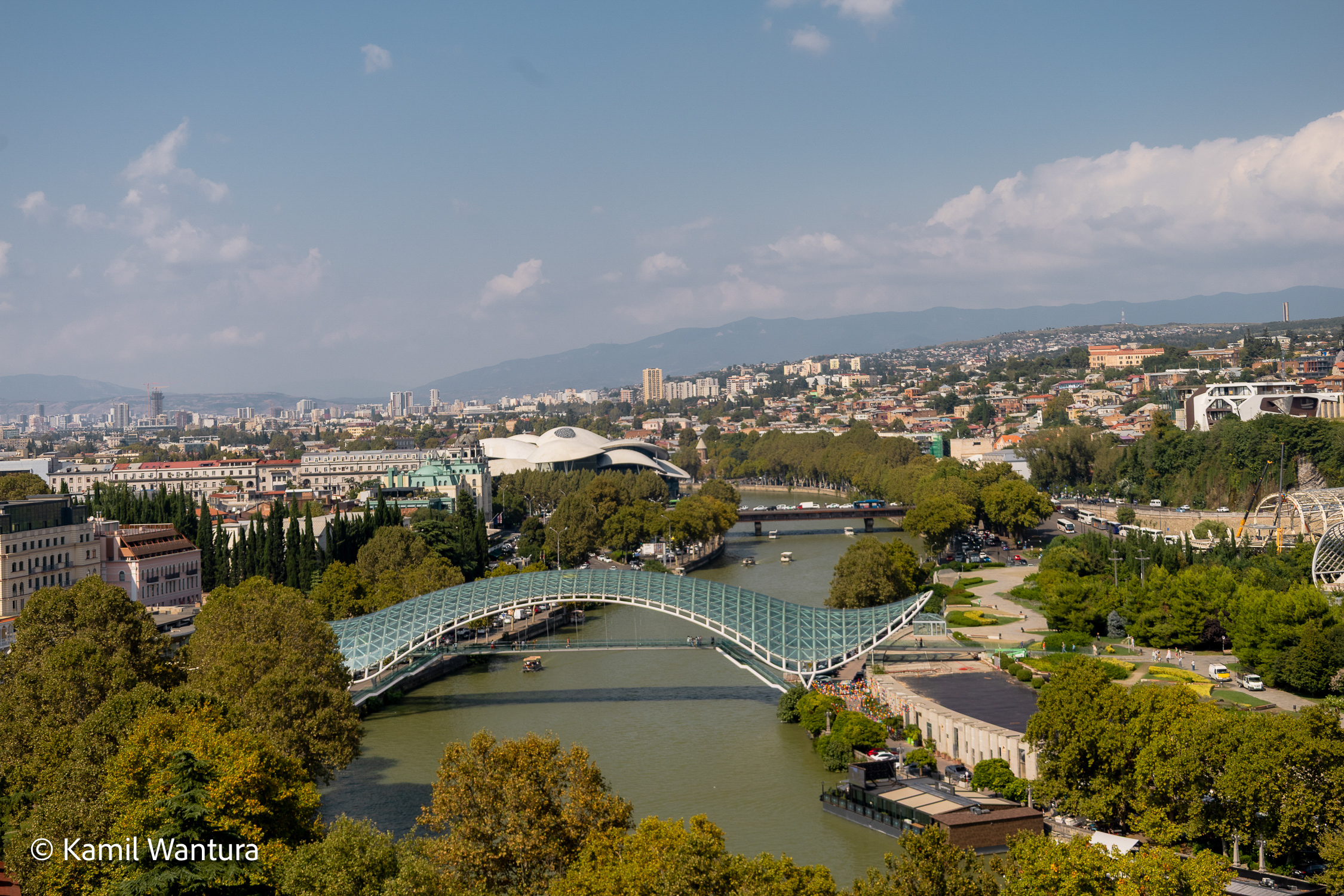
The nearby Bridge of Peace is a striking contemporary structure spanning the Mtkvari River. Its curved steel-and-glass design creates a deliberate contrast with the historic buildings of the Old Town. Walking across the bridge provides views along the river and towards several of Tbilisi’s surrounding hills.
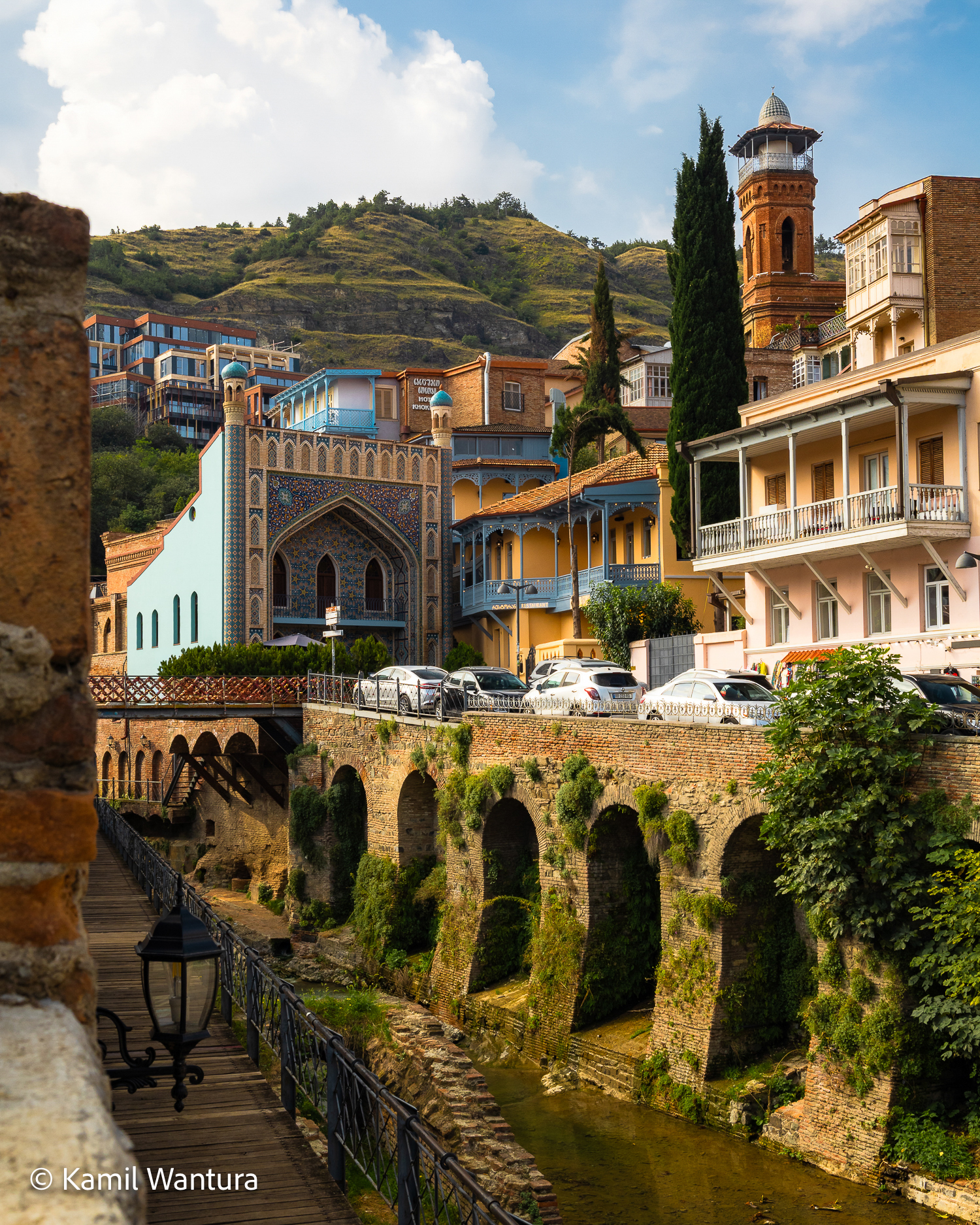
The Tbilisi Juma Mosque is unusual in that it has historically served Sunni Muslim communities in a city where different religious traditions have existed close together. Its striped exterior makes it visually distinctive, while its position below the Narikala Fortress area gives the surrounding neighbourhood a particularly atmospheric feel.
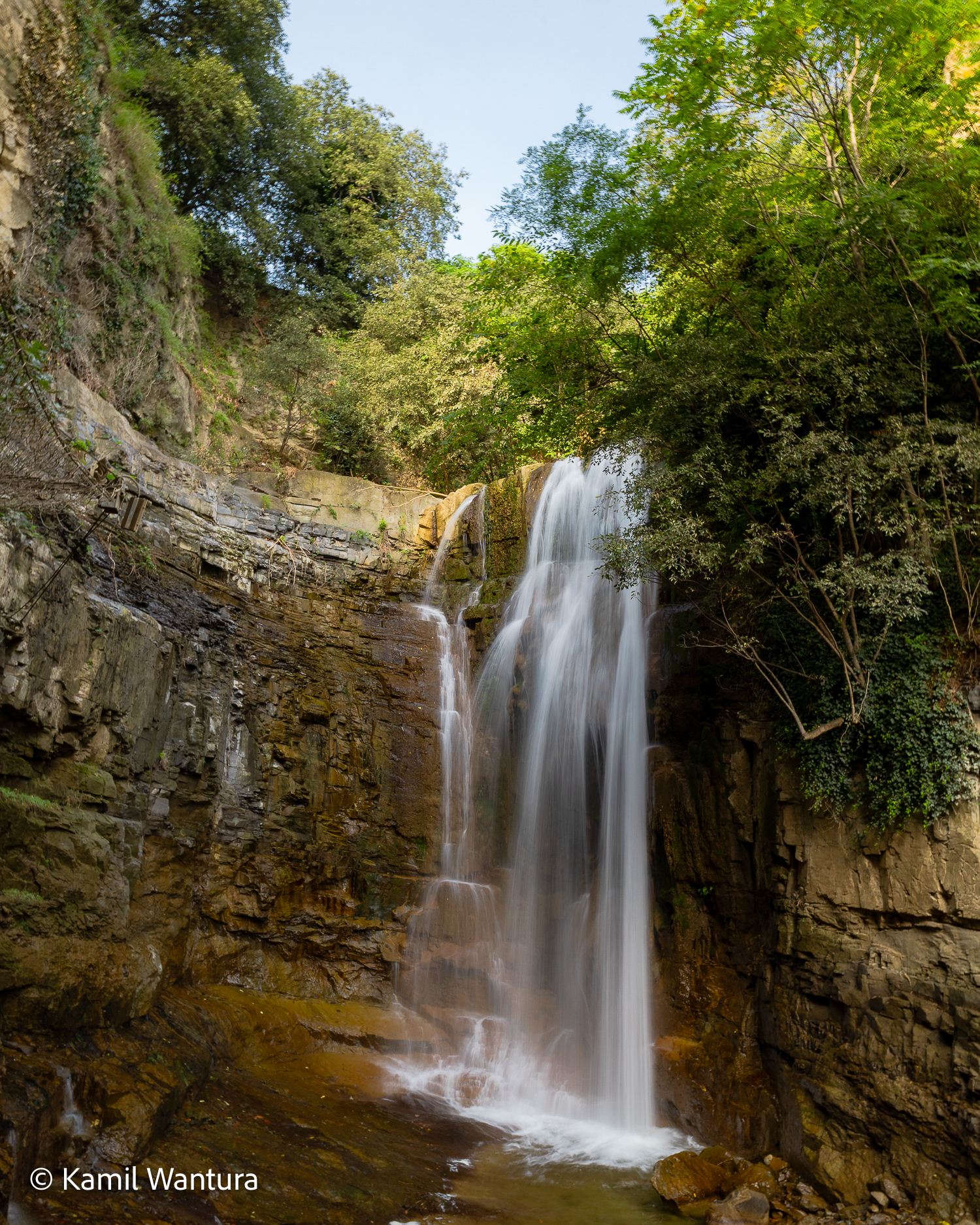
Leghvtakhevi Waterfall is one of the city’s most surprising sights because it is tucked into a narrow natural gorge just a short walk from the historic centre. The name is associated with the former fig-growing area of the city, and today the waterfall provides a peaceful escape from the busy streets around the Old Town.
Chronicles of Georgia (📍MAP) & Holy Trinity Cathedral (📍MAP)
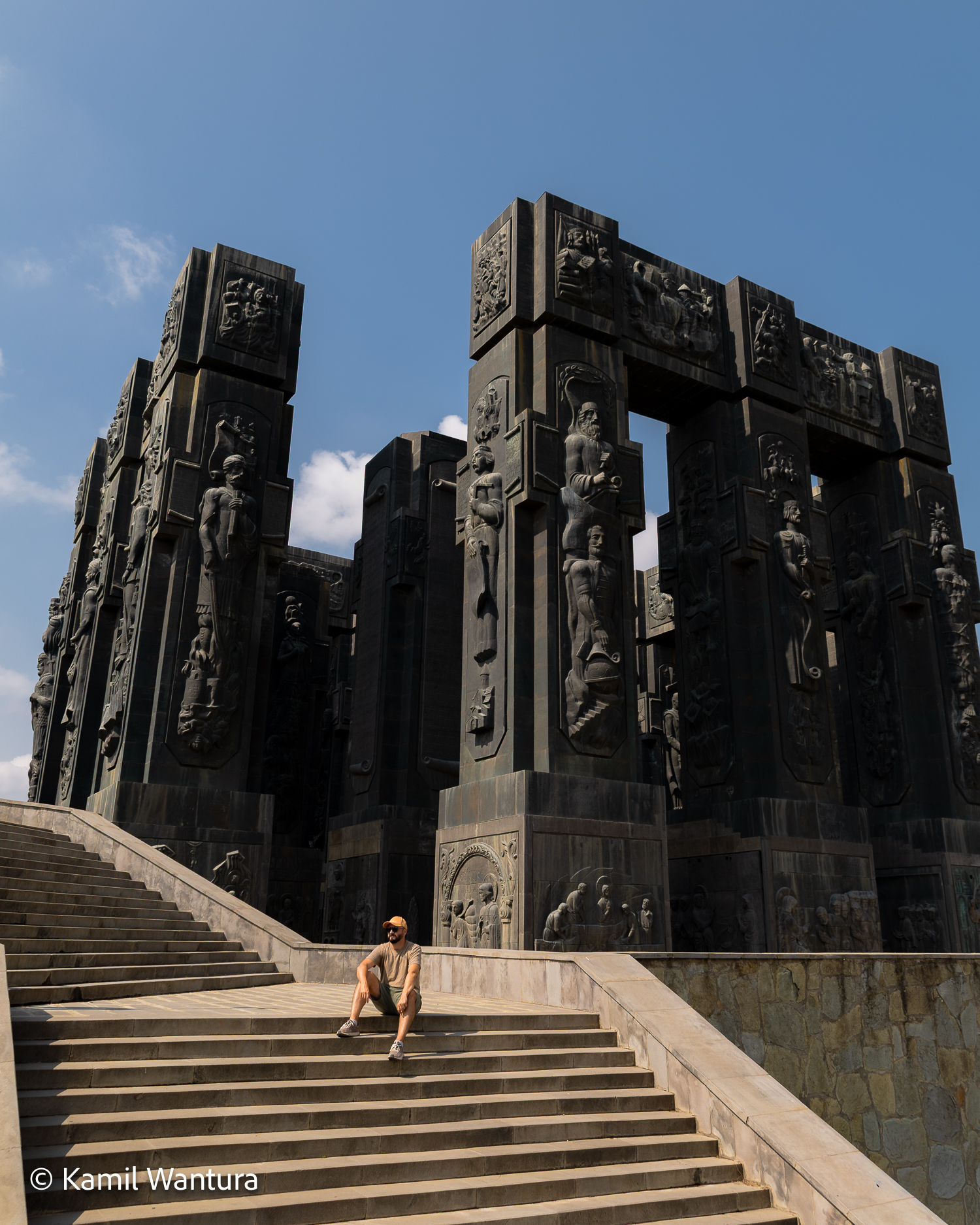
We took a Bolt ride to the Chronicles of Georgia monument, followed by a visit to the Holy Trinity Cathedral and a cable car ride to the Mother of Georgia monument for panoramic views.
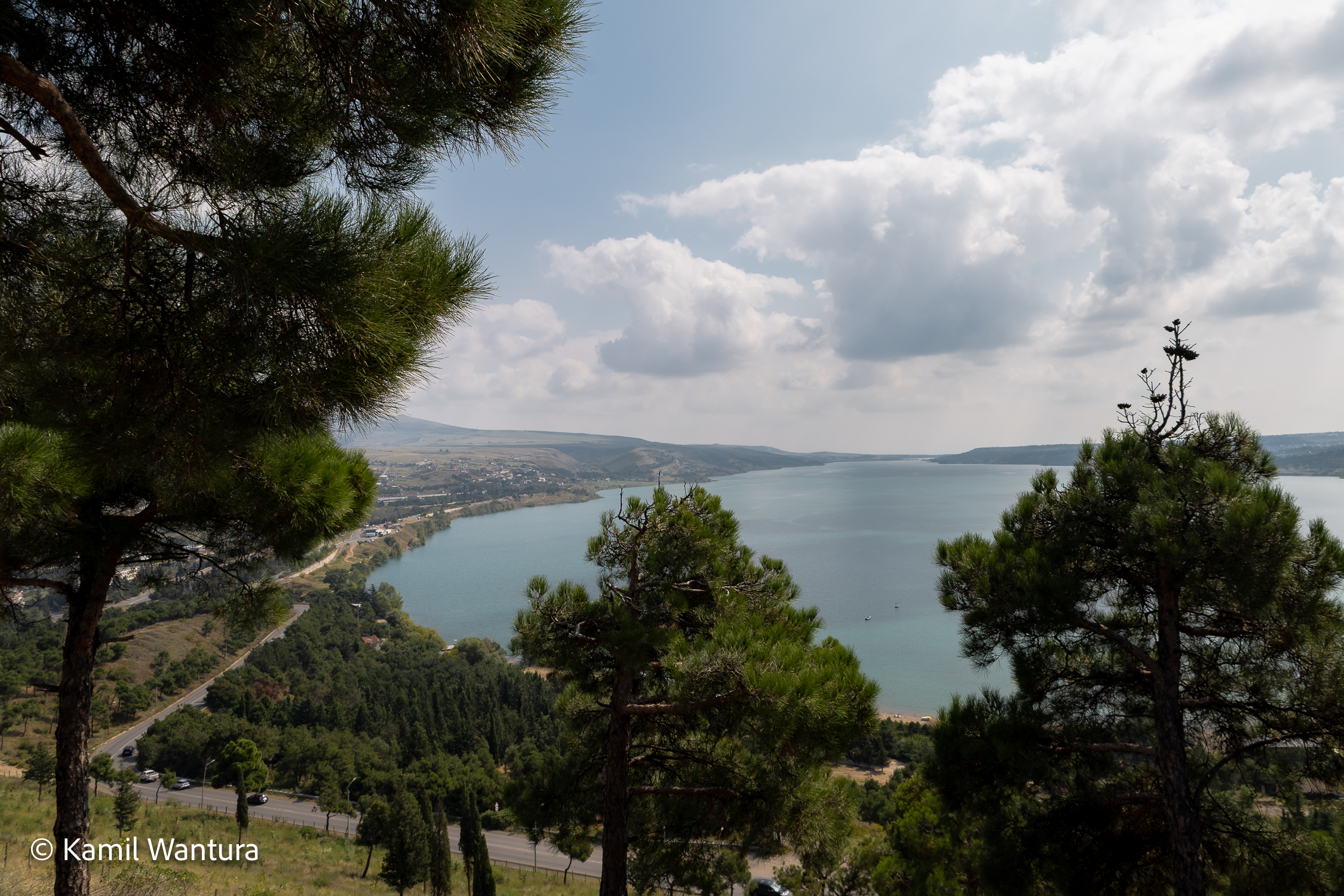
The Chronicles of Georgia is a monumental sculpture complex on a hill overlooking the Tbilisi Sea. Created in the Soviet period, the enormous stone columns are covered with reliefs depicting figures and scenes connected with Georgian history and culture. The scale of the monument is difficult to appreciate from photographs, and the elevated position also provides expansive views over the water and surrounding city.
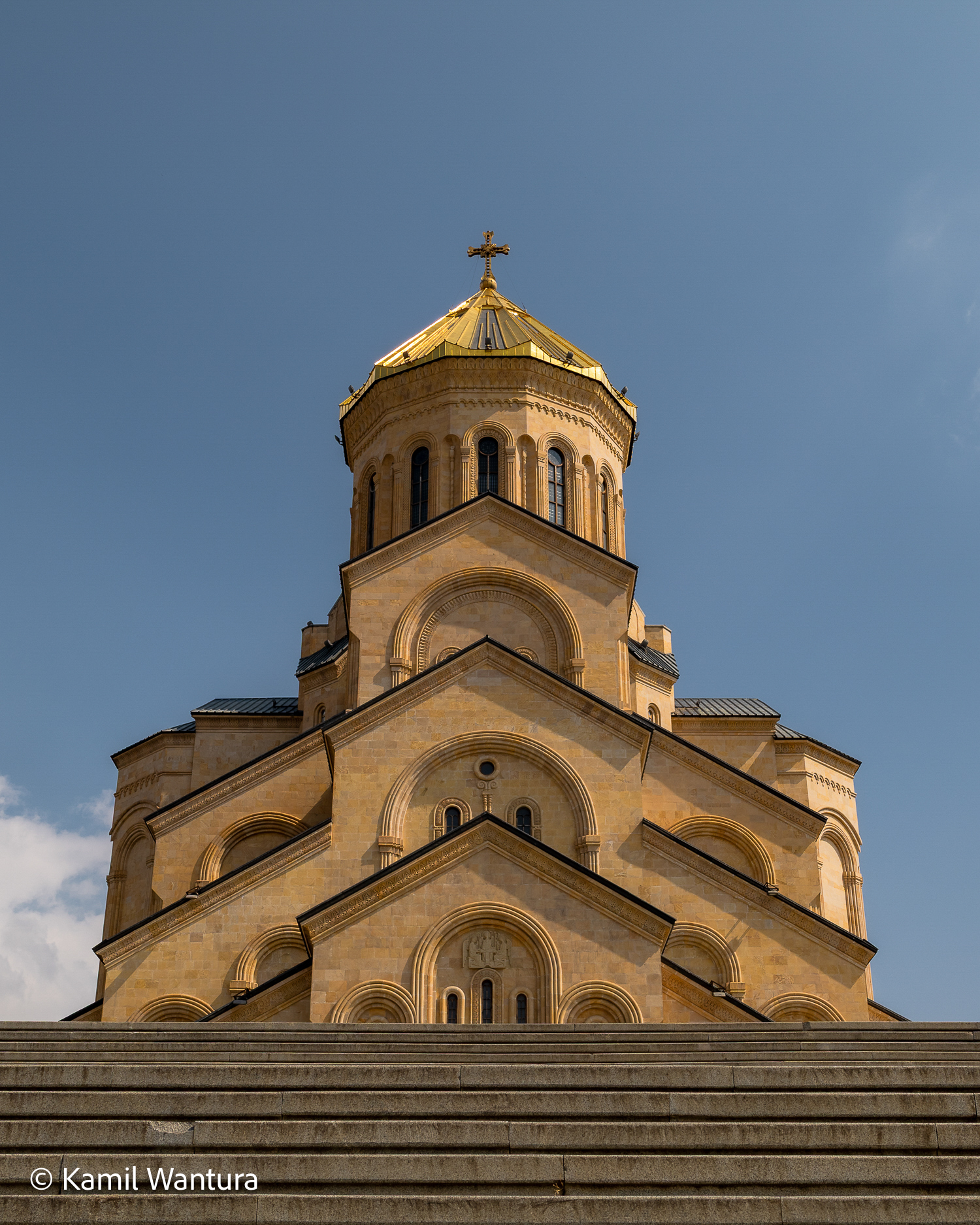
Holy Trinity Cathedral of Tbilisi, commonly known as Sameba, is one of the most prominent landmarks on the city’s skyline. Its large golden dome and traditional Georgian architectural elements can be seen from many parts of Tbilisi. The cathedral complex includes gardens and open courtyards, making it worth spending some time exploring beyond the main church.
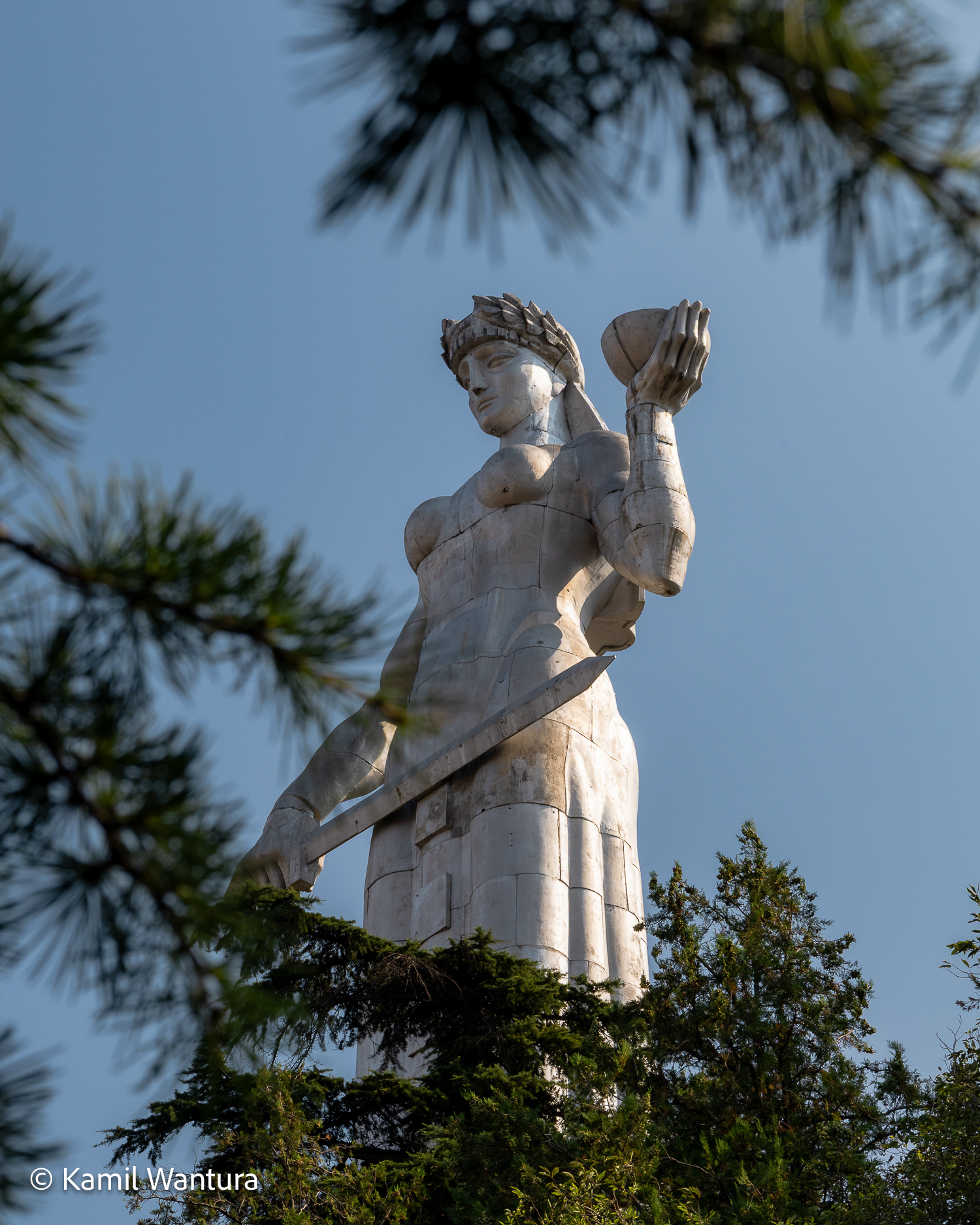
The Mother of Georgia statue stands on a hill overlooking the city and is one of Tbilisi’s best-known symbols. The aluminium figure holds a sword in one hand and a bowl of wine in the other, traditionally representing Georgia’s readiness to defend itself while welcoming guests. The nearby viewpoint gives a broad panorama across the Old Town and Mtkvari River.
Day 6: Kazbegi and Gergeti Trinity Church
Ananuri Fortress (📍MAP), Gudauri View Point (📍MAP) & Gergeti Trinity Church (📍MAP)
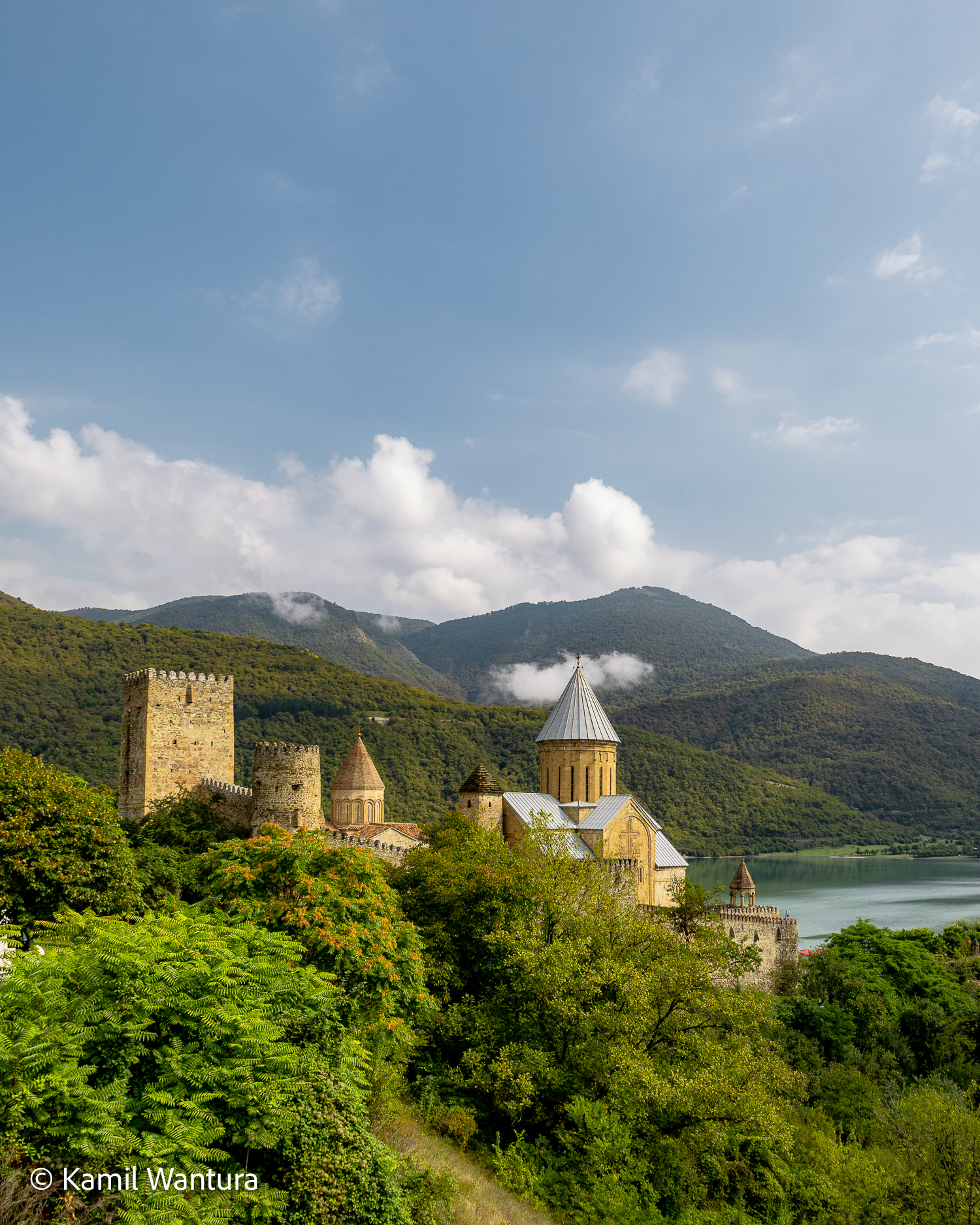
We booked a trip to Kazbegi with several stops along the way, starting near Avlabari Metro. We visited the Ananuri Fortress complex and the Gudauri View Point before reaching the picturesque Gergeti Trinity Church.
Ananuri Fortress is a historic fortified complex overlooking the Aragvi River and the turquoise waters of the Zhinvali Reservoir. The complex contains churches, defensive walls and towers and was associated with the Aragvi dynasty that controlled this strategically important area. The combination of stone fortifications and mountain scenery makes it one of the most photogenic stops along the Georgian Military Highway.
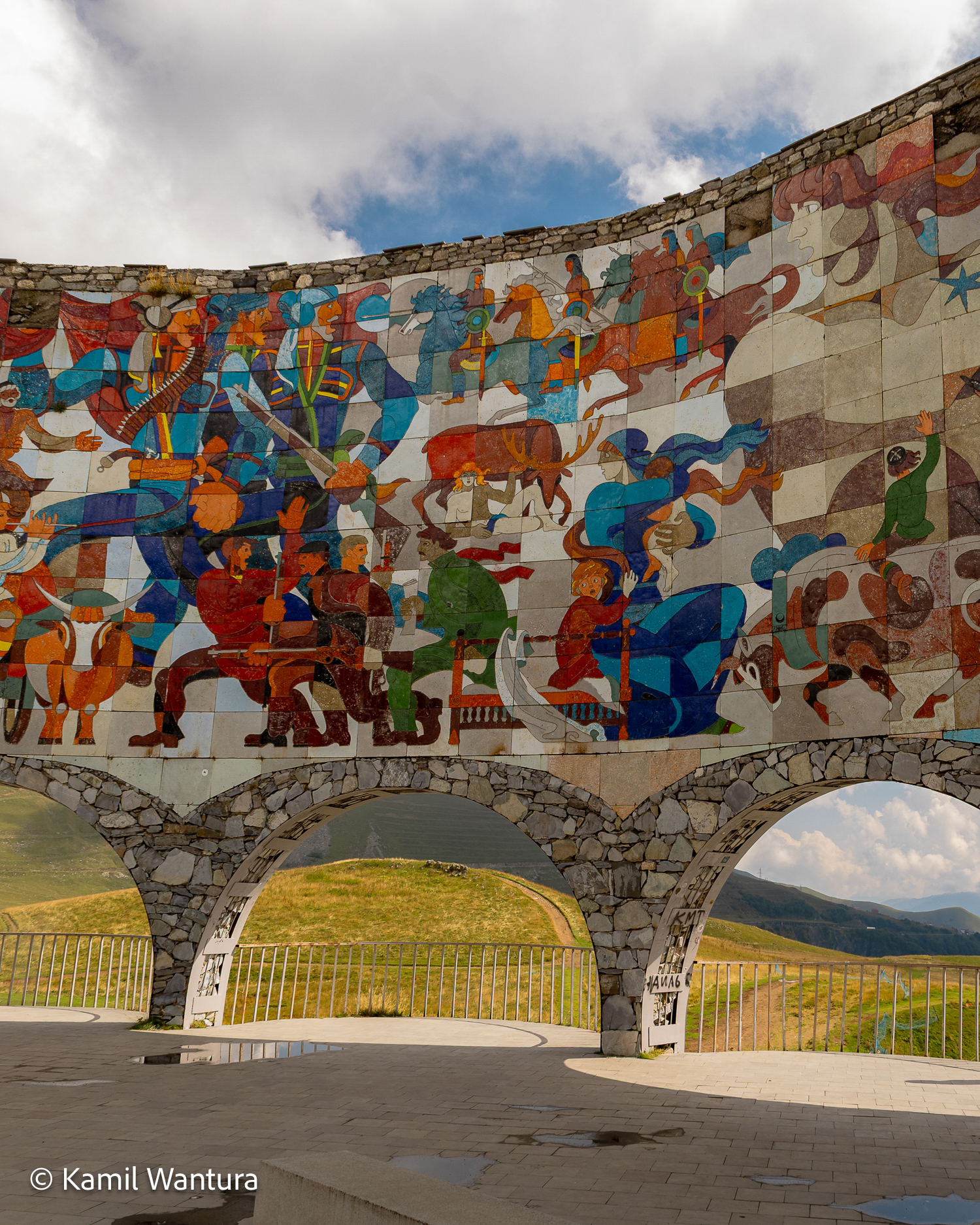
The road then climbs towards Gudauri, a mountain resort high in the Greater Caucasus. The Gudauri View Point is known for its enormous panoramic views over the surrounding valleys and mountains. The viewpoint is marked by a large semicircular mosaic monument dating from the Soviet period, which adds another layer of visual interest to the landscape.
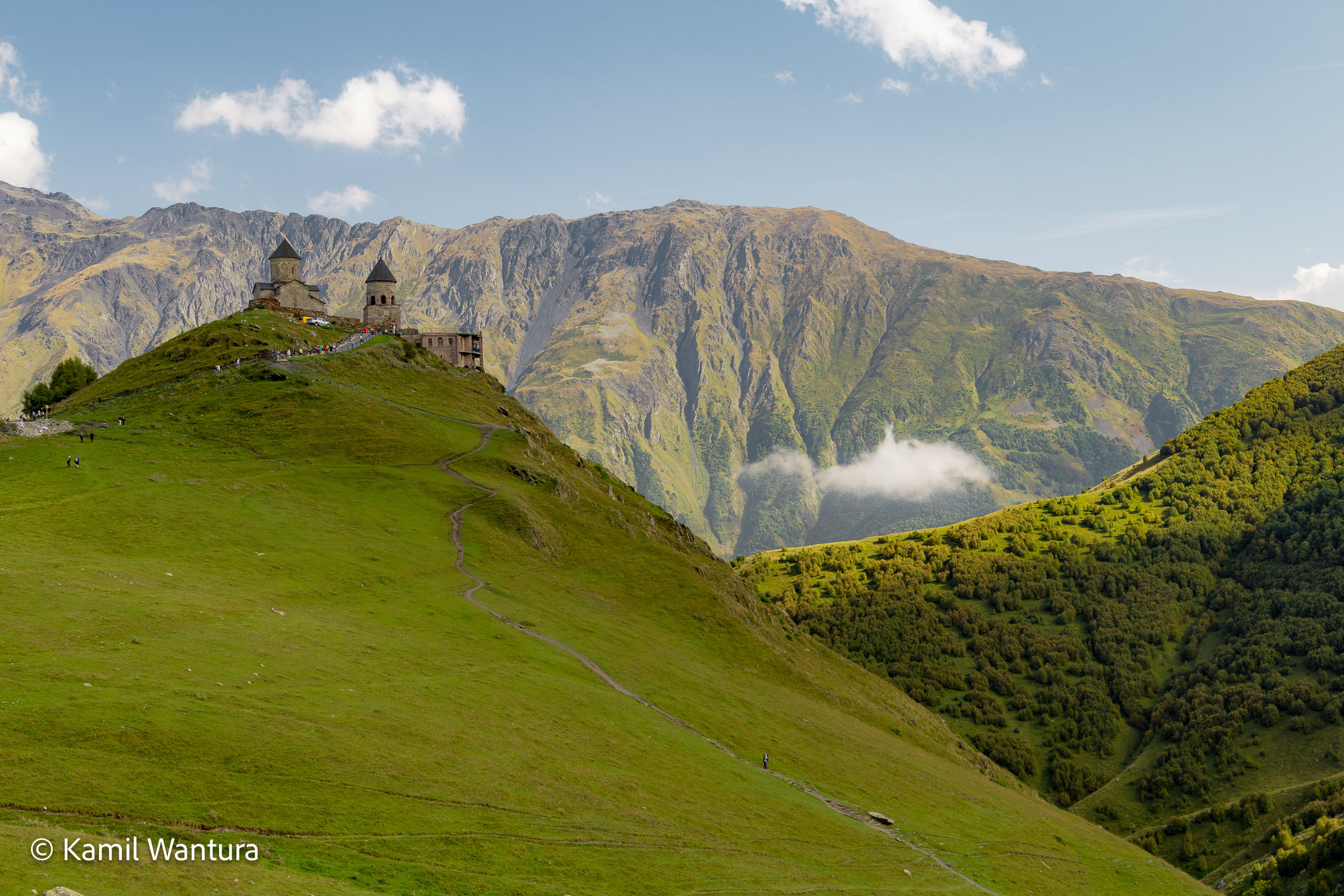
The final destination, Gergeti Trinity Church, sits dramatically on a mountain above the town of Stepantsminda. Built in the 14th century, the stone church has become one of Georgia’s most iconic sights because of its isolated position against the Greater Caucasus. On clear days, Mount Kazbek rises behind the church, creating the classic mountain panorama associated with the region.
The whole trip took around 10 hours, largely due to return traffic in Tbilisi, but it was a convenient way to experience the Georgian mountains.
Day 7: A Slow Final Day in Tbilisi
Tbilisi Old Town (📍MAP)
Heavy rain meant that we started the day very late. We went for our last brunch near the hotel and enjoyed khachapuri once again.
After brunch, the sun came back and we took some lovely walks around the city, using the rest of the day for last minute shopping and enjoying the atmosphere.
A slow final day works particularly well in Tbilisi because the historic centre is best experienced without constantly watching the clock. You can wander through the narrow streets around Abanotubani, stop at one of the city’s traditional sulphur bathhouses, browse small design shops and galleries, or simply sit at a cafe and watch daily life unfold.
The Abanotubani district is especially distinctive because of its traditional domed sulphur bathhouses. Tbilisi’s name is connected with the area’s naturally warm sulphur springs, which played an important role in the city’s historical development. Even if you do not visit a bathhouse, the brick domes and surrounding hillside make this one of the most recognisable parts of the Old Town.
For food, this is also a good opportunity to try some Georgian dishes you may have missed earlier in the trip. Alongside khachapuri, look out for khinkali, lobio, pkhali and grilled meats, as well as Georgian wines and local desserts.
Day 8: Departure
Tbilisi Airport Departure
An early morning flight back home. Bye Georgia!
Although the trip ends at the airport, the final morning is a reminder of how much variety fits into eight days. From Yerevan’s pink-stone streets and Armenia’s ancient monasteries to Lake Sevan, Tbilisi’s historic neighbourhoods and the mountains around Kazbegi, the itinerary combines cultural sights with some of the most dramatic landscapes in the South Caucasus.
THE ARMENIA & GEORGIA SURVIVAL & LOGISTICS GUIDE
Essential Ground Data for Travel & Photography Planning
Before setting off, travelling around Armenia and Georgia is relatively straightforward with some planning. This route combines city walking, long organised excursions and private transfers, so understanding the transport rhythm is useful.
1. TRANSPORT BETWEEN CITIES
For this itinerary, private taxis and organised transfers made it possible to combine sightseeing with the longer journeys between destinations.
- Yerevan arrival: An hourly official taxi allowed us to combine airport pickup with sightseeing.
- Yerevan day trips: Yandex was convenient for the independent trip to Garni.
- Yerevan to Tbilisi: A private transfer with sightseeing stops at Lake Sevan and Haghartsin worked well.
- Tbilisi: Bolt was useful for longer rides around the city.
- Kazbegi: An organised day trip avoided the need to rent a car for the mountain route.
2. ALLOW EXTRA TIME FOR TRAFFIC
City traffic can make transfers considerably slower, particularly around Yerevan and Tbilisi. Our Yerevan to Tbilisi transfer took around eight hours, while the Kazbegi excursion took around ten hours partly because of traffic on the return to Tbilisi.
3. CITY WALKING
Both Yerevan and Tbilisi are enjoyable cities to explore on foot. Central Yerevan offers Soviet era architecture, murals and monumental landmarks, while Tbilisi combines an old historic centre with churches, modern monuments and dramatic hills.
4. ORGANISED TOURS
Long distance day tours are particularly useful for Khor Virap, Noravank and Jermuk in Armenia, and for Kazbegi in Georgia. These places cover substantial distances and a tour removes the need to organise multiple separate transport connections.
5. ACCOMMODATION
We stayed centrally in both capitals: an apartment in Yerevan city centre and an aparthotel in Tbilisi Old Town. This made it easier to return to the accommodation between walks and longer excursions.
6. CONNECTIVITY & MOBILE SETUP
Reliable mobile data is invaluable for navigation, ride sharing apps and checking attraction opening times.
The easiest option is purchasing an eSIM before travelling. Download the Airalo app and activate your eSIM before arriving in the region.
Get GBP £2.50 off your first eSIM purchase with Airalo by using code KAMIL9100 when signing up or at checkout.
7. PHOTOGRAPHY & WEATHER
The route offers a strong mix of architecture and landscapes. Keep some flexibility in the mountain days because weather around Kazbegi can change quickly. Comfortable walking shoes sare useful for city streets, monasteries and uneven historic sites.
Quick Reference Travel Checklist
| Category | Action Item & Recommendation |
|---|---|
| Airport Arrival | Use an official taxi and consider an hourly booking if you want to add sightseeing. |
| Day Tours | Reserve the Armenia and Kazbegi excursions in advance. |
| City Transport | Use Yandex in Yerevan and Bolt in Tbilisi for independent rides. |
| Long Transfers | Allow extra time for traffic between and inside the cities. |
| Mobile Data | Install an eSIM before departure. Use reference code KAMIL9100 for discounts with Airalo. |
| Walking | Bring comfortable footwear for long city walks and historic sites. |
| Mountain Trip | Carry an extra layer for Kazbegi and allow for changing weather. |
| Photography | Keep batteries and storage ready for the long sightseeing days. |
| Food | Leave room in the itinerary to try local Armenian and Georgian dishes, including khachapuri. |
