
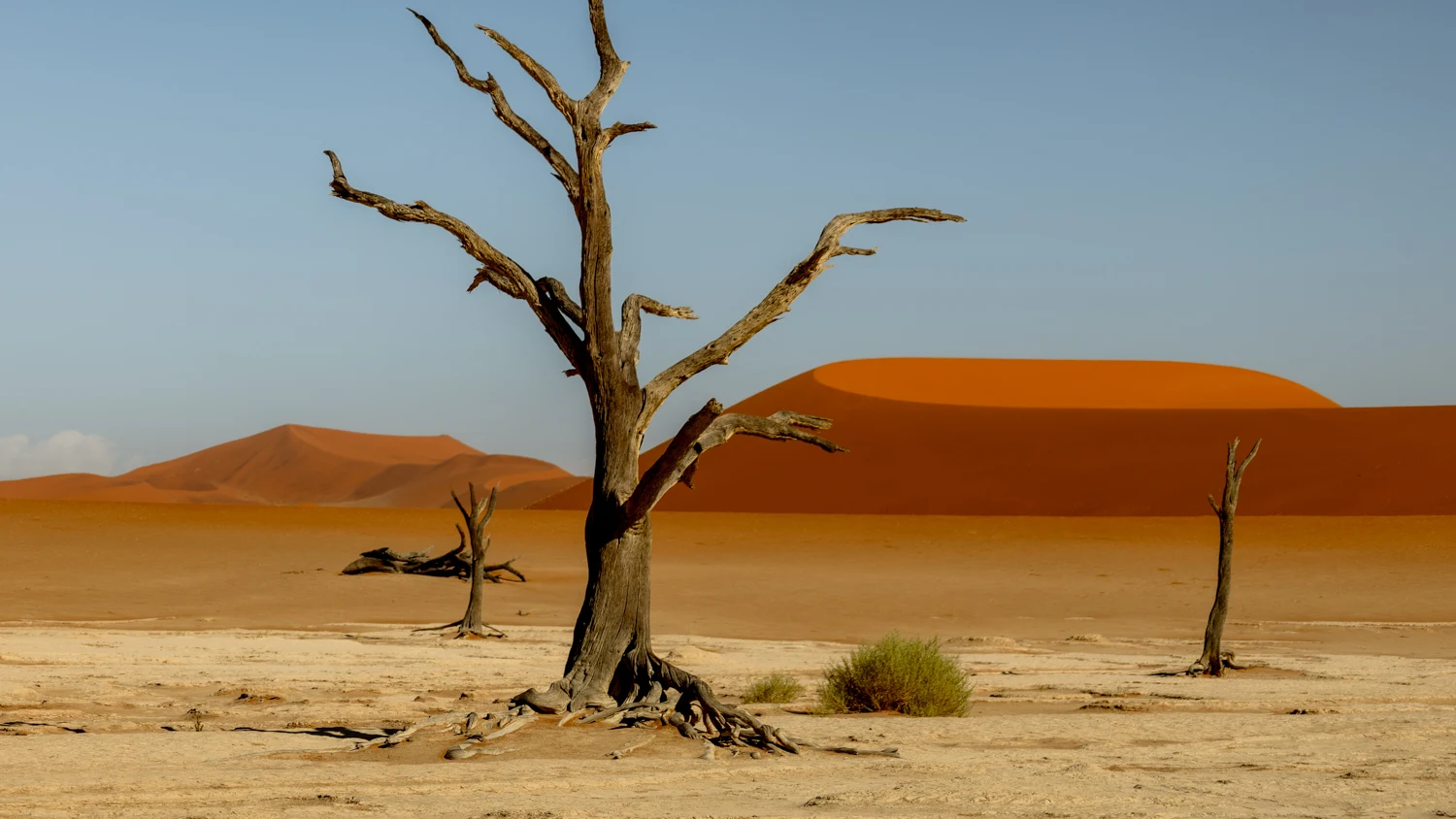

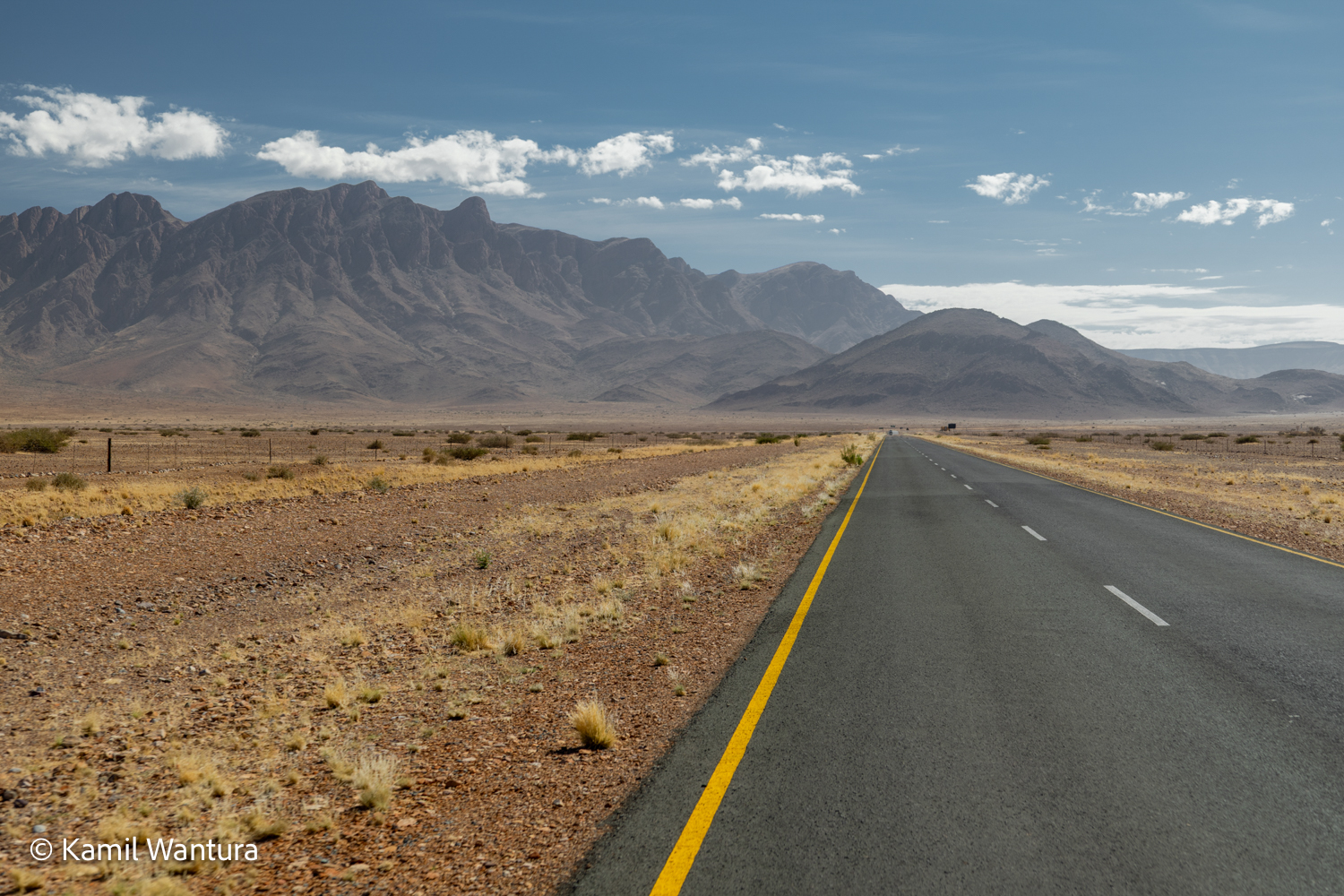
Driving through southern Namibia is one of those experiences that is difficult to put into words. I loved the feeling of being out on the open road, with huge stretches of empty landscape around me and very little to distract from the scenery. The red dunes of the Namib Desert were a real highlight, especially in the changing light, but I also enjoyed the quieter moments, driving through the vast, almost completely empty landscapes and stopping wherever the scenery caught my eye. What makes southern Namibia so special for me is the sense of space. The roads seem to disappear into the distance, the landscapes feel almost untouched, and there is a real feeling of freedom as you drive from one place to the next. From the dramatic desert scenery to the wind swept remains of historic ghost towns, it is the kind of journey I found myself enjoying as much for the driving and photography as for the places themselves.
TRAVEL & PHOTO CONDITIONS
| Time | December 2025 |
|---|---|
| Weather | Very Dry | Sunny ☀ |
| Temperature | 26 to 34 °C |
| Photo Potential | |
| Physical Difficulty | |
| Accessibility | |
| Crowd Level | |
| Value for Money |
TRIP ESSENTIAL BOOKINGS
ENTRANCE VISA
ACCOMMODATION
Ad / Affiliate links | Find your accommodation with Booking.com
CAR RENTAL & BORDER CROSSING
When driving a vehicle from South Africa into Namibia, you must pay a Cross Border Charge (CBC). Both South African Rand (ZAR) and Namibian Dollars (NAD) are accepted at a 1:1 fixed rate. It is highly recommended to carry physical cash for this fee, as border post card machines frequently lose network connection. If you are towing a trailer or caravan, a separate additional road fee will be charged. Finally, a black-and-white ZA country sticker must be clearly visible on the rear of your vehicle.
THE 7 DAY PHOTOGRAPHY ITINERARY ACROSS NAMIBIA
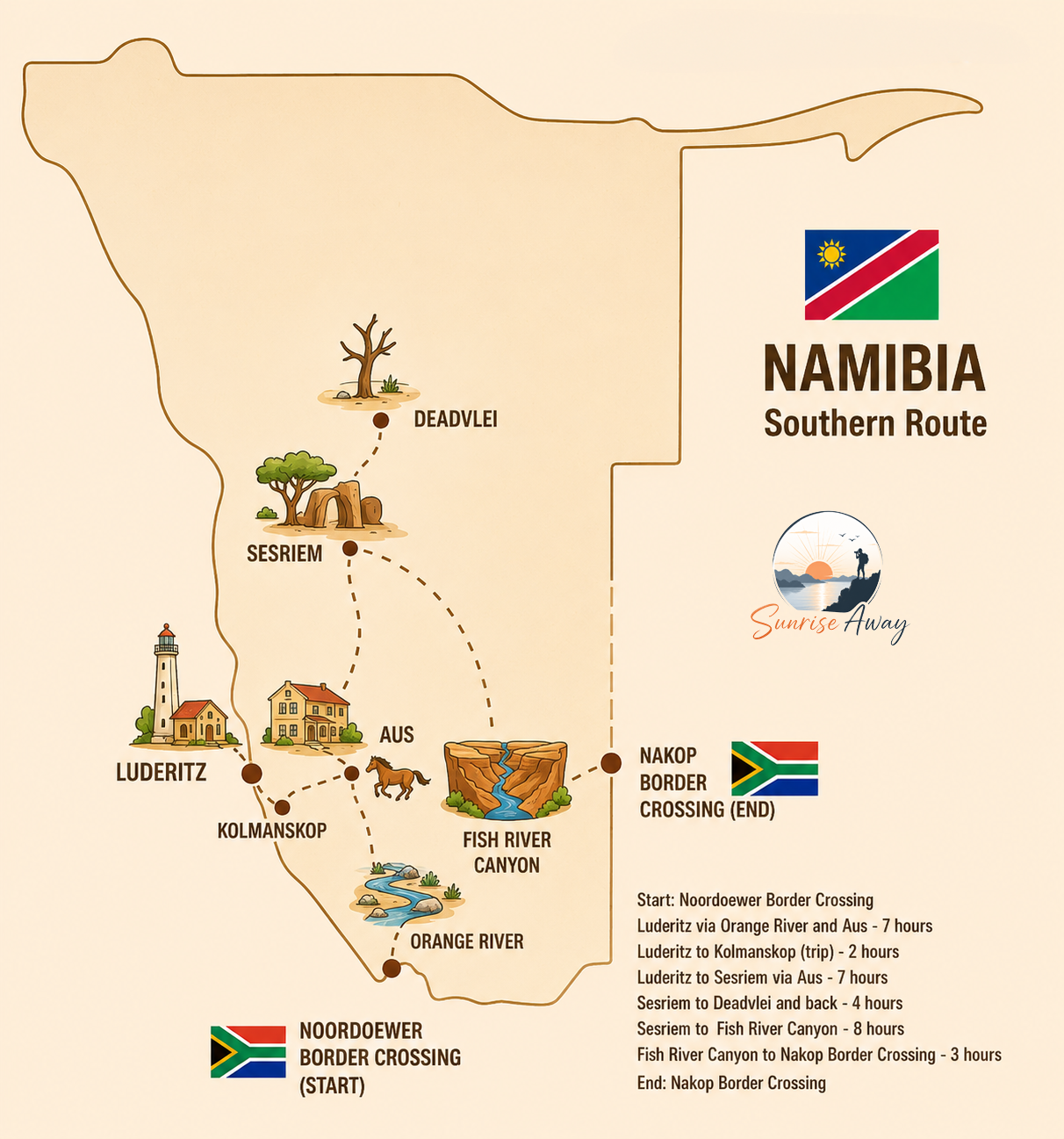
Southern Namibia was one of those journeys where I enjoyed the road as much as the places I was driving to. Over seven days, I travelled through some incredibly remote landscapes, from the towering red dunes of Sossusvlei to the eerie remains of Kolmanskop on the Atlantic coast. The scenery changes constantly, but there is always that same feeling of space and isolation. There is quite a lot of driving involved, often on long stretches of gravel road, so having a reliable four wheel drive makes a big difference. I also found the journey physically manageable, although there are some walks across soft sand, dry clay pans and canyon landscapes. For me, that effort was more than worth it. There were very few people around, and I could often stop and enjoy the landscape without seeing anyone else for miles. What I enjoyed most was the freedom of it all. This is a trip for people who like taking their time, getting off the main tourist route and spending hours photographing the landscape. The light, the colours and the sheer emptiness make southern Namibia particularly rewarding for photography, but even without a camera, it is hard not to be affected by the scale and quietness of the place.
Day 1: The Journey North
Cape Town to Noordoewer (📍MAP)
An early morning start (around 8am) for an 8-hour drive to reach the Noordoewer border crossing.
The border crossing was quick for us, but ensure that you have all documents with you, especially your visa for Namibia and all car documentation for the border crossing.
There is an option to purchase an entry visa at the border, but I chose the e-visa instead for some peace of mind.
When driving a vehicle from South Africa into Namibia, you must pay a Cross Border Charge (CBC). South African Rand (ZAR) and Namibian Dollars (NAD) are accepted at a 1:1 rate. Cash is highly recommended because card machines at border posts frequently lose connection. A separate additional fee is charged if you are towing a trailer or caravan. A ZA sticker must be visible on the back of your vehicle.
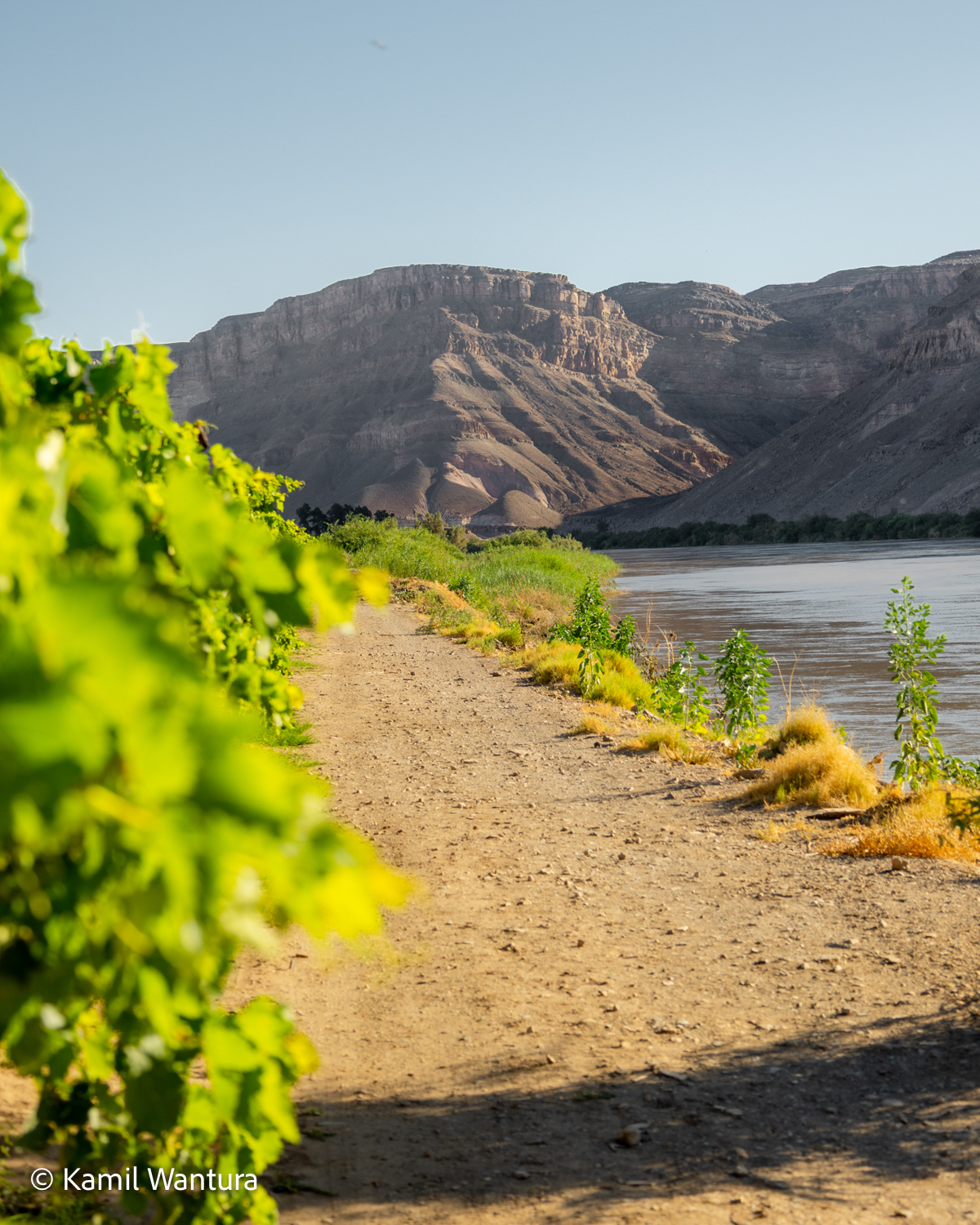
Sleep: Our first night was spent at Noordoewer, staying at Noordoewer Guesthouse and overlooking the Orange River. Such a calm and relaxing place with beautiful vineyards all around.
Day 2–3: Luderitz & The Ghost Town
Day 2: Coastal Transitions
Orange River to Luderitz (📍MAP)
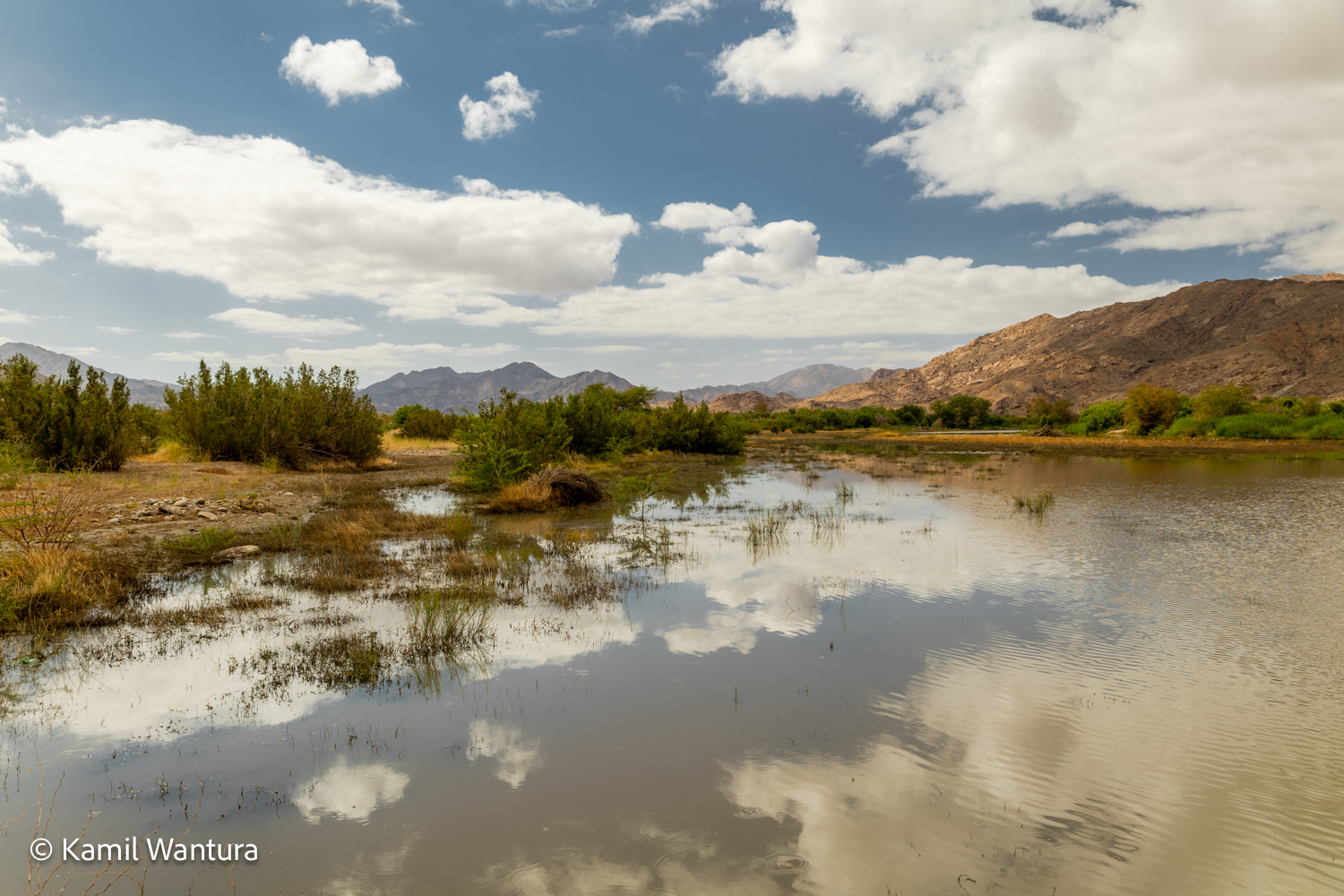
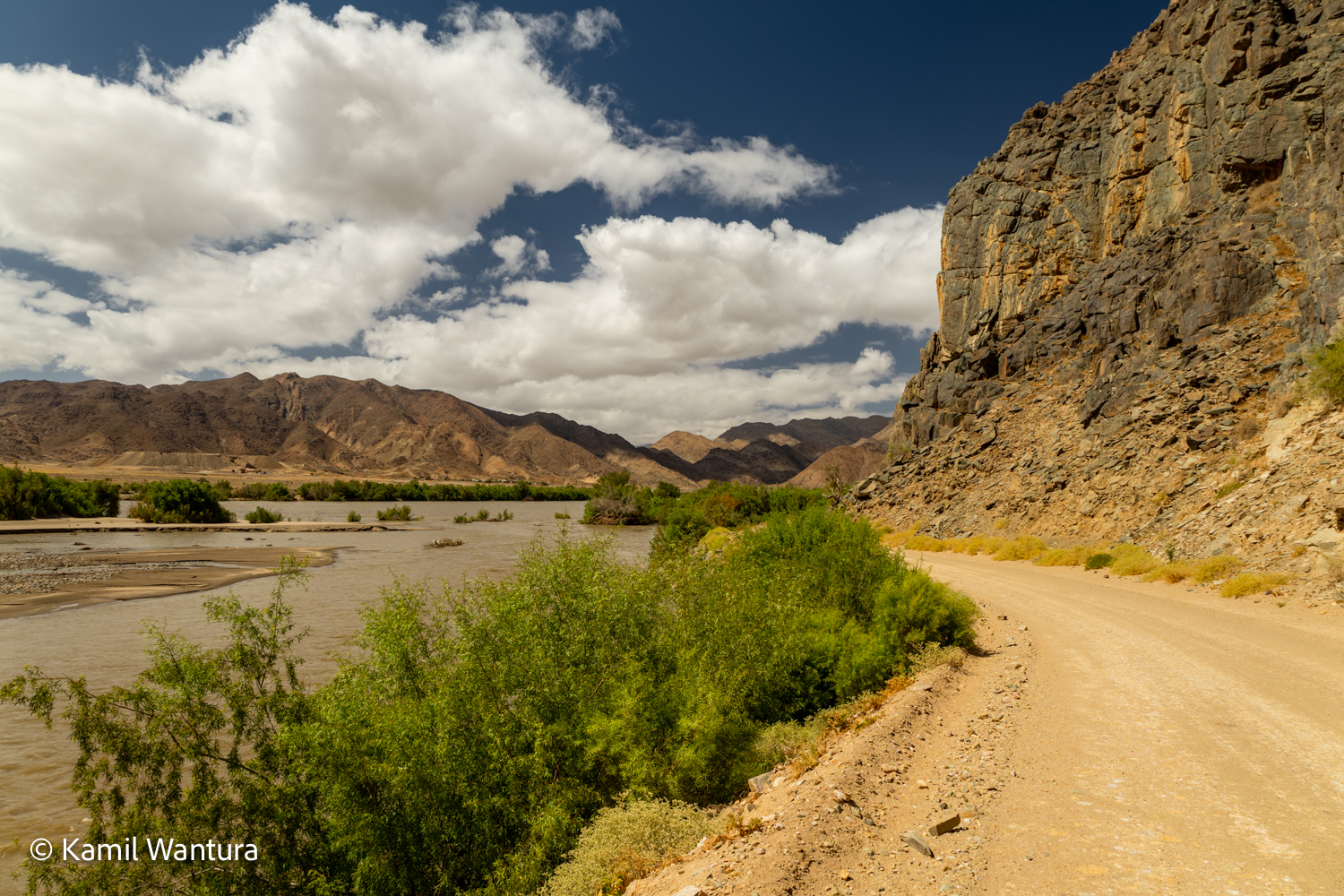
An early start for the 7-hour drive. We took the scenic route along the Orange River, with stops for landscape photography, followed by a lunch stop in Aus. Half of the round is gravel and half nice tarmac.
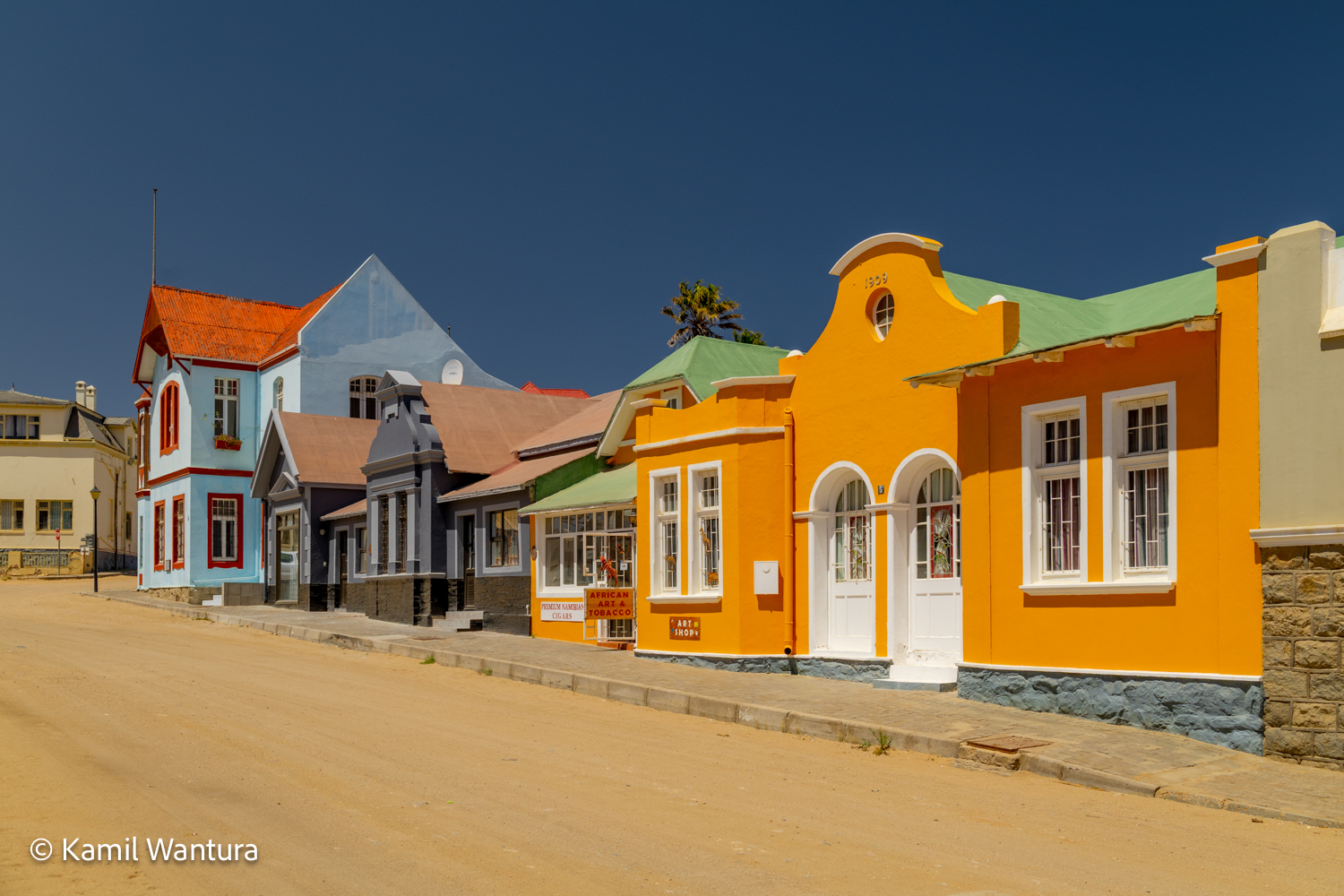
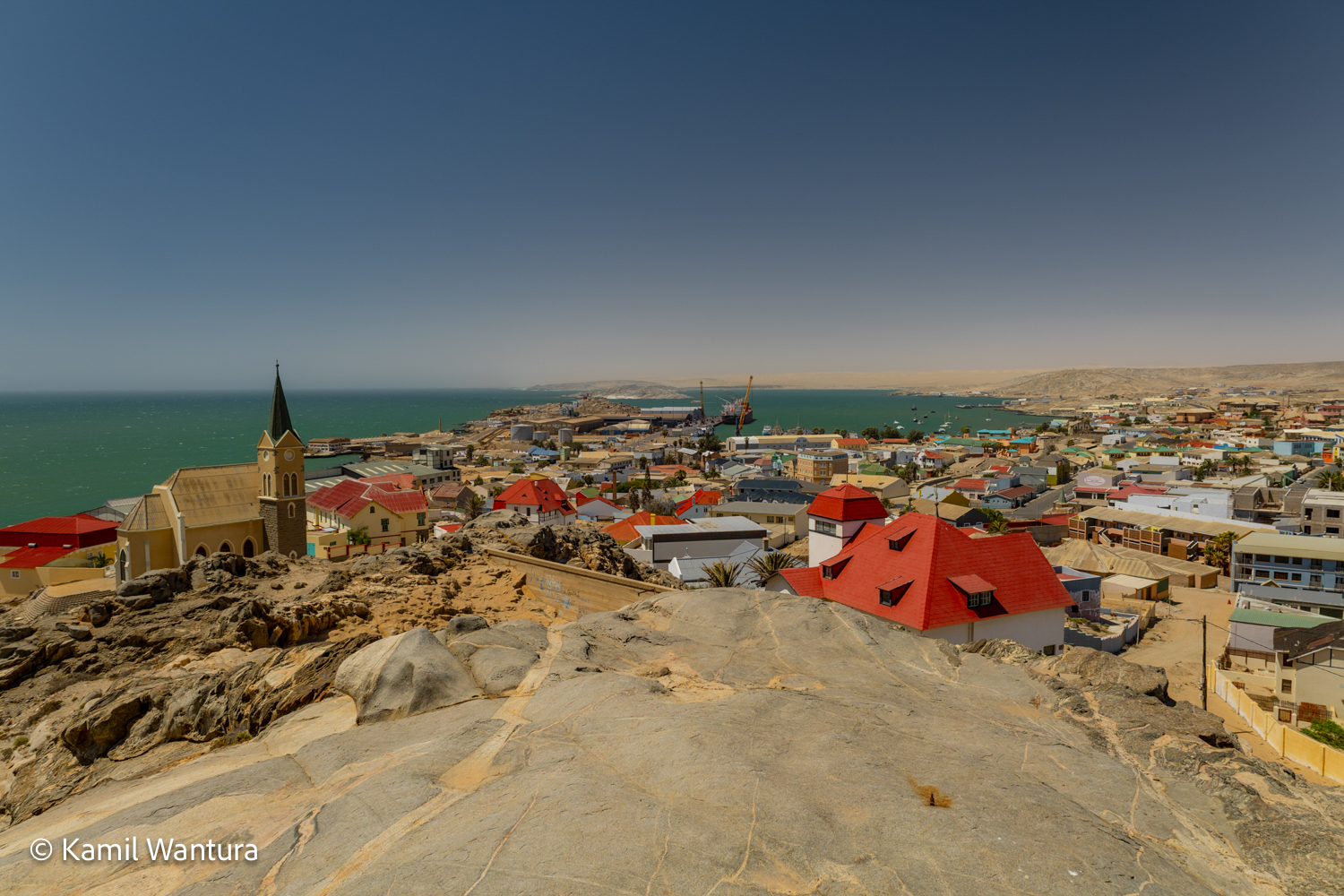
Exploring Luderitz (📍MAP)
We arrived in the afternoon, had a look around town and did some food shopping before settling in for the evening.
Sleep: Next 2 nights we stayed at Seabreeze Accommodation – really nice and cosy place with seaview.
Day 3: Kolmanskop Ghost Town
Kolmanskop (📍MAP)
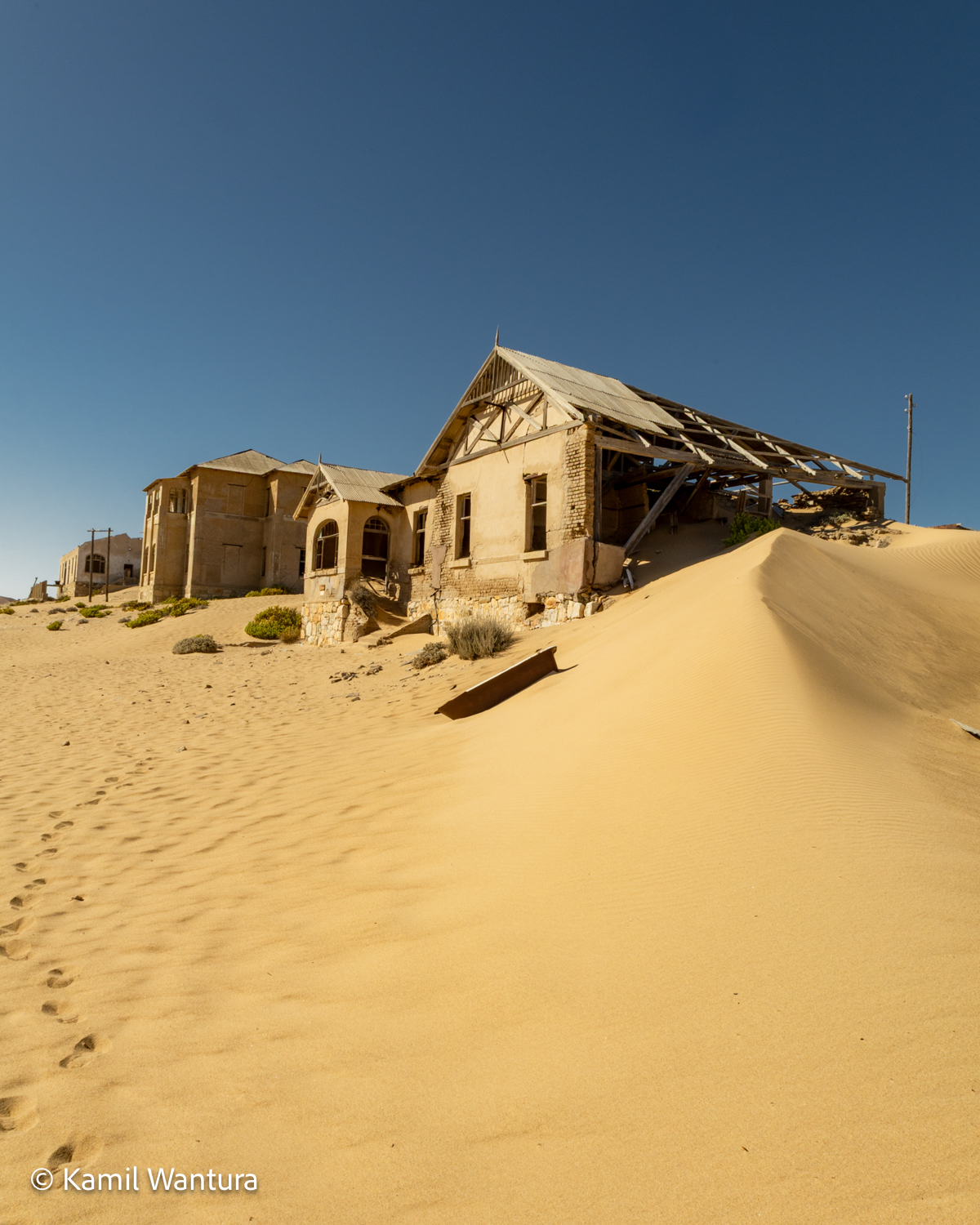
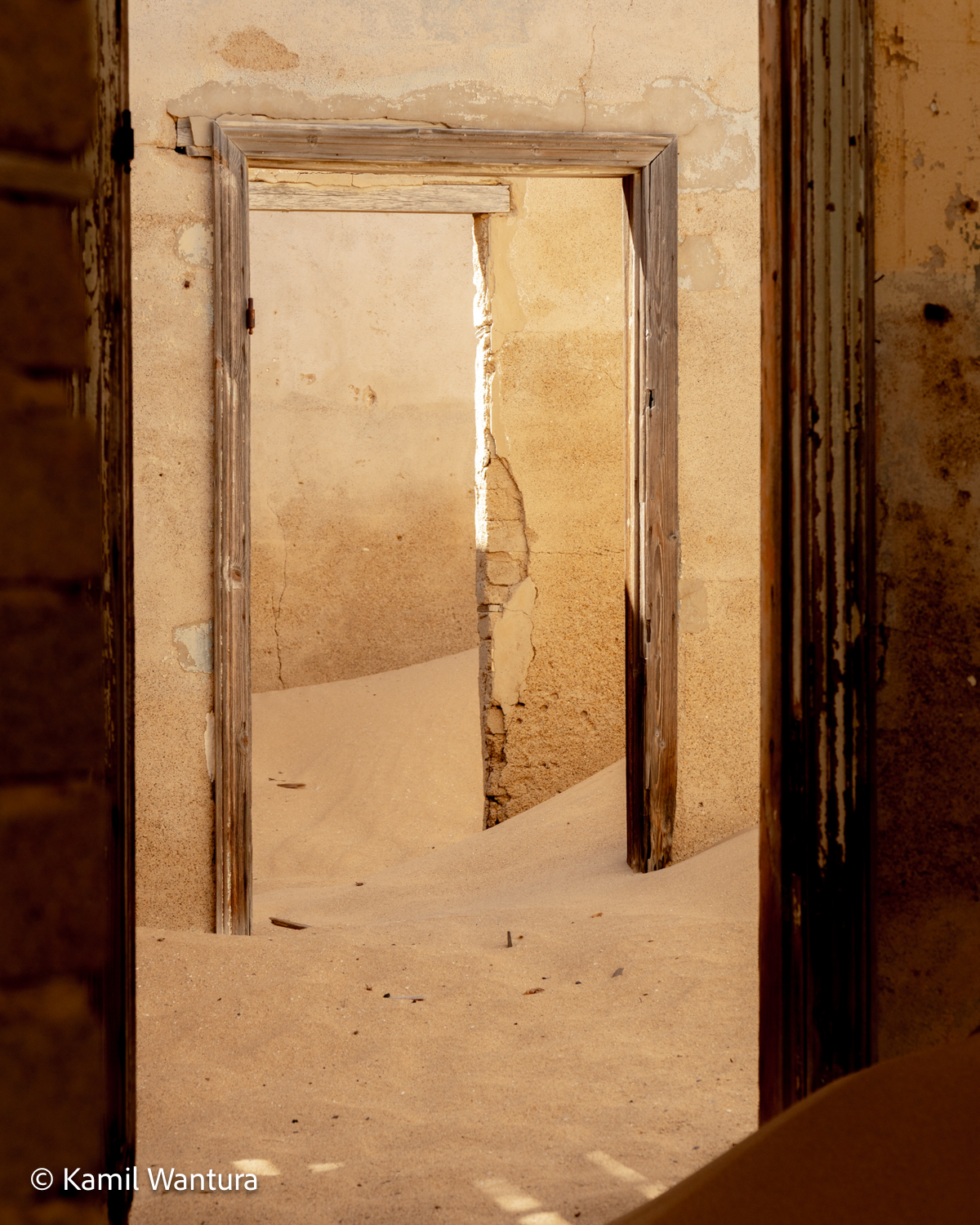
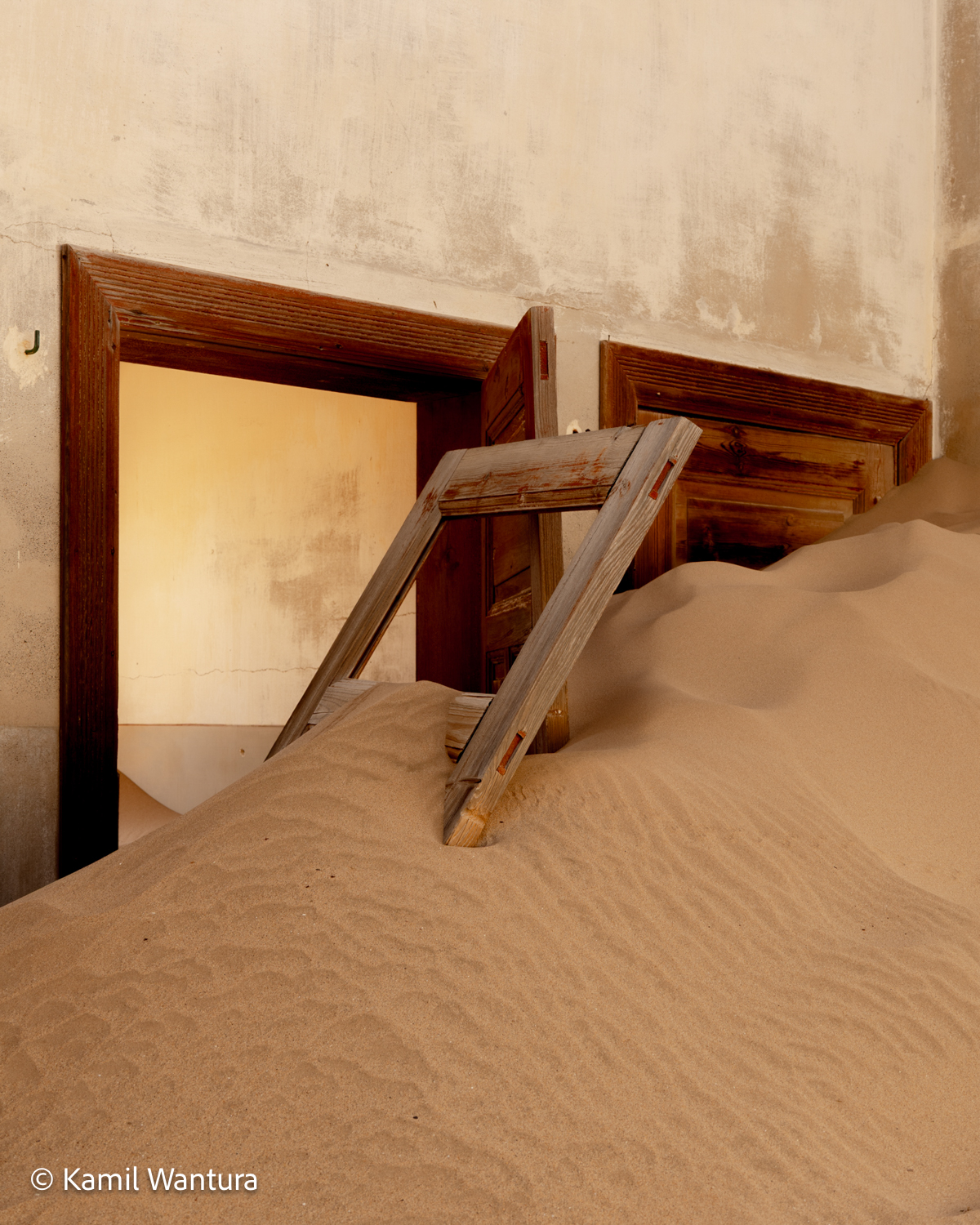
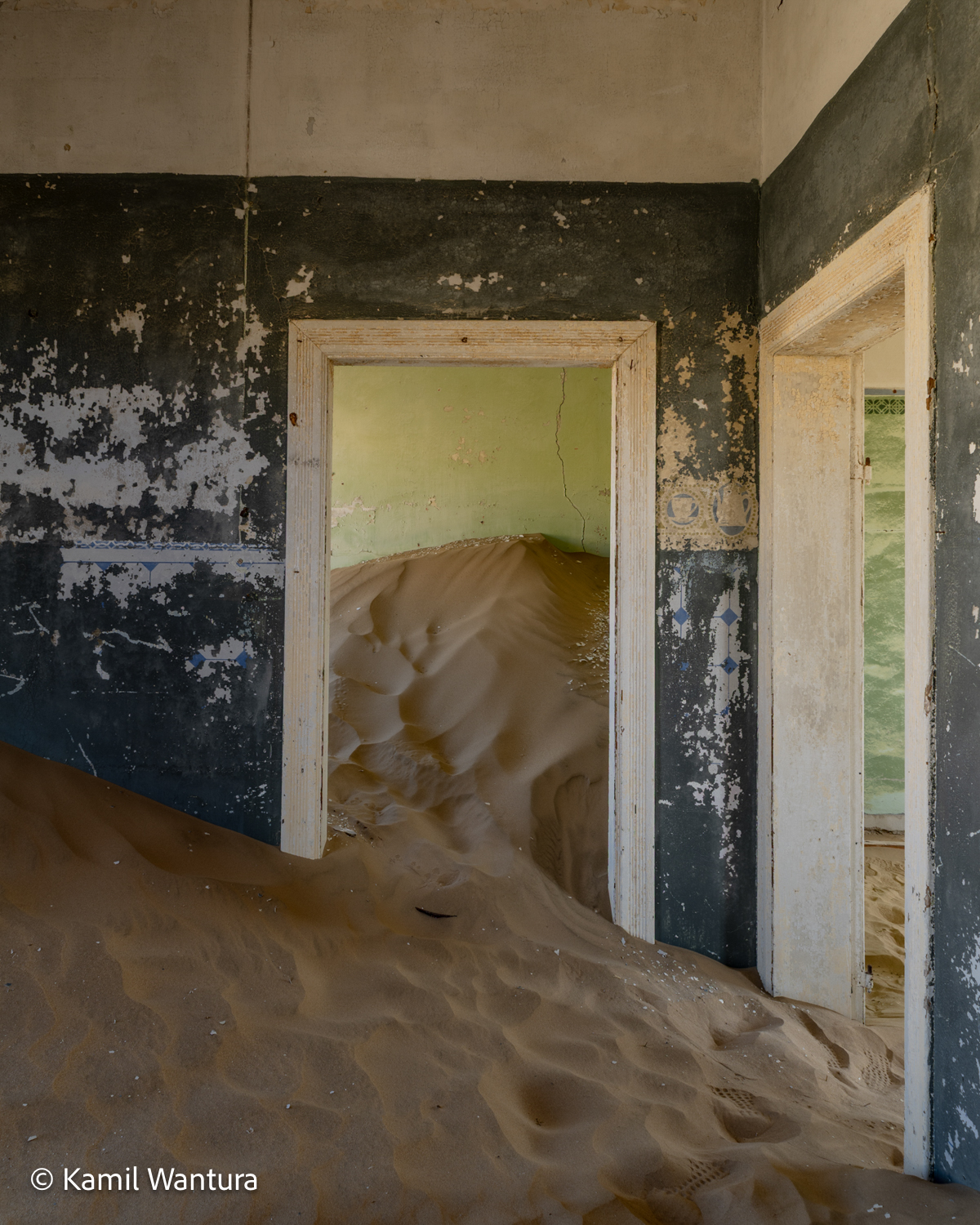
We started the day early to drive to the desert ghost town of Kolmanskop, where we spent three to four hours exploring. Luckily the weather was fantastic today, compared to yesterday when there are often windy and sandy conditions..
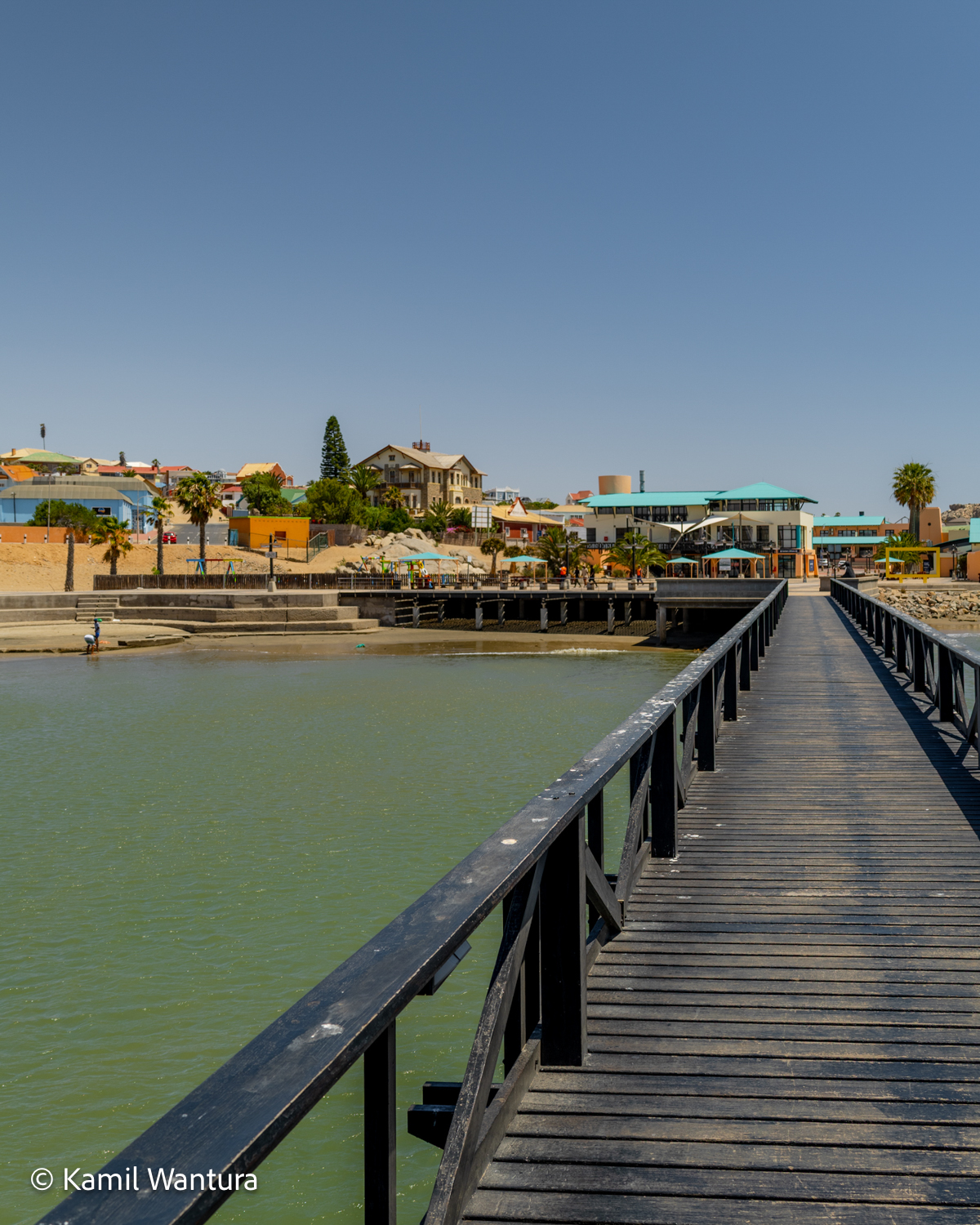
Luderitz Town (📍MAP)
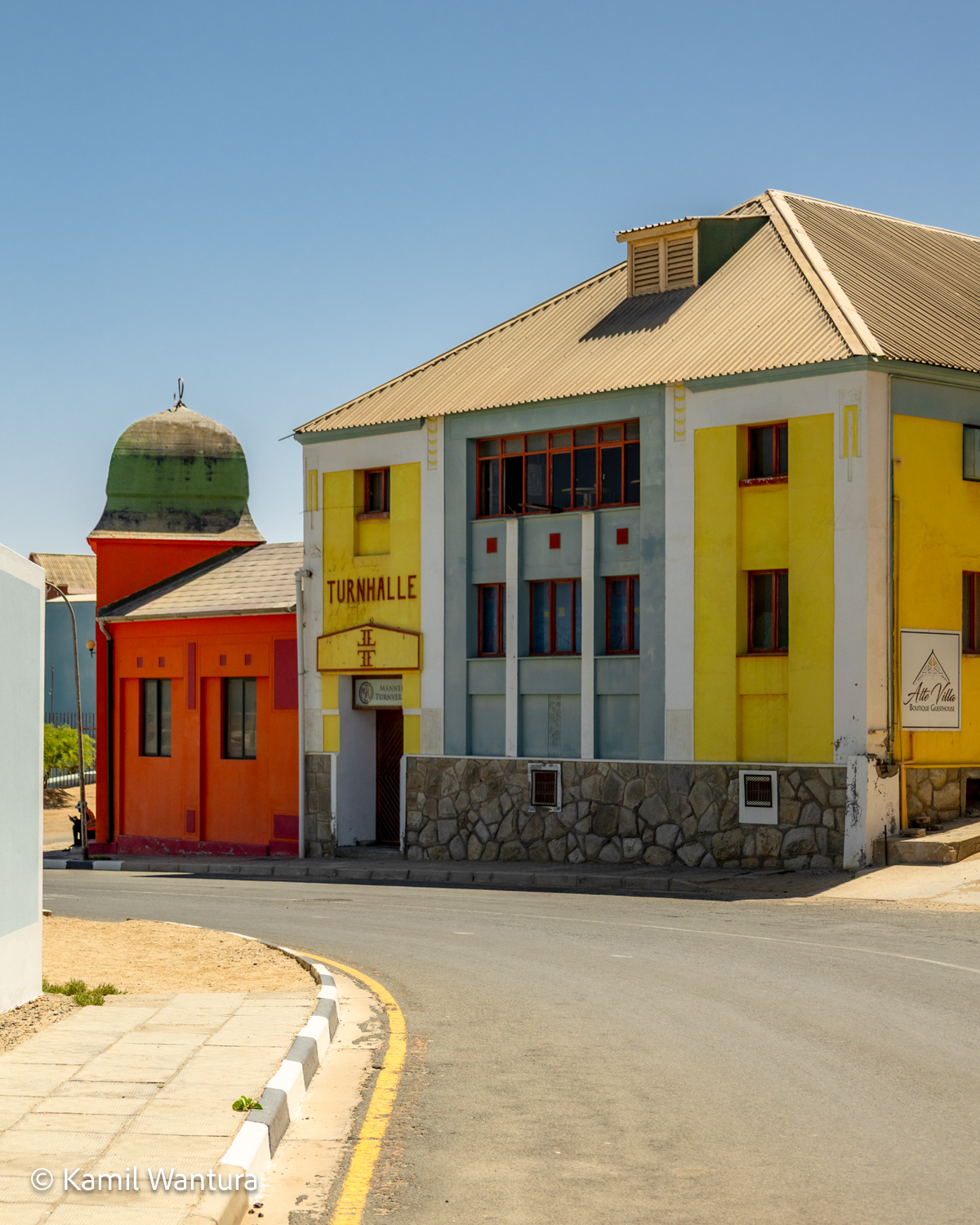
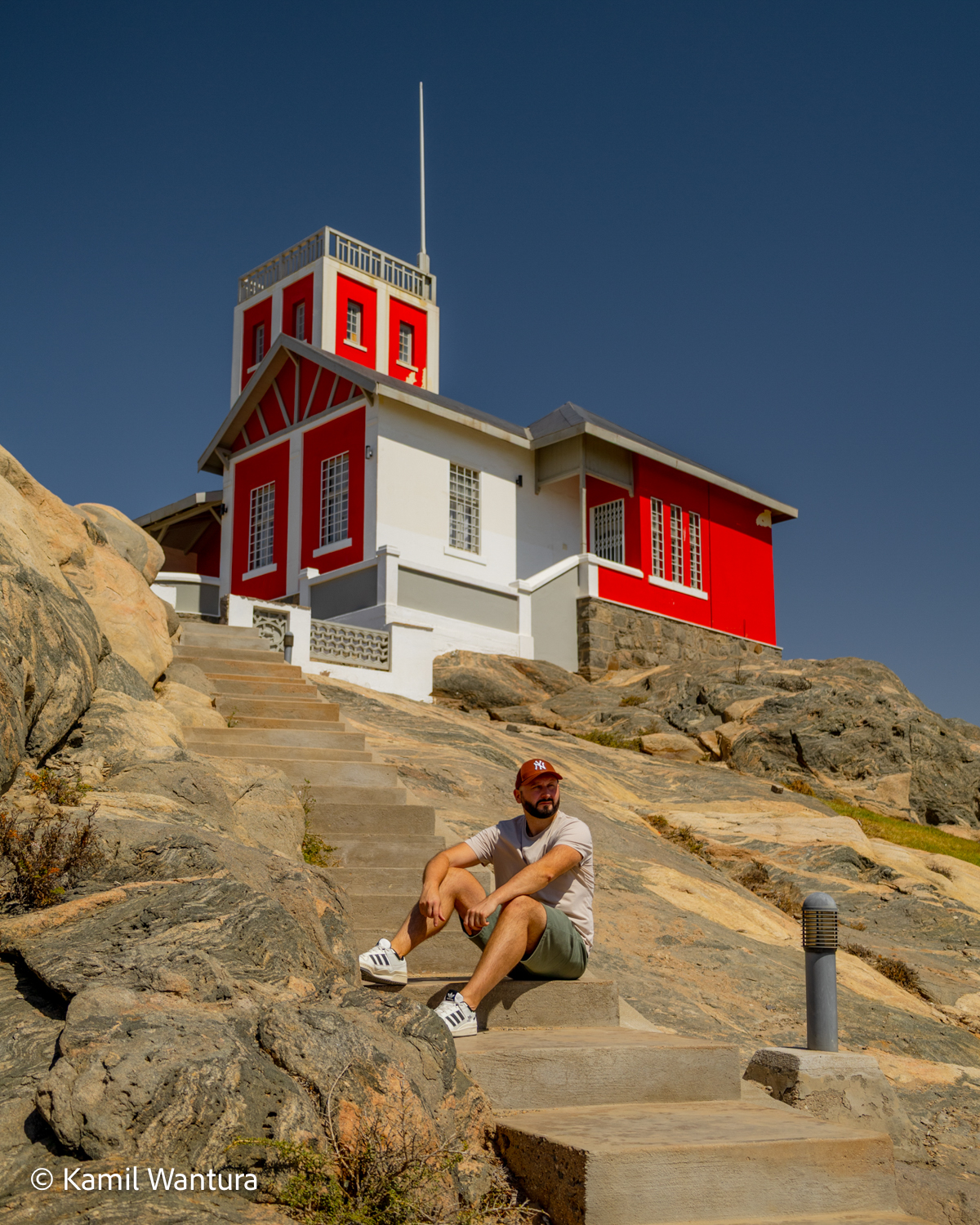
After Kolmanskop, we had some more time to drive around Luderitz to capture the colourful local architecture.
Day 4–5: Sesriem & The Great Dunes
Day 4: Into the Desert
Luderitz to Sesriem (📍MAP)
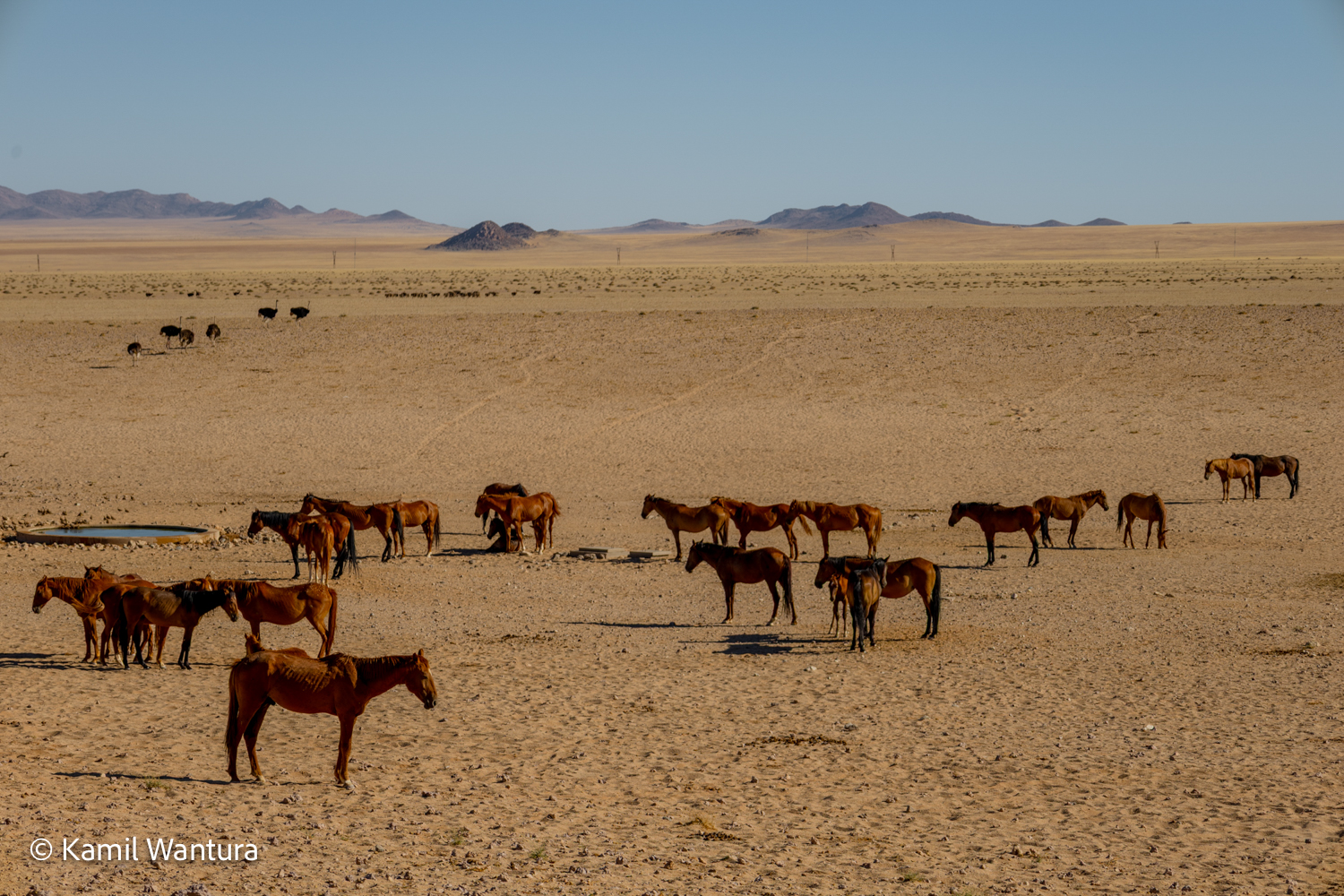
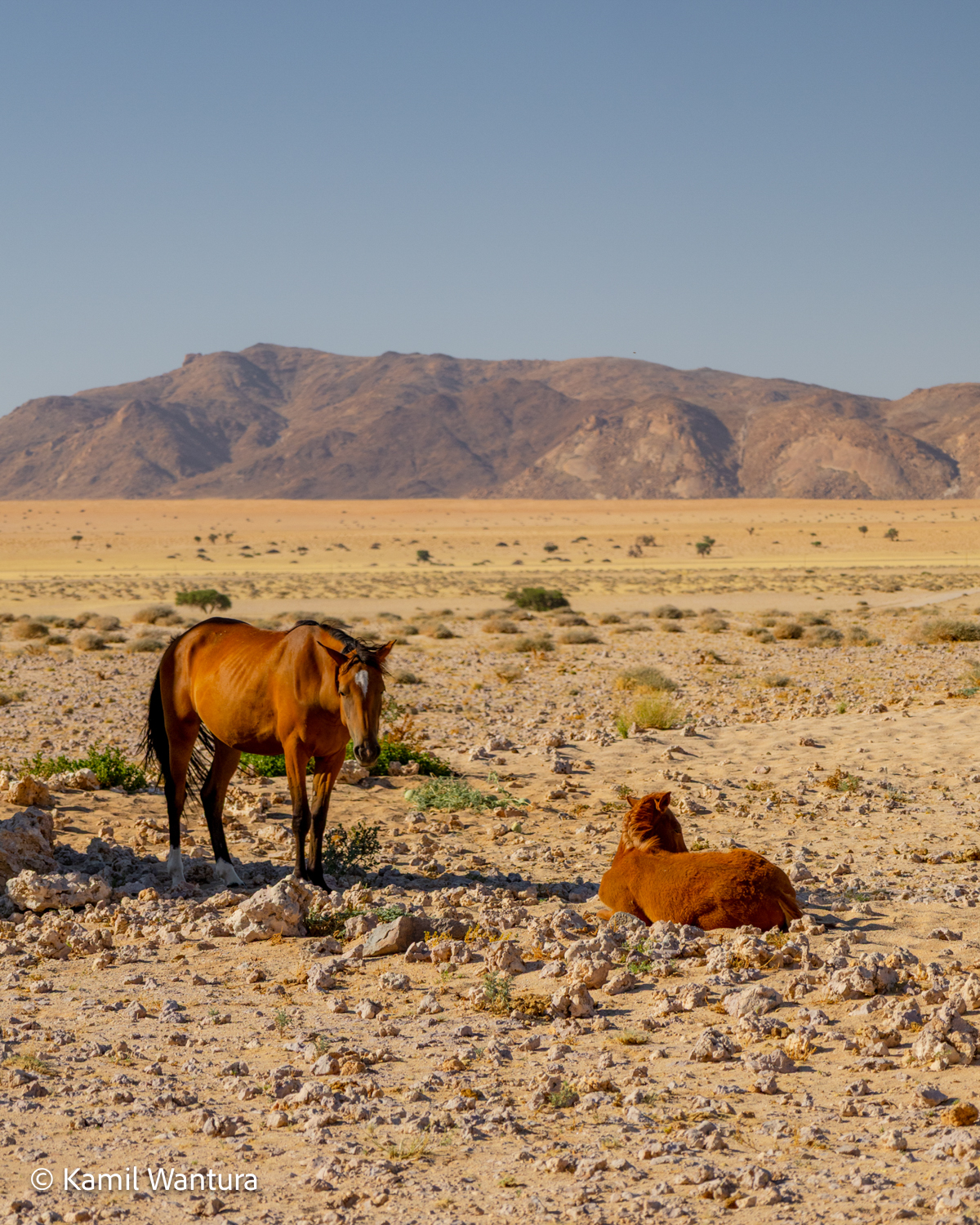
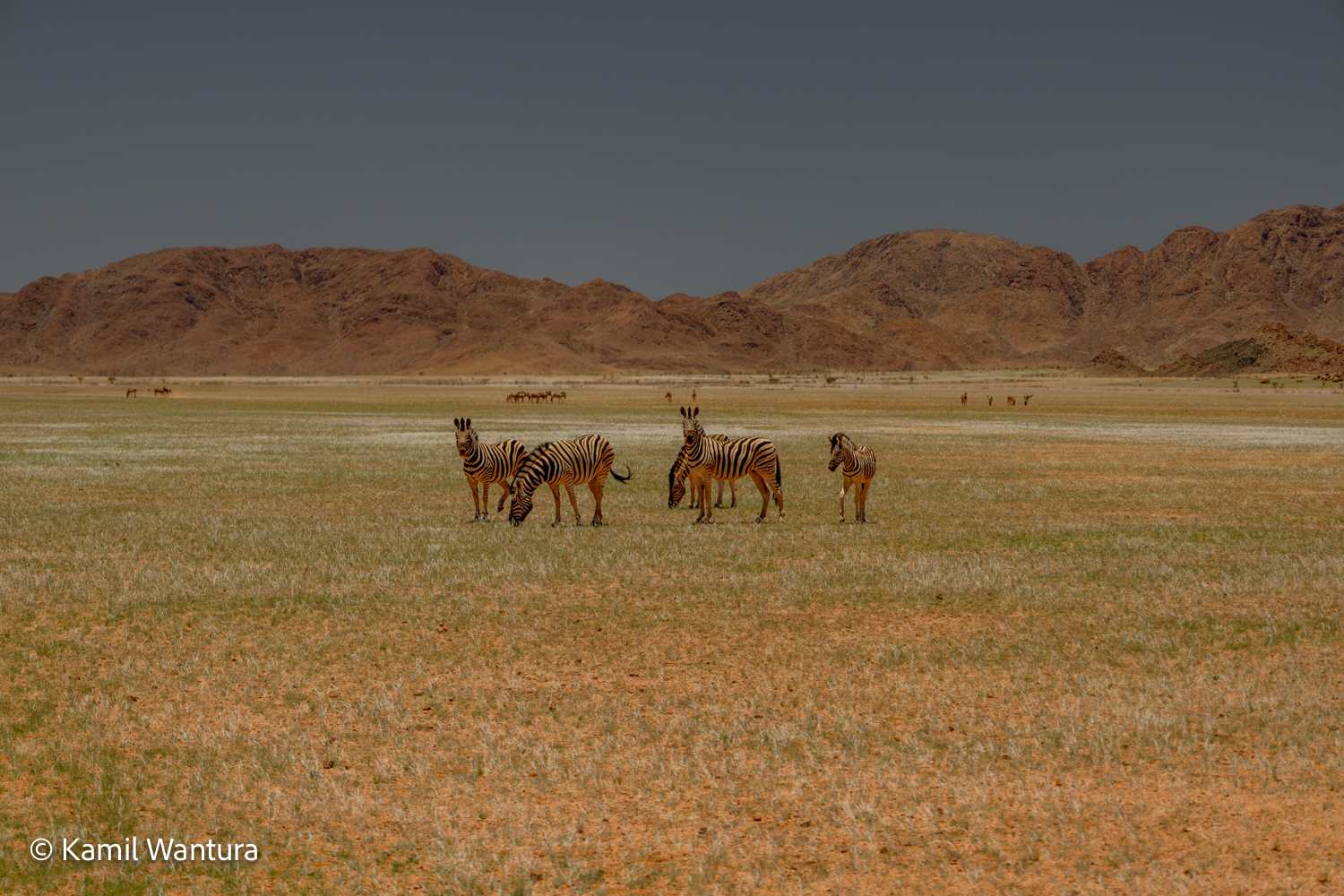
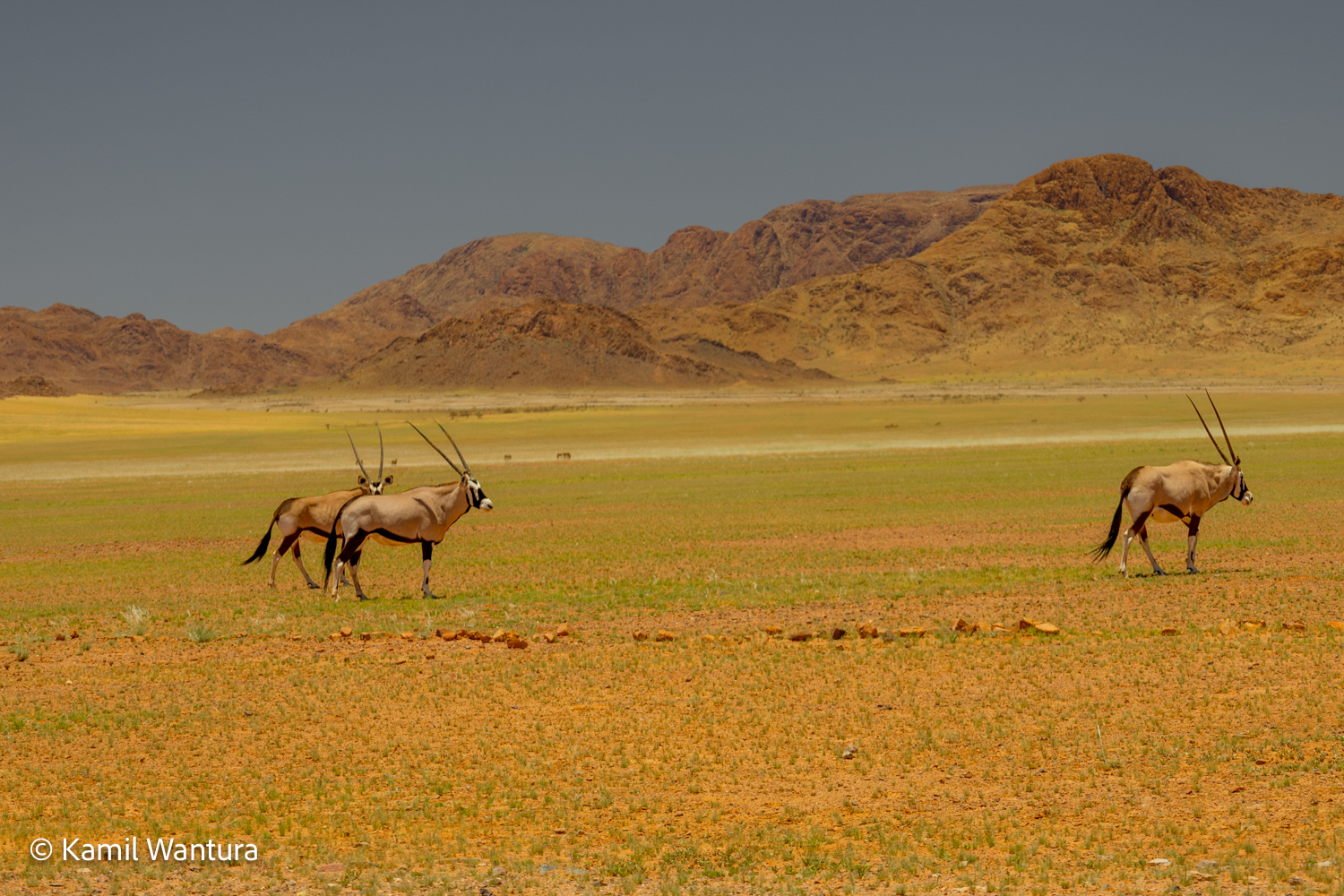
Early in the morning we checked out and started a long drive via Aus with a quick stop to see wild horses, ostriches, and springboks to Sesriem.
We arrived in Sesriem in the late afternoon and did some shopping before settling in. The village has one well-equipped shop next to the petrol station, which was very convenient. They also have some nice hot food, including pastries, a reasonable selection of groceries and plenty of drinks. It was also where we were able to get our punctured wheel repaired.
After that, we spent the rest of the day relaxing by the pool at the village campsite.
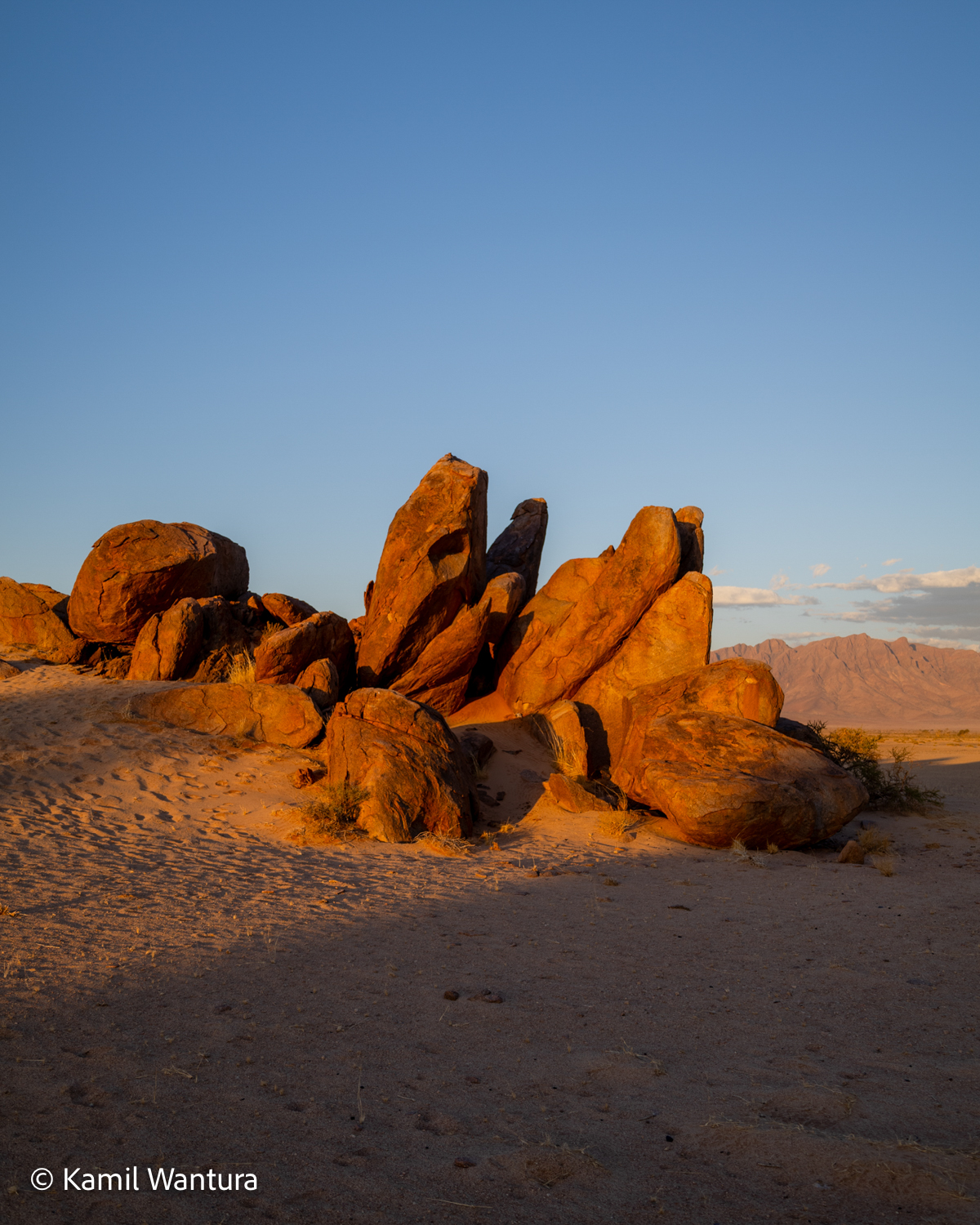
Sleep: We spent the next two nights at Desert Quiver Camp, which was very nice and peaceful. It is a lovely cottage with a private barbecue so you can bring your own meat and wood or purchase them from the accommodation provider in advance. There was also a lovely swimming pool. Really fantastic area!
Day 5: Deadvlei & Sesriem Canyon
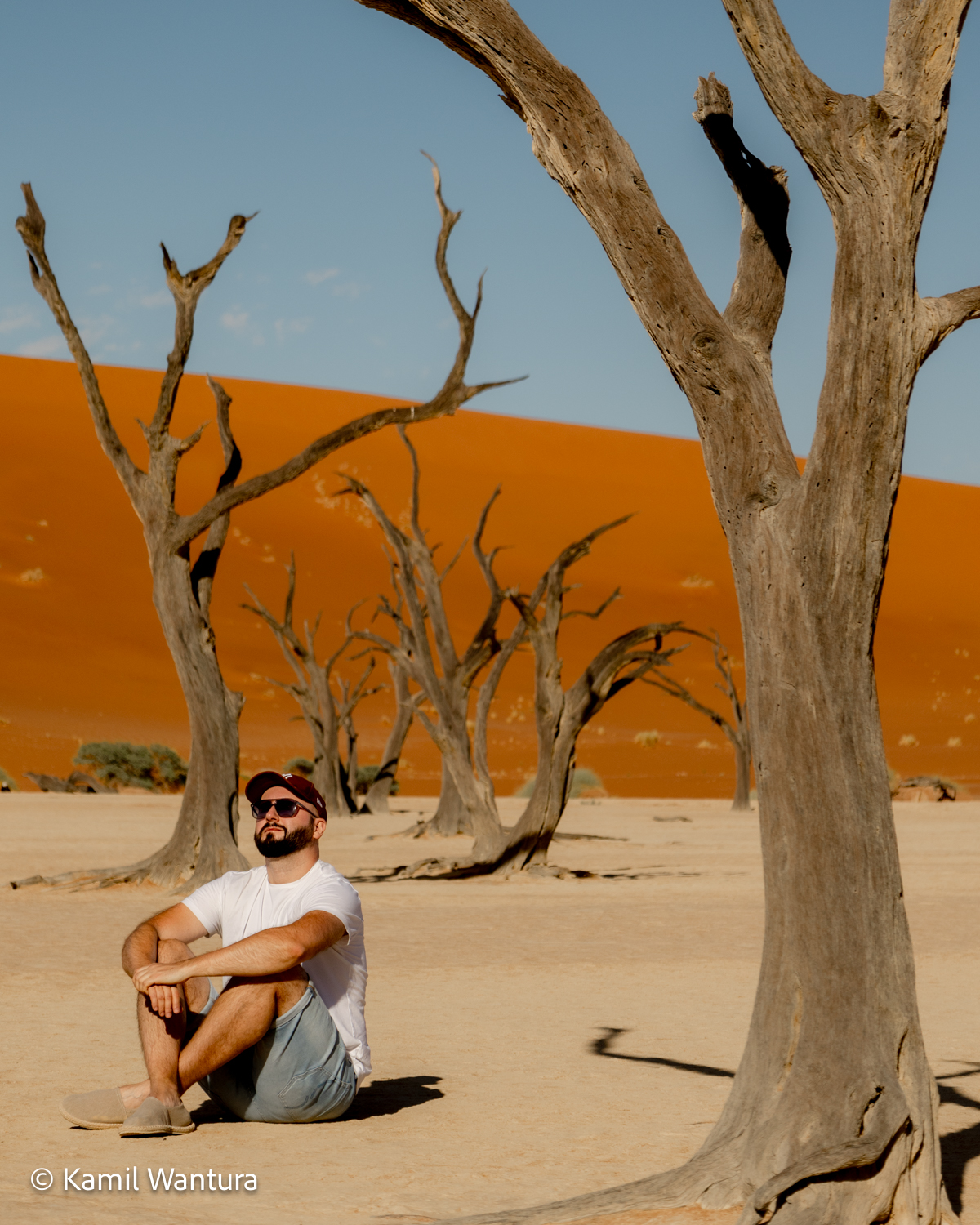
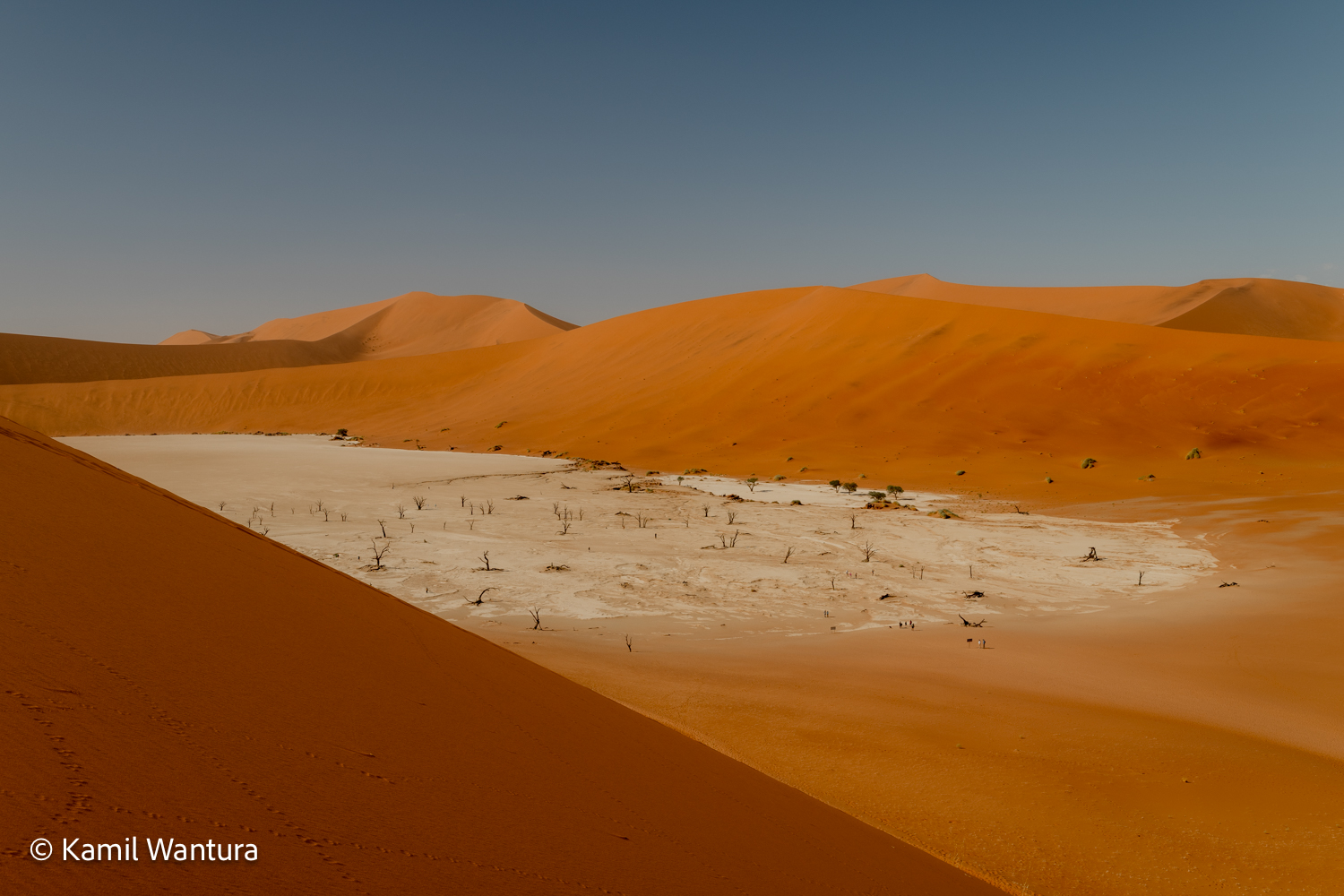
Deadvlei & Dune 45 (📍MAP)
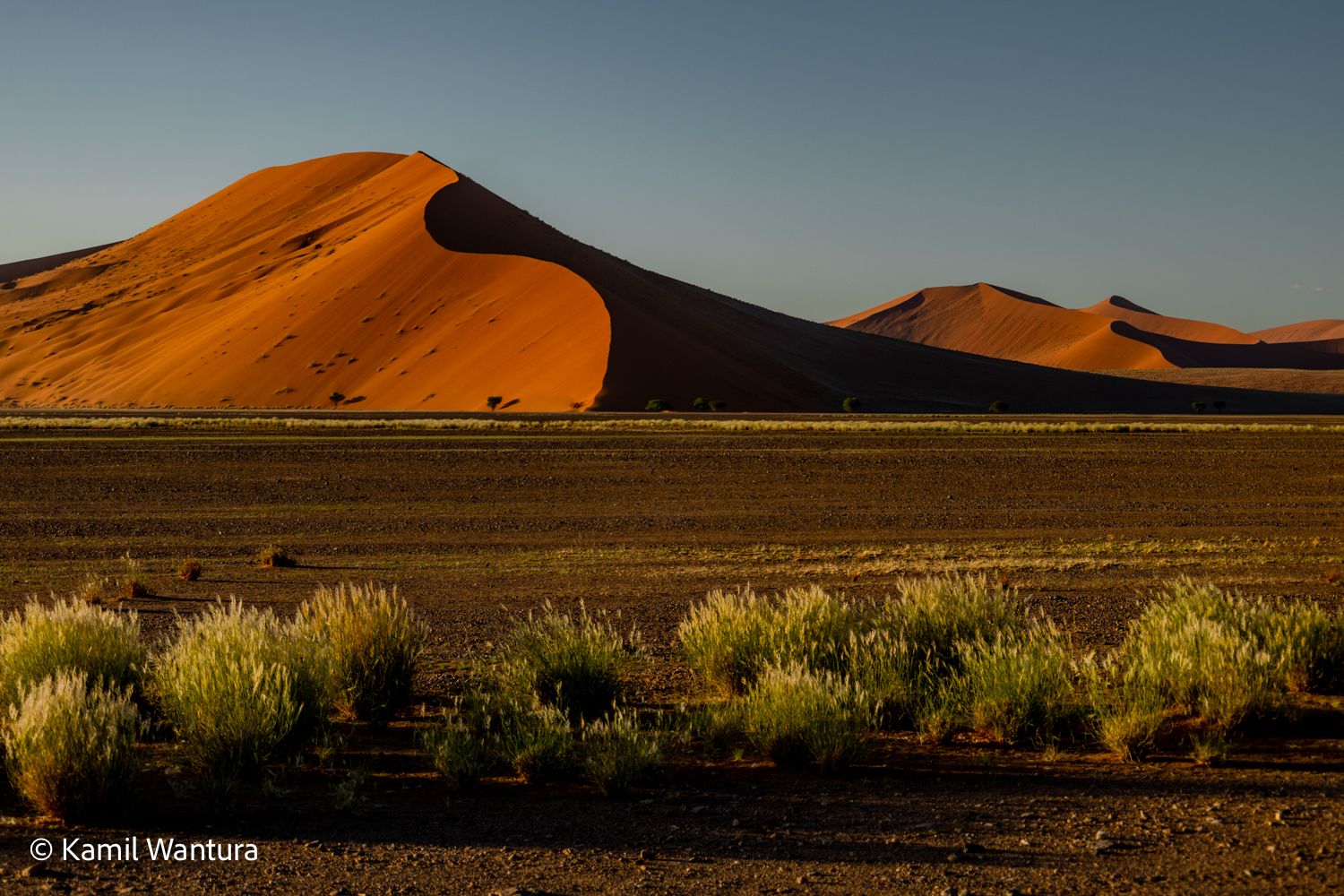
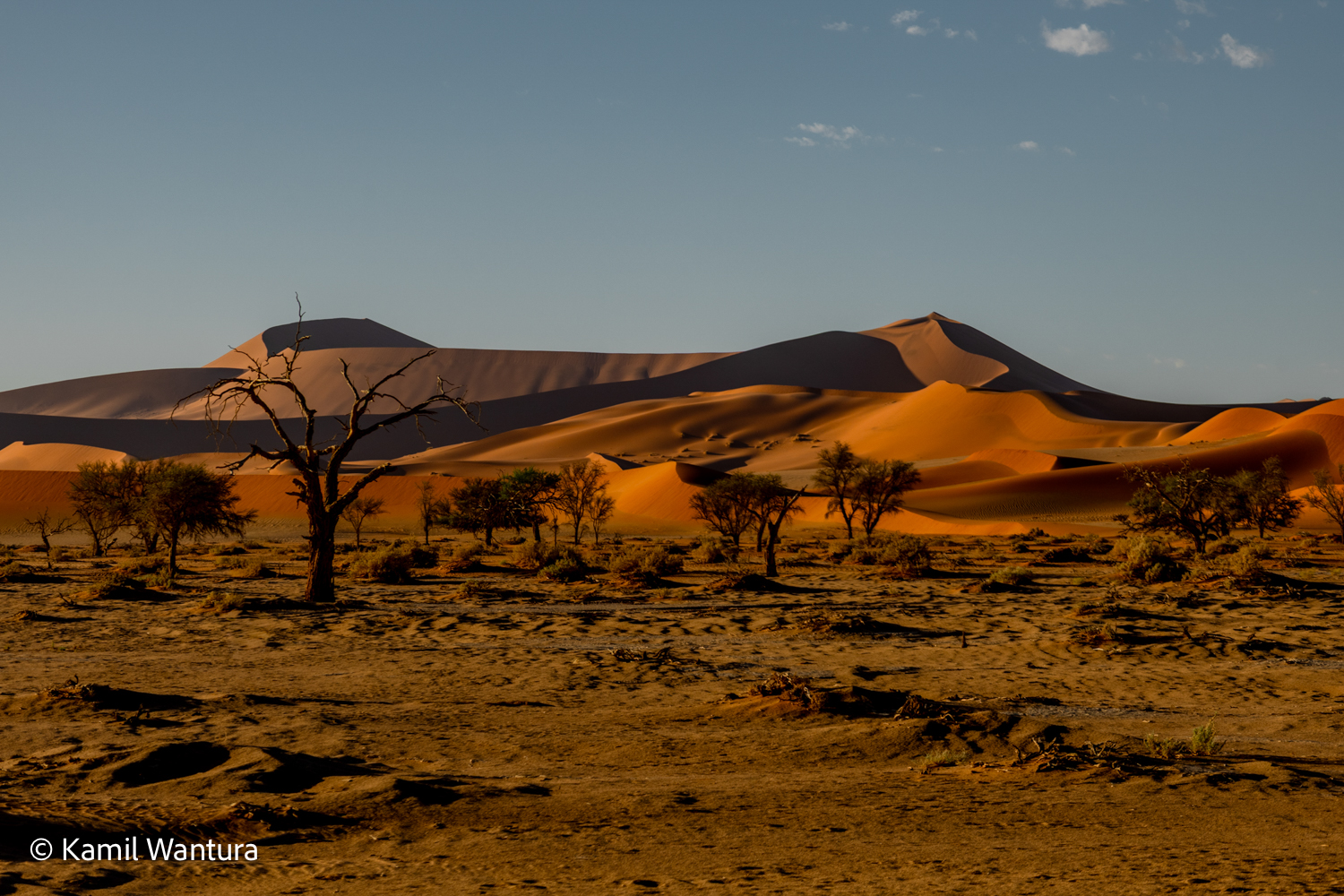
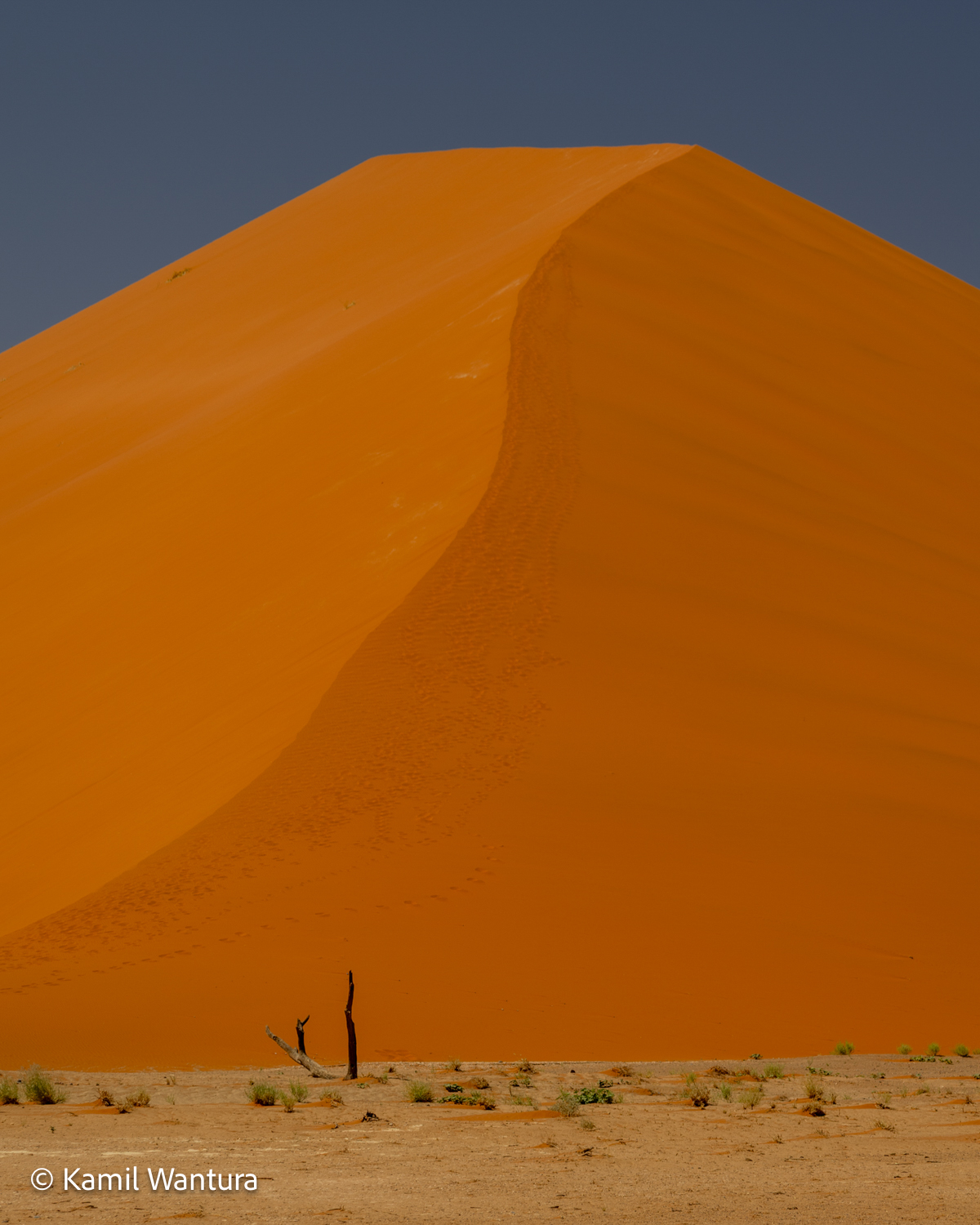
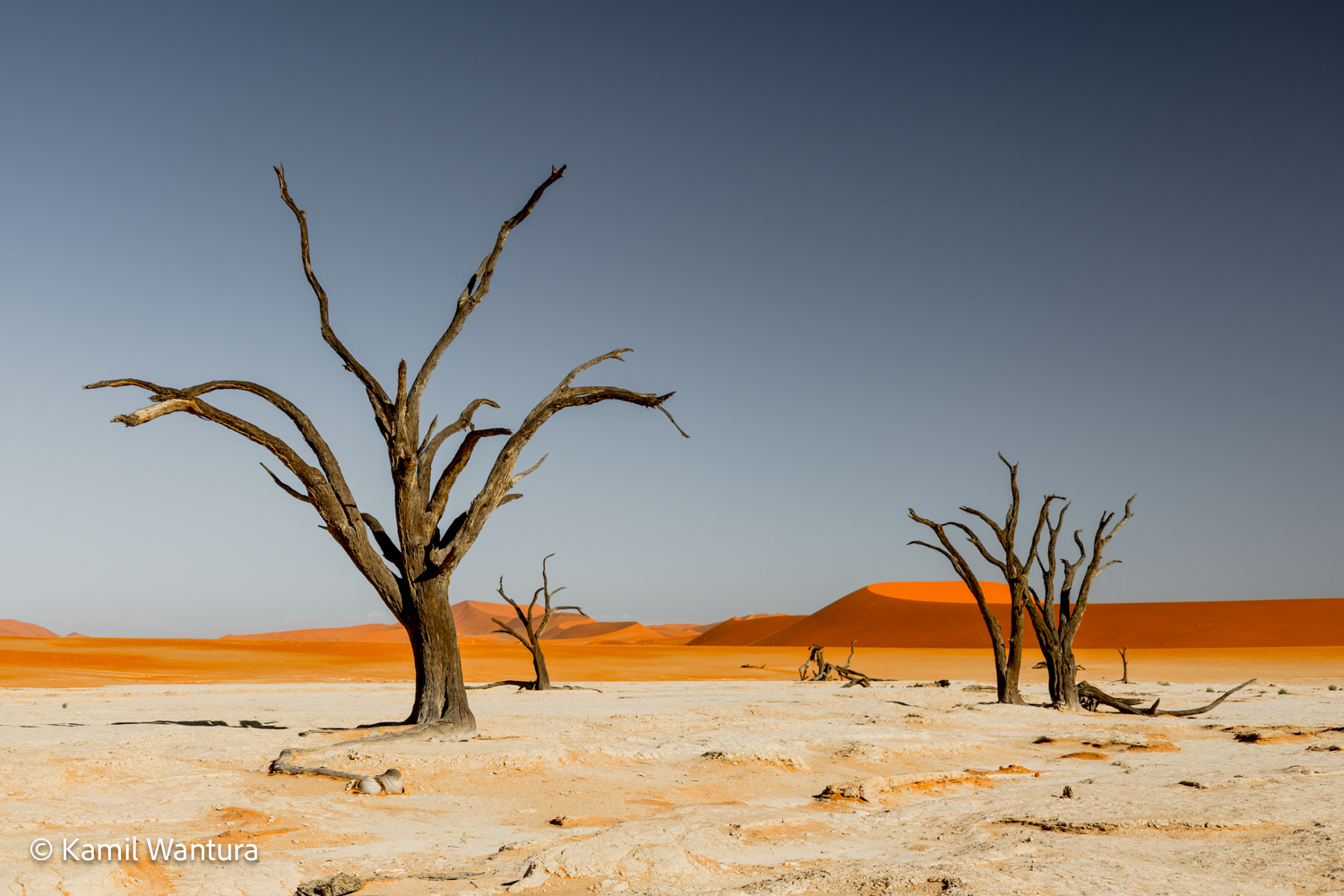
That day we woke up very early to get to the gate at 6am. We arrived before the gates opened, quickly bought our tickets and set off on a one hour drive through the incredible landscape of towering dunes, glowing in the morning sunshine. The road to the Deadvlei is great with some amazing spots on the way. The journey takes approx. 1 hour one-way.
Sesriem Canyon & Pool (📍MAP)
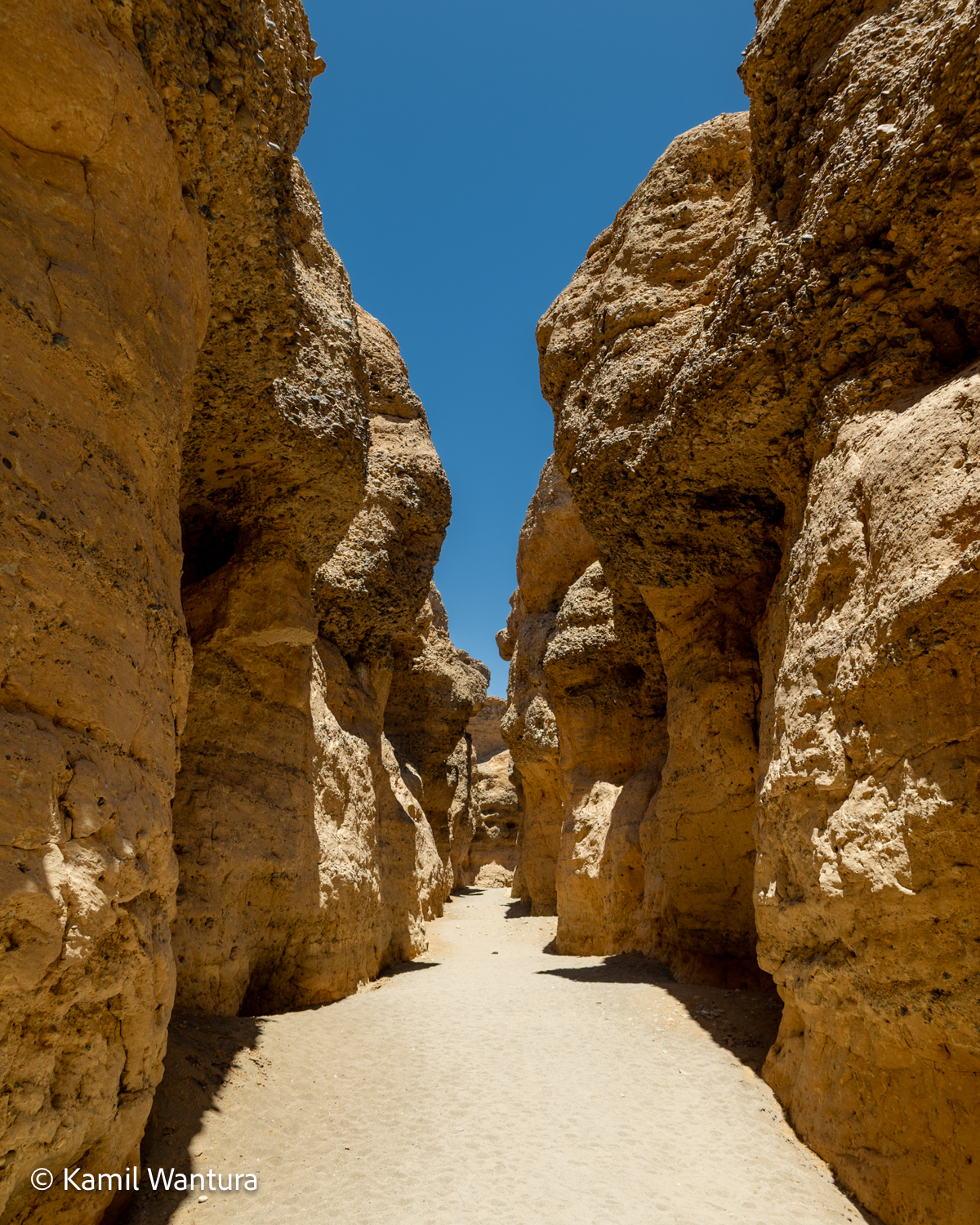
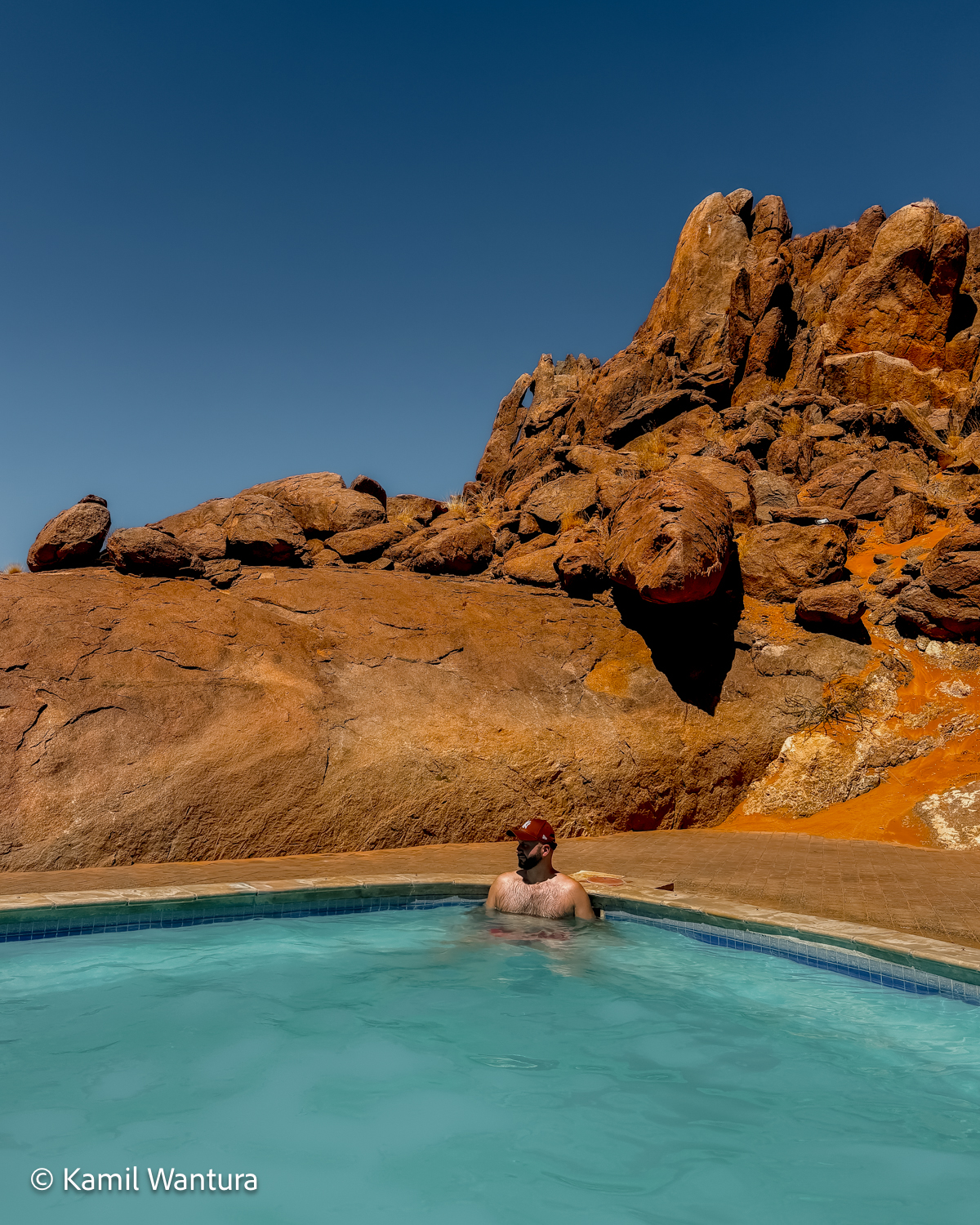
After the trip to Deadvlei and Sesriem Dunes, we turned right just before the gate to head to the local Sesriem canyon. At the end of the day we relaxed at the pool in the camp.
Day 6: Fish River Canyon
Driving South (📍MAP)
That day we had to start very early because there was a long trip ahead of us, a long drive from Sesriem towards Fish River Canyon with stops in Keetmanshoop. It was about eight to nine hours of driving, but we decided to take mostly tarmac roads after our experience with punctures before, so we did not want to risk it again. The trip went smoothly. We stopped to buy some food at Spar. Our next stop was the Canyon Roadhouse hotel, a famous place in the area and a good base for exploring the canyon the next day.
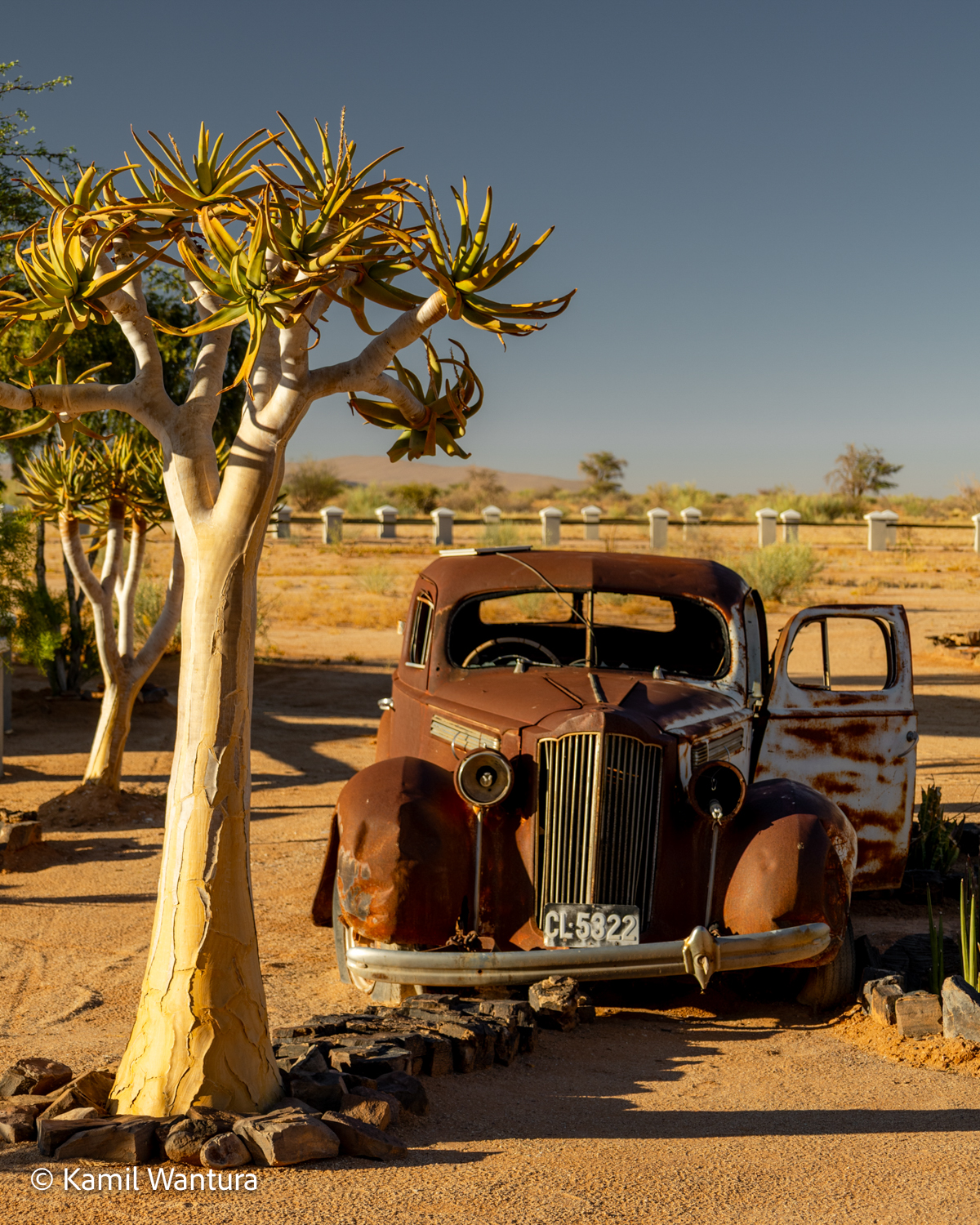
Sleep: We spent one night at Canyon Roadhouse, Gondwana Collection Namibia. It is a very famous place for its decorations made of old cars, other vehicles and vintage items. A very photogenic place!
Exploring the Canyon (📍MAP)
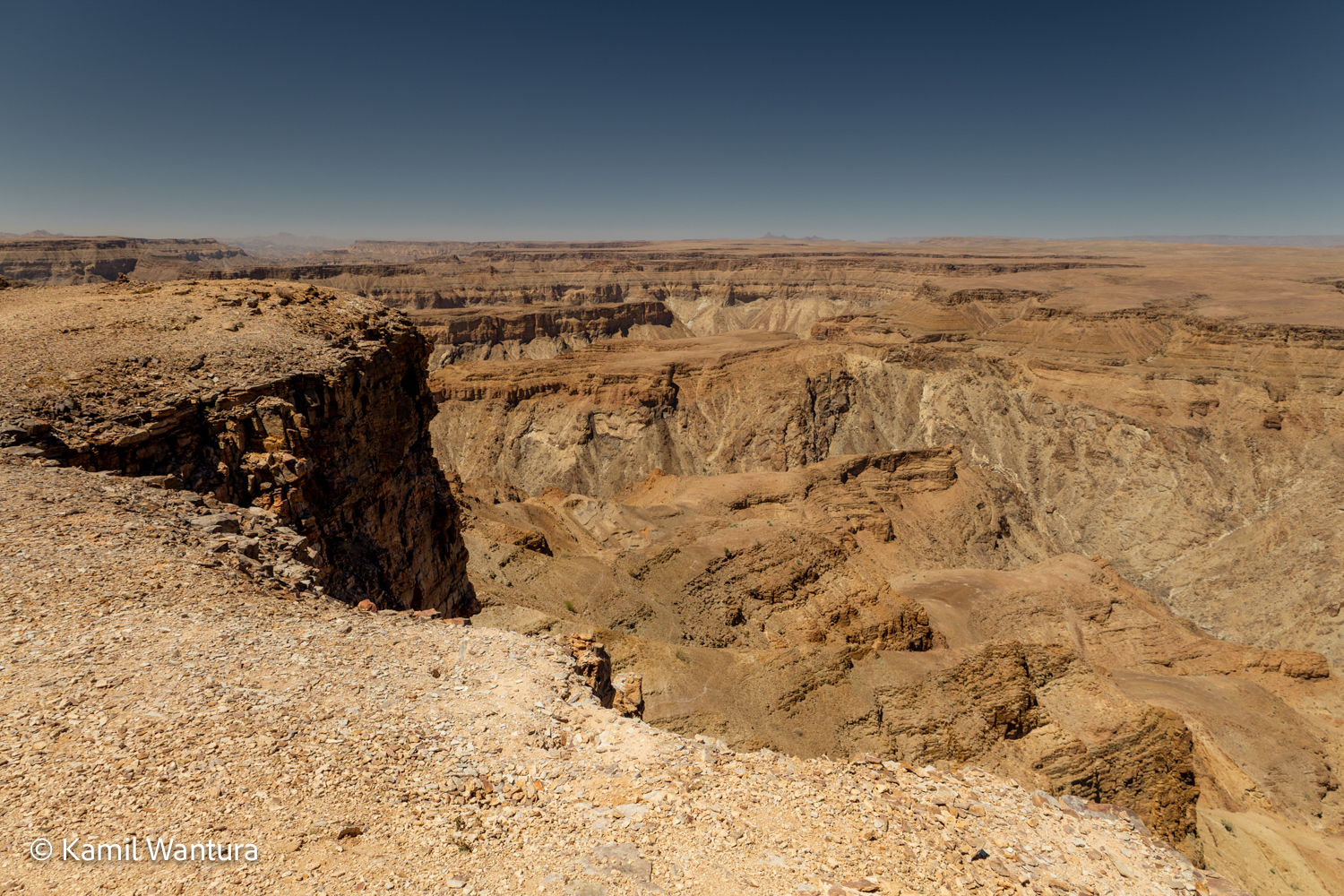
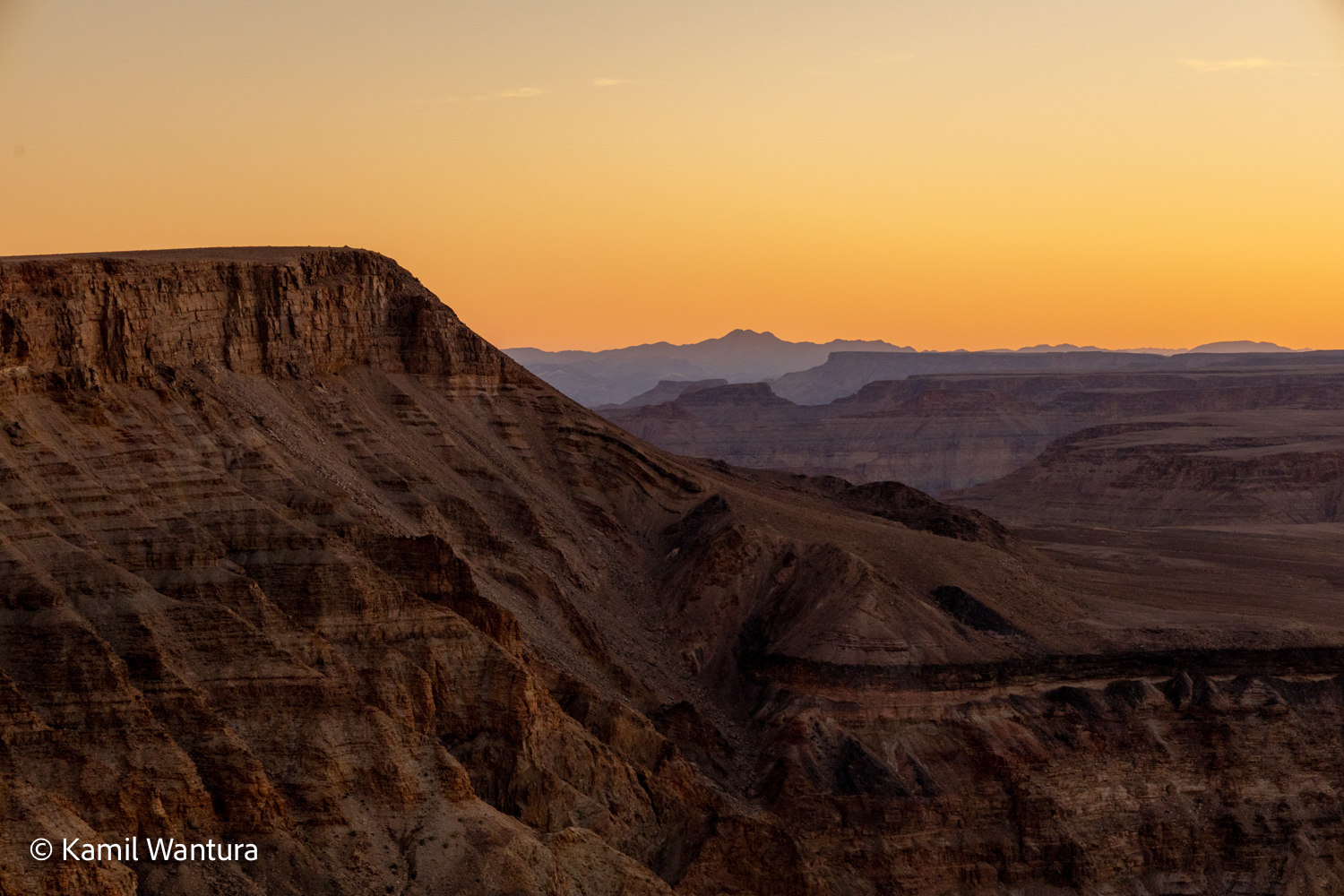
We went to see the canyon in the morning and spent about two hours there. The place is amazing! This canyon is the second largest after the Grand Canyon. Afterwards, we moved to another hotel in the area where we relaxed in the swimming pool for most of the day and used their restaurant for lunch. Before sunset, we went to the canyon again, approximately thirty to forty minutes away, for some stunning landscapes during the golden hour. After the show, we went back to the hotel for a delicious dinner.
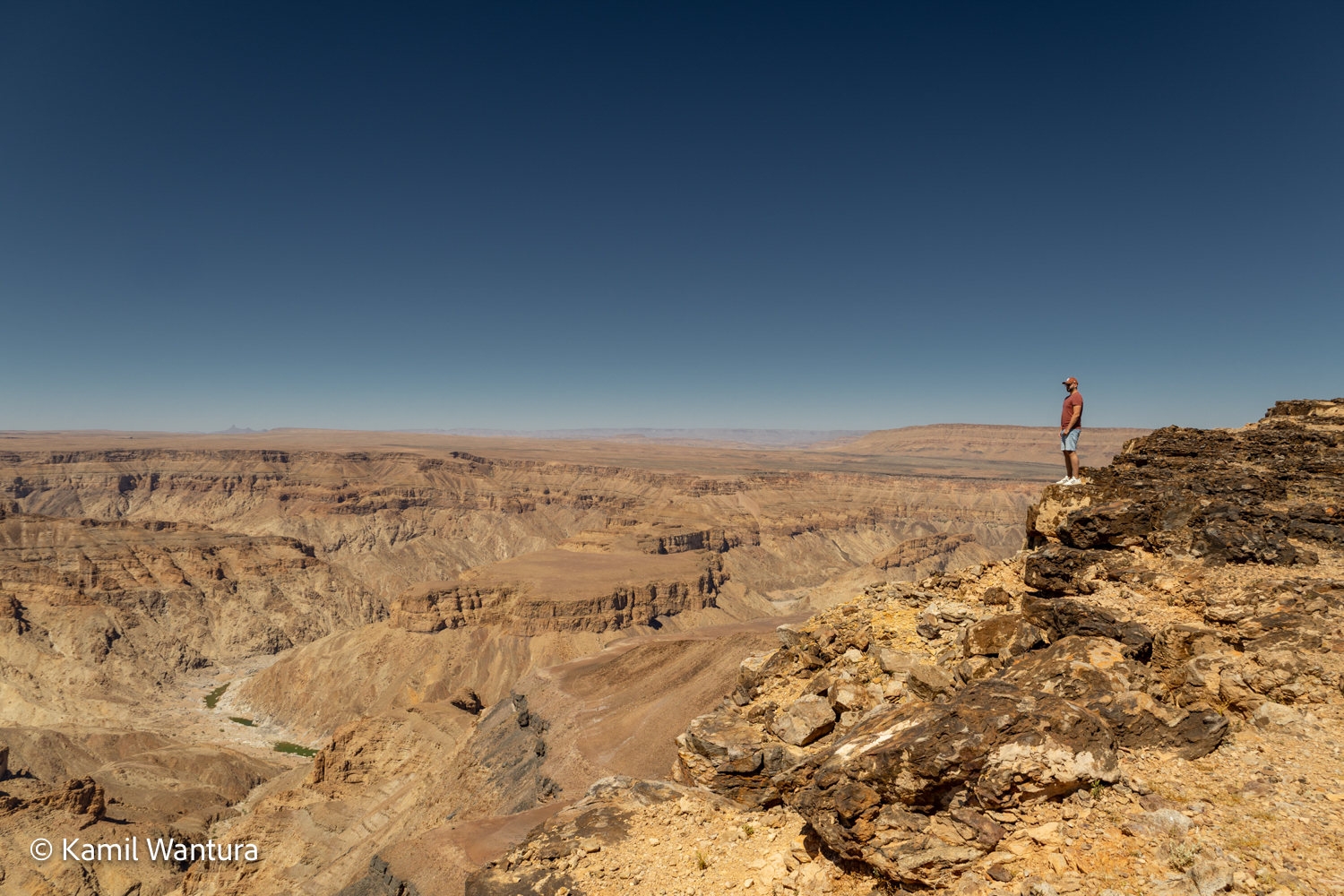
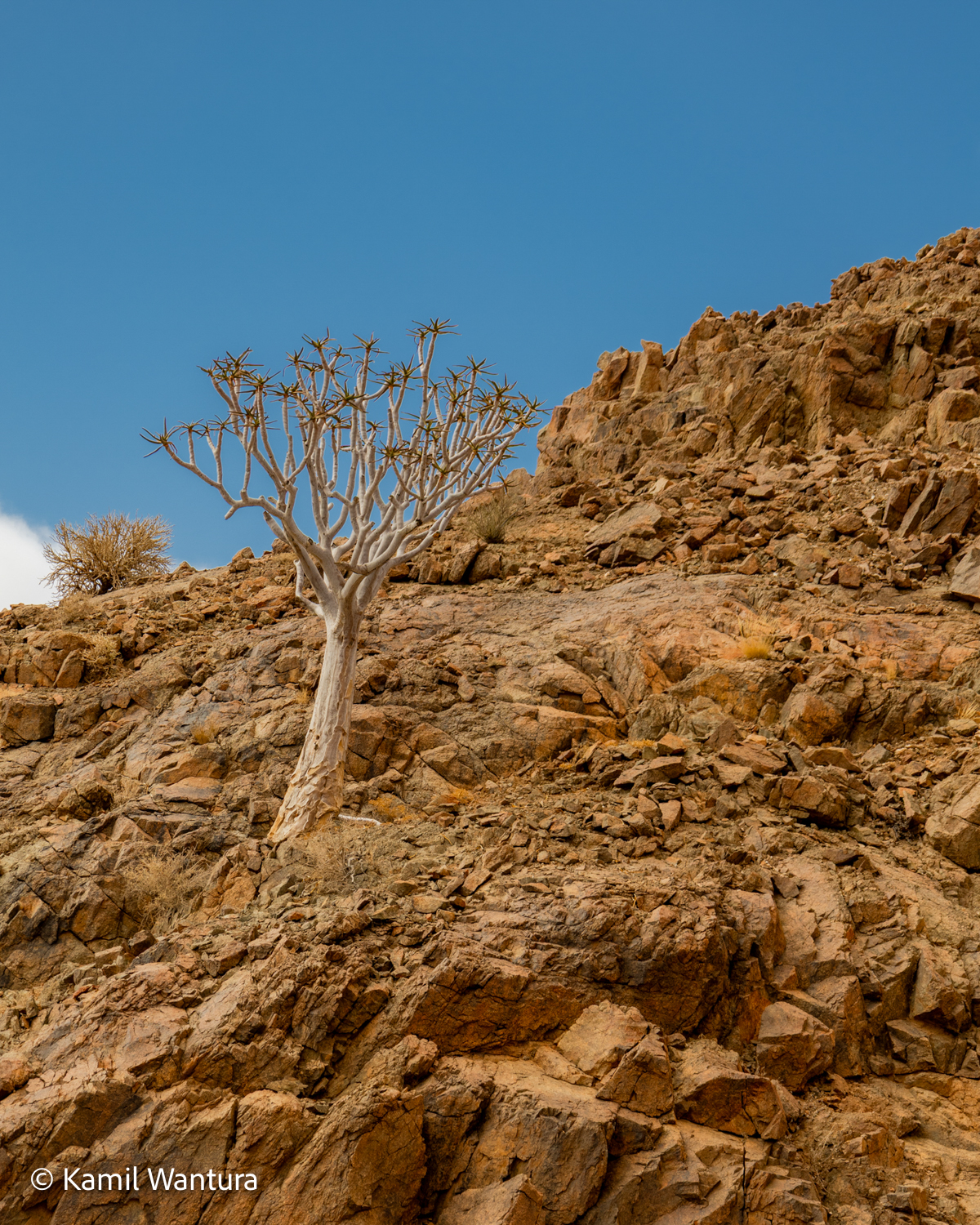
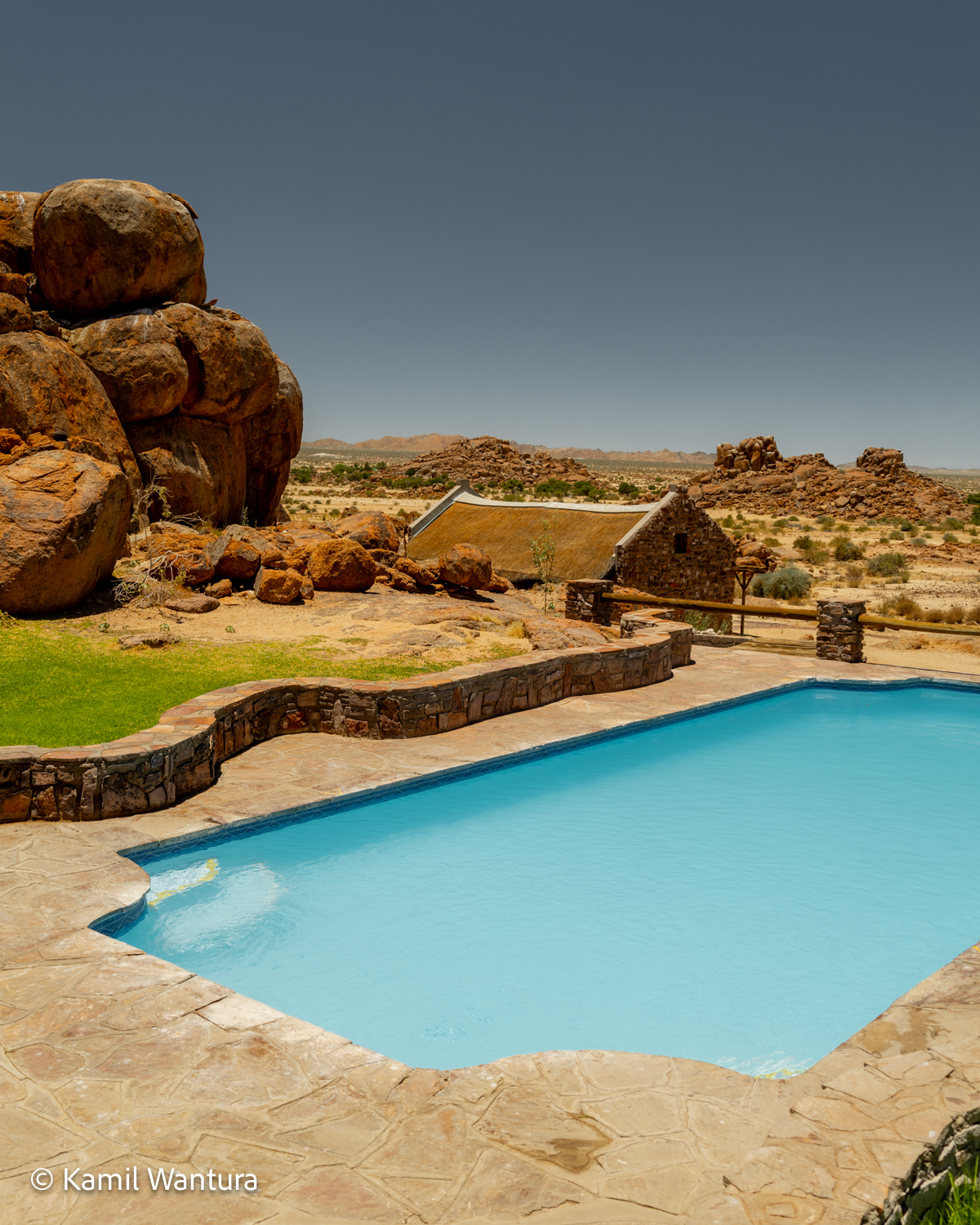
Sleep: We stayed only one night at Gondwana Canyon Village. This was the most spectacular place in the whole of Namibia that we stayed at. Beautiful landscapes, very quiet, a great pool and very comfortable cottages. A very nice vibe in the evening during dinner time too.
Day 7: The Journey Home
Border Crossing (📍MAP)
The next day before midday, we drove to the Nakop border crossing to return to South Africa. The journey was easy and smooth, and it took approximately three hours and thirty minutes waiting at the border. After crossing, we went to Augrabies as we planned to visit the Augrabies Falls National Park near the border the next day, and we spent the night there.
THE NAMIBIA SURVIVAL & LOGISTICS GUIDE
Essential Ground Data for Travel & Photography Planning
Travelling through southern Namibia with two drivers makes sharing the long hours much easier, but you still need to prepare your car carefully and know how to stay safe in remote areas. The desert is very tough, and you must respect the environment. To ensure your journey remains an unforgettable adventure rather than a roadside struggle, keep these simple safety and logistics rules in mind:
1. Vehicle & Mechanical Preparation: The Must-Haves
Safety Essentials: Tyres, Pressure, and Dust
Namibia is famous for rough gravel roads with sharp stones that easily tear rubber. Never try this drive with only one spare tyre. You must carry two brand-new, heavy-duty spare tyres mounted on rims, along with a good jack and a wheel spanner.
Lower your tyre pressure when you drive on gravel to get a better grip and avoid punctures, but pump them back up before you return to paved roads. Always pack a 12V tyre pump and a pressure gauge. Also, keep your windows tightly closed when passing other cars on gravel roads so flying stones do not crack your windscreen.
Top Vehicle Recommendations:
- Ford Ranger: An excellent choice and a very popular rental vehicle for navigating the Namibian landscape.
- Toyota Hilux Double Cab: Widely considered the gold standard for Namibia. It is rugged, reliable, and often available with built-in camping equipment.
- Toyota Fortuner: A fantastic alternative if you prefer a station wagon style vehicle while still maintaining excellent off-road capability.
- Suzuki Jimny: A great, compact, and fuel-efficient option if you are travelling as a couple and do not require excessive cargo space (though it has limited soundproofing).
Recommended Tyre Pressure
While you should always check the specific vehicle manual and follow the rental company’s advice, the general rule for gravel roads is to reduce your pressure to improve grip and comfort.
- Standard Road/Tarmac: Maintain the manufacturer’s recommended pressure, usually between 2.0 and 2.2 bar.
- Gravel Roads: Lower the pressure to approximately 1.6 to 1.8 bar.
2. Fuel Strategy & Remote Planning
Outback Planning: Managing the Distances
The distance between petrol stations in the far south can easily be more than two to three hundred kilometres. Never pass a petrol station without filling up, even if your tank is still half full. If you plan to take smaller roads or detours, carrying extra fuel in a jerry can and at least five litres of drinking water per person is vital for safety.
Card machines in remote places often stop working because of satellite issues, so cash is very important. Always carry enough physical money. Namibian Dollars (NAD) and South African Rand (ZAR) have a 1:1 value and are accepted everywhere.
3. Navigation and the Co-Driver Advantage
On the Move: Offline Maps and Road Focus
Mobile phone signal disappears completely outside of major towns. Do not rely on live GPS or online services. Before you leave, make sure you download offline maps using apps like Maps.me, Google Maps offline mode, or Tracks4Africa.
Having two people in the car is a big help. Give one person the job of reading the downloaded maps, while the other focuses entirely on the road, watching out for bumpy tracks, patches of deep sand, and animals like springbok or ostriches.
4. Money, Payments, & Tipping
- The Reality for Foreigners: Major hotels, lodges, and larger petrol stations accept international credit cards. However, in remote desert areas, small shops, and for casual tipping, cash is essential. For enhanced security, I recommend using pre-paid cards such as Revolut, Monzo, or Wise to manage payments. This approach allows you to control all transactions effectively, whilst also benefiting from superior currency conversion rates. When withdrawing cash at an ATM, always choose the local currency without allowing the machine to perform the conversion.
- Tipping Practices: Tipping is customary for service providers. Aim for 10% at restaurants, and small gratuities for petrol attendants, who are a standard feature at all filling stations in Namibia.
5. Connectivity & Mobile Setup
Mobile coverage is excellent in towns but can be non-existent in the deep desert or remote canyon regions. eSIM cards do not always work as advertised, so buying a local SIM card upon arrival is usually the best approach, although reception is never guaranteed. Most accommodation provides good Wi-Fi, meaning you will rarely need mobile internet at your stays. Always download offline maps before departure.
6. Desert Photography & Cultural Etiquette
Permits and Access
For areas like Kolmanskop and within the Namib-Naukluft National Park, ensure you have your permits or entry vouchers ready. Always stick to marked paths in sensitive desert areas to avoid damaging the fragile crust of the dunes.
Gear Protection
The Namibian environment is defined by fine, pervasive sand that can easily penetrate sensitive photography electronics. Bring a high-quality manual blower, microfiber cloths, and lens cleaning fluid. A protective, sealed camera bag is essential, and a dedicated rain sleeve can double as a highly effective dust cover for your gear during windy desert shoots.
Desert Safety
The desert heat is intense. Always carry more water than you think you will need. When photographing wildlife (such as wild horses, springbok, or ostriches), maintain a respectful distance and never feed the animals. Keep your camera gear secure and out of direct sunlight inside vehicles.
Quick-Reference Travel Checklist
| Category | Action Item & Protocol |
|---|---|
| Water Safety | Carry large, reusable water containers and at least five litres of drinking water per person. Never rely on finding water sources in remote desert stretches. |
| Vehicle Prep | Check both spare tyres before leaving the rental depot, lower pressure for gravel tracks, and carry a basic puncture repair kit. |
| Booking Window | Secure desert lodge bookings (like Desert Quiver Camp) months in advance as they fill up quickly. |
| Camera Gear | Use a fully sealed, dust-resistant backpack. Never leave camera gear exposed to direct sun inside a vehicle. |

Intresting post! Thank you! 🙌
Thank you for your comment!
Really interesting stuff!
Thank you for your comment!
So inspiring!
I am glad! Thank you for you comment!
Thank you for all the information. I will incorporate it into my own planning for my trip to Namibia and Botswana.
My pleasure, Jo! I’m glad that my article has been useful to you. Have a great journey to Namibia and Botswana! 😊