
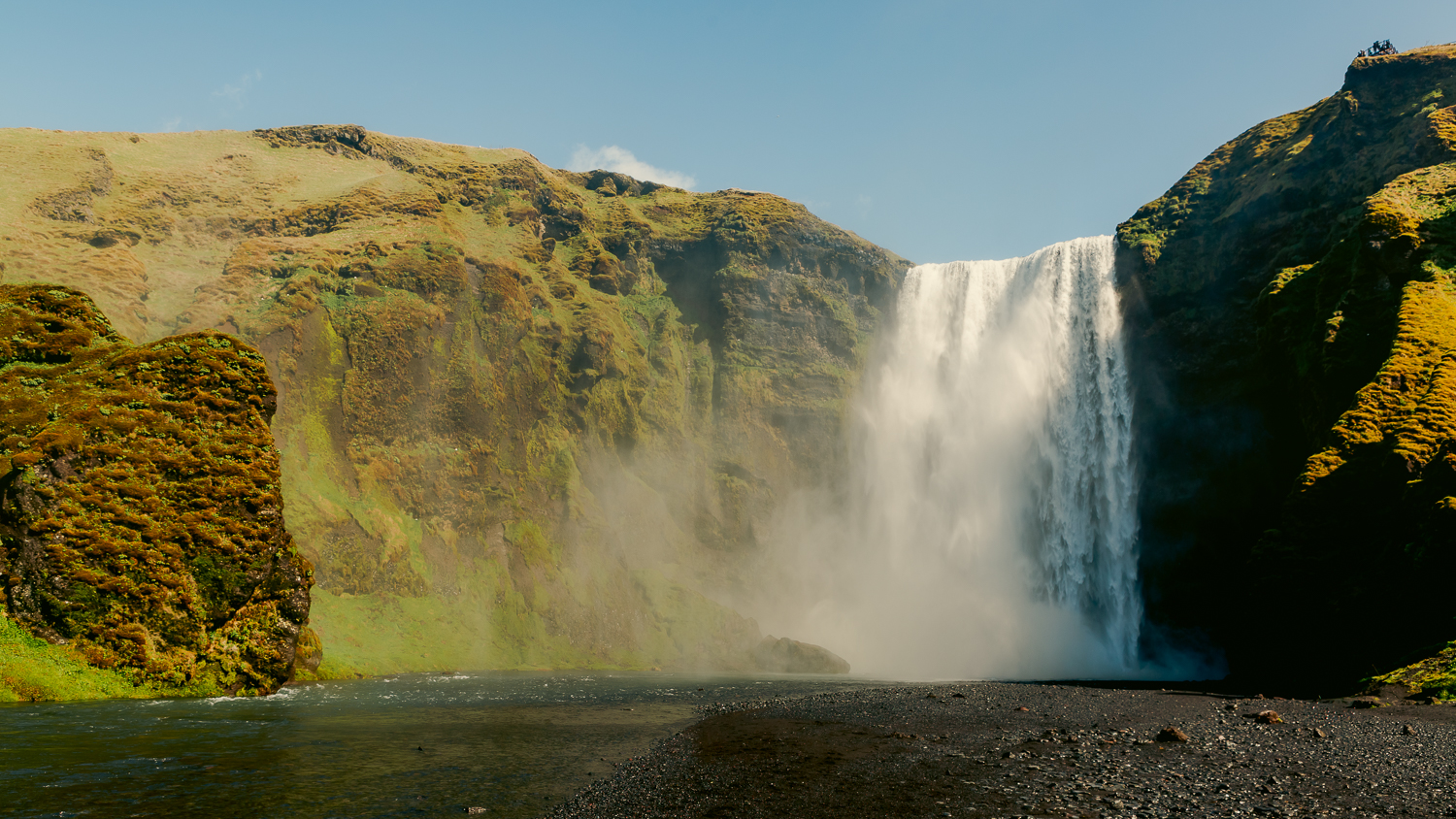

A fantastic destination for nature lovers and photographers, this island offers endless volcanic deserts, massive glacial tongues, and stunning cascading waterfalls. Every corner along the Ring Road feels like another planet, blending ancient moss covered lava fields with towering waterfalls, steaming geothermal vents, and natural hot pools. It is an unforgettable journey that captures the raw power of the wild.
TRAVEL & PHOTO CONDITIONS
| Time | End of May 2023 |
|---|---|
| Weather | Humid | Cloudy |
| Temperature | 8 to 14℃ |
| Photo Potential | |
| Physical Difficulty | |
| Accessibility | |
| Crowd Level | |
| Value for Money |
TRIP ESSENTIALS BOOKING
CAR RENTAL
Ad / Affiliate links | Find your car with DiscoverCars.com
WHERE WE STAYED
Ad / Affiliate links | Find your accommodation with Booking.com
BLUE LAGOON ENTRY
JÖKULSÁRLÓN BOAT TOUR
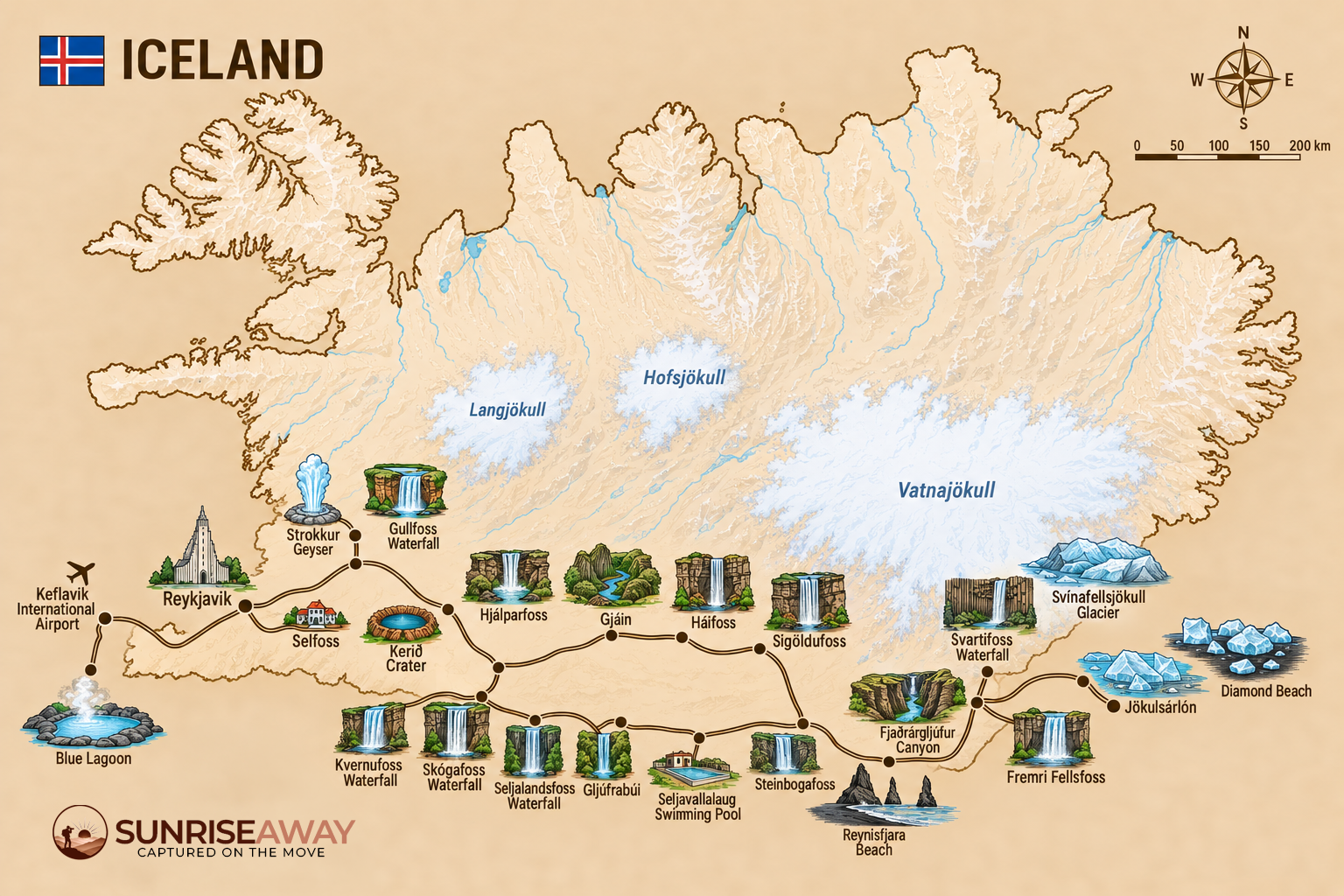
THE 6 DAY PHOTOGRAPHY ITINERARY
Iceland felt like a place I had to experience on its own terms, with the weather shaping almost every part of my journey. Over six days, I followed the scenic half of the Ring Road through volcanic deserts, glacial tongues and lush highland oases. I quickly learnt that having a sturdy 4×4, plenty of patience and a little flexibility was essential as I moved between the coast and the wilder landscapes. There were times when the weather changed within minutes, but that was part of what made the experience so memorable. I found endless opportunities for photography, especially when the shifting Arctic light met Iceland’s dramatic geology. Most of the walks were manageable, although I often found myself walking across uneven volcanic ground, and the weather kept me on my toes throughout the trip. Outside the busiest hotspots, the crowds were generally easy to avoid, which gave me more time to slow down and enjoy the scenery. Every day brought something different, and the sheer scale and beauty of the landscape made every mile of the journey worthwhile.
Day 1: Arrival and The Golden Circle
Keflavík International Airport (📍MAP)
We collected our rental car, completed the safety briefing, and got everything ready for the open road.
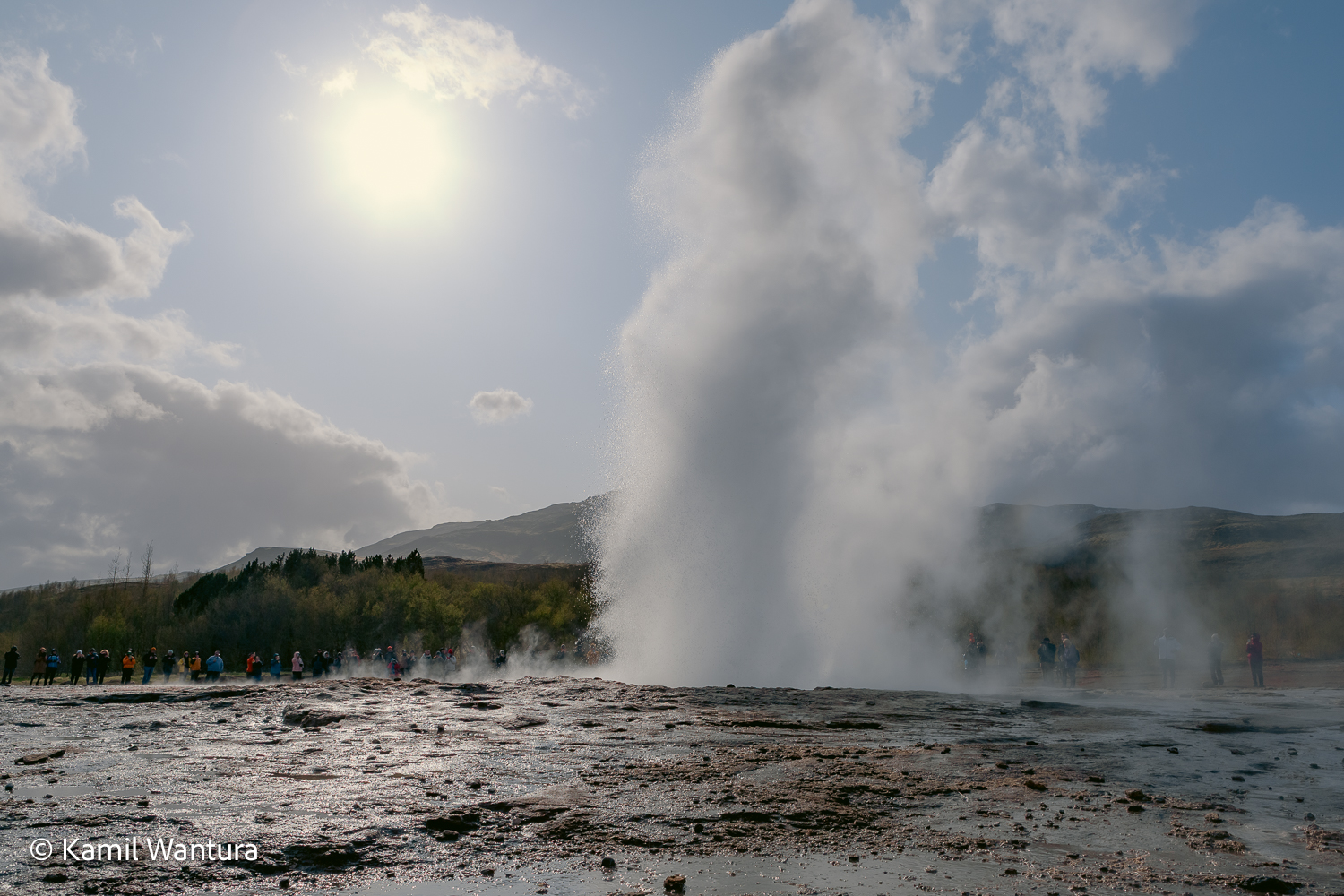
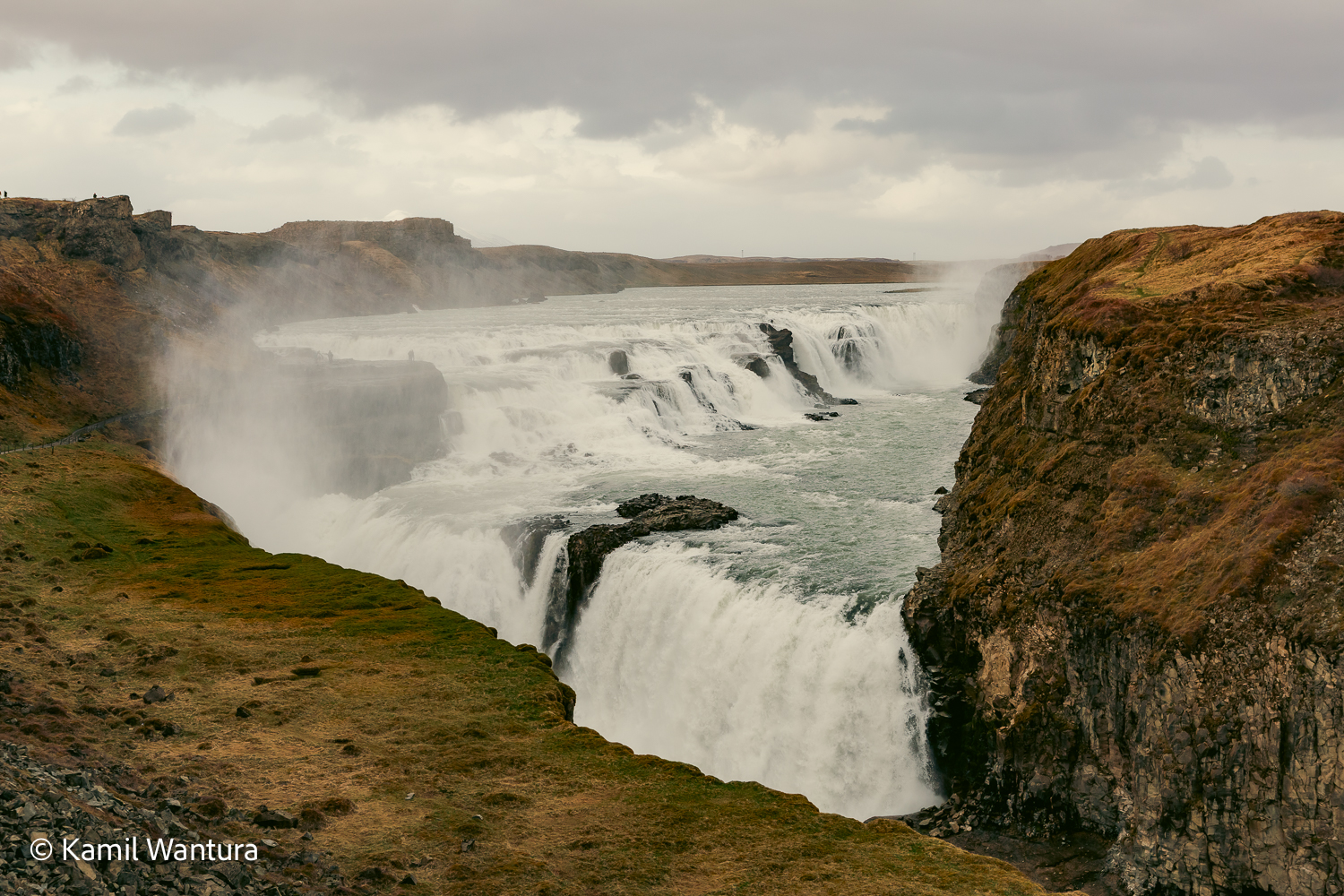
Strokkur Geyser (📍MAP) & Gullfoss Waterfall (📍MAP)
We watched Strokkur erupt dramatically, sending boiling water high into the air every few minutes. Then we headed to Gullfoss, where the massive glacial river plunged into its rugged canyon.
Selfoss Villa (📍MAP)
We drove east to Selfoss and checked into our villa, where we could finally slow down and relax for the evening.
Day 2: Volcanic Craters and Highland Oases
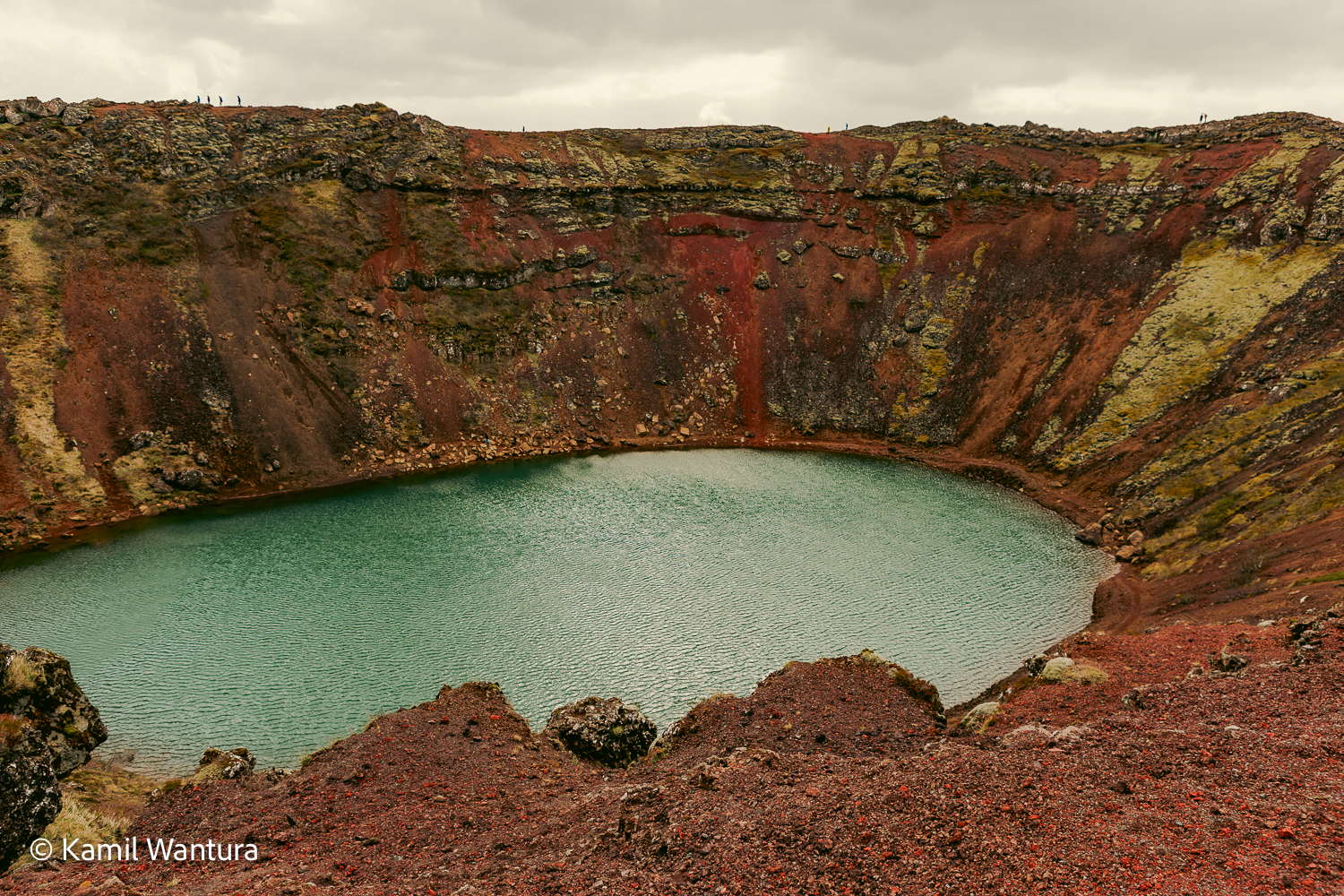
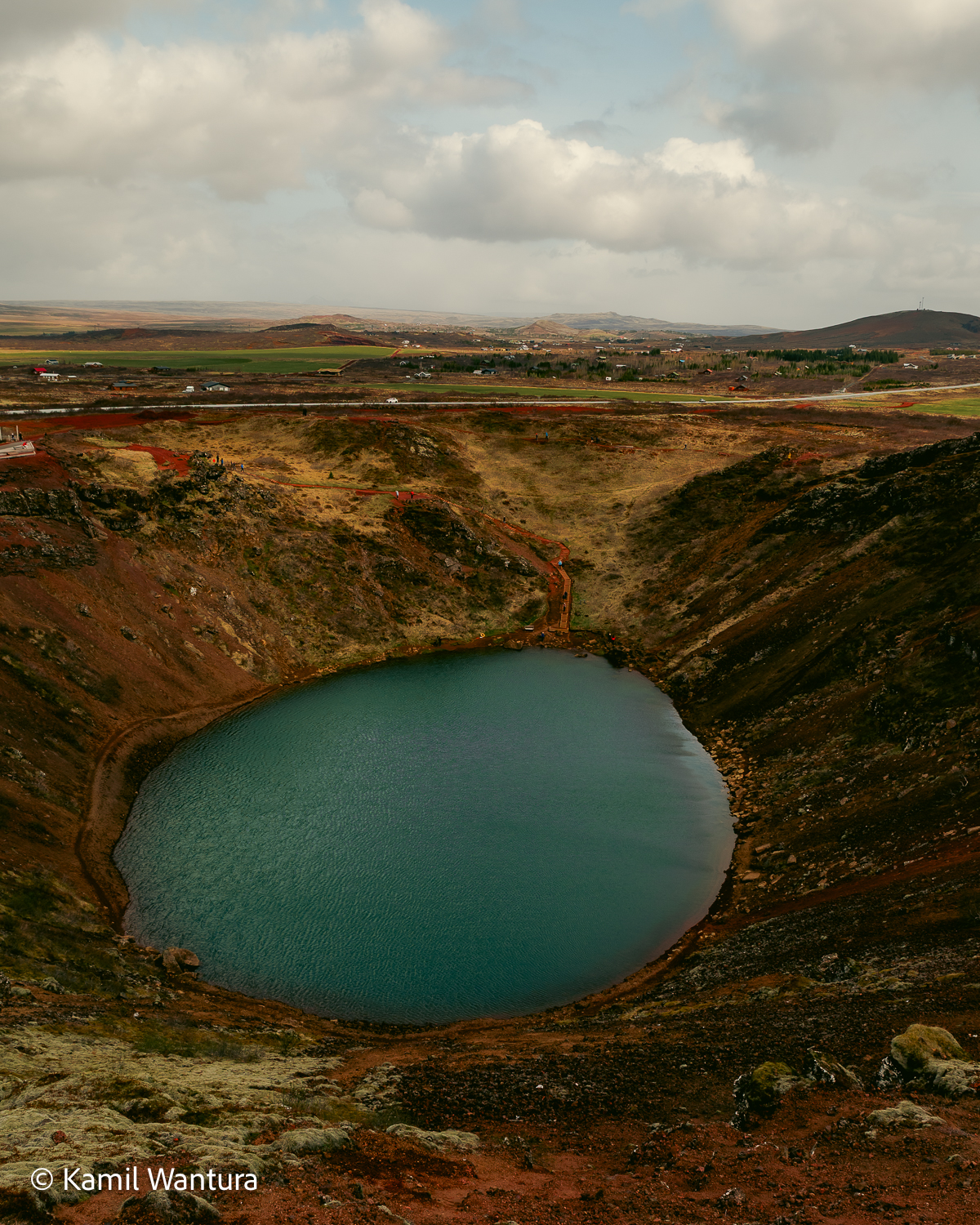
Kerið Crater (📍MAP)
We walked the circular rim of this spectacular volcanic crater and looked down at the deep aquamarine water filling the ancient caldera.
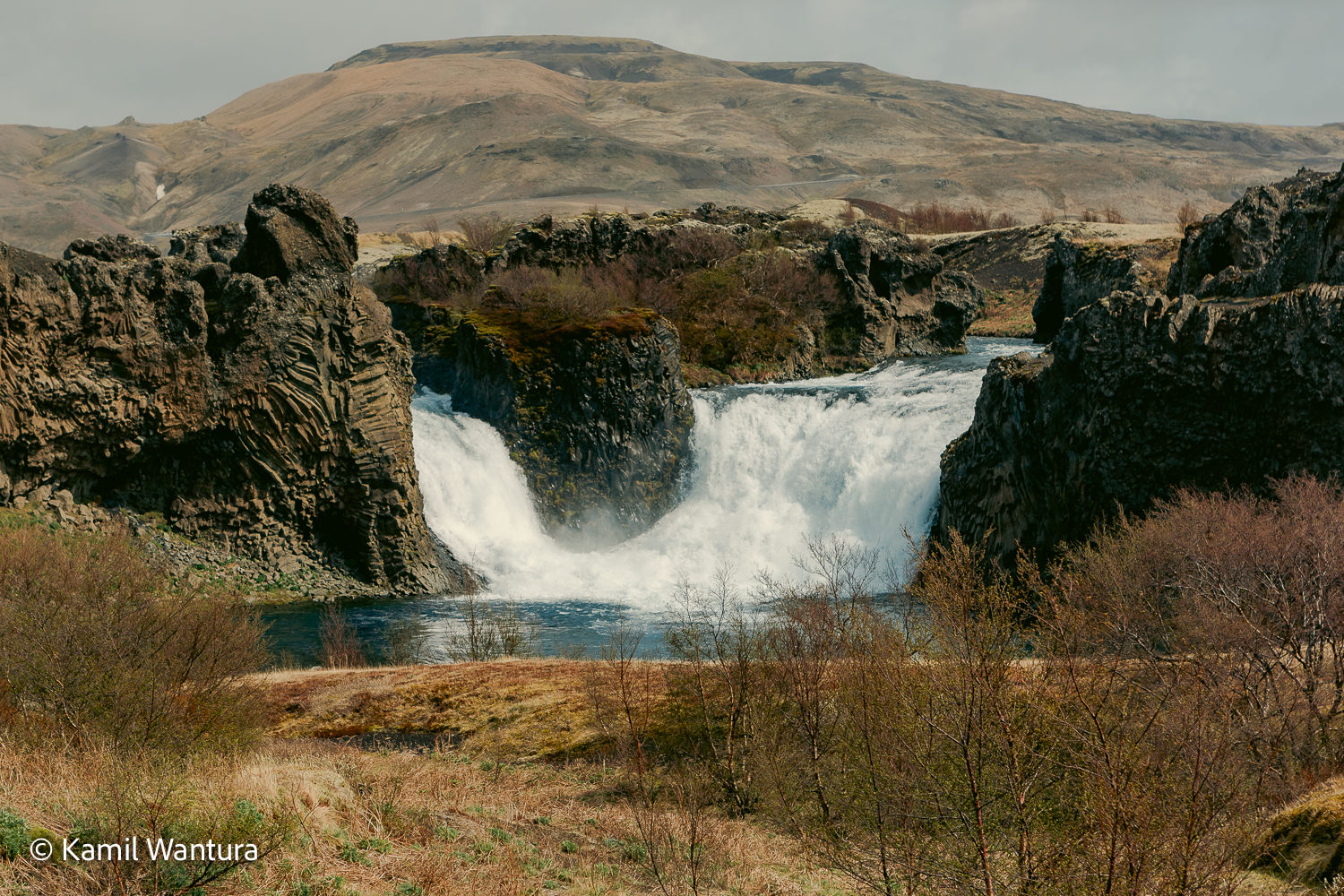
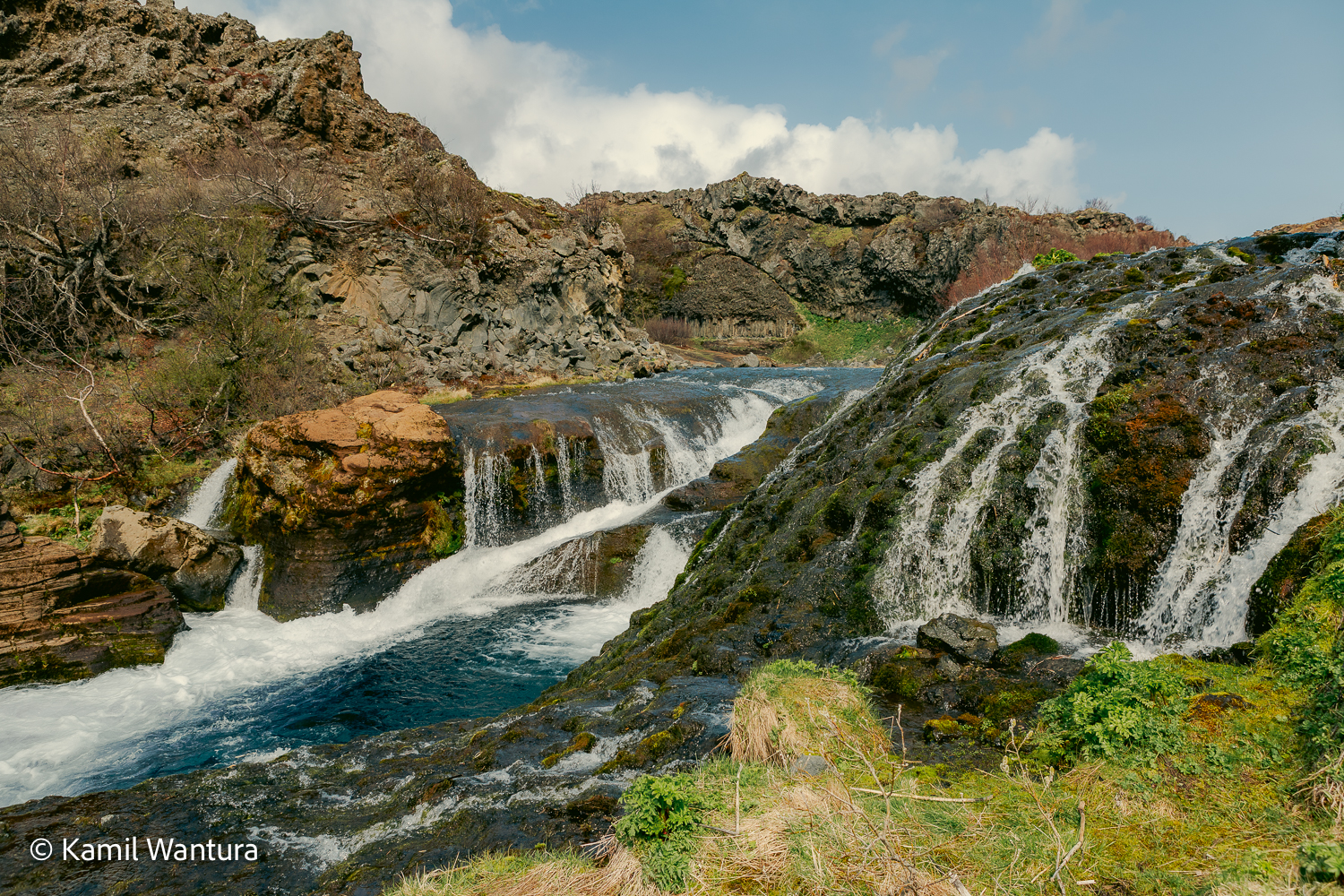
Hjálparfoss (📍MAP) & Gjáin (📍MAP)
We photographed the unique twin basalt cascades of Hjálparfoss before continuing to the fairy-tale valley of Gjáin, where clear springs and basalt formations made the landscape feel like an oasis.
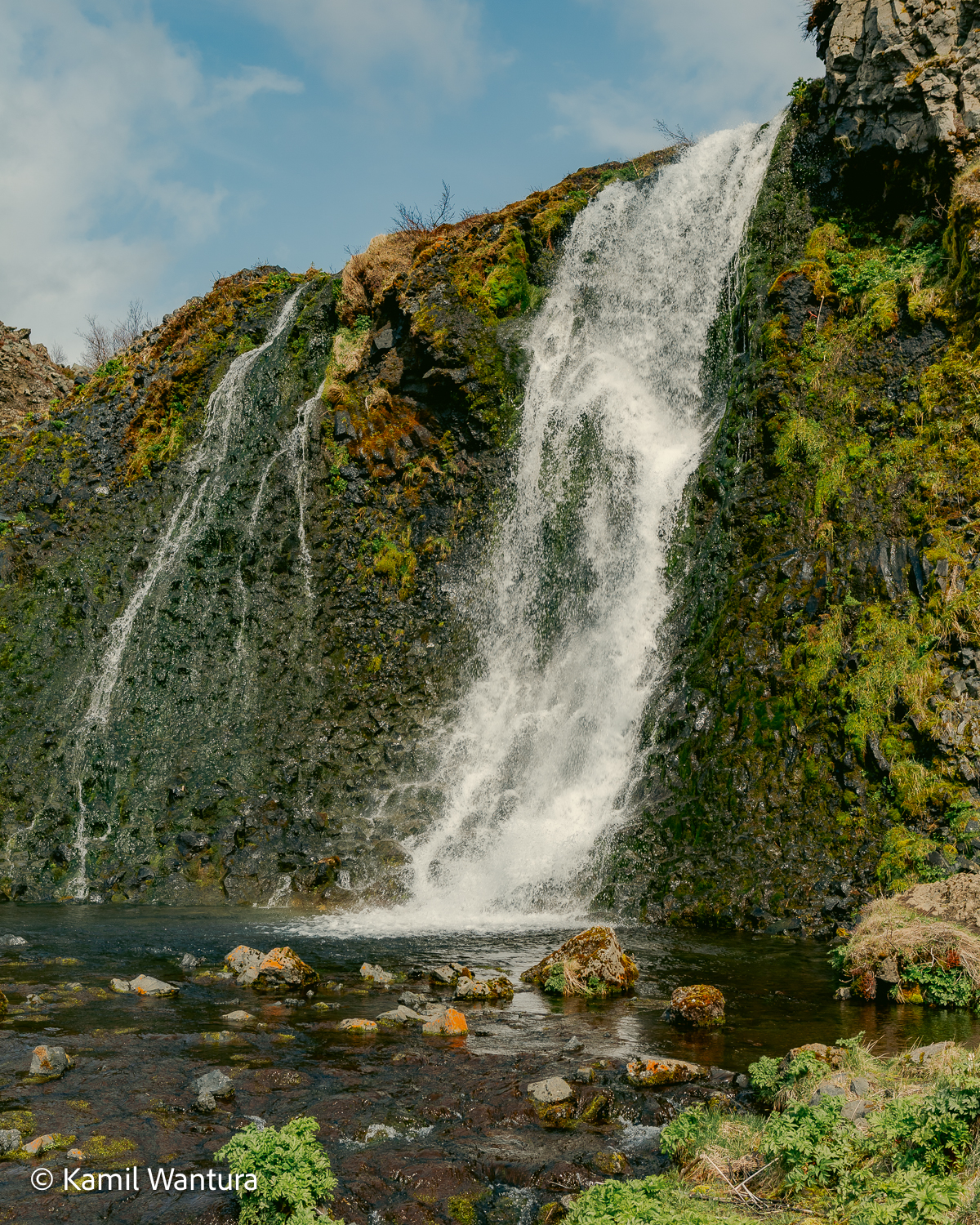
Háifoss (📍MAP) & Sigöldufoss (📍MAP)
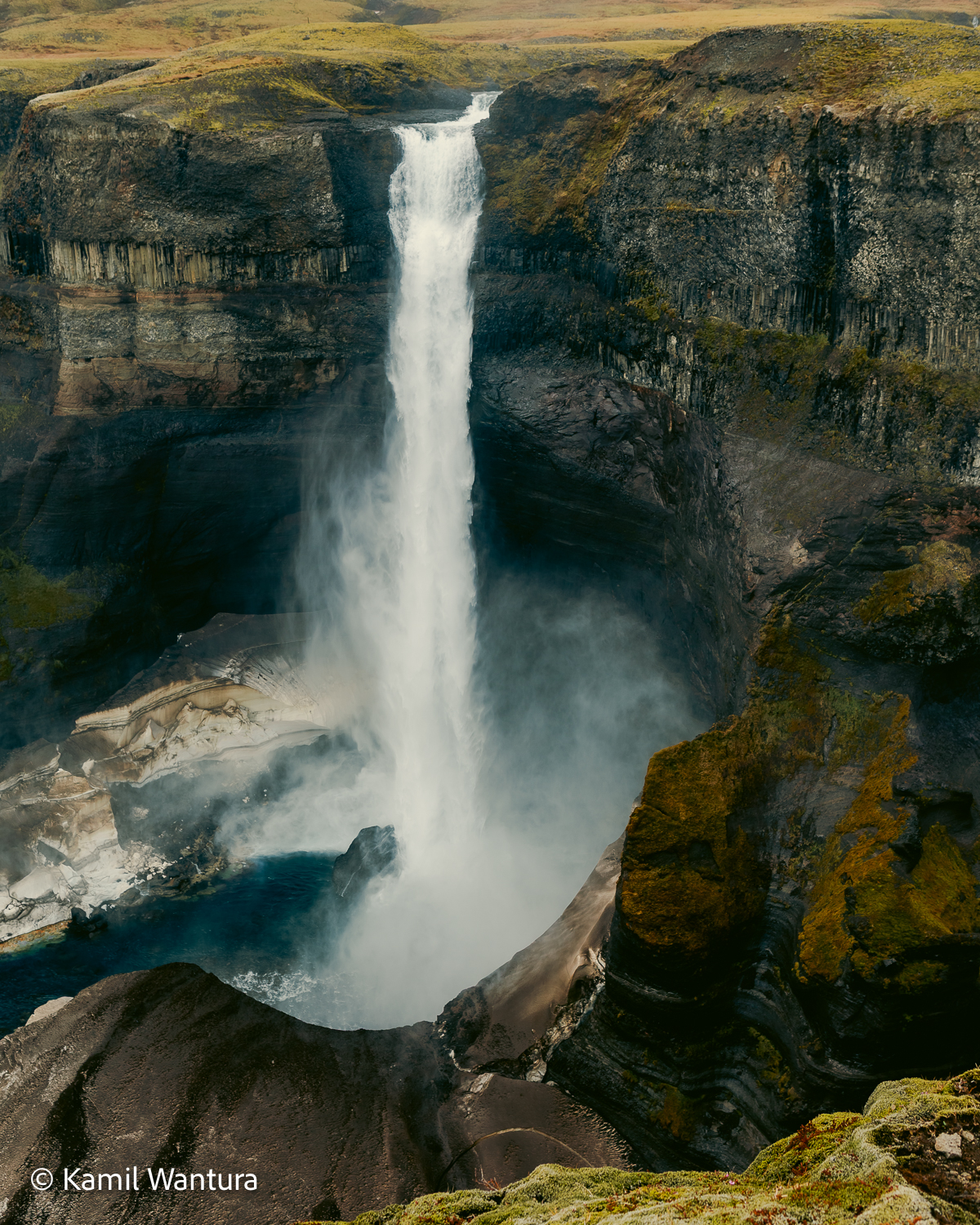
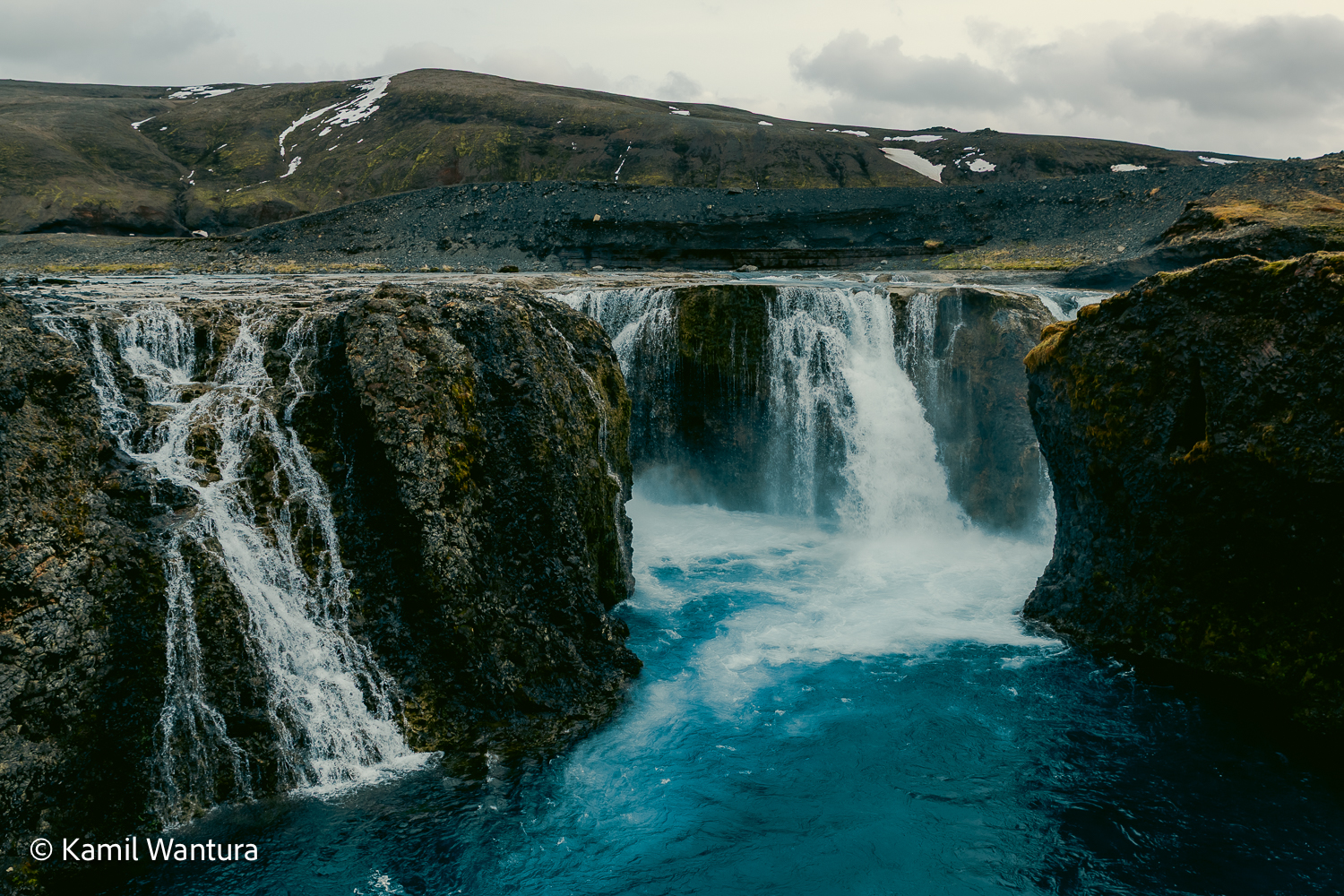
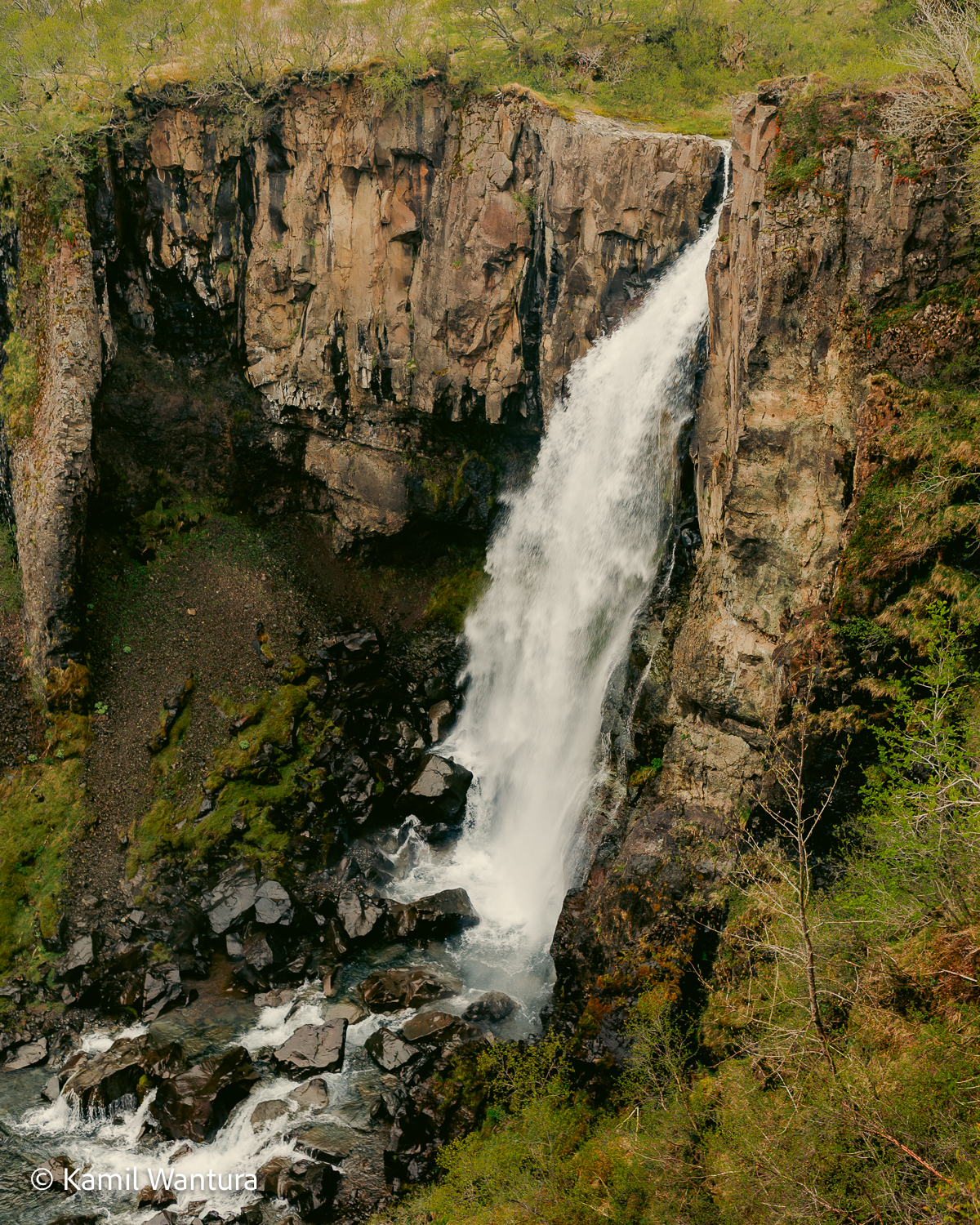
We took in the immense power of Háifoss as it plunged into a deep red canyon, then stopped on the way back to admire the beautiful turquoise waters of Sigöldufoss.
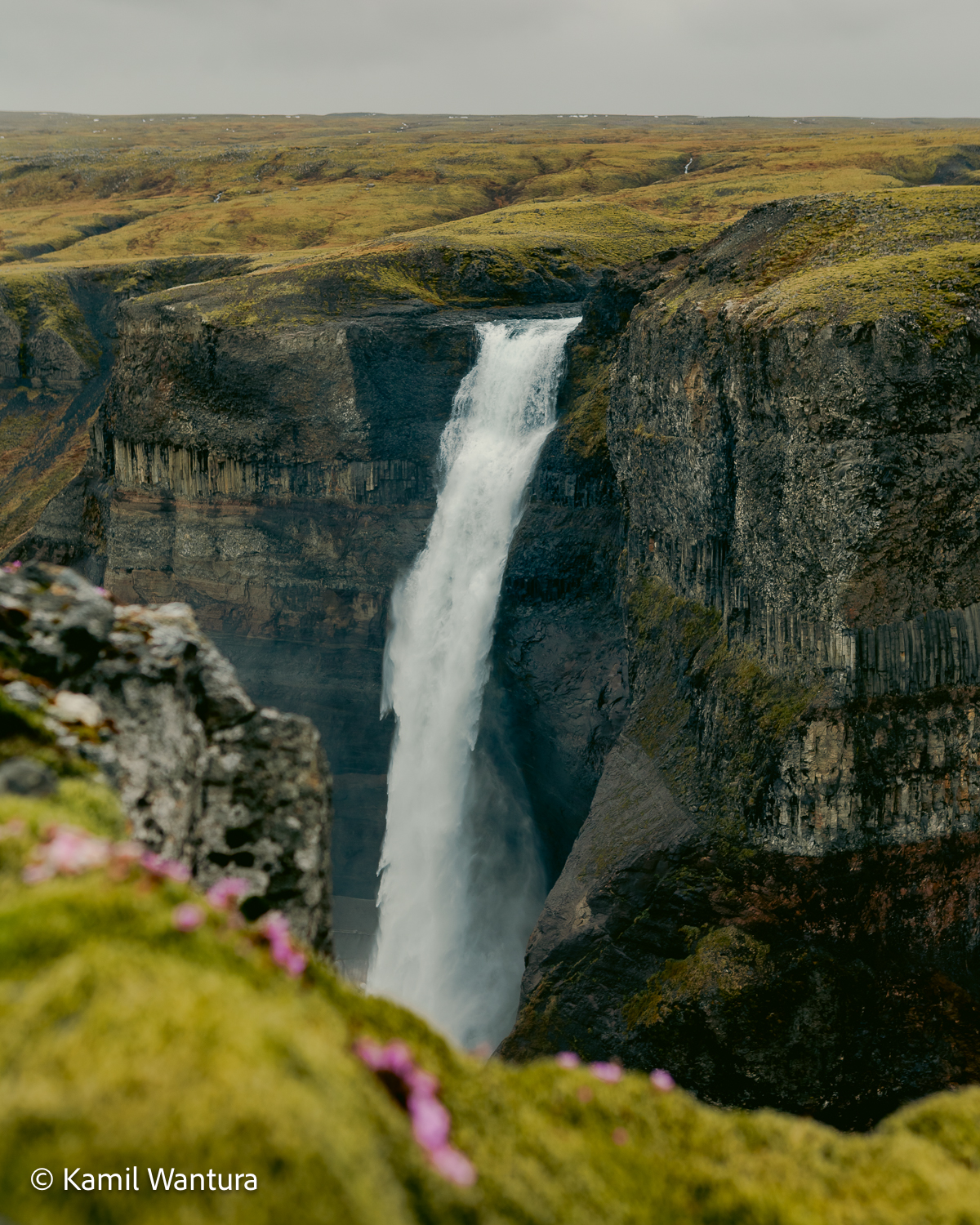
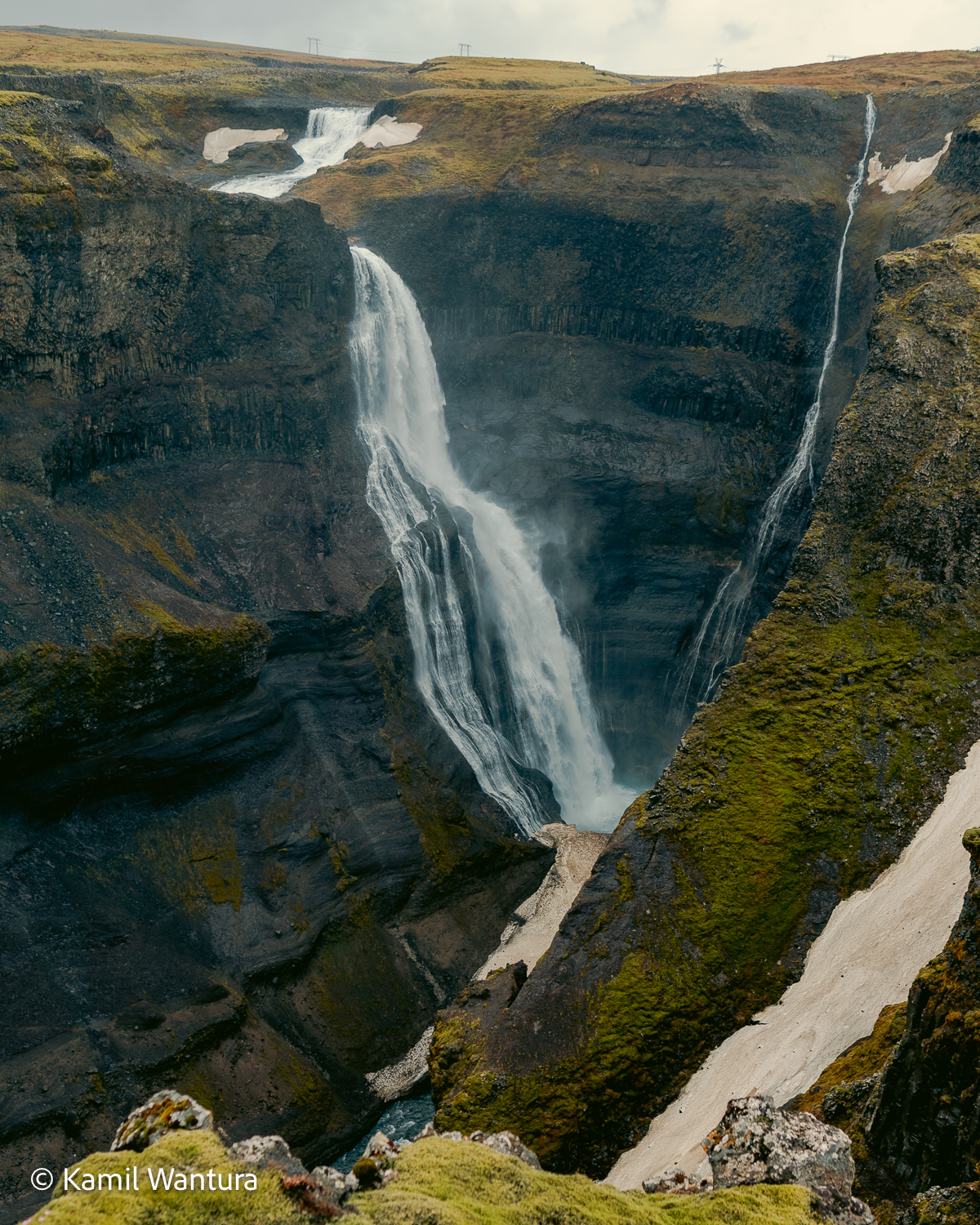
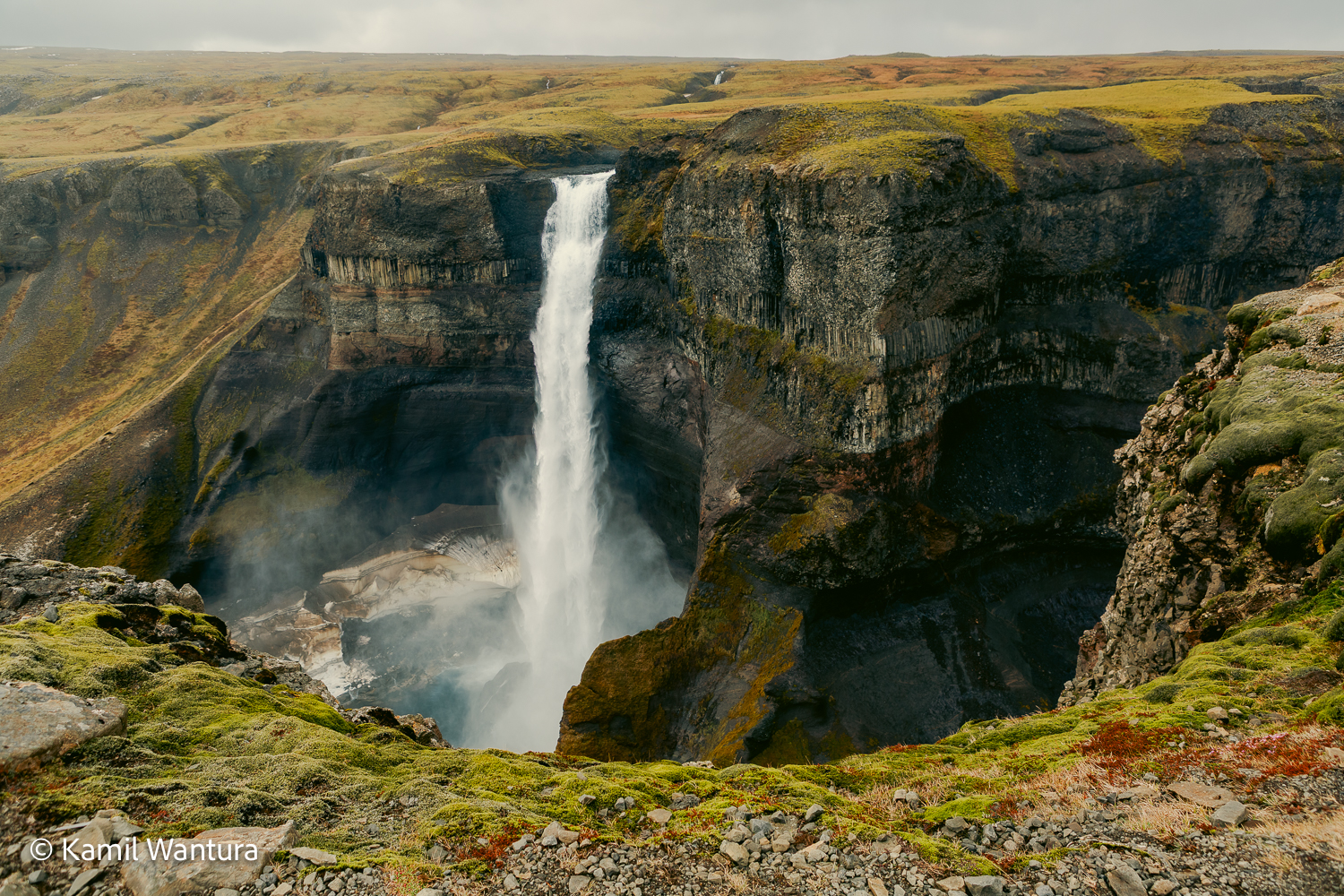
Selfoss Villa Stay (📍MAP)
We returned to our villa in Selfoss for a comfortable night and a well-earned rest after our action-packed day in the highlands.
Day 3: The Majestic Waterfalls of the South Coast
Kvernufoss Waterfall (📍MAP)
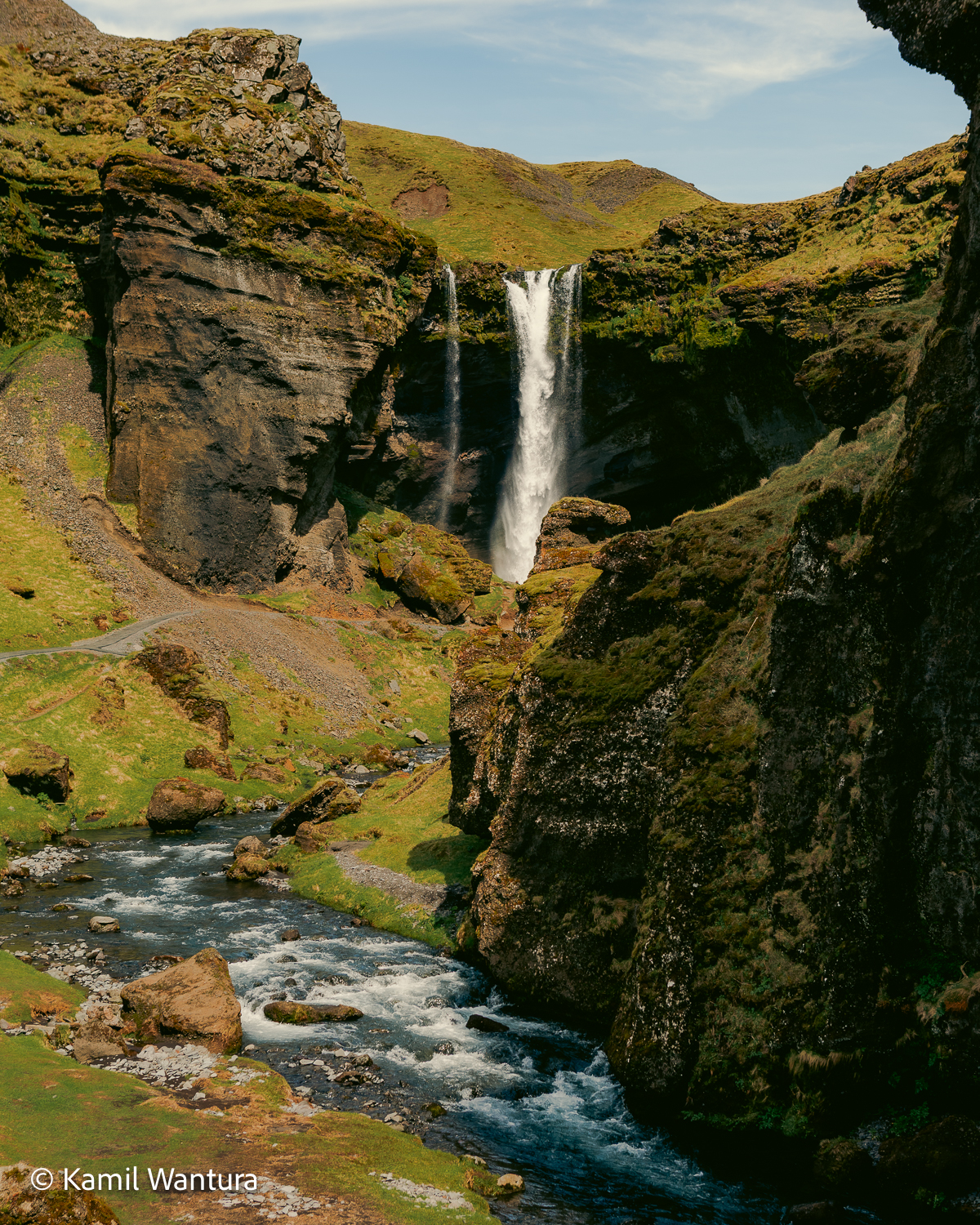
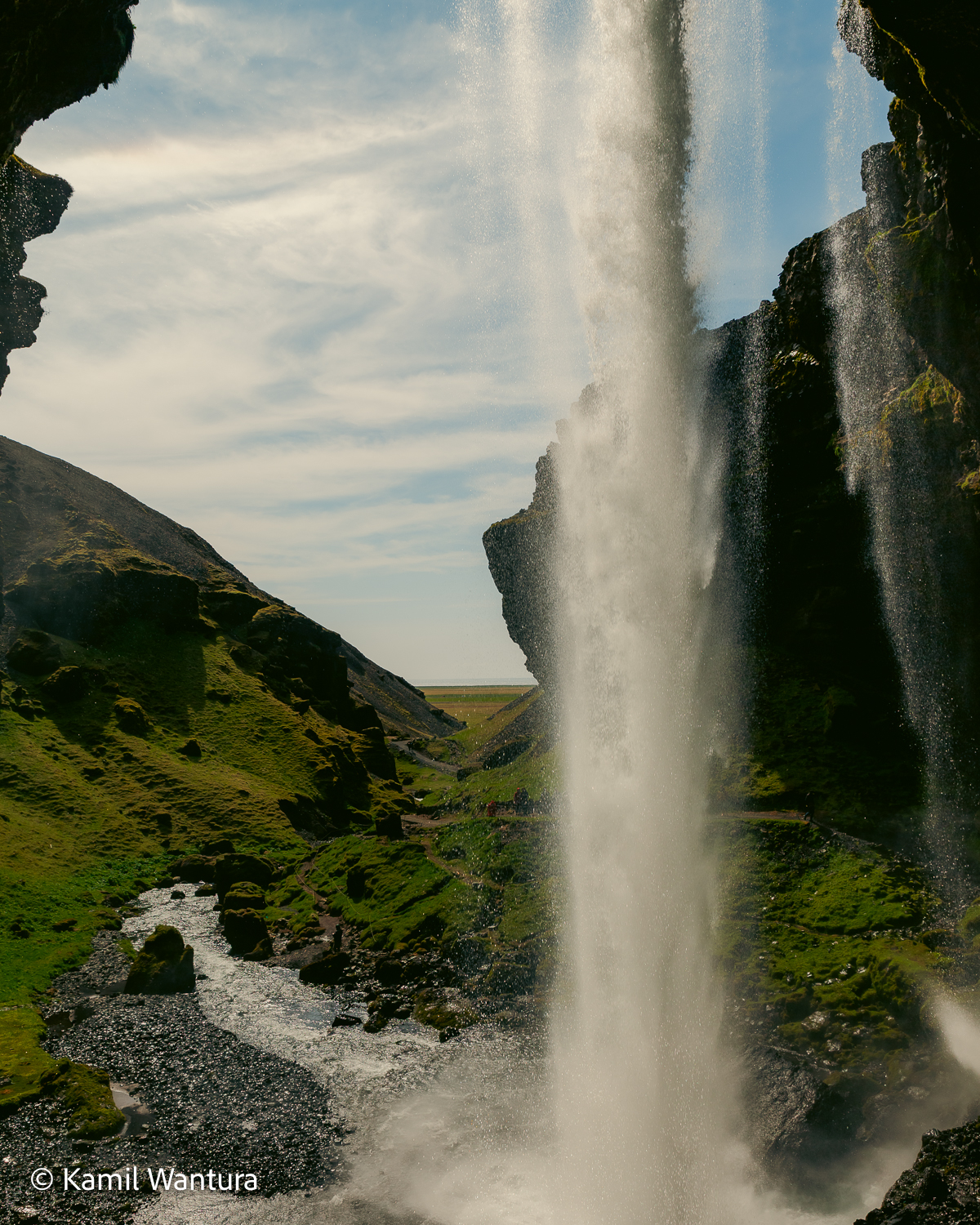
We visited this peaceful waterfall tucked away inside a narrow gorge and walked right behind the cascading water for a perspective we won’t forget.
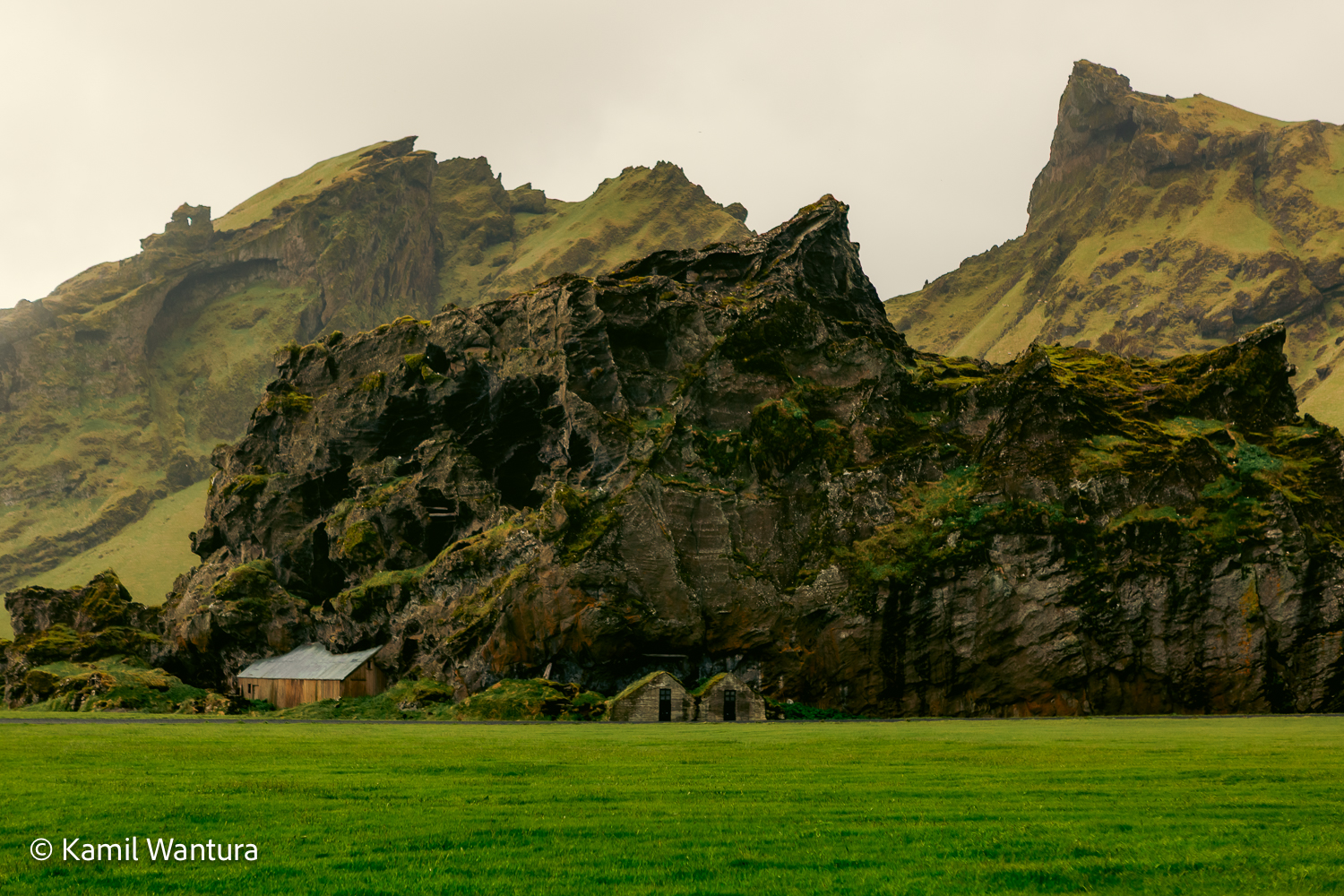
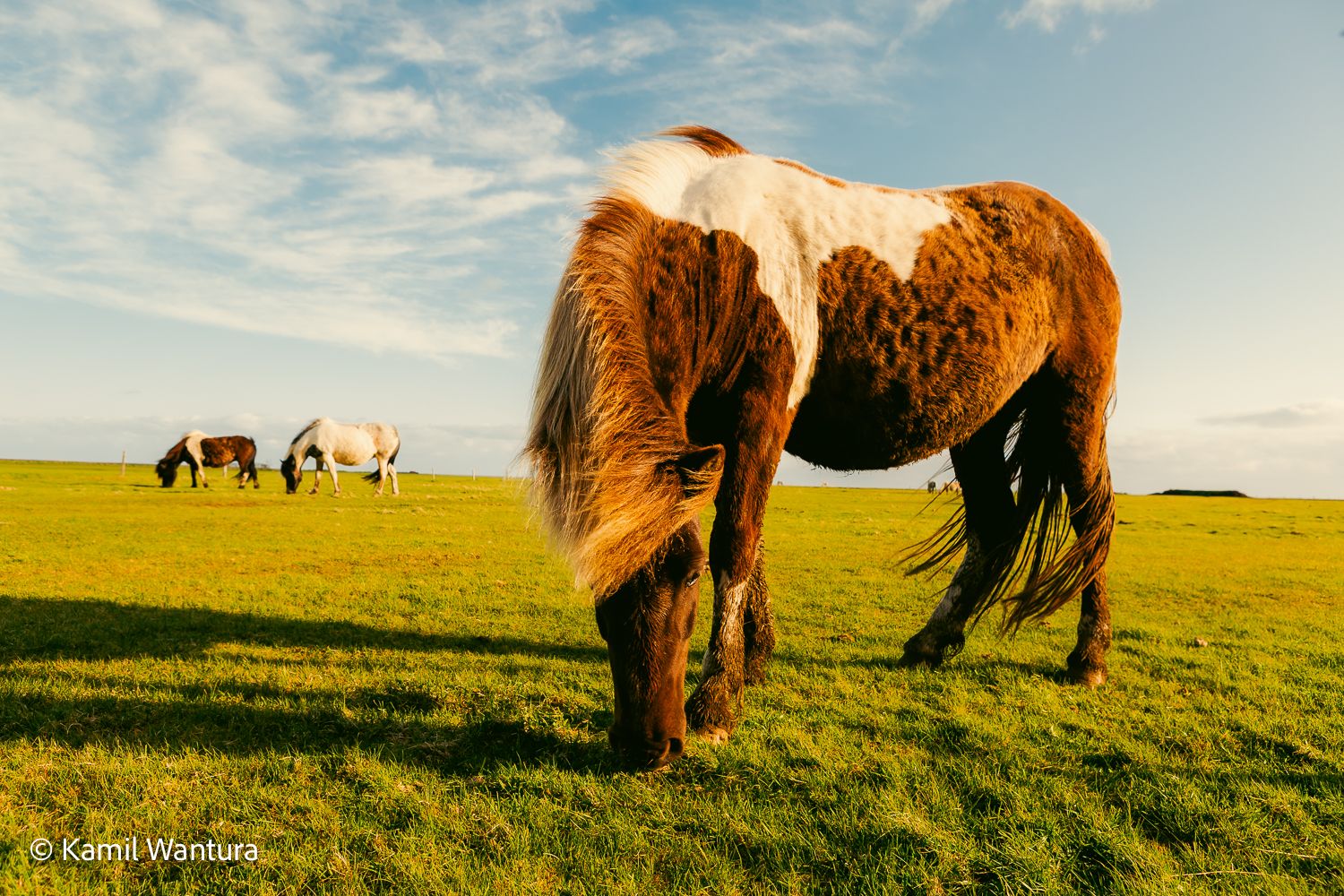
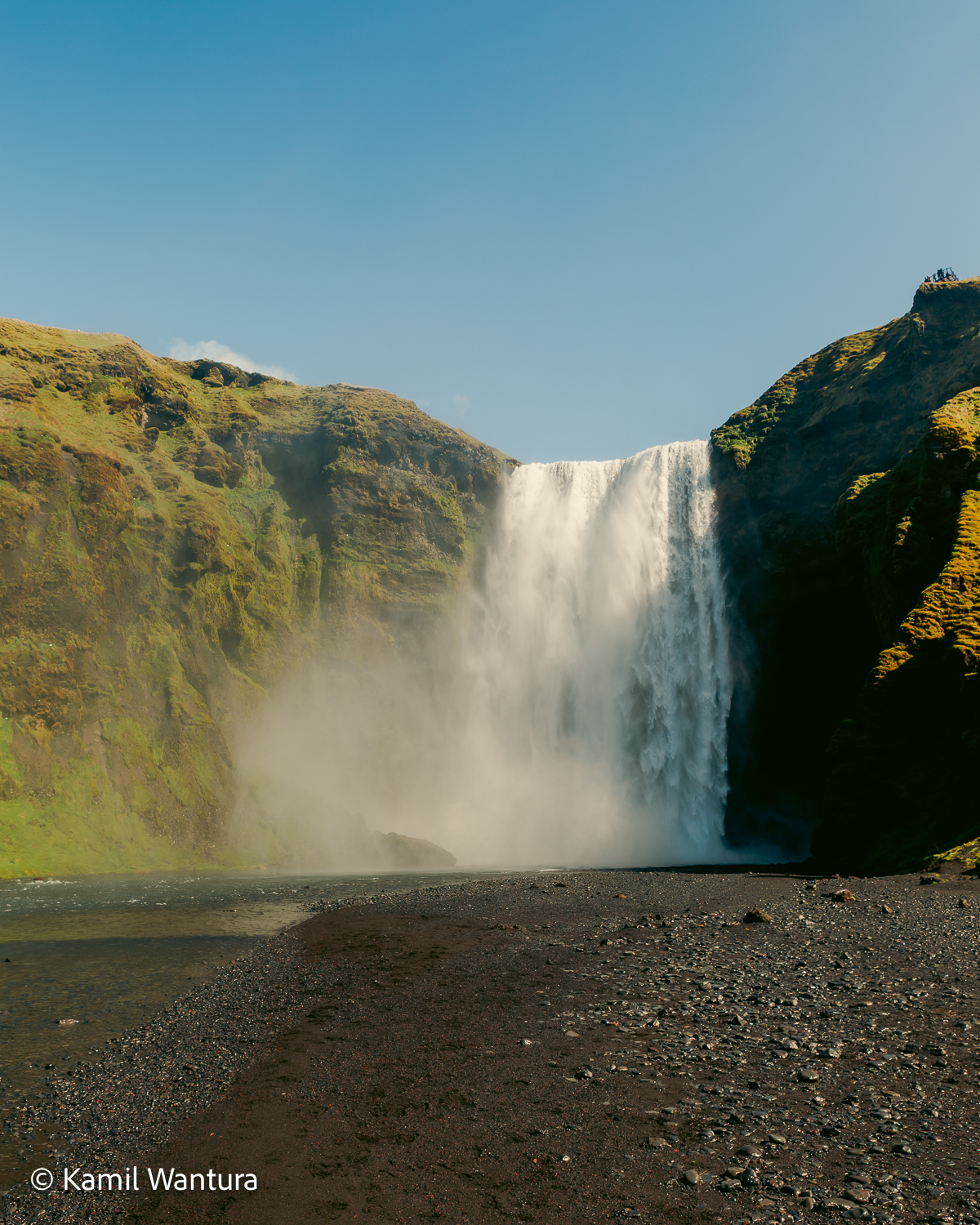
Skógafoss Waterfall(📍MAP)
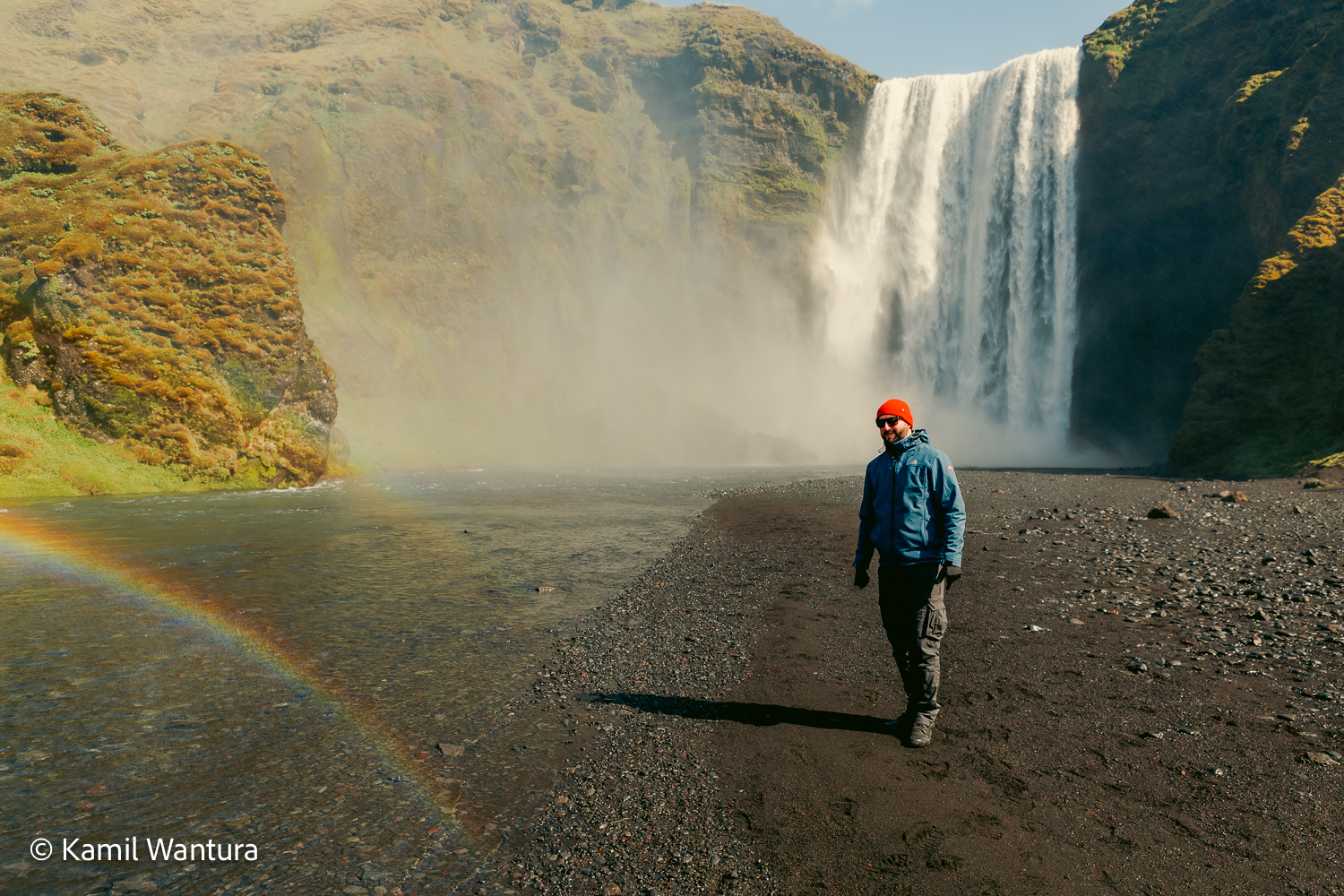
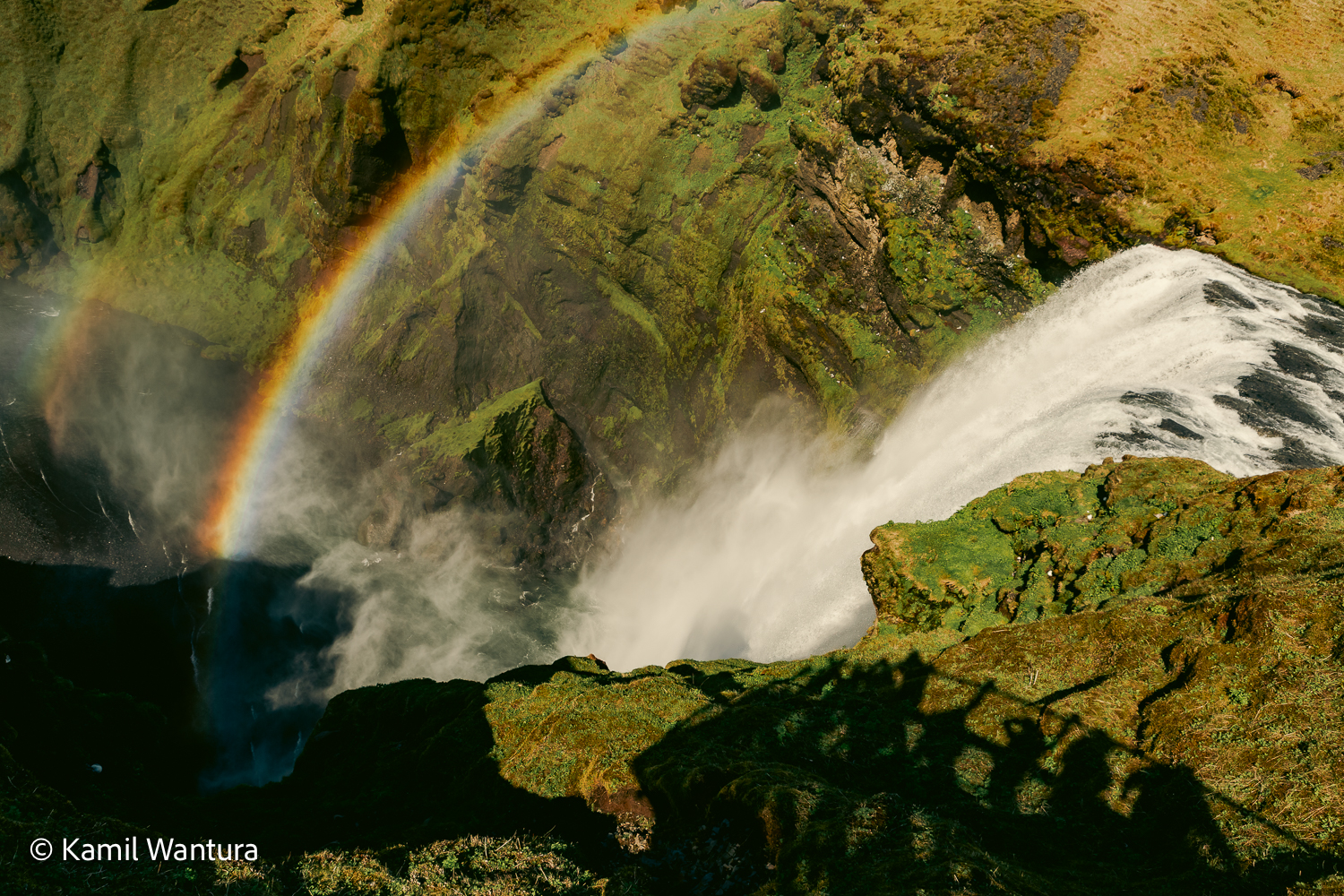
We admired one of the country’s most famous and powerful waterfalls. We climbed the steep staircase to the top for spectacular panoramic views, then took some time to enjoy the surrounding landscape.
Drangshlíð Hotel (📍MAP)
We checked into our hotel in the Skógar area, surrounded by dramatic cliffs and stories steeped in local folklore.
Day 4: Secret Canyons and Thermal Valleys
Seljalandsfoss (📍MAP) & Gljúfrabúi (📍MAP)
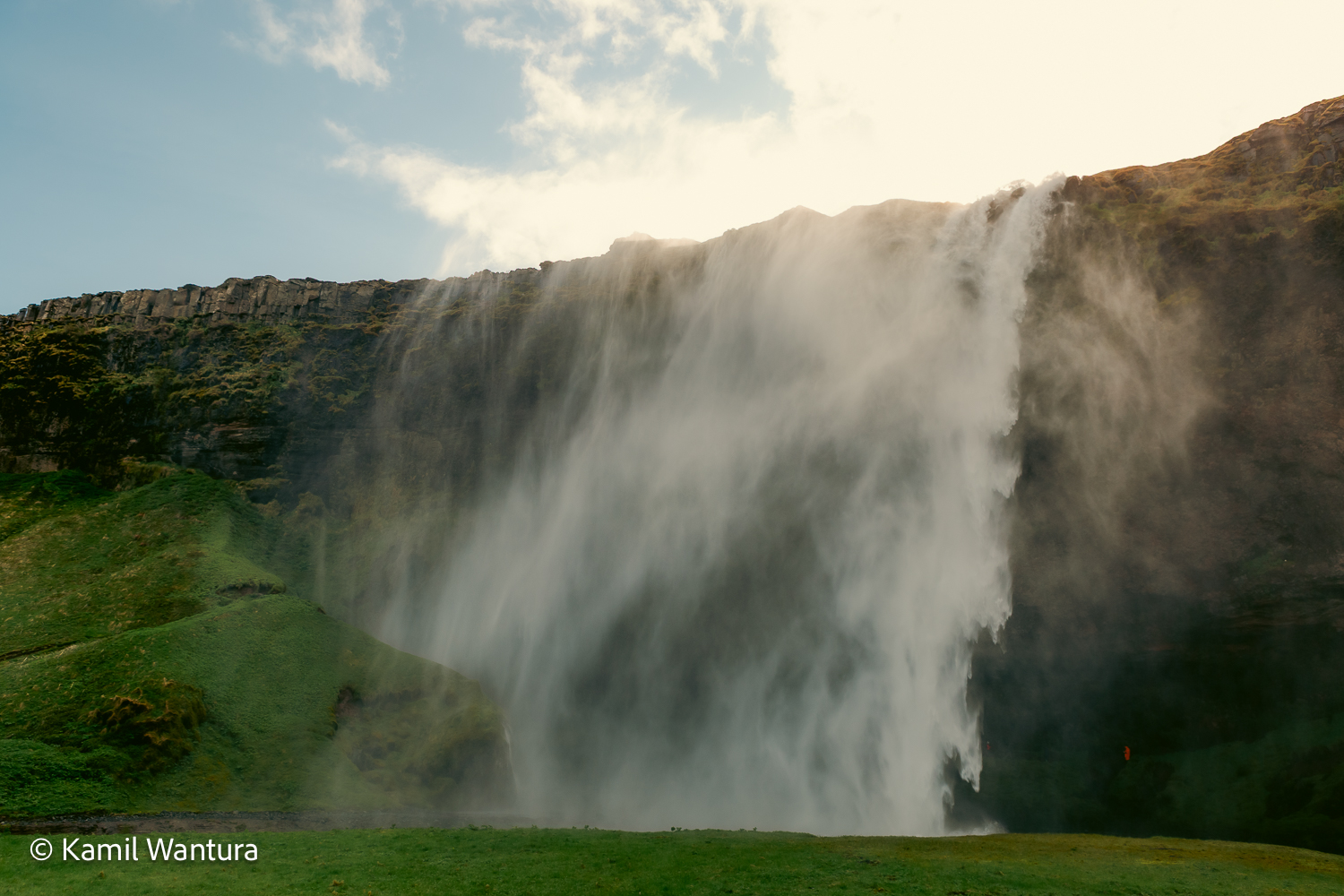
We walked behind the towering plume of Seljalandsfoss, then waded through a shallow stream into the dark cave canyon of Gljúfrabúi to find the hidden waterfall inside.
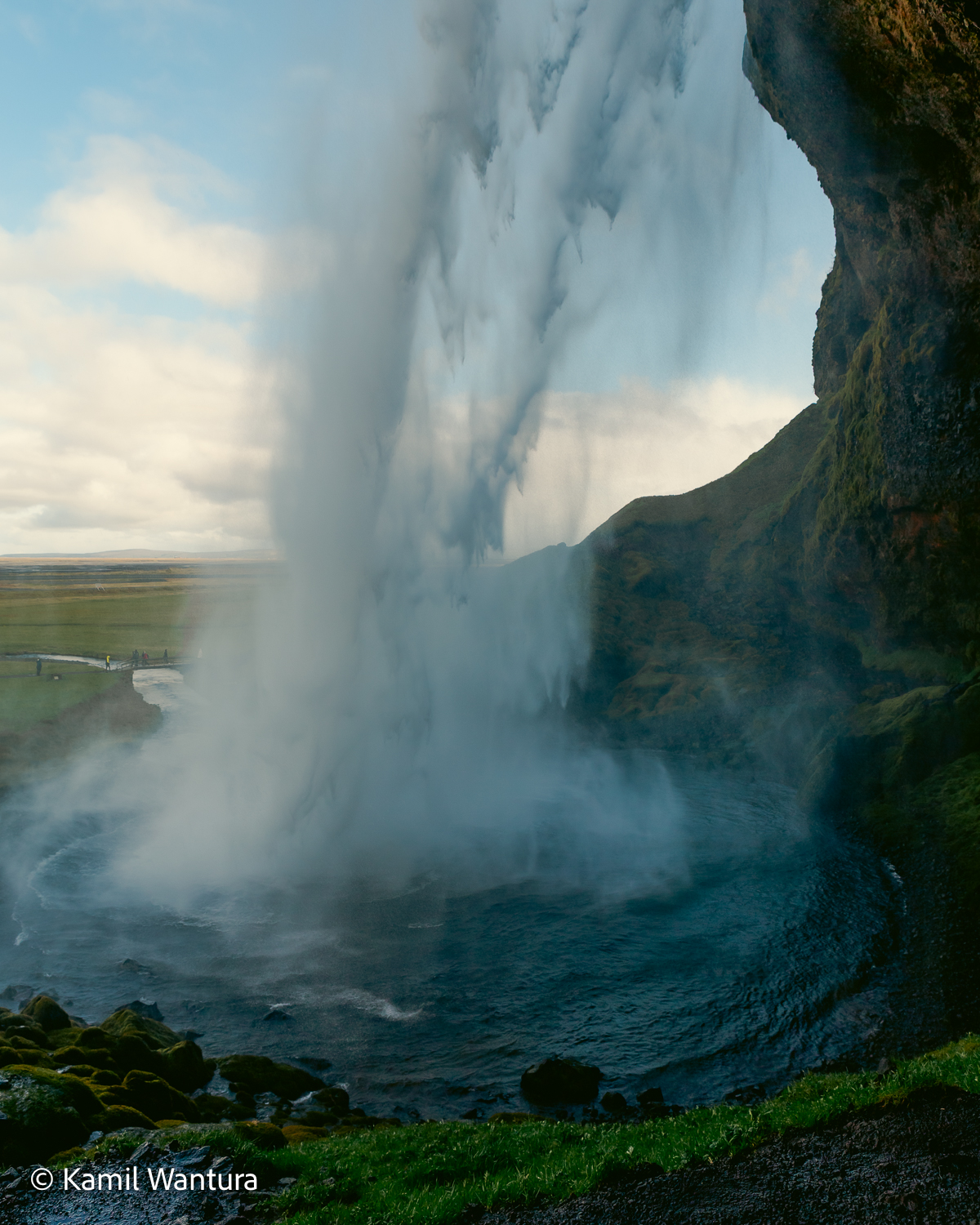
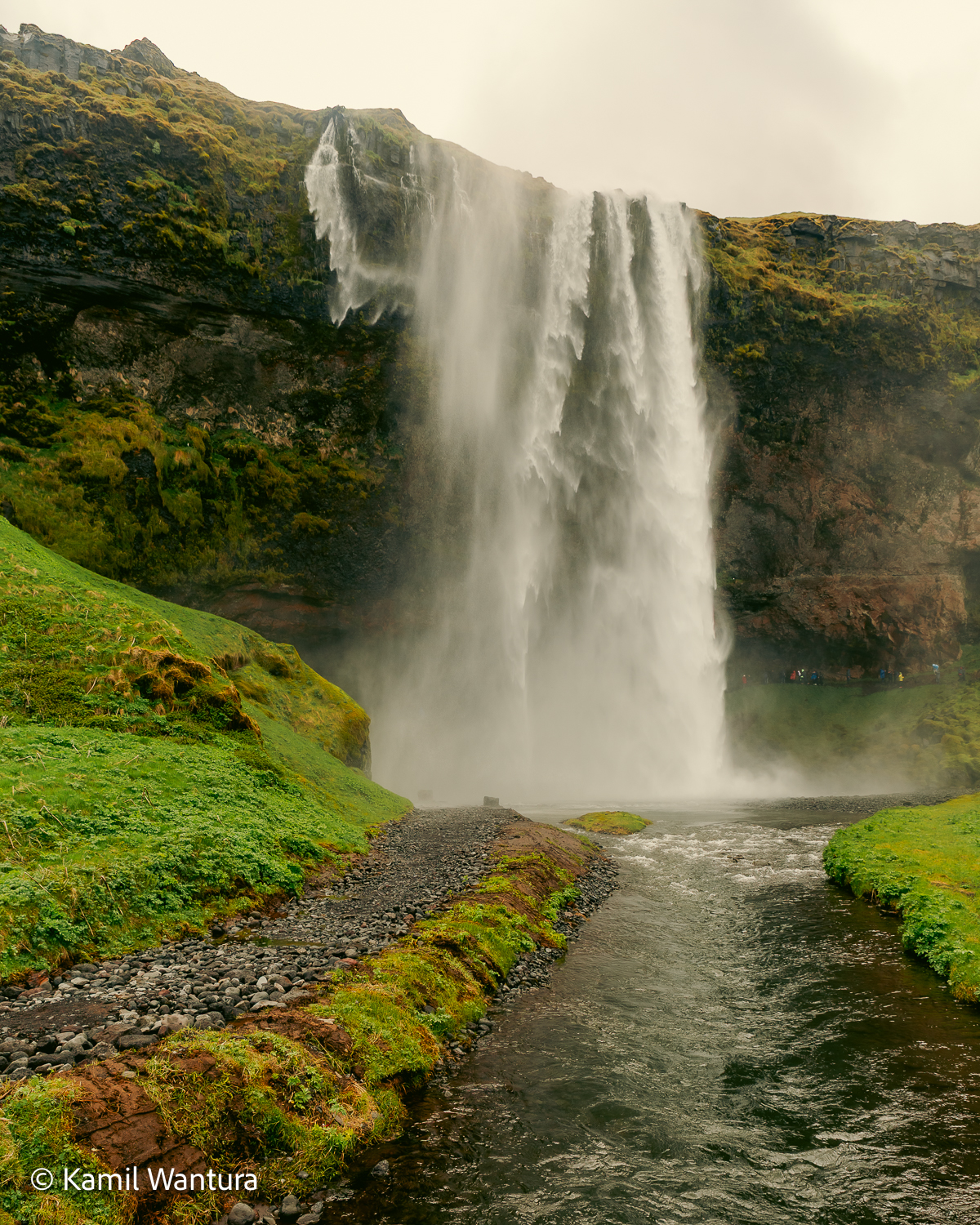
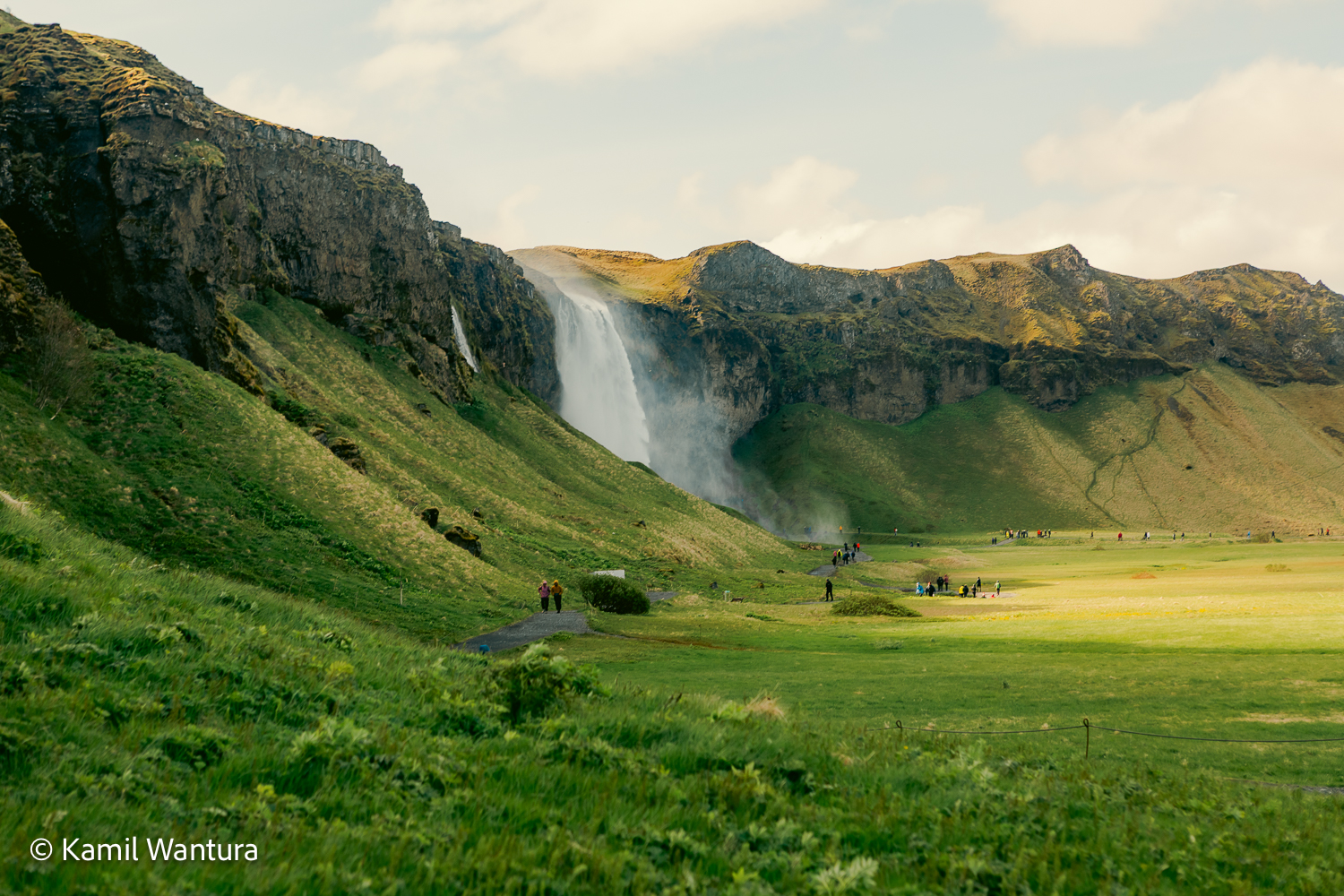
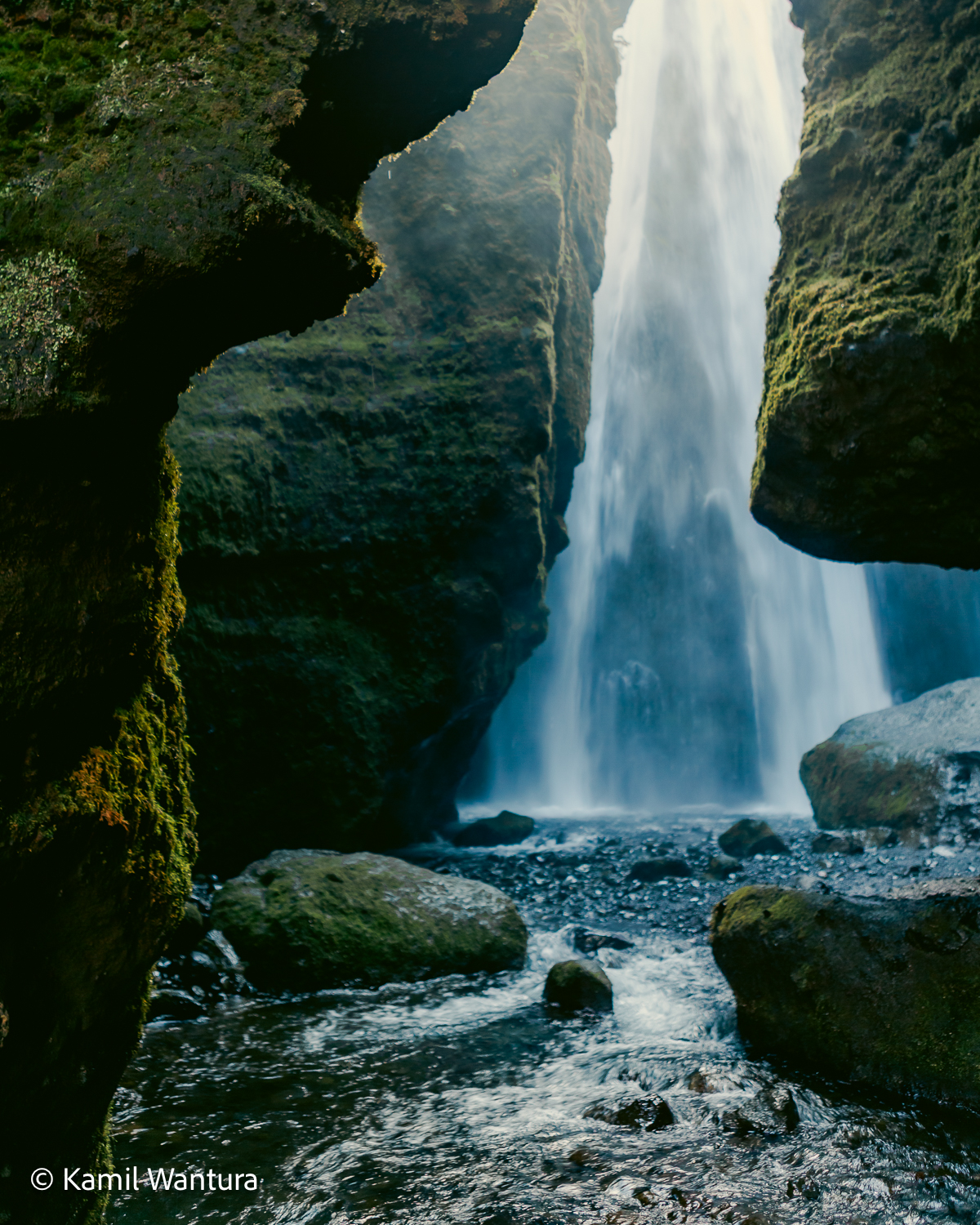
Seljavallalaug Swimming Pool (📍MAP)
We took a scenic walk through the mountain valley to reach this historic outdoor geothermal pool, built into the side of a dramatic green hill.
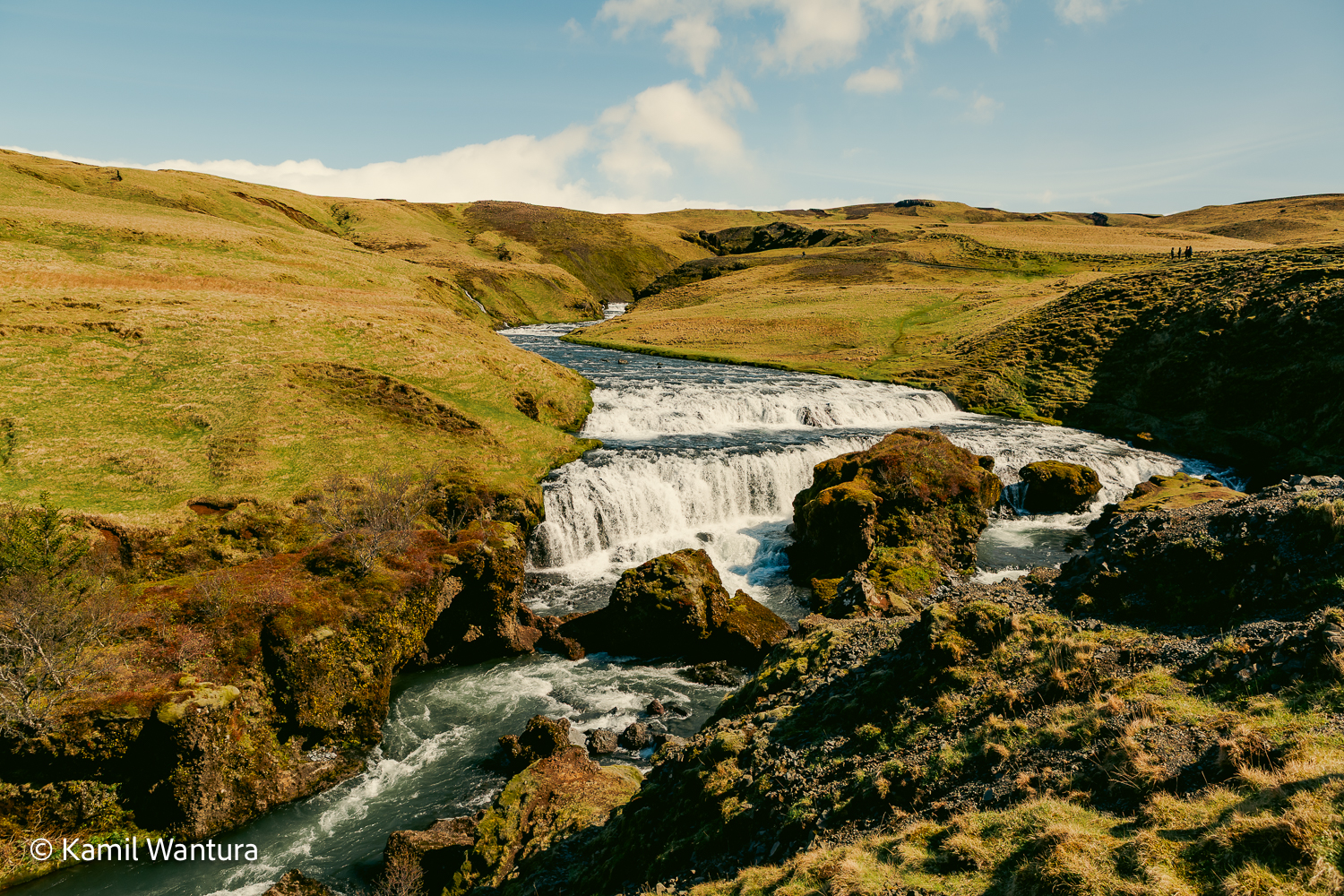
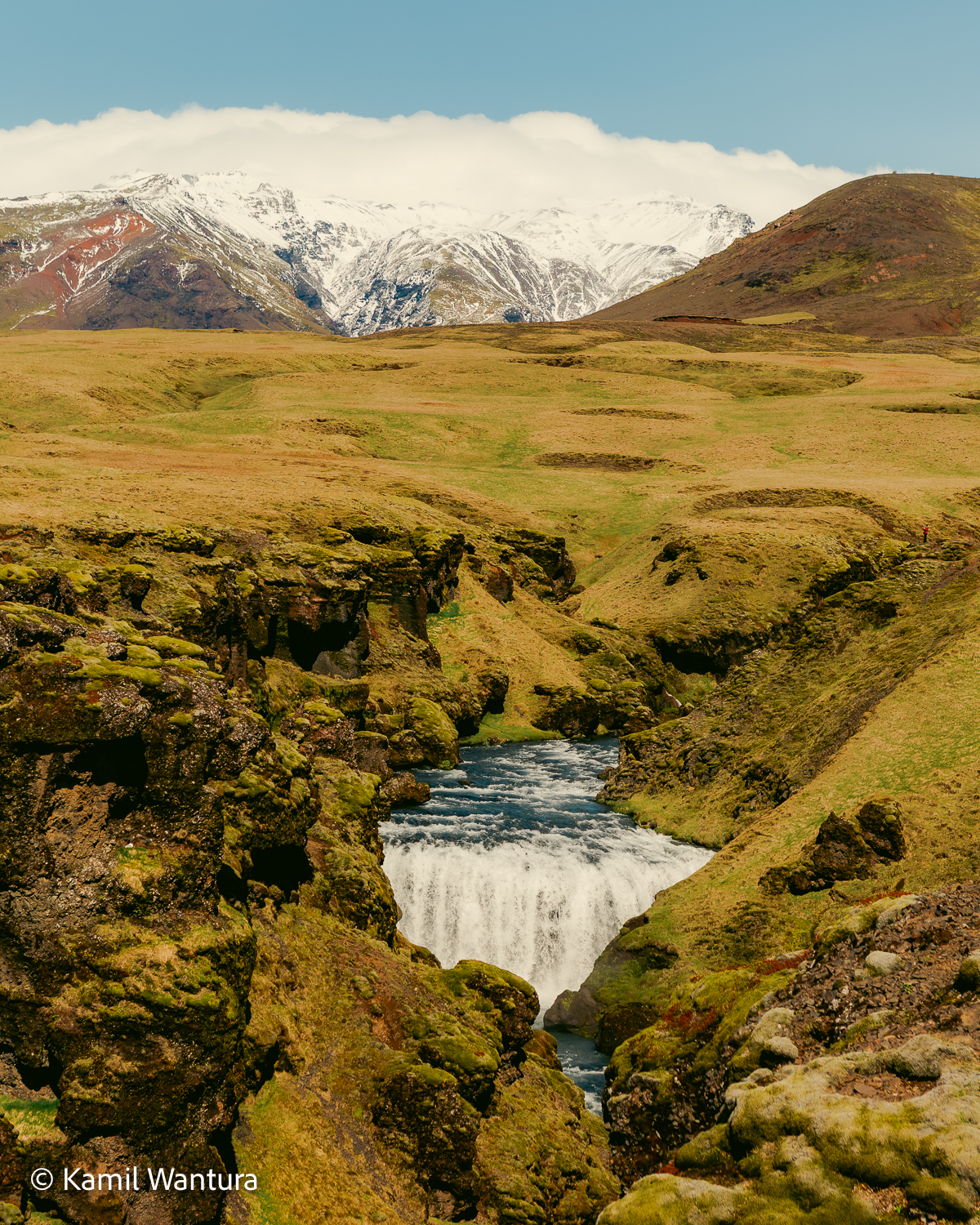
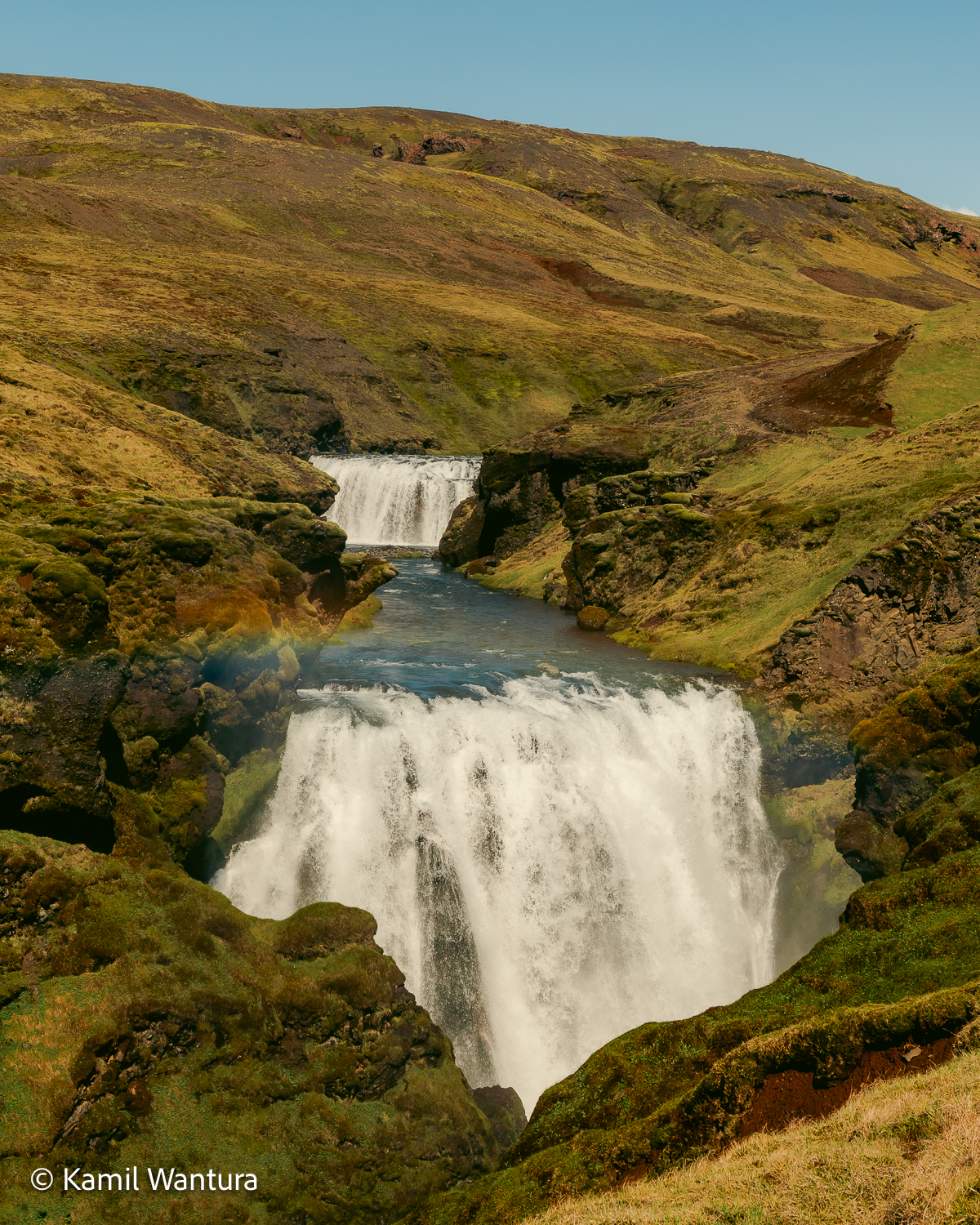
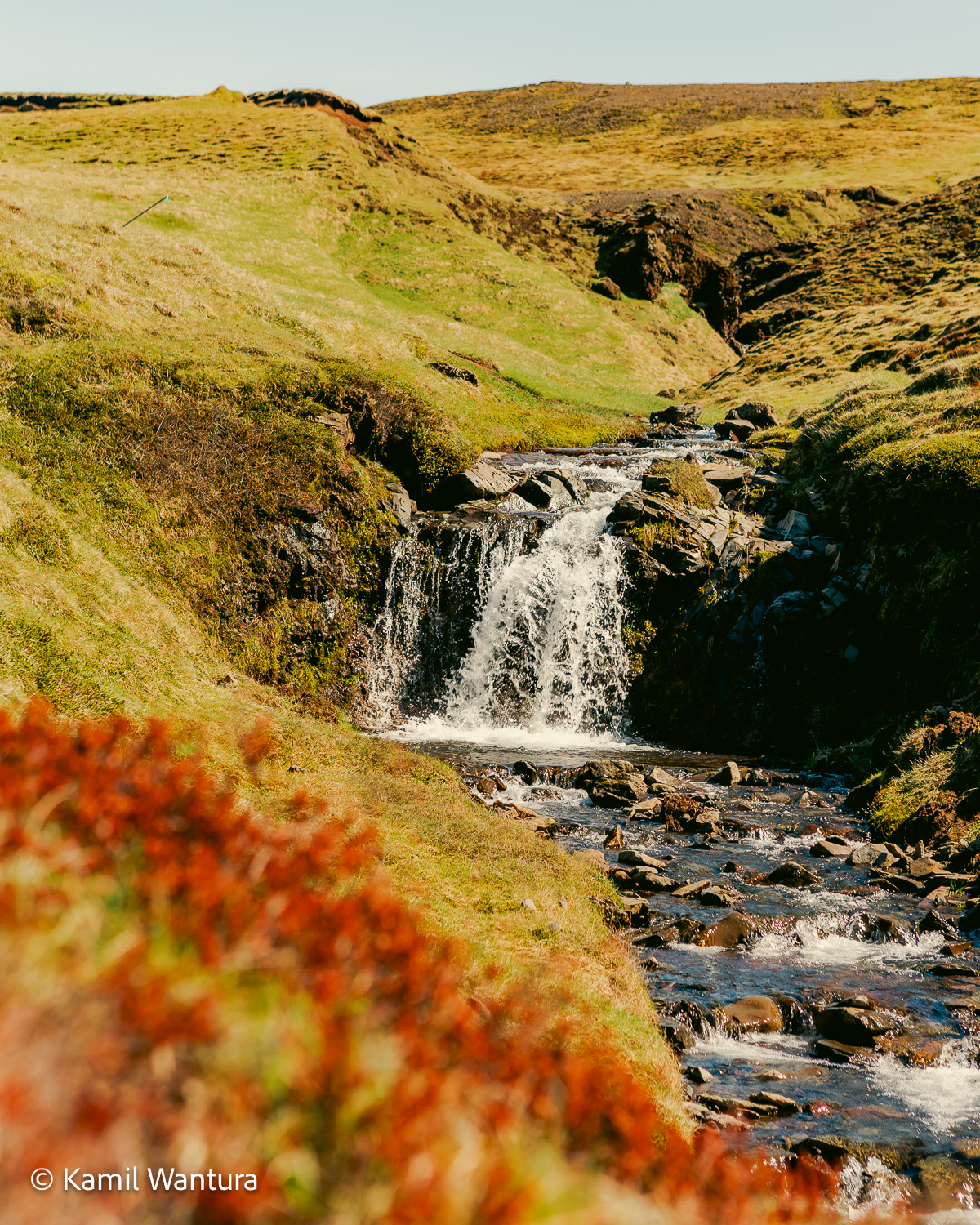
Skógafoss, Steinbogafoss, and Fremri Fellsfoss (📍MAP)
We followed the tranquil river paths around the Skógafoss area and discovered these lesser-known, peaceful waterfalls that many visitors miss.
Drangshlíð Hotel (📍MAP)
We spent another quiet evening at our hotel, taking in the peaceful southern scenery and looking back on the day.
Day 5: Volcanic Beaches and Glacial Lagoons
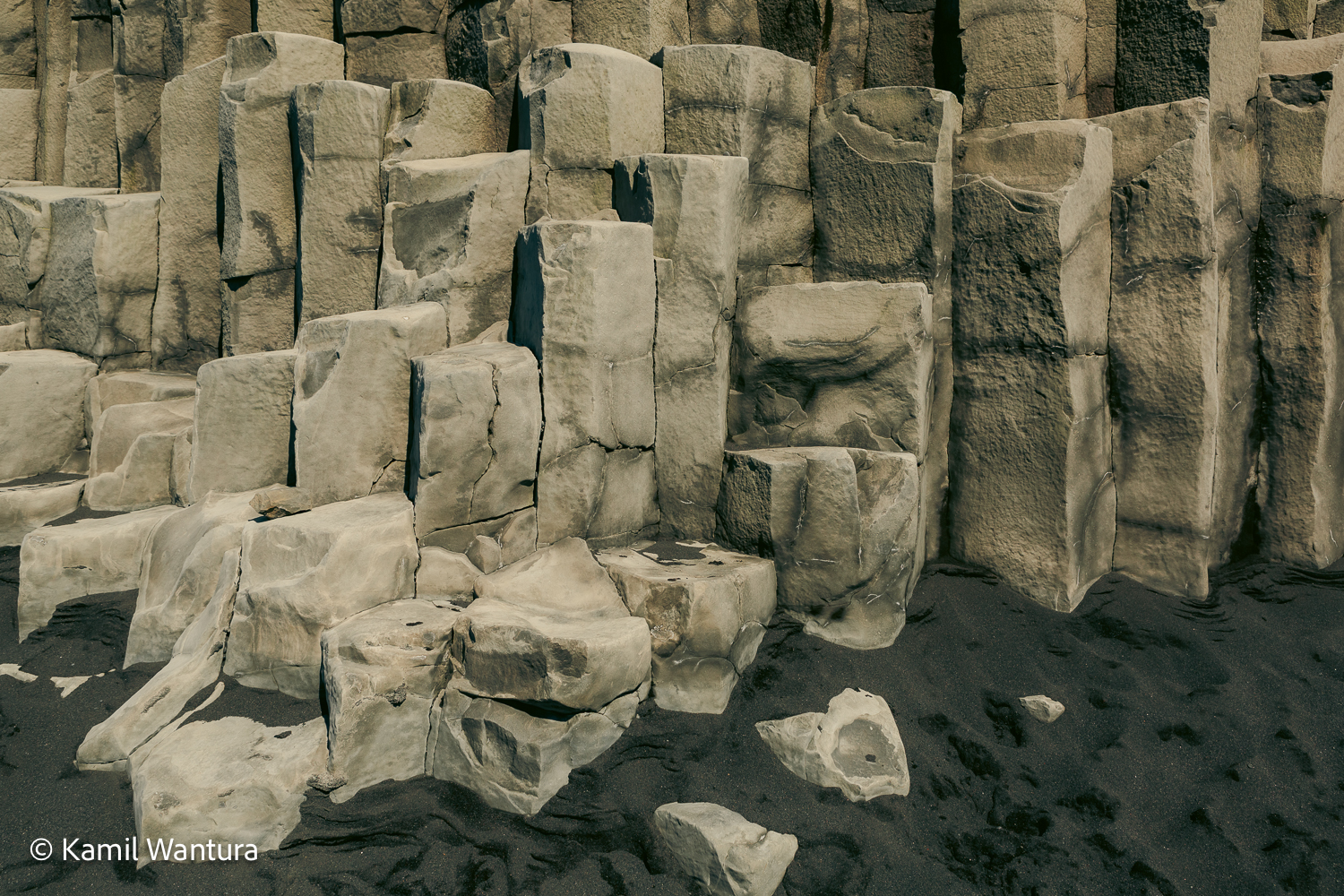
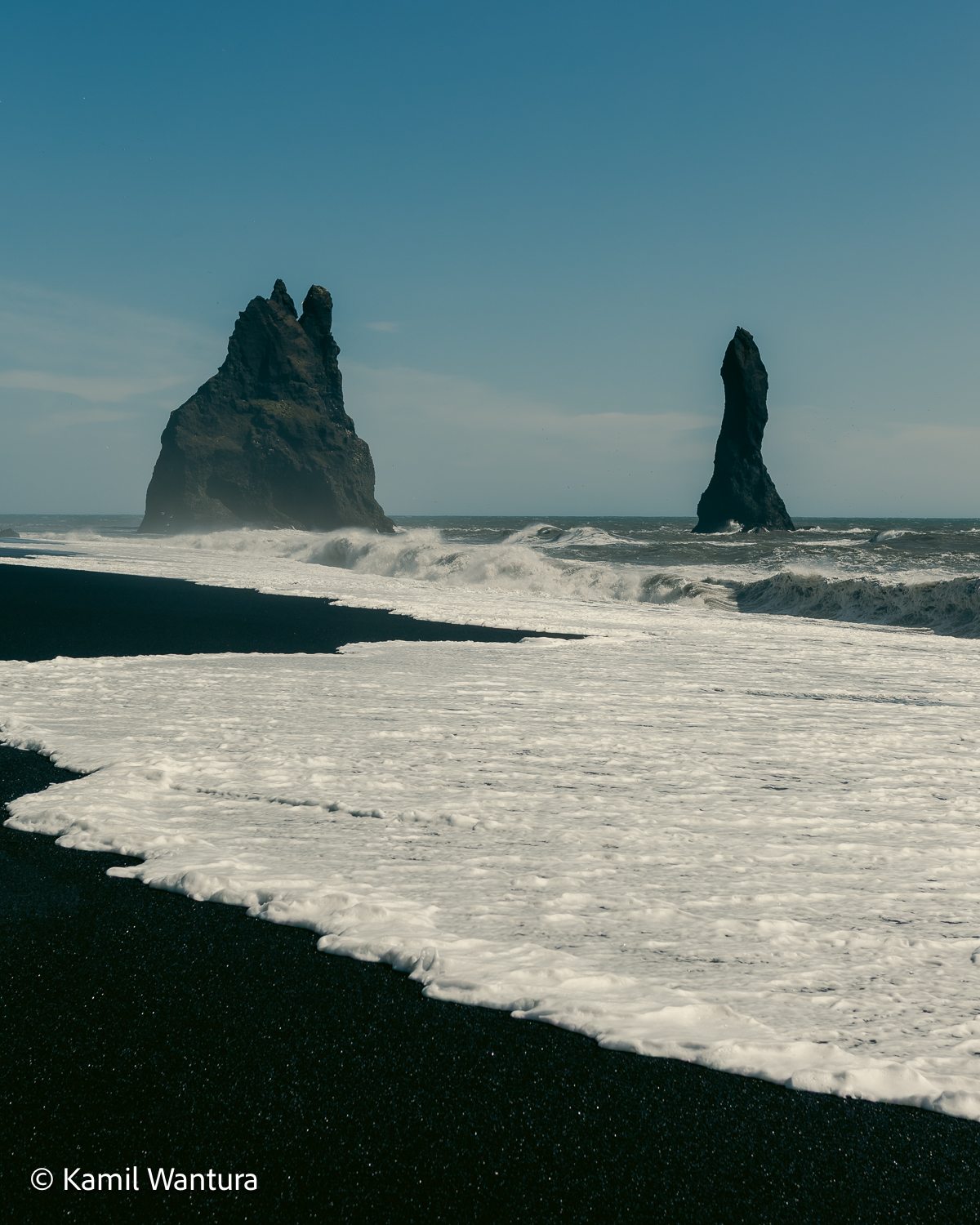
Reynisfjara Beach (📍MAP) & Svartifoss Waterfall (📍MAP)
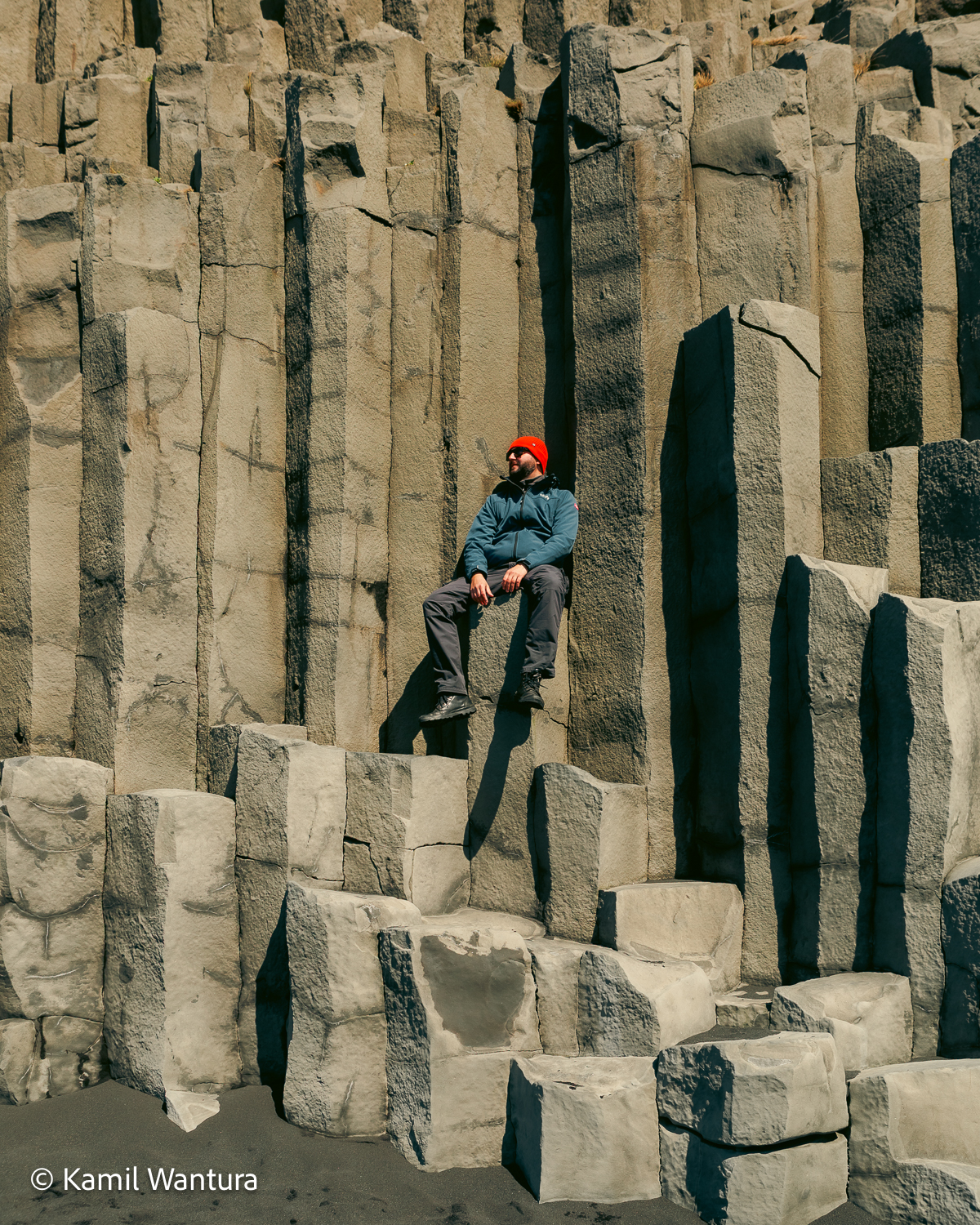
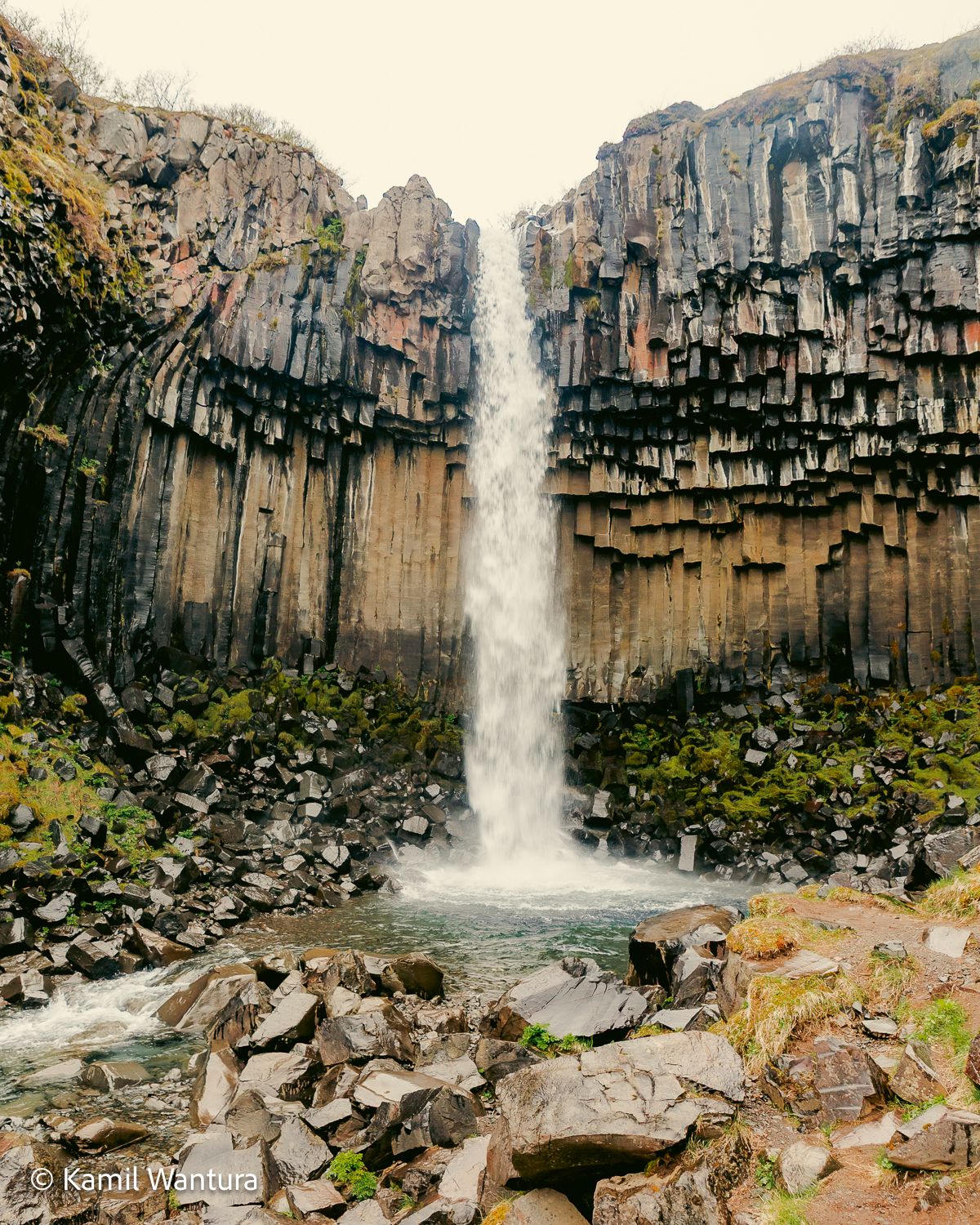
We walked along the black sands of Reynisfjara, taking in the towering basalt columns and roaring Atlantic waves. Then we headed to Skaftafell for a short hike to Svartifoss, framed by its striking geometric basalt columns.
Svínafellsjökull Glacier (📍MAP)
We paused to study the deep blue cracks and heavy ash layers across the surface of this massive glacier tongue.
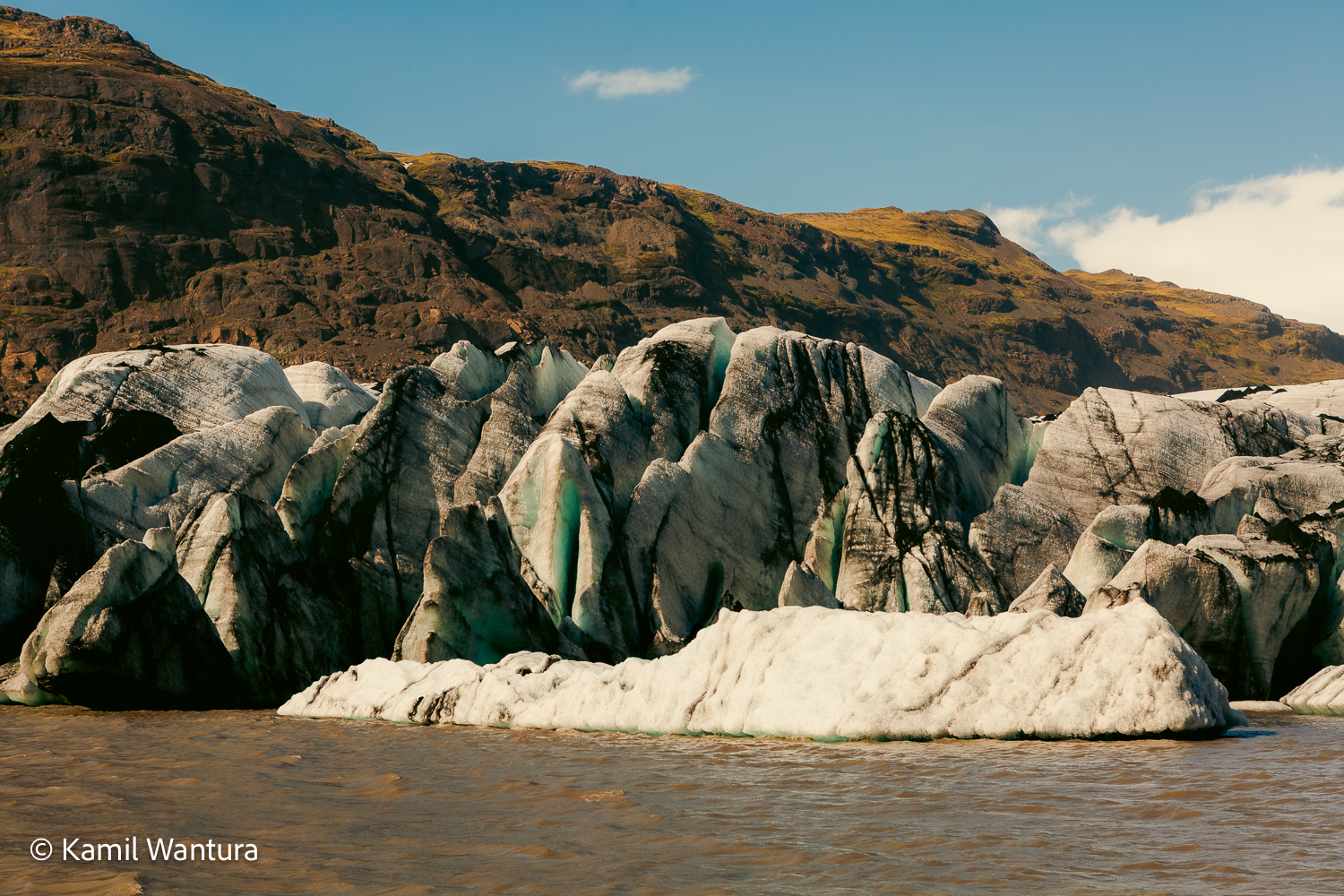
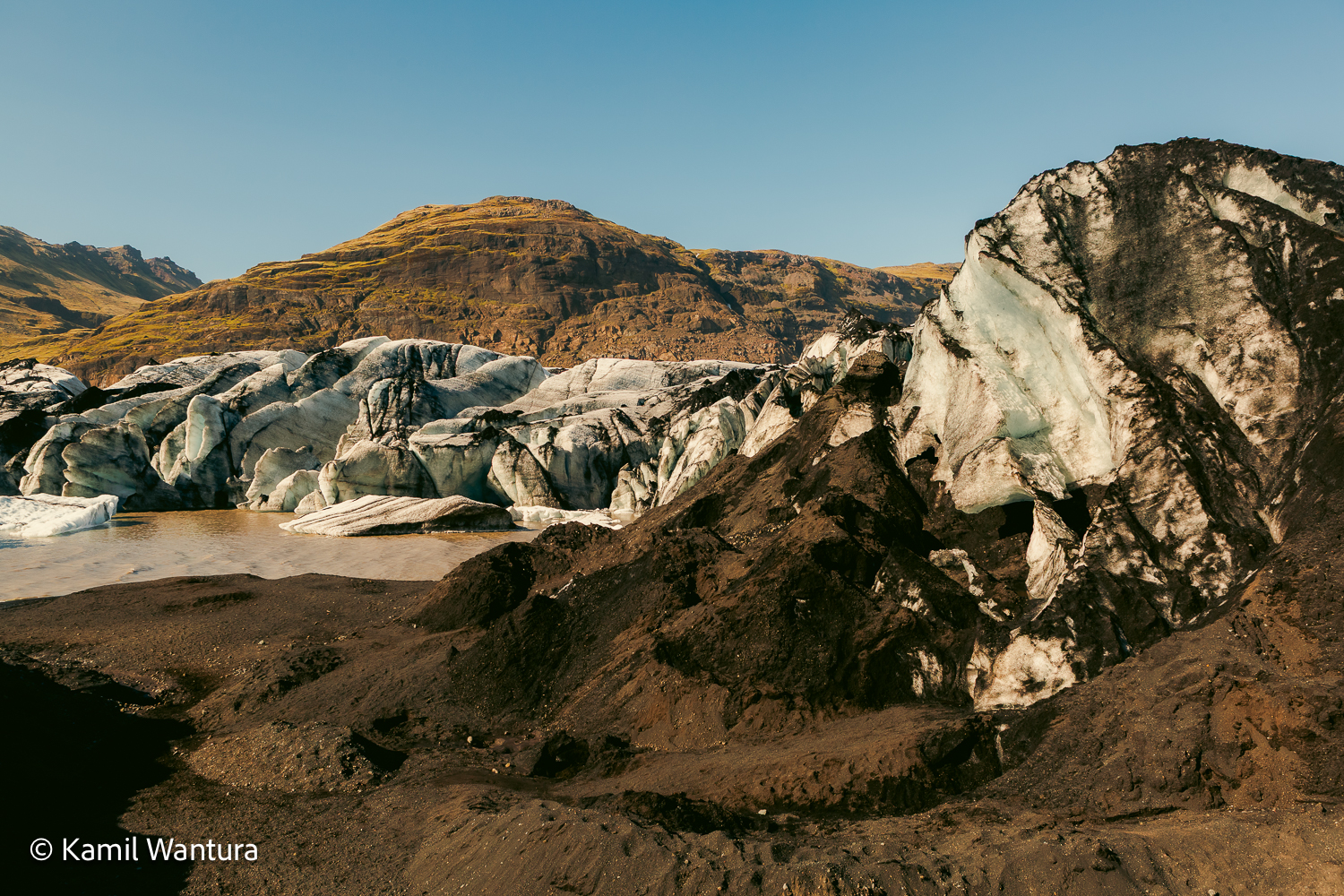
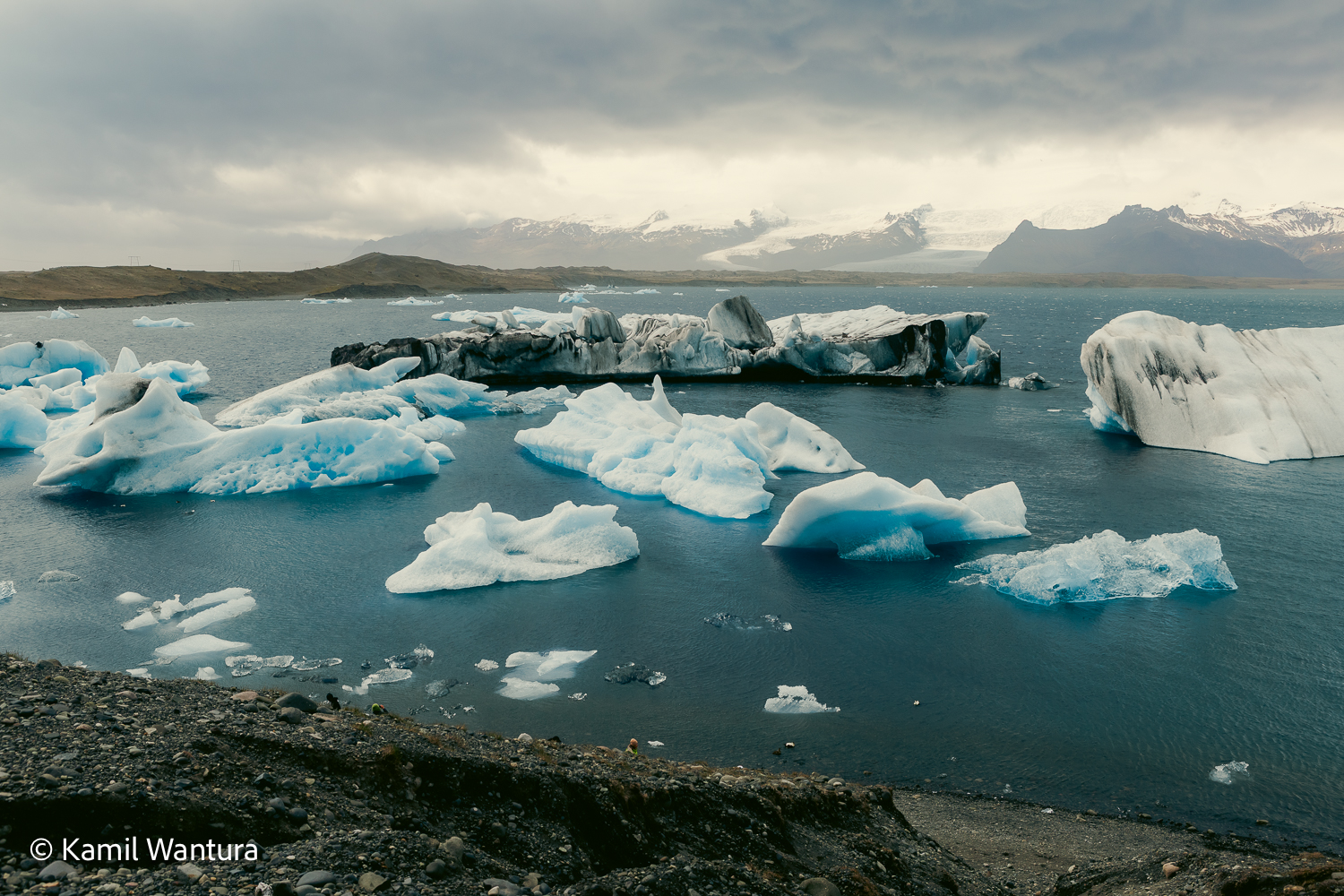
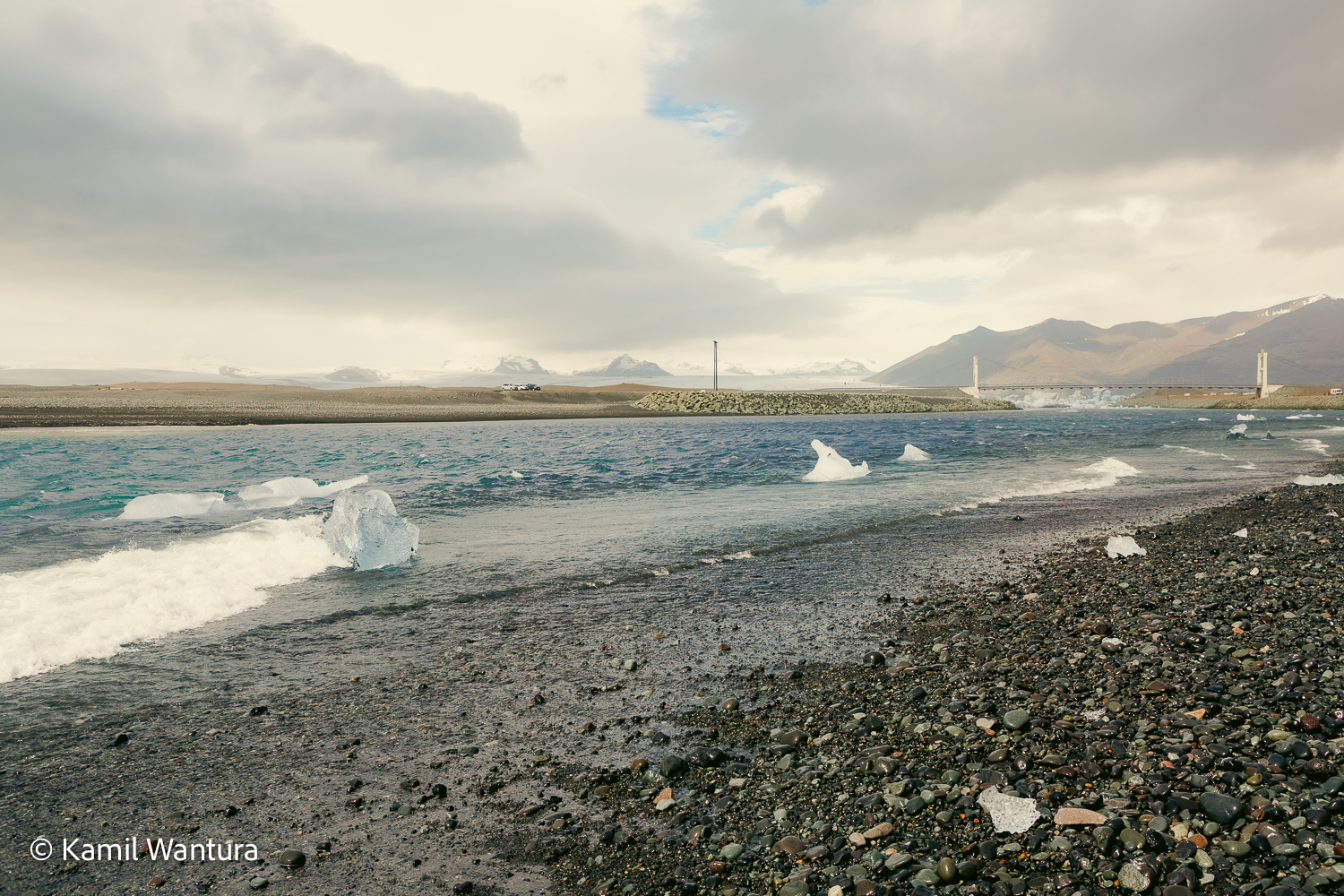
Jökulsárlón Glacier Lagoon (📍MAP) & Diamond Beach (📍MAP)
We took a spectacular boat excursion among towering icebergs floating in the lagoon. Afterwards, we crossed the road to Diamond Beach, where glistening ice crystals were scattered across the black sands.
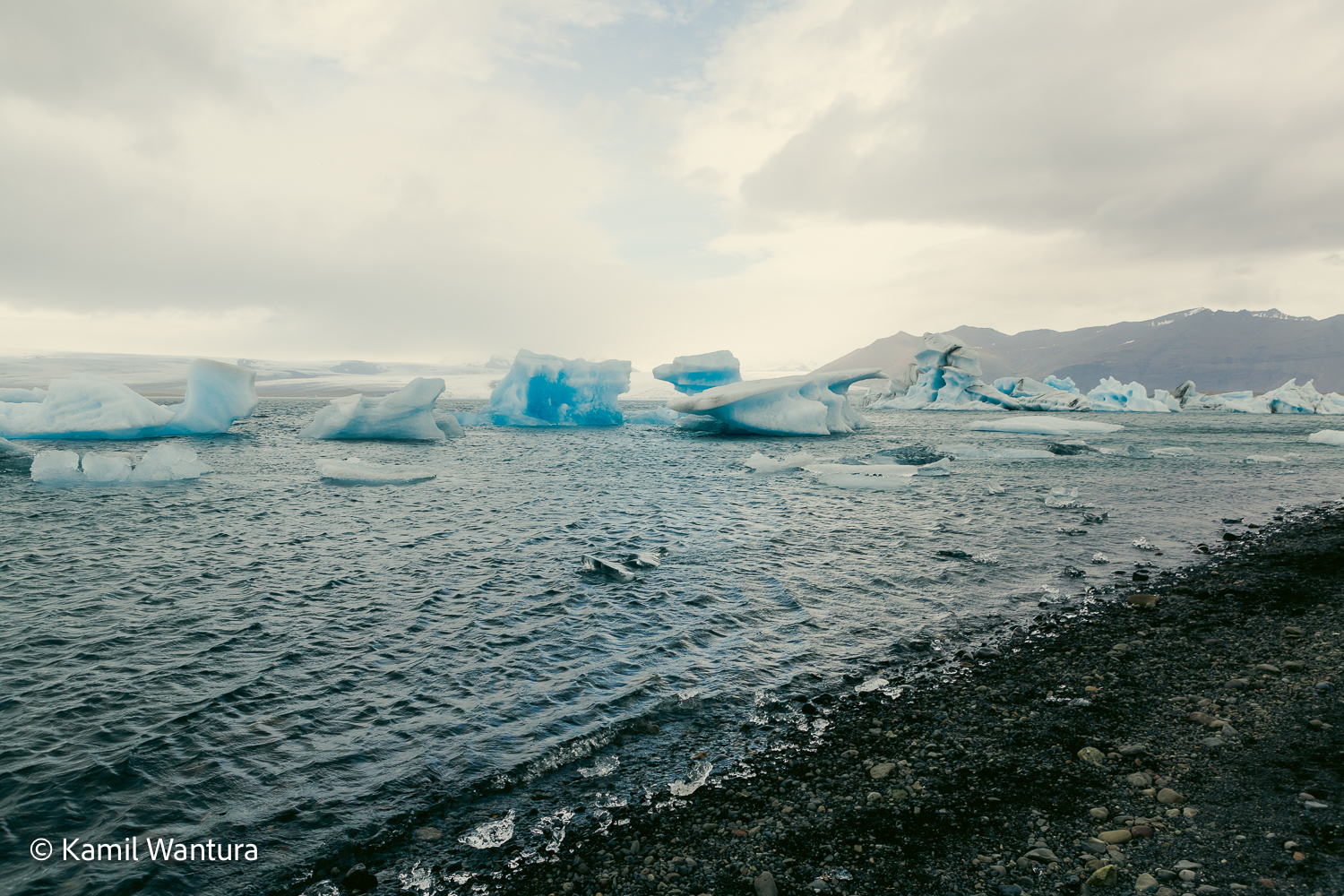
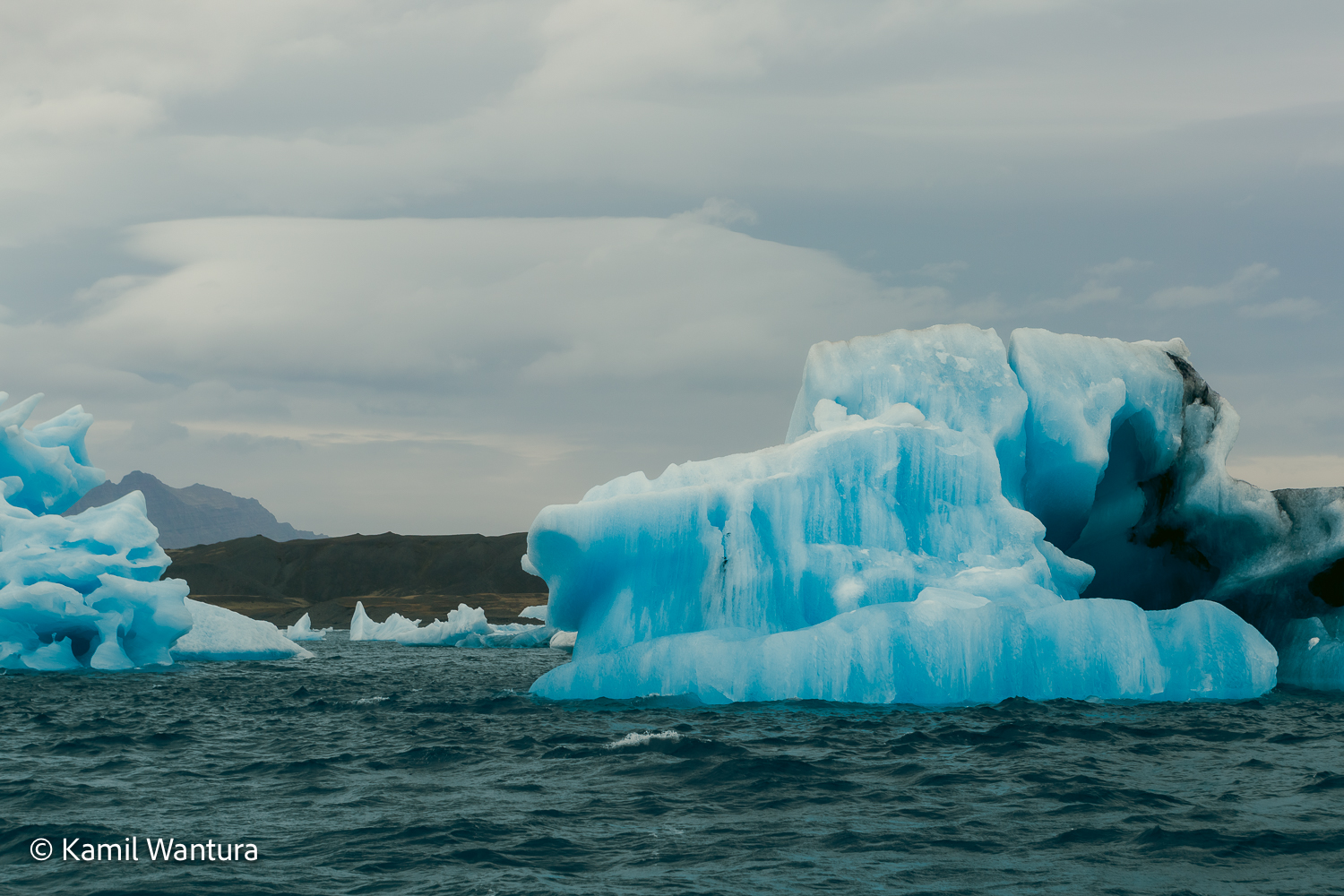
Hotel Laki Stay (📍MAP)
We drove back slightly west and checked into Hotel Laki in the Kirkjubæjarklaustur area for a restful night.
Day 6: Deep Canyons, Blue Lagoon, and Capital Streets
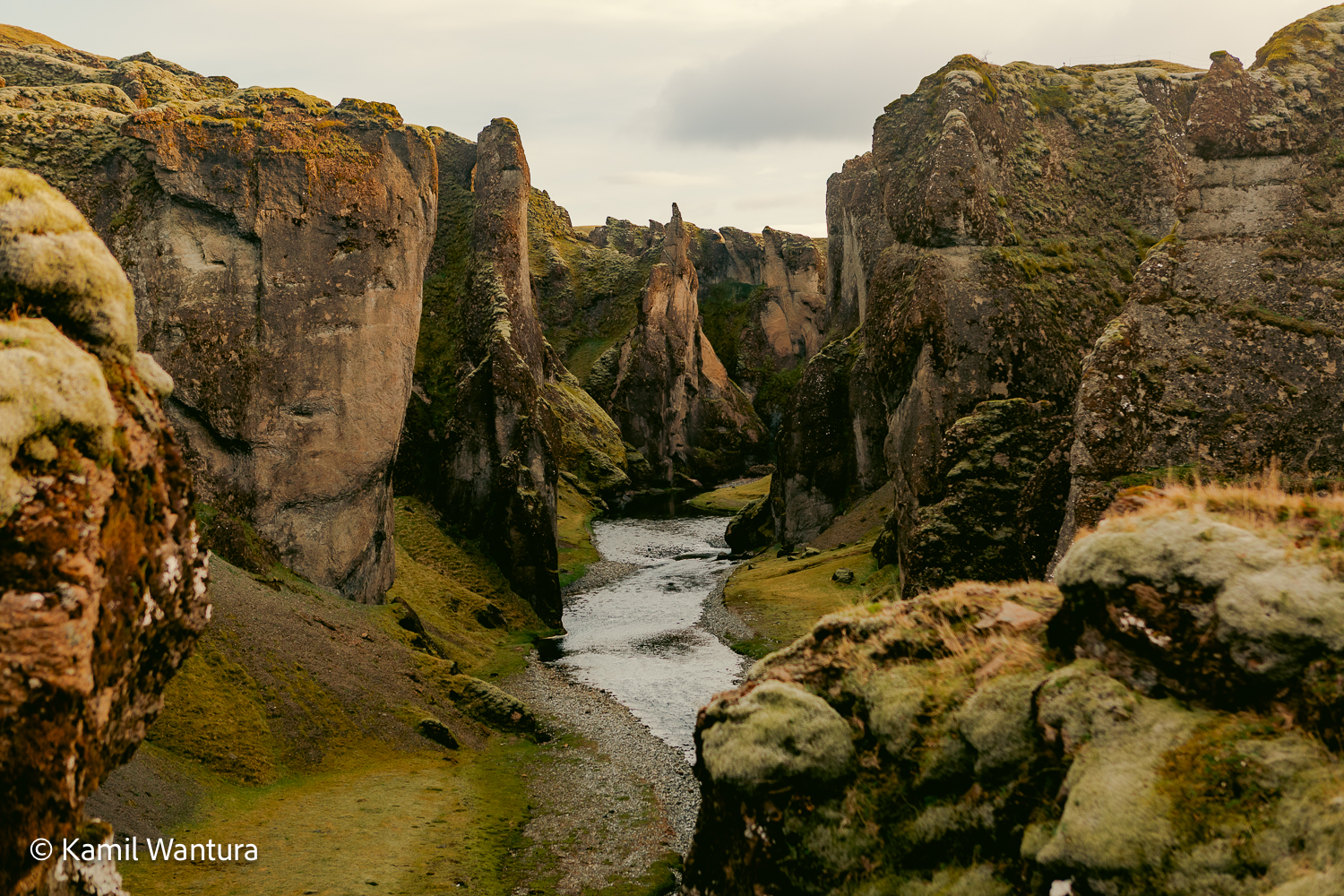
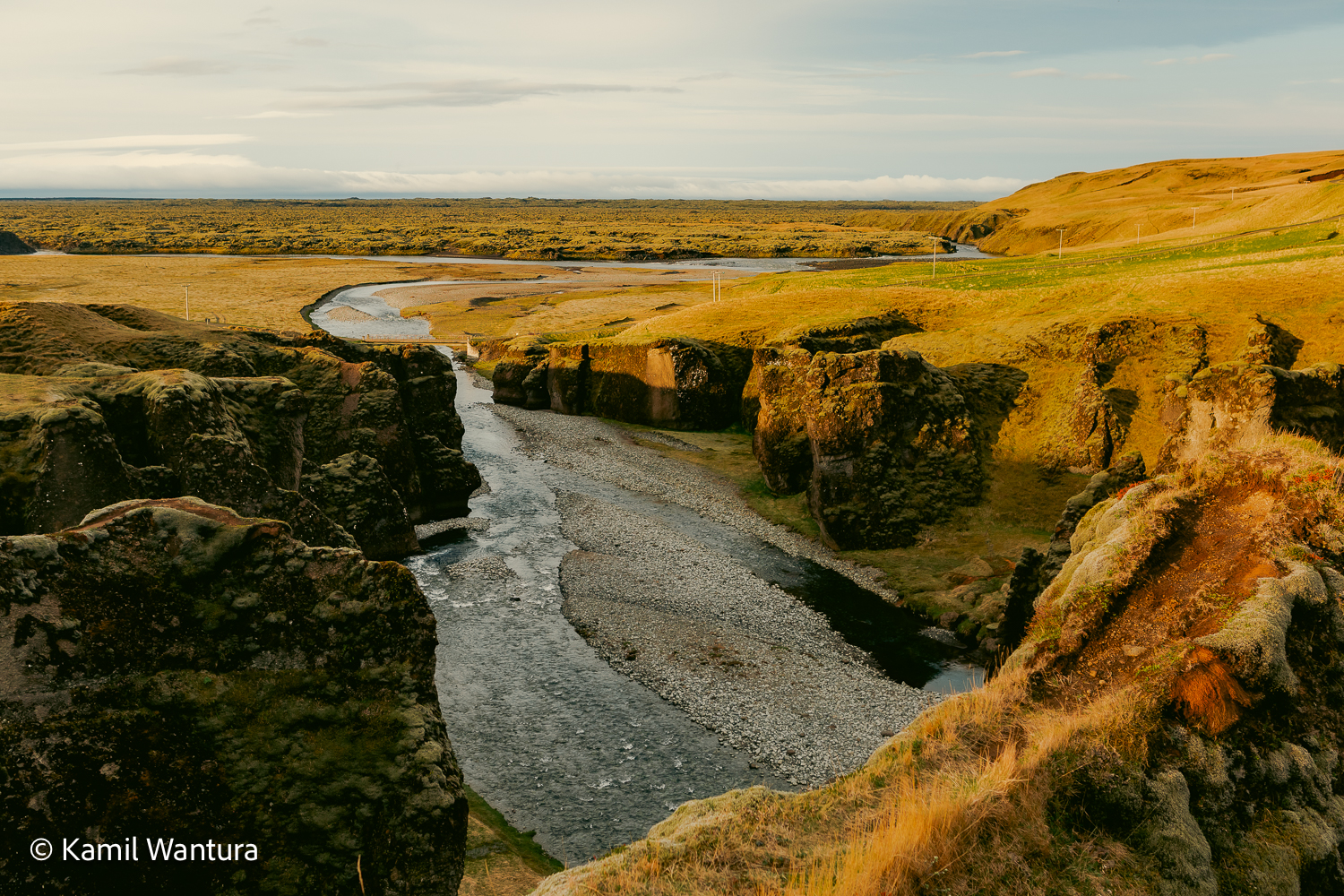
Fjaðrárgljúfur Canyon (📍MAP)
We stopped early in the morning to photograph the deep, winding green canyon as soft morning light touched the sheer rock walls.
The Blue Lagoon (📍MAP)
We travelled west to the Reykjanes peninsula and treated ourselves to a deeply relaxing soak in the famous warm, bright blue geothermal waters.
Reykjavík City (📍MAP)
We explored the colourful streets of central Reykjavík, visited the landmark Hallgrímskirkja church, and finished the trip by enjoying local Icelandic delicacies.
Keflavík International Airport (📍MAP)
We returned our rental vehicle at the airport and checked in for our flight home, with our memory cards packed with incredible images.
THE ICELAND ROAD TRIP SURVIVAL AND LOGISTICS GUIDE
Essential Ground Data for Travel and Photography Planning
Before packing camera bags and heading out, navigating Iceland smoothly requires tactical preparation. The island weather and road conditions can change rapidly, meaning plans must remain highly flexible. Below is the essential, practical information needed to turn a road trip into a seamless journey.
1. Money, Payments, and Tipping
Iceland is a almost completely cashless society, running seamlessly on digital card transactions everywhere.
- The Reality for Foreigners: International credit and debit cards are accepted everywhere, from large hotels to remote parking meters and public toilets. You will not need to carry physical Icelandic Króna.
- The Solution: Ensure your bank cards have no foreign transaction fees. Keep physical card options handy, as some automated petrol pumps require a physical card with a PIN rather than mobile payments.
- Tipping Practices: Tipping is not expected or customary in Iceland. Service charges and taxes are always included in the listed price on your bill.
2. Transit and Road Safety
Navigating the Ring Road and highland tracks requires constant awareness of weather patterns and driving regulations.
- The Photographer’s Choice (4×4 Vehicles): If you plan to visit highland locations like Háifoss and Gjáin, a 4×4 vehicle is legally required. Normal passenger cars are strictly banned from highland routes.
- Wind and Door Hazards: The winds along the south coast can be exceptionally violent. Always hold onto your vehicle doors firmly when opening them, as sudden gusts can easily bend doors backward, causing severe damage.
- Off Road Driving: Driving off marked roads is strictly illegal in Iceland and carries massive financial penalties. The volcanic soil and moss are incredibly fragile and take decades to recover from tyre tracks.
3. Connectivity and Safety Setup
Having reliable mobile data is mandatory for tracking sudden weather changes, checking road conditions, and navigating safely.
The most seamless option is setting up an eSIM prior to landing, only if your network provider does’t offer FREE ROAMINNG as standard package to EU or UK clients.
EU SIM card holders are fully covered by “Roam Like at Home” regulations and can use their standard allowances at no extra cost.
For UK SIM card holders, coverage varies. While Iceland is included in the free roaming zones of several UK providers, it is not strictly guaranteed. UK SIMs with Free Iceland Roaming: Providers like Lebara, Lyca Mobile, Vodafone, Voxi, iD Mobile, and Tesco Mobile include Iceland in their free European/Inclusive roaming zones. UK SIMs with Paid Roaming: Providers like EE and giffgaff often include Iceland in their European zones, but it may require a daily fee or a specific add-on depending on your contract (updated July 2026).
Alternatively, you can purchase physical SIM cards at local convenience stores. It is essential to download the SafeTravel Iceland application to receive real time warnings regarding high winds, sandstorms, and active road closures.
4. Monument Rules and Cultural Etiquette
Photographing the pristine natural spaces of Iceland requires a blend of digital strategy and deep environmental respect.
Drone Restrictions
Drones are heavily regulated in Iceland. Flying is strictly prohibited in all national parks, including Skaftafell, and at major tourist sites like Seljalandsfoss and Gullfoss. Always look out for local signs before launching your drone.
Fragile Moss Protection
The thick green moss covering the lava fields is extremely delicate. Walking on the moss can damage or kill it, leaving scars on the landscape that last for generations. Always stay on designated walking paths and wooden viewing platforms.
5. Gear Protection and Packing Essentials
September offers beautiful autumn tones, but the local environment is demanding on camera equipment.
- Waterproofing and Mist: The heavy mist from waterfalls like Skógafoss and Seljalandsfoss can soak camera bodies in seconds. Use protective rain covers for your gear, and carry plenty of dry microfibre cloths to clean your lenses.
- Footwear Strategy: Because you will be walking over wet basalt rocks, muddy paths, and uneven gravel trails, waterproof hiking boots with excellent grip are absolutely essential.
Quick Reference Travel Checklist
| Category | Action Item and Protocol |
|---|---|
| Safety App | Download the SafeTravel Iceland app and monitor road.is daily for wind warnings and road closures. |
| Vehicle Choice | Secure a 4×4 vehicle with gravel protection insurance to safely navigate highland routes and rough gravel tracks. |
| Drone Laws | Avoid flying drones in national parks and strictly follow local signs to prevent heavy fines. |

Looks interesting!
Iceland is simply amazing!