
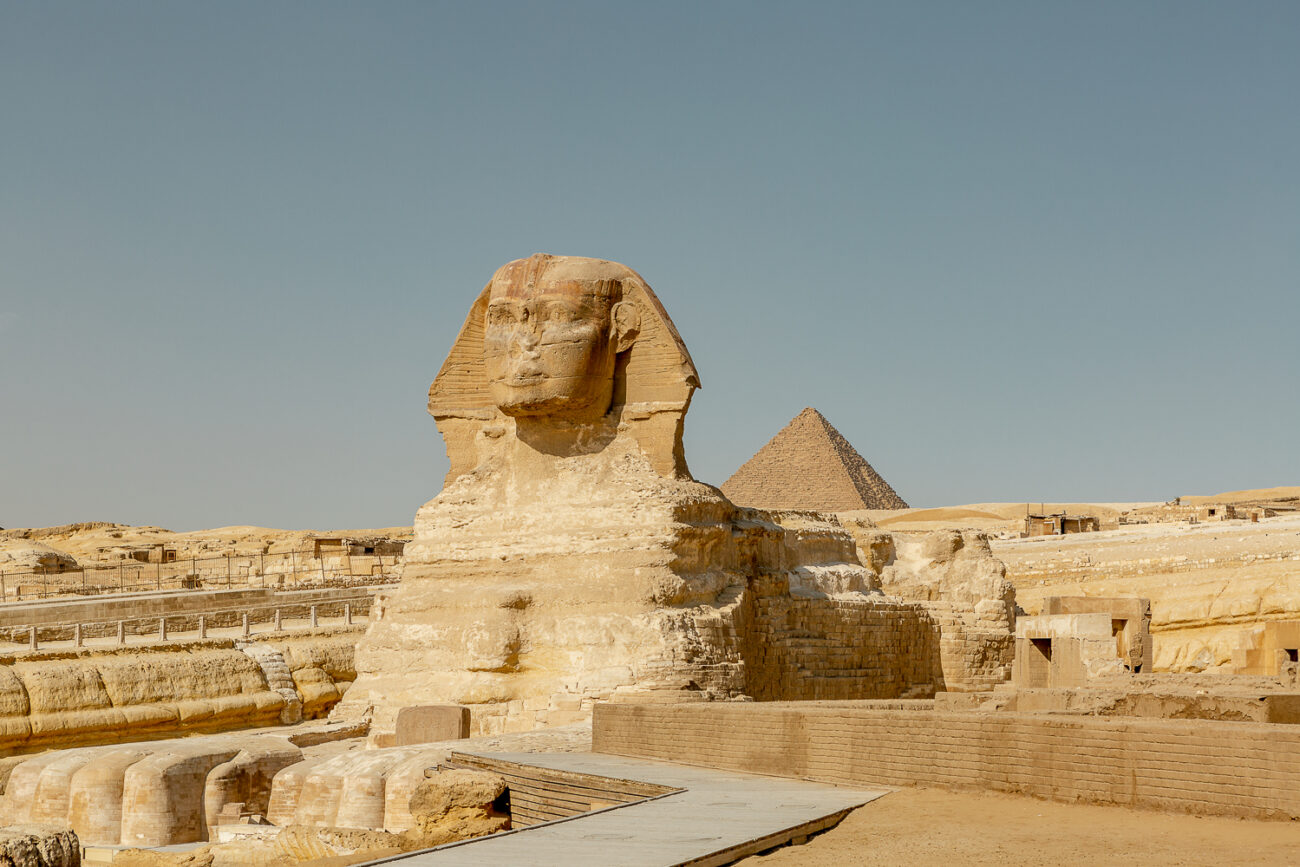

There are few places on the planet that capture the human imagination quite like Egypt. It is a land where the modern world melts away the moment you stand in the shadow of the Great Pyramids of Giza, monuments so impossibly massive they defy the centuries. For thousands of years, travelers have been drawn to the banks of the Nile, and today, the magic remains completely unchanged.
TRAVEL & PHOTO CONDITIONS
| Time | March 2022 |
|---|---|
| Weather | Dry | Sunny ☀ |
| Temperature | 20 to 28 °C |
| Photo Potential | |
| Physical Difficulty | |
| Accessibility | |
| Crowd Level | |
| Value for Money |
TRIP ESSENTIAL BOOKINGS
ENTRANCE VISA
ACCOMMODATION
Ad / Affiliate links | Find your accommodation with Booking.com
FLIGHTS
Domestic flight: Luxor (LXR) to Cairo (CAI)
Outbound flight: Cairo (CAI)
CITY TRANSPORT | CAIRO
INTERCITY BUSES
TOURS & GUIDES | LUXOR
Ad / Affiliate links | Find your perfect guided trip with FindMyGuide
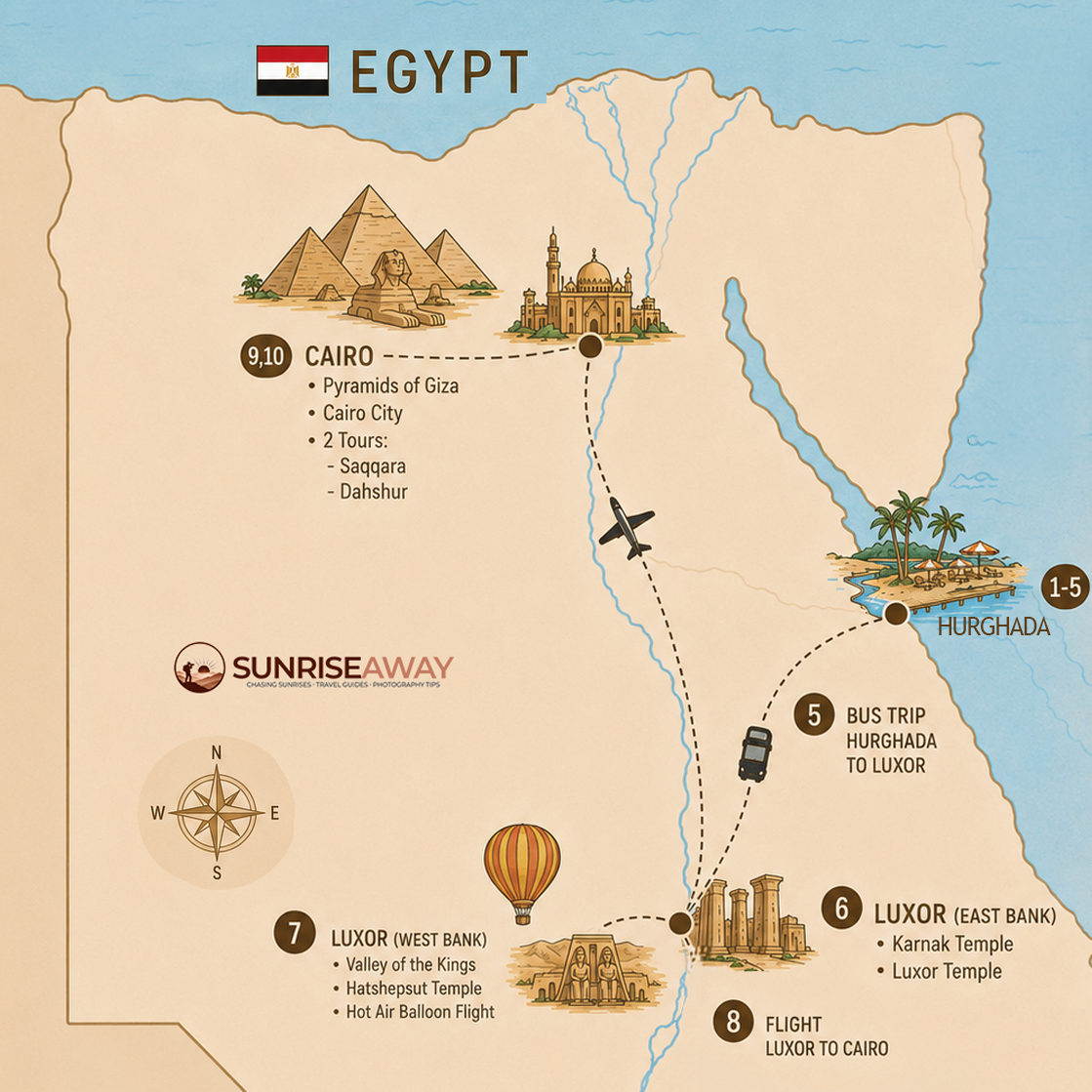
THE 10-DAY PHOTOGRAPHY JOURNEY ACROSS EGYPT
Our 10-day journey took us from the turquoise waters of the Red Sea to the timeless wonders of one of the world's greatest ancient civilisations. We relaxed on the beaches and explored the coral reefs of Hurghada, discovered the magnificent temples of Luxor, and stood before the legendary pyramids of Giza. The trip gave us a wonderful balance of relaxation, history, culture, and unforgettable landscapes.
We enjoyed comfortable weather, clear blue skies, and mostly easy sightseeing, although the archaeological sites involved a moderate amount of walking. We travelled by bus, took a domestic flight, used taxis, and joined guided tours where useful. The most famous attractions were busy, but our early starts gave us quieter moments and some of the best light for photography.
The journey worked especially well for us as first-time visitors, history lovers, and photographers because we could experience Egypt's iconic landmarks without feeling rushed. We saw spectacular sunrises, experienced vibrant local culture, explored ancient monuments more than 4,000 years old, and found countless opportunities to photograph some of the most famous landscapes on Earth.
Days 1–4: Hurghada – Red Sea Escape
Day 1: Arrival in Hurghada
Day 2: Relaxing Resort Day
Resort & Red Sea (📍MAP)
We spent the day relaxing by the swimming pool, enjoying the private beach, and swimming and snorkelling in the crystal-clear waters of the Red Sea.
Day 3: Orange Bay Boat Trip
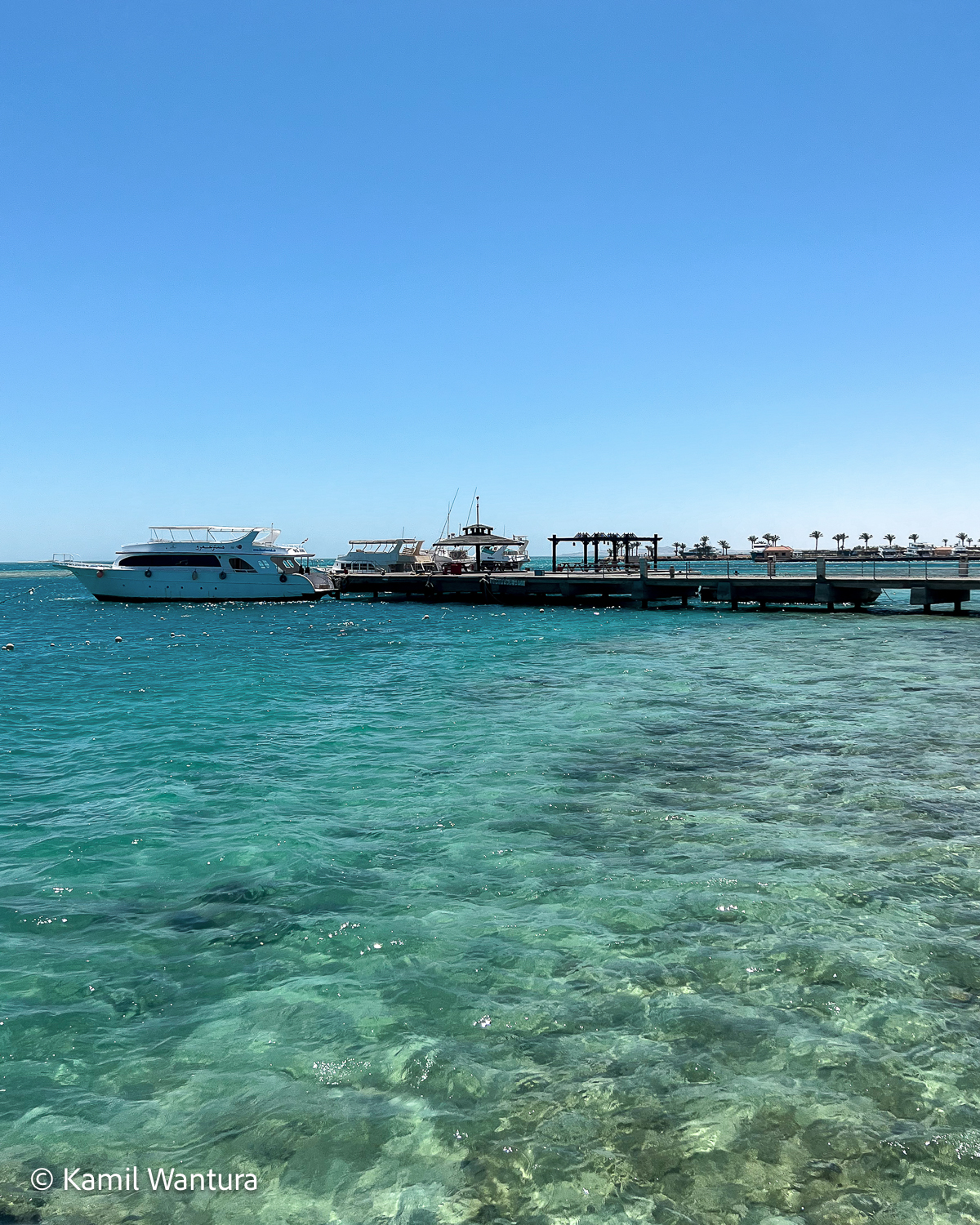
Orange Bay was a stunning island paradise with white sand, shallow turquoise lagoons, beach swings, and calm waters. We found it to be one of the Red Sea's most photogenic beaches.
Snorkelling Boat Trip (📍MAP)
We joined a full-day boat excursion with several snorkelling stops over vibrant coral reefs.
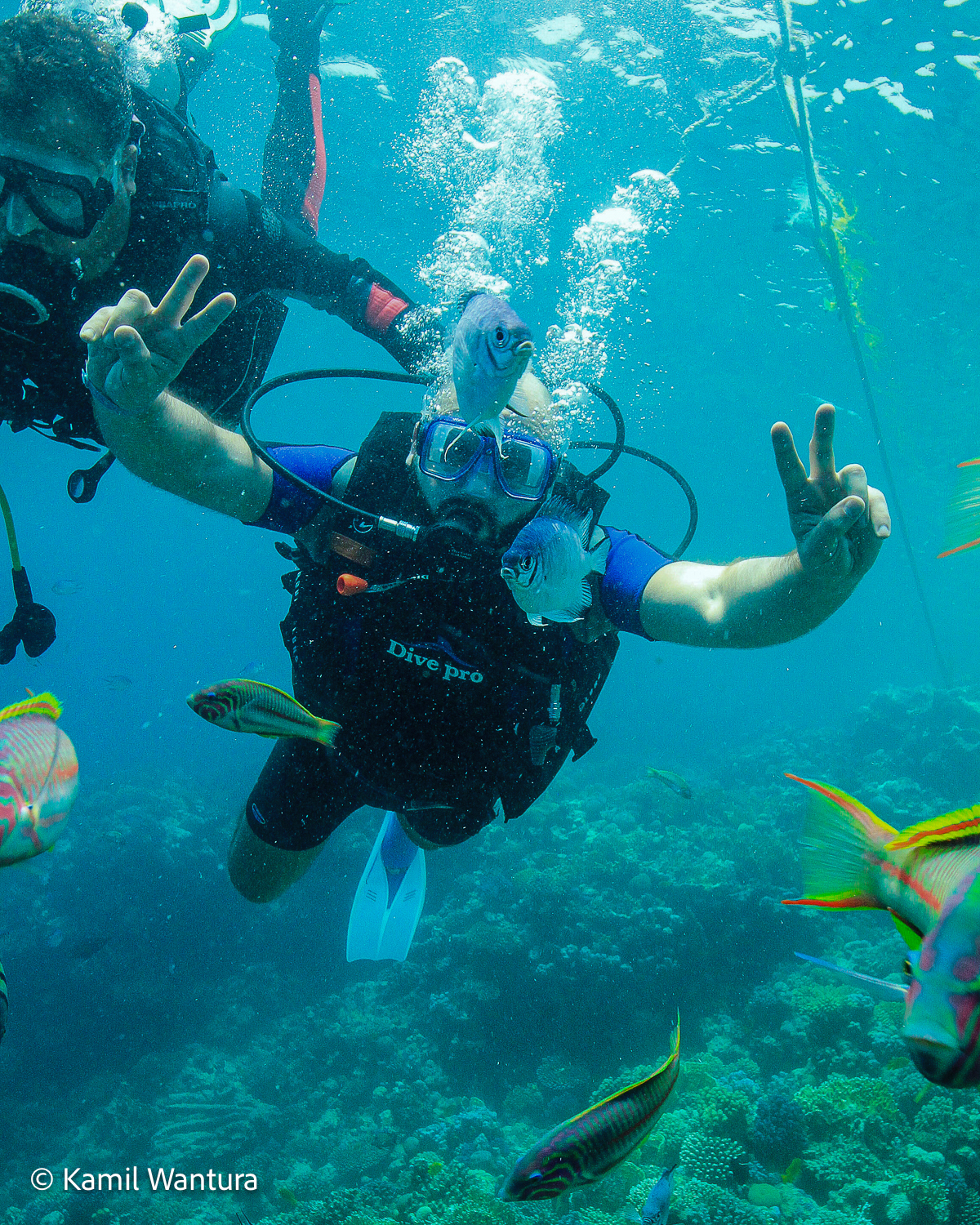
Orange Bay (📍MAP)
We relaxed on the famous white sandy beaches of Orange Bay, swam in the turquoise waters, and enjoyed lunch before returning to Hurghada.
Day 4: Resort & Beach Day
Days 5–7: Luxor – Ancient Egypt
Day 5: Hurghada → Luxor
Bus Journey to Luxor (📍MAP)
We travelled from Hurghada to Luxor by bus, a journey of approximately 5–6 hours.
East Bank Walk (📍MAP)
We explored the Nile Corniche and the surrounding streets near our hotel on Luxor's East Bank.
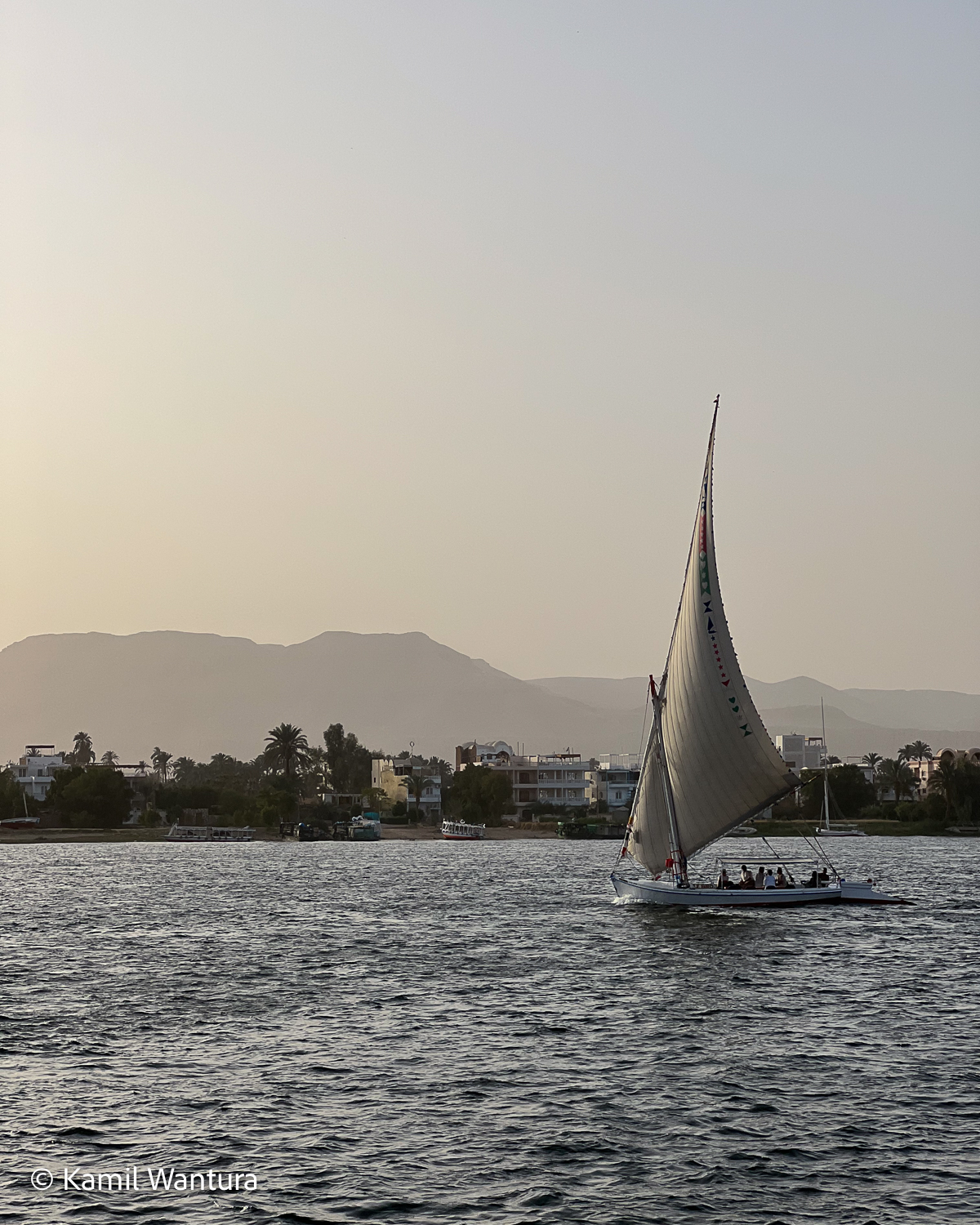
Day 6: Temples of the East Bank
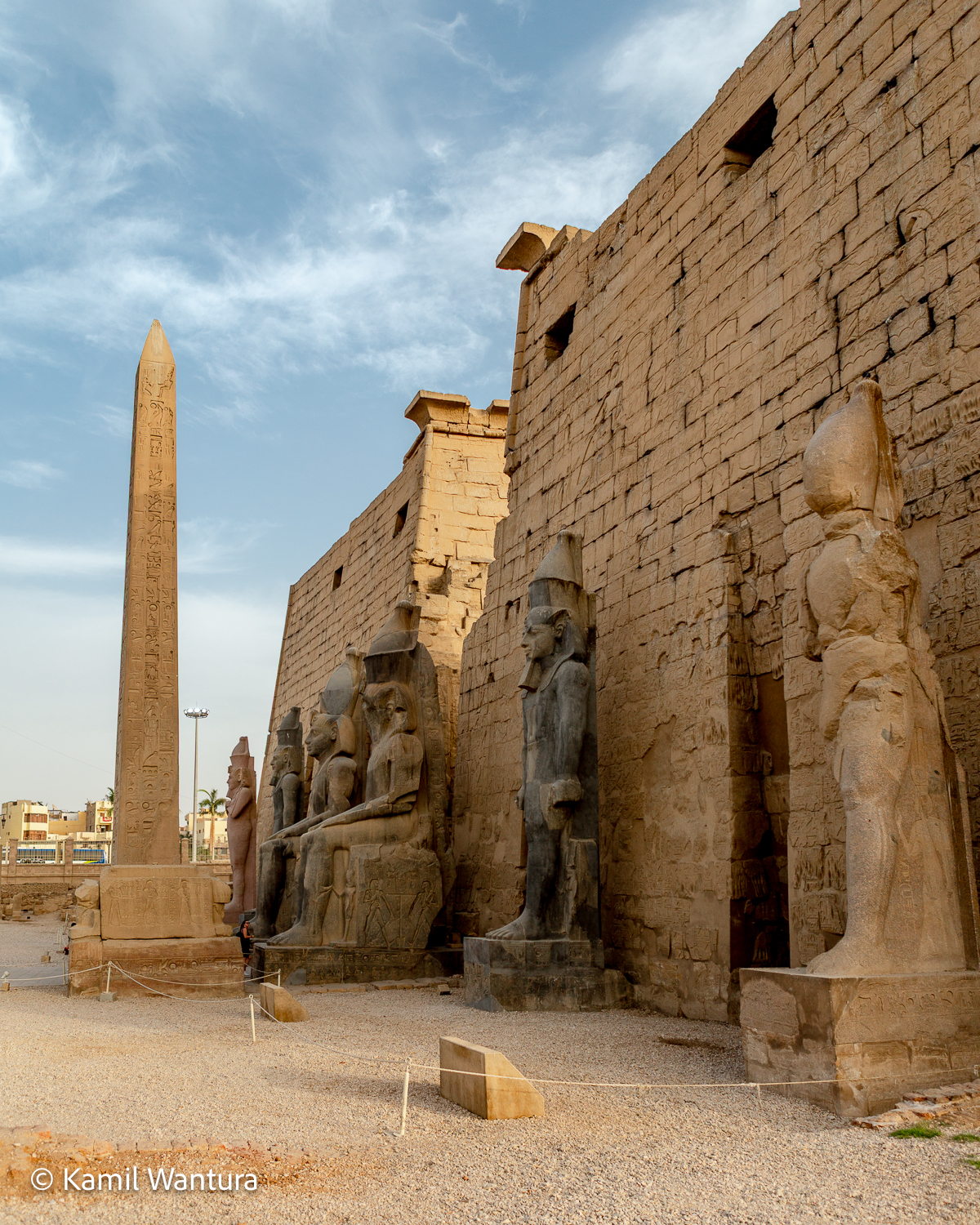
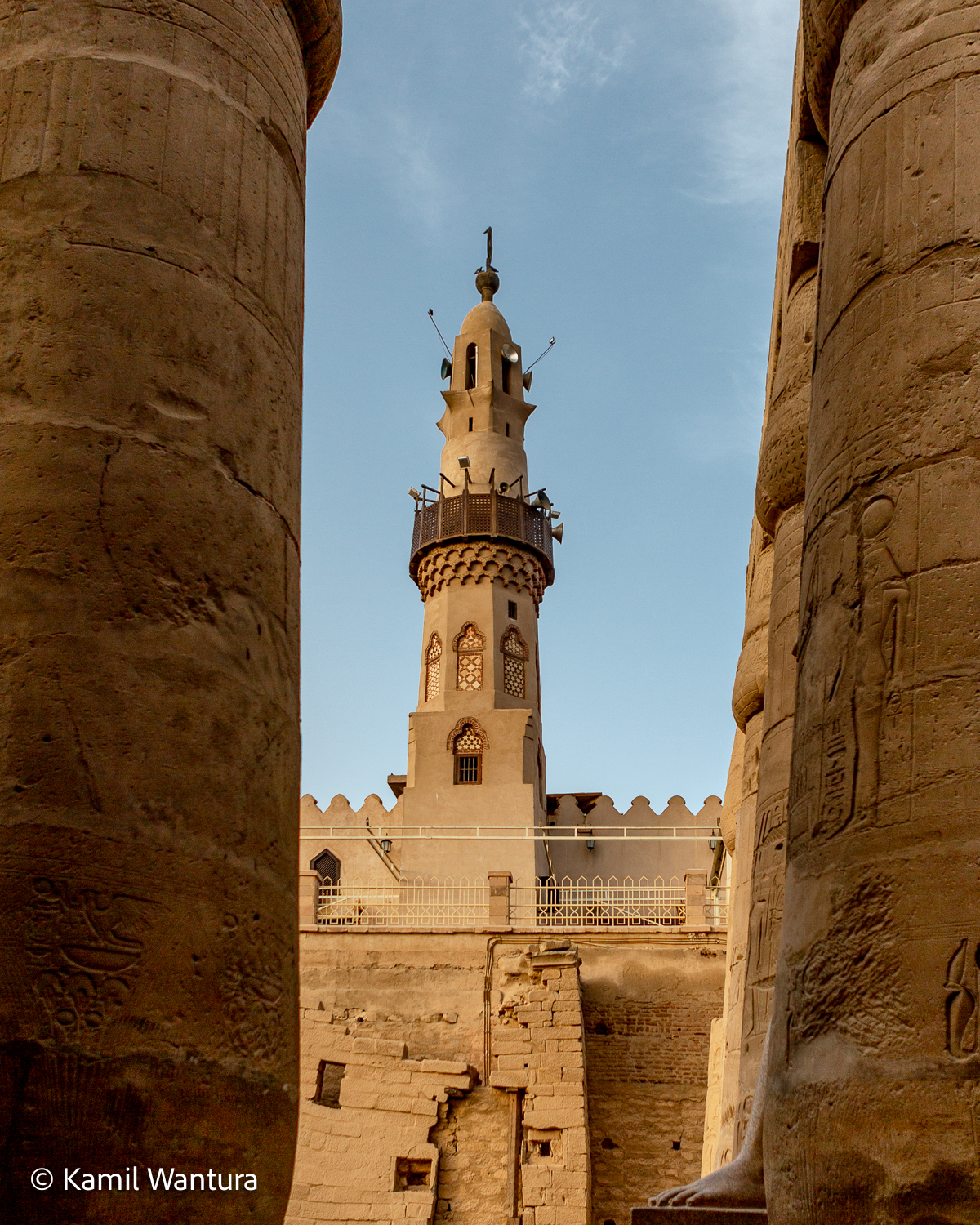
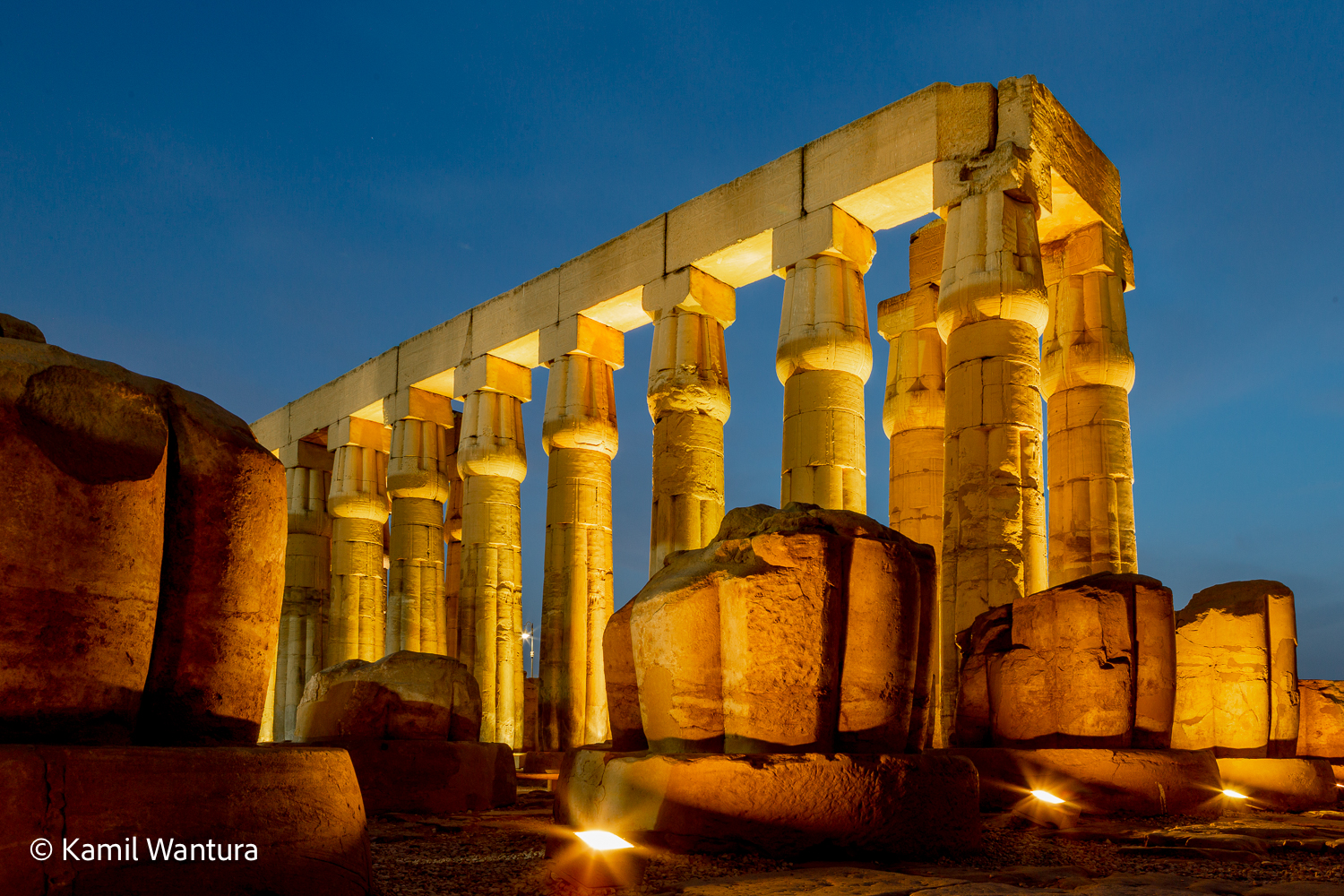
Luxor Temple (📍MAP)
Built over 3,000 years ago, Luxor Temple was dedicated to the rejuvenation of kings and is beautifully illuminated after sunset along the Nile.
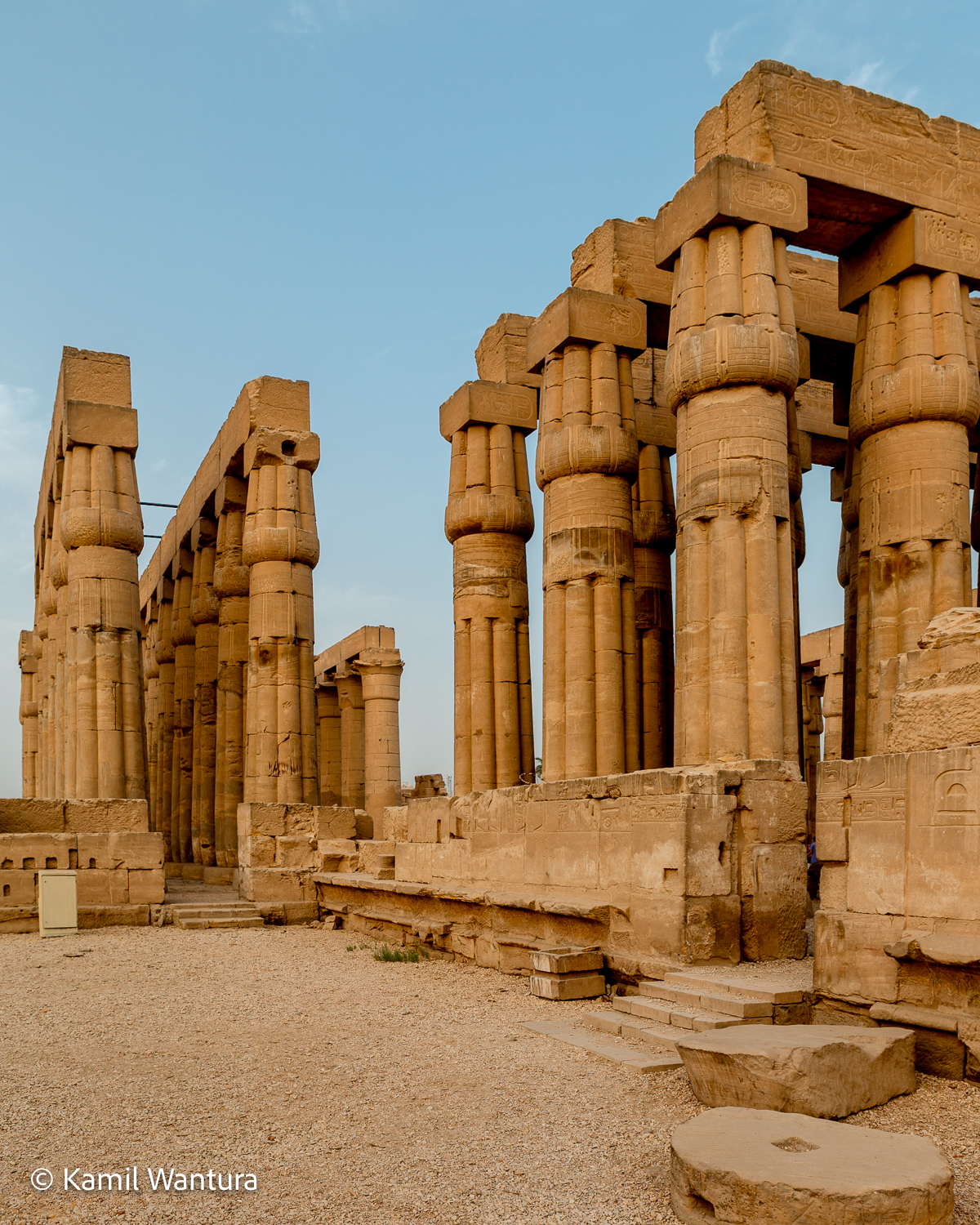
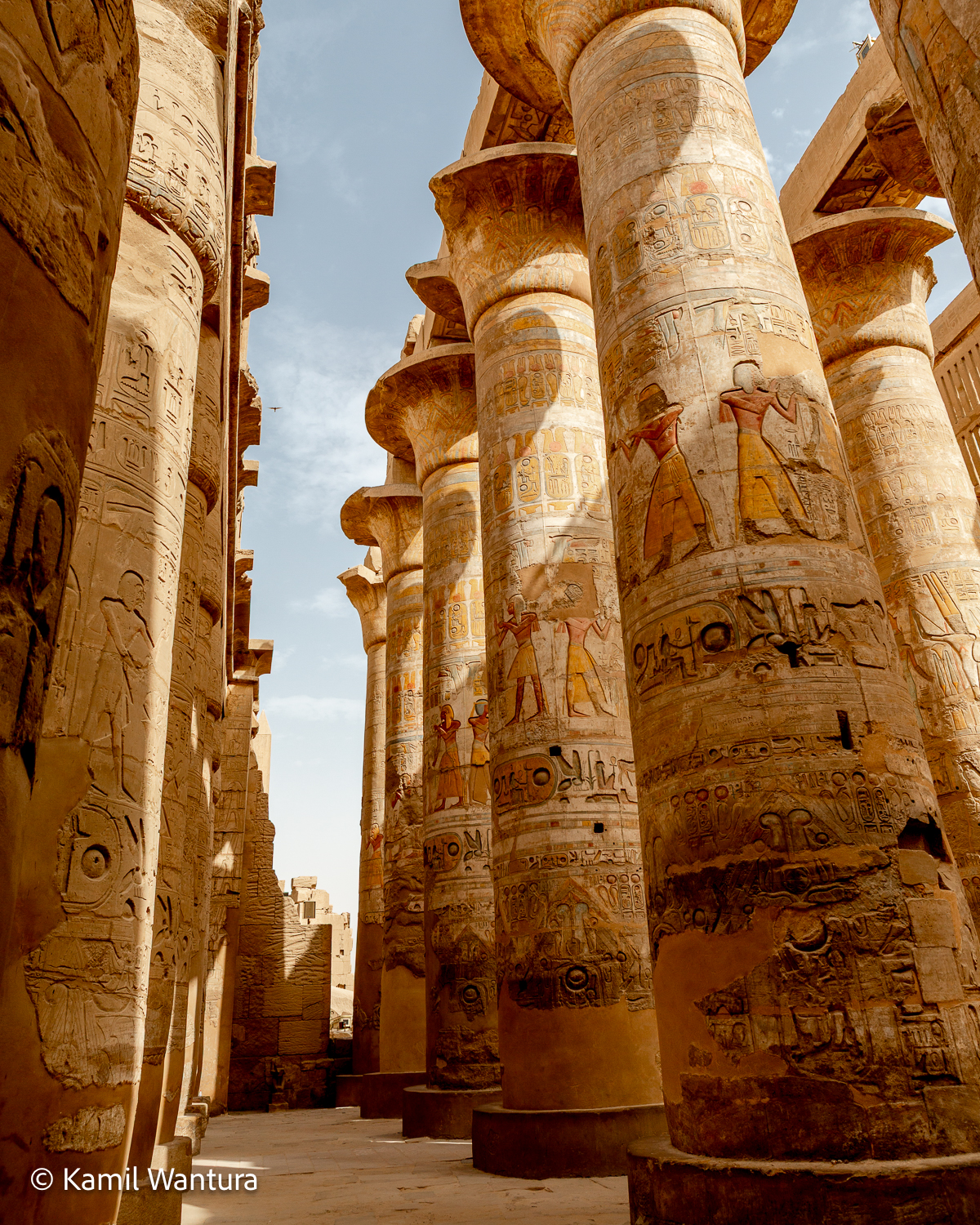
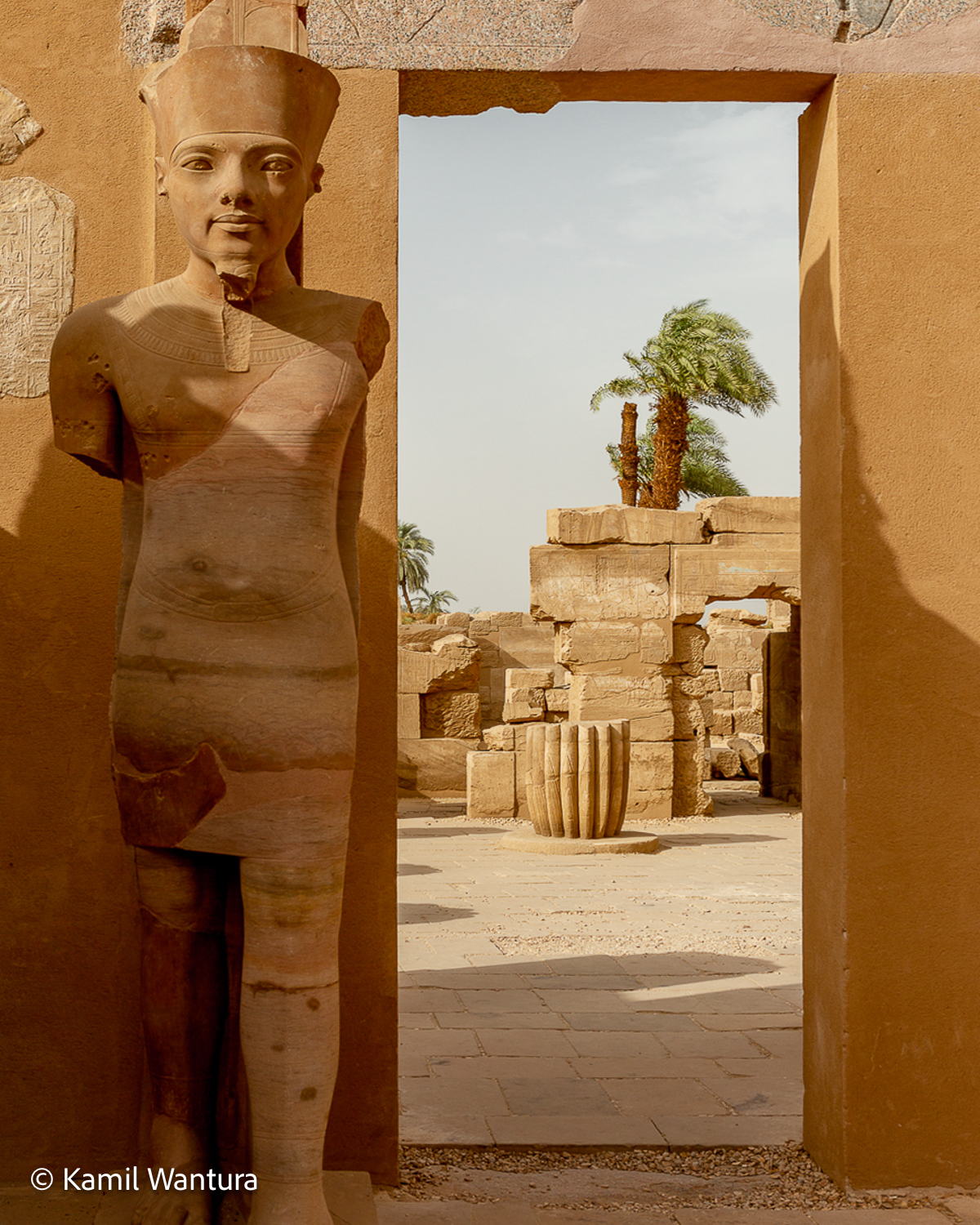
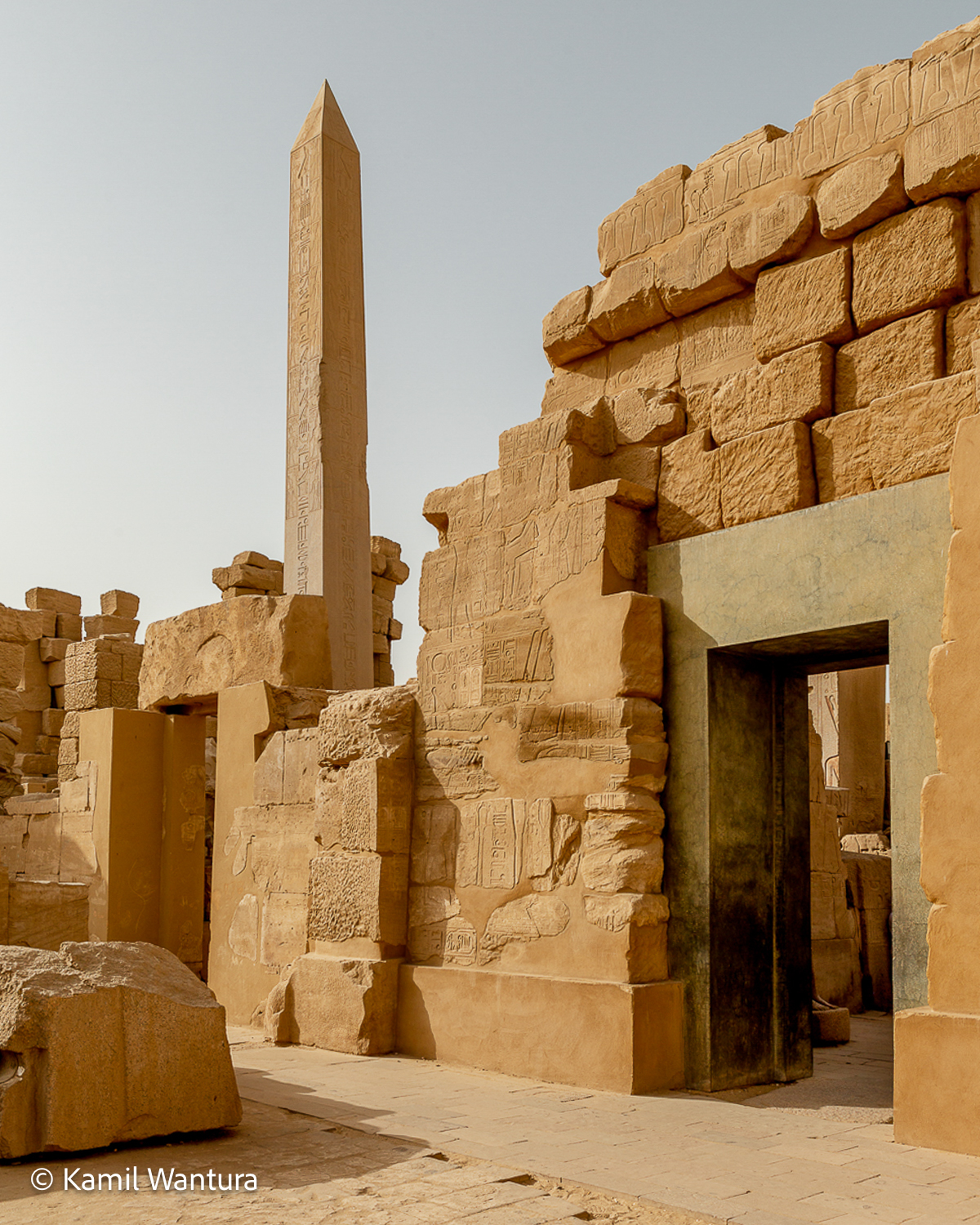
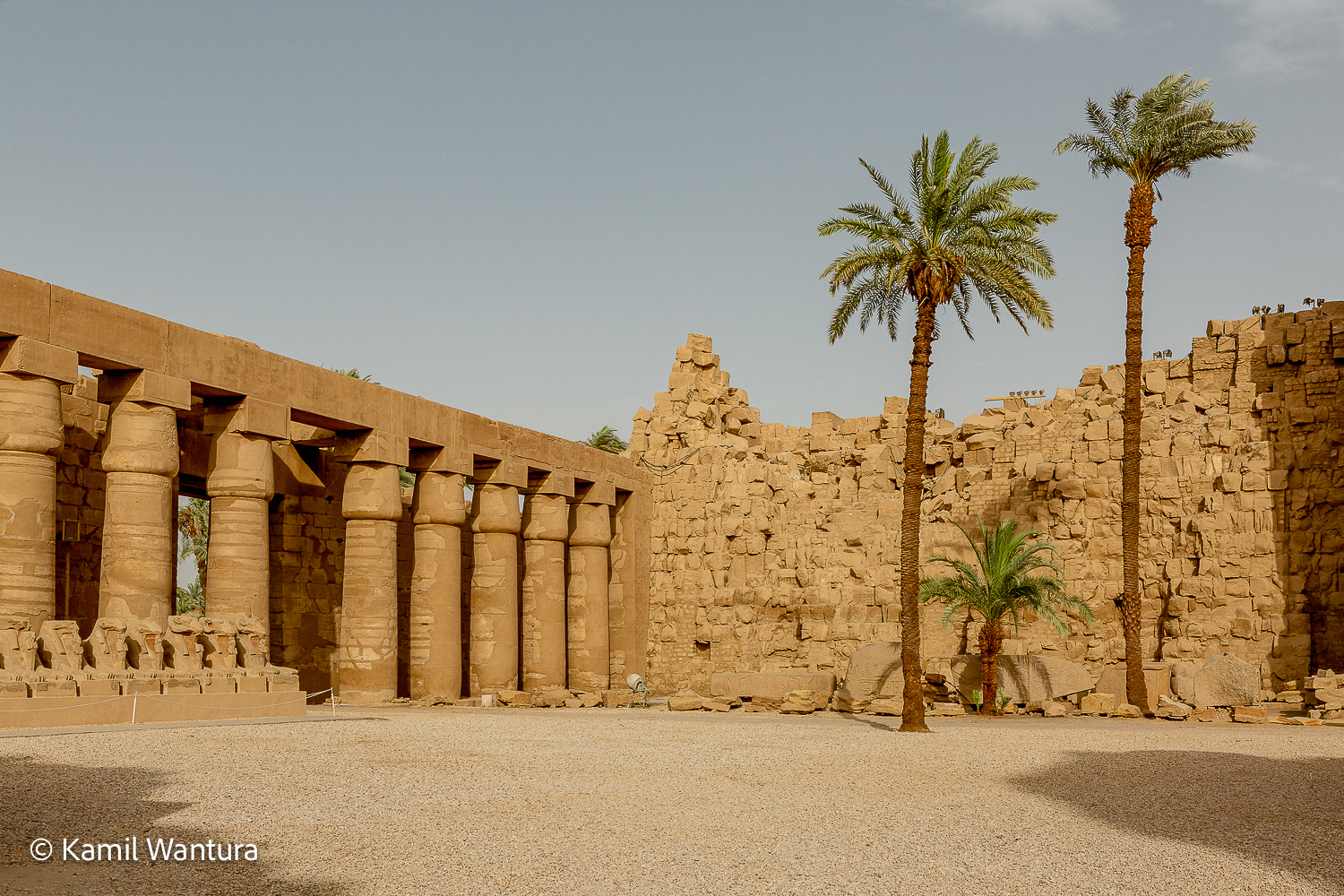
Karnak Temple Complex (📍MAP)
We spent the afternoon exploring one of Egypt's largest temple complexes, famous for its monumental columns and ancient sanctuaries, and took in more than 2,000 years of ancient Egyptian history.
Day 7: West Bank Highlights
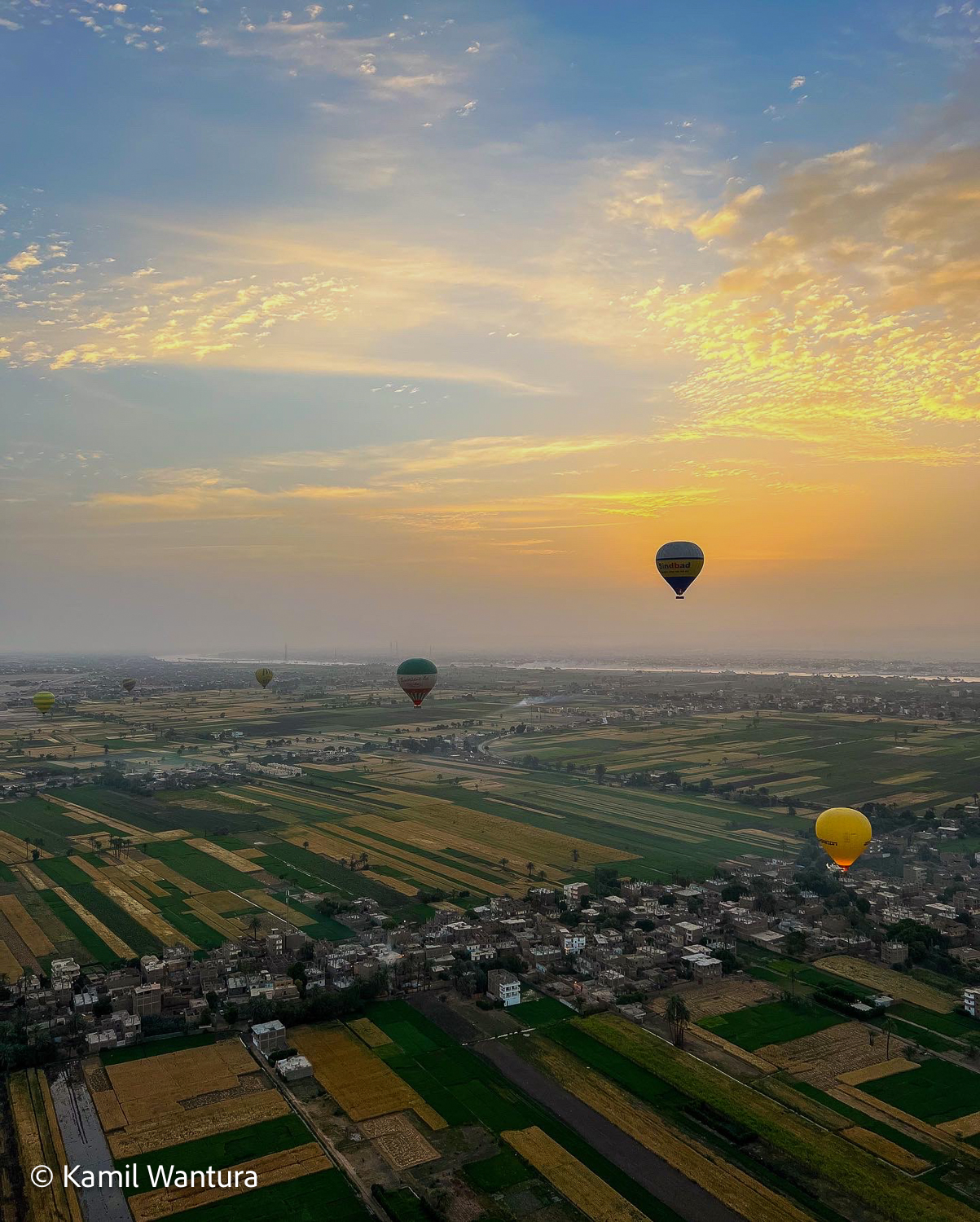
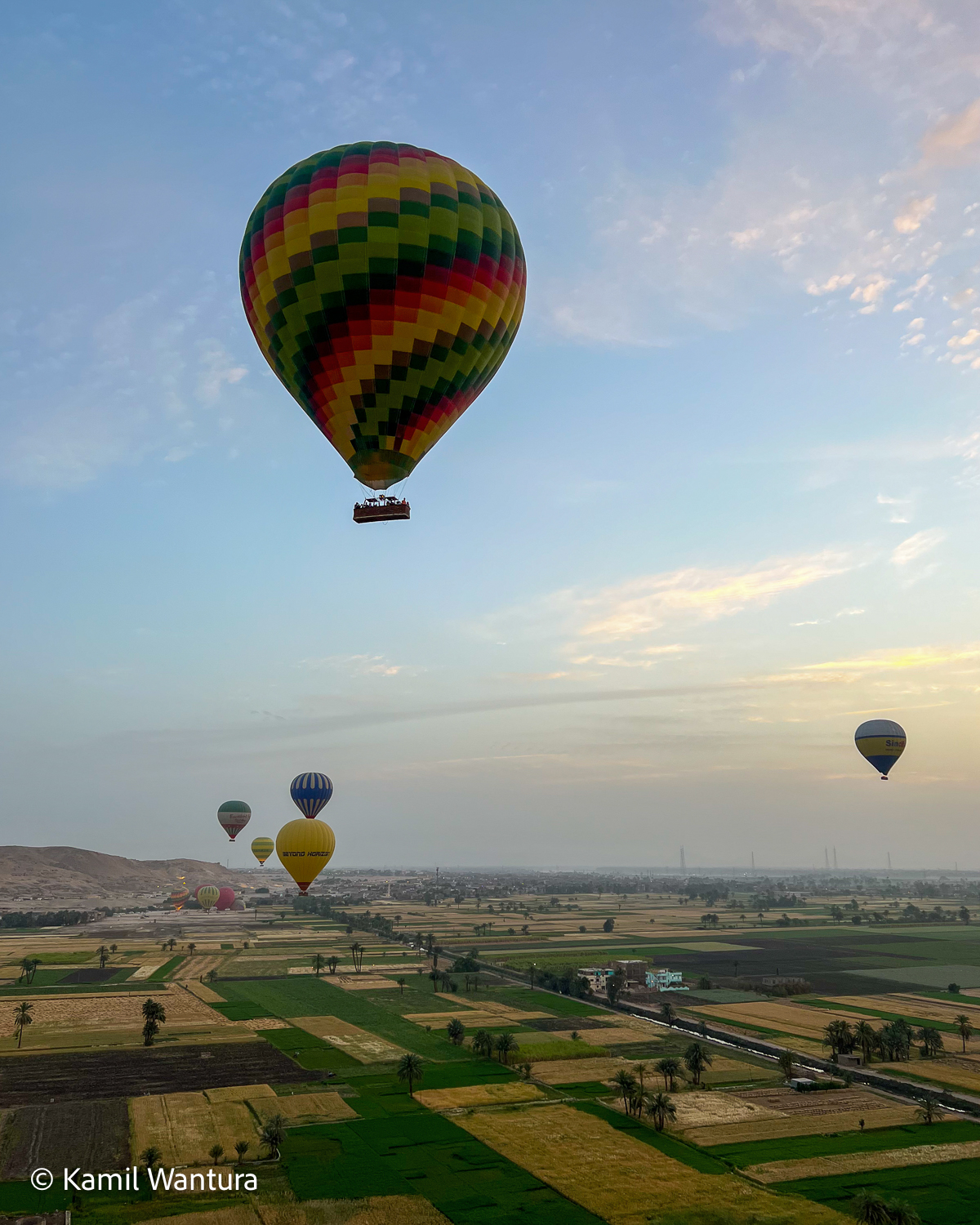
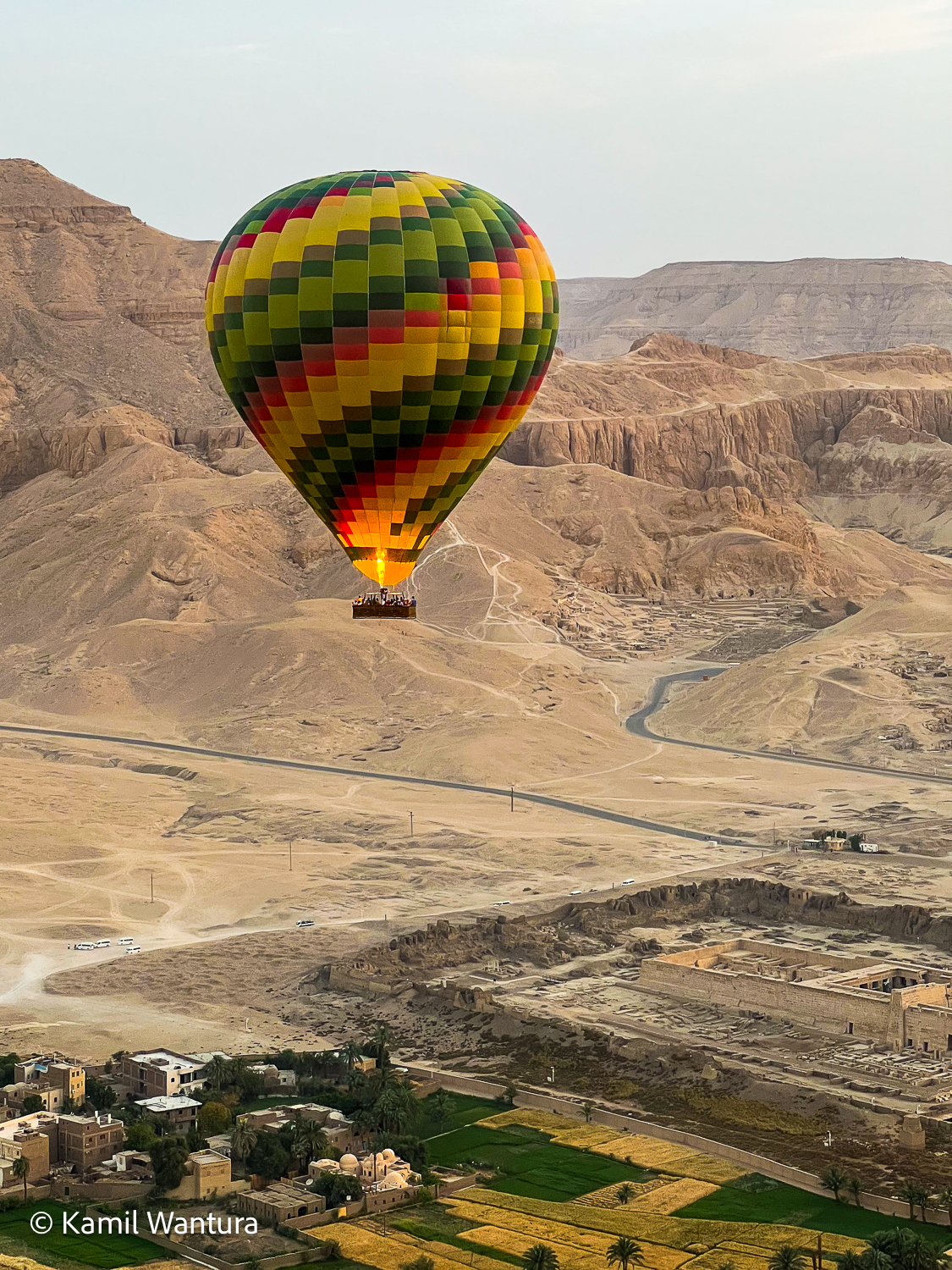
Sunrise Hot Air Balloon Flight (📍MAP)
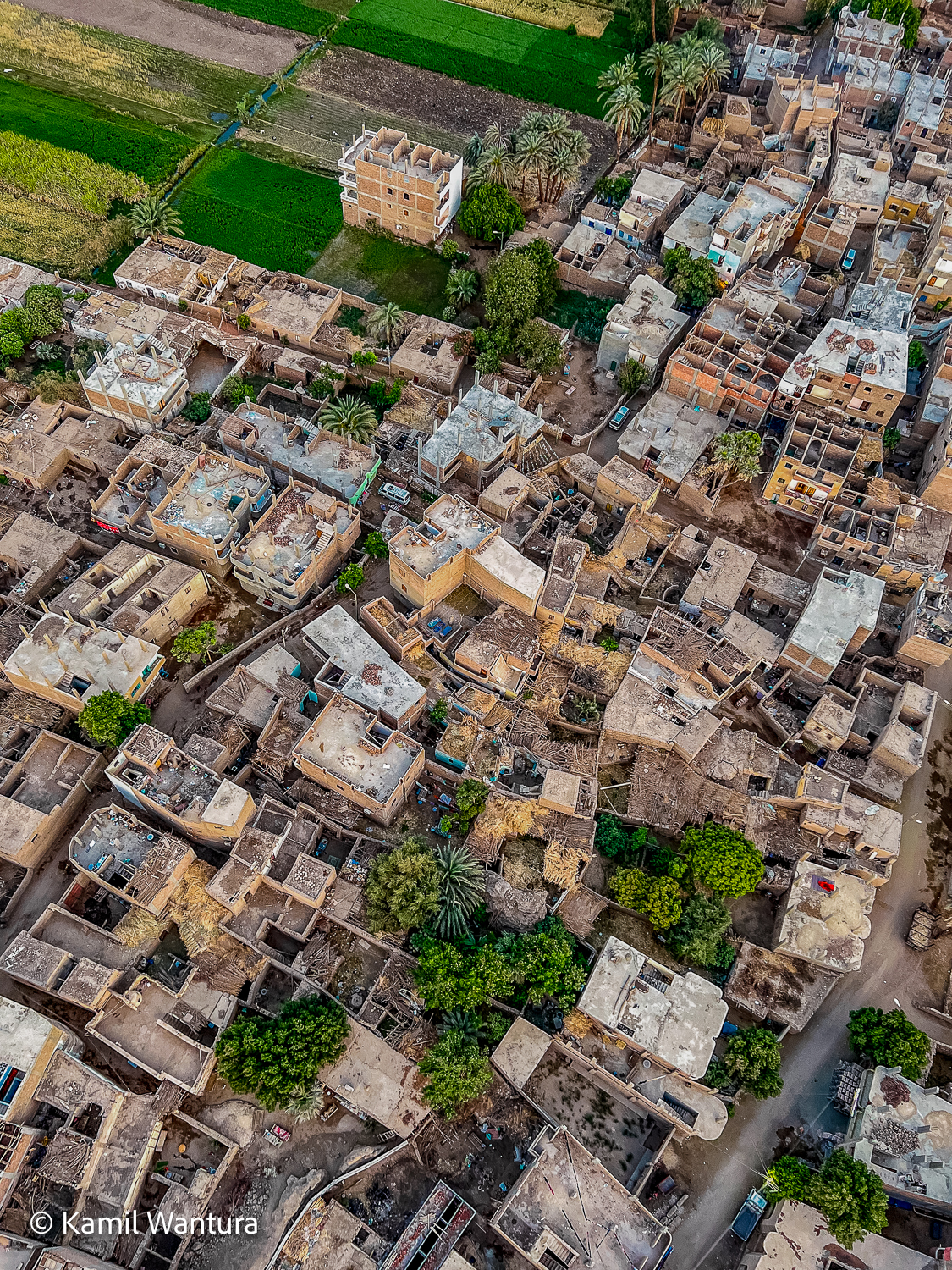
We watched the sunrise over the Nile as dozens of balloons floated above temples, villages, and desert landscapes. It was one of our most unforgettable experiences in Egypt. I booked this tour online and would recommend it, although the flight can sometimes be cancelled because of the weather.
Our sunrise flight looked like this!
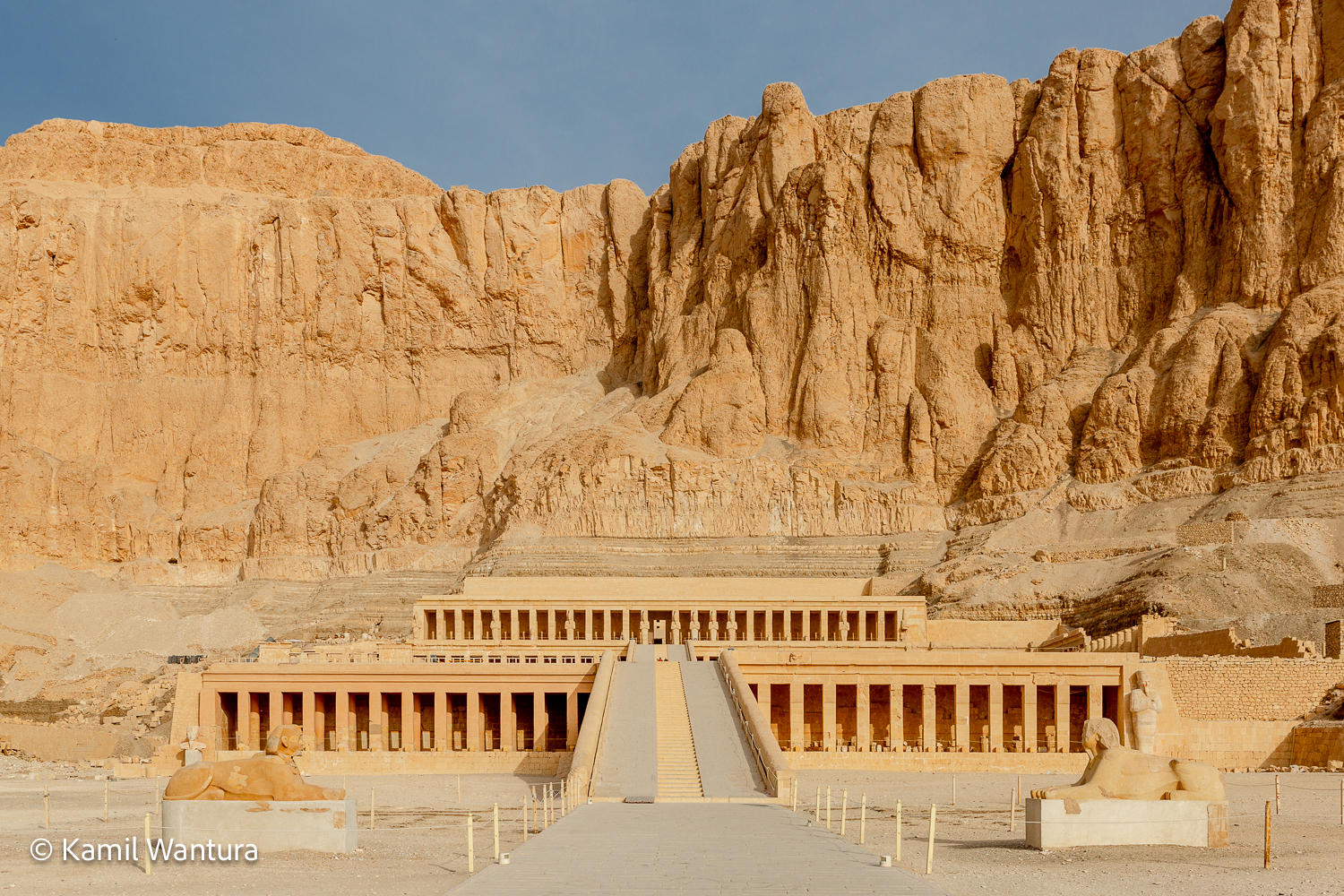
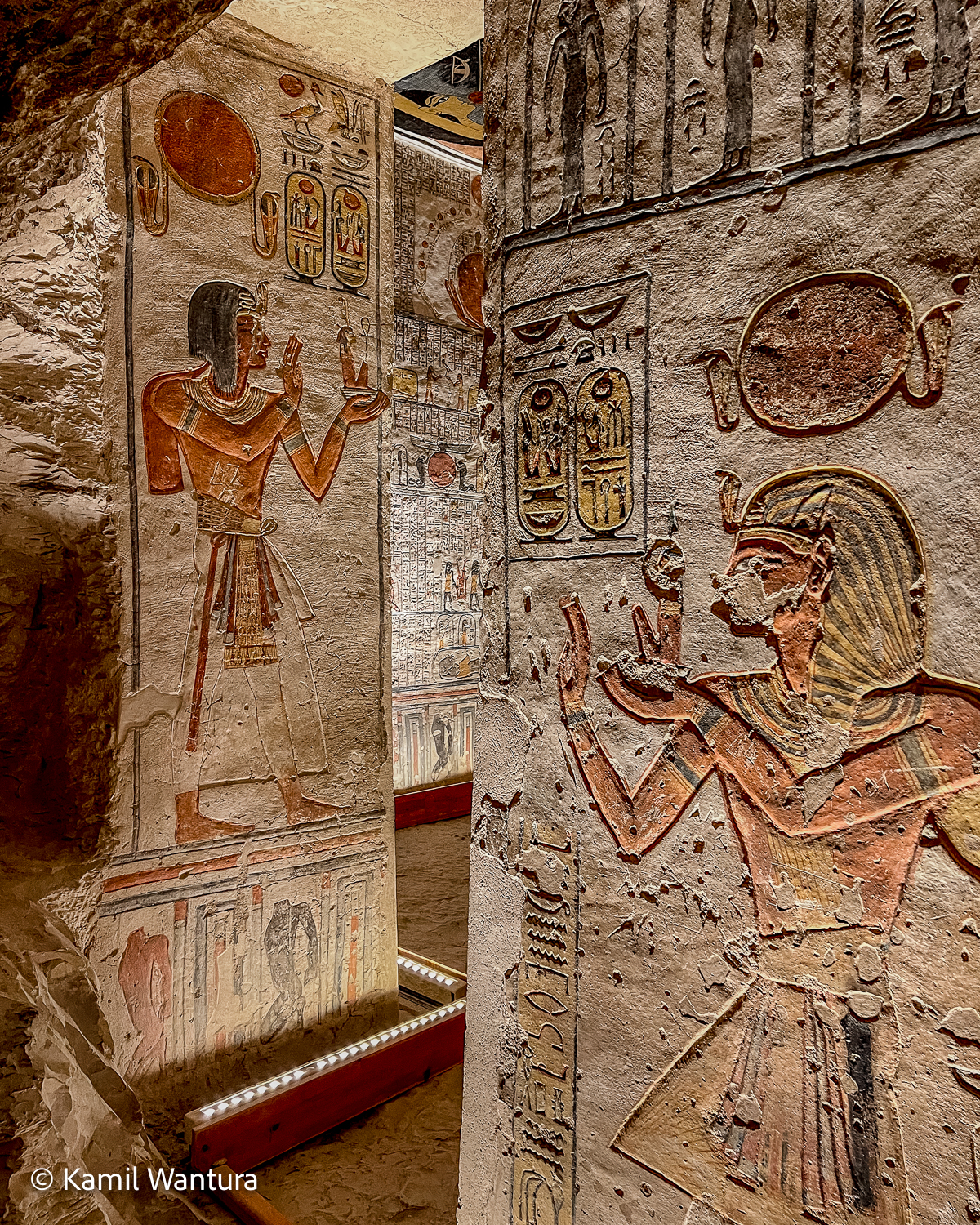
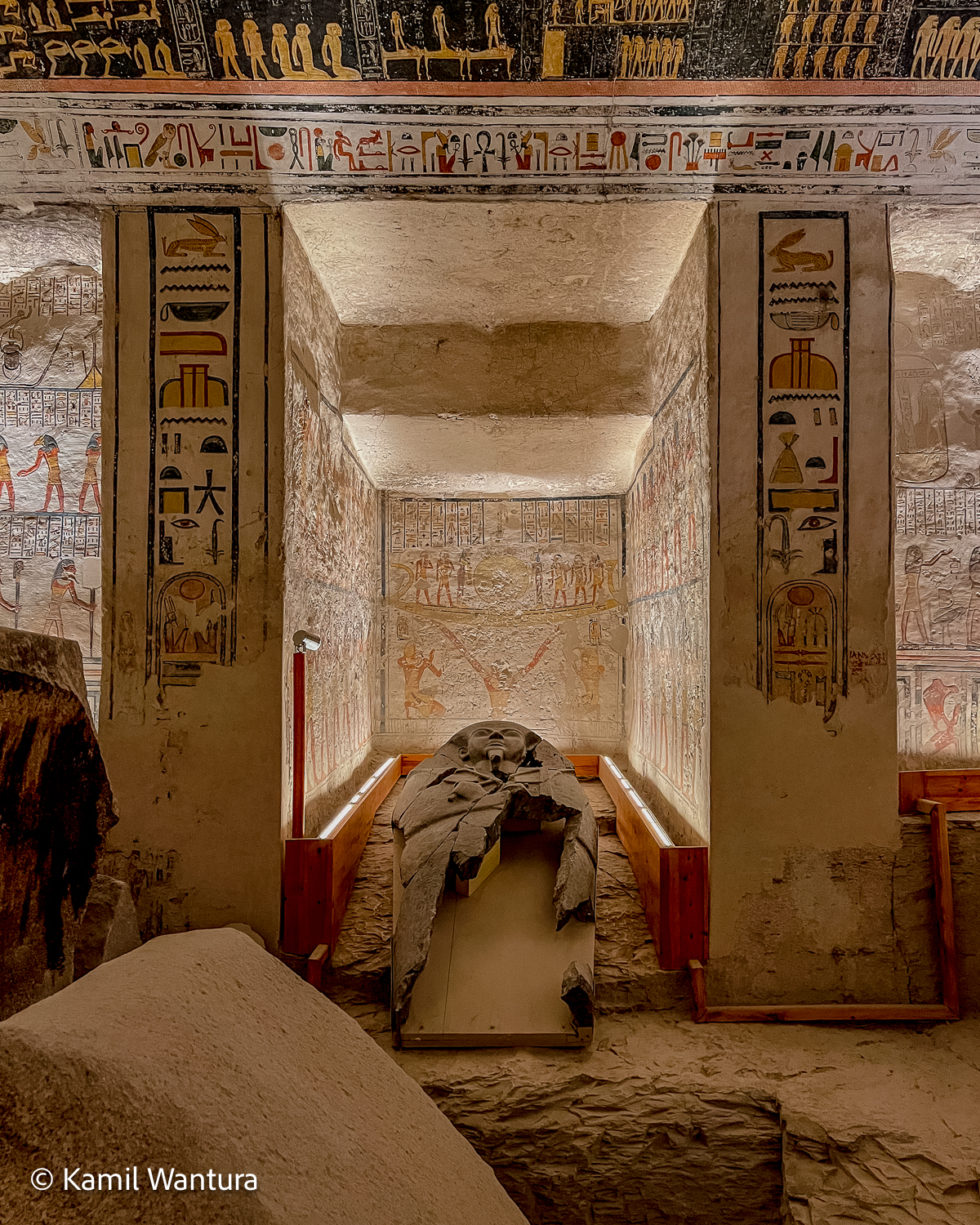
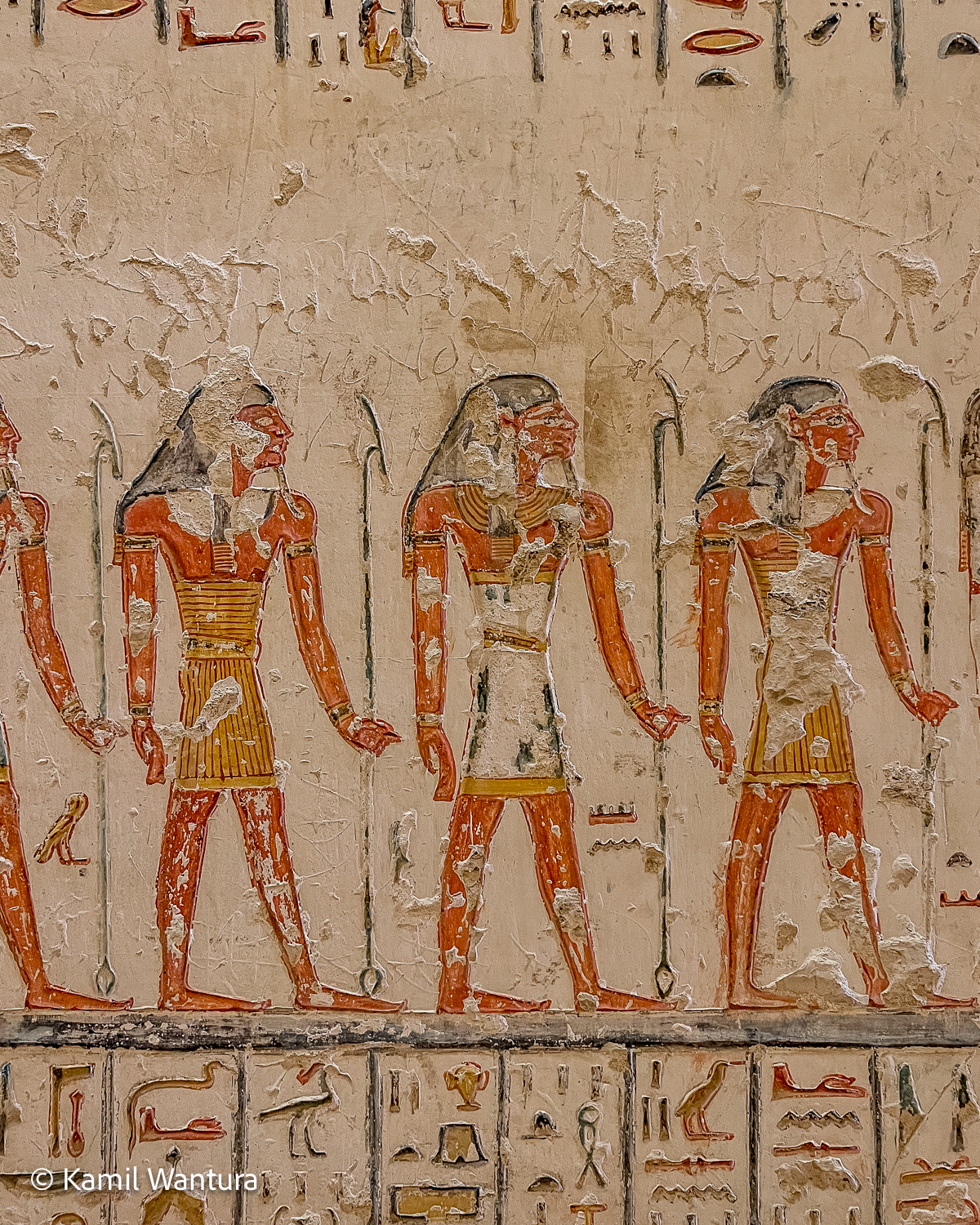
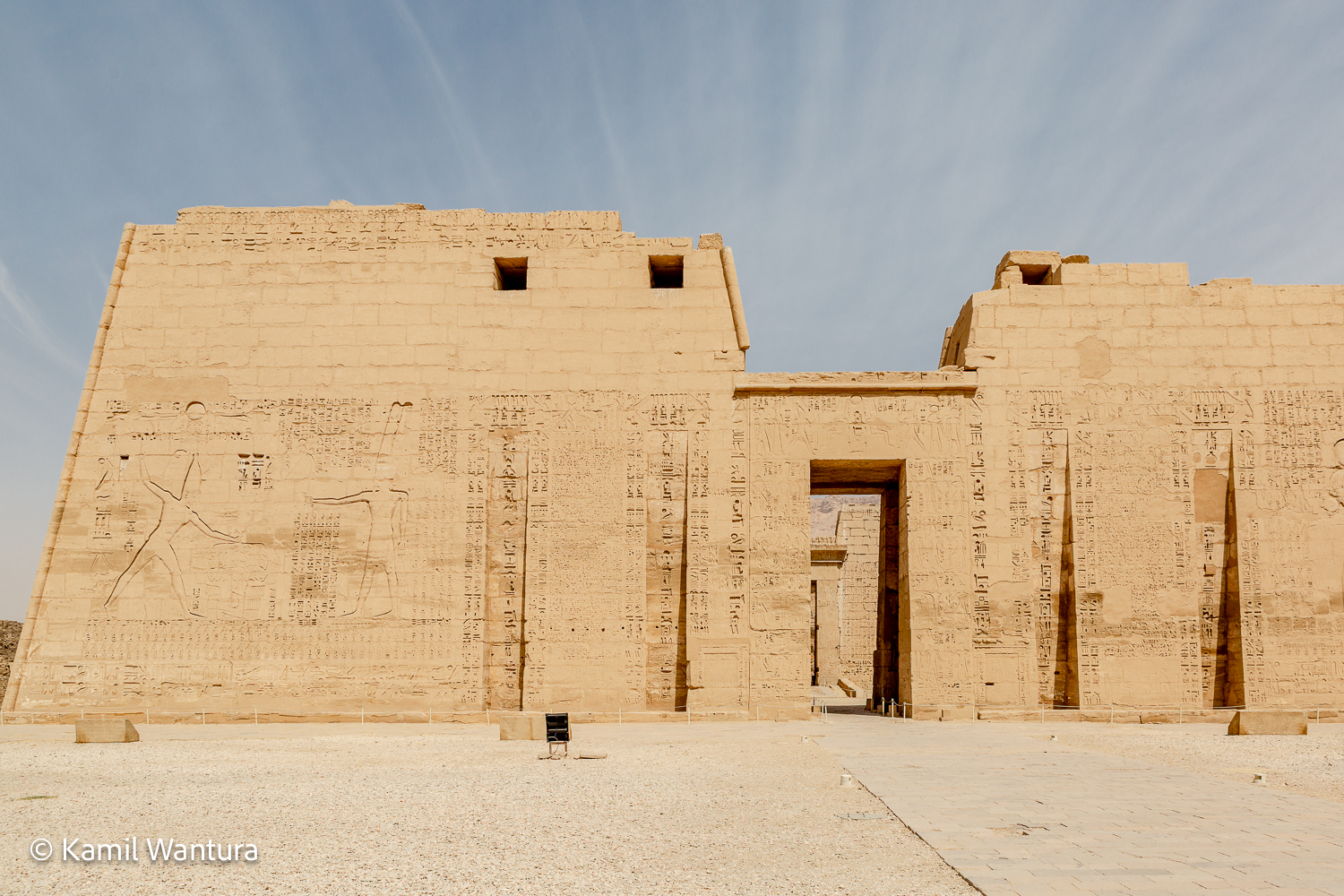
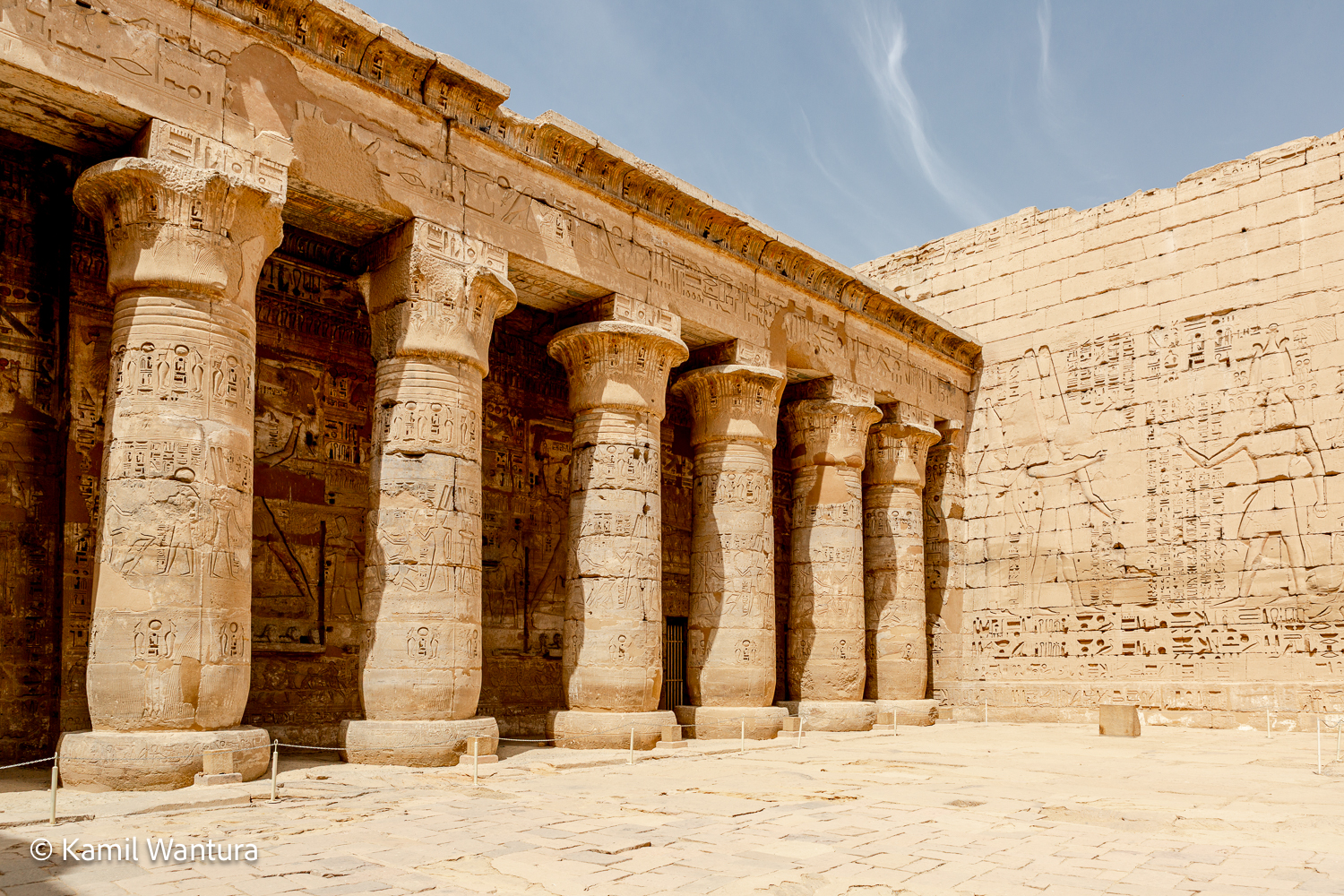
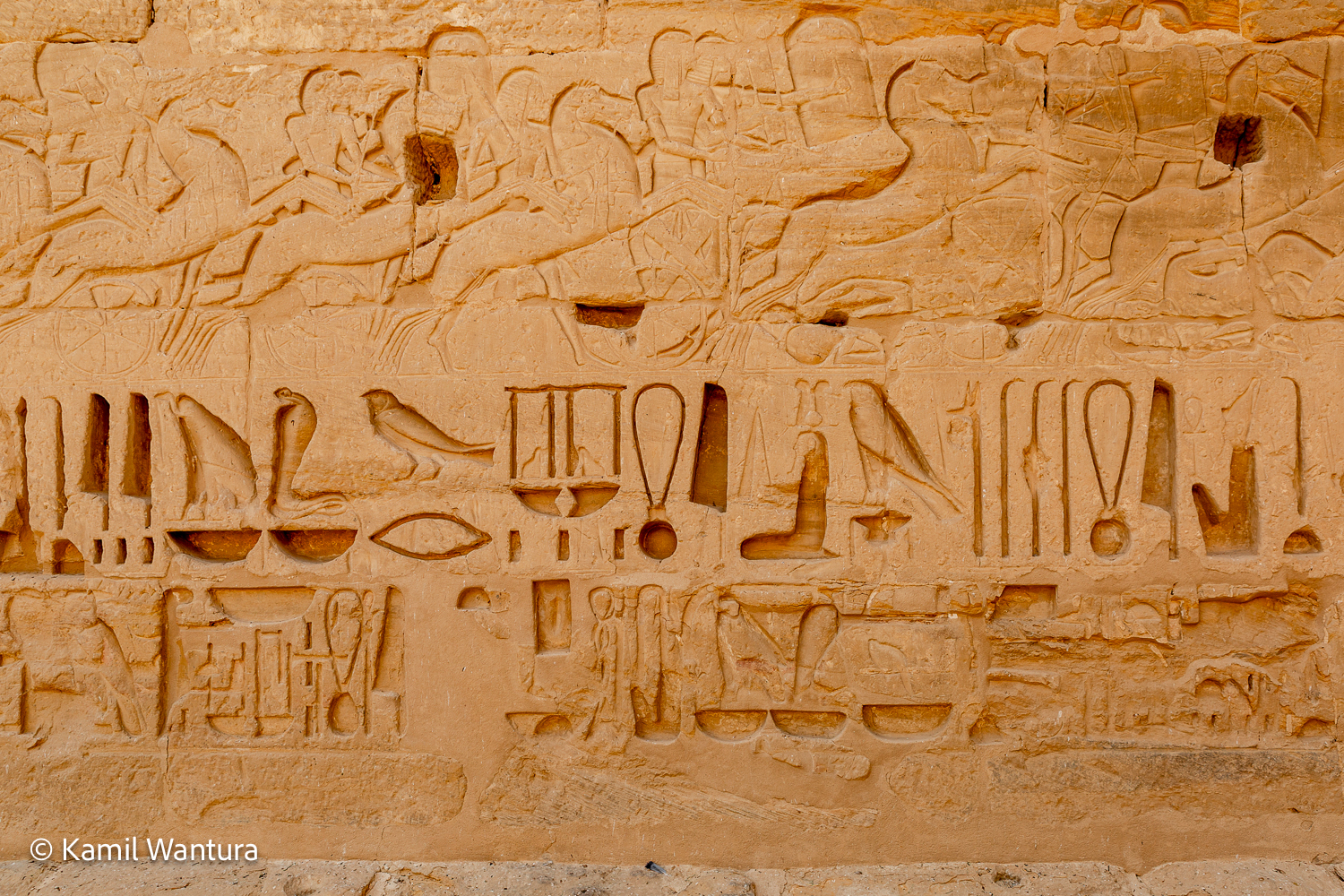
West Bank Tour by Taxi
We visited:
Days 8–10: Cairo & Giza
Day 8: Luxor → Cairo
Day 9: Pyramids & Cairo
Giza, Saqqara & Dahshur (📍MAP)
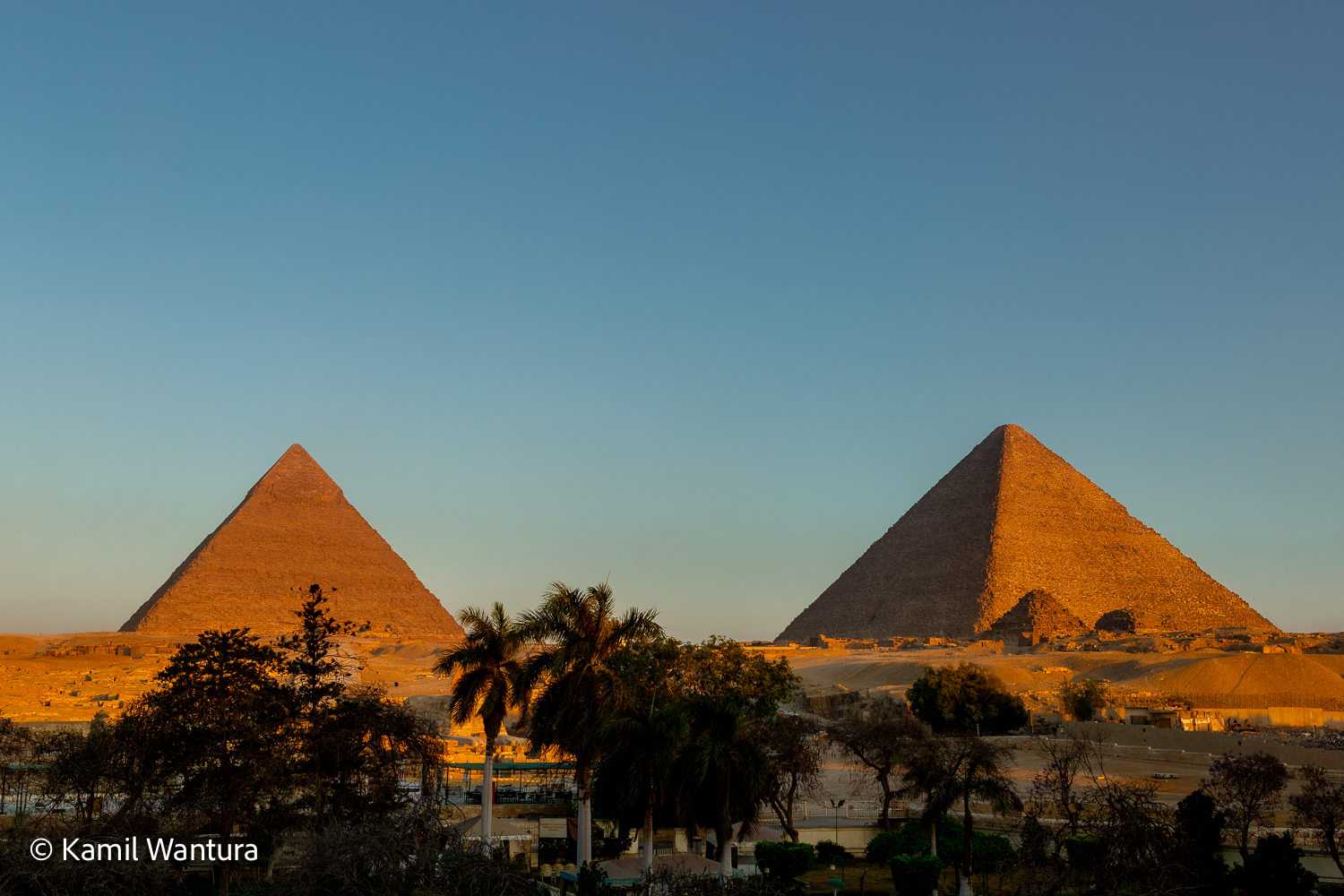
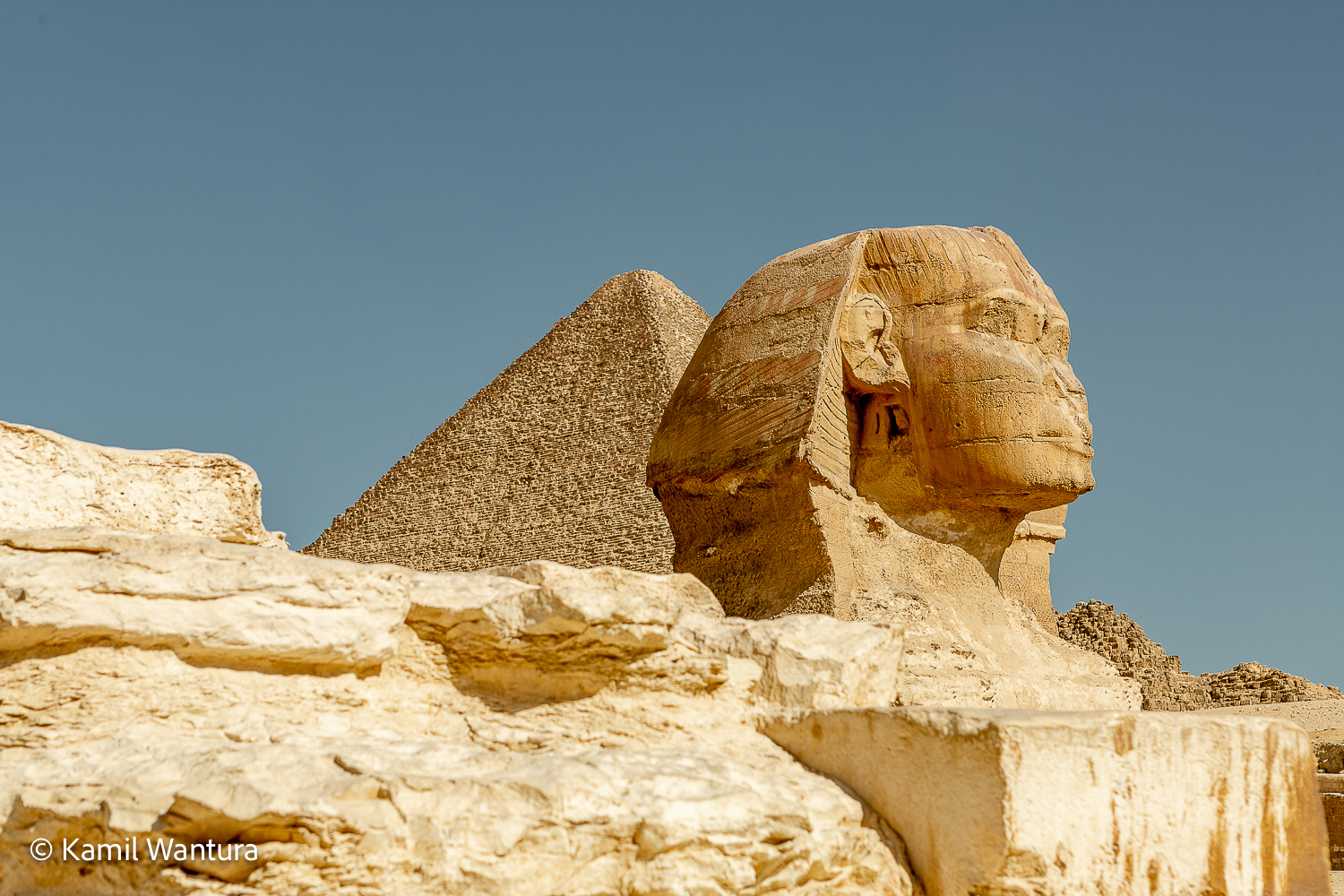
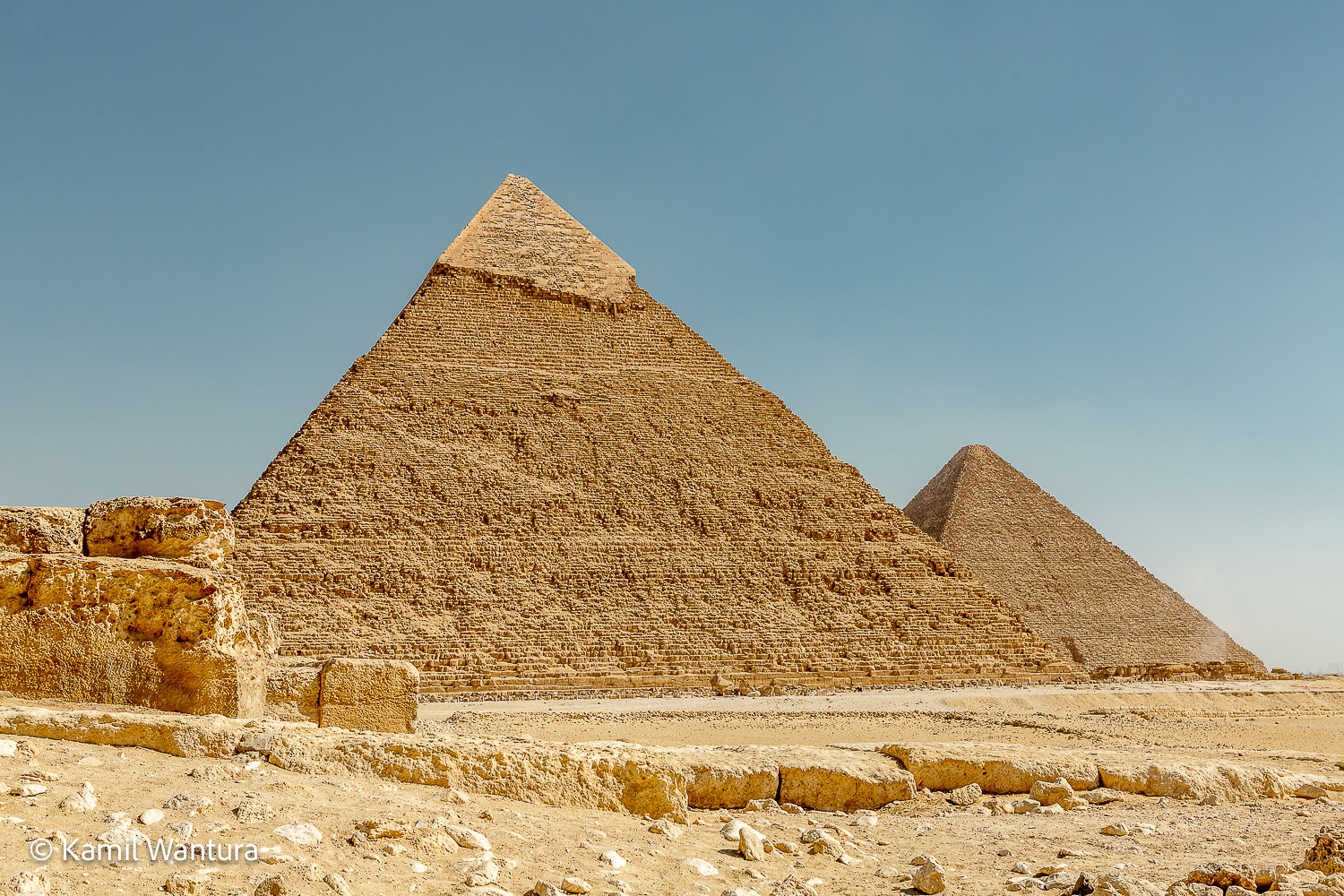
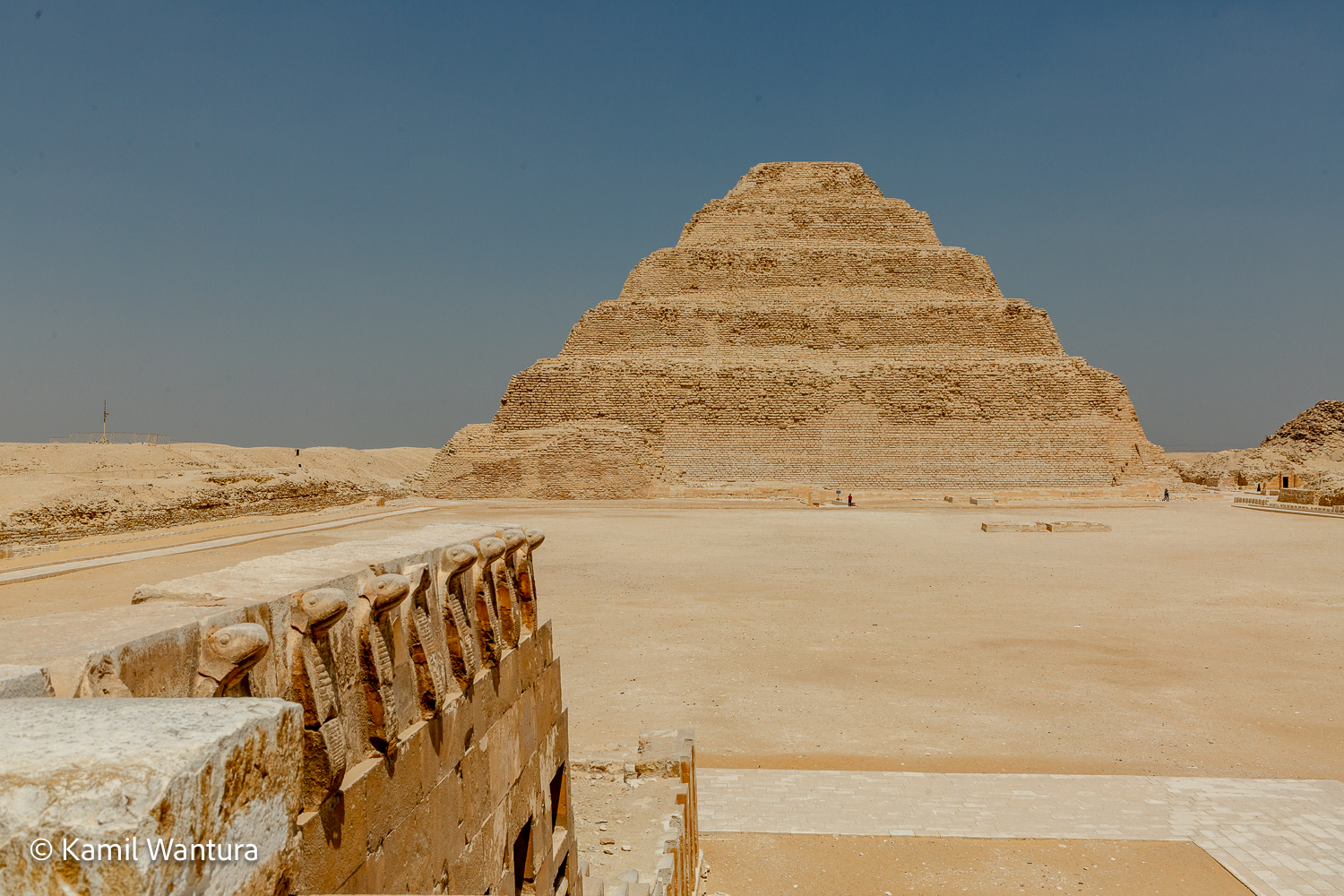
We explored the Great Pyramids, the Sphinx, the Step Pyramid of Saqqara, and the Bent & Red Pyramids at Dahshur.
Giza Pyramids - The site was home to the Great Pyramid, the Sphinx, and one of the Seven Wonders of the Ancient World, which had stood for more than 4,500 years.
Cairo City (📍MAP)
We explored central Cairo, enjoyed local cafés, and visited the Nile Corniche.
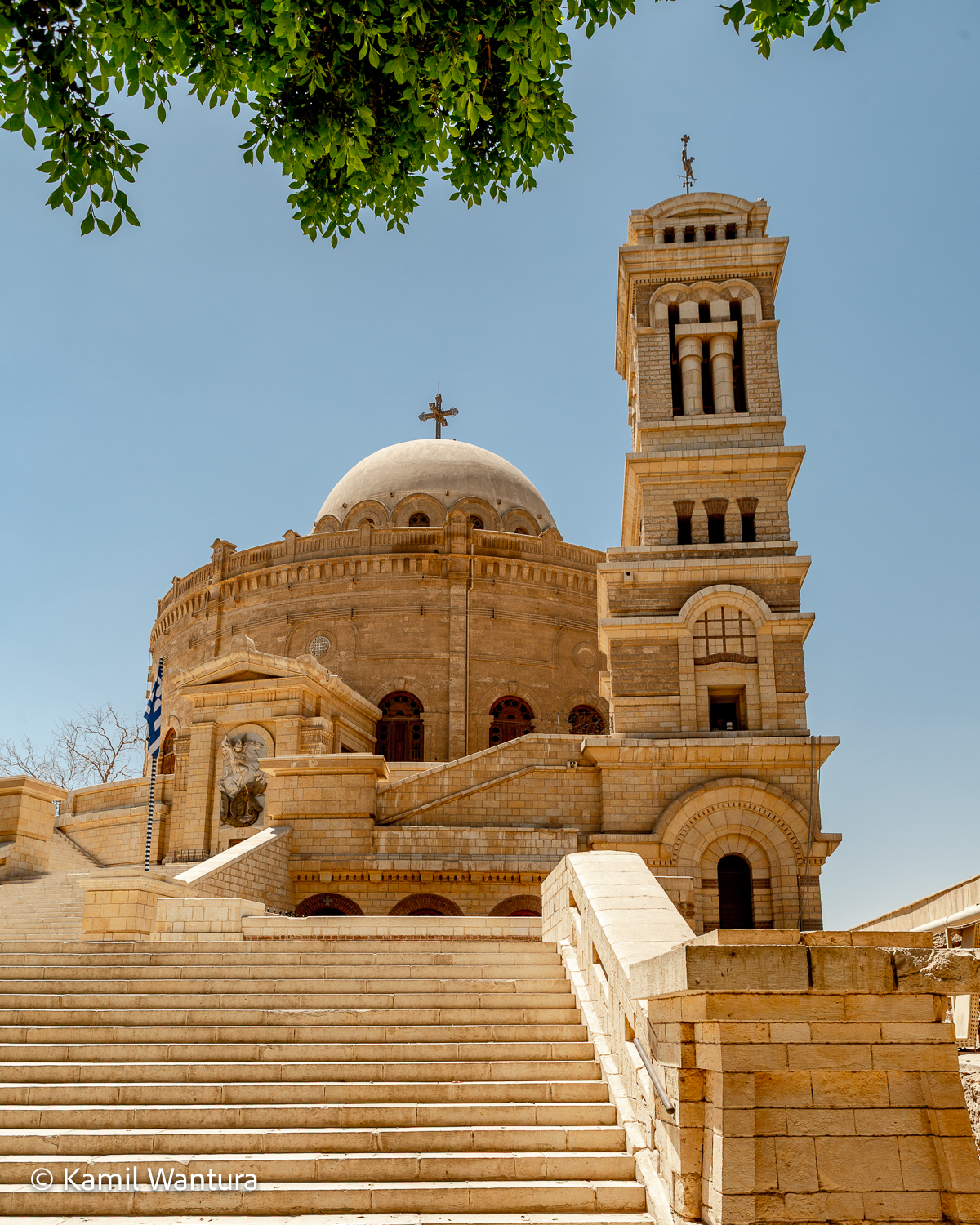
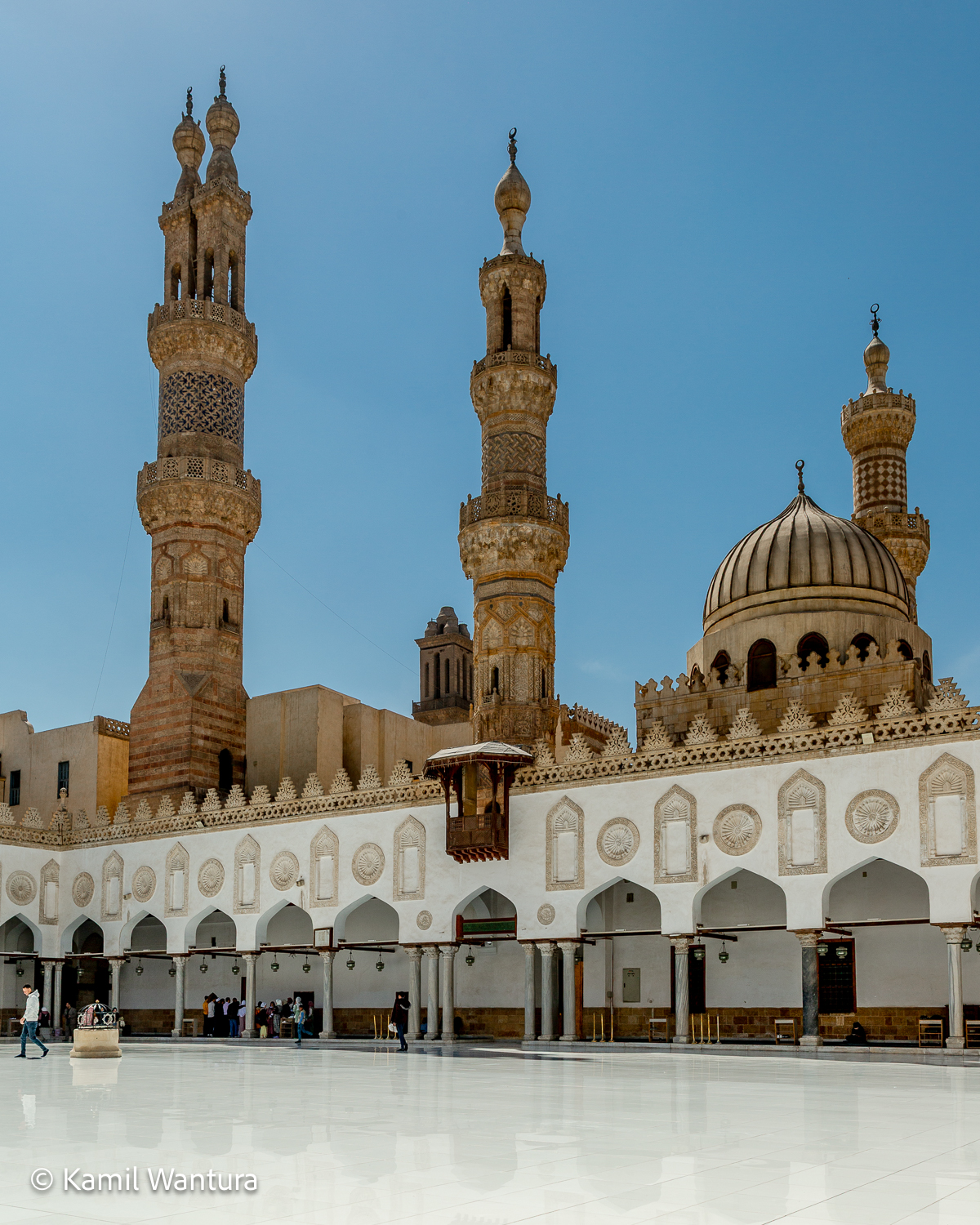
Day 10: Departure
THE EGYPT SURVIVAL & LOGISTICS GUIDE
Essential Ground Data for Travel & Photography Planning
Egypt is one of the world's most rewarding travel destinations, combining ancient archaeological wonders with modern cities and beautiful Red Sea resorts. With a little preparation, navigating the country is straightforward and allows you to focus on exploring temples, photographing iconic monuments, and experiencing Egyptian hospitality.
1. Money, Payments & Tipping
Egypt uses the Egyptian Pound (EGP). While card payments are becoming increasingly common, carrying cash remains essential.
- The Reality for Foreigners: Hotels, airports, shopping malls and larger restaurants usually accept international credit cards. However, taxis, local cafés, markets and small souvenir shops often prefer cash.
- The Solution: Withdraw Egyptian Pounds from ATMs upon arrival or exchange a small amount of currency before travelling. Keep plenty of smaller notes for tips and everyday purchases.
- Tipping Practices: "Baksheesh" is part of Egyptian culture. Small tips are expected for hotel staff, drivers, guides and even attendants at many tourist sites. Keeping EGP 10–50 or $US 1 notes readily available makes life much easier.
2. Getting Around Egypt
Egypt is a large country, so combining domestic flights with taxis and organised tours is the most efficient way to travel.
- Domestic Flights: Flying between Cairo and Luxor saves valuable sightseeing time compared with overnight buses or trains.
- City Transport: Uber is inexpensive, reliable and widely available in Cairo. In Luxor and Hurghada, taxis are plentiful, although agreeing on the fare beforehand is recommended if ride-hailing apps are unavailable.
- Guided Tours: Booking guided excursions for sites such as Giza, Saqqara, Orange Bay and Luxor's West Bank simplifies transport and provides valuable historical context.
3. Connectivity & Mobile Setup
The easiest option is purchasing an eSIM before departure using providers such as Airalo.
Having reliable mobile data is mandatory for booking rides, translating signs, and verifying monument opening hours dynamically.
The most frictionless route is purchasing an eSIM (such as Airalo) prior to arrival. Download Airalo app. Get GBP £2.50 off your first eSIM purchase with Airalo. Use code KAMIL9100 when you sign up or at checkout. https://airalo.go.link/6HJXX
If your device is not eSIM compatible, physical SIM cards from Vodafone Egypt, Orange or Etisalat are available at Cairo and Hurghada airports after passport registration.4. Ancient Sites & Cultural Etiquette
Egypt's archaeological sites are among the most important in the world and deserve respectful behaviour.
Tickets & Entry
Many major attractions now offer online ticket booking. Purchasing tickets in advance helps avoid queues during peak tourist season, especially at the Giza Plateau and Luxor temples.
Photography Rules
Photography is generally permitted at most outdoor monuments. Some tombs and museums charge additional camera fees or restrict photography completely. Drones are prohibited in Egypt without official government permission and can be confiscated at customs.
Cultural Etiquette
Egypt is generally welcoming and tourist-friendly. Dress modestly when visiting mosques and traditional neighbourhoods by covering shoulders and knees. Always ask permission before photographing local people, particularly in villages and markets.
5. Drinking Water & Food Safety
Tap water in Egypt is not recommended for tourists. Although treated locally, differences in water quality and mineral content can easily cause stomach upset for visitors.
- Drink Bottled Water: Stick to sealed bottled water for drinking and brushing your teeth. Check that the bottle seal is intact before purchasing.
- Ice & Drinks: Ice served in reputable hotels and restaurants is generally safe, but when eating at small local cafés or street vendors, it's best to order drinks without ice if you're unsure of the water source.
- Food Safety: Freshly cooked food is usually very safe. Choose busy restaurants with high customer turnover and wash or peel fresh fruit before eating whenever possible.
6. Gear Protection & Packing Essentials
Egypt's dry climate, desert dust and strong sunshine require a little extra preparation for photographers.
- Dust Protection: Carry a blower, microfibre cloths and avoid changing lenses outdoors whenever possible, especially around desert sites such as Giza and Saqqara.
- Sun Protection: Sunscreen, sunglasses, a hat and a reusable water bottle are essential, particularly during long days exploring archaeological sites with very little shade.
- Footwear: Comfortable walking shoes are highly recommended. Expect uneven stone paths, sandy ground and several kilometres of walking at sites including Karnak, the Valley of the Kings and the Giza Plateau.
Quick Reference Travel Checklist
| Category | Action Item & Protocol |
|---|---|
| Hydration | Carry bottled water daily, especially when visiting temples and archaeological sites with limited shade. |
| Entry Documents | Apply for your Egyptian e-Visa before departure or confirm your eligibility for a Visa on Arrival. |
| Navigation | Download offline Google Maps and install Uber before arriving in Cairo. |
| Photography Gear | Pack spare batteries, plenty of memory cards, lens cleaning supplies and a lightweight tripod if permitted. |
