
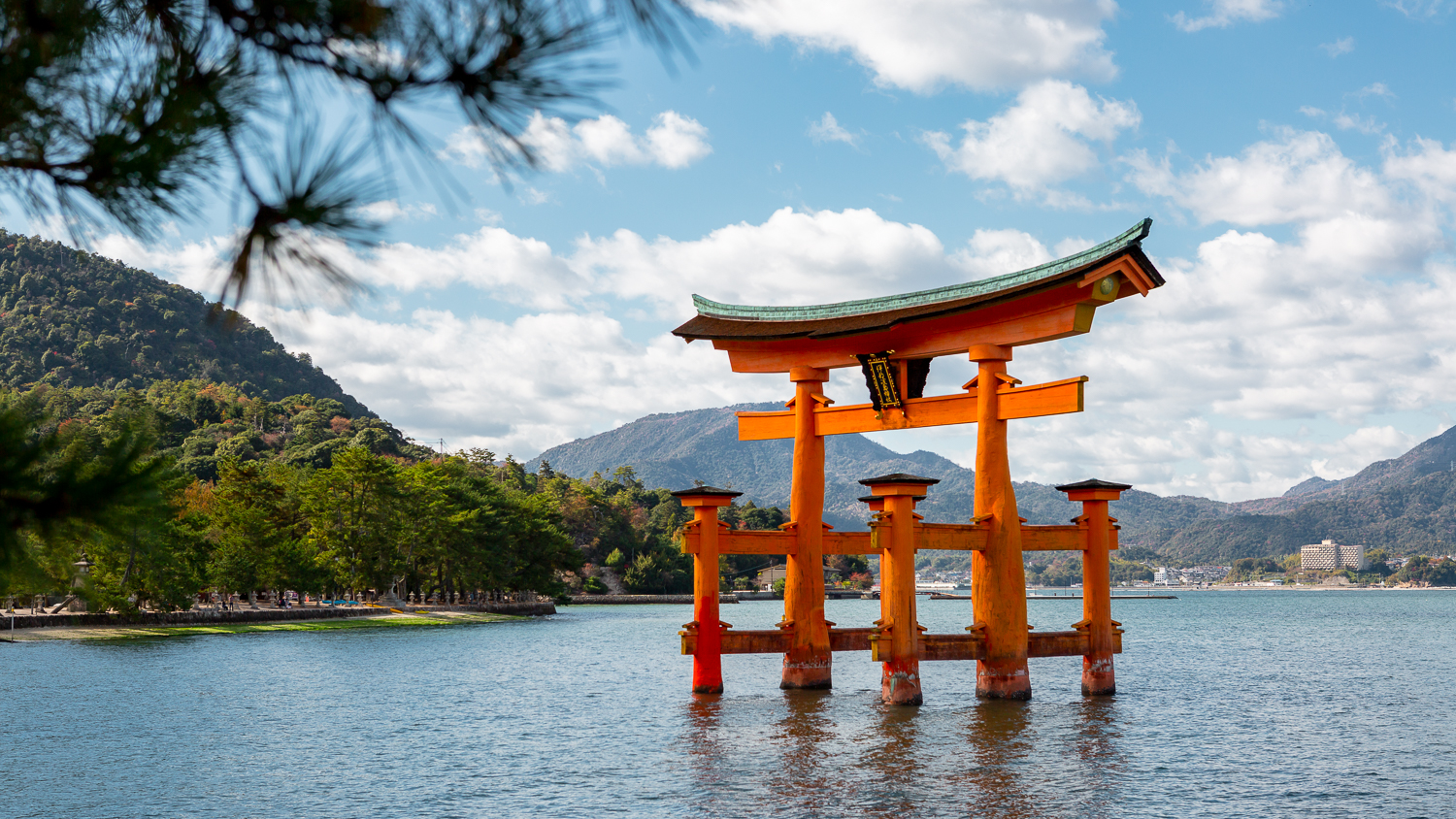

Japan has always been high on my travel list because of its unique blend of modern innovation and deep-rooted traditions. Visiting in person finally brought those expectations to life. I travelled there in November, and experiencing the country during the autumn season was truly unforgettable. The weather was pleasantly crisp and mild, making it ideal for spending entire days walking outdoors. Across both cities and quiet temple gardens, the foliage transformed into striking shades of crimson, orange, and gold, creating an extraordinary visual spectacle at every turn. Exploring the country during this period revealed why so many seasoned travellers recommend it, offering a balance of stunning scenery, rich culture, and an exceptionally smooth travel experience. Beyond the autumn landscape, Japan remains one of the world’s most popular destinations due to its contrast between futuristic cities like Tokyo and historic hubs like Kyoto. Exceptional safety, reliable public transport, world-class hospitality, and a globally celebrated food scene make it an accessible and endlessly fascinating place to explore.
TRAVEL & PHOTO CONDITIONS
| Time | November 2018 |
|---|---|
| Weather | Comfort | Partly Cloudy |
| Temperature | 16 to 24 °C |
| Photo Potential | |
| Physical Difficulty | |
| Accessibility | |
| Crowd Level | |
| Value for Money |
TRIP ESSENTIAL BOOKINGS
TRAVEL VISA
ACCOMMODATION
Ad / Affiliate links | Find your accommodation with Booking.com
JAPAN RAIL PASS

THE 14 DAY PHOTOGRAPHY ITINERARY ACROSS JAPAN
Japan turned out to be one of my favourite countries for travelling solo. I spent around 14 days travelling by train from Tokyo all the way to Hiroshima, moving between huge modern cities, peaceful temples, traditional neighbourhoods and beautiful autumn landscapes. Travelling around Japan on my own felt incredibly easy. The trains were reliable, everything was well organised, and I always felt completely safe, even when walking around alone in the evenings. Japan felt like the perfect country for solo travel because I never felt out of place on my own. It was very normal to see people eating, travelling or enjoying a coffee by themselves.
One of my favourite things was being able to start my days really early. I could go to bed early, wake up before sunrise and head out while most people were still asleep. This meant I could explore temples, gardens and quiet streets almost completely on my own, especially in the early morning. There was something really special about having beautiful places almost to myself before the crowds arrived.
Japan was also incredibly easy to navigate. The train network made travelling between cities simple, and even in the biggest cities I quickly got used to getting around. I loved the small everyday details too. There were tiny cafés tucked away on side streets, convenience stores everywhere, little restaurants serving delicious food and countless places where I could stop for a quick meal or coffee without needing to plan anything in advance. The bullet trains were a huge part of the experience, turning long journeys into comfortable and relaxing parts of the trip rather than something to worry about.
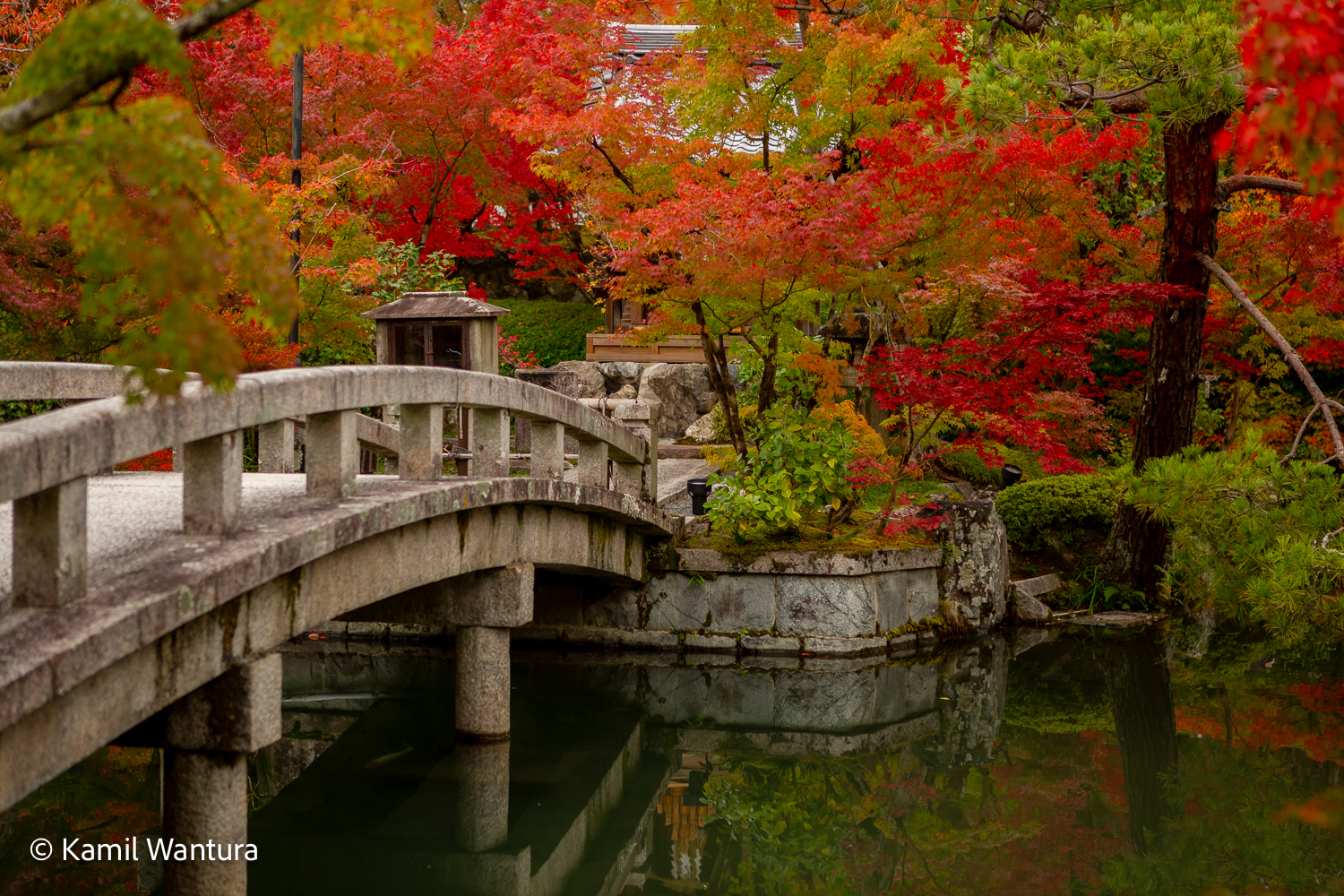
November was a particularly beautiful time to visit. The autumn colours were everywhere, from deep red maple trees around temples to golden parks and mountain landscapes. I loved the contrast between the colourful autumn foliage, ancient wooden buildings and the futuristic streets of Tokyo and Osaka. Travelling alone gave me the freedom to slow down when I wanted, spend hours taking photographs or simply sit somewhere and watch everyday life. For me, Japan was not just easy and safe to travel around, but one of those rare places where travelling alone actually made the experience feel even more personal.
Day 1-4: The Tokyo Metropolis
Day 1: Arrival & Neon Lights
Touchdown in Tokyo
I arrived at Tokyo Narita Airport (📍MAP). I took the local JR train to Bakurocho Station (📍MAP). I found the area convenient, with easy access to both the Metro and JR Railway, which made it an ideal base while I was using my JR Rail Pass.
Akihabara Alleys
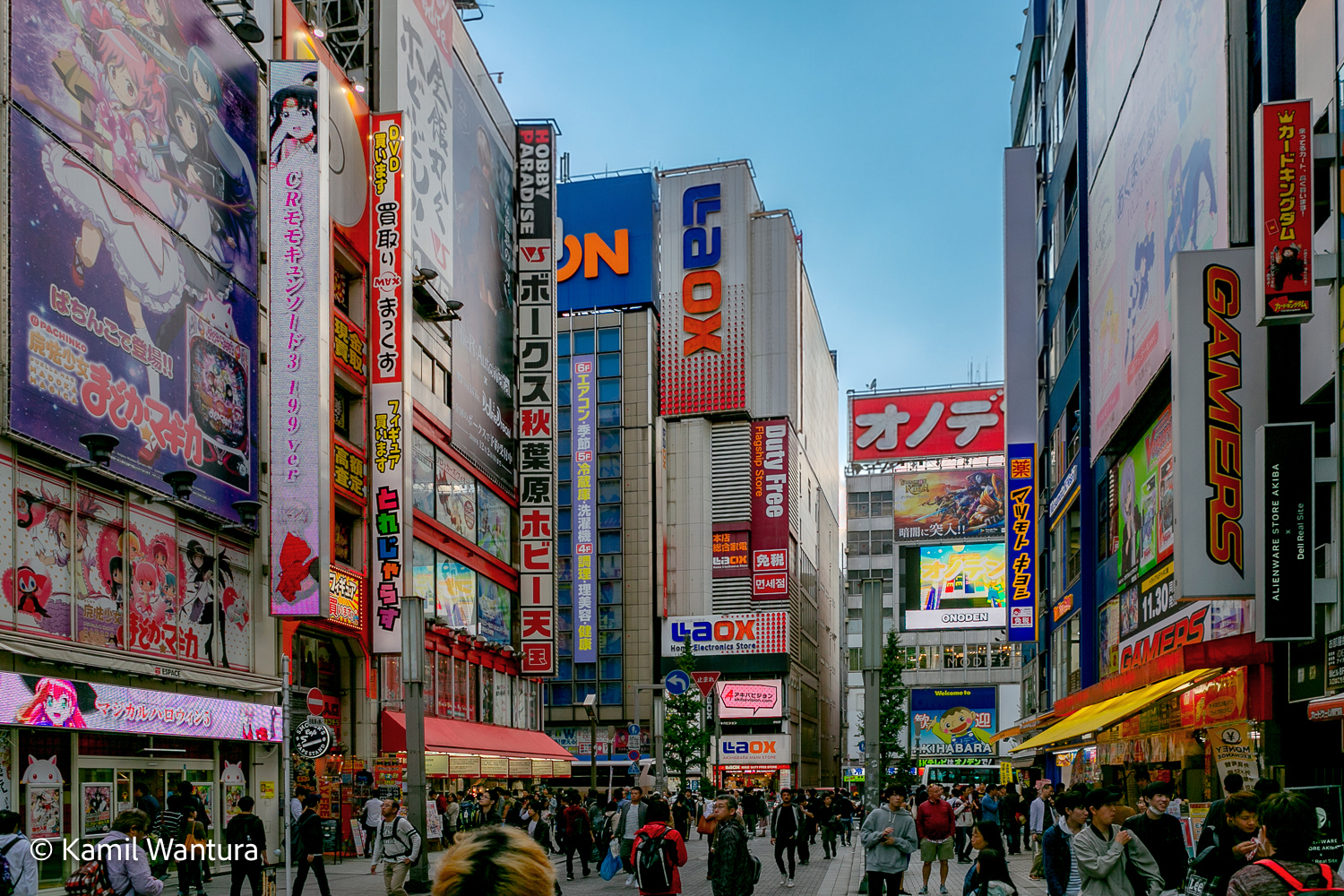
I spent the rest of the day settling in, shaking off the jet lag, and exploring the neon alleyways of Akihabara (📍MAP).
Day 2: Historic & Modern Contrasts
Exploring the Metropolis
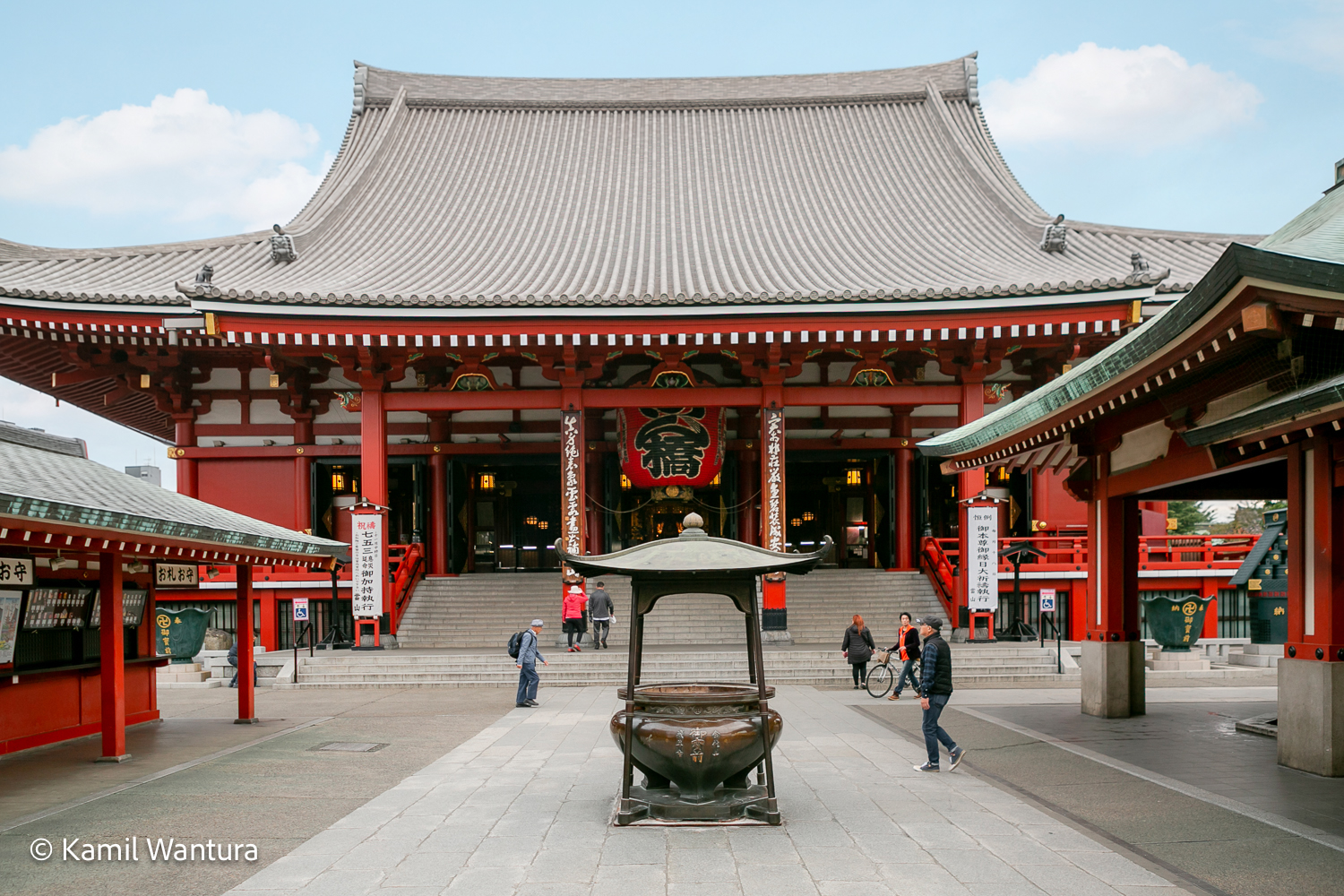
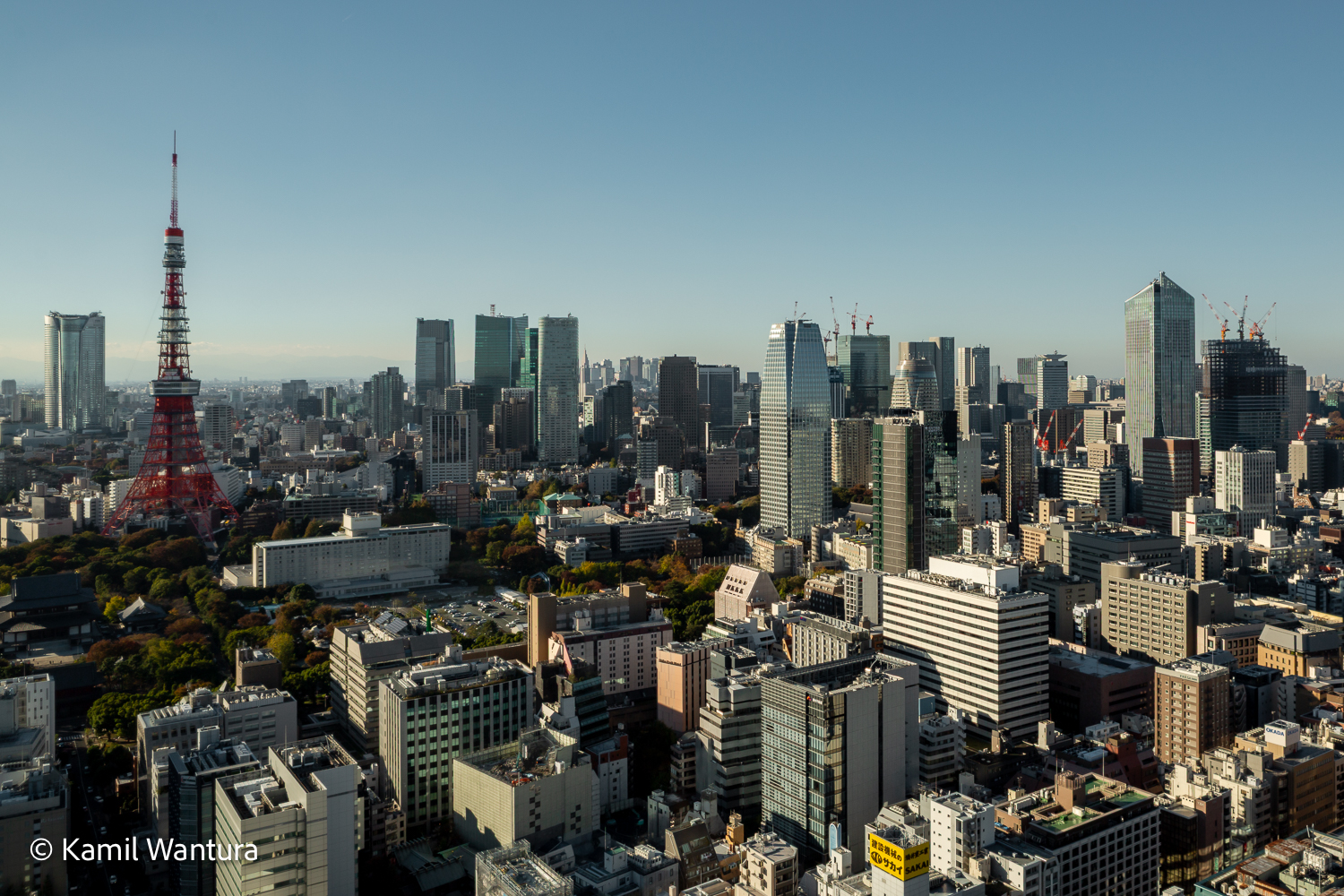
I started the day by visiting the historic Asakusa district (📍MAP) to see Sensō-ji Temple (📍MAP). I then moved on to the Imperial Palace (📍MAP). Afterwards, I headed to a modern observation deck and watched the sunset spread across Tokyo’s sprawling skyline.
I ended the day with an evening walk through the vibrant streets of Shibuya (📍MAP).
Day 3: Nature & Shrines
Day 4: Digital Arts & Street Chaos
Meiji Shrine & teamLab
I wandered through the quiet, forested paths of the Meiji Shrine (📍MAP) at dawn. Afterwards, I immersed myself in the digital art installations at teamLab Planets TOKYO (📍MAP).
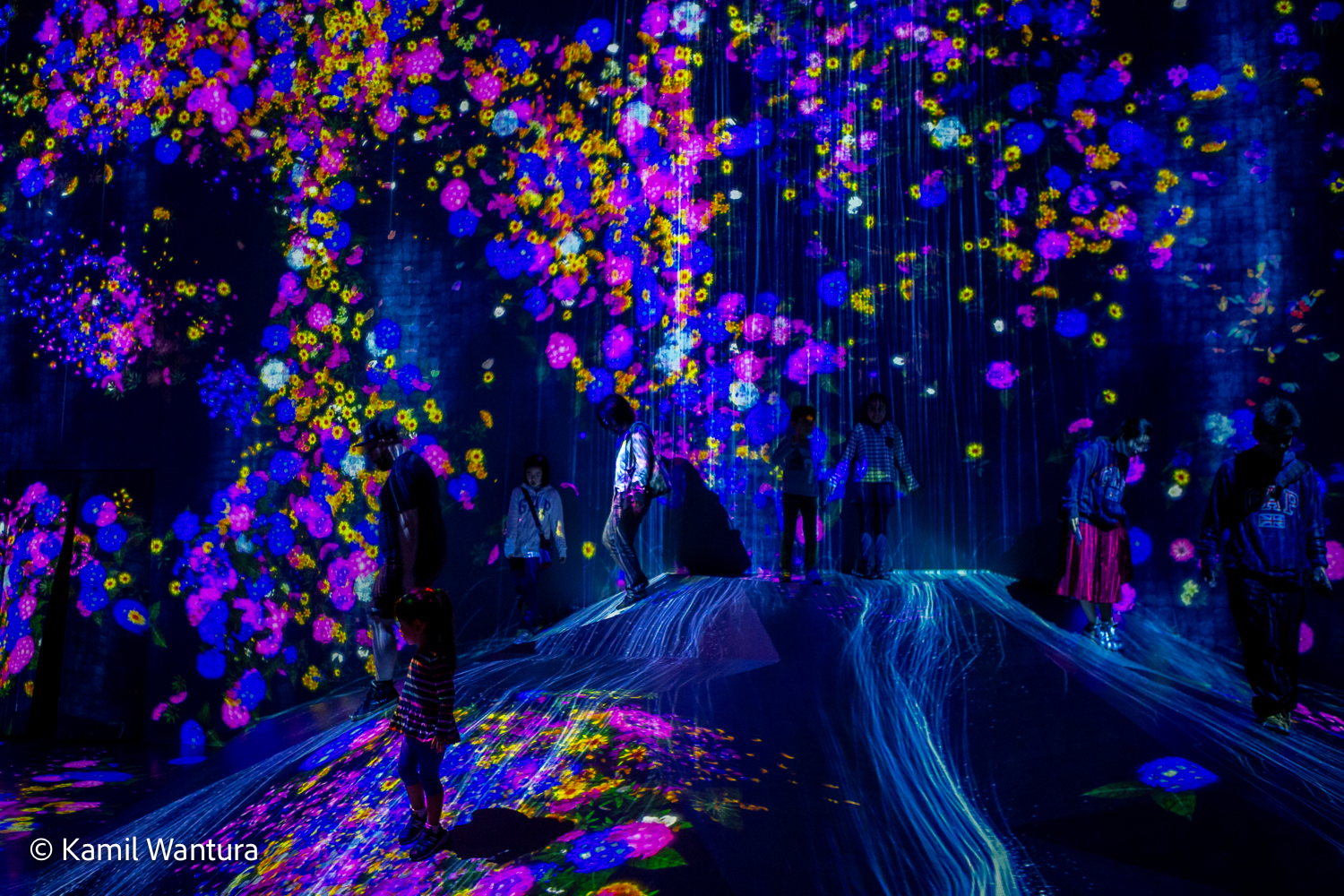
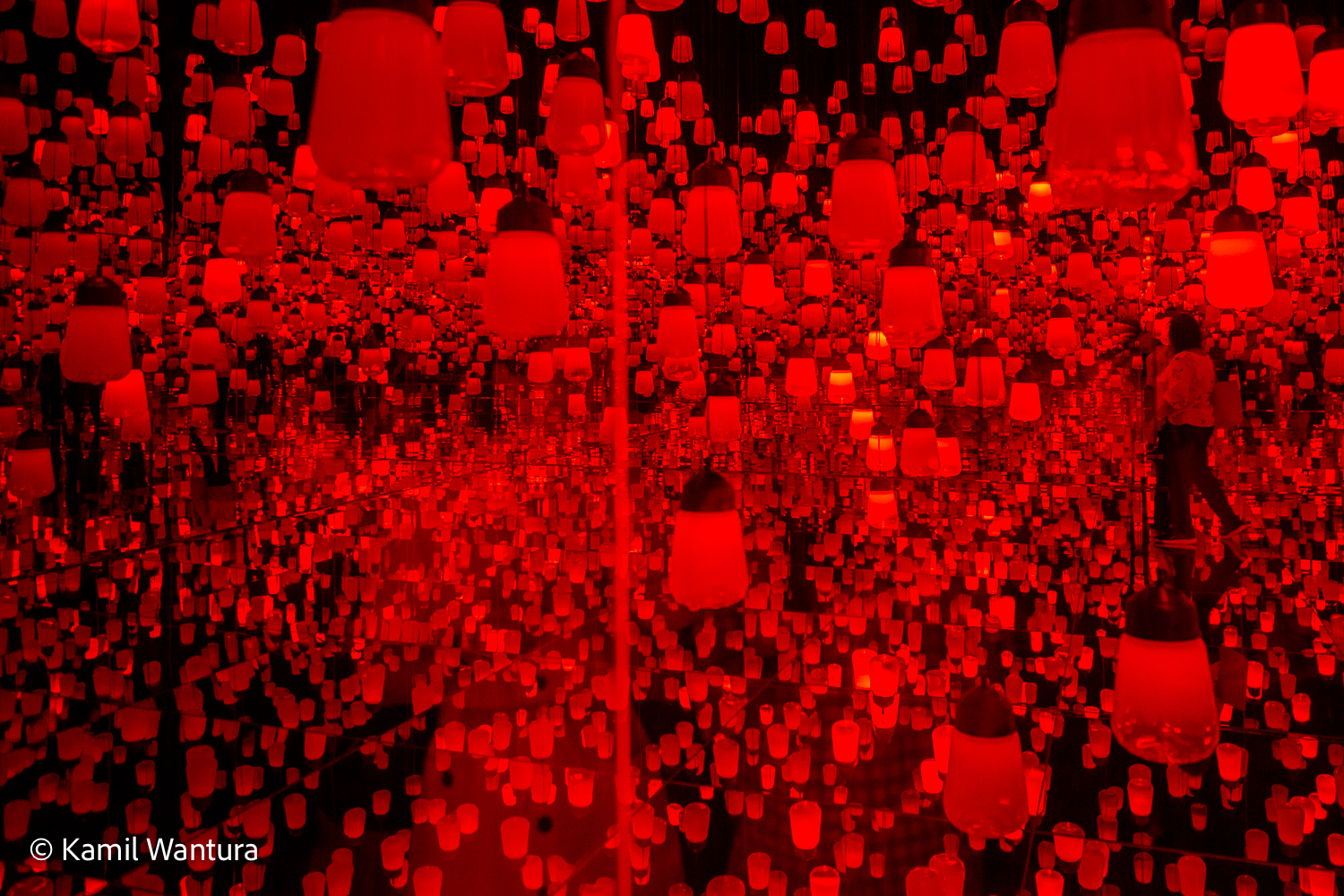
Tokyo Highlights
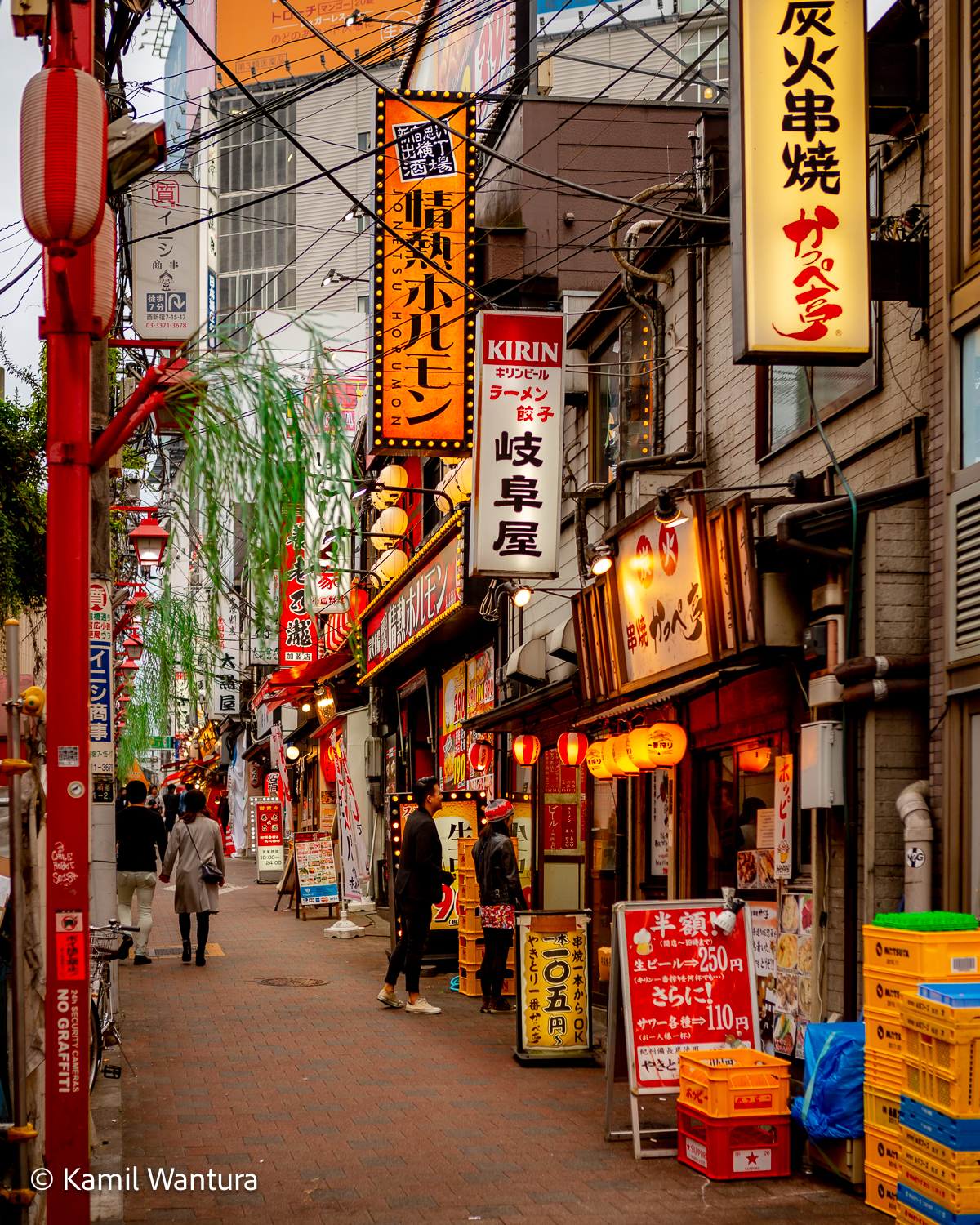
Later in the day, I explored the chaotic, high-energy street photography scenes of Shibuya.
Day 5-10: Kansai Region Culture & Flavors
Day 5: Heading West to Osaka
Shinkansen to Kansai
I caught the Shinkansen Hikari from Tokyo to Osaka and arrived at Shin-Osaka Station (📍MAP) after an enjoyable 2.5-hour journey.
Osaka Exploration
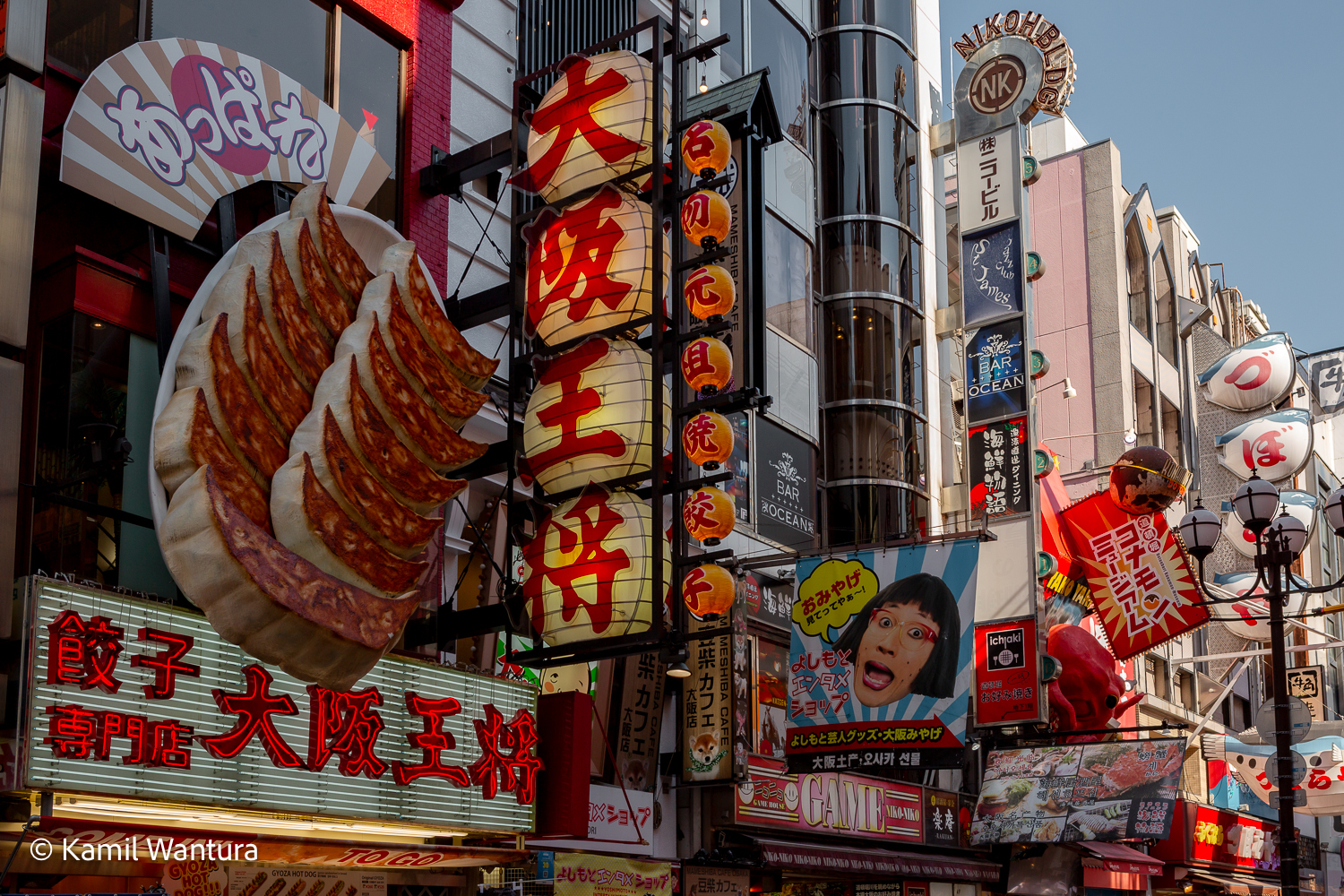
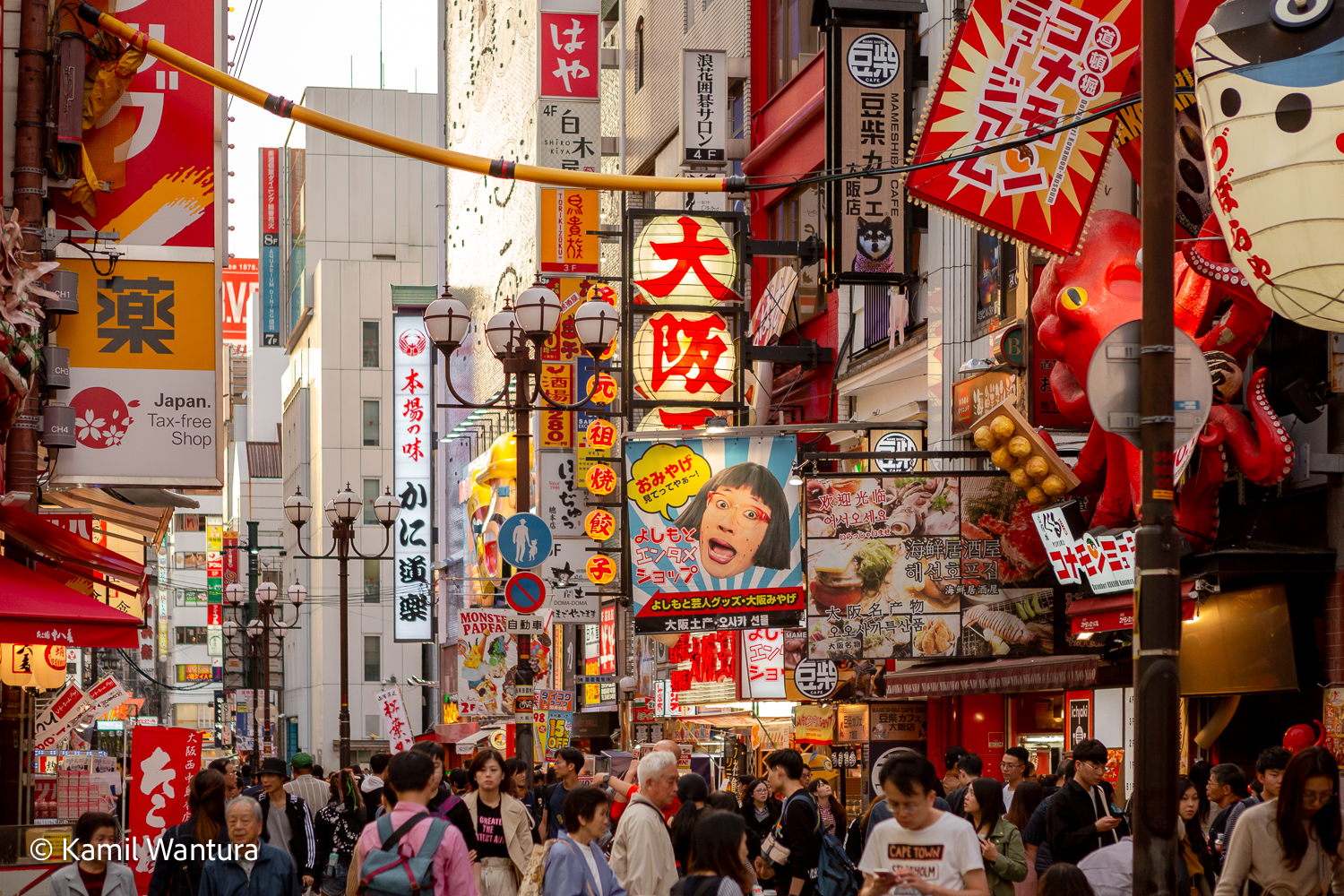
I checked into my accommodation in Dotonbori (📍MAP). I spent the afternoon exploring Osaka’s top sights, including Osaka Castle (📍MAP), the Umeda Sky Building (📍MAP), and Kuromon Market (📍MAP).
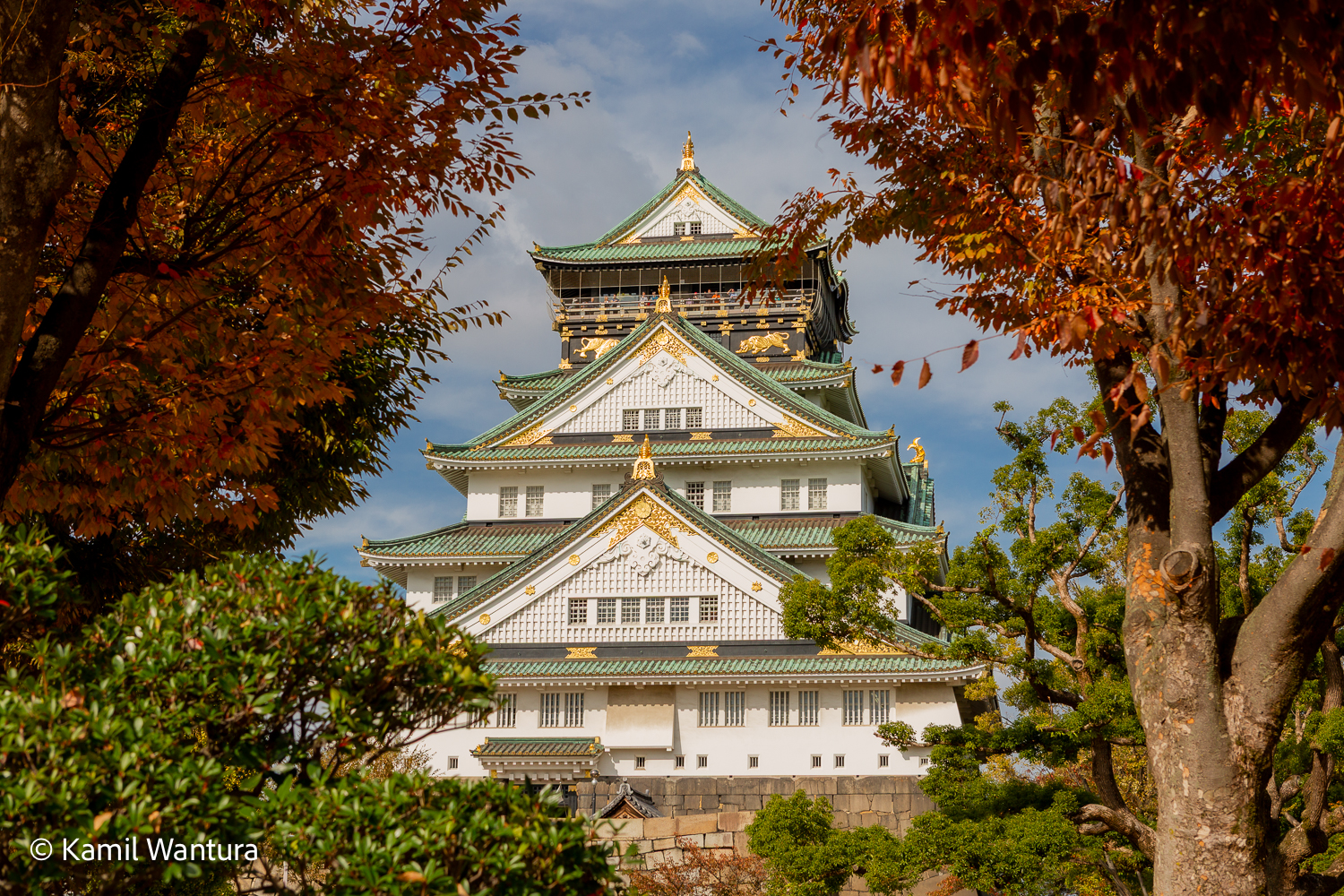
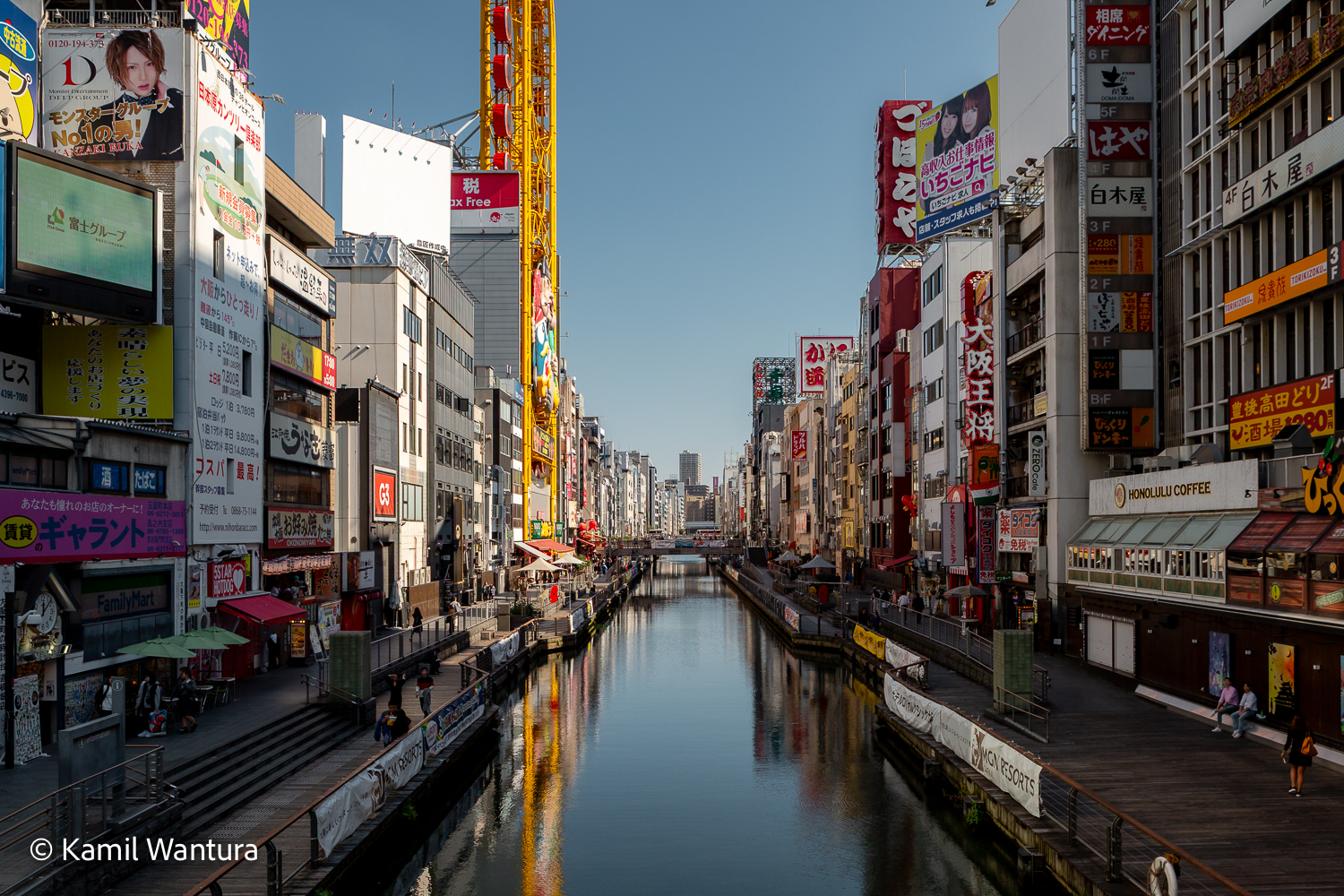
Dotonbori Nights
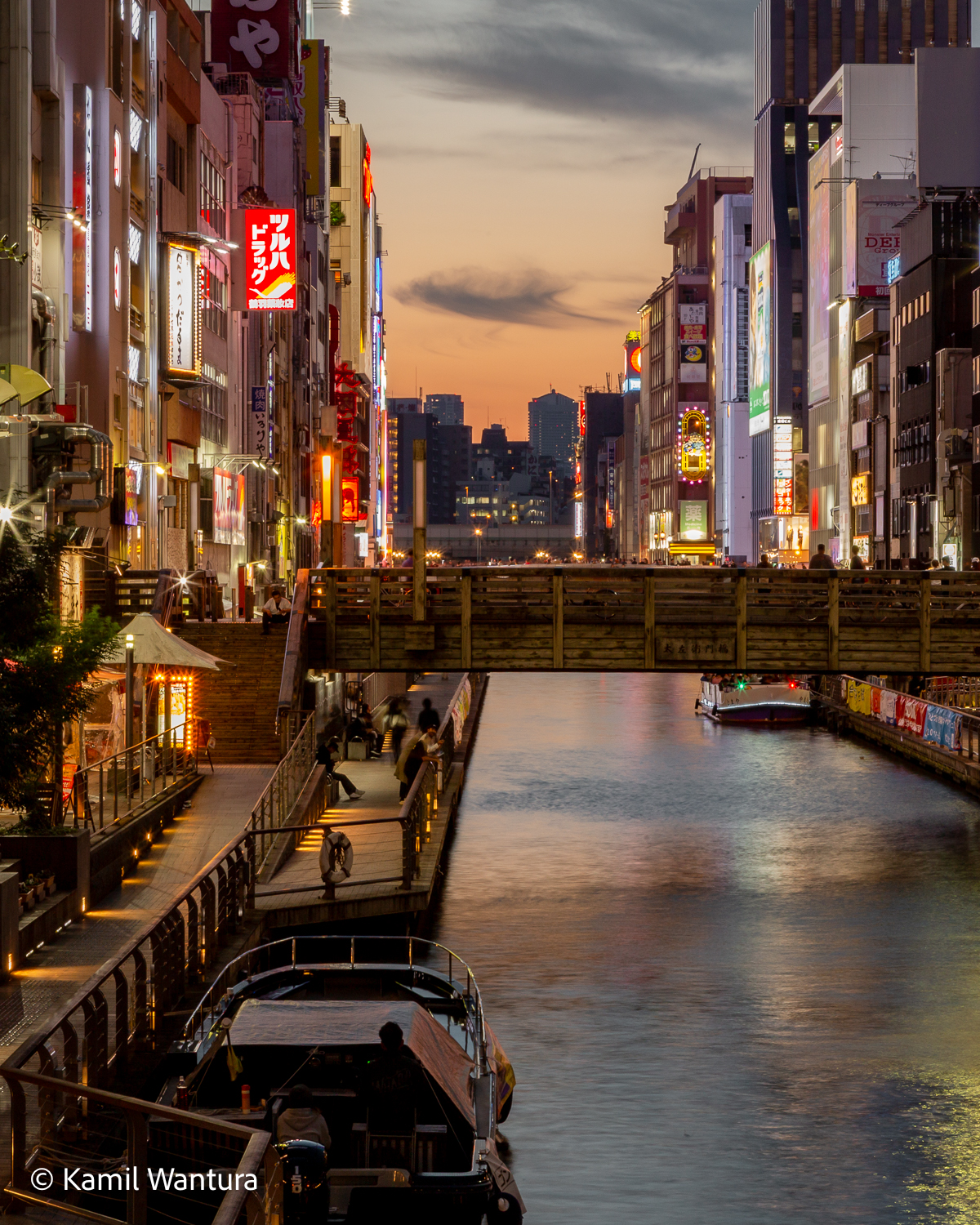
I spent a fantastic evening photographing long exposures of neon reflections in the canal and sampling street food in Dotonbori.
Day 6: Bowing Deer & Great Buddhas
Day Trip to Nara
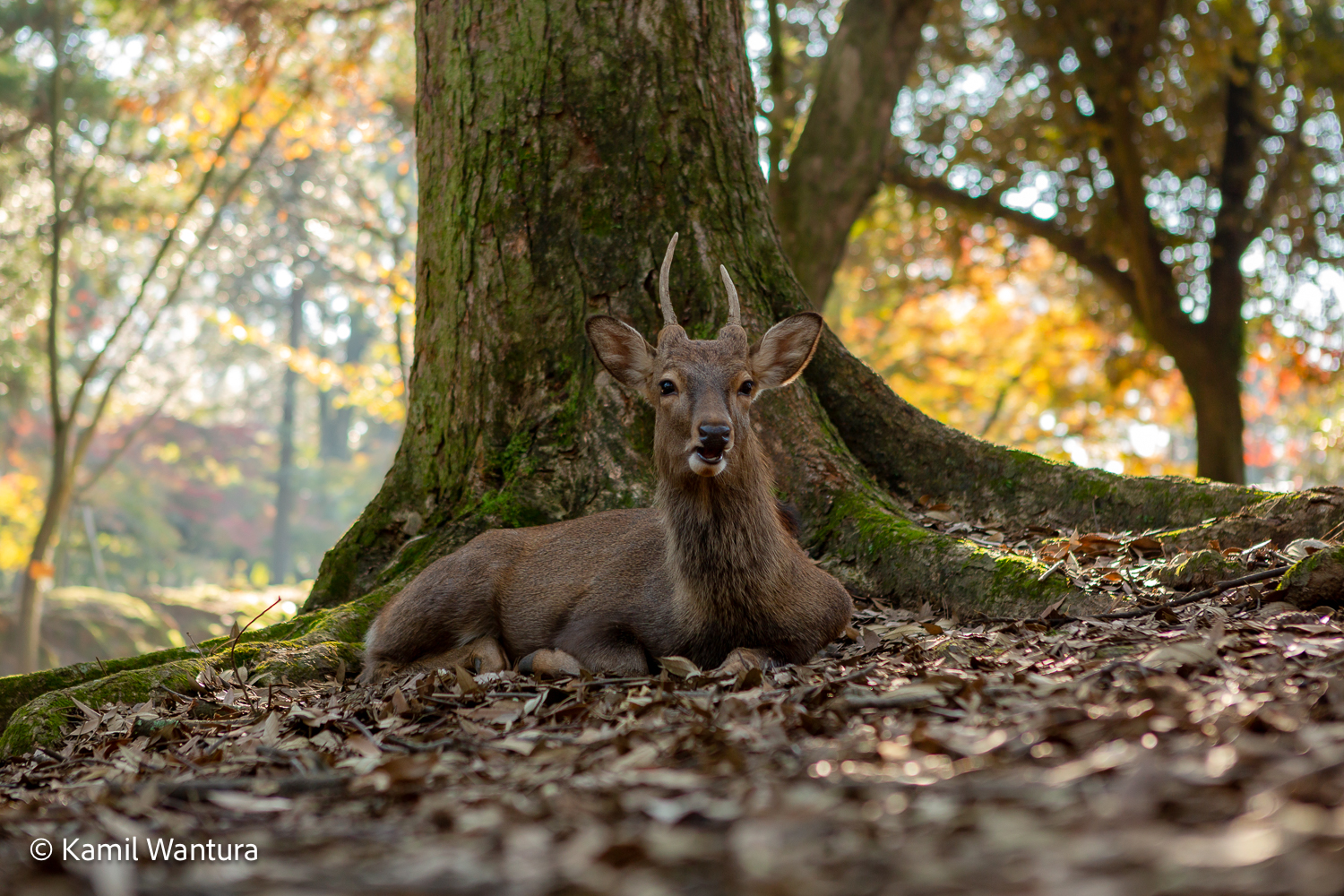
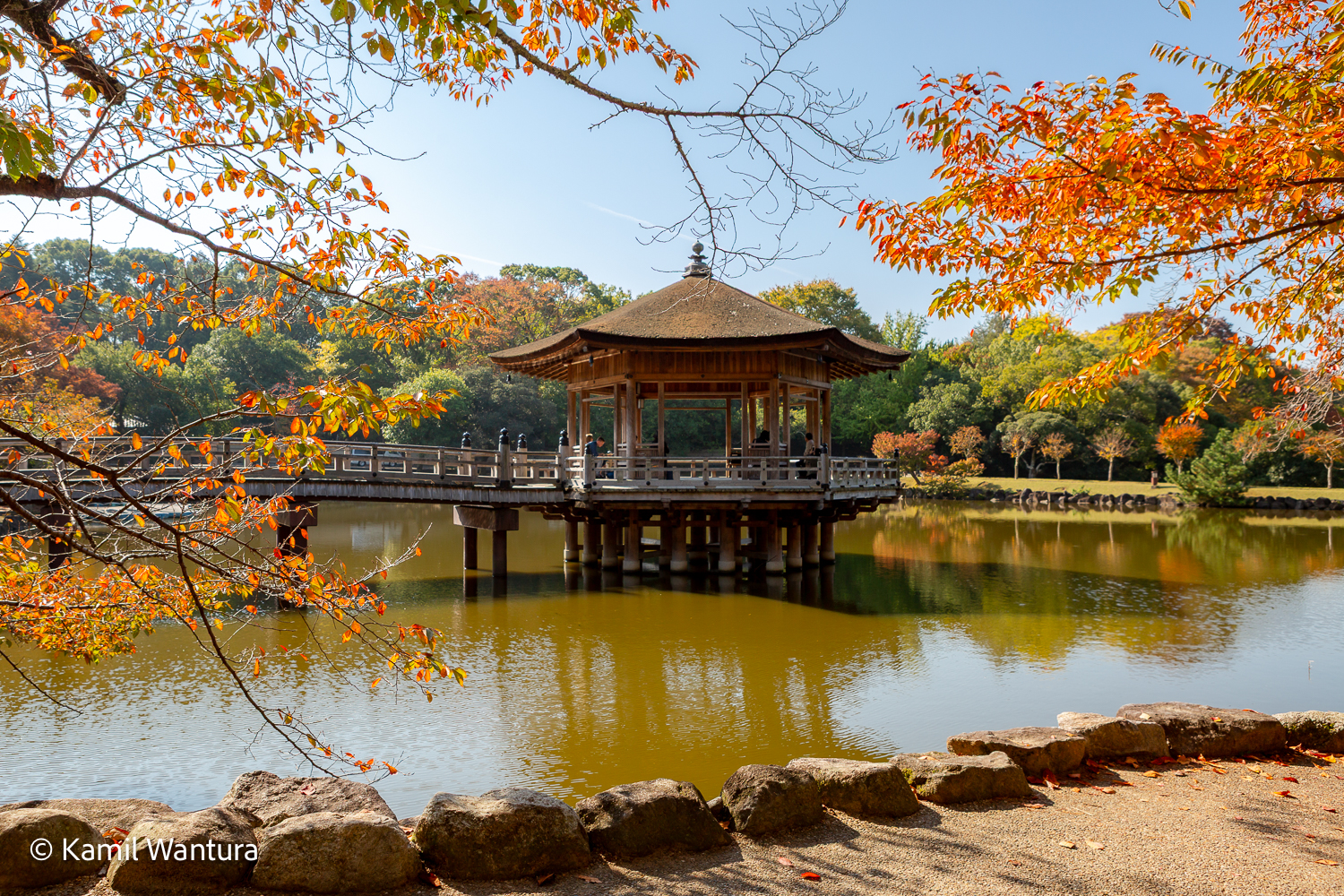
I boarded the JR Yamatoji Rapid Service from Osaka to Nara (📍MAP). I spent the day photographing the iconic deer in Nara Park and the giant Buddha statue at Tōdai-ji.
Day 7-8: The Sacred Mountain & Kyoto Arrival
Ascent to Koyasan
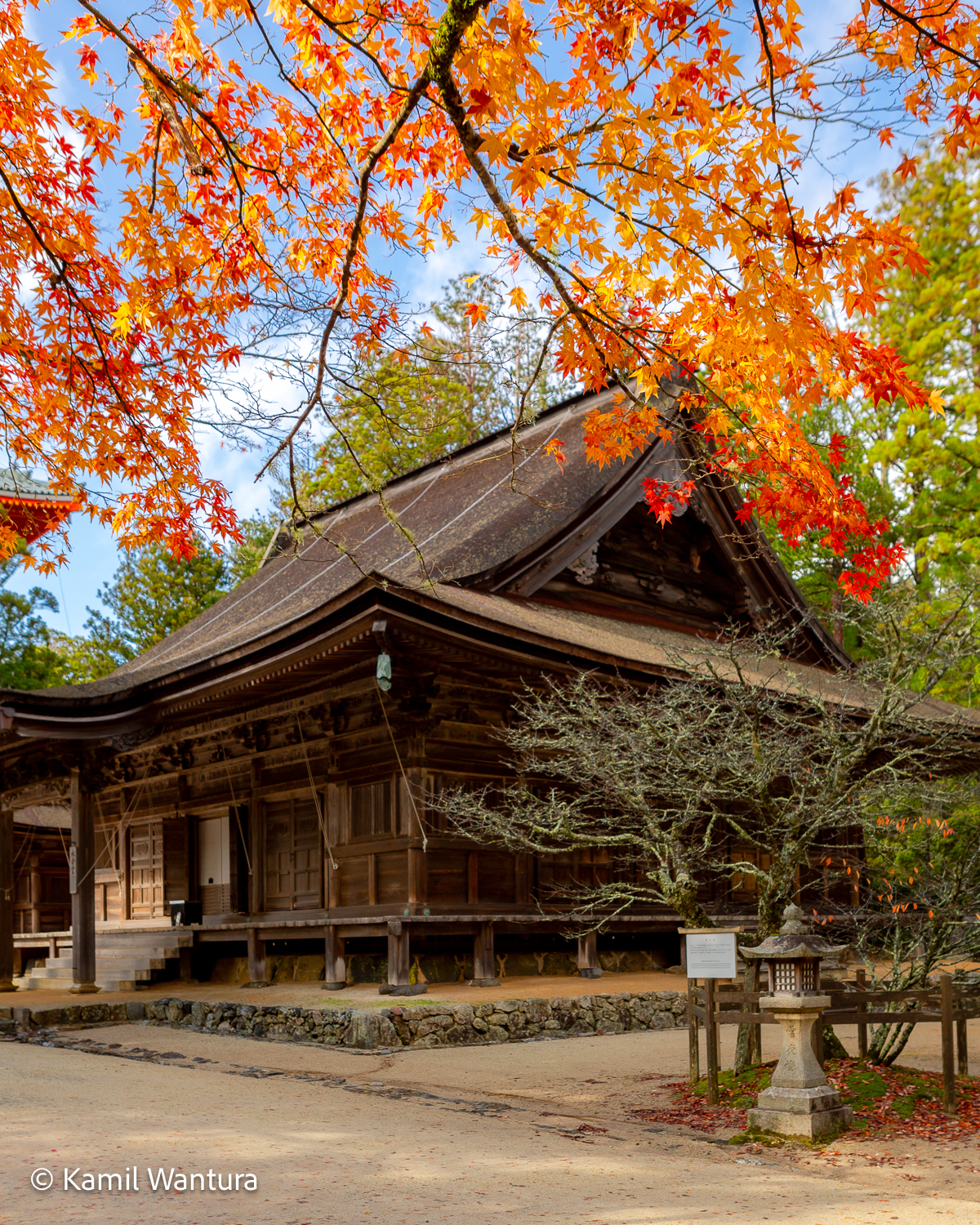
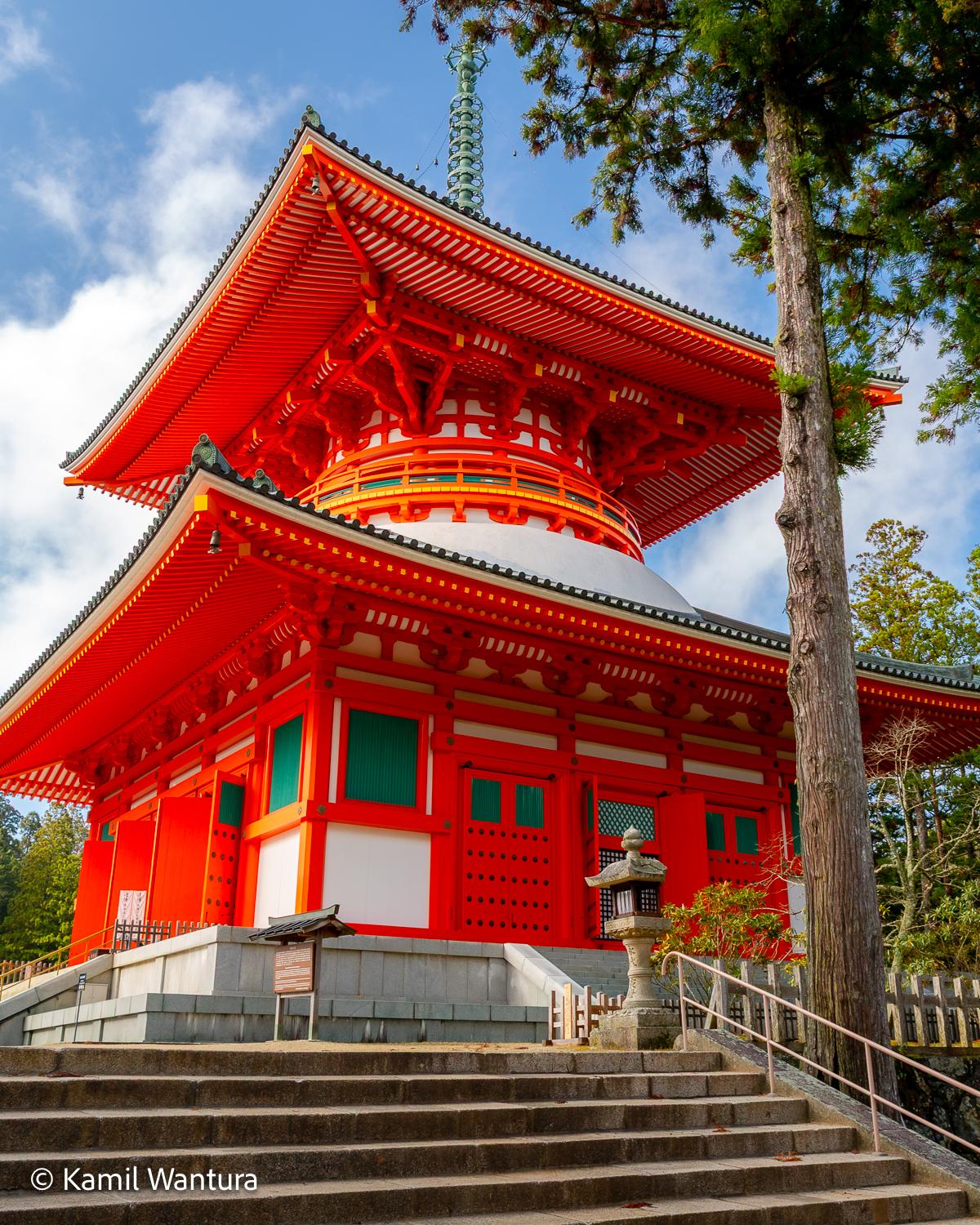
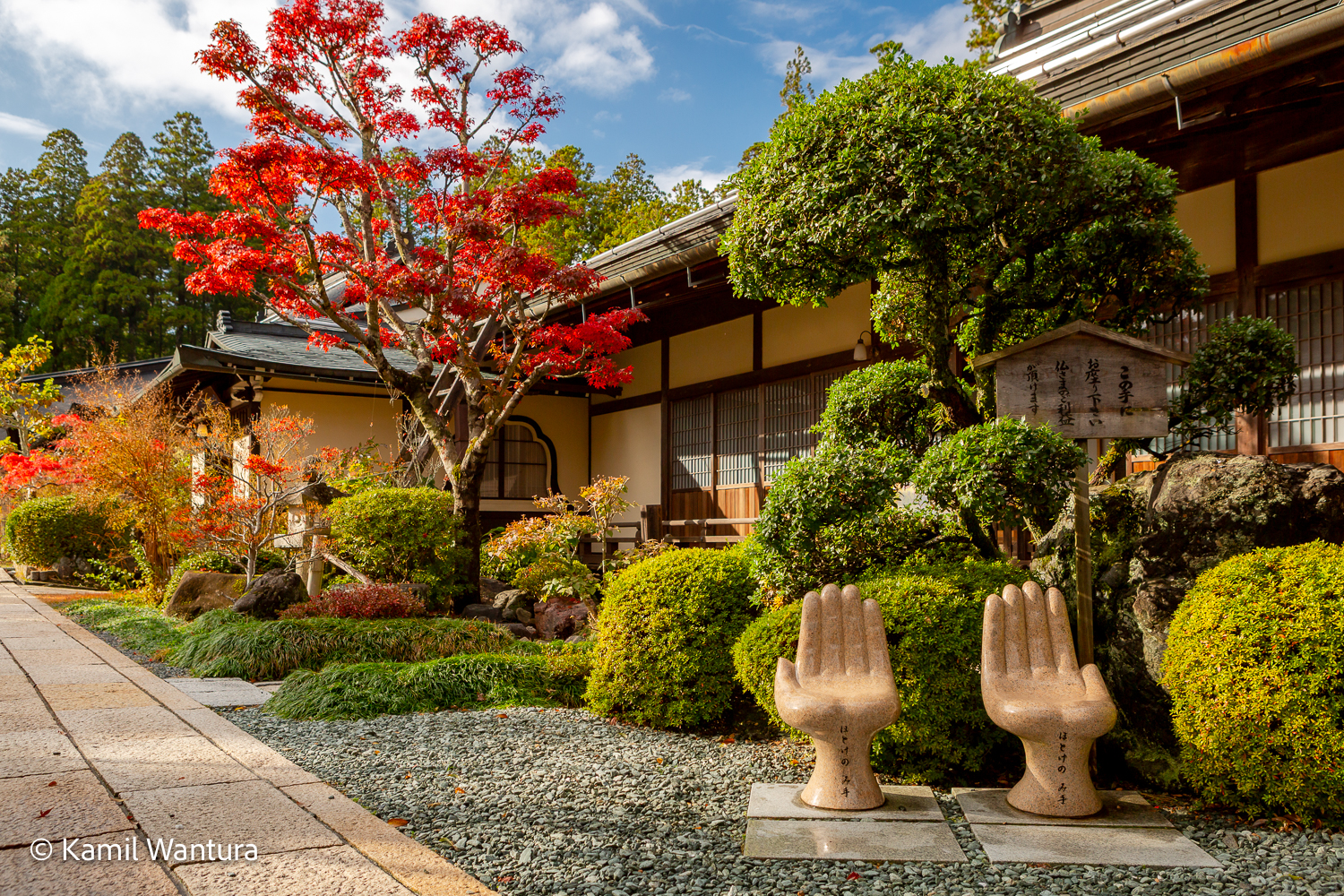
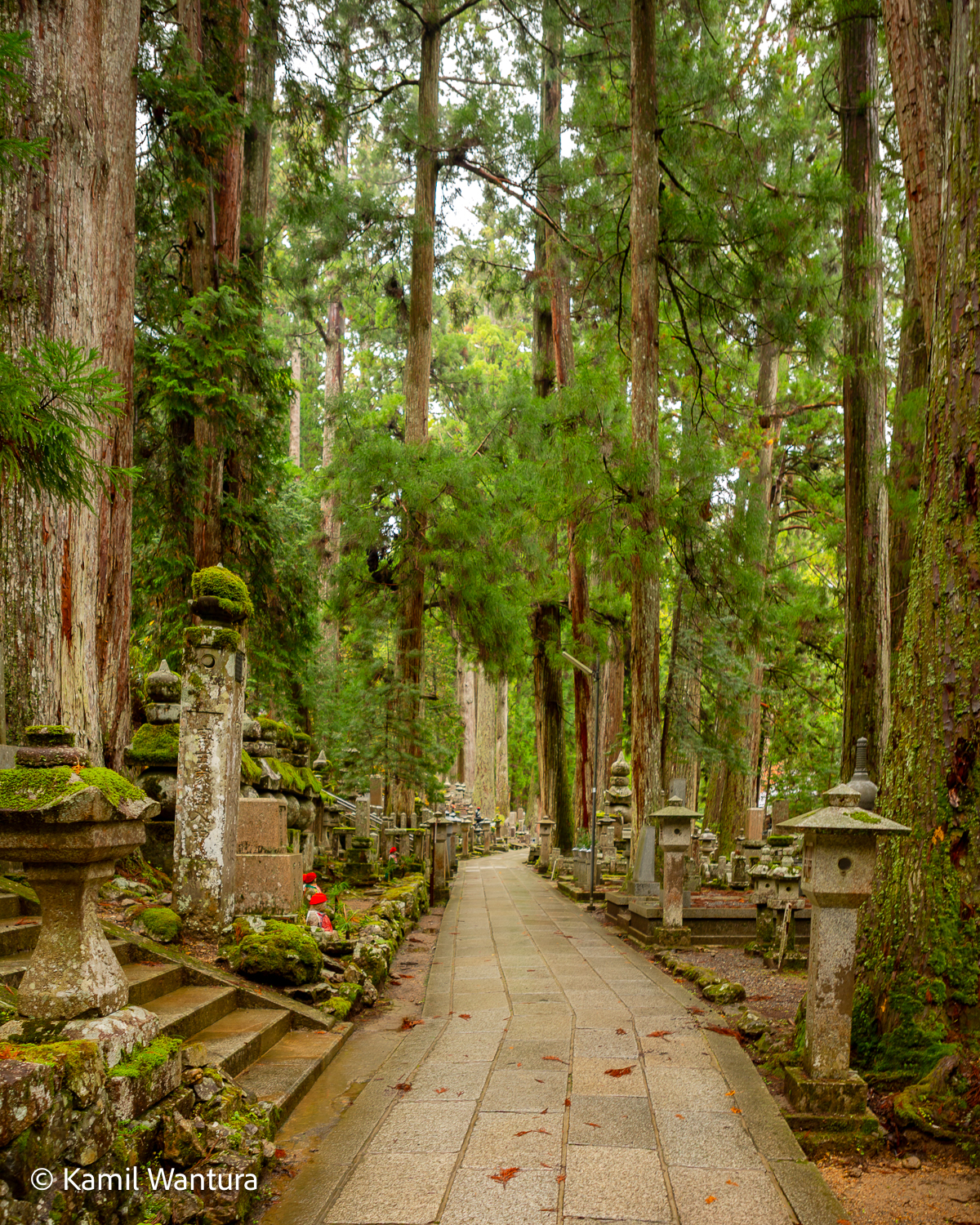
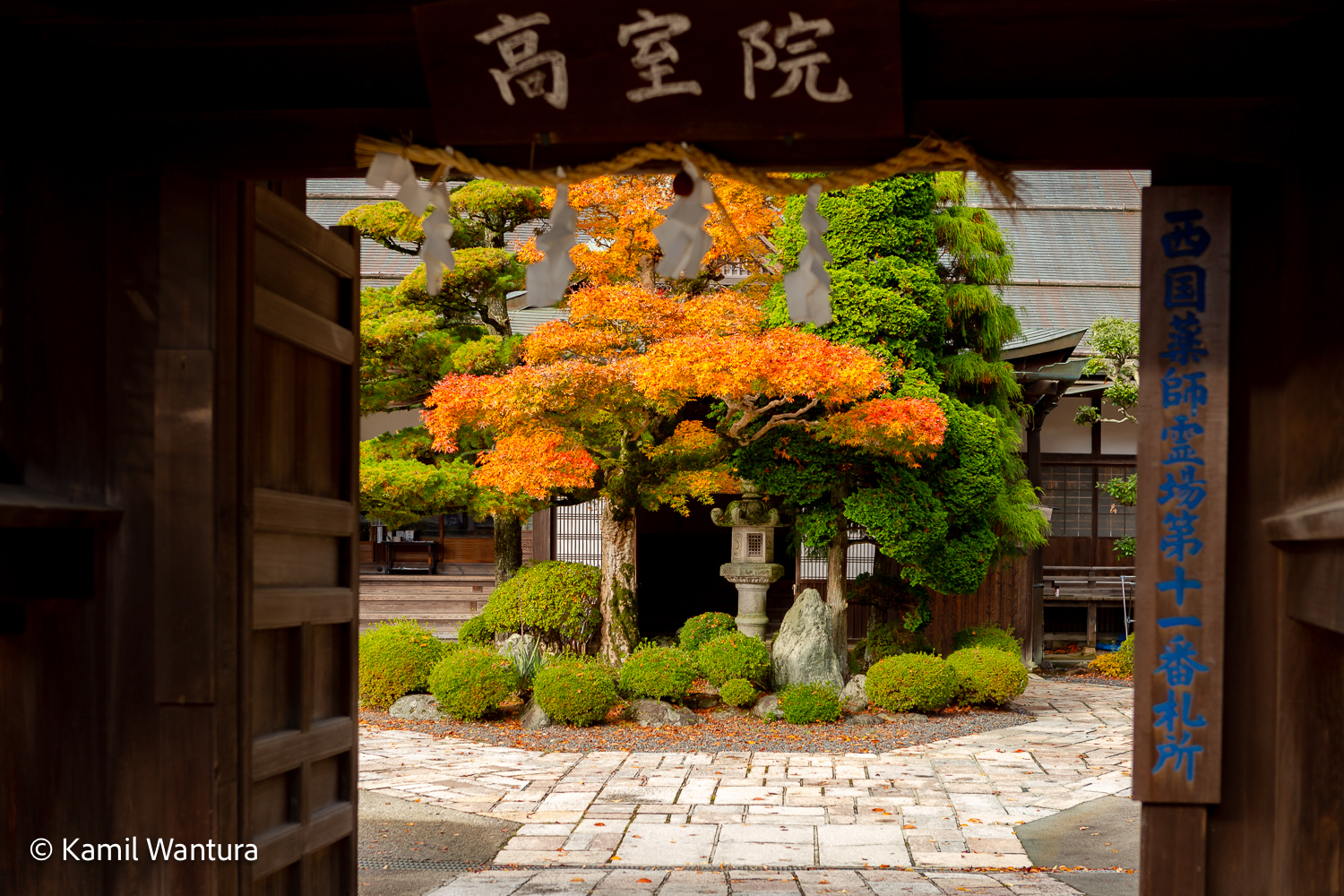
I took the train to Koyasan (📍MAP). I journeyed up the sacred mountain via a network of trains and cable cars, then spent the afternoon exploring historic temple buildings and the misty, lantern-lit Okunoin Cemetery.
Day 9-10: Timeless Kyoto
Bamboo & Gold
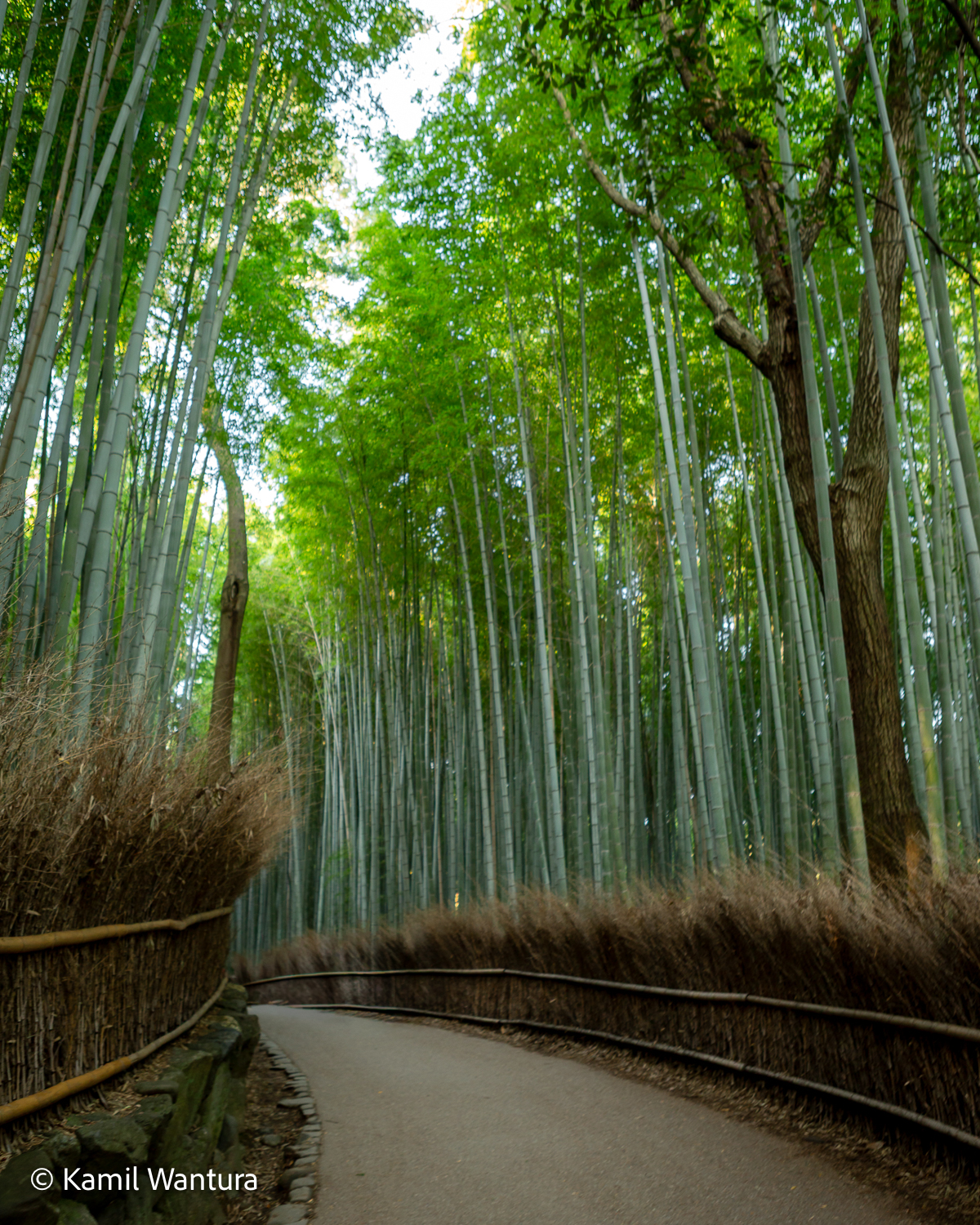
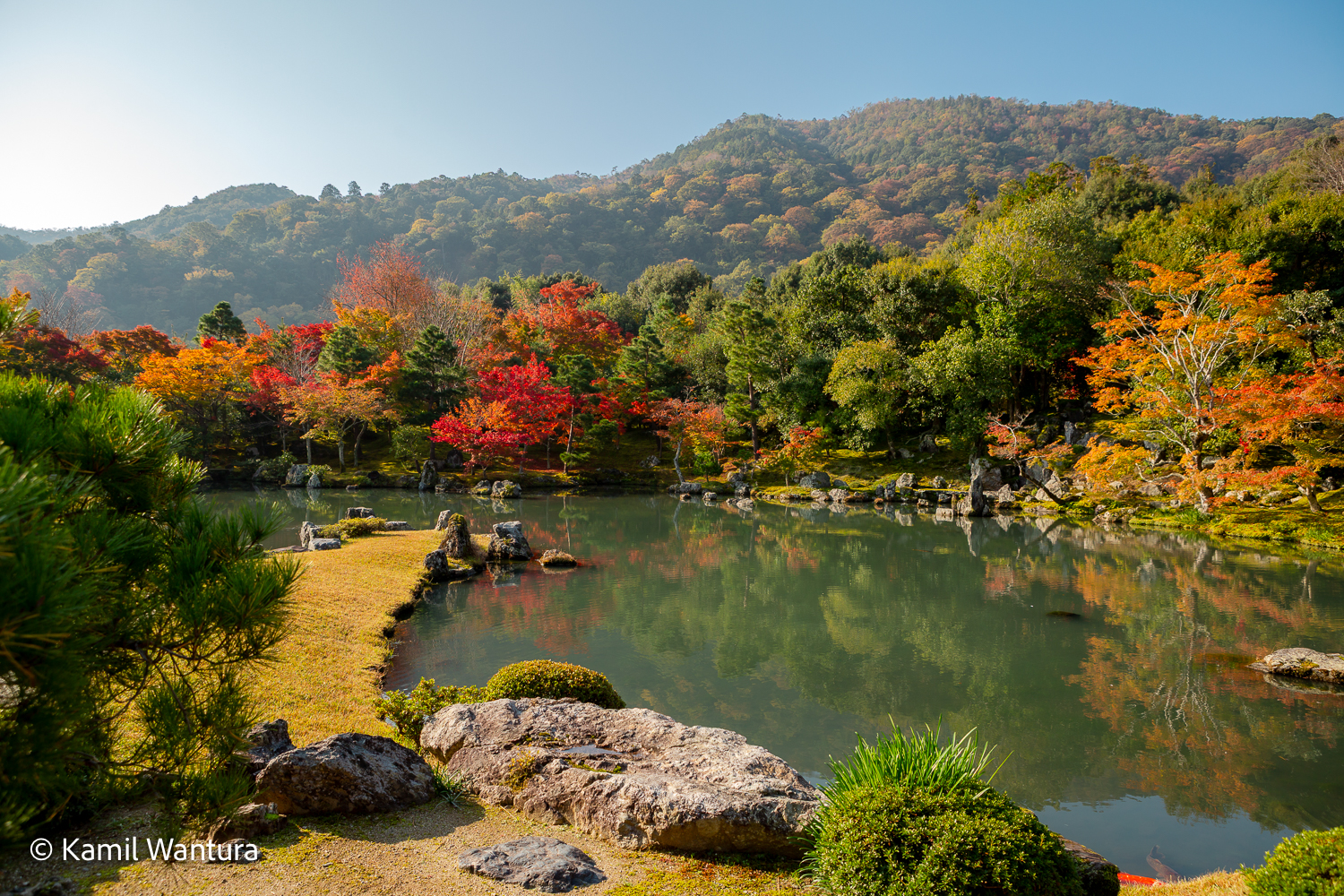
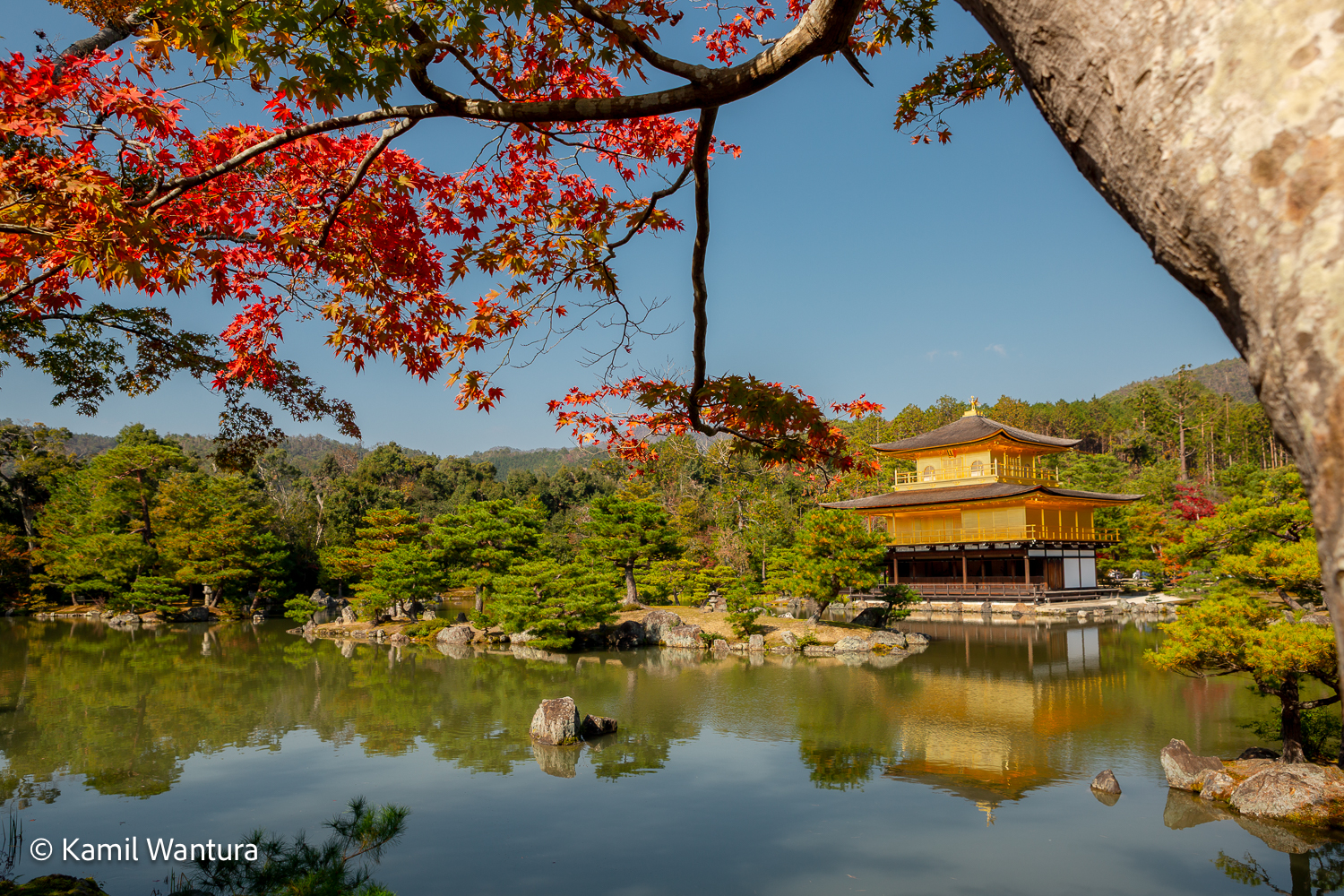
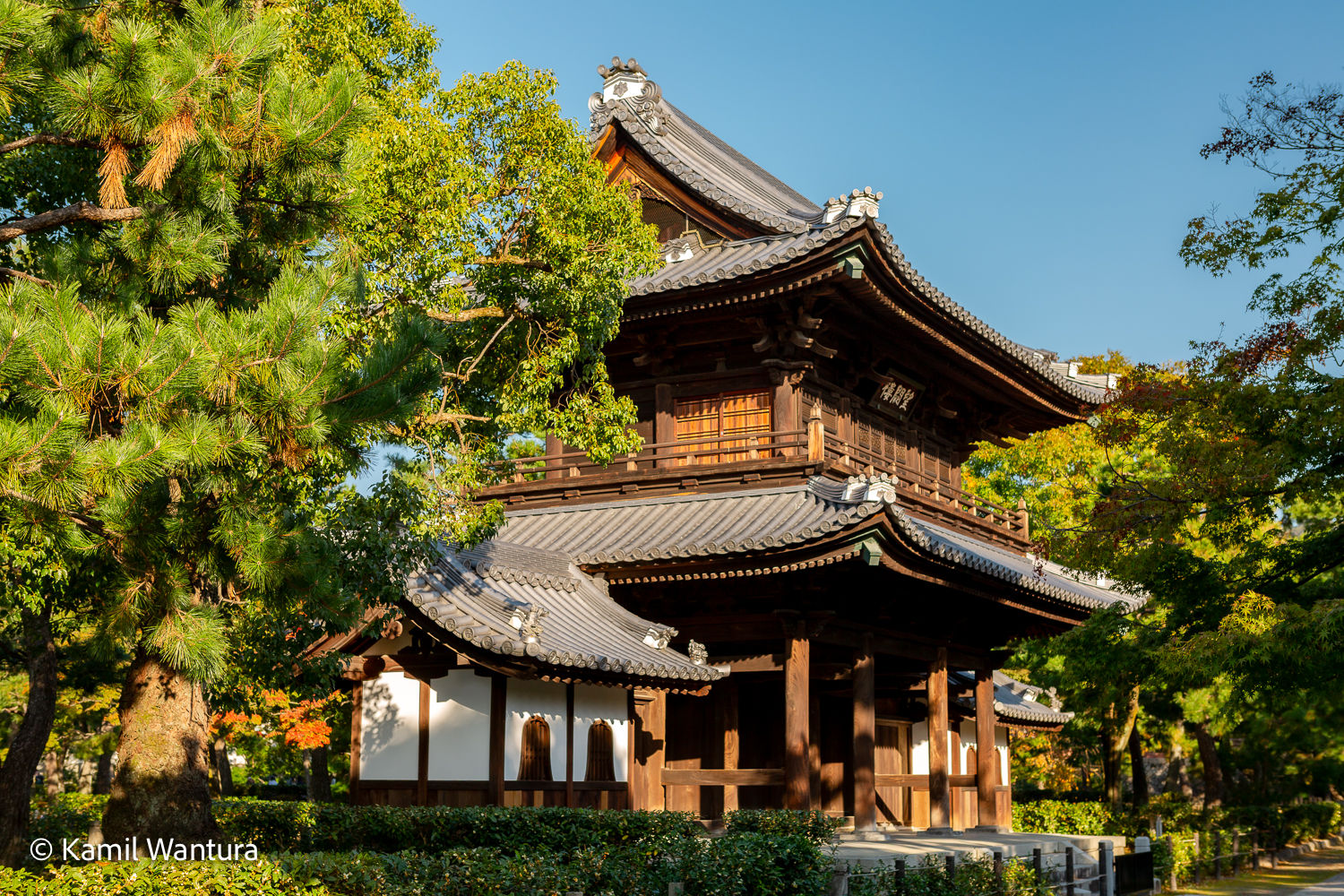
I took a local bus to the Arashiyama Bamboo Grove (📍MAP) and enjoyed the serenity before the crowds arrived. Next, I visited Tenryu-ji (📍MAP). I took the charming Randen Kitano Line train to Kinkaku-ji (📍MAP) (The Golden Pavilion).
Eastern Temples
I spent the afternoon exploring Ginkaku-ji (📍MAP), Nanzen-ji (📍MAP), and the majestic Kiyomizu-dera (📍MAP) before heading back to Gion.
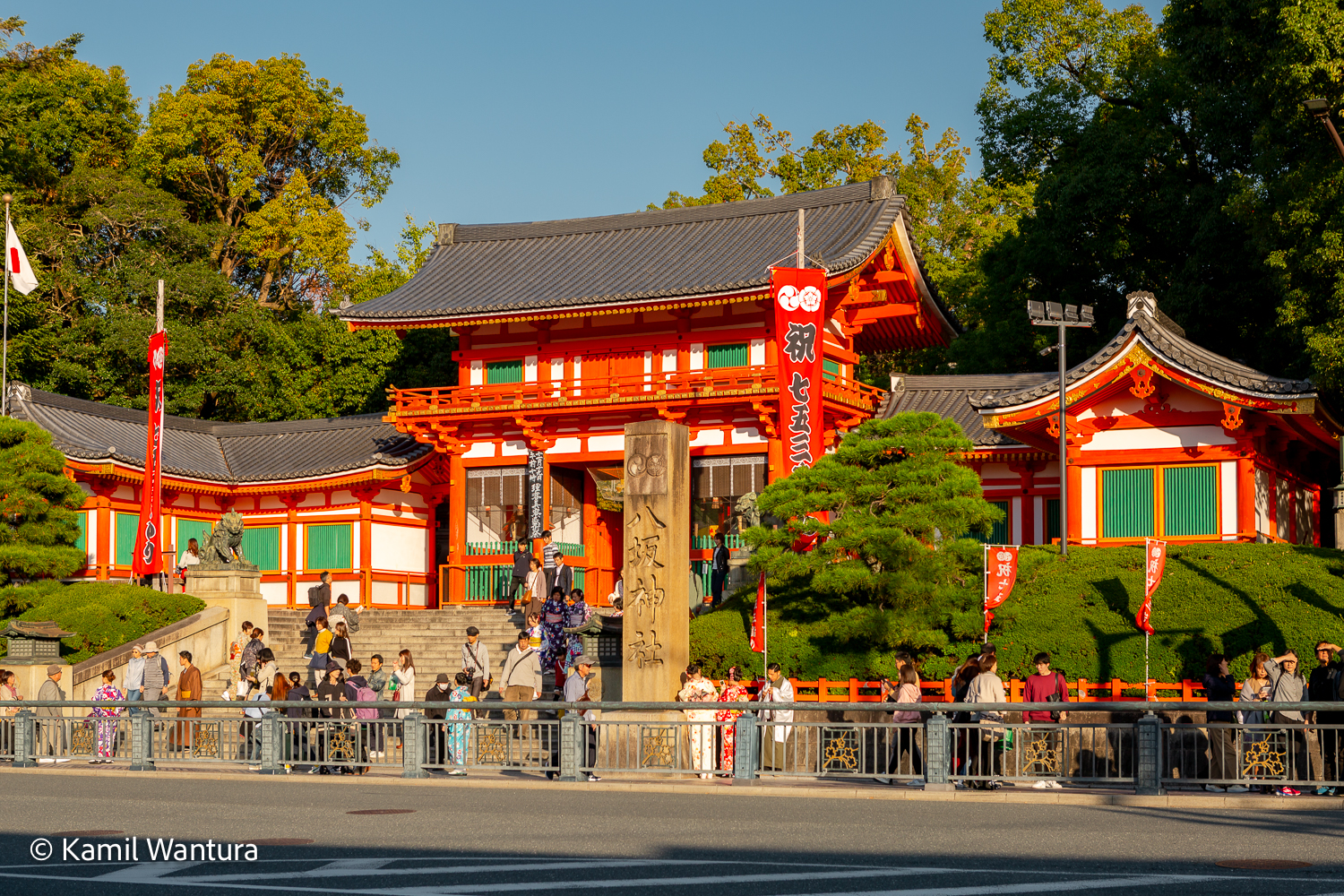
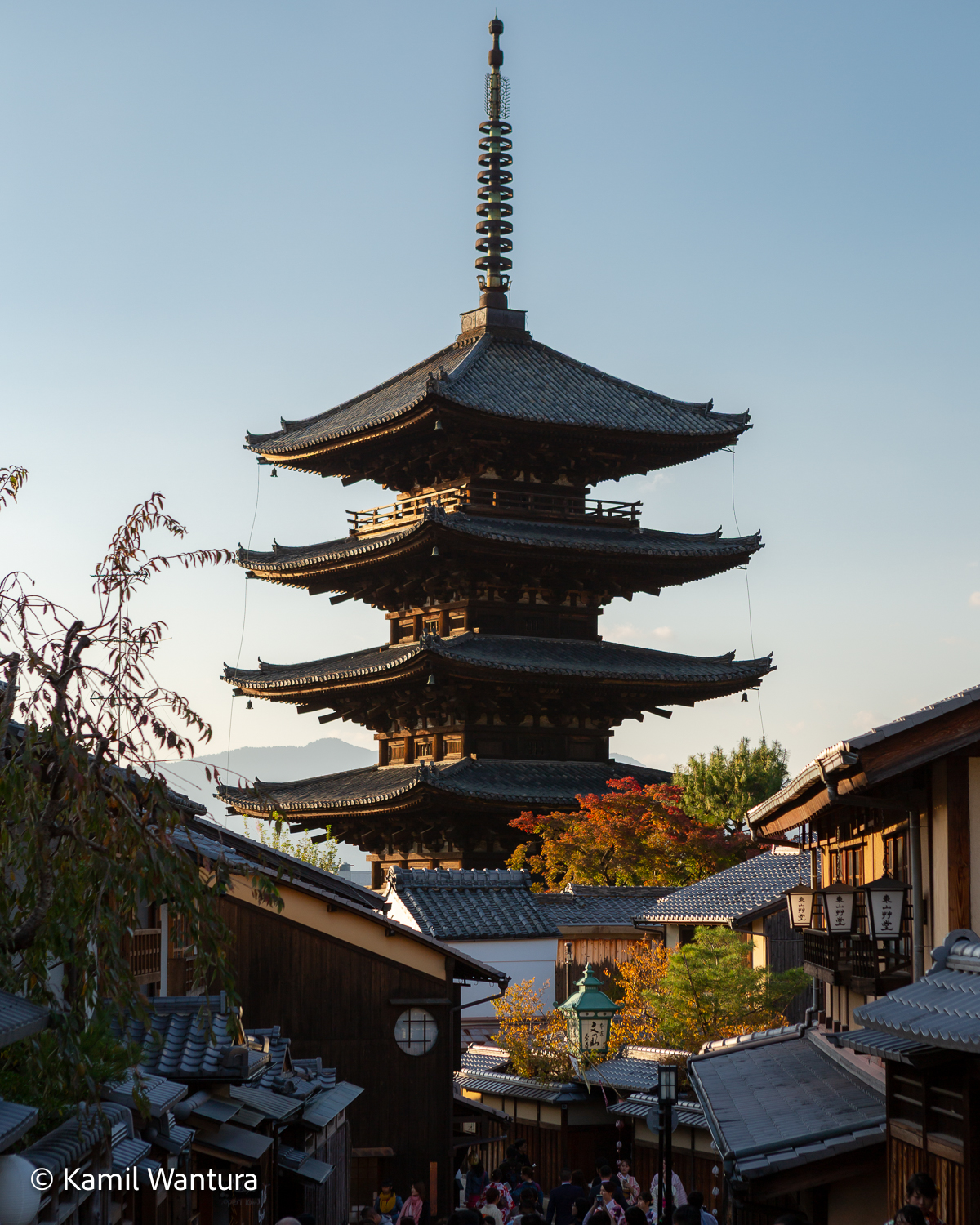
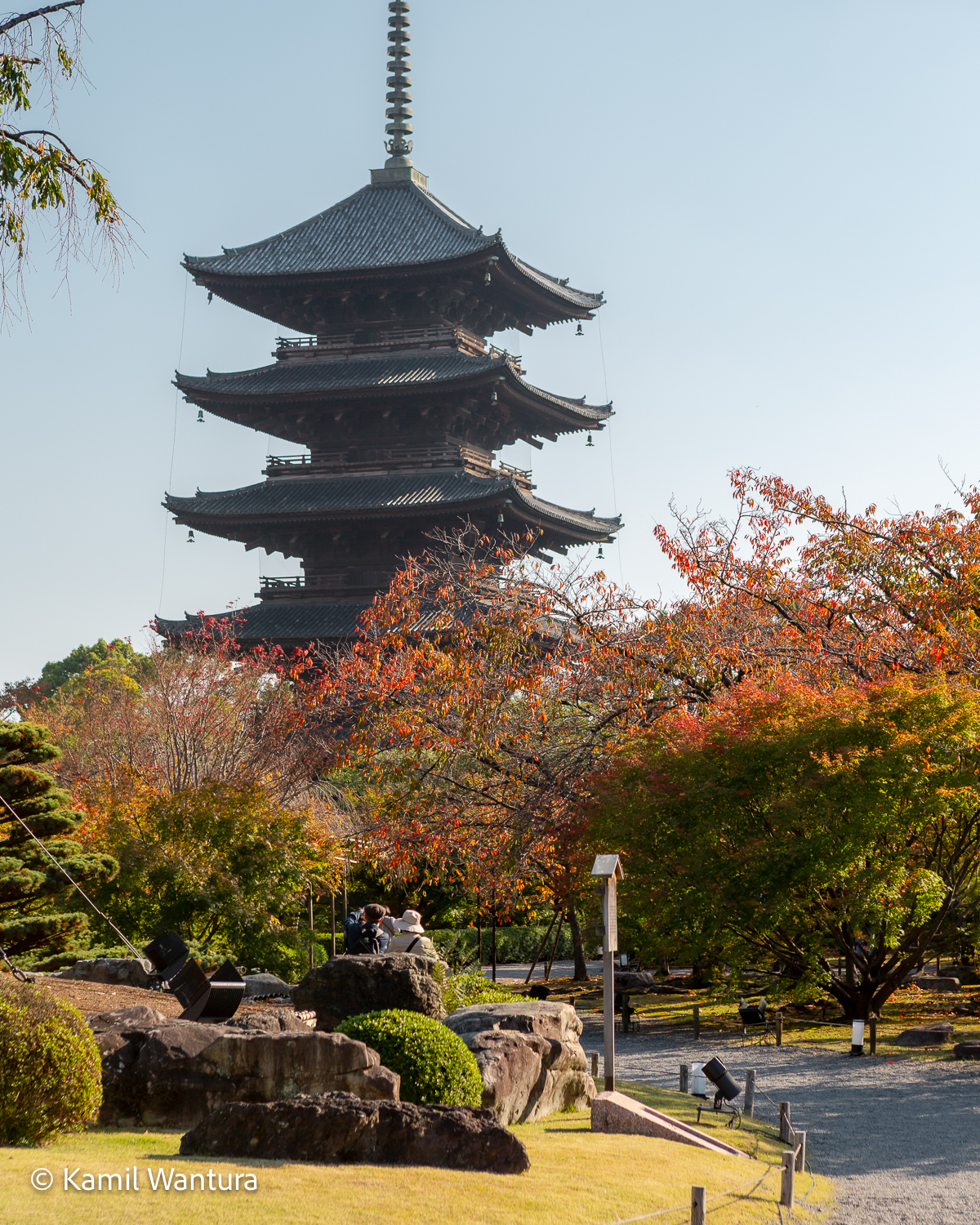
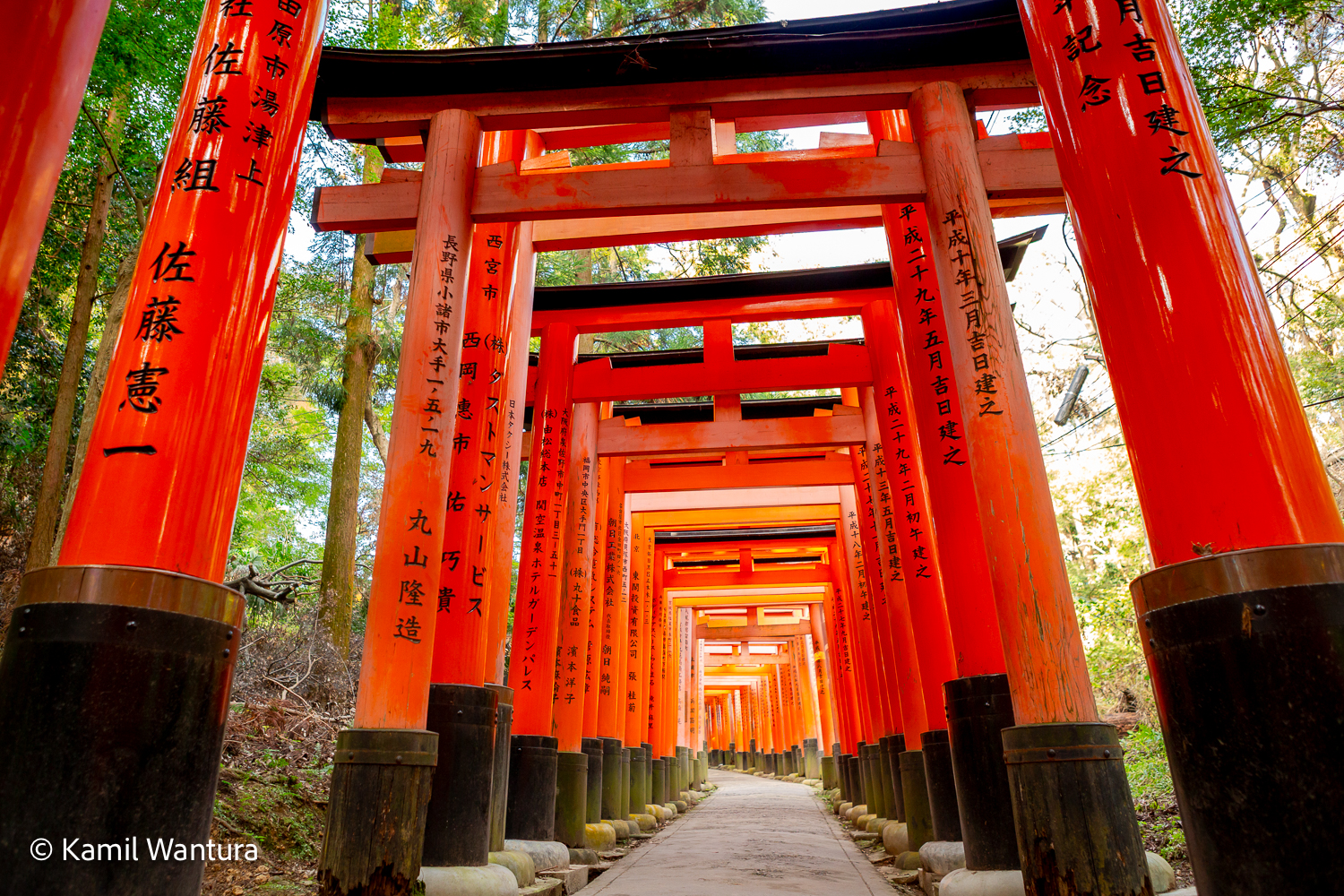
Vermilion Gates & City Streets
I made an early start and explored the winding vermilion paths of Fushimi Inari Taisha before the crowds arrived (📍MAP). I spent the afternoon leisurely walking through Kyoto’s atmospheric streets.
Day 11-12: Hiroshima & Return to Tokyo
Day 11: Peace & Island Shrines
Hiroshima & Miyajima
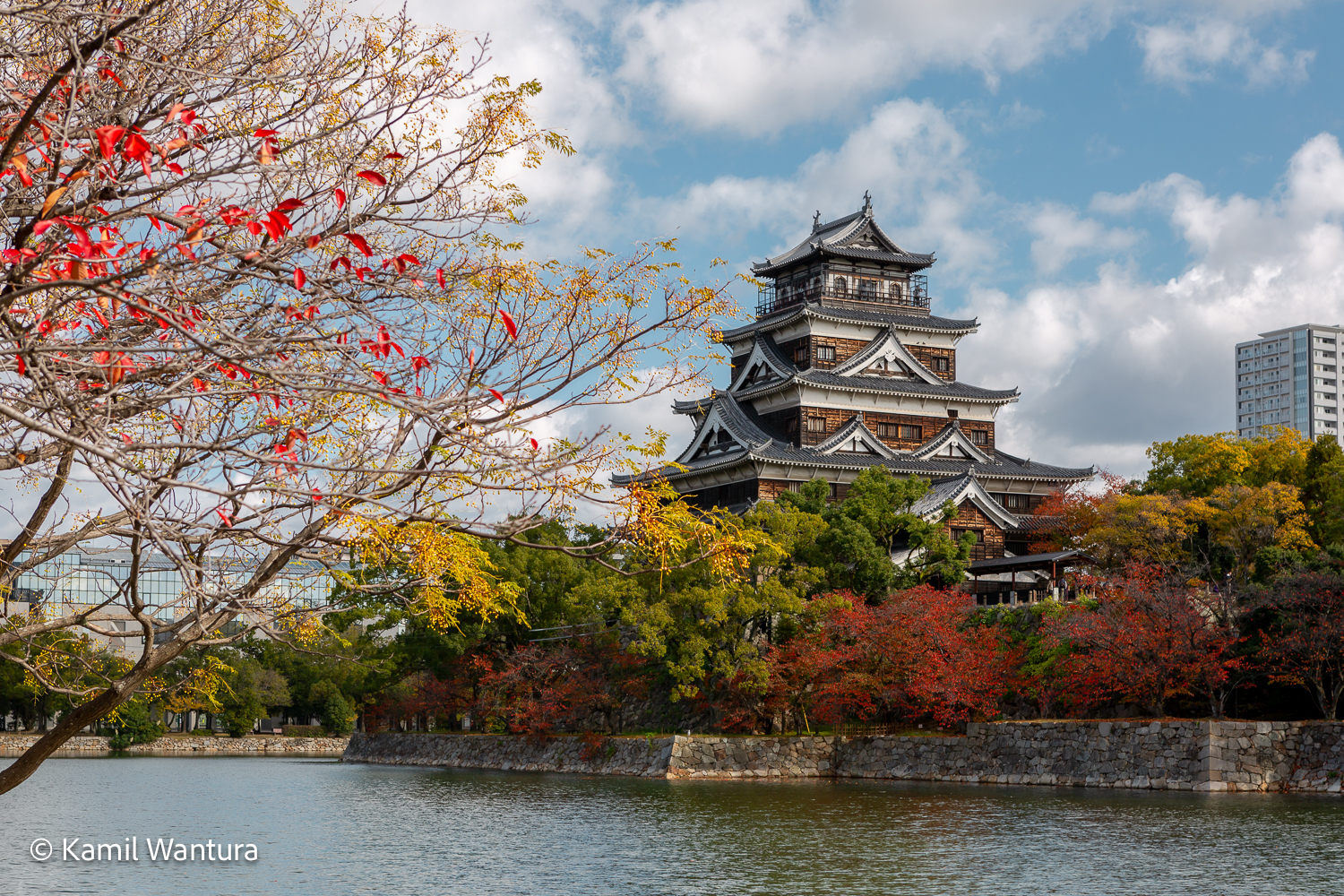
I boarded the Shinkansen Hikari from Kyoto and arrived in Hiroshima (📍MAP). I took a ferry to Miyajima Island (📍MAP) where I hiked and explored the floating torii gate and temples.
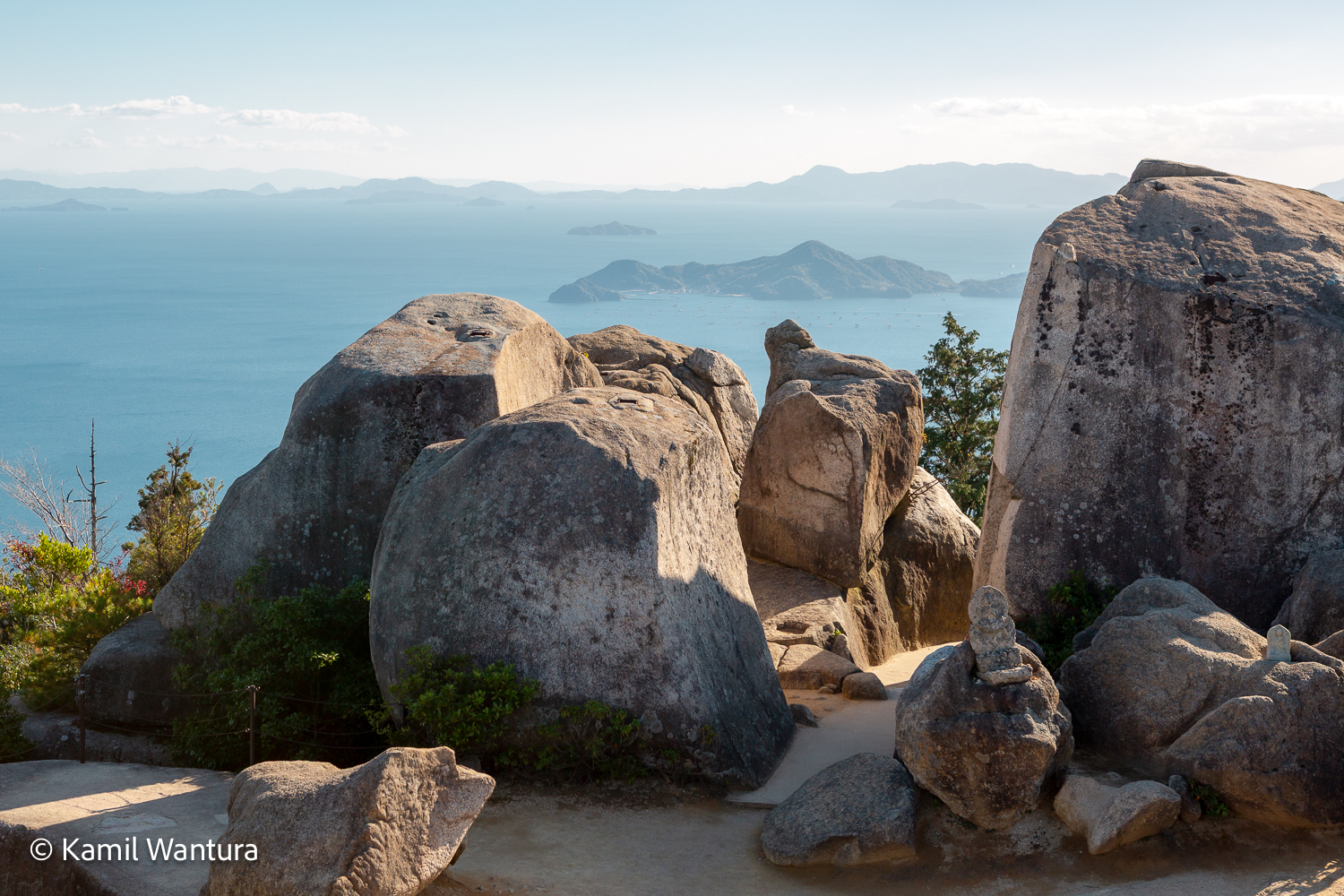
Memorial Park
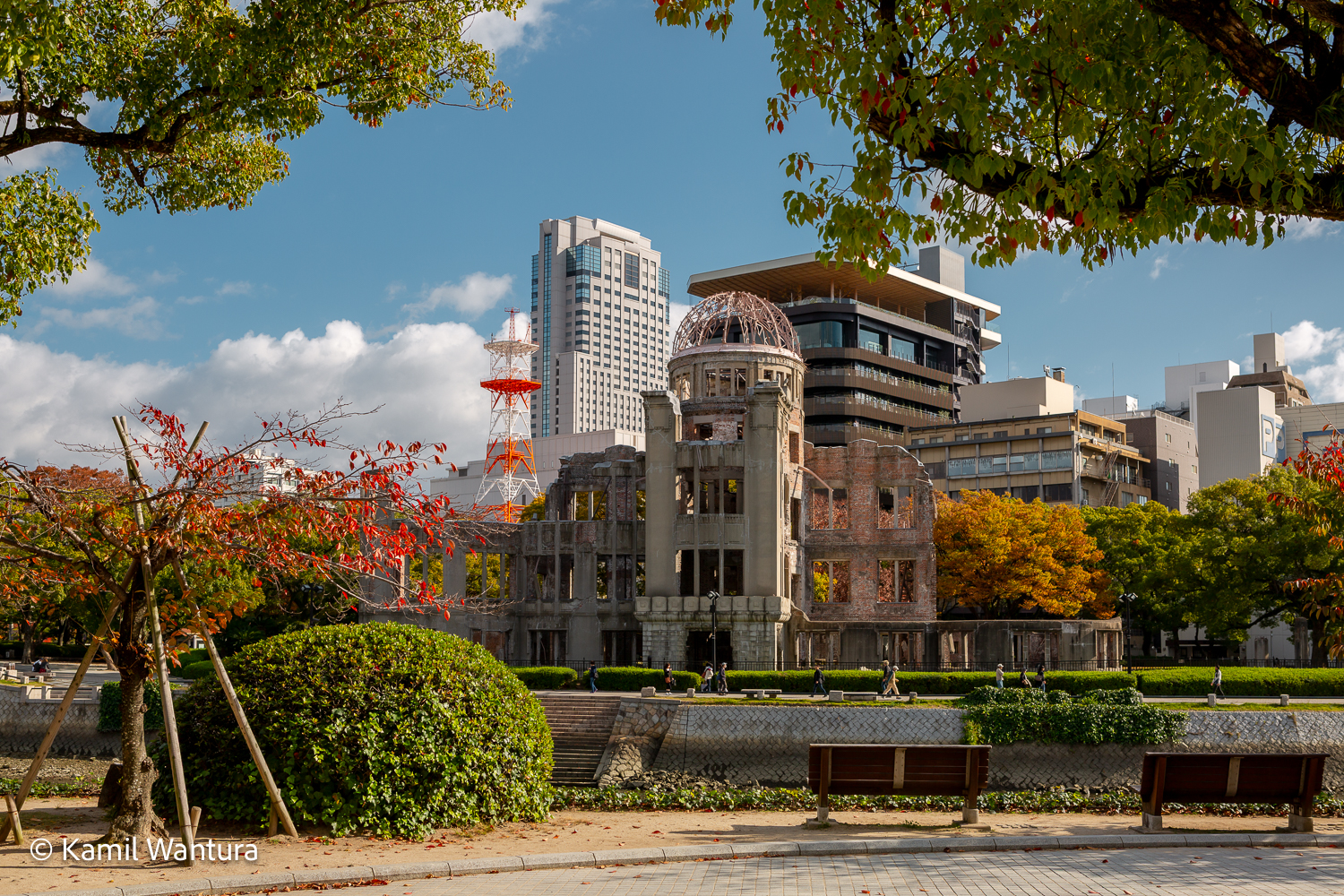
I travelled back from the island to Hiroshima and visited the poignant Peace Memorial Park (📍MAP).
Day 12: Tokyo Re-entry
The Final Leg
I caught the morning Shinkansen from Hiroshima back to Tokyo, beginning the final leg of my journey.
City Lights
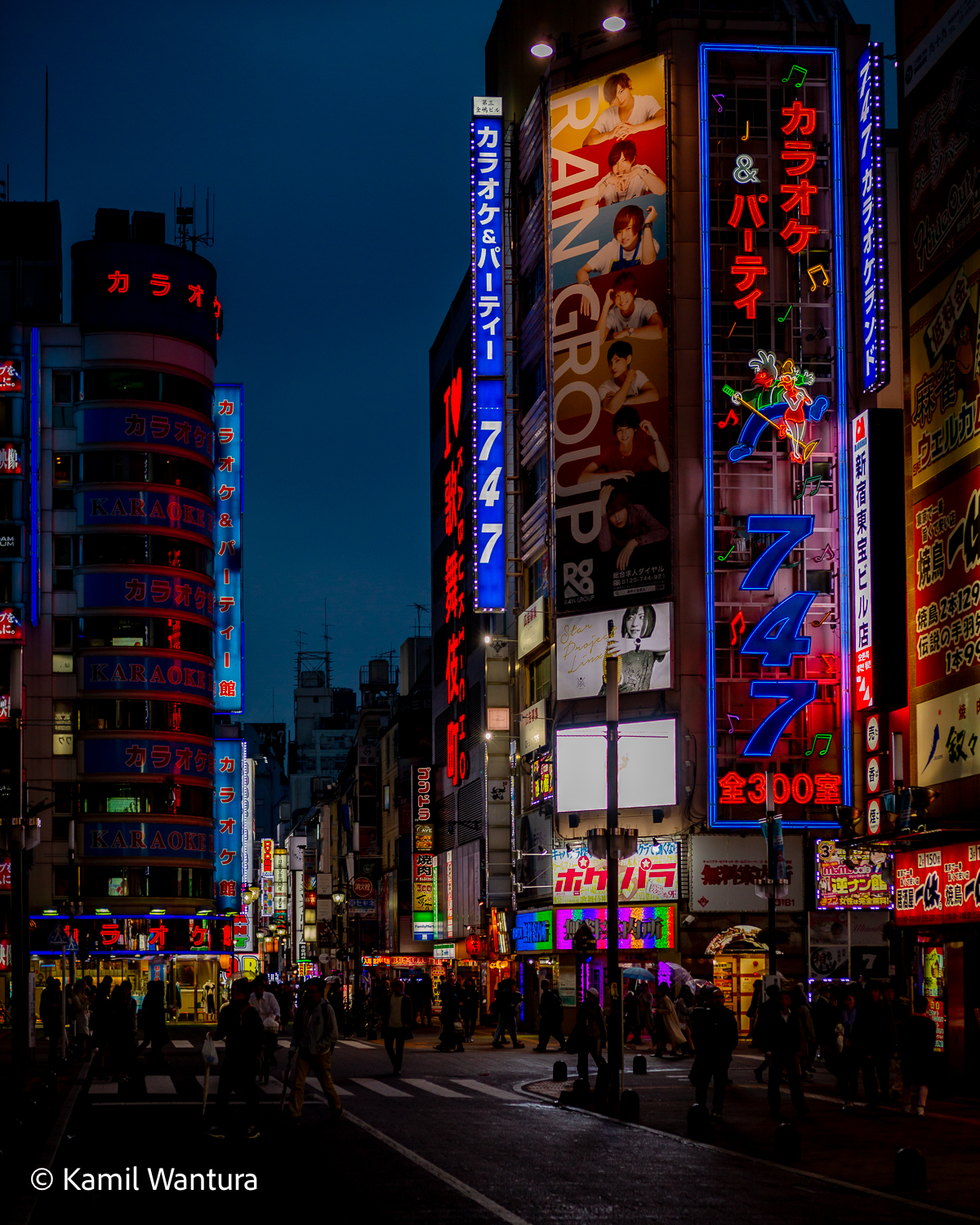
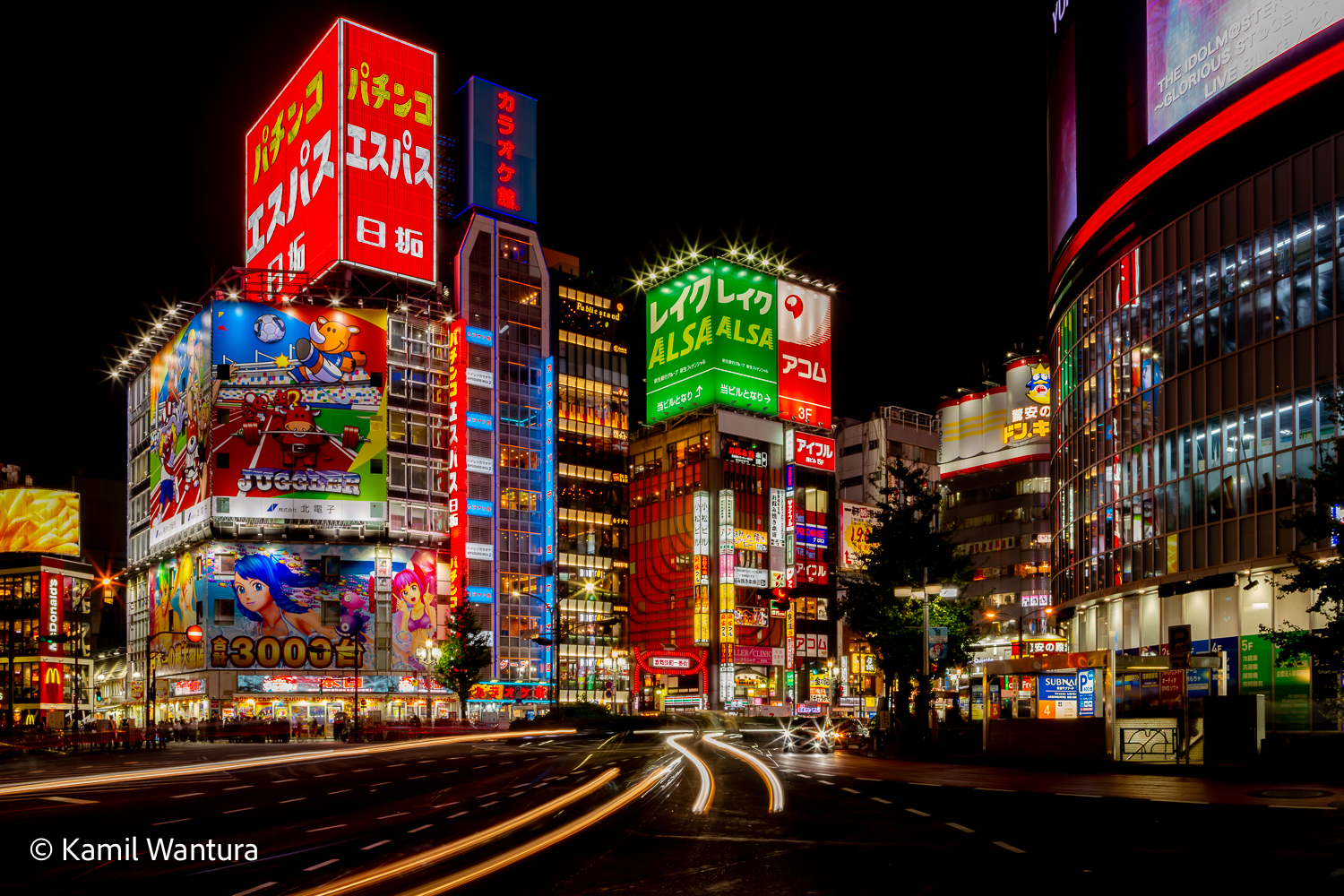
I spent time walking around Tokyo and revisiting anything I had missed. In the evening, I focused on capturing city lights and neon street photography.
Day 13-15: Escapes & Farewells
Day 13: The Great Buddha & Fuji Views
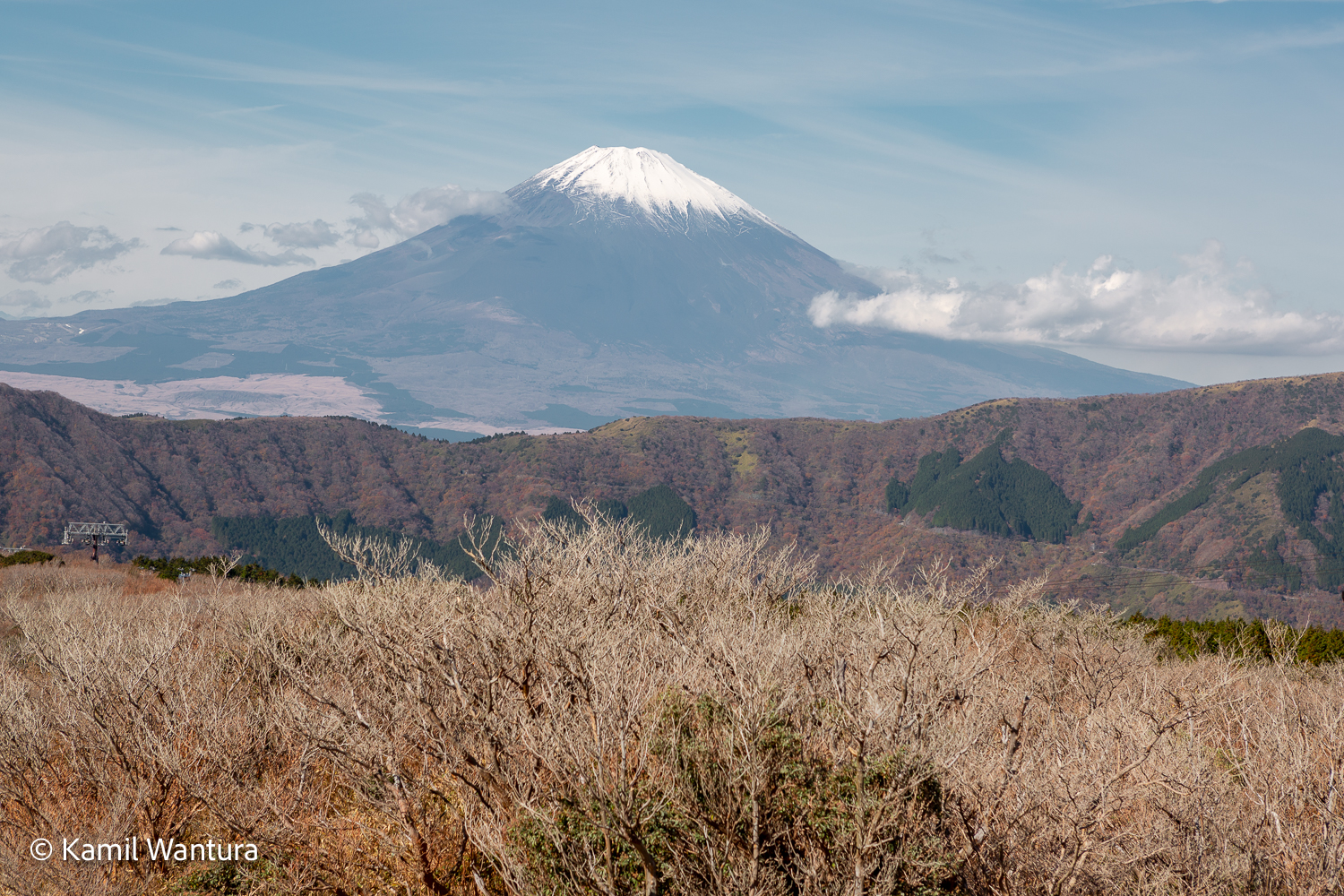
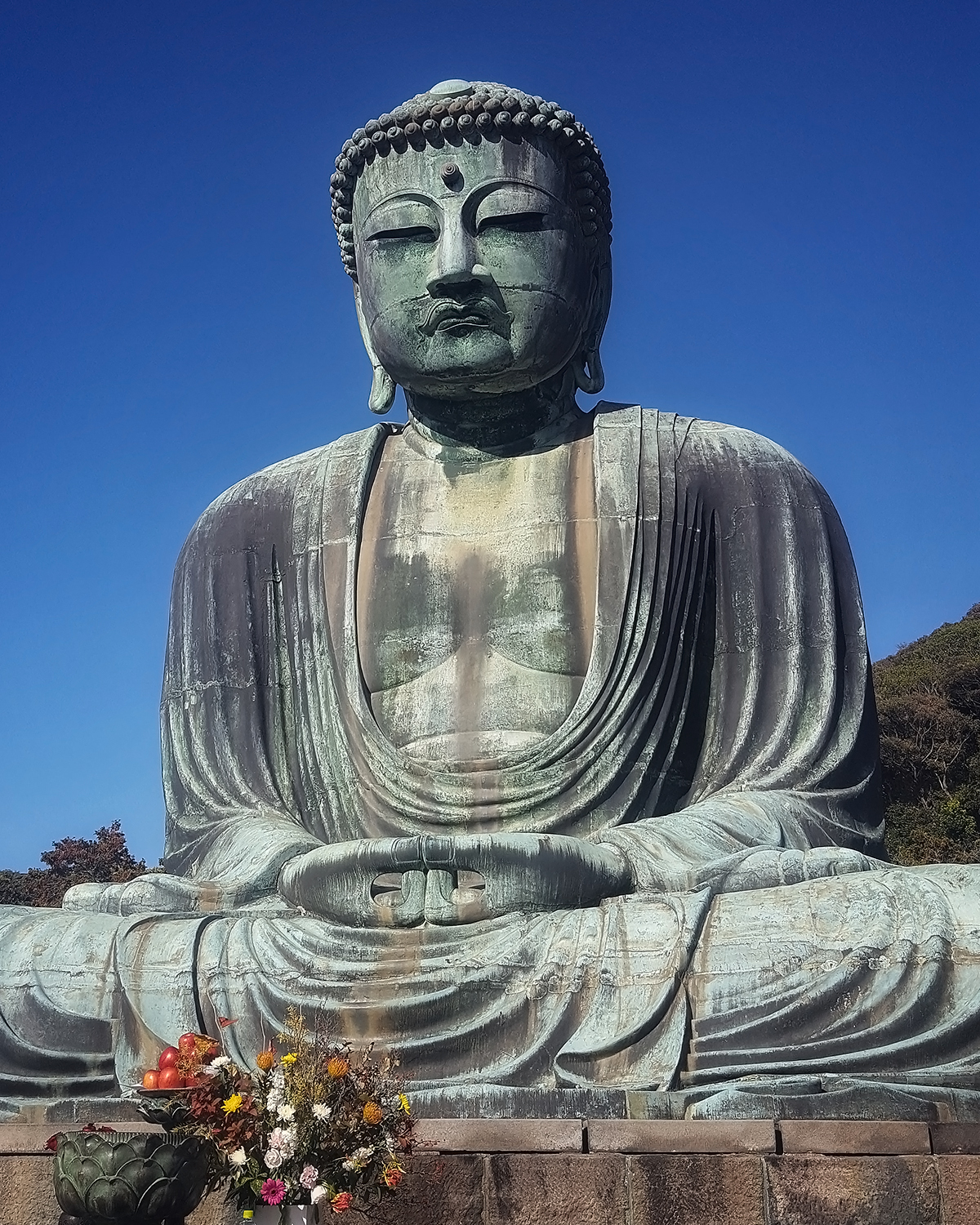
Day 14: Final Frames
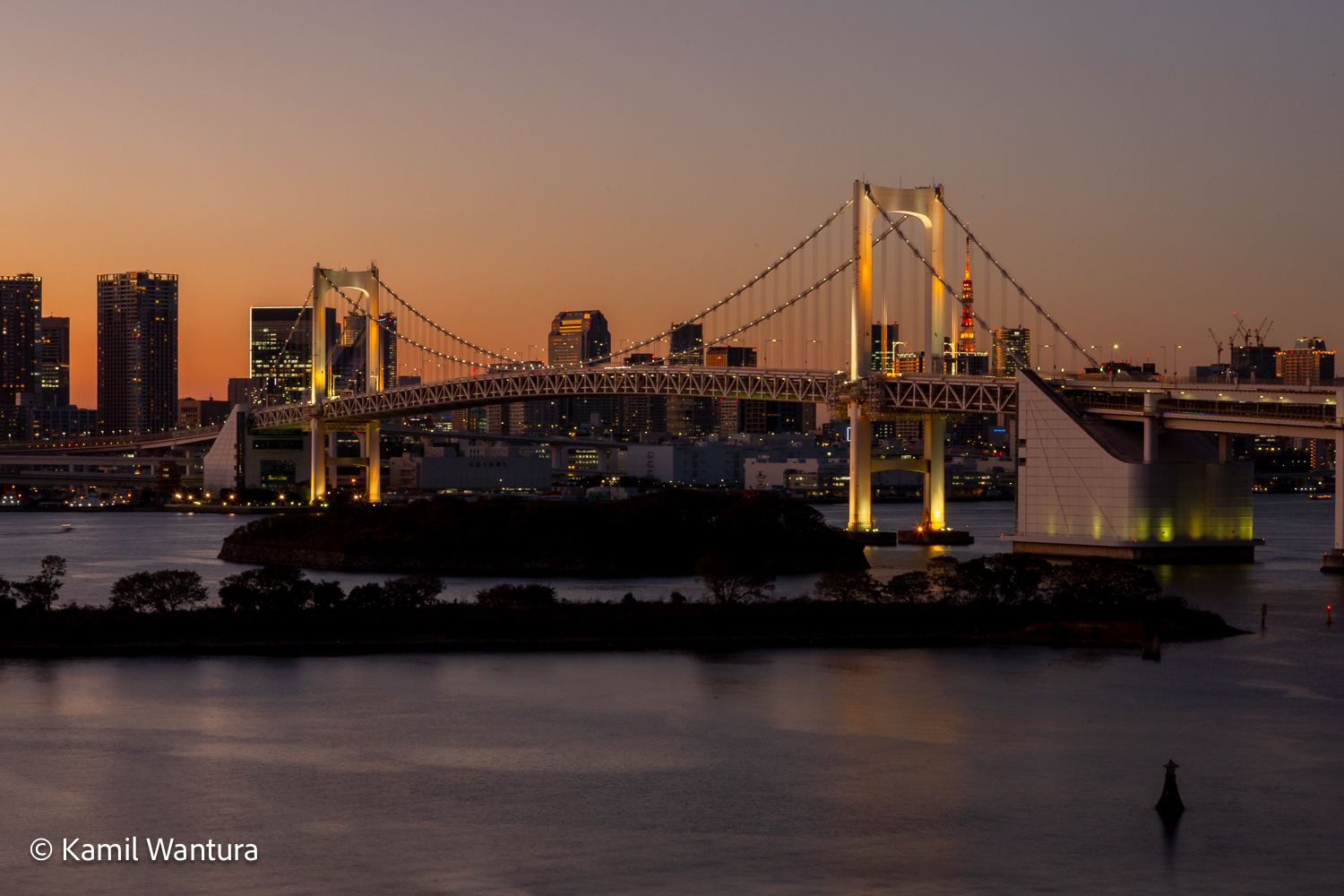
Souvenirs & Sunsets
I spent my last full day shopping for souvenirs, photographing the streets, and visiting the places I had missed in Tokyo. I finished the day by capturing a beautiful sunset over the Tokyo skyline from Odaiba Marine Park (📍MAP).
Day 15: Departure
Heading Home
I enjoyed my final morning in Tokyo, packed up, and headed to Narita Airport for my flight back to London.
JAPAN SURVIVAL & LOGISTICS GUIDE
Essential Ground Data for Travel & Photography Planning
Before packing camera bags and heading out, navigating Japan smoothly requires tactical preparation. The country’s infrastructure is incredibly efficient, but its systems for transit and etiquette are highly structured and unforgiving of improvisation. Below is the essential, practical information needed to turn a Japan photography trip into a seamless journey.
1. Money, Payments, & Tipping
Japan remains surprisingly cash-centric, despite being a global hub of technology.
- The Reality for Foreigners: While major hotels and large department stores accept international credit cards, many traditional shrines, smaller eateries, and rural shops operate strictly on a cash-only basis. For management, I use travel cards like Revolut, Monzo, or Wise. Always withdraw Yen at 7-Eleven or post office ATMs, as these have the highest compatibility with international cards. Always choose the local currency (JPY) at the ATM to avoid aggressive DCC (Dynamic Currency Conversion) fees.
- Tipping Practices: There is no culture of tipping in Japan. Attempting to tip at restaurants, in taxis, or at hotels is unnecessary and can cause confusion or be perceived as a misunderstanding of local etiquette. Exceptional service is standard and expected.
2. Transit Between Cities
Navigating the distance between major hubs like Tokyo, Kyoto, and Osaka requires advance planning, particularly if utilizing the Shinkansen network.
- The Photographer’s Choice (Rail Travel): For long-distance inter-city travel, the Shinkansen (bullet train) is the only logical choice. If your itinerary involves multiple long-distance trips, calculate if a Japan Rail (JR) Pass is cost-effective compared to individual tickets. Book your Shinkansen seats weeks in advance via the official JR website or at station kiosks, especially during peak travel seasons (Cherry Blossom or Autumn).
- Intra-City Commuting: The most critical logistical step is adding a digital IC Card (Suica, Pasmo, or Icoca) to your smartphone’s mobile wallet. This allows for seamless, tap-and-go access to nearly all subway lines, local trains, and bus networks throughout the entire country.
- Taxis and Ridesharing: Uber operates in major Japanese cities but acts mainly as a dispatcher for local taxi companies rather than a private-car service. Standard local taxis are abundant, exceptionally clean, and safe.
3. Connectivity & Mobile Setup
Having reliable mobile data is mandatory for downloading train tickets, booking rides via apps, translating signs, and navigating ancient alleyways.
The best option is purchasing an eSIM (such as Airalo) prior to arrival. Download Airalo app. Get GBP £2.50 off your first eSIM purchase with Airalo. Use code KAMIL9100 when you sign up or at checkout. https://airalo.go.link/6HJXX
If your device is not eSIM compatible, purchase a travel SIM or rent a Pocket Wi-Fi device directly at the airport arrivals hall. This requires a passport for registration and is essential for reliable, high-speed data coverage.
4. Monument Rules & Cultural Etiquette
Photographing historic and sacred spaces in Japan requires a blend of artistic discipline and cultural sensitivity.
Navigate Like a Local
Public transport is a sanctuary of silence; mobile phone calls are strictly prohibited on trains, and conversations should be kept very low. In shrines and temples, follow the established walking paths. Always look for signage; some temple interiors strictly forbid any photography to preserve the sanctity of the religious artifacts.
Gear Restrictions
Tripods and monopods are frequently banned in crowded tourist areas and narrow temple pathways to ensure visitor flow. Keep your camera setup lightweight and strictly handheld in these areas. If you are planning a professional-level shoot, you must secure a commercial photography permit well in advance, as “run-and-gun” commercial work is often stopped by temple staff.
Temple & Ryokan Protocol
Always remove your footwear before entering temple interiors or traditional accommodation (ryokans). Look for the designated wooden or plastic cubbies at the entrance. Carrying a pair of clean, slip-on shoes or socks is useful, as you will be required to go shoeless frequently throughout the day.
5. Gear Protection & Packing Essentials
Japan is clean, but the nature of moving between bustling urban centers and remote temple environments requires smart packing.
- Battery Management: The heavy use of GPS navigation and mapping apps will drain your smartphone and camera batteries quickly. Always carry at least one high-capacity portable power bank to survive long days of exploration.
- Trash Management: Public rubbish bins are extremely rare. You are expected to carry all of your waste (including bottles and wrappers) with you until you return to your accommodation or find a bin inside a convenience store.
SHORTLIST:
Trip Planning and Cultural Essentials
| Category | Logistical Focus |
|---|---|
| Entry Requirements | Check current visa status for your nationality via the Ministry of Foreign Affairs of Japan. Ensure your passport has at least six months validity. |
| Connectivity | Order a pocket Wi-Fi device or an eSIM before arrival. Reliable internet is essential for navigation and translation apps. |
| Transport | Purchase a JR Pass if you intend to cover multiple regions by Shinkansen. Within cities, use a prepaid IC card (Suica or Pasmo) for seamless train and bus travel. |
| Currency | While credit cards are increasingly accepted, Japan remains a cash heavy society. Always carry yen for local shrines, small eateries, and rural travel. |
| Water | Tap water in Japan is exceptionally safe and of high quality. Carry a reusable bottle to refill from taps, which is environmentally friendly and helps you stay hydrated. |
| Accommodation | Book in advance, particularly for high season (Cherry Blossom or Autumn foliage). Consider a mix of Western hotels and traditional Ryokans. |
| Advance Bookings | Many popular attractions (e.g., Ghibli Museum, teamLab, Disney, Shibuya Sky) and high-end restaurants require or strongly recommend booking weeks or months in advance. |
| Etiquette | Familiarise yourself with basic social norms, such as removing shoes when entering indoor spaces and refraining from talking loudly on public transport. |
| Trash | Public bins are rare in Japan. Plan to carry your rubbish with you until you return to your accommodation or find a bin at a convenience store. |
| Language | Carry a translation app, but learn basic phrases such as “Arigato” (Thank you) and “Sumimasen” (Excuse me/Sorry). |

That’s really interesting!
Thank you!