


Rio de Janeiro makes an unforgettable destination, combining dramatic mountains, golden beaches, grand architecture, vibrant streets, and some of South America’s most distinctive cultural experiences. Set between lush rainforest-covered peaks and the Atlantic Ocean, the city feels unlike anywhere else in the world. From the instantly recognisable Christ the Redeemer and Copacabana Beach to the colourful lanes of Santa Teresa and breathtaking viewpoints, Rio offers an extraordinary mix of history, photography, food, and slow-paced exploration.
A seven-day stay is enough to experience many of the city’s highlights. Sugarloaf Mountain and Copacabana provide an iconic introduction to Rio, while the historic centre and Selarón Steps reveal the scale and beauty of the city. A cable car or train ride offers one of the best ways to see Rio from above, while quieter neighbourhoods such as Ipanema and Leblon provide a more local atmosphere away from the busiest routes. Add in feijoada, fresh coconut water on the sand, atmospheric evening walks, and a visit to Tijuca National Park, and Rio de Janeiro becomes an ideal destination for a longer getaway.
TRAVEL & PHOTO CONDITIONS
| Time | April 2025 |
|---|---|
| Weather | Warm | Sunny+Cloudy | Mild Breeze |
| Temperature | 21 to 29℃ |
| Photo Potential | |
| Physical Difficulty | |
| Accessibility | |
| Crowd Level | |
| Value for Money |
TRIP ESSENTIAL BOOKINGS
FLIGHTS TO RIO DE JANEIRO
VISA REQUIREMENTS (EU & UK CITIZENS)
ACCOMMODATION (7 NIGHTS)
Ad / Affiliate links | Find your accommodation with Booking.com
LOCAL BUS & LAND TRANSPORT
Walking is ideal for exploring specific districts like Copacabana or Santa Teresa, but rideshares and taxis are recommended for longer distances or evening journeys.
MOUNTAIN & CABLE CAR TRANSPORT
Booking tickets online in advance helps avoid long queues, particularly during peak morning hours when visibility over the city and coastline is at its finest.
CHRIST THE REDEEMER
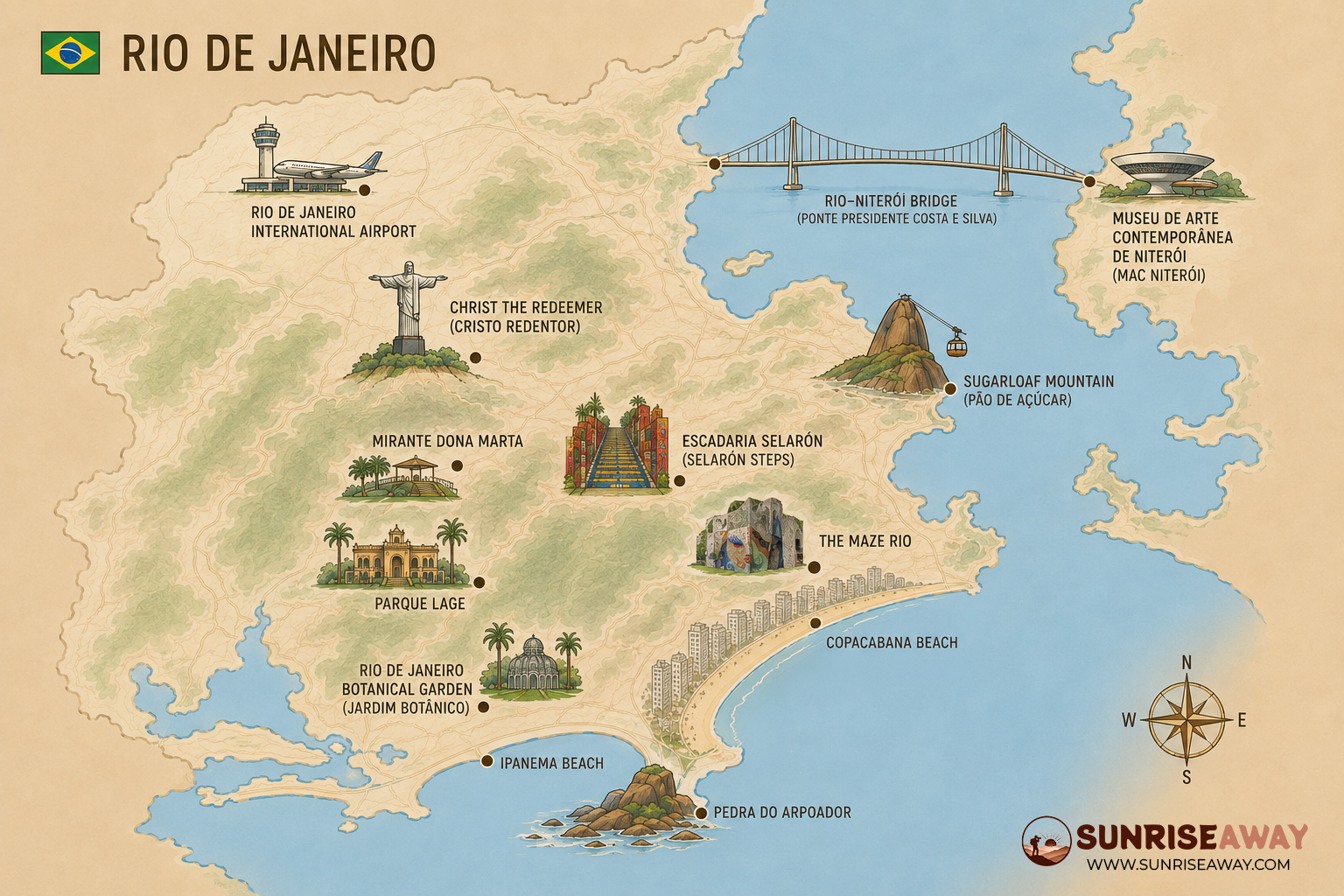
7 DAYS IN RIO DE JANEIRO
I spent seven days exploring Rio de Janeiro, and it was the perfect mix of spectacular views, beautiful beaches, colourful streets and relaxed days by the ocean. I stayed in Ipanema, which was a great base for exploring the city, walking along the waterfront and enjoying the beach whenever I wanted. The biggest highlight was finally visiting Christ the Redeemer. It was especially meaningful because it was the last of the New Seven Wonders of the World that I had yet to see, completing my personal collection. Standing beneath the enormous statue with Rio, the mountains and the ocean stretching out below was an unforgettable moment. I also visited Sugarloaf Mountain, where the views across Copacabana, Guanabara Bay and the surrounding landscape were incredible. Beyond the famous landmarks, I enjoyed discovering the colourful Selarón Steps, Parque Lage and the Botanical Garden, as well as visiting Mirante Dona Marta for another spectacular view over the city. I also made plenty of time for Ipanema and Copacabana beaches, swimming, walking along the waterfront and simply enjoying the atmosphere. Between the dramatic mountains, tropical scenery, incredible viewpoints and beautiful beaches, Rio gave me a little bit of everything. But completing my New Seven Wonders collection at Christ the Redeemer made this trip particularly special and gave me a memory I will never forget.
Days 1 to 2: The Rio Highlights
Day 1: Arrival in Rio & The Maze Rio
Arrival in Rio de Janeiro & Check-In
- Rio de Janeiro Airport (📍MAP): We landed in Rio in the morning after an overnight flight. We had pre-booked a taxi through Booking.com, which took us from the airport to our hotel in Ipanema.
- Journey to Ipanema: The journey took approximately one hour because of traffic. We arrived around midday, checked into the hotel, dropped off our luggage and took some time to relax after the long overnight flight.
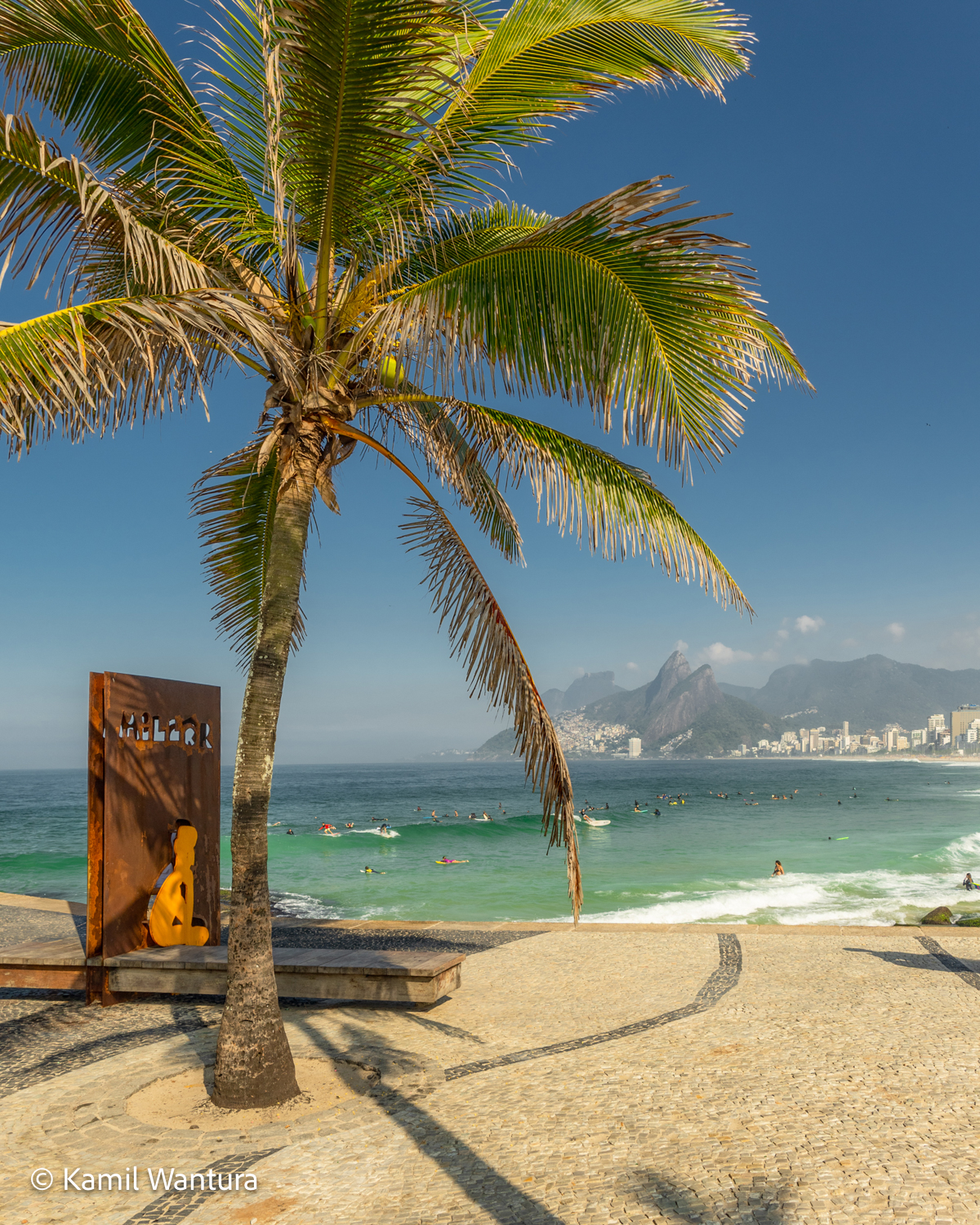
- Ipanema Beach (📍MAP): In the afternoon, we took an easy walk towards Ipanema Beach and continued along the waterfront towards Pedra do Arpoador.
- Pedra do Arpoador (📍MAP): Arpoador is one of the best-known spots along this part of the coast and gave us our first proper taste of Rio’s spectacular combination of beach, rocks and mountains.
- Ipanema Neighbourhood: One of the things we immediately loved about the location was how convenient everything was. Restaurants, cafés and shops were all within a short walking distance, while Ipanema Beach was only about five minutes from our hotel.
The Maze Rio & Tavares Bastos
- Tavares Bastos Community (📍MAP): Later in the afternoon, we took a trip to Tavares Bastos, a community in the Catete area of Rio. The hotel arranged a taxi for us, although the journey was somewhat chaotic and, at around £80 for two people, quite expensive.
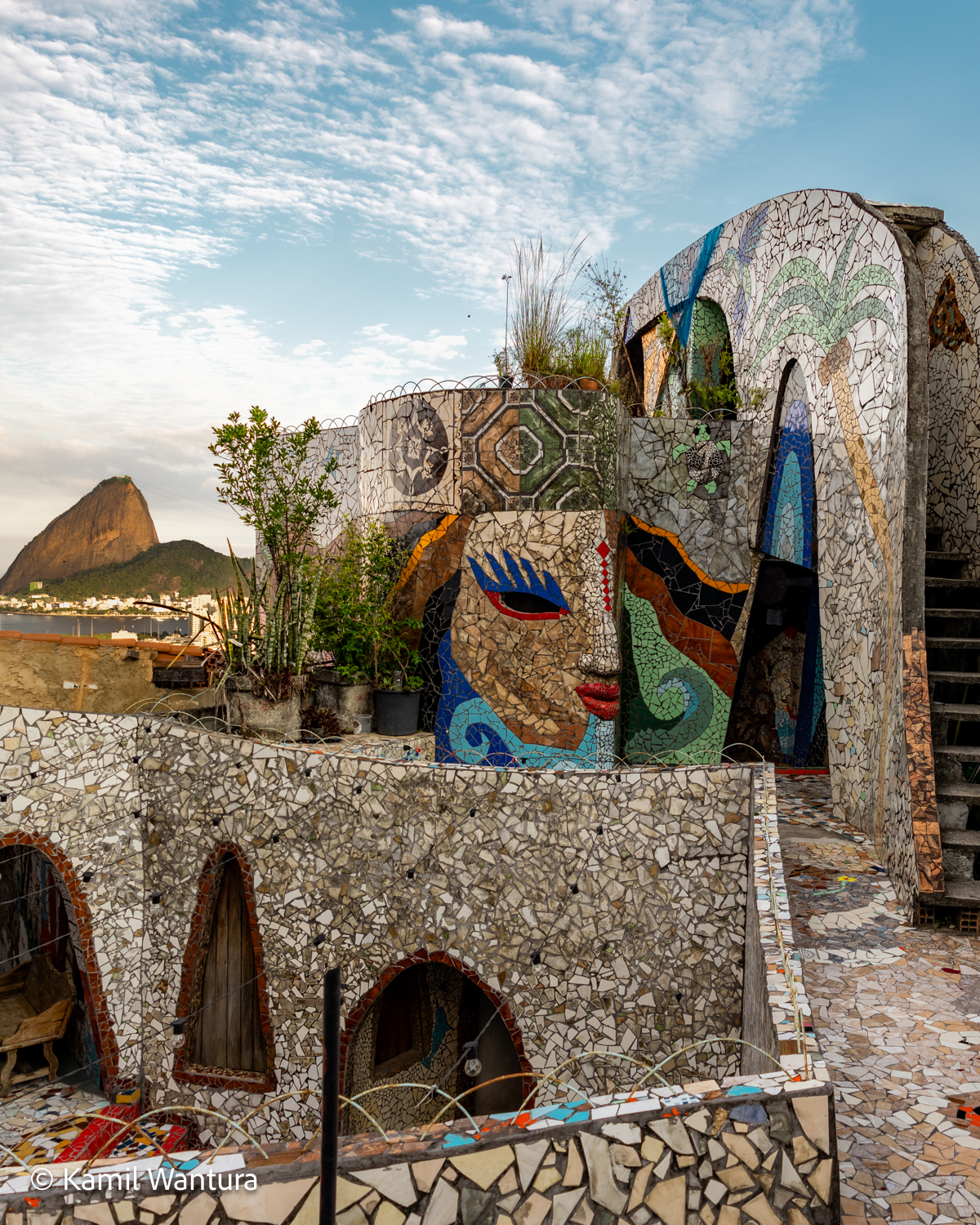
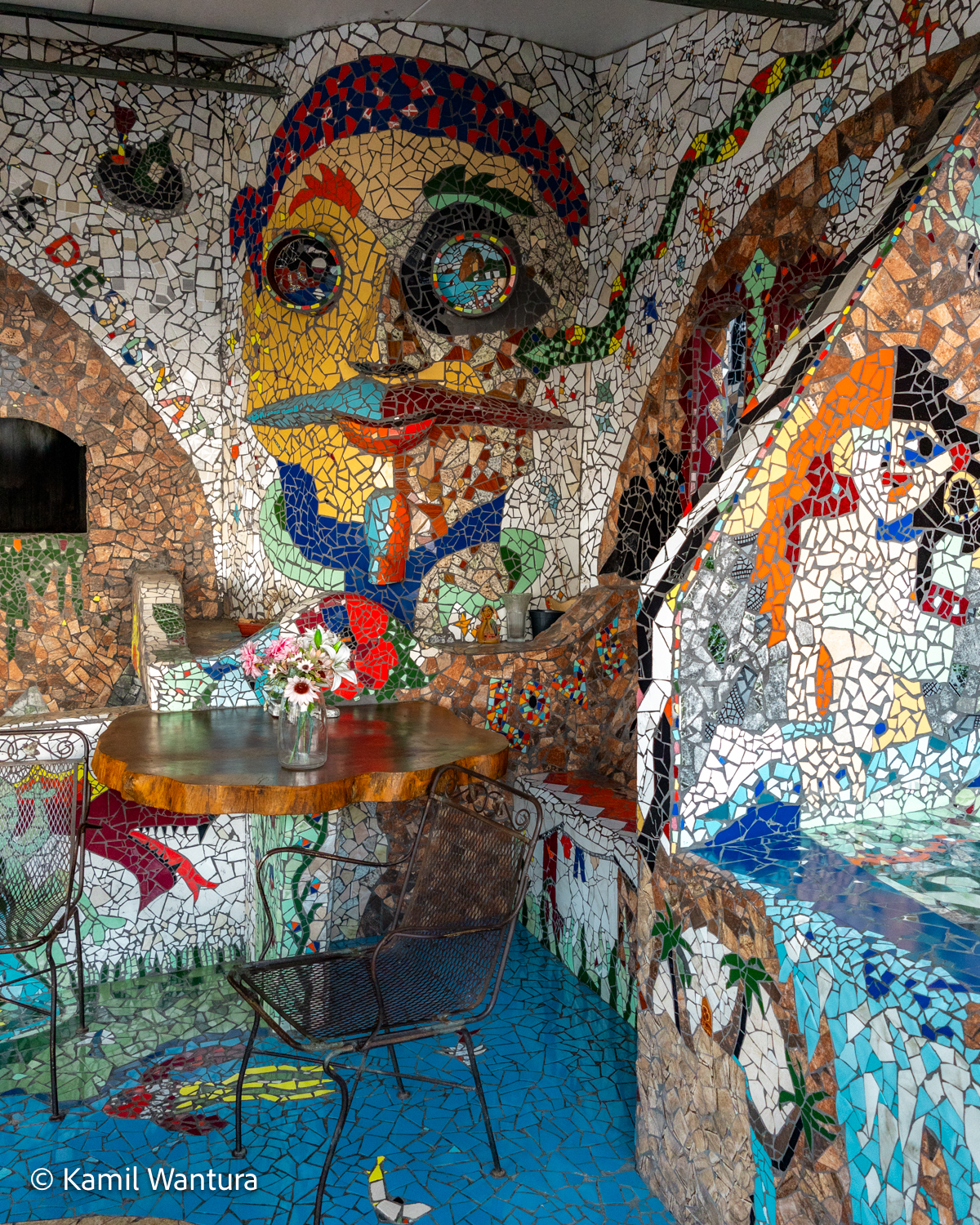
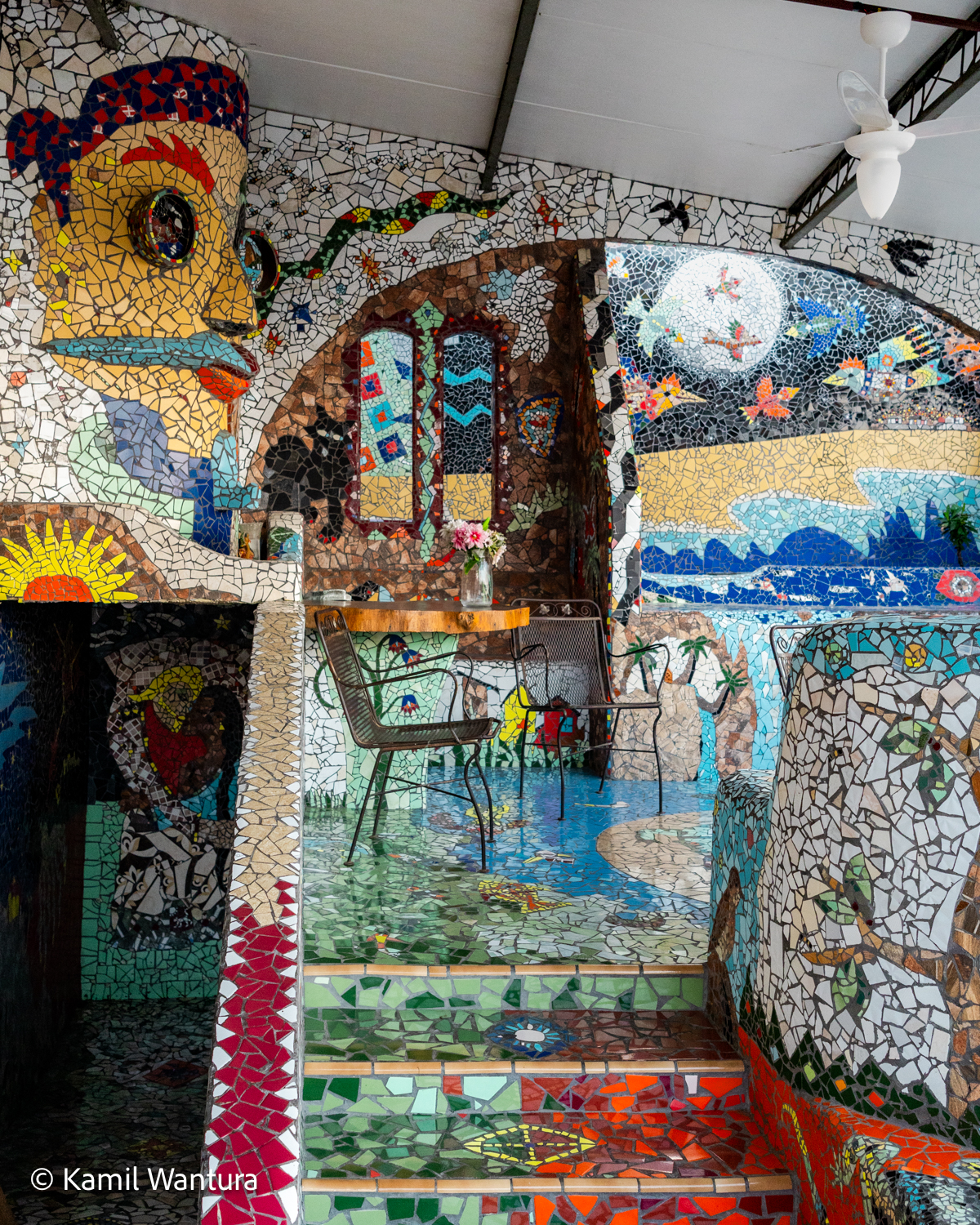
- The Maze Rio (📍MAP): We particularly wanted to visit The Maze Rio, one of the city’s most unusual and memorable cultural landmarks.
- A Unique Place in Rio: The Maze is a cultural space, art venue, jazz club and guesthouse perched high above the Tavares Bastos community. The building was created over several decades by British artist and former BBC correspondent Bob Nadkarni.
- Mosaic Architecture & Views: The Maze is famous for its Gaudí-inspired architecture, colourful mosaic walls and incredible panoramic views across Guanabara Bay towards Sugarloaf Mountain. It was a fascinating place to visit and a very different side of Rio from the famous beaches and viewpoints.
Day 2: Christ the Redeemer & Sugarloaf Mountain
Christ the Redeemer Before the Crowds
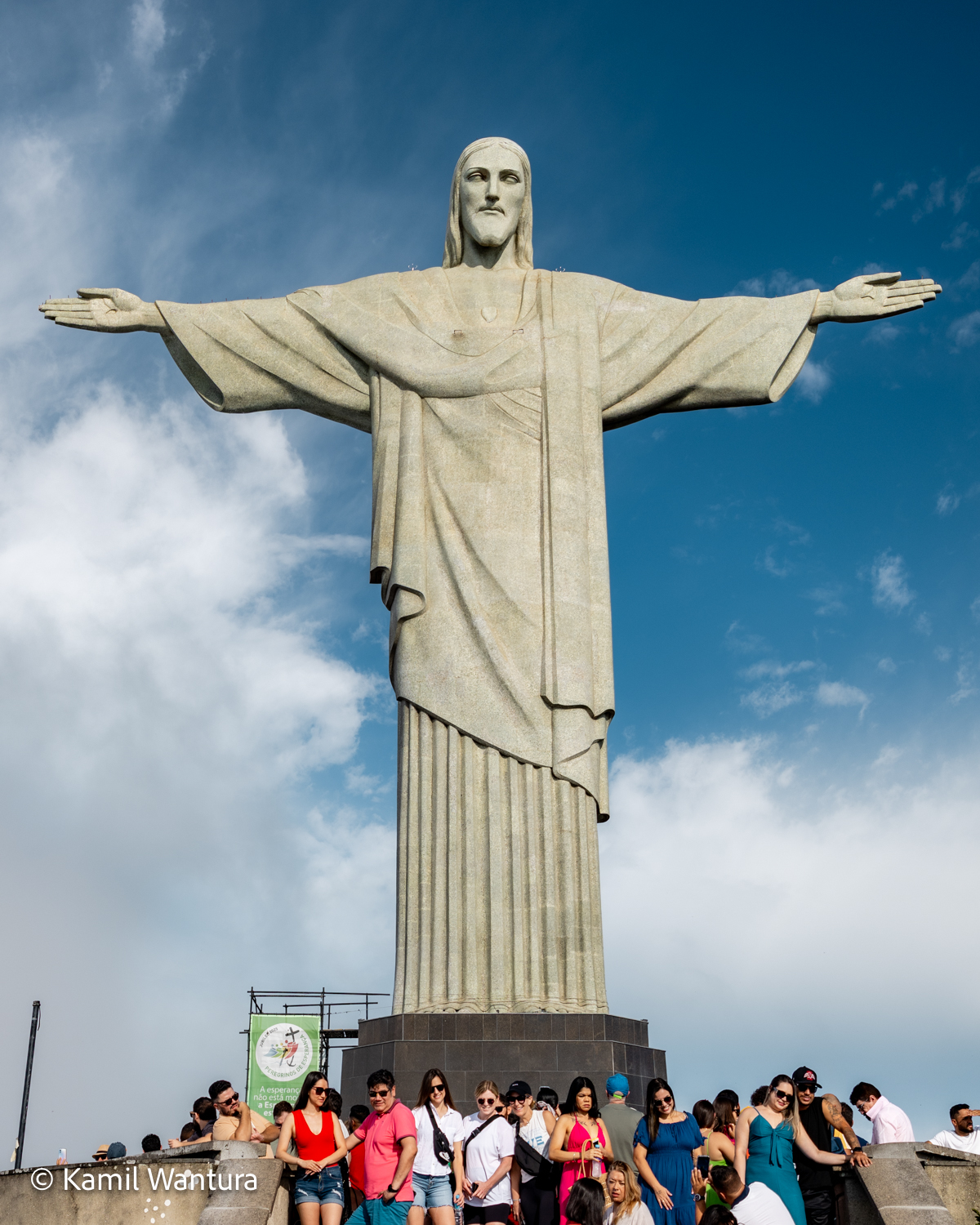
- Christ the Redeemer (📍MAP): We woke up at around 5am and ordered an Uber to take us to Christ the Redeemer. We wanted to arrive early, hoping to avoid the biggest crowds.
- A Difficult Start: Finding an Uber was not easy. When we eventually found one, the experience became rather stressful. Halfway through the journey, before we had reached the hill leading up to Christ the Redeemer, the driver refused to continue and stopped the car.
- Finding Another Taxi: We had to get out in the middle of nowhere and find a regular taxi to take us the rest of the way. Thankfully, we had some cash with us — something that turned out to be very useful!
- Reaching the Summit: We eventually made it to the lower station and took the shuttle bus towards the upper station. From there, we climbed the final stairs to reach the monument.
- The View: We arrived shortly after 8am, but it was already extremely busy. Perhaps it was because it was Good Friday, meaning Rio was noticeably busier than usual. Despite the crowds, the view was spectacular. From the top, we could see Rio stretching out in every direction, surrounded by mountains, beaches and the Atlantic Ocean.
- One Hour at the Top: We stayed for around an hour before taking the shuttle back down to the lower station.


The Long Wait for an Uber
- Waiting at the Lower Station: Once back at the lower station, we stopped at a coffee shop while trying to order another Uber.
- Almost Impossible to Find a Car: The queue of cars waiting around the area was enormous, and getting an Uber proved surprisingly difficult. We waited for around 40 minutes before finally finding a driver.
- A Helpful Fellow Traveller: Another tourist was experiencing exactly the same problem. He eventually offered to share his Uber with us so that we could travel down together. It was a huge relief after such a long wait!
Sugarloaf Mountain
- Sugarloaf Mountain (📍MAP): In the middle of the day, we took another Uber to the cable car station for Sugarloaf Mountain.
- Buying Tickets: When we arrived, the queue was enormous. We also discovered that there were issues with buying tickets, so we had to book them online while standing in the queue. Unfortunately, the website kept crashing.
- The Cable Car: After around 40 minutes, we finally managed to get our tickets. There was another queue for the cable car, but this moved much faster.
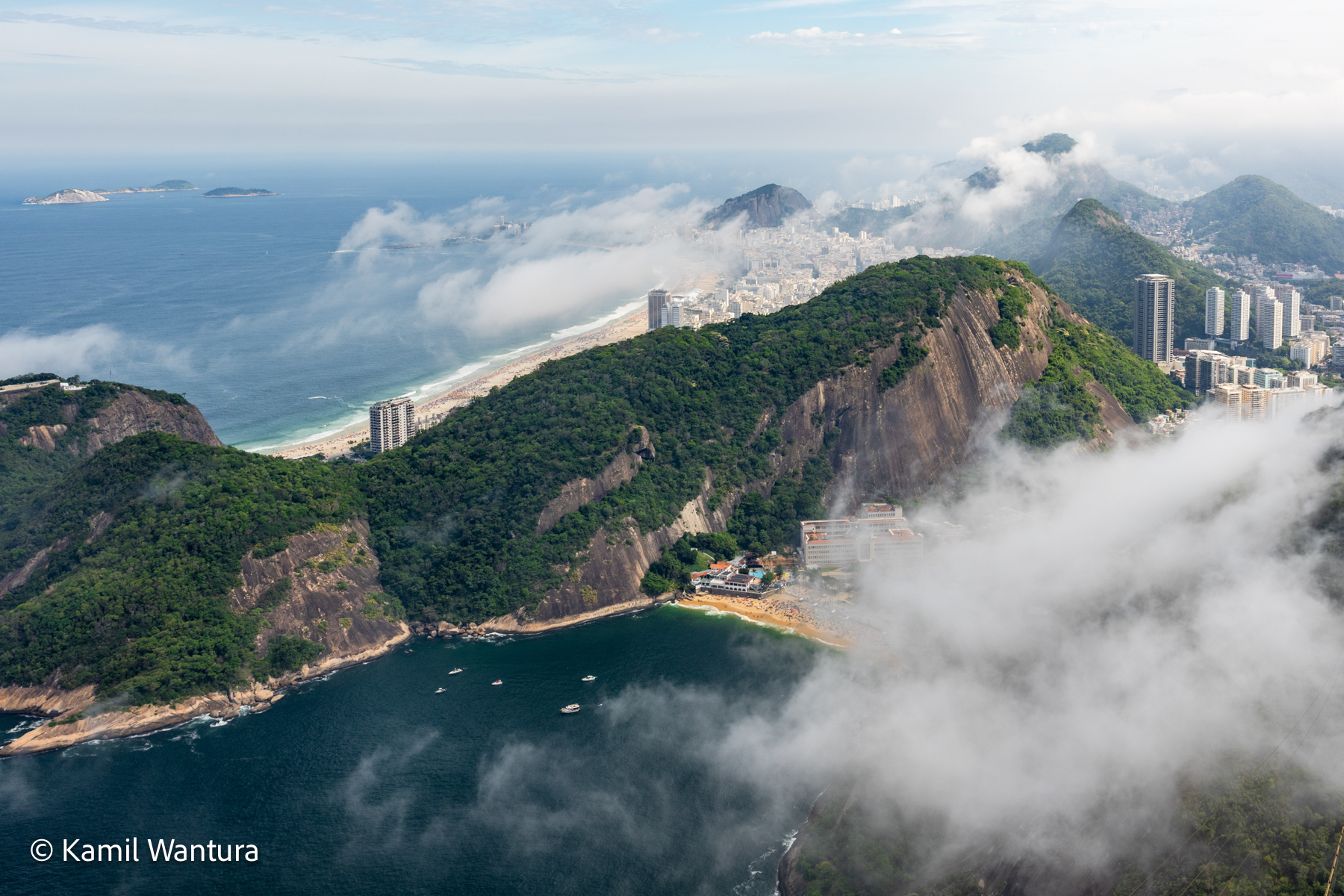
- The View from Sugarloaf: After roughly an hour, we finally reached the top. Sugarloaf offered another spectacular perspective of Rio. From here we could see Copacabana Beach, Christ the Redeemer, the city skyline and the surrounding mountains — with clouds sitting below us.

Back to Ipanema
- Relaxing at the Hotel: After such a busy day, we returned to the hotel to relax for a while.
- Ipanema Beach (📍MAP): Later in the afternoon, we headed back to the beach and enjoyed a much slower end to a very busy day.
Days 3 to 4: Gardens, Beaches and Relaxation
Day 3: Selarón Steps, Parque Lage & Botanical Garden
Escadaria Selarón
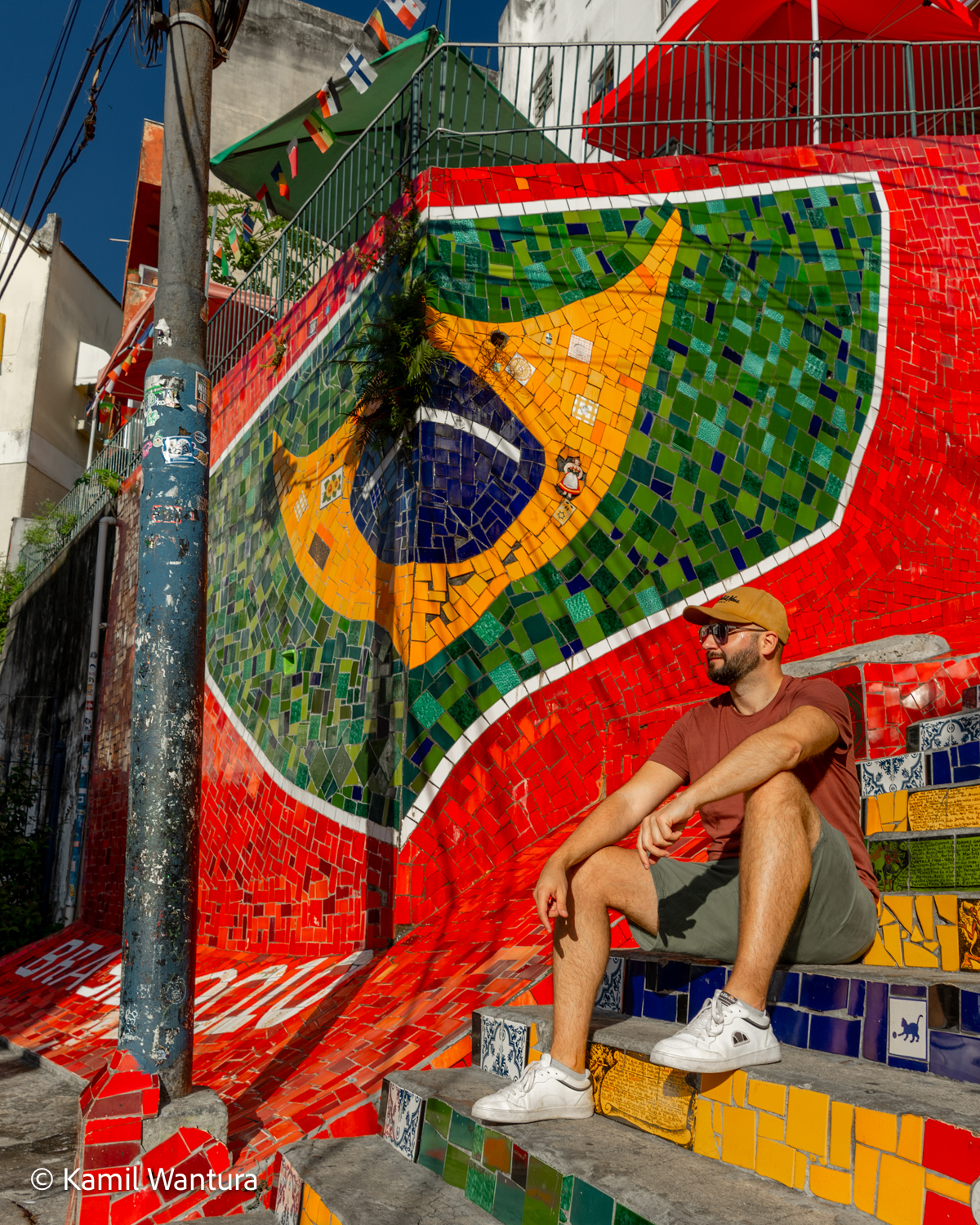
- Escadaria Selarón (📍MAP): We woke up early again, around 7am, and took an Uber to the famous Selarón Steps.
- A Colourful Landmark: The steps are covered with colourful, hand-painted tiles and have become one of Rio’s most recognisable landmarks.
- Busy Even in the Morning: By around 8am, the area was already surprisingly busy. Taking a photo without other people in the background was almost impossible. The steps were interesting and very colourful, although personally we didn’t find them quite as spectacular as some of Rio’s other sights.
Parque Lage
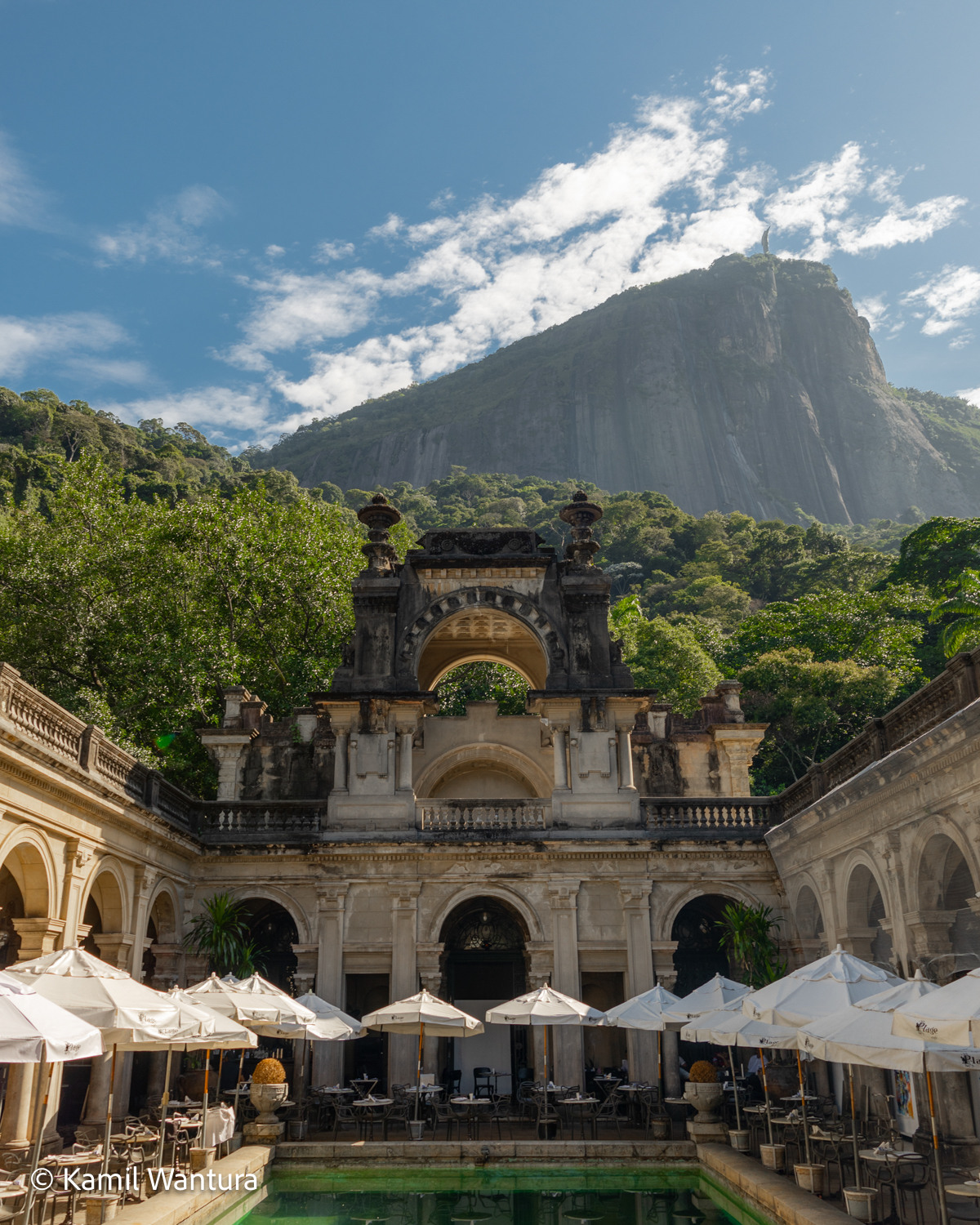
- Parque Lage (📍MAP): From the Selarón Steps, we took another Uber to Parque Lage, a beautiful historic park located beneath the Corcovado mountain.
- The Historic Palace: The building itself was very interesting, with an impressive courtyard and views towards Christ the Redeemer.
- Crowds Again: Unfortunately, the park was already extremely busy. There were long queues simply to take photographs in the famous central courtyard. We decided not to wait and moved on to our next stop.
Rio de Janeiro Botanical Garden
- Jardim Botânico (📍MAP): We took a short Uber ride to the fantastic Rio de Janeiro Botanical Garden.
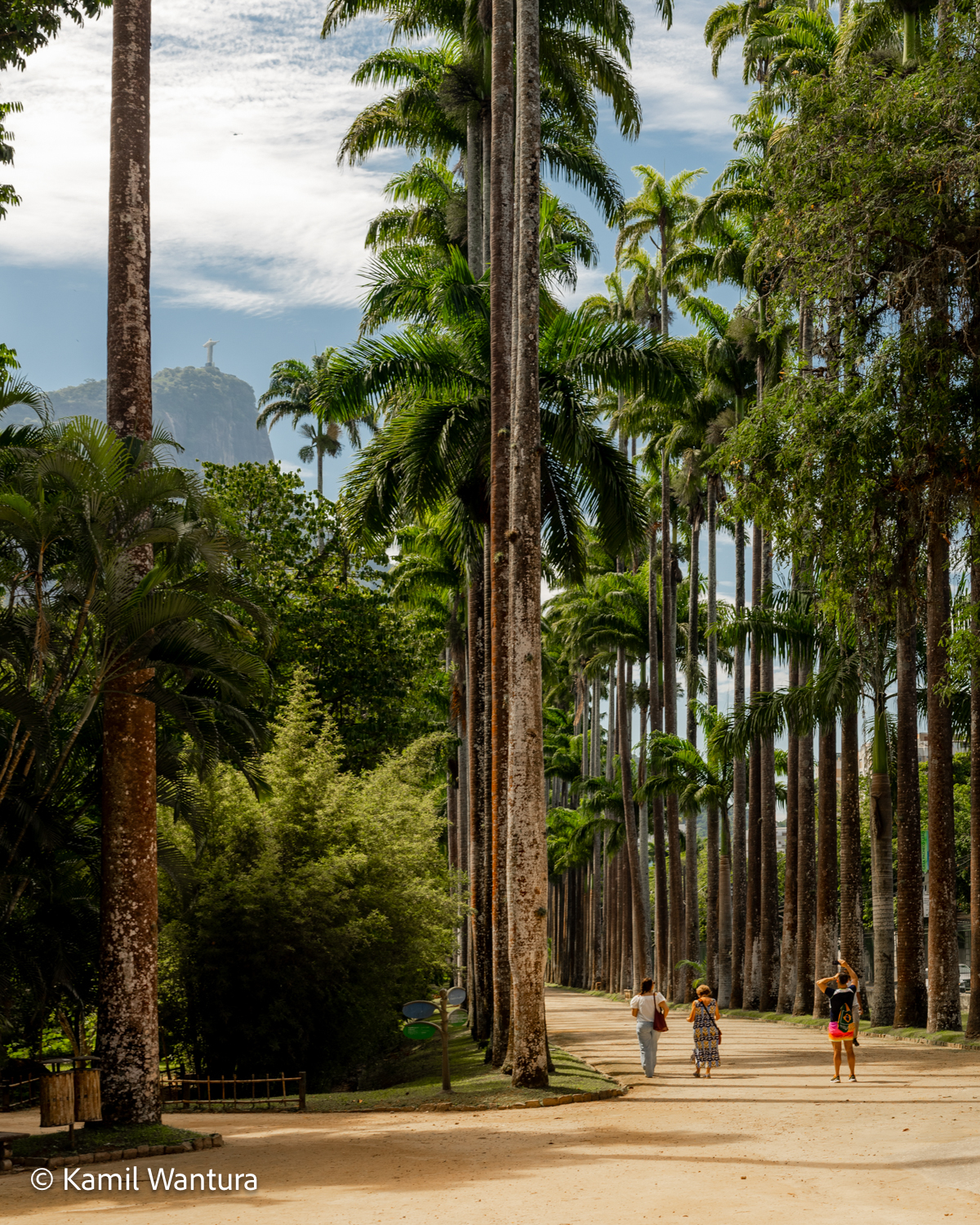
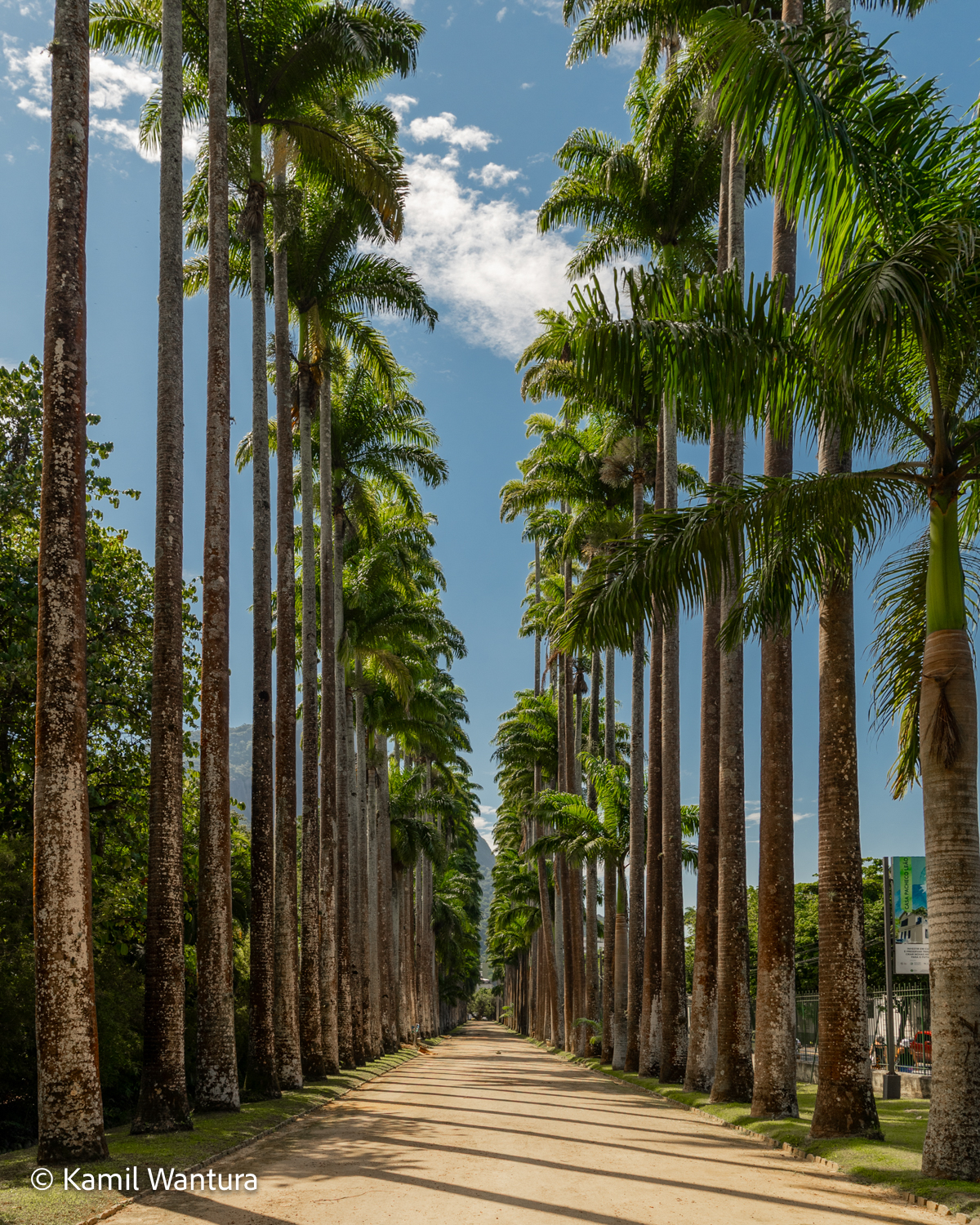
- A Completely Different Side of Rio: After the crowds at the previous two attractions, the Botanical Garden was a welcome change. The gardens are filled with tropical vegetation, enormous palm trees and beautiful paths surrounded by lush greenery.
- Tall Palm Trees: The huge rows of palm trees were particularly impressive and created one of the most beautiful landscapes we saw during the trip.
- Back to Ipanema: We spent some time exploring the gardens before taking an Uber back to the hotel for a relaxing afternoon.
Day 4: A Day at Ipanema Beach
Sun, Sand & Sea
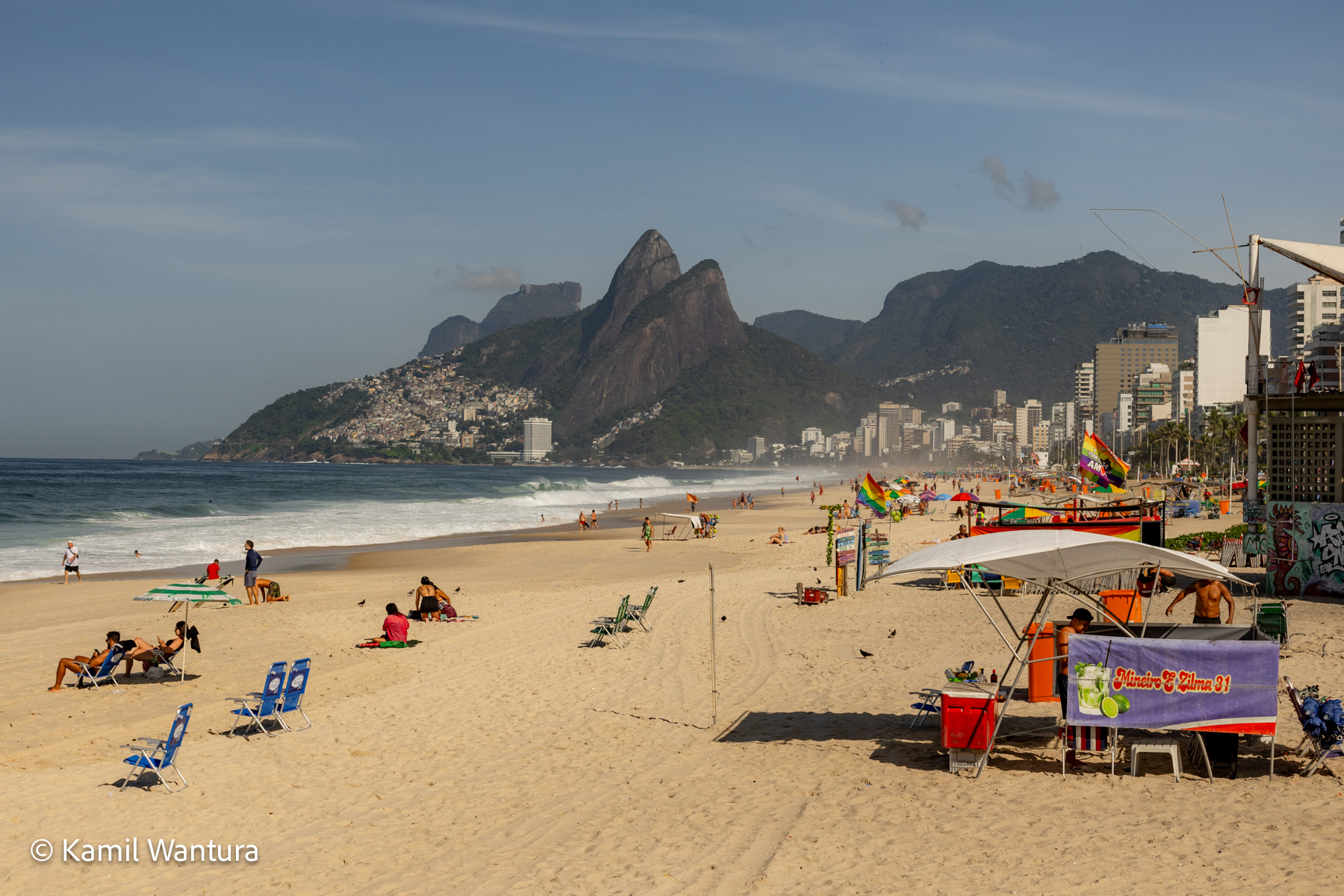
- Ipanema Beach (📍MAP): After several busy days of sightseeing, we decided to spend the entire day at Ipanema Beach.
- A Proper Relaxing Day: There was no sightseeing, no rushing around and no Uber rides — just the beach, sunshine and the sound of the ocean.
- Taking It Slow: By this point, we had already seen many of Rio’s most iconic landmarks, so it felt good to slow down and simply enjoy being in the city.
Days 5 to 7: Views, Niterói and Beach Days
Day 5: Mirante Dona Marta & Niterói
Mirante Dona Marta
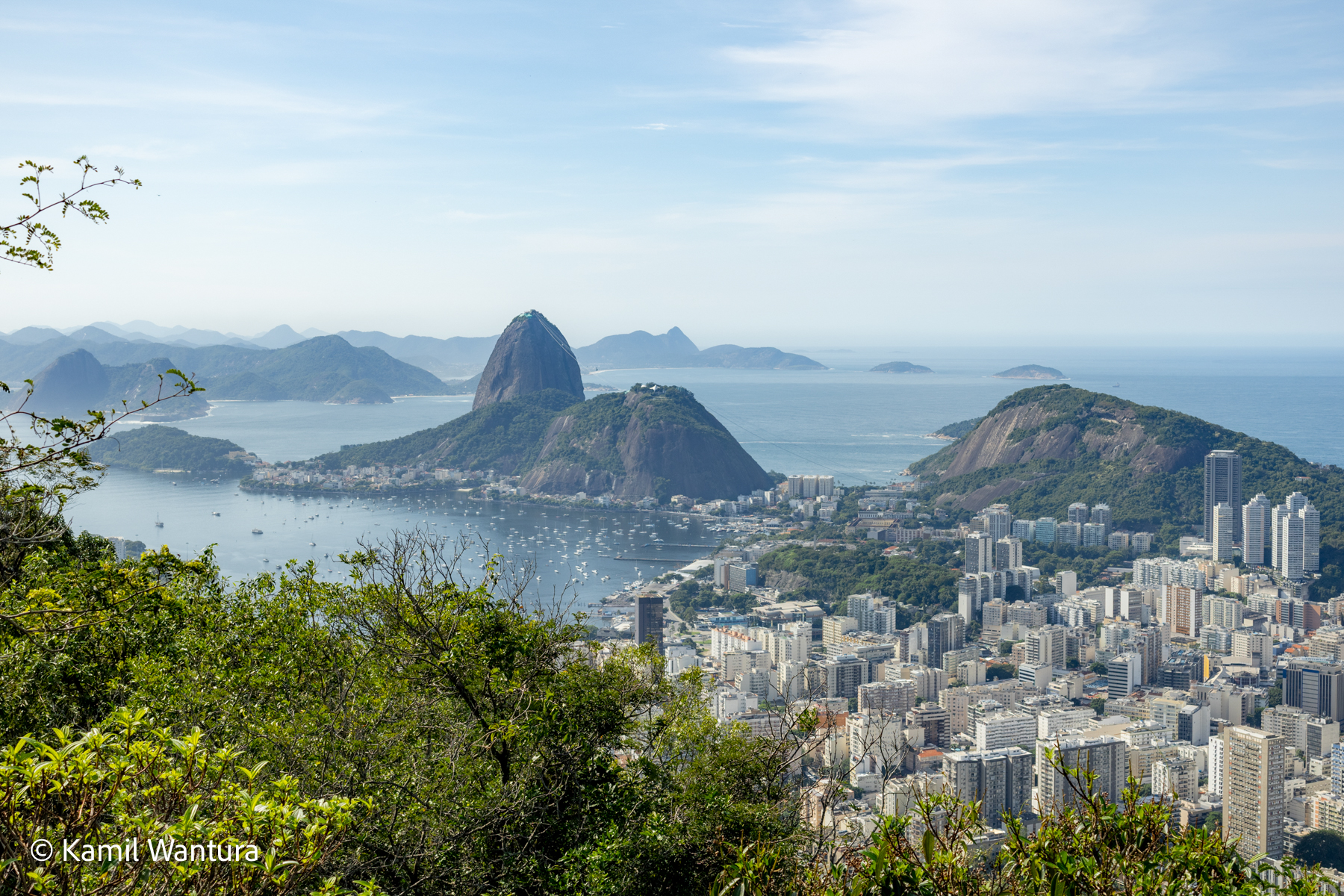
- Mirante Dona Marta (📍MAP): In the morning, we took a ride up to Mirante Dona Marta, one of Rio’s spectacular viewpoints.
- Another Incredible View: From the viewpoint, we had a fantastic perspective across Rio, with Sugarloaf Mountain standing prominently in the distance.
- A Different Perspective: After seeing Rio from Christ the Redeemer and Sugarloaf, it was interesting to experience another viewpoint and see how the city’s mountains, beaches and urban areas fit together.
Across the Rio–Niterói Bridge
- Ponte Presidente Costa e Silva (📍MAP): From Mirante Dona Marta, we continued towards Niterói, crossing the huge Rio–Niterói Bridge.
- Niterói (📍MAP): The journey took us across Guanabara Bay and into Niterói, giving us a chance to see another part of the Rio metropolitan area.
- Museu de Arte Contemporânea de Niterói (📍MAP): Our main destination was the famous Museum of Contemporary Art of Niterói, designed by renowned Brazilian architect Oscar Niemeyer.
- Oscar Niemeyer’s Iconic Building: The museum’s futuristic, saucer-shaped architecture is an attraction in itself. We spent the morning and early afternoon exploring the area and taking in the views across the bay.

Back to Ipanema
- Return to Rio: After spending several hours in Niterói, we took an Uber back to our hotel in Ipanema.
- Beach Time: We spent the rest of the afternoon and evening back at the beach, enjoying another relaxed end to the day.
Day 6: Copacabana Beach
A Slow Day at Copacabana
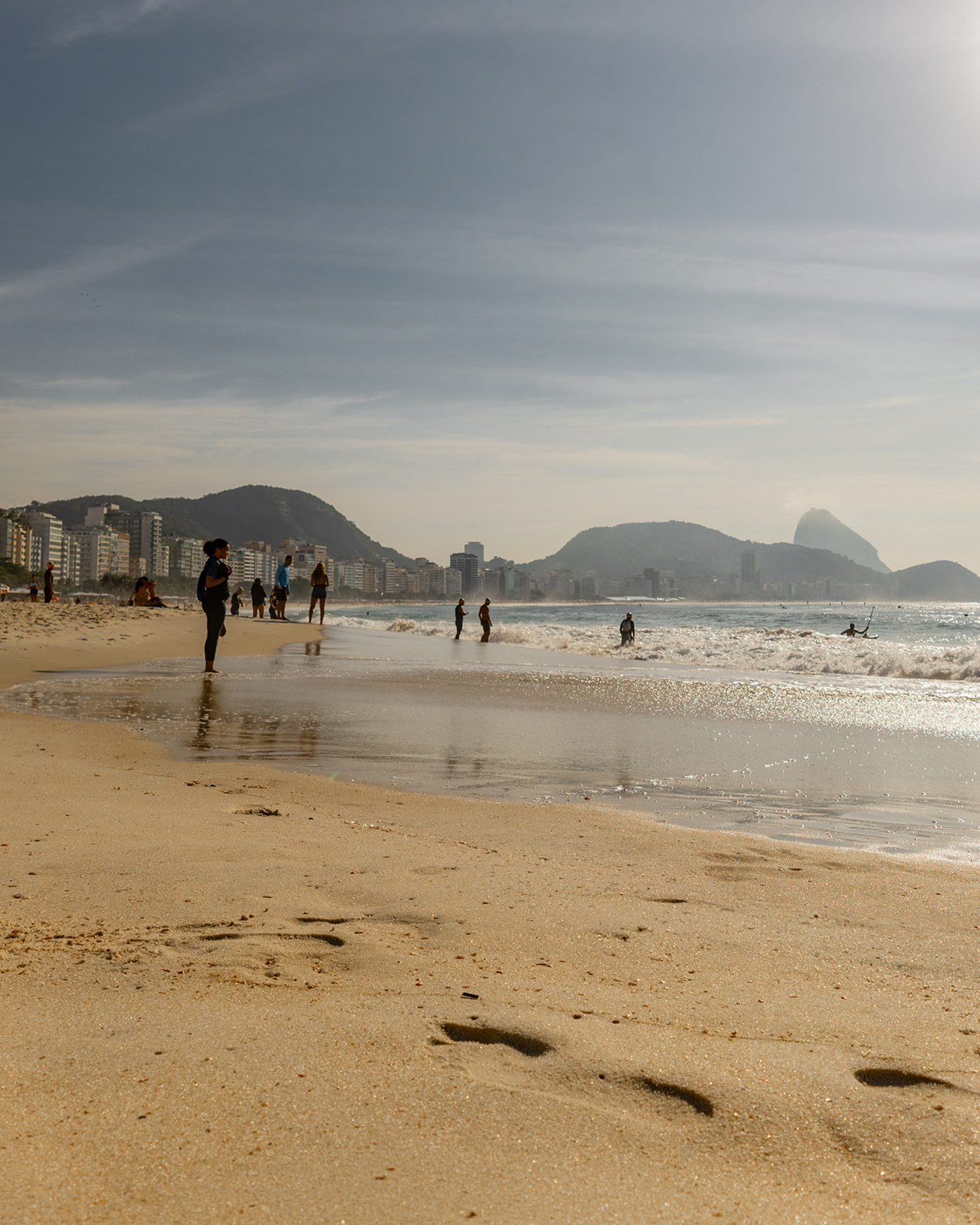
- Copacabana Beach (📍MAP): We spent the day at the famous Copacabana Beach.
- Sun, Sand & Ocean: After several days of sightseeing, we wanted another completely relaxed day. There was no schedule to follow and nowhere we needed to rush to.
- Enjoying Rio: Sometimes the best way to experience Rio is simply to sit back, enjoy the beach and watch the city go by.
Day 7: One More Day by the Ocean
Copacabana Beach & Relaxing in Rio
- Copacabana Beach (📍MAP): We spent another relaxing day around Copacabana, enjoying the beach and the ocean.
- No Sightseeing Today: By now, we had already visited most of the iconic places we wanted to see. Instead of adding another attraction to the list, we decided to simply enjoy our final full day in Rio.
- Sun, Sand & Sea: Or, as we kept correcting ourselves — sun, sand and ocean! Either way, it was exactly what we needed before heading home.
Day 8: Departure
Day 8: Last Day in Rio & Journey Home
One Last Walk Around Ipanema
- Final Morning in Rio: Our last day was intentionally slow. We had no major sightseeing plans left, so we took the opportunity to enjoy the local area around our hotel.
- Walking & Shopping: We spent the morning walking around Ipanema, browsing the local shops and picking up a few final souvenirs.
- One Last Look at the Beach (📍MAP): Of course, we also had to spend some time by the beach before leaving Rio.
- Leaving Rio: Seven days went incredibly quickly. We had a small regret that we hadn’t managed to see more, but at the same time, we realised that this is exactly what a trip to Rio should be like. It is impossible to spend every day sightseeing — sometimes you simply need to stop, relax and enjoy the city.
Flight Back to London
- Journey Home: In the late afternoon, we headed to the airport for our flight back to London.
- Goodbye, Rio: We left with plenty of memories, countless photographs and the feeling that seven days had barely been enough to scratch the surface of this incredible city.
The absolute best times to visit Rio de Janeiro are during the shoulder seasons of Autumn (April to June) and Spring (September to November). During these months, the weather is generally warm and pleasant without the intense heat and humidity of the Brazilian summer. These periods are ideal for exploring Rio’s beaches, viewpoints, historic neighbourhoods and outdoor attractions while avoiding the busiest Carnival and New Year crowds.
THE BRAZIL SURVIVAL & LOGISTICS GUIDE
Essential Ground Data for Travel & Photography Planning
Before packing your camera bags and heading to Rio de Janeiro, travelling around the city is relatively straightforward with a little preparation. From the extensive metro system and busy beach neighbourhoods to steep hills, tropical viewpoints and historic streets, understanding the local logistics will help make your photography adventure smooth, efficient and stress free.
1. Money, Payments, & Tipping
Brazil uses the Brazilian Real (BRL). Card and contactless payments are extremely common in Rio de Janeiro, but carrying some cash is still useful for smaller purchases and situations where cards are not accepted.
- The Reality for Travellers: Credit and debit cards are widely accepted at hotels, restaurants, supermarkets, shopping centres and most tourist businesses. Contactless payments are also common. However, small cafés, street vendors, beach vendors and some local businesses may prefer cash.
- The Solution: Withdraw Brazilian Reais from ATMs located inside banks, shopping centres or other secure locations. Avoid carrying large amounts of cash and keep smaller notes available for taxis, snacks, beach vendors and smaller purchases.
- Tipping Practices: Restaurants in Brazil commonly add a voluntary 10 percent service charge to the bill. Check your bill before tipping again. Additional tipping is not normally expected, although excellent service can be rewarded if you wish.
2. Transport Around Rio de Janeiro
For photographers, ride-hailing is often the easiest way to get around Rio de Janeiro, particularly when carrying camera equipment or travelling to locations away from the metro. Traffic can be heavy, so allow extra time for important shoots, especially during morning and evening rush hours.
- Ride-Hailing: Uber Widely available and usually the most convenient option for photographers. It is particularly useful for sunrise shoots, late-night returns and locations such as Santa Teresa, Parque Lage, Tijuca and mountain trailheads.
- Airport Transfers: Ride-hailing or official taxis are practical options from both Santos Dumont (SDU) and Galeão (GIG), especially with heavy photography equipment. Galeão is much further from the main tourist areas, so allow extra time for traffic.
- Traffic: Rio’s traffic can significantly increase journey times. For sunset shoots, timed attractions or other appointments, leave more time than the map estimate suggests.
- Metro: The metro is useful for quick journeys between areas such as Copacabana, Ipanema, Botafogo, Flamengo and Centro, particularly when roads are congested. For most photographers, however, ride-hailing is more practical for door-to-door travel.
- Walking: Areas such as Copacabana, Ipanema, Centro, Lapa and Santa Teresa are worth exploring on foot. Walking also makes it easier to stop for street photography and discover less obvious viewpoints.
- Early-Morning & Late-Night: Ride-hailing is often the simplest choice for sunrise shoots and returning after evening photography or nightlife, when public transport may be less convenient.
3. Connectivity & Mobile Setup
Reliable mobile data is invaluable for navigation, train tickets, restaurant bookings and checking attraction opening times.
The easiest option is purchasing an eSIM before travelling. Download the Airalo app and activate your eSIM before arriving in Morocco.
Get GBP £2.50 off your first eSIM purchase with Airalo by using code KAMIL9100 when signing up or at checkout.
If your phone is not eSIM compatible, physical SIM cards are available from major Brazilian mobile operators including Claro, TIM and Vivo. Registration requirements can vary, so buying a SIM from an official operator shop is recommended rather than relying on informal street sellers.
4. Attraction Rules & Photography Etiquette
Rio de Janeiro offers extraordinary photography opportunities, from the iconic Christ the Redeemer and Sugarloaf Mountain to colourful neighbourhoods, beaches and tropical viewpoints. However, some locations have specific rules and restrictions.
Historic & Tourist Sites
Major attractions such as Christ the Redeemer, Sugarloaf Mountain and several museums require entrance tickets. During weekends, public holidays and peak travel periods, booking tickets in advance can save considerable time.
Photography Restrictions
Photography is generally welcomed at Rio’s outdoor attractions, beaches and viewpoints. However, some museums, churches and cultural institutions may restrict flash photography, tripods or professional/commercial equipment. Always follow signs and staff instructions.
When photographing local people, street performers or residents in poorer neighbourhoods, use discretion and ask permission when appropriate. Avoid treating vulnerable communities as photographic attractions without respecting the people who live there.
Drone Regulations
Drone flights in Brazil are subject to aviation and local restrictions. Flights near airports, crowded areas, sensitive infrastructure and major attractions can be restricted or require prior authorisation. Before bringing or flying a drone in Rio, check the current Brazilian aviation and local requirements and obtain any necessary permissions.
Beach & City Etiquette
Rio is a relaxed and informal city, particularly around the beaches. Swimwear is normal on the beach, but more modest clothing is appropriate when entering shops, restaurants, churches and residential areas. Avoid leaving phones, cameras or other valuables unattended on the beach, particularly when the area is quiet.
5. Common Tourist Scams & How to Avoid Them
Rio de Janeiro is one of Brazil’s most visited cities and millions of tourists visit safely every year. However, petty theft and opportunistic crime can occur, particularly in crowded tourist areas, on beaches and when visitors are distracted. Staying aware of your surroundings and avoiding unnecessary displays of valuables will significantly reduce the risk.
- Beach Theft: Leaving phones, cameras, wallets or bags unattended while swimming can make you an easy target. If you are travelling alone, take only what you need to the beach and keep valuables secured.
- Pickpocketing: Crowded areas, public transport, busy viewpoints and major tourist attractions can attract pickpockets. Keep phones and wallets secure and use a zipped bag when carrying photography equipment.
- Unofficial Taxis: Avoid accepting unsolicited taxi offers at airports or major attractions. Use official taxi services or reputable ride-hailing apps such as Uber and confirm the vehicle and driver details before getting in.
- Card & Payment Issues: Be cautious if someone attempts to distract you while paying by card or insists on taking your card away from you. Check the amount displayed on the payment terminal before confirming the transaction.
- ATM Safety: Use ATMs located inside banks, shopping centres or other secure buildings whenever possible. Avoid using isolated machines on quiet streets, particularly after dark.
- Street Distractions: Be cautious around groups of people who deliberately create distractions, ask unusual questions or get extremely close to you. These situations can sometimes be used to facilitate theft.
- Unofficial Guides: At popular attractions, someone may offer unsolicited guiding services or attempt to redirect you to another location. If you want a guide, use an established tour company or book through a reputable platform.
- Overpriced Tourist Services: Always agree on the price of tours, transport or photography-related services before committing. If the price is unclear, simply walk away and compare alternatives.
6. Gear Protection & Packing Essentials
Rio combines tropical humidity, intense sunlight, beaches, mountains and busy urban environments. Protecting your camera equipment from moisture, sand and accidental damage is essential.
- Humidity & Rain Protection: Rio has a tropical climate and sudden rain showers can occur. Carry a compact rain cover for your camera bag and consider using weather protection for your camera when photographing outdoors during unsettled weather.
- Beach & Sand Protection: Sand can easily damage camera equipment, particularly when photographing around Copacabana and Ipanema. Keep lenses capped when not in use and avoid changing lenses directly on the beach.
- Comfortable Footwear: Exploring Rio involves walking on pavements, steep streets, cobbled areas and trails. Comfortable shoes with good grip are essential if you plan to visit viewpoints such as Pedra Bonita or hike through Tijuca National Park.
- Weather: Rio can become hot and humid, particularly during the summer months. Lightweight breathable clothing is recommended, while a light waterproof layer is useful during the wetter periods.
- Sun Protection: Strong sunlight is common, especially around the beaches and mountain viewpoints. Sunglasses, sunscreen, a reusable water bottle and a hat are highly recommended.
- Camera Batteries: GPS use, mobile data and shooting in bright outdoor conditions can drain batteries quickly. Carry at least one spare battery and a portable power bank for long photography days.
Quick Reference Travel Checklist
| Category | Action Item & Recommendation |
|---|---|
| Cash | Carry some Brazilian Reais for small purchases, beach vendors and businesses that do not accept cards. |
| Transport | Use the Rio Metro, official taxis or reputable ride-hailing services such as Uber. Allow extra time for traffic when travelling by road. |
| Navigation | Download offline Google Maps before exploring Rio and save the locations of your accommodation and planned photography spots. |
| Mobile Data | Install an eSIM before departure or purchase a local SIM card from an established Brazilian mobile operator. |
| Photography Gear | Carry a rain cover, lens cleaning equipment and spare batteries. Avoid changing lenses in sandy or wet conditions. |
| Personal Security | Keep cameras and phones discreet when travelling between locations and avoid displaying expensive equipment unnecessarily. |
| Clothing | Wear lightweight breathable clothing, comfortable walking shoes and carry a light waterproof layer for sudden rain. |
| Sun Protection | Carry sunscreen, sunglasses, a hat and plenty of water, particularly when photographing beaches and mountain viewpoints. |
